

Free visual inspection and a written scope of work before any mitigation begins - photos, moisture readings, and drying logs go in your claim file
The scope we write is the scope we bill. Anything new gets shown to you, in writing, before we touch it.
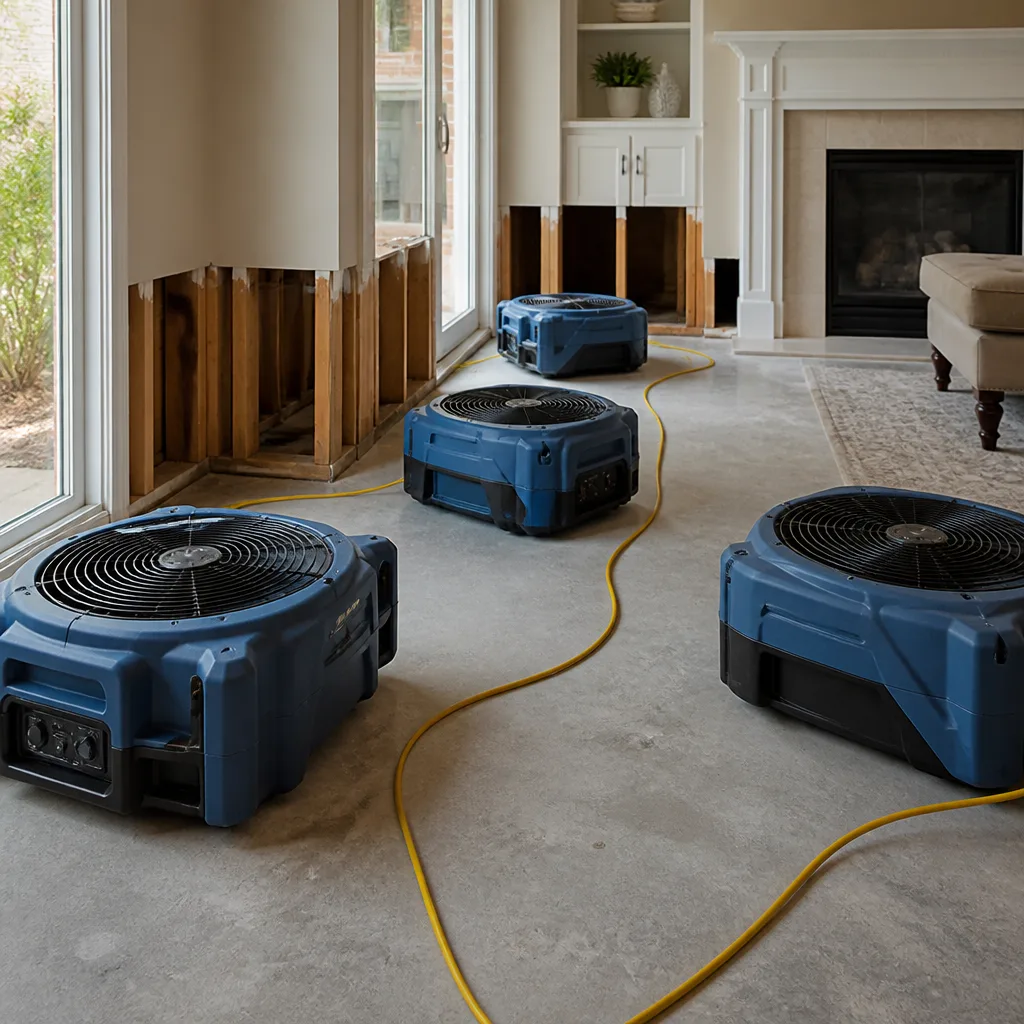
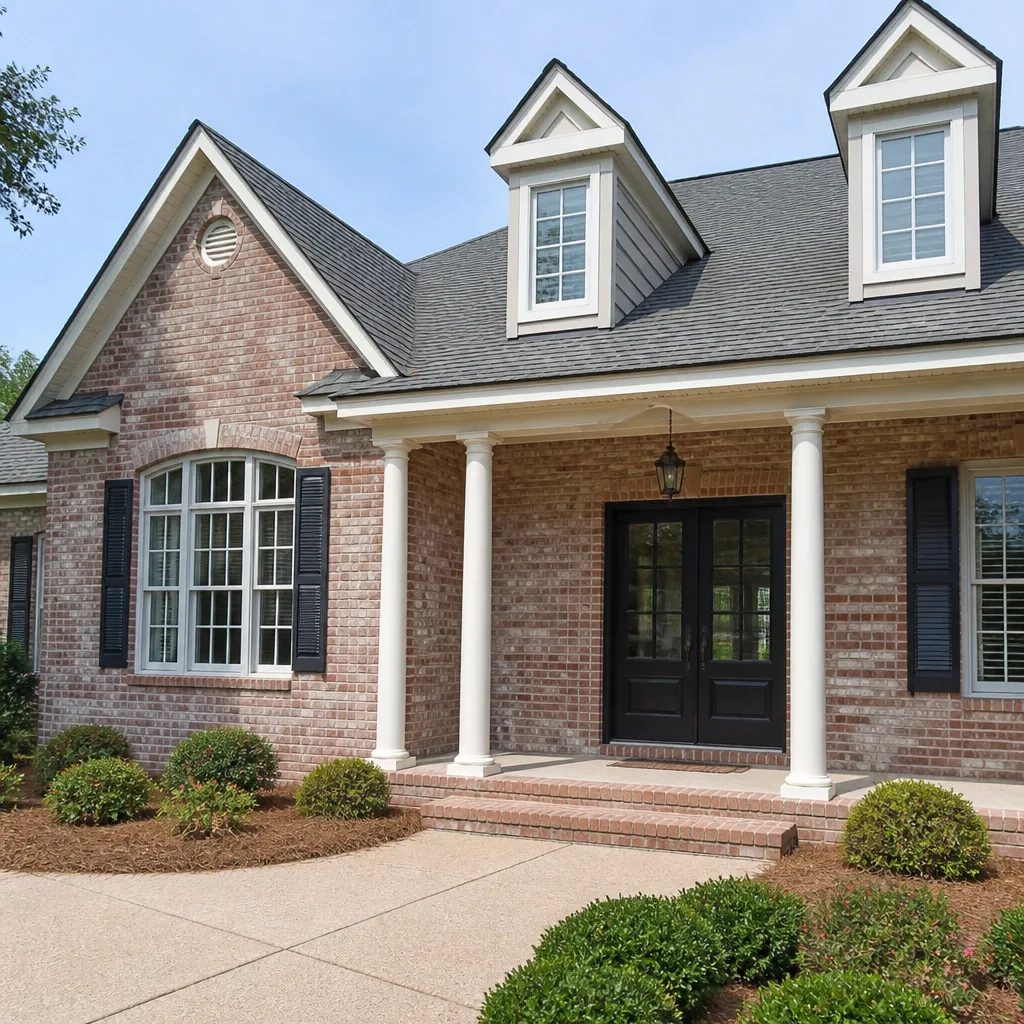
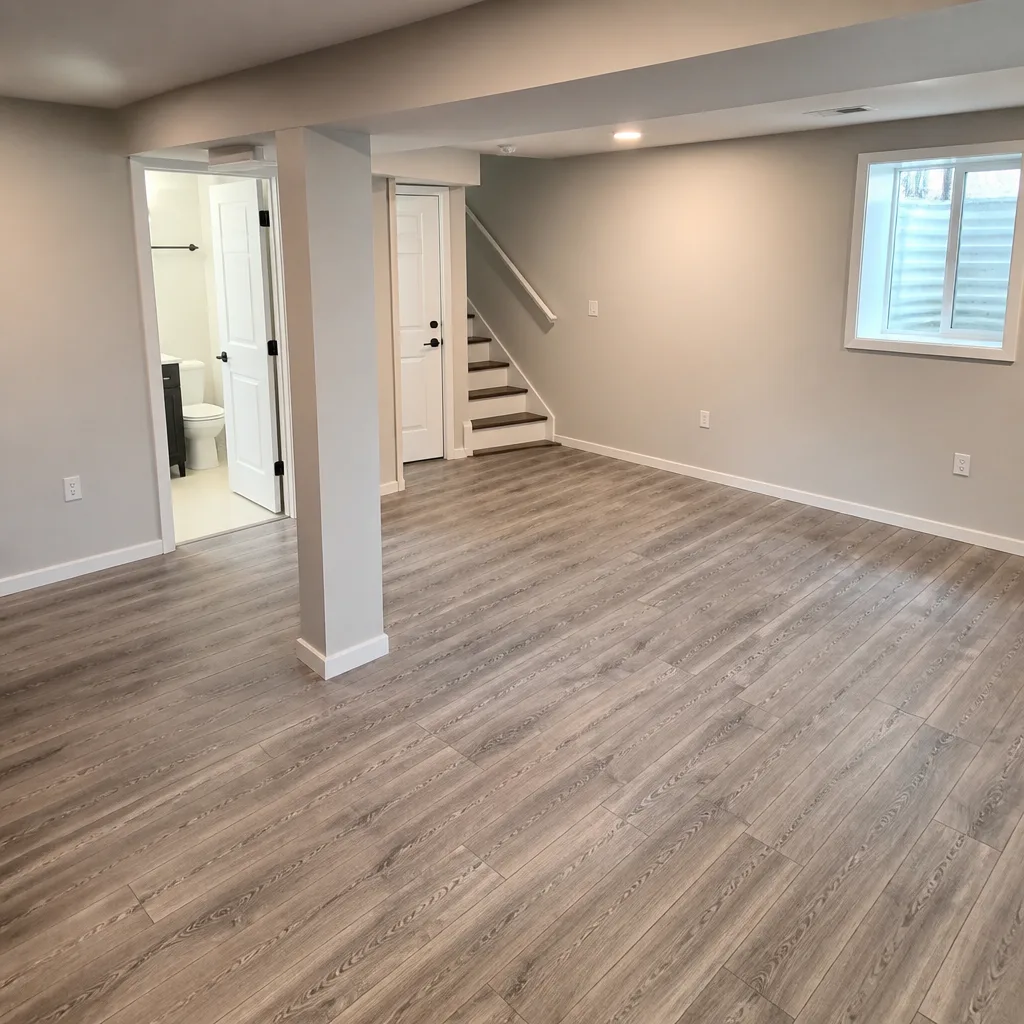
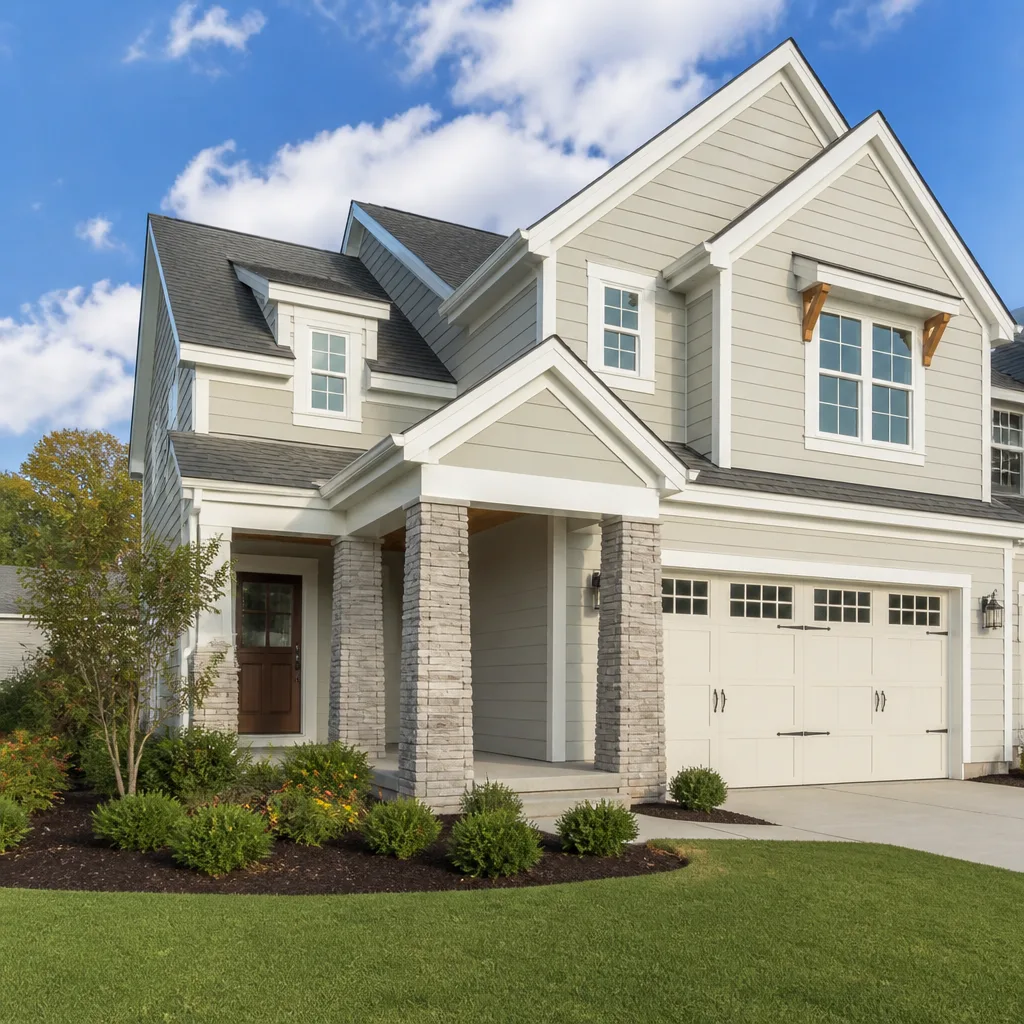
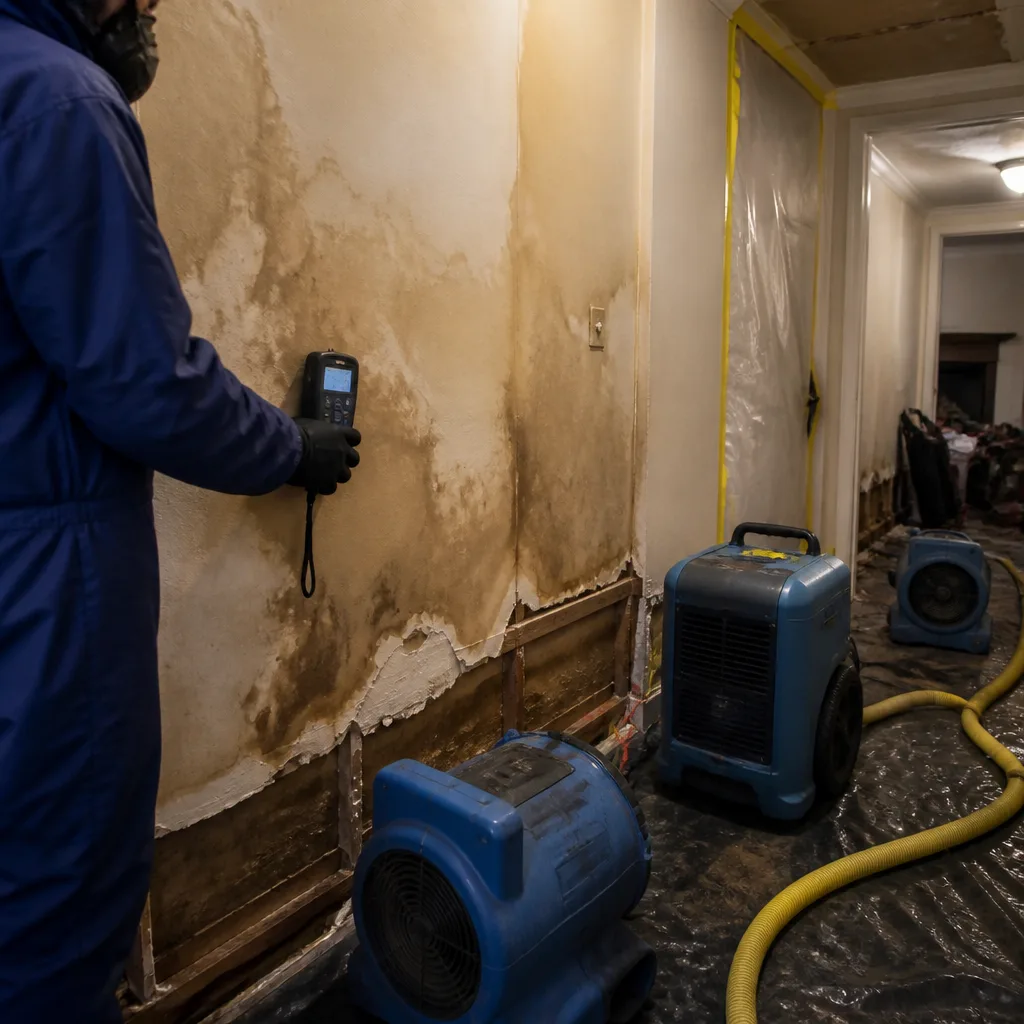 Before
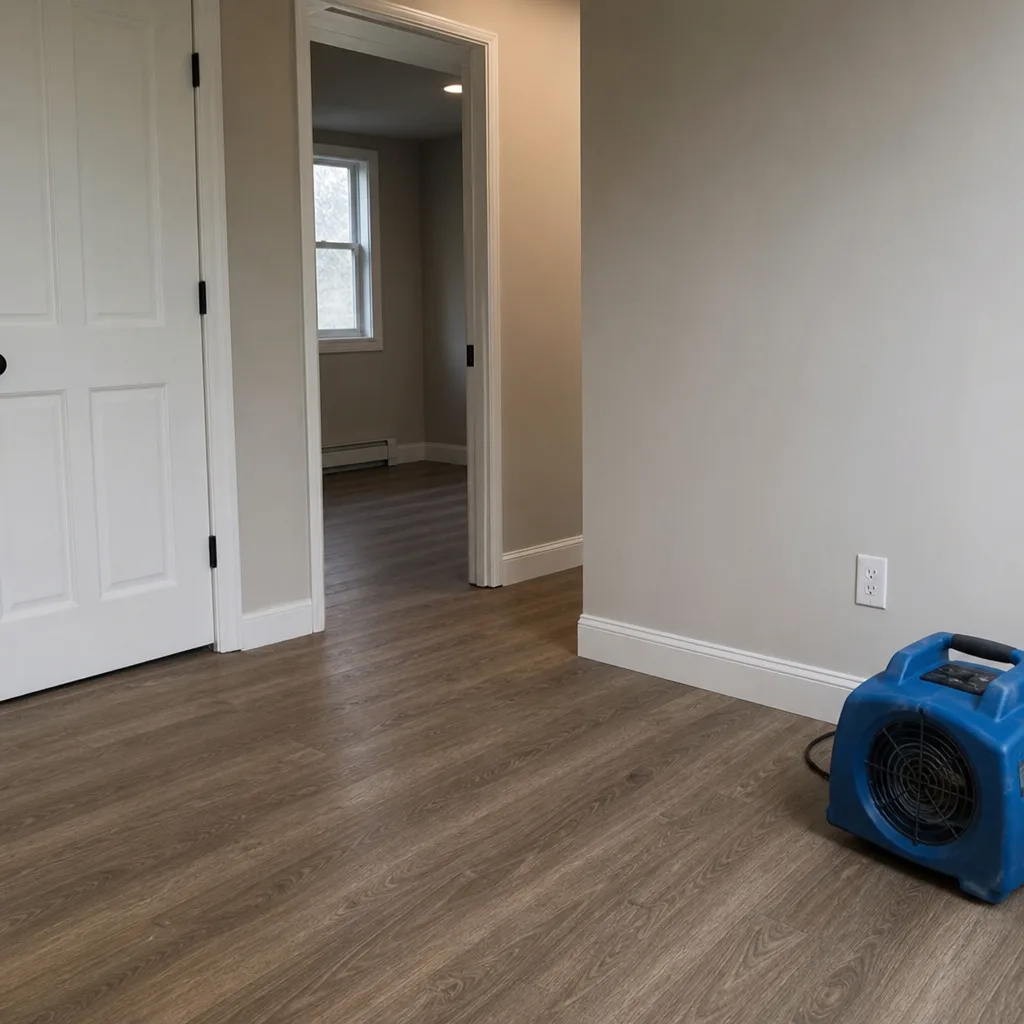 After
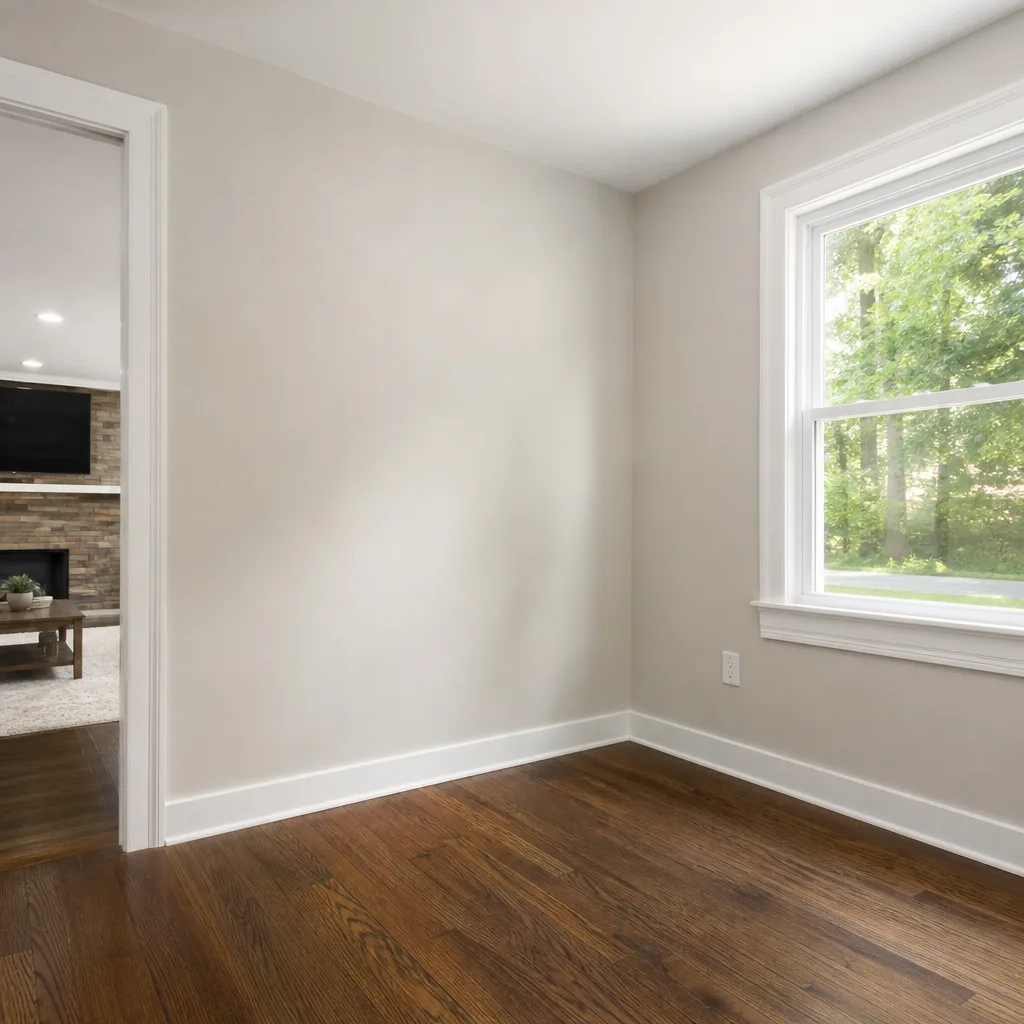
After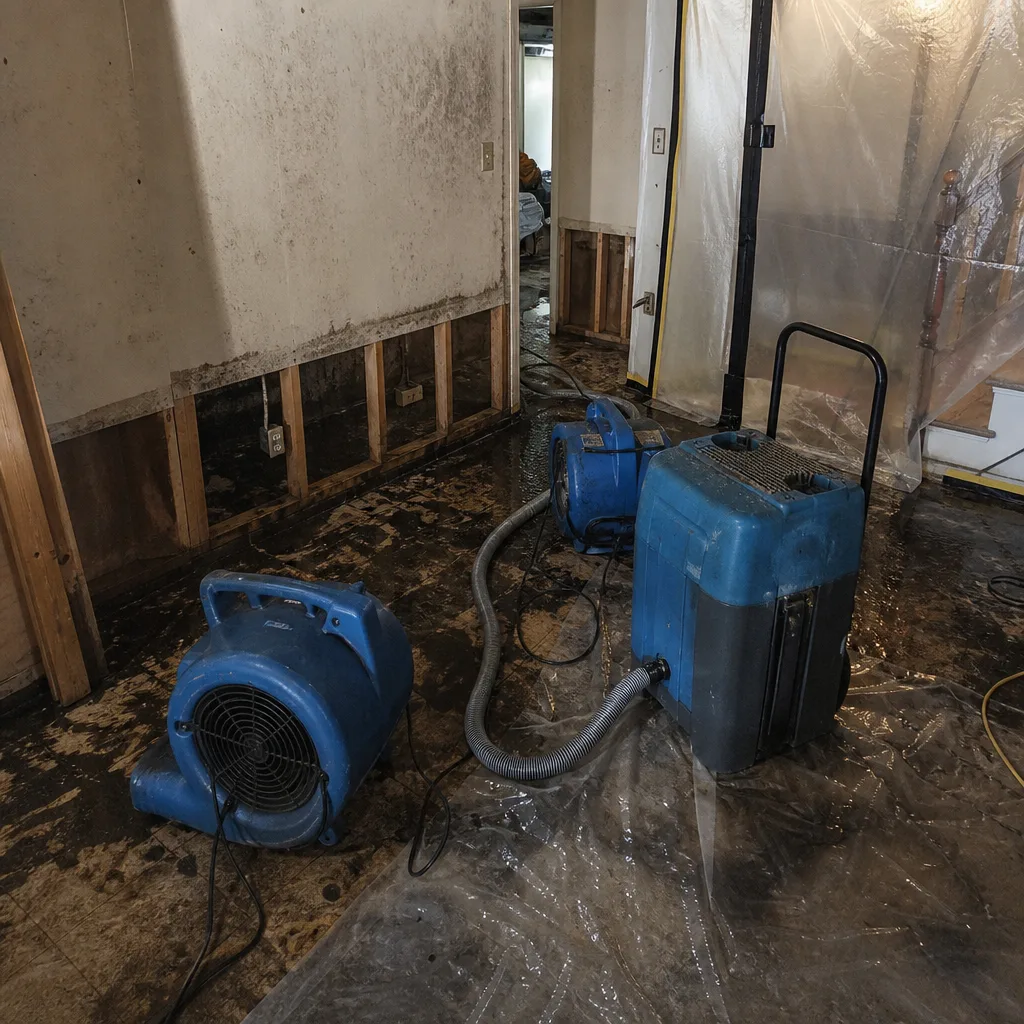 Before
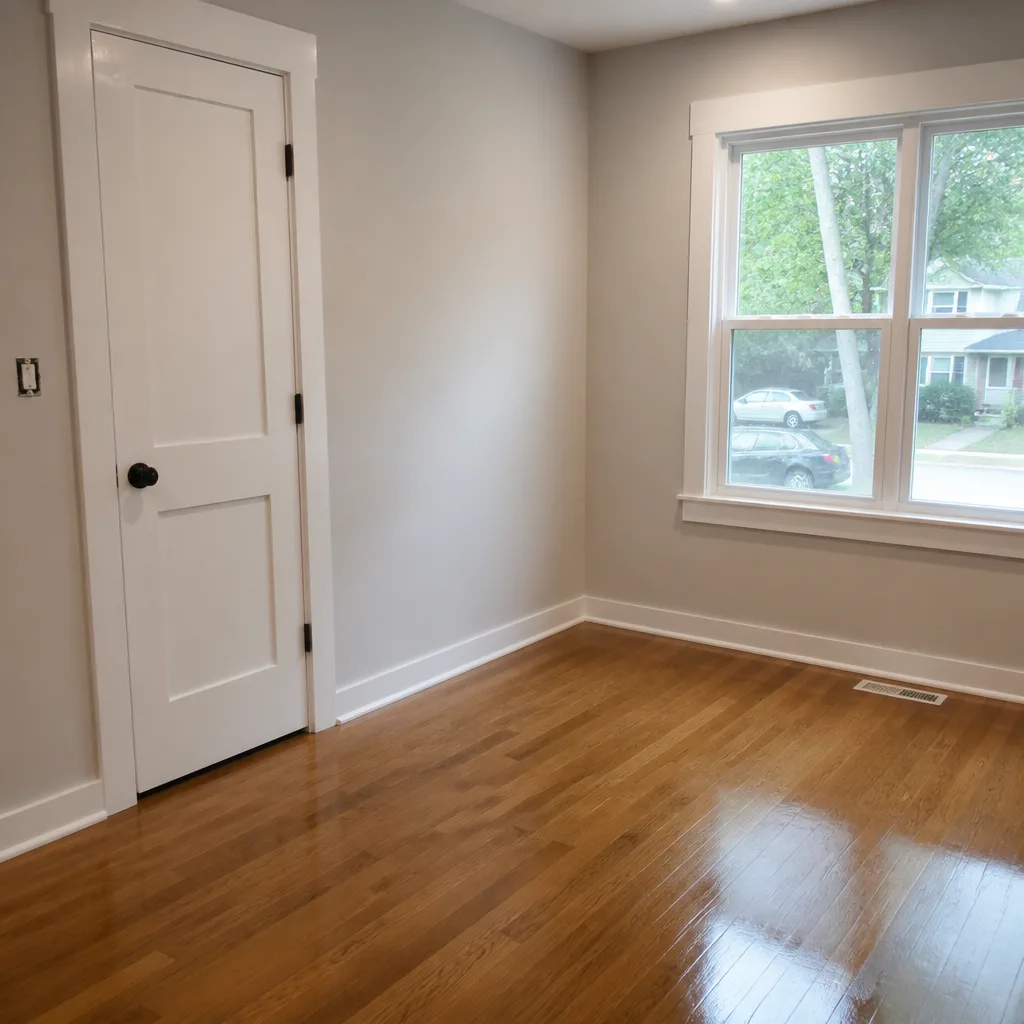 After
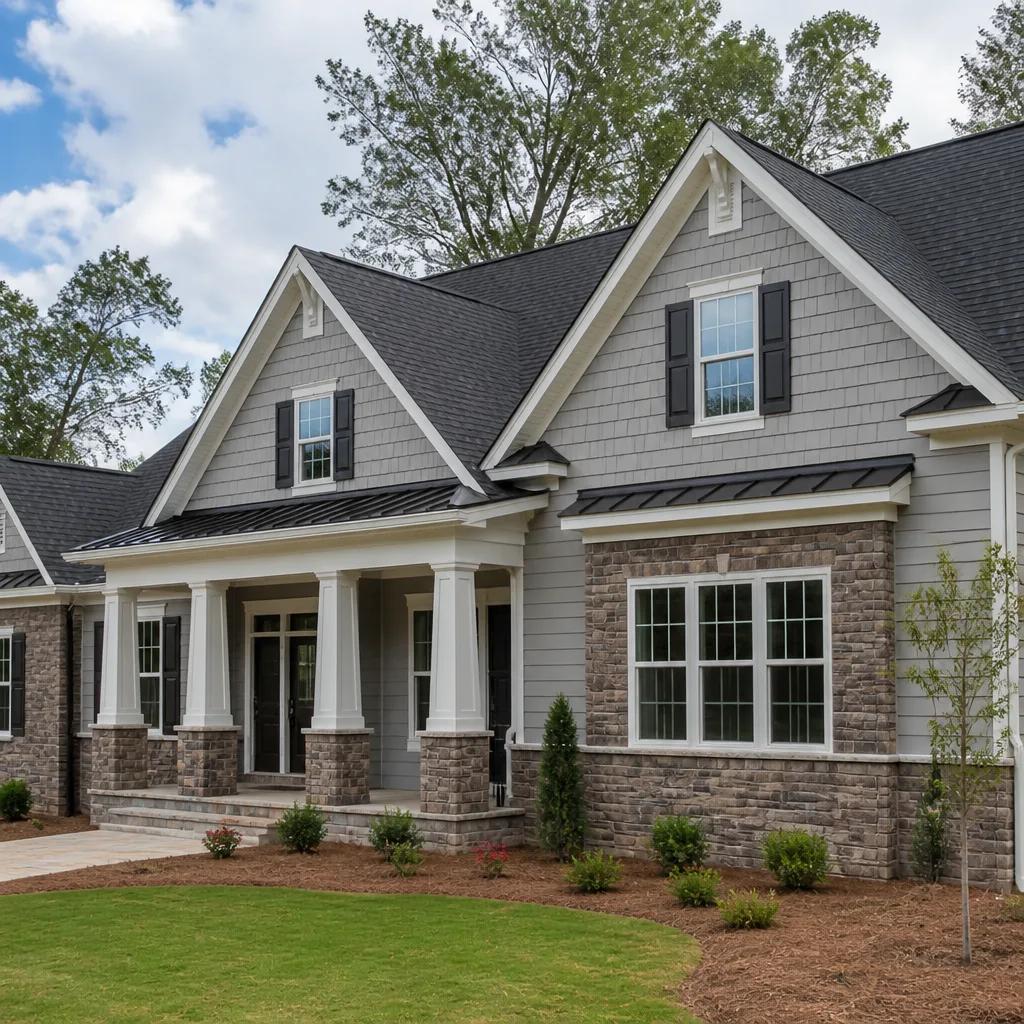
After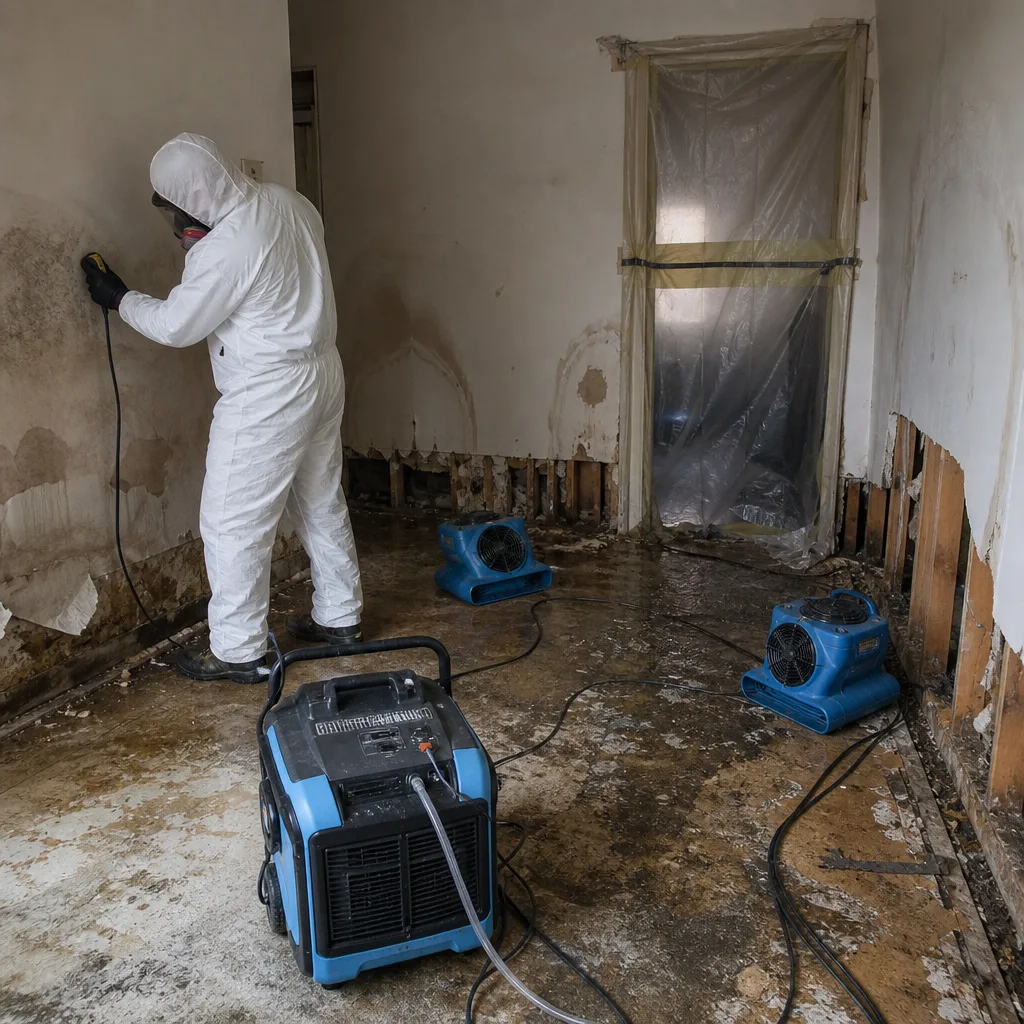 Before
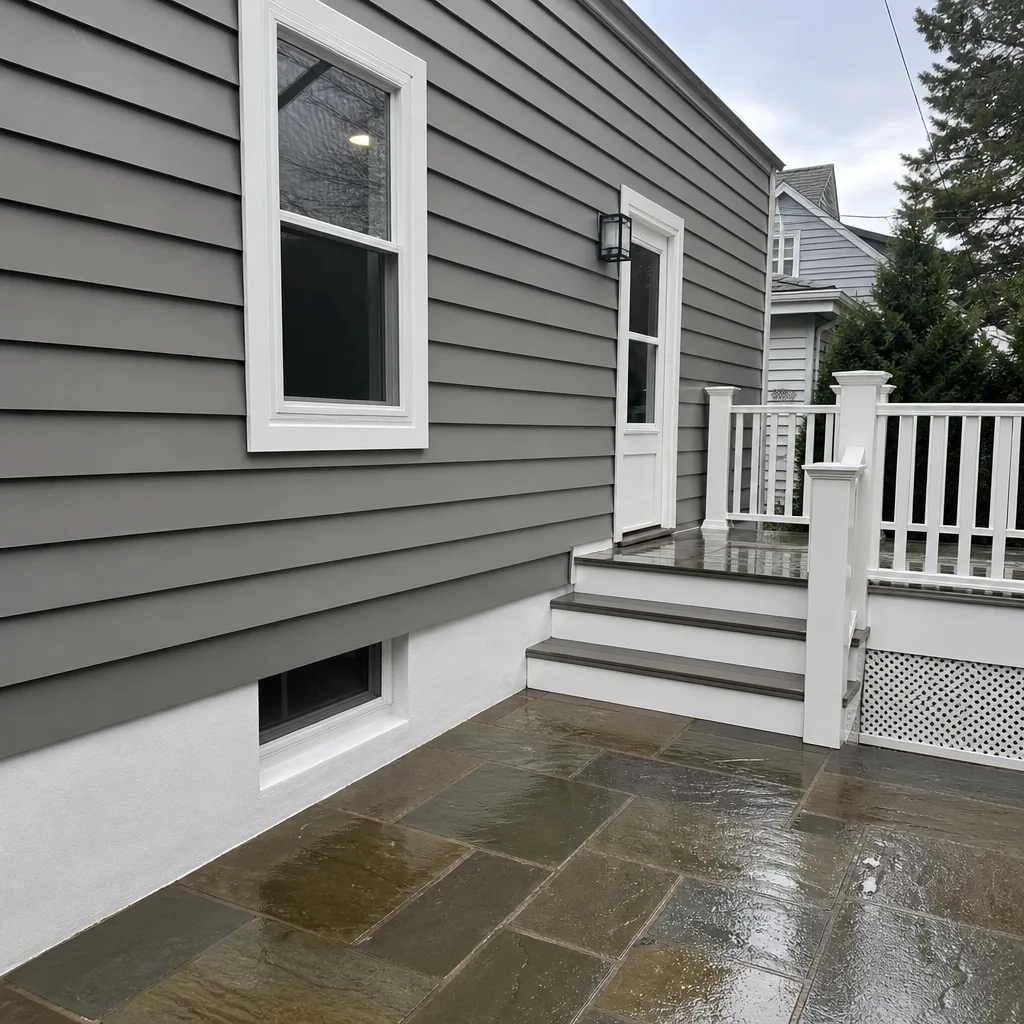 After
After24/7 Emergency Mold Remediation in Haworth
Mold remediation in Haworth typically costs $1,800-$6,500 depending on square footage, containment requirements, and whether structural materials need removal. A 24/7 live dispatcher answers at (640) 333-9625, and a certified crew can reach most Haworth homes within 45 minutes. The first hour matters because mold colonies double every 24 to 48 hours once moisture is present. The faster we contain the affected area and stop the water source, the less demolition and cost you face.
Haworth’s older housing stock makes early response especially critical. Basements built with 1950s and 1960s cinder-block foundations hold moisture differently than modern poured concrete, and hidden mold behind finished walls spreads before you ever see staining on drywall. We offer a free visual inspection, and every job starts with the same question: where is the water coming from? If we don’t answer that correctly, the mold comes back. Mold Remediation is not a surface-cleaning trade. It requires containment, air scrubbing, and clearance testing done in the right sequence. We do all of it, start to finish, with the same crew on site from day one.
Understanding Mold Remediation Severity in Haworth Properties
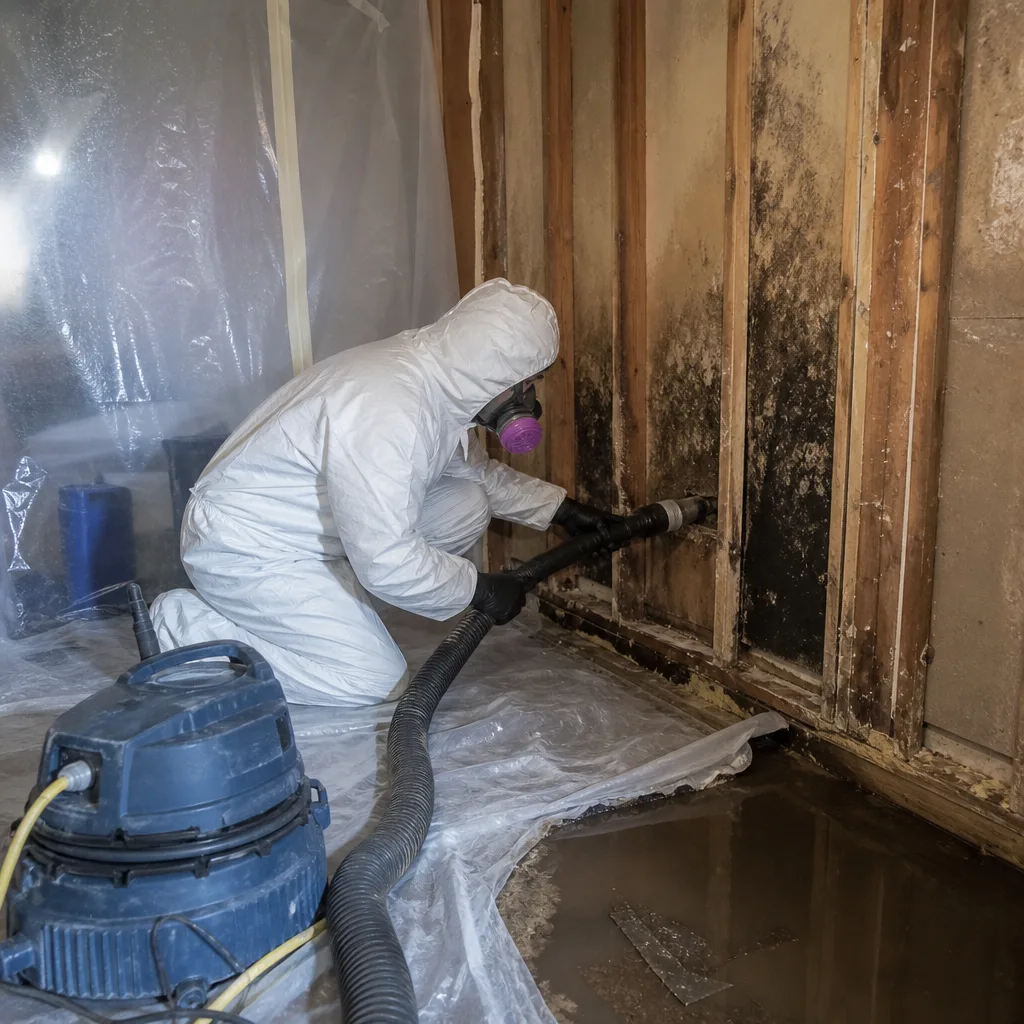
Not all mold problems are equal. The remediation industry divides mold work by the square footage of visible contamination and whether the HVAC system or structural cavities are involved. Under 10 square feet of surface mold on a bathroom ceiling is a cleaning job. But mold behind baseboards, inside wall cavities, or spreading across a finished basement floor is a containment job requiring HEPA air scrubbers, negative air pressure, and antimicrobial treatment applied by a certified technician. In Haworth, we see the full range because so many homes were built between the late 1940s and early 1970s, when perimeter drain-tile systems were standard but undersized by today’s stormwater realities.
Those legacy drain tiles were sized for 1960s rainfall patterns. Bergen County nor’easters and tropical remnants now deliver sustained rainfall that raises the water table faster than the original systems can move water away from the foundation. Hydrostatic pressure builds against cinder-block walls, finds the path of least resistance, and introduces moisture into finished basement spaces. That moisture, trapped behind drywall and insulation, creates exactly the conditions mold needs: cellulose food source, darkness, and a steady humidity above 60%. What starts as a musty smell in a Haworth rec room is often a colony that’s been growing for weeks inside the wall cavity. Proper remediation means finding the full moisture footprint before demolition starts, not just treating what you can see.
Why Haworth Property Owners Choose Floodline Restoration Co.
Most of our Haworth clients have lived in their homes for twenty years or more. They remember a contractor who cut corners once, and they don’t want a second round of that. Here’s what we put in writing before any work begins:
- 45-minute response commitment - We dispatch from our metro office, and Haworth’s compact geography means a certified technician is usually on your street within 45 minutes of your call.
- A live person answers, every time, any hour - No phone trees, no “leave a message after the tone.” At 2 a.m. you get a dispatcher who can authorize a crew immediately.
- IICRC-certified technicians - Our crews train to IICRC, RIA, and IFA standards, including the AMRT (Applied Microbial Remediation Technician) certification path for mold work. Background-checked, uniformed, and accountable to a name on the truck.
- Free visual inspection - Before you commit to anything, we walk the property, identify the moisture source, and tell you honestly whether you need full remediation or a targeted cleaning.
- Direct insurance billing - We bill your carrier directly and handle adjuster communication. You never play messenger between us and the insurance company.
- One crew from first assessment to final clearance - The technician who reads the moisture map on day one handles daily readings and stays through the rebuild. No mid-job handoff, no inherited crew that doesn’t know your house.
And every job carries our 90-Day Done Right Promise, the Keystone Standard: if it’s not done right, we make it right. In writing. No arguing.
Our Mold Remediation Process
Inspection & Assessment
We begin by locating the moisture source, because mold doesn’t grow without it. That means examining drain tiles, sump pits, foundation walls, and sewer laterals. We use thermal imaging and hygrometers to map moisture behind finished surfaces, not just on them. If you haven’t had a formal mold inspection and the source isn’t obvious, we recommend testing before demolition so the scope is accurate.
Containment Setup
We isolate the affected area with 6-mil polyethylene sheeting and establish negative air pressure so mold spores don’t migrate to clean rooms during removal. HEPA air scrubbers run continuously from this point until clearance testing passes. This step is non-negotiable for any job over 10 square feet of contamination.
Source Elimination
The water or moisture pathway gets corrected before any mold work. In Haworth, this often means repairing a failed drain-tile section, addressing a root-intruded clay lateral, or installing supplemental dehumidification in a crawl space. Skipping this step is the number one reason remediation fails and mold returns after the next storm.
Removal & Antimicrobial Treatment
Contaminated drywall, insulation, carpeting, and trim are removed and bagged inside containment. Affected framing and concrete get scrubbed and treated with EPA-registered antimicrobials. We follow IICRC S520 guidelines for fungal remediation throughout the process.
Drying & Verification
Professional-grade equipment including Dri-Eaz dehumidifiers and XPOWER air movers runs until we hit the dry standard. We log moisture readings daily and hand you and your insurer the complete documentation, not a verbal “it feels dry.”
Clearance & Restoration
Post-remediation verification confirms spore counts have returned to normal background levels. Then we restore what was removed: drywall, paint, flooring, trim. The same crew that removed the mold rebuilds the room, so nothing gets lost between hands.
Need Emergency Mold Remediation in Haworth Now?
Crews minutes away, answering live 24 hours a day. The sooner we start, the less it costs.
Working With Your Insurance Company
Mold coverage is one of the most misunderstood parts of a homeowner’s policy. In New Jersey, coverage usually depends on whether the mold resulted from a covered peril, like a sudden pipe burst, or from long-term moisture that the insurer considers a maintenance issue. Sudden water events that lead to mold are frequently covered. Chronic seepage through an aging foundation wall usually isn’t, unless a rider was added. Either way, we document everything from the first hour so your claim has the best possible footing. Photos, moisture readings, drying logs, and a line-item scope of work go directly to your adjuster, and we handle the back-and-forth. You’ve got enough to manage without becoming a claims negotiator.
What We Provide Your Insurer
- Thorough documentation of the loss
- Photos of all damage, room by room
- Moisture readings and drying logs
- A detailed, line-item scope of work
- Direct coordination with your carrier
Built for Haworth’s Loss Calendar
Haworth’s mold problems follow a predictable rhythm through the year, and knowing that rhythm changes how we scope projects. January and February bring deep freezes that stress aging supply lines and boiler pipes; a burst pipe in a 1960s basement introduces category 1 water that becomes a mold risk within 48 hours if drying isn’t started immediately. March and April thaw the ground, and freeze-thaw cycling has opened new hairline cracks in cinder-block foundations all winter, so spring seepage shows up right on schedule. July and August thunderstorms deliver flash runoff that overwhelms undersized drain tiles, especially on clay-heavy glacial soils that drain slowly even in dry weather. September through November is nor’easter season, when sustained rainfall over two or three days raises the water table and tests every sump pump and perimeter drain in the borough.
That’s the calendar. The variable is what’s hidden underground: mature oak and maple roots have spent decades finding their way into clay sewer laterals and drain tiles all over Haworth. We scope the lateral before we assume the mold source is a foundation crack. Every season has a different dominant cause, and our crews know which one to look for first when the phone rings.
Mold Remediation Across Haworth’s Neighborhoods
Haworth’s residential streets are quiet, tree-lined, and almost entirely single-family, which means mold problems show up differently block to block depending on topography and drainage. Homes along Haworth Avenue and the streets running east toward the reservoir sit lower relative to the watershed, and they see faster basement water intrusion during heavy rain events. The clay-heavy soils here hold water against foundation walls longer, extending drying times and requiring more aggressive dehumidification. Our crew responded to a mold outbreak in a 1950s split-level near Haworth Avenue, where original clay drain tiles had collapsed and pushed category 3 water into the finished basement. We scoped the sewer lateral first and found root intrusion from the mature oak in the backyard, a common hidden driver here. After removing the contaminated drywall and applying antimicrobial treatment, we set up containment with HEPA air scrubbers and ran drying logs around the clock, restoring the space to pre-loss condition without triggering a DEP runoff citation.
Properties near Sunset Avenue and the western edge of town, upslope from the reservoir, don’t flood as readily but still suffer humidity-driven mold in crawl spaces and below-grade finished rooms. Homes along Valley Road, with deeper setbacks and mature landscaping, see more root intrusion into underground drainage lines. And the streets around Haworth Elementary School, with their mix of original 1950s ranchers and later additions, often have mismatched foundation systems where old meets new, creating seams where water finds entry. The 07641 ZIP covers the entire borough, so our response times stay tight regardless of which block you’re on.
Specialized Mold Remediation Services We Offer in Haworth
Mold Inspection & Testing
You don’t need visible mold to have a mold problem. In Haworth’s post-war homes, musty odors without visible staining often mean hidden colonies behind finished basement walls or in ceiling cavities, and sometimes a formal inspection with air sampling and surface testing is the only way to know the scope. We can test for spore types and concentrations, then give you an honest read: full remediation, targeted cleaning, or no action needed. We don’t sell remediation on a false positive.
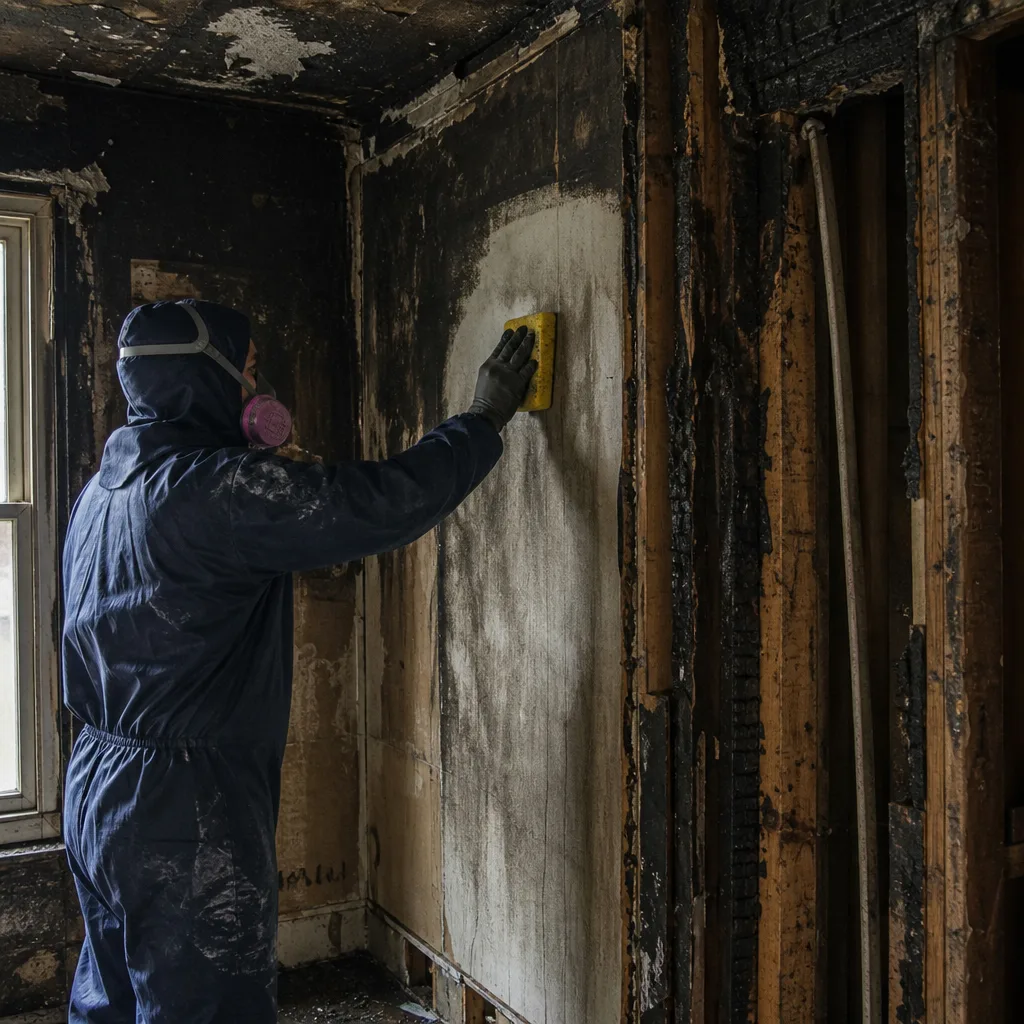
Mold Removal
The term “removal” is misleading; you can’t remove all mold spores from any indoor environment. What we do is remove colonized material, clean affected surfaces, and reduce spore counts to normal background levels. In Haworth, that usually means cutting out wet drywall, treating framing, and disposing of contaminated material under proper containment, especially when the project involves sewage-contaminated water or chemical agents and falls under DEP disposal scrutiny.
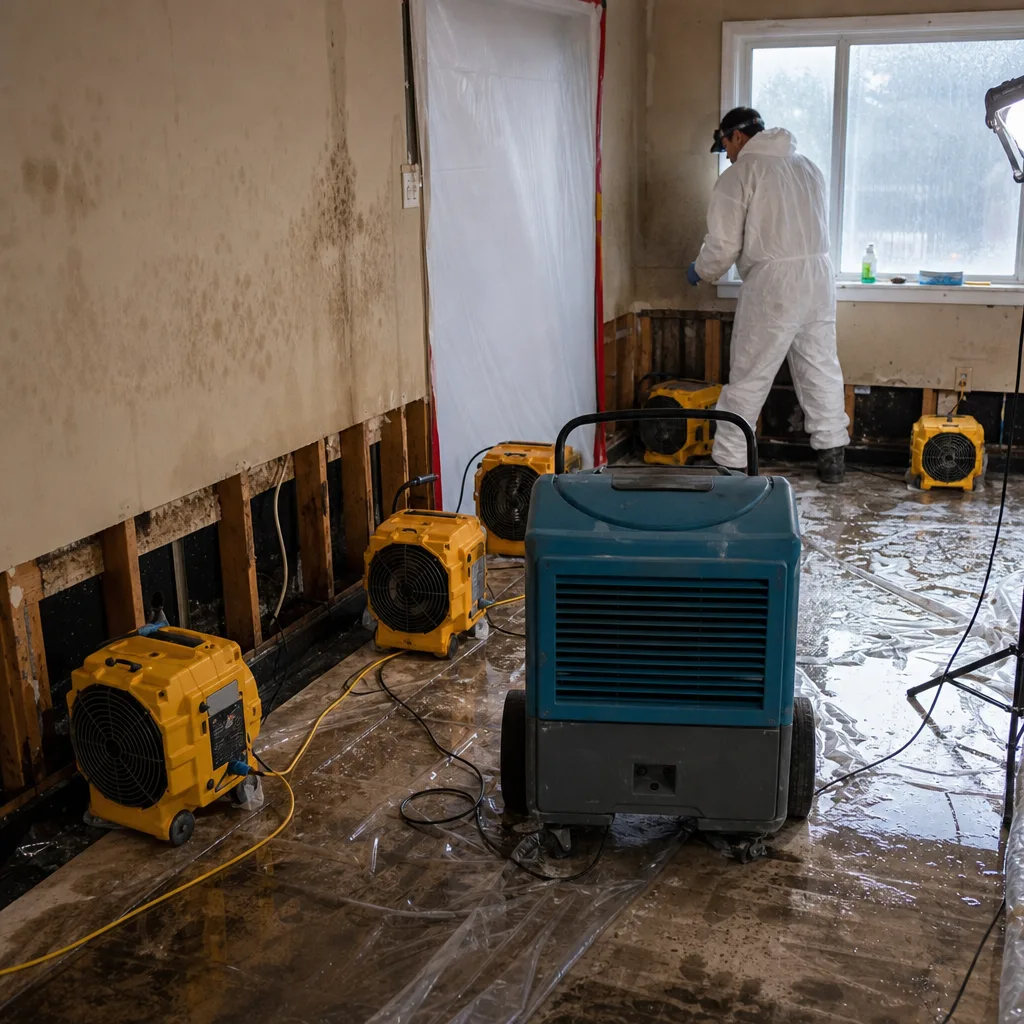
Black Mold Remediation
Stachybotrys, the mold commonly called “black mold,” gets the most attention from homeowners, and for good reason. It grows on chronically wet cellulose materials like drywall and ceiling tiles, and it can produce mycotoxins that affect indoor air quality. Remediation requires full containment, HEPA filtration, and verified clearance testing. If you have black mold in a Haworth basement, don’t disturb it by scrubbing. Disturbance releases spores and spreads the problem. Call us first.
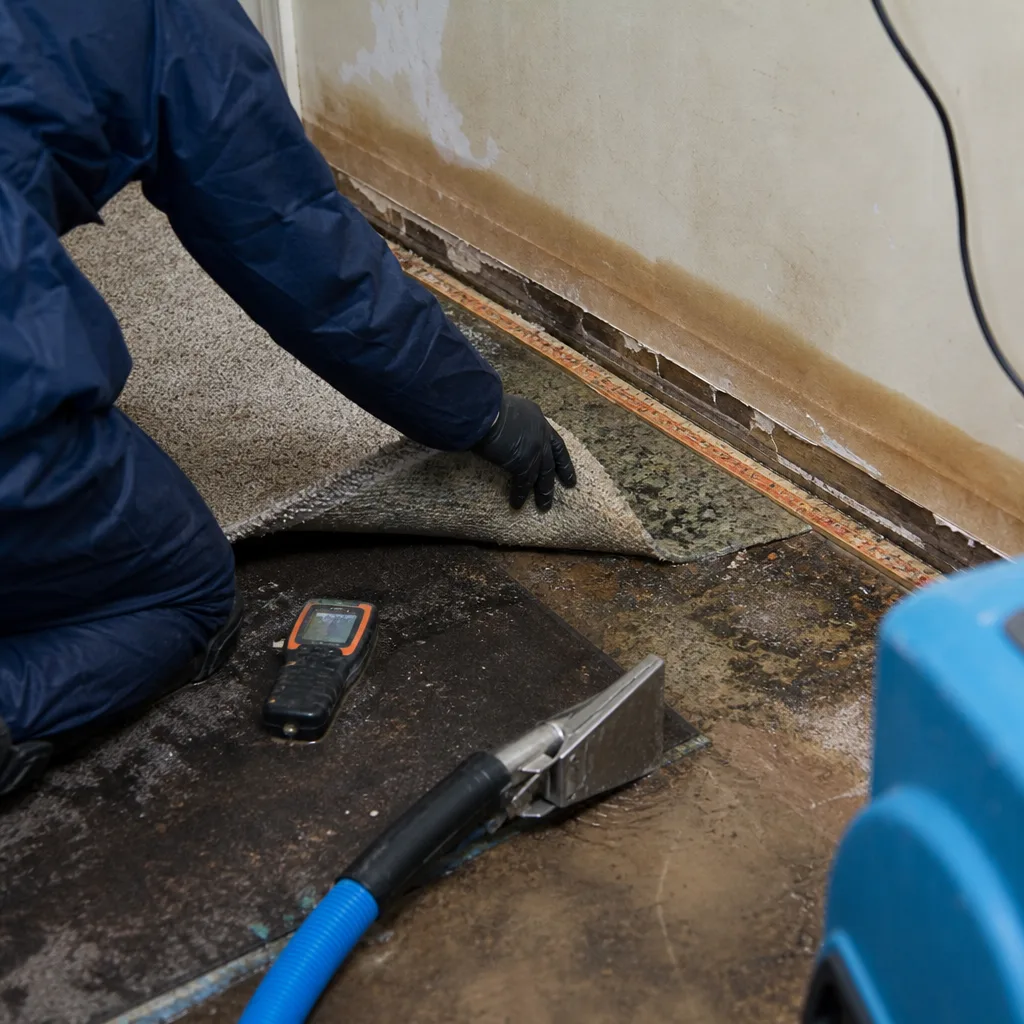
Air Quality Restoration
Mold smell lingers after remediation if air quality isn’t addressed. We run HEPA air scrubbers during and after removal, then verify with clearance testing that spore counts have returned to background levels. For Haworth homes with chronic humidity issues, we may recommend whole-home or crawl space dehumidification so the problem doesn’t silently return.
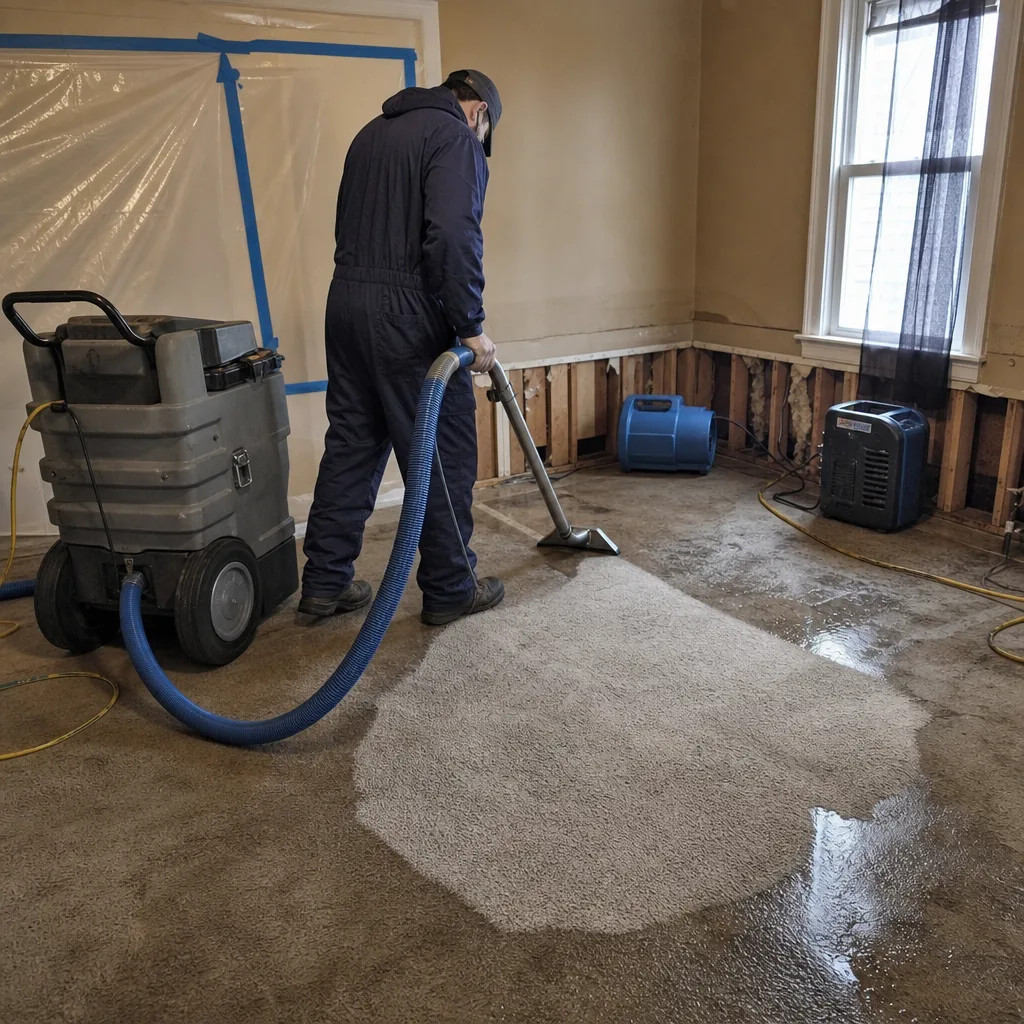
Crawl Space Treatment
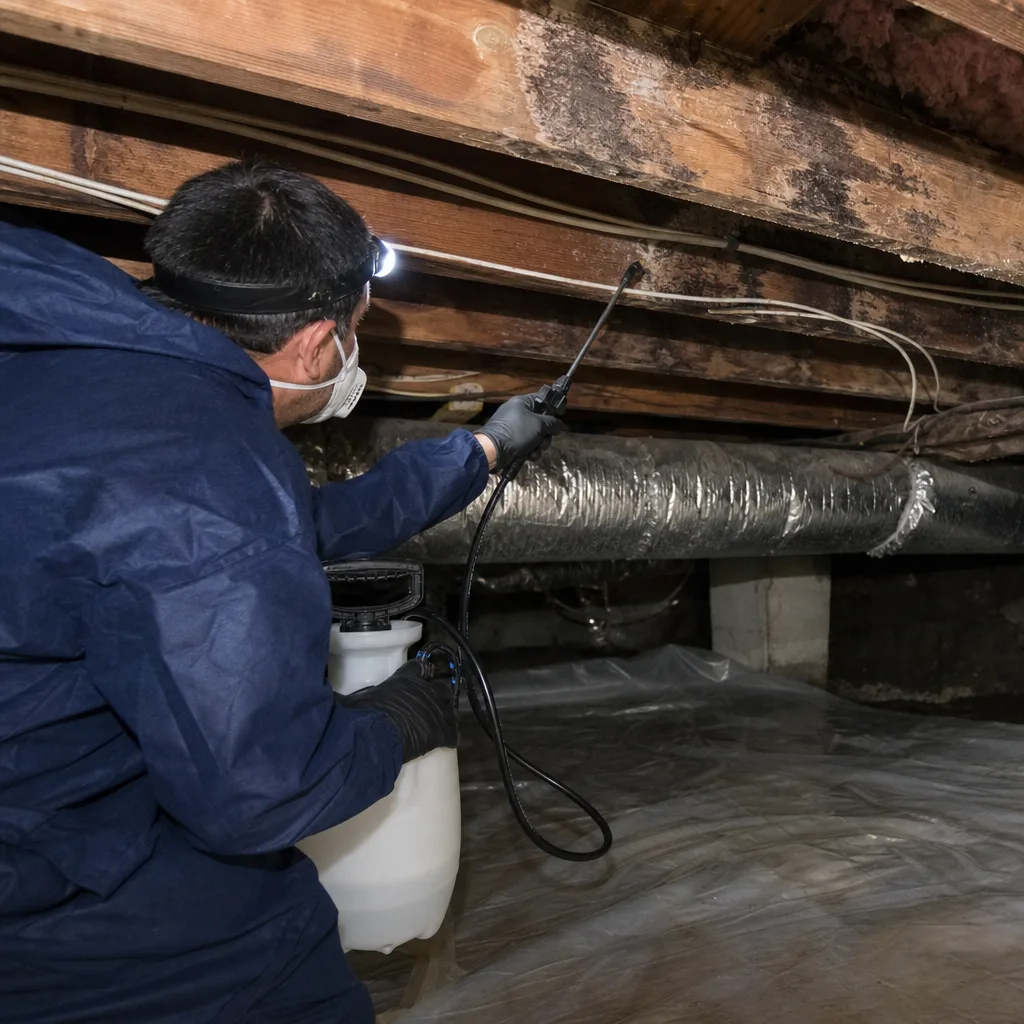
Many Haworth homes have vented crawl spaces that pull humid summer air into contact with cold foundation surfaces, creating condensation and mold on floor joists. We seal or condition the crawl space, address groundwater with sump or drainage improvements, and treat affected wood framing. This is preventive work as much as remediation, and it’s one of the smartest investments you can make in an aging home.
Moisture & Humidity Control
If your basement humidity stays above 60% in summer, mold will find a way to grow eventually, even without a leak. We install and service dehumidification systems sized for your square footage, improve drainage away from the foundation, and seal the pathways where warm humid air enters. In Haworth’s clay-heavy soils, exterior drainage improvements often matter more than anything we do indoors.
What happens when you call
- 1
A real person answersNo phone trees - you reach a local pro.
- 2
You get an upfront price rangeHonest numbers before anyone is dispatched.
- 3
A background-checked tech heads outLicensed & insured, dispatched right away.
- 4
You approve before work beginsNothing starts until you say go.
Mold Remediation Costs in Haworth, NJ
Mold remediation in Haworth runs from about $1,800 for a small contained removal, like a bathroom ceiling or a closet wall, up to $6,500 or more for full basement containment with structural drying and rebuild. A typical crawl space treatment with moisture control lands in the $3,000-$5,500 range depending on square footage and whether drainage corrections are needed. What moves the price is containment complexity: a small isolated colony costs less than mold spread through a finished basement where walls, flooring, and trim all require removal and replacement. Black mold work sits at the higher end because clearance testing and extended HEPA air scrubbing are mandatory. Insurance-covered losses generally involve a sudden water event, like a burst pipe, while chronic seepage claims are tougher. Either way, we give you a written scope and firm price before work starts. No surprises on the bill. Call (640) 333-9625 for a free inspection and a straight answer about what you actually need.
One more thing about costs in Haworth specifically: the DEP compliance layer around the Oradell Reservoir watershed sometimes adds steps to a job that a contractor from outside the area might skip, and skipping it creates liability you’d rather not carry. Our estimates build those compliance costs into the scope from the start, so there’s no mid-project add-on when disposal protocols come into play.
We Also Serve Cities Near Haworth
Floodline Restoration Co. provides Mold Remediation in Haworth and the surrounding Bergen County communities. If you’re in Dumont, Emerson, Oradell, or New Milford, our crews reach you just as quickly and with the same watershed-specific expertise. Same dispatch board, same 45-minute response commitment, same written guarantee.
Haworth Mold Remediation Questions, Answered
Why does mold remediation in Haworth require special attention to disposal and runoff?
Haworth sits directly adjacent to the Oradell Reservoir watershed, a primary drinking-water source for much of Bergen County, so mold remediation involving chemical agents, sewage-contaminated water, or wet debris disposal must comply with heightened NJ DEP runoff and disposal protocols that neighboring Dumont or Bergenfield contractors don’t face at the same level. Our crews build those compliance steps into every estimate, so your project doesn’t trigger a DEP citation or runoff violation.
What are the most common sources of mold in Haworth’s older homes?
Failed perimeter drain tiles from the 1950s and 1960s are the most frequent culprit, followed by root intrusion into aging clay sewer laterals and chronic basement humidity above 60%. Cinder-block foundations on clay-heavy glacial soils hold moisture against interior walls, creating hidden mold behind finished surfaces. Any of these conditions will bring the mold back after remediation if the source isn’t corrected first.
How quickly can mold grow after a basement flood in Haworth?
Mold colonization begins within 24 to 48 hours on wet drywall and other cellulose materials. In Haworth’s older basements, where ventilation is limited and clay soils slow evaporation, the timeline is often at the faster end. That’s why we dispatch within 45 minutes and start extraction and drying the same visit.
Do I need a mold inspection even if I don’t see visible mold?
Often yes, especially if you smell mustiness or have had water intrusion in a finished basement. Hidden colonies behind drywall or in ceiling cavities can affect indoor air quality long before visible staining appears. A professional inspection with moisture mapping and air sampling tells you whether remediation is needed or whether you just need dehumidification.
What should I expect from a mold remediation project in a Haworth home?
Expect containment first: sealed plastic barriers and negative air pressure so spores don’t spread. Then source correction, contaminated material removal, antimicrobial treatment, drying to standard, and clearance testing. The process takes anywhere from 3 to 10 days depending on scope. You’ll receive daily moisture logs and a written scope before work begins, and the same crew handles the rebuild afterward.
How fast can someone actually get here?
Within 45 minutes for most Haworth addresses. The borough’s compact geography works in your favor, and our 24/7 dispatcher can authorize a crew immediately, any hour, any day. Call (640) 333-9625 and a real person answers.
Will insurance cover mold remediation?
It depends on the moisture source. Sudden events like a burst pipe that lead to mold damage are often covered. Chronic seepage through an aging foundation usually isn’t, unless you carry a specific mold rider. We document the loss from day one and work directly with your adjuster to make the strongest possible case.
What should I do in the first 30 minutes after discovering mold or water damage?
Stop the water source if you can do so safely. Don’t run fans or attempt to scrub mold; that spreads spores. Move valuables out of the affected area, avoid touching the mold, and call us at (640) 333-9625. The faster we start, the less demolition you’ll need and the lower the final bill.
Serving Haworth, NJ - Our Local Coverage Area
We’re based in the Haworth area and know this community well. Use the map below to see our service coverage - if you’re nearby, we can almost certainly help.
Call Floodline Restoration Co. for Mold Remediation in Haworth
Mold problems in Haworth don’t fix themselves, and they don’t stay small. If you’ve got a musty smell, visible staining, recent water intrusion, or just a bad feeling about what’s behind that finished basement wall, call (640) 333-9625 for a free visual inspection. A live dispatcher answers now. We’ll walk the property, tell you honestly what’s needed, and put it in writing before any work starts. Our crews are IICRC-certified, background-checked, and backed by the 90-Day Done Right Promise. Founded in 2010 by Curt Bowman, Floodline Restoration Co. has never wavered on the simple idea that a homeowner deserves a square deal and a job done right the first time. We serve Haworth and all of 07641, and we answer the phone around the clock.
Written by Curt Bowman, Owner at Floodline Restoration Co.