

Free visual inspection and a written scope of work before any mitigation begins - photos, moisture readings, and drying logs go in your claim file
The scope we write is the scope we bill. Anything new gets shown to you, in writing, before we touch it.
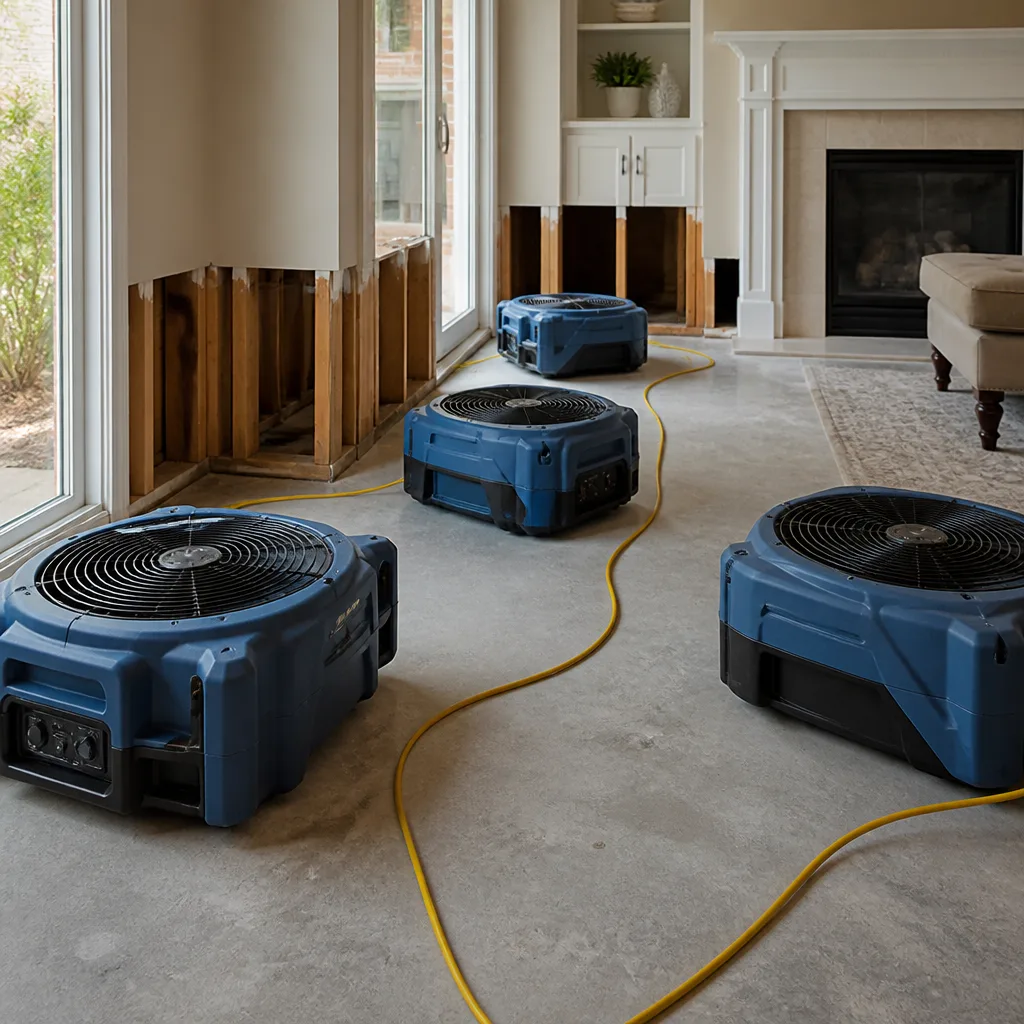
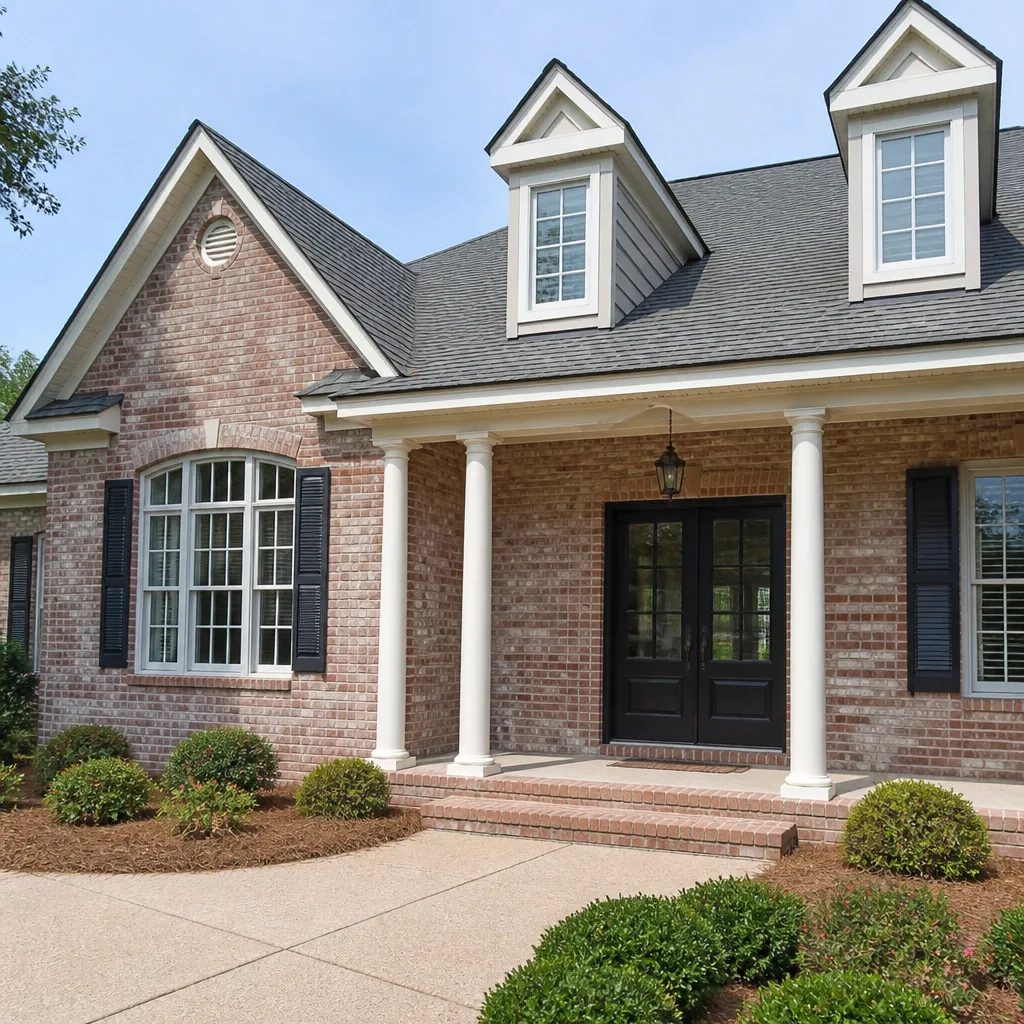
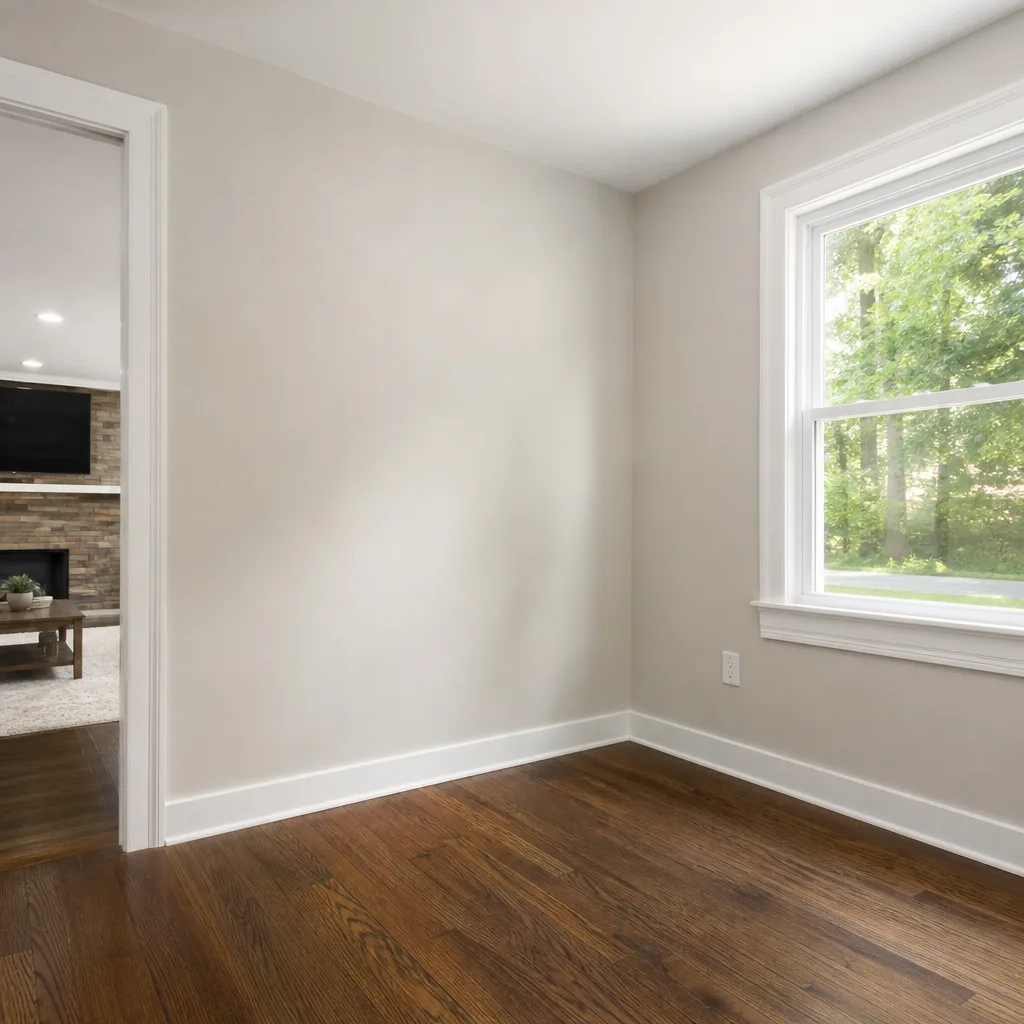
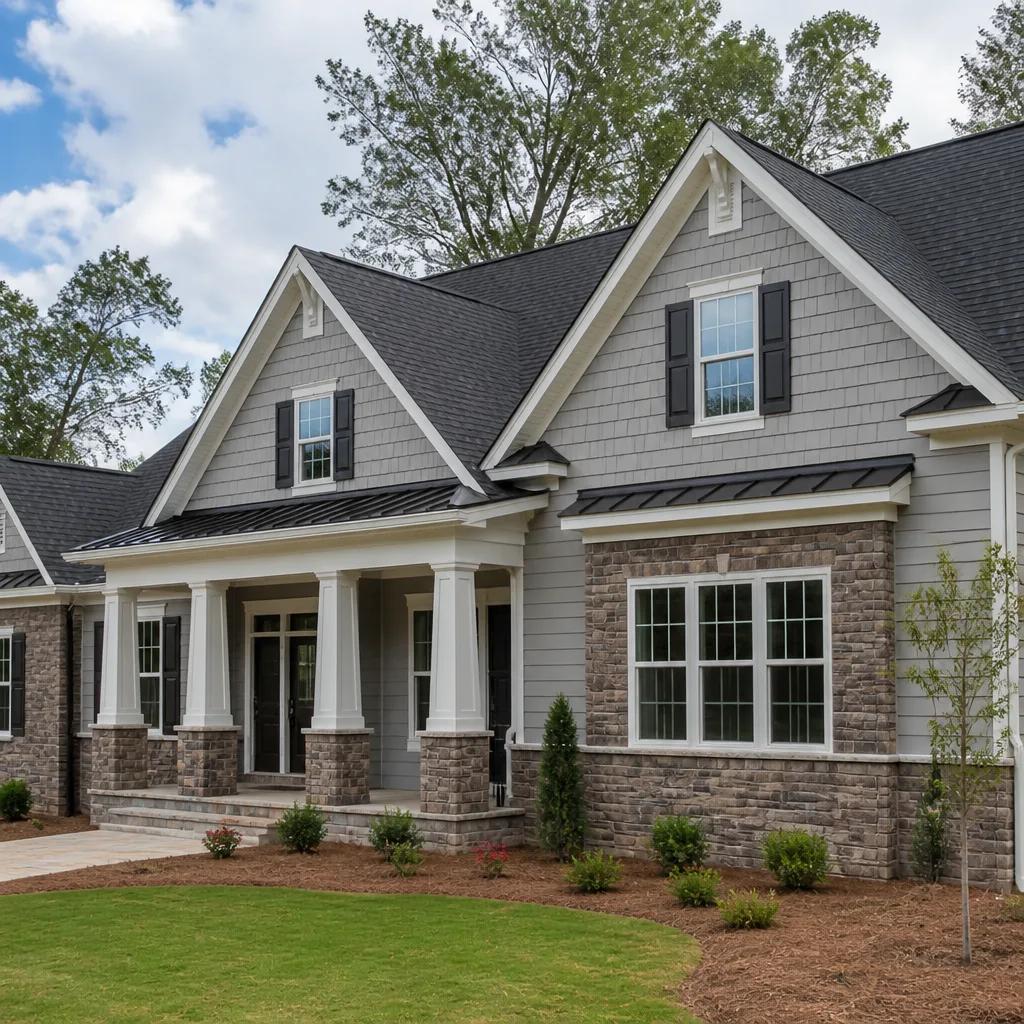
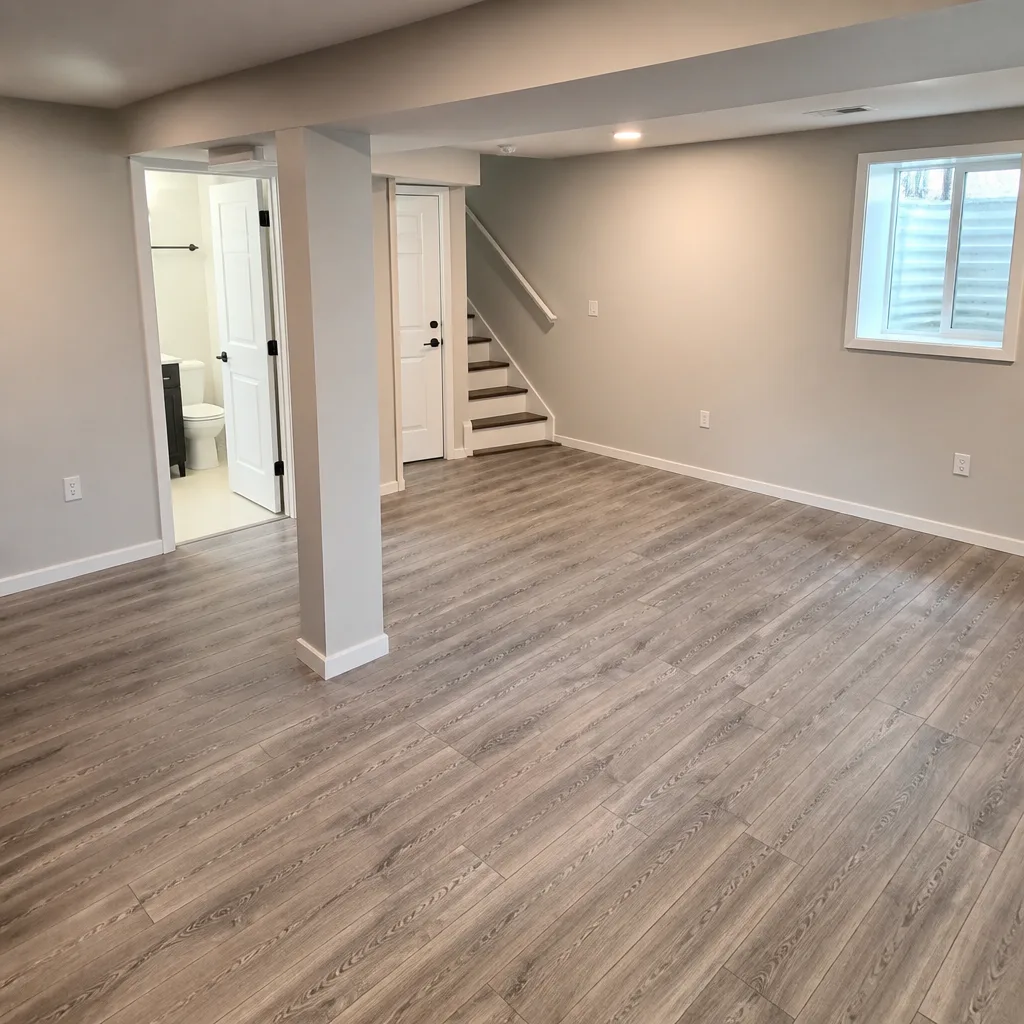
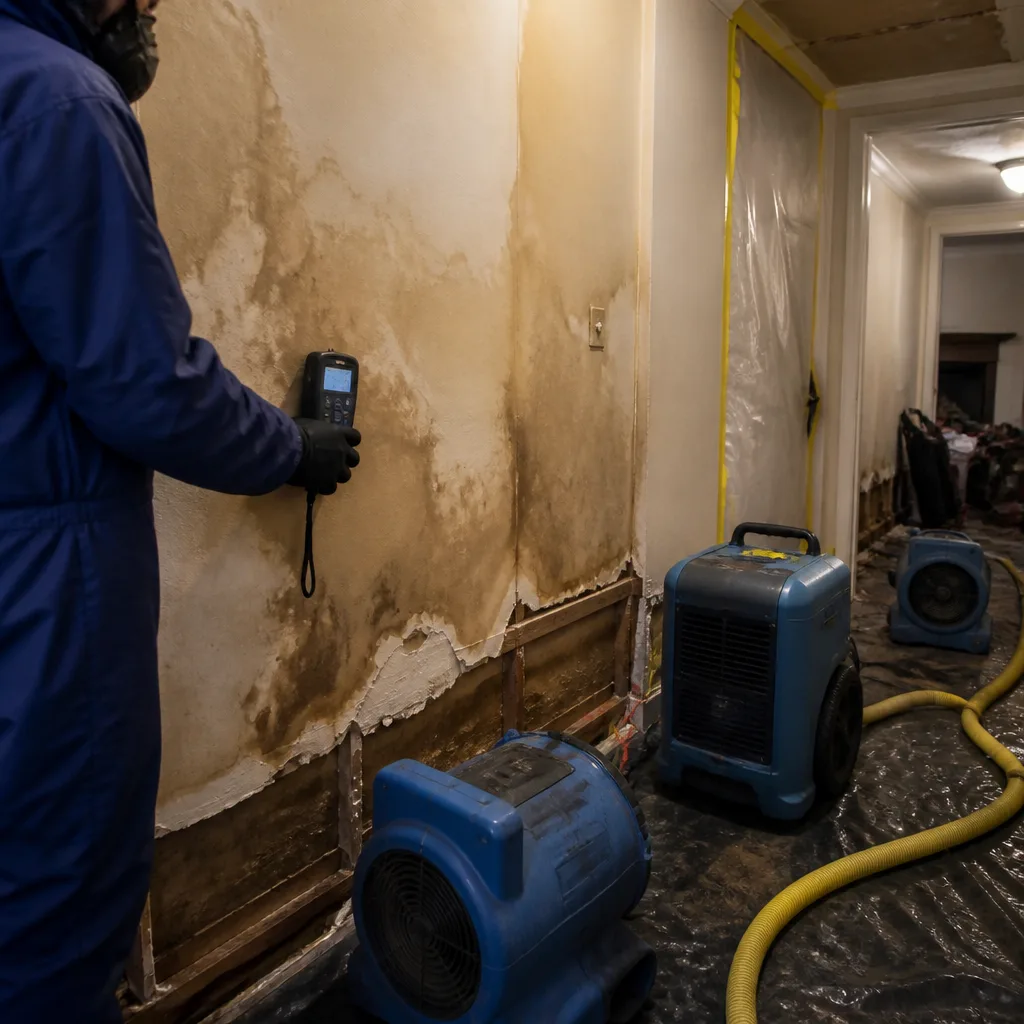 Before
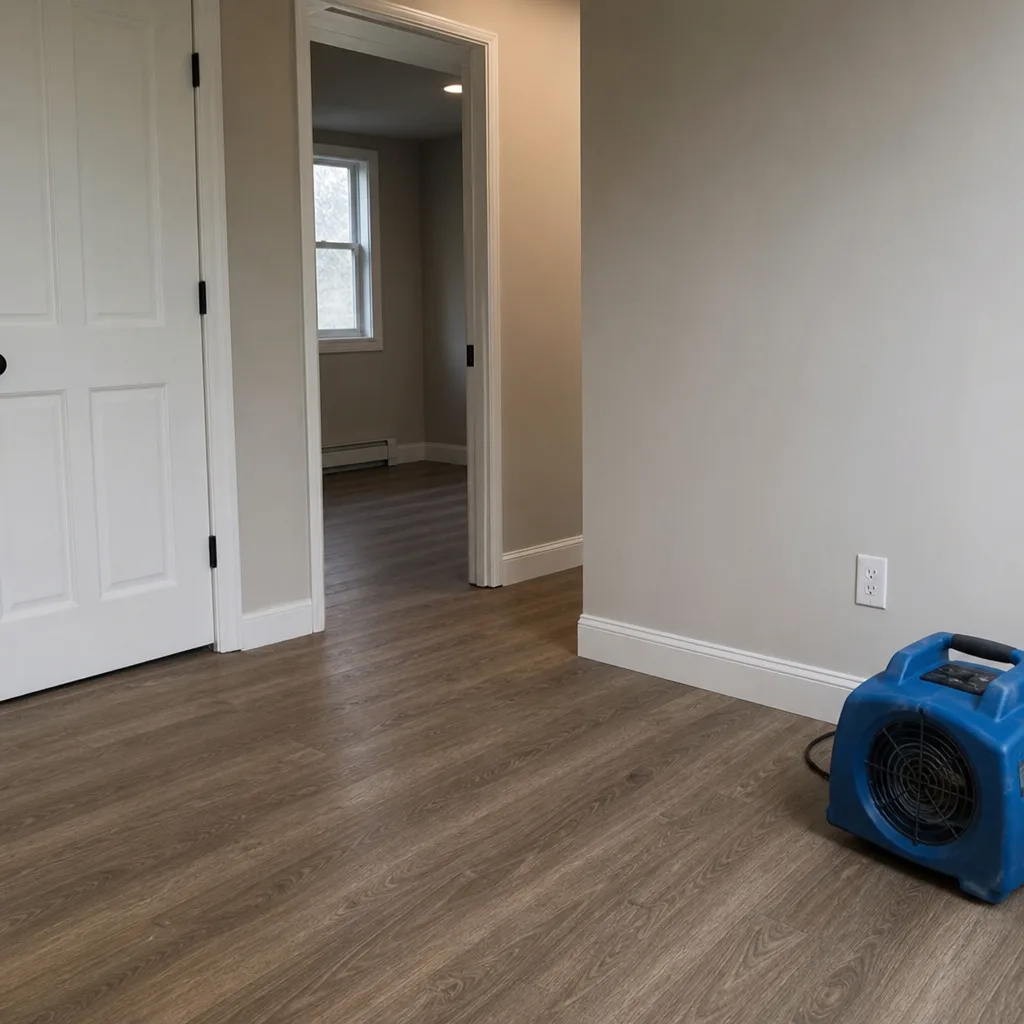 After
After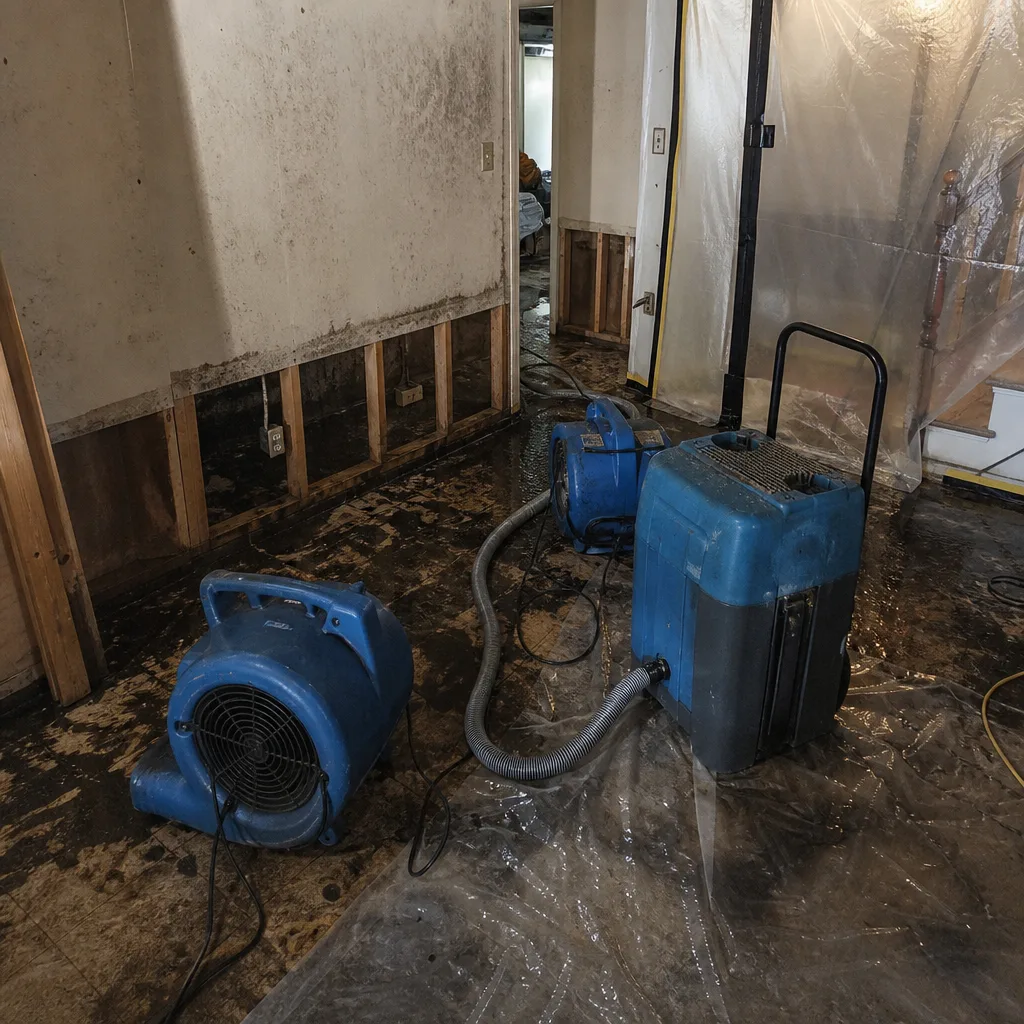 Before
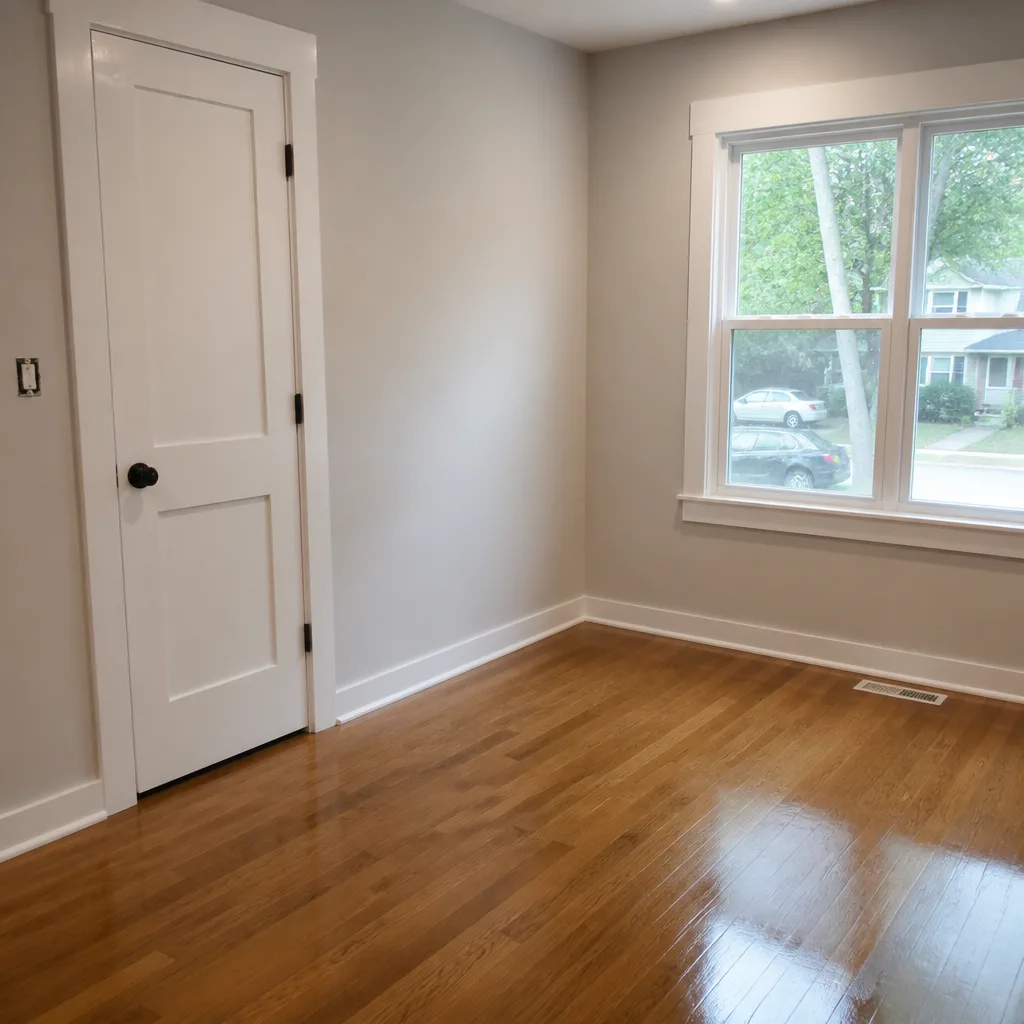 After
After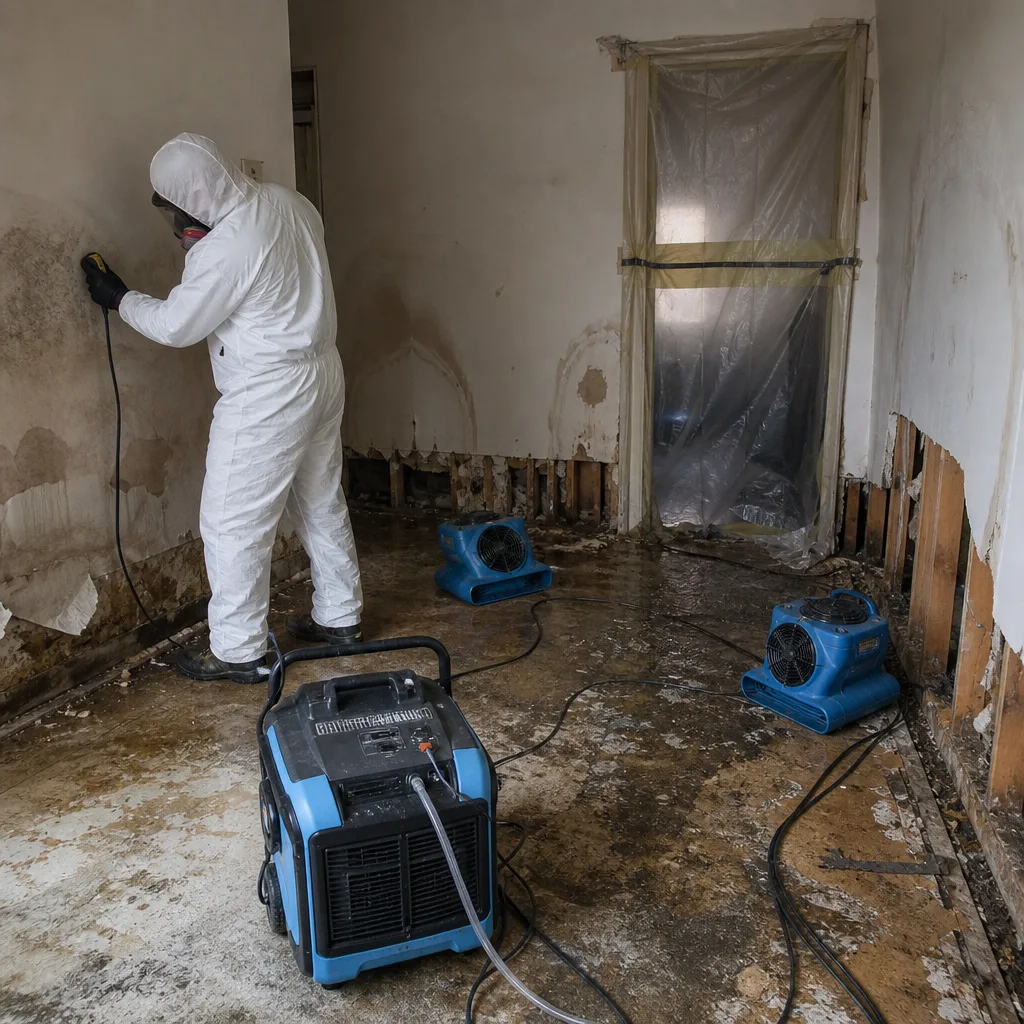 Before
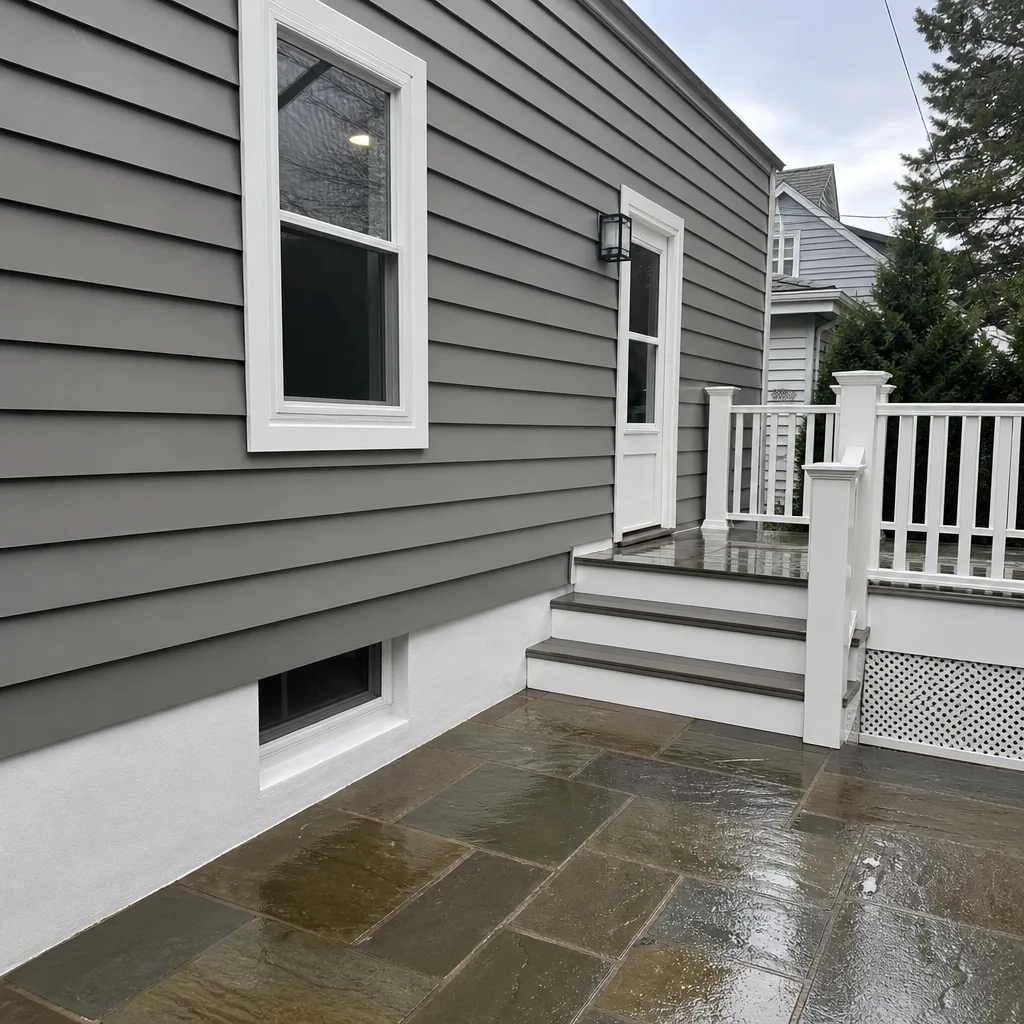 After
After24/7 Emergency Mold Remediation in Oradell
Mold remediation in Oradell typically costs $1,800-$6,500 depending on how far the growth has spread and whether river-sourced water is involved. Most jobs are fully scoped within 24 hours and completed in three to seven days. If you’re seeing black spots on basement walls or catching a musty smell near the Hackensack River side of the borough, call (640) 333-9625 and a live person answers, day or night.
Oradell’s river-adjacent homes don’t get the luxury of waiting a few days to “see how it dries out.” Hackensack River water carries contaminants that turn a small mold patch into a structural problem inside a week. Our crews reach Oradell homes fast, run a free visual inspection, and give you a written scope before any equipment comes off the truck. The first hour matters because Category 2-3 water doesn’t just evaporate. It soaks into 1920s plaster and balloon framing, feeding mold behind walls where you can’t see it until the air turns sour and someone in the house starts coughing.
Understanding Mold Remediation Severity in Oradell Properties
Not all mold jobs are equal, and in Oradell the difference usually traces back to water source. A clean-water leak from a supply line is one thing. River flooding from the Hackensack is something else entirely. We classify the water, map the moisture, and only then decide how aggressive the remediation needs to be.
Oradell’s housing stock makes this more complicated than it looks. Those 1920s through 1960s colonials, Capes, and Tudors were built with plaster over wood lath, often over balloon framing that runs uninterrupted from basement to attic. Water that enters a basement wall doesn’t just sit there. It wicks upward through those continuous cavities, sometimes reaching the first floor before anyone notices. Plaster holds moisture twice as long as modern drywall. So a crew that follows a standard three-day drying schedule, the kind that works fine on a 2010 drywall-and-stud house, fails the clearance test here. Then the mold comes back, and the homeowner is paying twice.
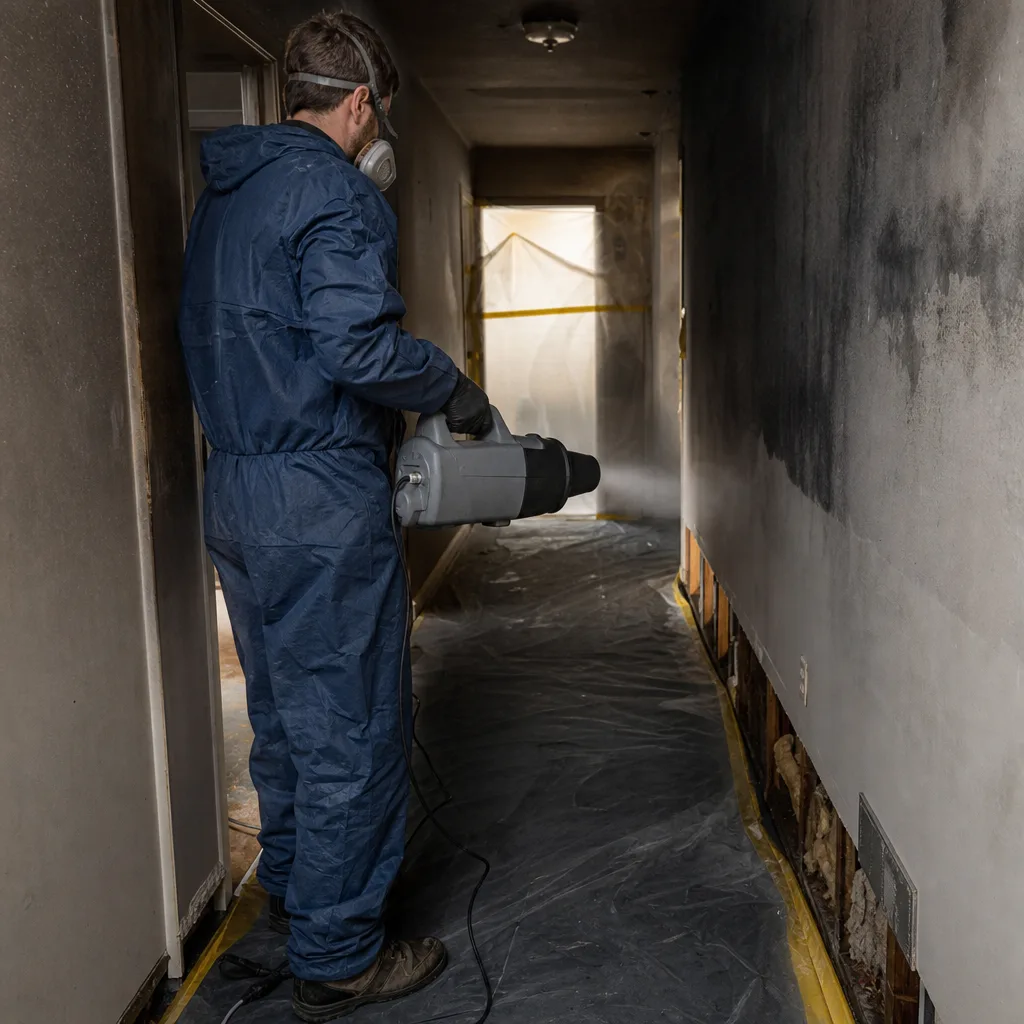
Containment is standard on our Oradell jobs. We set up negative air pressure with HEPA-scrubbed exhaust and run air scrubbers throughout remediation, not just during demo. For river-sourced intrusion, we apply antimicrobial treatment before drying begins. That’s not an upsell. It’s what keeps Category 2-3 contamination from seeding new growth the moment humidity rises again. Skip that step and you’re doing the same job over in six months.
Why Oradell Property Owners Choose Floodline Restoration Co.
- 45-minute response commitment: When mold is spreading, waiting half a day changes the scope. We commit to having a certified crew on the road to Oradell within 45 minutes of your call, around the clock.
- 24/7 live answer, never a recording: A real dispatcher picks up at 3 a.m. Not a phone tree. Not a callback service. You tell us what you’re seeing, and we start routing a crew.
- IICRC-certified crews: Our technicians hold IICRC certifications including WRT and AMRT, plus RIA and IFA training. They know what 1920s plaster does when it’s wet, because they’ve dried it before.
- Free visual inspection with a written scope: We look first, document what we find, and hand you a line-item scope before any work starts. No pressure. No vague “we’ll see once we open it up.”
- Direct insurance billing: We bill your carrier directly and talk to your adjuster from day one. You’re never the messenger between our crew and your insurance company.
- One team from extraction to reconstruction: Floodline doesn’t hand off mid-job. The same crew that reads the moisture map handles daily readings, cuts out what needs cutting, and rebuilds what needs rebuilding. That’s the 90-Day Done Right Promise, in writing.
Our Mold Remediation Process
Step 1: Inspection & Assessment
We start with a visual walkthrough, then move to moisture mapping with thermal imaging and hygrometers. In Oradell basements, we’re checking rim joists, behind plaster keys, and along the sill plate where Hackensack River humidity keeps things damp year-round.
Step 2: Containment & Source Control
Negative air pressure and HEPA air scrubbers go up before any moldy material moves. We contain the affected zone so spores don’t migrate through the rest of the house during remediation.
Step 3: Drying & Dehumidification
Dri-Eaz and Phoenix dehumidifiers pull moisture from plaster, framing, and air. In older Oradell homes with balloon framing, we extend drying schedules and take daily moisture readings until the dry standard is met, not until the calendar says three days are up.
Step 4: Cleaning & Sanitization
Antimicrobial treatment goes on every affected surface, including the cavities behind the plaster. HEPA vacuuming removes settled spores. The goal is pre-loss condition, not just “looks clean.”
Step 5: Air Quality Restoration
Once surfaces are dry and treated, we run air scrubbers until airborne spore counts test at baseline. For Oradell homes near the river, we may recommend a crawl space vapor barrier or dehumidifier to keep the persistent damp from returning.
Step 6: Repairs & Restoration
Whatever we cut out, we put back. Drywall, plaster repair, trim, flooring, paint. The 90-Day Done Right Promise covers the work in writing. If it’s not right, we make it right.
Need Emergency Mold Remediation in Oradell Now?
Crews minutes away, answering live 24 hours a day. The sooner we start, the less it costs.
Working With Your Insurance Company
Mold claims get denied more often than they should, usually because documentation was thin. Your insurer needs to see moisture readings, photos from the first hour, and a scope that ties the mold to a covered water event. We build that file from the moment we arrive. Our techs photo-document room by room, log daily moisture readings, and write line-item scopes that speak the language adjusters expect.
Oradell homeowners dealing with river-sourced mold from a Hackensack flood event need this documentation especially. A claim that says “basement got wet” reads differently than one that says “Category 3 water intrusion, moisture readings of 98% RH in plaster walls at 36 inches AGL, antimicrobial treatment applied, drying log attached.” We handle the adjuster conversation directly, and we bill your carrier. Curt Bowman founded Floodline Restoration Co. in 2010 around a simple idea: the homeowner shouldn’t be the one fighting the insurance company. We stand behind that.
What We Provide Your Insurer
- Thorough documentation of the loss
- Photos of all damage, room by room
- Moisture readings and drying logs
- A detailed, line-item scope of work
- Direct coordination with your carrier
Built for Oradell’s Loss Calendar
Mold in Oradell follows a seasonal rhythm, and knowing it helps homeowners catch problems before they spread. January deep freezes burst supply lines in unheated basements and crawl spaces of those older colonials along Kinderkamack Road. February and March bring snowmelt and the first signs of basement seepage, especially in river-adjacent streets like Grove Street and those blocks sloping toward the Hackensack. Spring rains raise the water table, and sump pumps run around the clock. A pump that fails in April, when the ground is saturated, turns a damp basement into a mold incubator within days.
Summer in Bergen County means thunderstorms. Oradell’s position along the Hackensack River floodplain means heavy rain doesn’t always drain away. It backs up. Homes along the lower-lying streets near the river take on Category 2-3 water that demands full containment and antimicrobial treatment, not just drying. Fall is the quiet season, but it’s also the best time for crawl space treatment and moisture control before the freeze-thaw cycle starts again. Smart Oradell homeowners schedule a crawl space inspection in October, before the sump pump season ends and the ground freezes.
Mold Remediation Across Oradell’s Neighborhoods
Oradell is a compact borough with distinct pockets, and each has its own mold profile. The homes along Oradell Avenue near the center of town tend to be older, 1920s and 1930s construction with full basements and original fieldstone foundations. Fieldstone is porous. It breathes. And when the Hackensack River rises, those foundations wick moisture upward for weeks after the water recedes. Our crews know which blocks along the avenue need extended drying and which need excavation-level moisture management.
The Grove Street corridor running toward the river includes some of the borough’s lowest-lying properties. Here we routinely see sump pump failures during heavy rain, and the water that comes in is riverine, not clean groundwater. That changes everything. Category 2-3 protocols, antimicrobial treatment, and full containment become standard practice. A house two blocks uphill on Kinderkamack Road might get away with drying in place after a supply line leak. The same leak in a Grove Street basement near the river demands a different response.
Over in the neighborhoods east of Kinderkamack Road, toward New Milford, the housing stock shifts slightly newer, 1950s and 1960s Capes and split-levels. These homes were built with platform framing, which can actually be harder to dry when water gets into the box sills and rim joists. The basement ceiling cavity traps moisture, and mold grows in the dark there before anyone sees it on drywall. Homes near Blauvelt Avenue and the Oradell Reservoir side of town also contend with high humidity from the water supply itself, and crawl spaces under those Capes stay damp well into summer without a vapor barrier and dehumidification.
Specialized Mold Remediation Services We Offer in Oradell
Mold Inspection & Testing
Before we cut anything, we know where the problem actually is. Moisture mapping with thermal imaging finds water inside walls, behind plaster keys, and in rim joists that look dry on the surface. For Oradell homeowners selling a house or dealing with a health concern, we can arrange third-party lab testing of air and surface samples. That’s independent verification, not our own say-so.
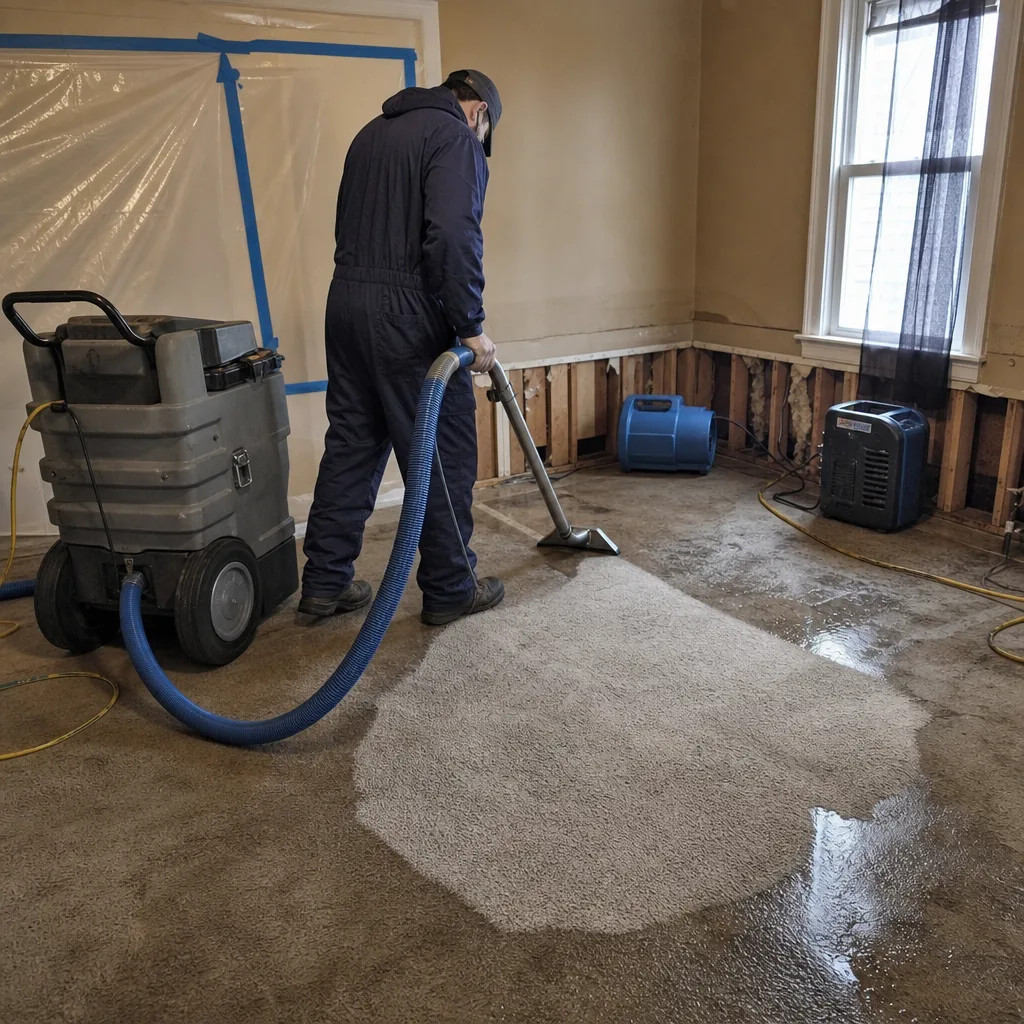
Mold Removal
Removal means physically removing colonized material, not spraying bleach on it and hoping. Our Mold Remediation team cuts out drywall, plaster, and insulation that failed moisture readings, HEPA-vacuums the framing, and applies antimicrobial treatment. In older Oradell homes, we’re careful to preserve original trim and plaster where salvage is possible. What can be dried gets dried. What can’t gets replaced.
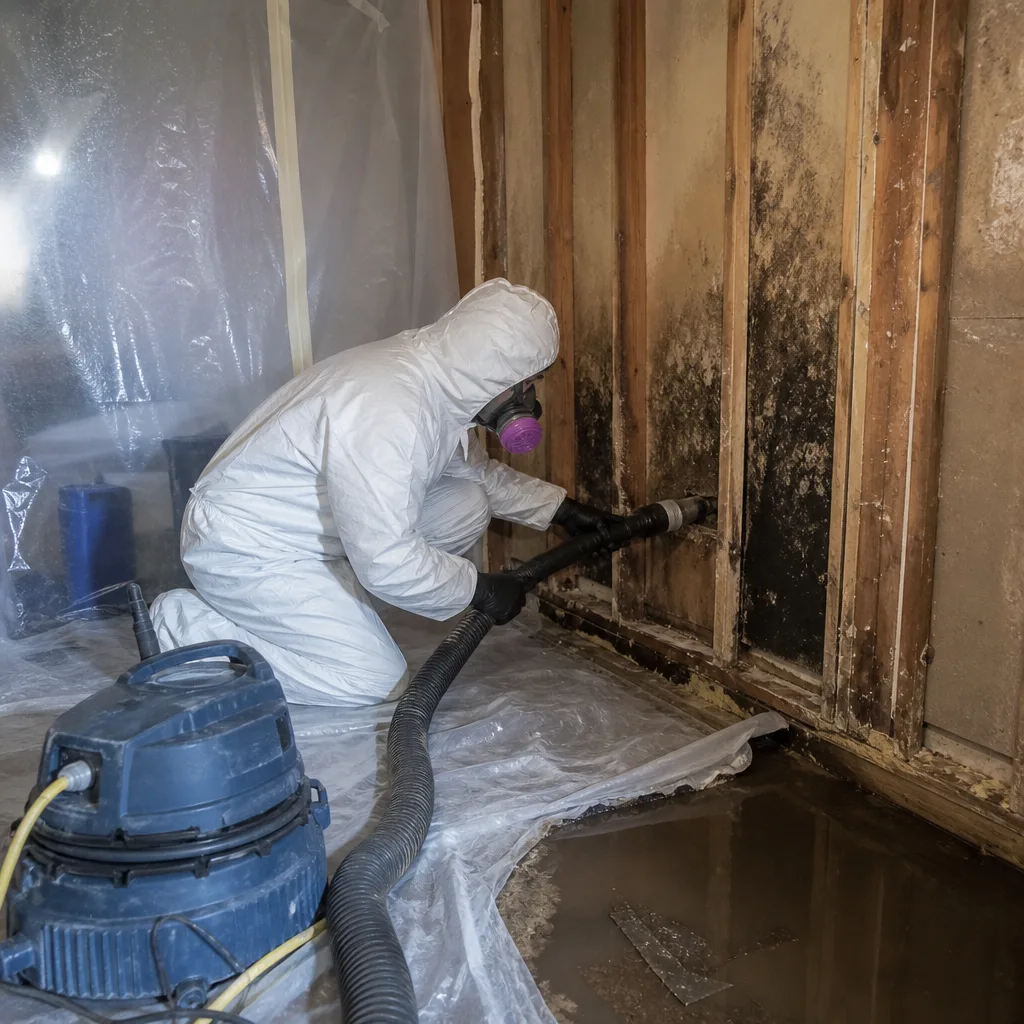
Black Mold Remediation
Stachybotrys, what people call black mold, grows where water sat too long, often behind plaster in Oradell’s river-adjacent basements. It’s not automatically a catastrophe, but it requires real containment and professional removal. We treat every black mold job with full containment, negative air pressure, and clearance testing before anyone moves back into the space. If you see black spots near the baseboards, don’t scrub them. Scrubbing releases spores. Call us instead.
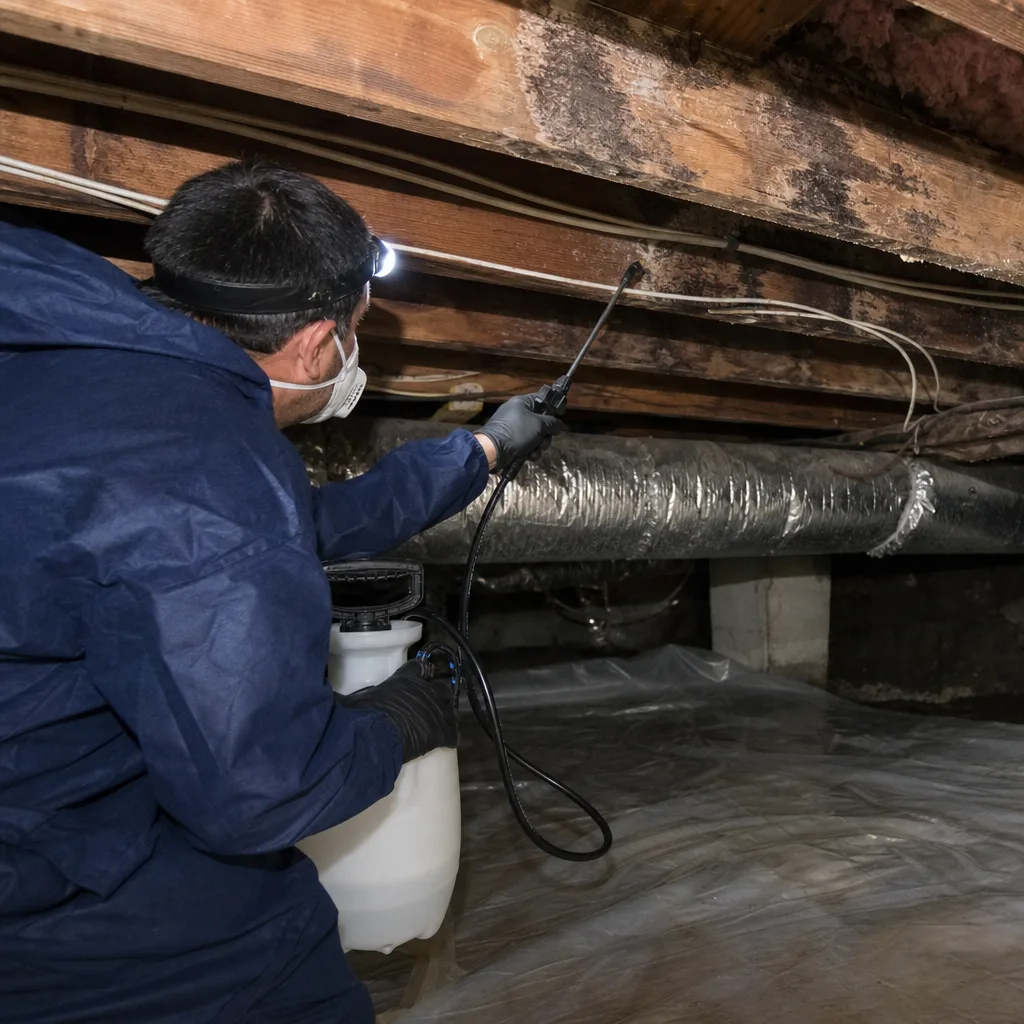
Air Quality Restoration
Mold spores don’t just sit on surfaces. They hang in the air, settle into ductwork, and recirculate through the house. After remediation, we run HEPA air scrubbers until post-remediation verification shows spore counts at or below outdoor baseline. In Oradell homes near the Hackensack, where the outdoor baseline itself is humid and spore-heavy, we may recommend a whole-home dehumidifier or crawl space encapsulation to keep indoor air genuinely dry.
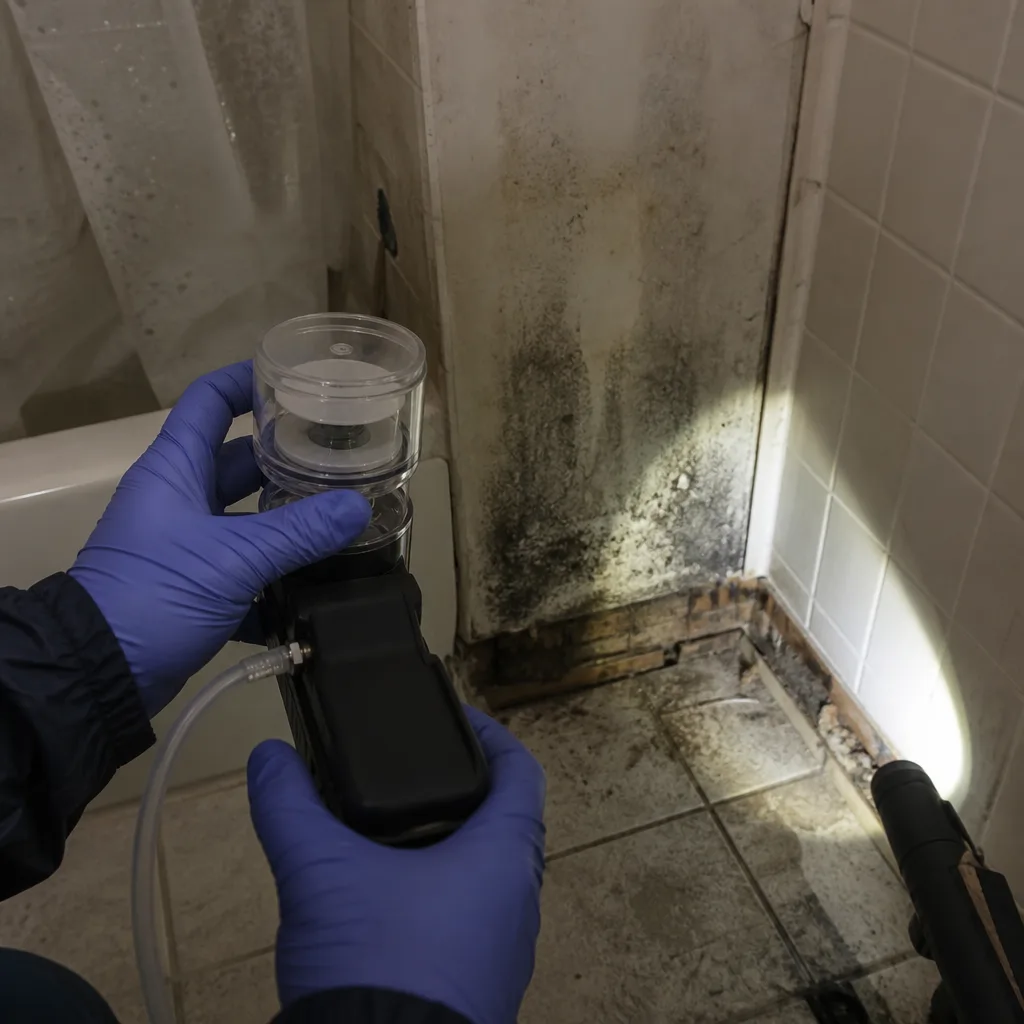
Crawl Space Treatment
Oradell’s high water table and proximity to the river mean crawl spaces under Capes and split-levels never fully dry on their own. We install vapor barriers, seal foundation vents where appropriate, and set dehumidifiers to hold relative humidity below 55%. The goal is to make the crawl space a dead zone for mold, year-round. Most homeowners notice the difference upstairs within a week. The musty smell goes away. The floors stop feeling clammy.
Moisture & Humidity Control
Mold is a moisture problem before it’s a mold problem. In Oradell, between the river, the reservoir, and the borough’s older foundations, moisture management is ongoing. We don’t just remediate and leave. We address the source: grading around the foundation, downspout extensions, sump pump upgrades, drain tile where needed, and dehumidification systems sized for the space. That’s how you stop mold from coming back, not just clean it up.
What happens when you call
- 1
A real person answersNo phone trees - you reach a local pro.
- 2
You get an upfront price rangeHonest numbers before anyone is dispatched.
- 3
A background-checked tech heads outLicensed & insured, dispatched right away.
- 4
You approve before work beginsNothing starts until you say go.
Mold Remediation Costs in Oradell, NJ
What you’ll pay in Oradell depends on how far the mold has spread, what material it’s in, and whether river-sourced contamination is involved. A small isolated patch on drywall, a few square feet with a clean-water source, often runs $1,800-$3,200. A full basement with mold behind plaster walls and along rim joists typically lands between $4,000 and $7,500. Add crawl space encapsulation and you’re looking at $3,500-$9,000 depending on square footage and whether we’re retrofitting a dehumidifier.
River-sourced jobs cost more because containment and antimicrobial treatment aren’t optional. Black mold behind original plaster in a 1930s colonial, where every cut has to be surgical to preserve the home’s character, pushes toward the higher end. The free visual inspection is the honest way to get a firm number. We’ll walk the space, map the moisture, and hand you a written scope with line items. No hourly mystery billing. No “we’ll see once we open it up.” You know the number before we start, and the 90-Day Done Right Promise backs the work in writing.
| Oradell Mold Service | Typical Range |
|---|---|
| Mold inspection with moisture mapping | $250-$500 |
| Isolated drywall mold removal (clean water source) | $1,800-$3,200 |
| Full basement remediation, plaster walls | $4,000-$7,500 |
| River-sourced contamination protocols (Category 2-3) | add $1,200-$2,800 |
| Crawl space encapsulation with dehumidifier | $3,500-$9,000 |
Insurance covers mold remediation when the mold traces to a covered peril: a burst pipe, a storm, a sump failure. Pre-existing dampness or long-standing humidity issues usually aren’t covered. That’s where the documentation matters. We build the file that connects the mold to the event, not to the house’s age. Call (640) 333-9625 and we’ll talk through your specific situation before you commit to anything.
We Also Serve Cities Near Oradell
Floodline Restoration Co. works throughout northern Bergen County. In addition to Oradell, our mold remediation crews regularly serve Emerson, New Milford, Paramus, and River Edge. Each town has its own housing stock and water patterns, and our approach adjusts accordingly. If you’re a few blocks over the Oradell line, the same live dispatcher answers, the same certified crews respond, and the same written guarantee applies.
Serving Oradell, NJ - Our Local Coverage Area
We’re based in the Oradell area and know this community well. Use the map below to see our service coverage - if you’re nearby, we can almost certainly help.
Oradell Mold Remediation Questions, Answered
How does river flooding from the Hackensack change mold remediation in Oradell compared to plain basement seepage?
River flooding brings Category 2-3 water, which carries bacteria and contaminants that plain groundwater seepage doesn’t. That means we can’t just dry and go. We apply antimicrobial treatment to every affected surface, run full containment with negative air pressure, and extend drying until moisture readings confirm the structure is actually dry. In Oradell’s river-adjacent homes, this is standard practice on every flood-related mold job. Call (640) 333-9625 if you’ve had river water in your basement, even if it looks dry now.
Why do Oradell’s older plaster walls take longer to dry, and does that mean more mold?
Plaster over wood lath absorbs water deeply and releases it slowly. In a 1930s Oradell colonial, that plaster is often over balloon framing, which lets moisture wick upward from the basement through continuous wall cavities. A three-day drying schedule that works on modern drywall fails here. The wall looks dry on the surface, but moisture readings at depth are still in the mold-growth range. We extend drying on older Oradell homes and take daily readings until the material meets the dry standard, not the calendar.
Does the high water table near the Hackensack River mean my basement will always be damp and moldy?
No. A high water table makes the problem more persistent, but it doesn’t make it permanent. The fix is usually a combination of exterior grading, downspout extensions, a properly sized sump pump with backup, and interior dehumidification. Some Oradell basements also need drain tile or a French drain if the foundation is actively weeping. Once we dry the structure and address the water entry, the mold doesn’t return. It’s not magic. It’s moisture control done right.
What should I do if I have black mold on my Oradell basement walls but only in one corner?
Don’t scrub it. Scrubbing releases spores into the air and spreads the problem through the house. The one corner you can see is likely the tip of a larger colony behind the plaster or along the rim joist. We’ll come out, run moisture mapping to see how far the water actually traveled, and then give you a written scope. Sometimes an isolated corner is just an isolated corner. More often in Oradell, especially in older homes with full basements, it traces back to a foundation crack or a downspout dumping water against the wall. We find the source, fix the mold, and then fix what caused it. Call (640) 333-9625 for a free visual inspection.
Can you test the air after remediation to prove the mold is gone in an Oradell home?
Yes. We recommend post-remediation verification on every job. We can collect air samples and send them to a third-party lab, and we’ll share the results with you directly. The standard we aim for is indoor spore counts at or below the outdoor baseline for the same species. In Oradell, where the outdoor baseline near the Hackensack River runs higher than inland Bergen County, that comparison is the honest measurement. You don’t take our word for it. You get lab data.
How fast can you get to my Oradell home if I find mold tonight?
A live dispatcher answers at any hour, and we commit to having a certified crew on the road to Oradell within 45 minutes. That’s not a sales promise. It’s how we’ve run dispatch since Curt Bowman founded Floodline in 2010. Most Oradell mold jobs are assessed the same day they’re reported. Containment can start the same visit if the situation calls for it.
Does homeowners insurance cover mold remediation in Oradell?
It depends on the source. Mold from a sudden event, like a burst supply line or a sump pump failure during a storm, is often covered when documentation connects the mold to the event. Mold from long-standing dampness or deferred maintenance usually isn’t. The difference often comes down to the file: moisture readings, photos from day one, and a scope that shows cause and effect. We build that documentation and deal with your adjuster directly. We bill your carrier, not you, when coverage applies.
What should I do in the first 30 minutes after I find mold in my Oradell home?
Turn off any fans or HVAC that could circulate spores. Don’t scrub or spray anything. If you can identify a water source that’s still running, shut it off at the fixture or the main. Then call (640) 333-9625. The sooner we get eyes on it and moisture mapping running, the smaller the remediation footprint and the lower the final cost. The first 30 minutes don’t fix the problem. They stop it from getting worse.
Written by Curt Bowman, Owner at Floodline Restoration Co., serving Oradell and northern Bergen County with certified mold remediation since 2010.