

Free visual inspection and a written scope of work before any mitigation begins - photos, moisture readings, and drying logs go in your claim file
The scope we write is the scope we bill. Anything new gets shown to you, in writing, before we touch it.


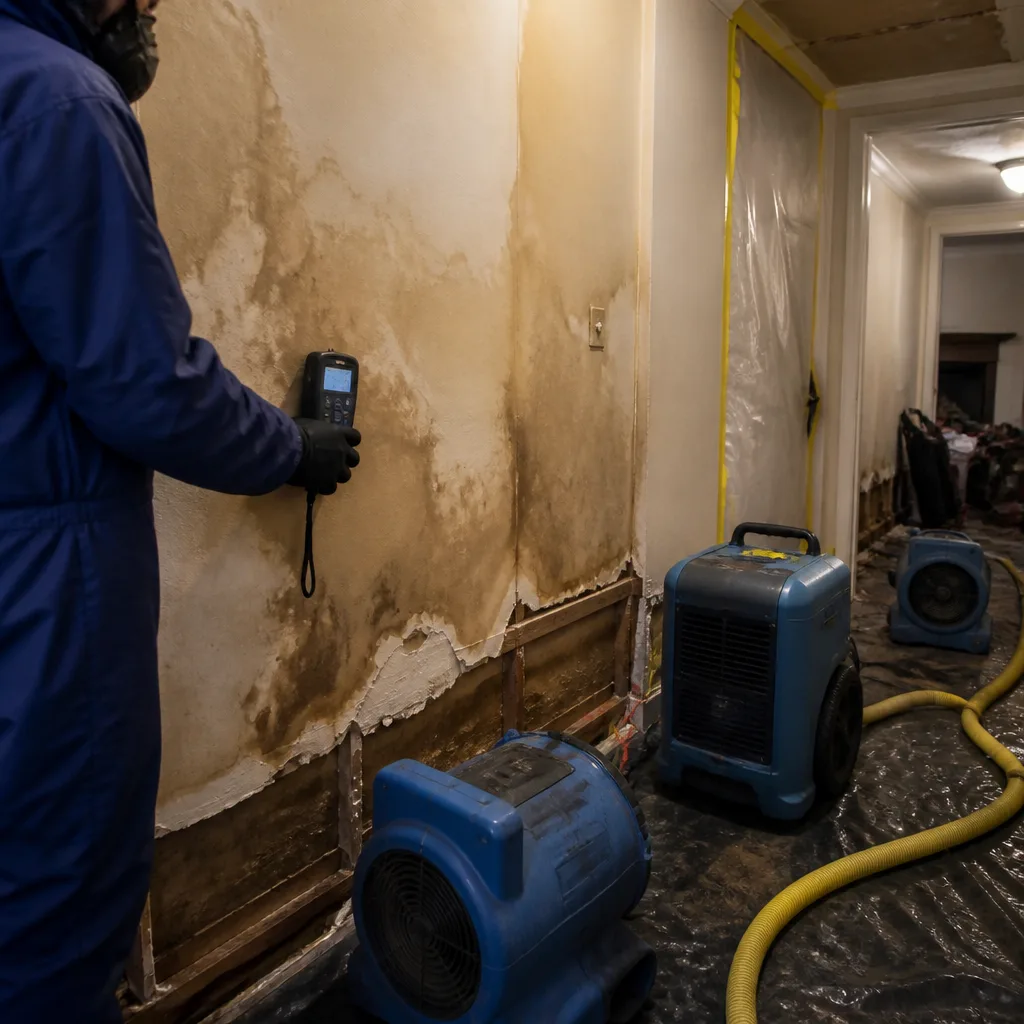 Before
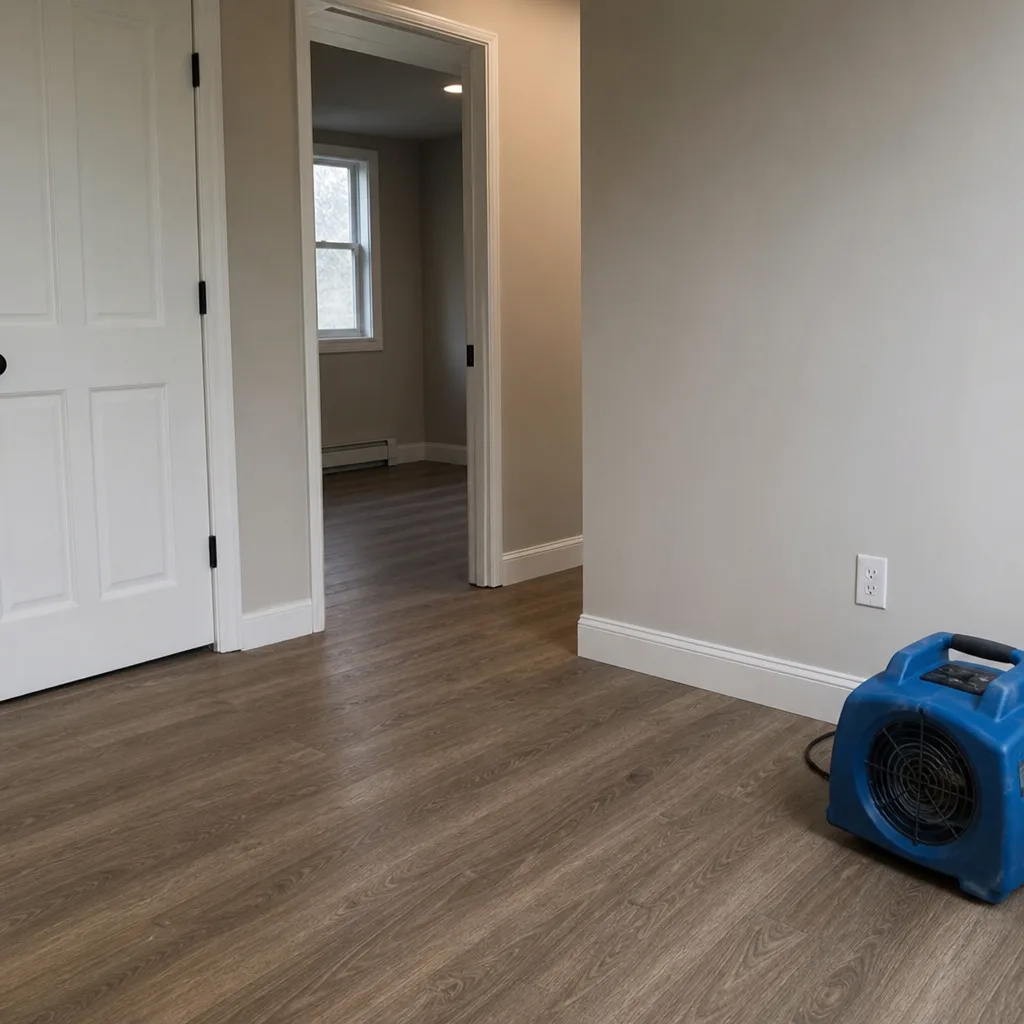 After
After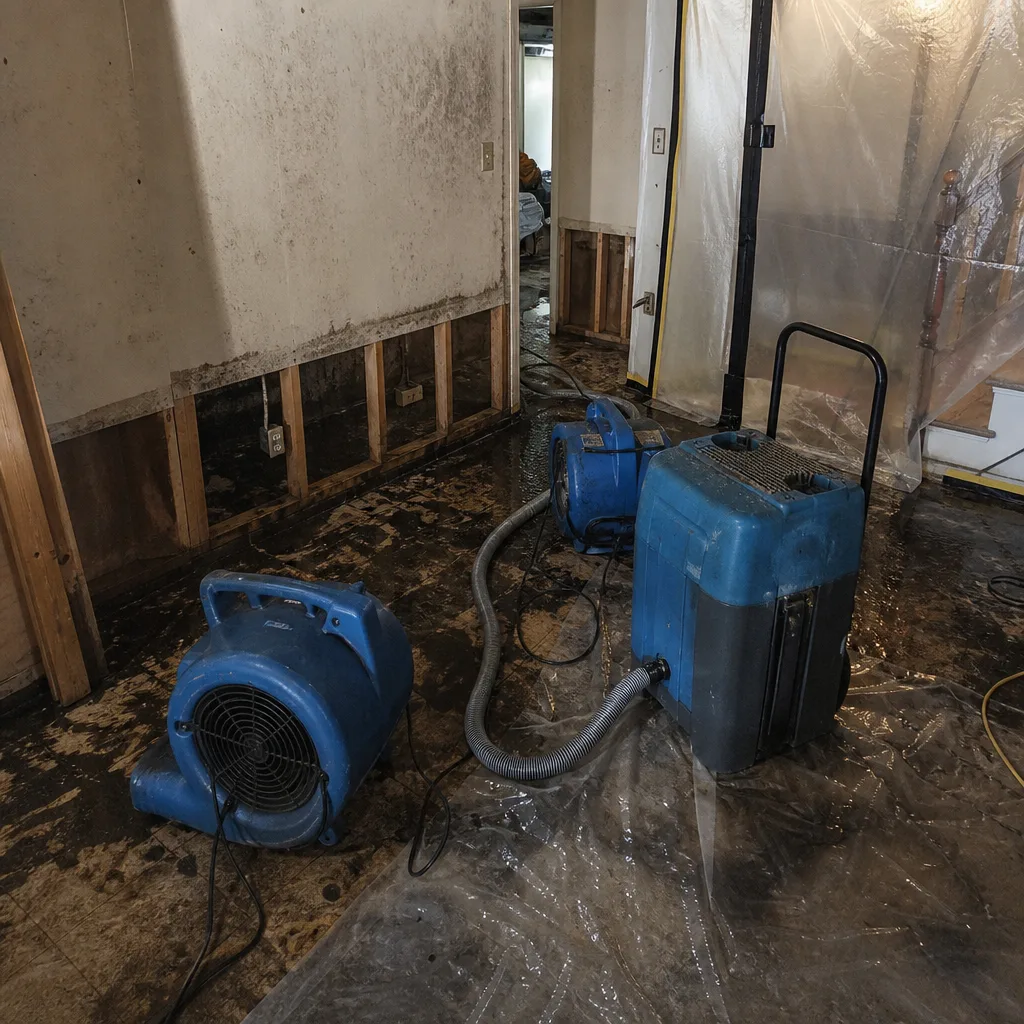 Before
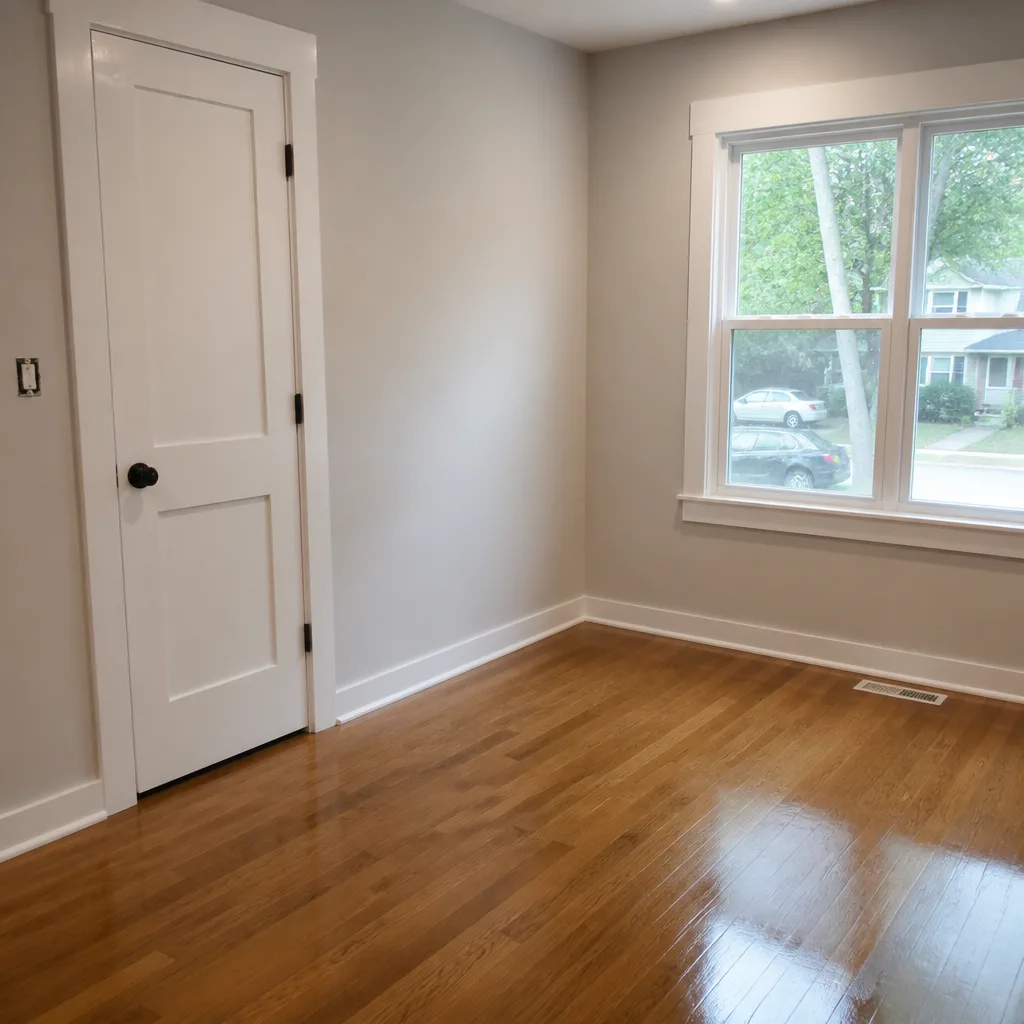 After
After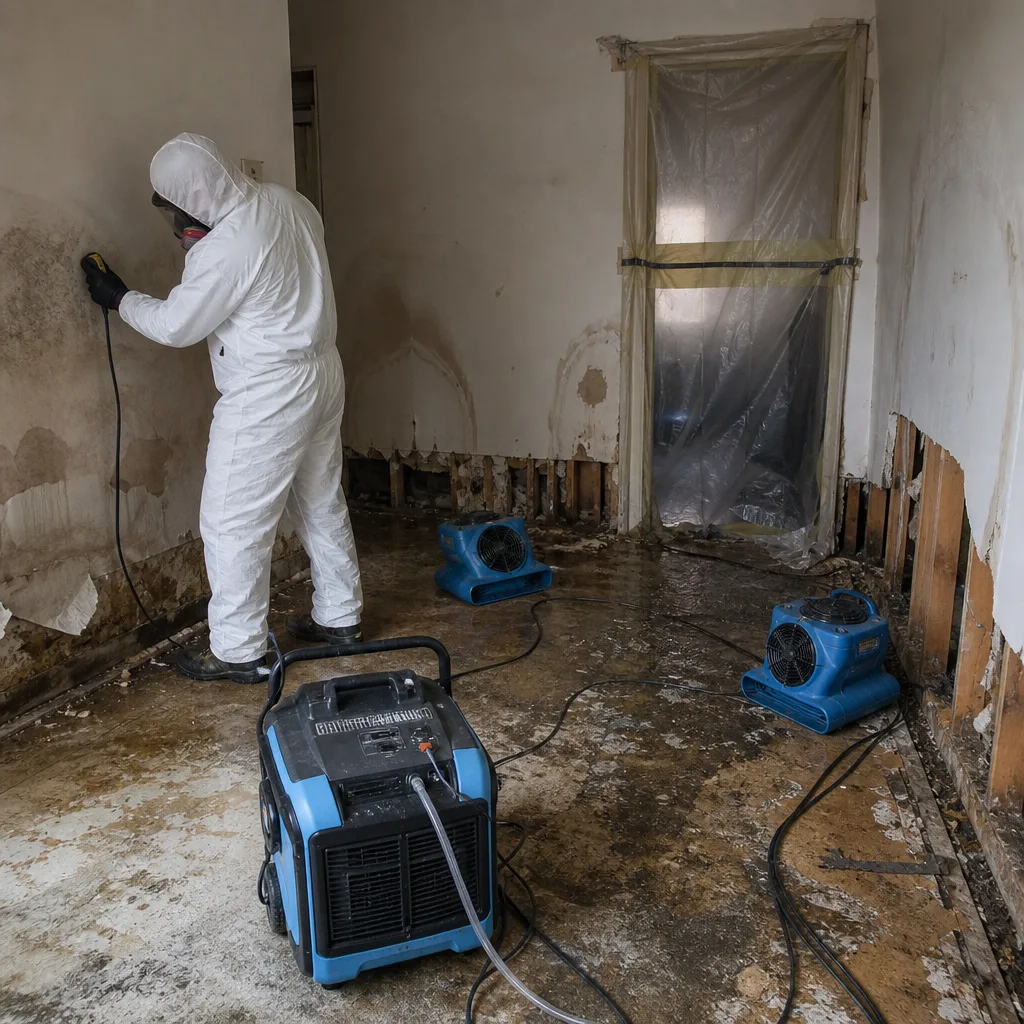 Before
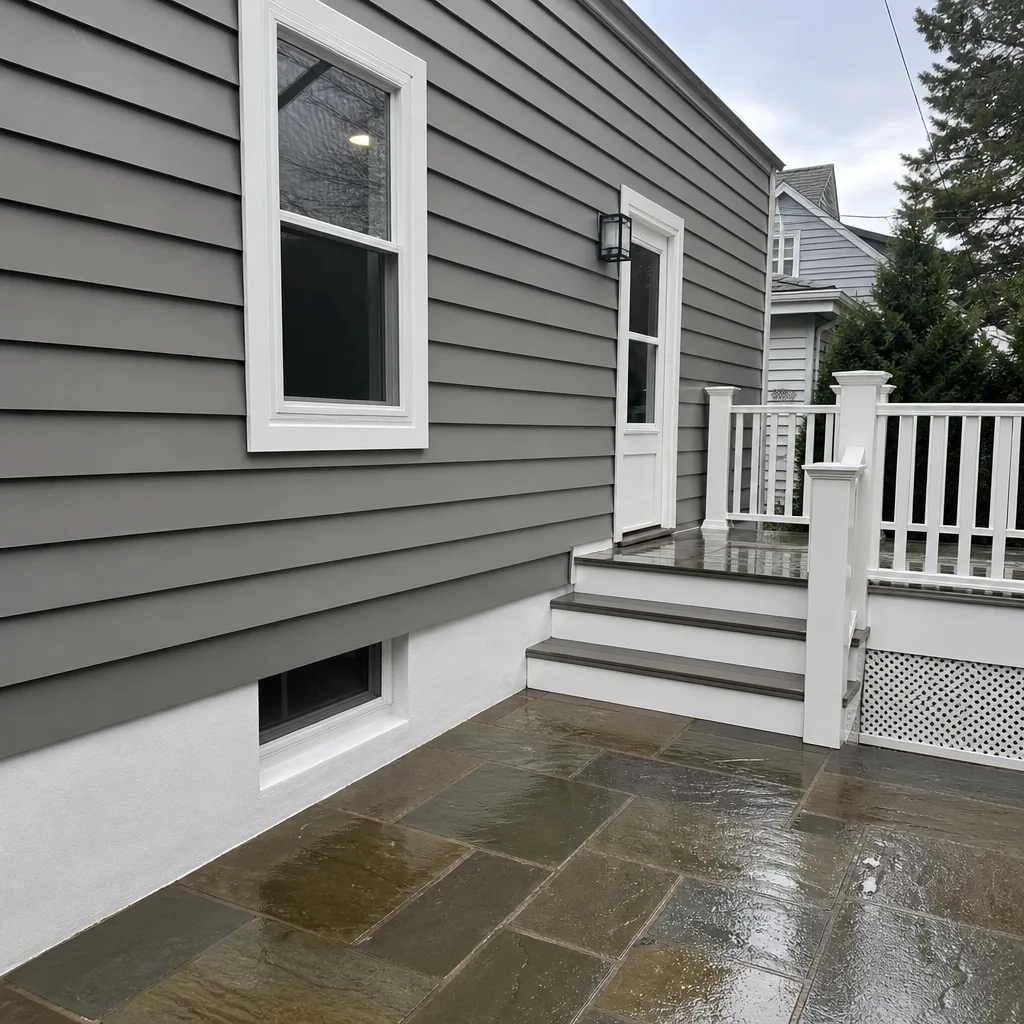 After
After24/7 Emergency Storm & Disaster Restoration in Haworth
Storm damage in Haworth moves fast. A tree limb through a roof, a wind-driven leak, or a basement filled with reservoir-adjacent runoff doesn’t wait for business hours, and neither do we. Our crews answer live at (640) 333-9625 at two in the morning, not a recording, and a certified team reaches most Haworth streets within 45 minutes. The first hour after a storm is when the damage sets: water wicks up drywall, warps oak flooring common in Haworth’s post-war homes, and starts the clock on mold. A free visual inspection, done right the first visit, tells you exactly what you’re facing and what it costs. No guesswork, no pressure.
Understanding Storm & Disaster Restoration Severity in Haworth Properties
Storm restoration in Haworth runs the full range of water categories, and each one changes the job. Category 1 water is clean, like a supply line that cracked during a freeze-thaw cycle. Category 2 carries contaminants, the kind of water that pools after a thunderstorm picks up lawn chemicals and roof debris. Category 3 is the one that matters most in Haworth: sewage, reservoir runoff, or ground water that’s been sitting against a cinder-block foundation for hours. Homes built between the late 1940s and early 1970s here were framed for 1960s storm patterns. Their original perimeter drain tile and clay sewer laterals weren’t sized for sustained nor’easter rainfall. That’s why we moisture-map every storm loss in Haworth before we start drying, and why we never treat a flooded basement as just a surface problem. Water inside a block wall is still water, even when the floor looks fine.
Why Haworth Property Owners Choose Floodline Restoration Co.
- A certified crew reaches most Haworth homes within 45 minutes. Live dispatch means a real person answers, and a real tech is moving toward your street.
- 24/7 live answer, every day. No answering service, no “leave a message.” A dispatcher picks up at 2 a.m. and stays on the line until the crew arrives.
- IICRC-certified technicians. Our crews hold WRT and FSRT certifications, and we follow RIA and IFA standards on every job.
- Free visual inspection with a written scope. You’ll know what the repair costs before any work starts. No surprises on the bill, ever.
- Direct insurance billing. We coordinate with your carrier, document every step, and keep you out of the messenger role.
- One team from extraction to reconstruction. The same certified crew that pumps the basement is the one that rebuilds the finished space. No handoffs, no inherited crews.
Our Storm & Disaster Restoration Process
1. Inspection & Assessment
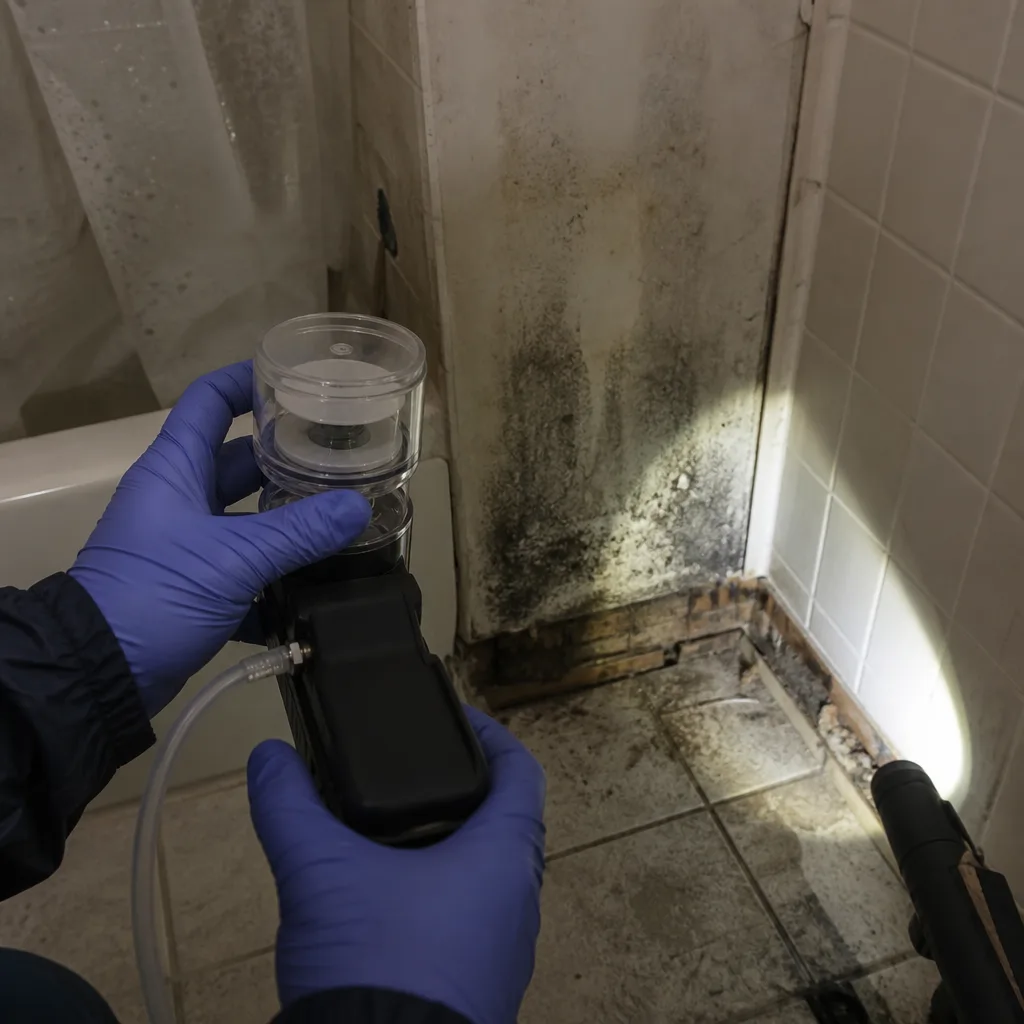
We scope the site with thermal imaging and moisture meters, map the water migration through walls, floors, and cavities, and check for the hidden issues Haworth homes are prone to. That includes a lateral sewer scope when there’s any sign of backup, because root infiltration into aging clay pipes is common here.
2. Extraction & Stabilization
For flood damage, we run Dri-Eaz truck-mounted extraction units that pull water fast enough to save flooring and subfloor. For wind damage, we tarp roofs, board up broken windows, and brace compromised openings before the next band of weather.
3. Drying & Dehumidification
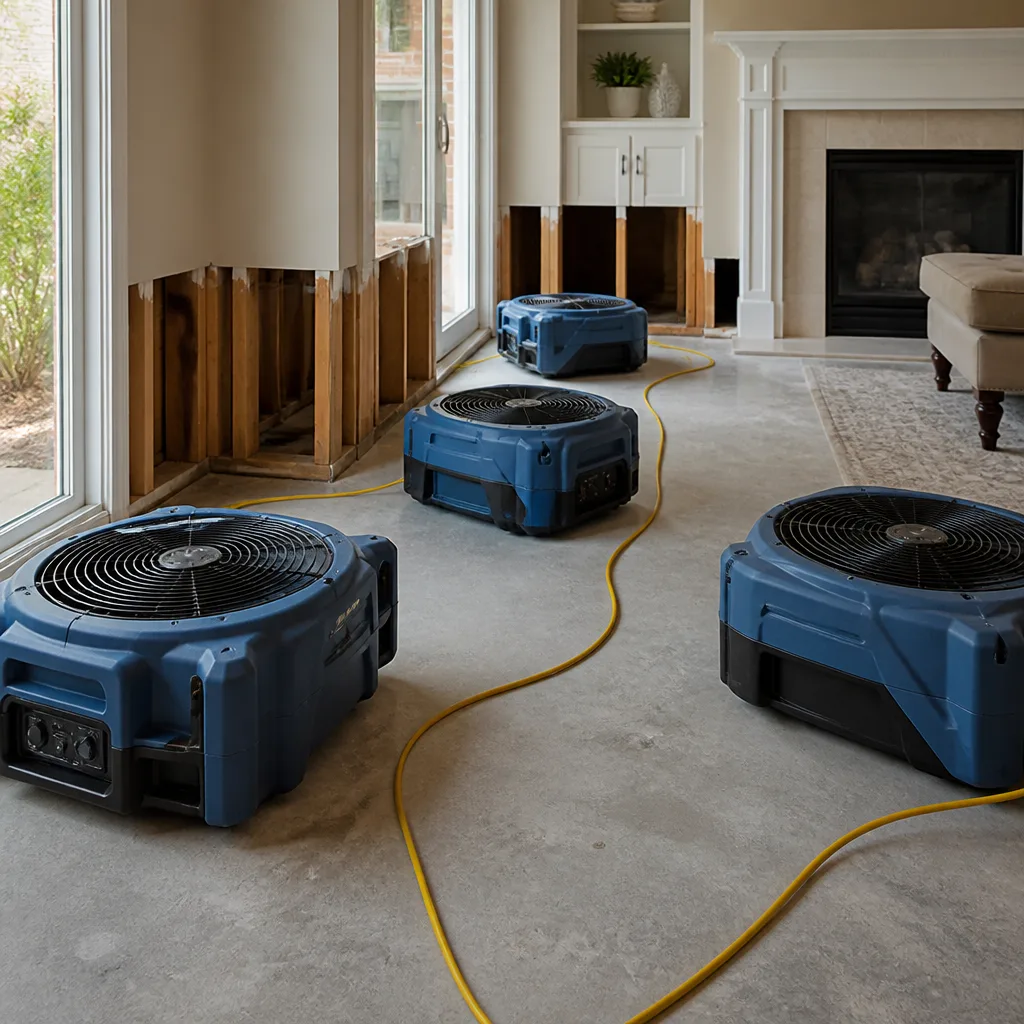
We place air movers and dehumidifiers sized to the cubic footage of your basement or affected rooms. Daily moisture readings are logged until the dry standard is met. In Haworth’s clay-heavy soils, dry-out takes longer than in free-draining ground, so we don’t rush this step.
4. Cleaning & Sanitization
Contaminated surfaces are cleaned with EPA-registered antimicrobials. Any runoff or wash water that touches the Reservoir watershed gets contained and disposed of under NJ DEP rules. We keep the paperwork, your carrier sees it, and you never have to chase it.
5. Specialty Treatment for Storm Damage
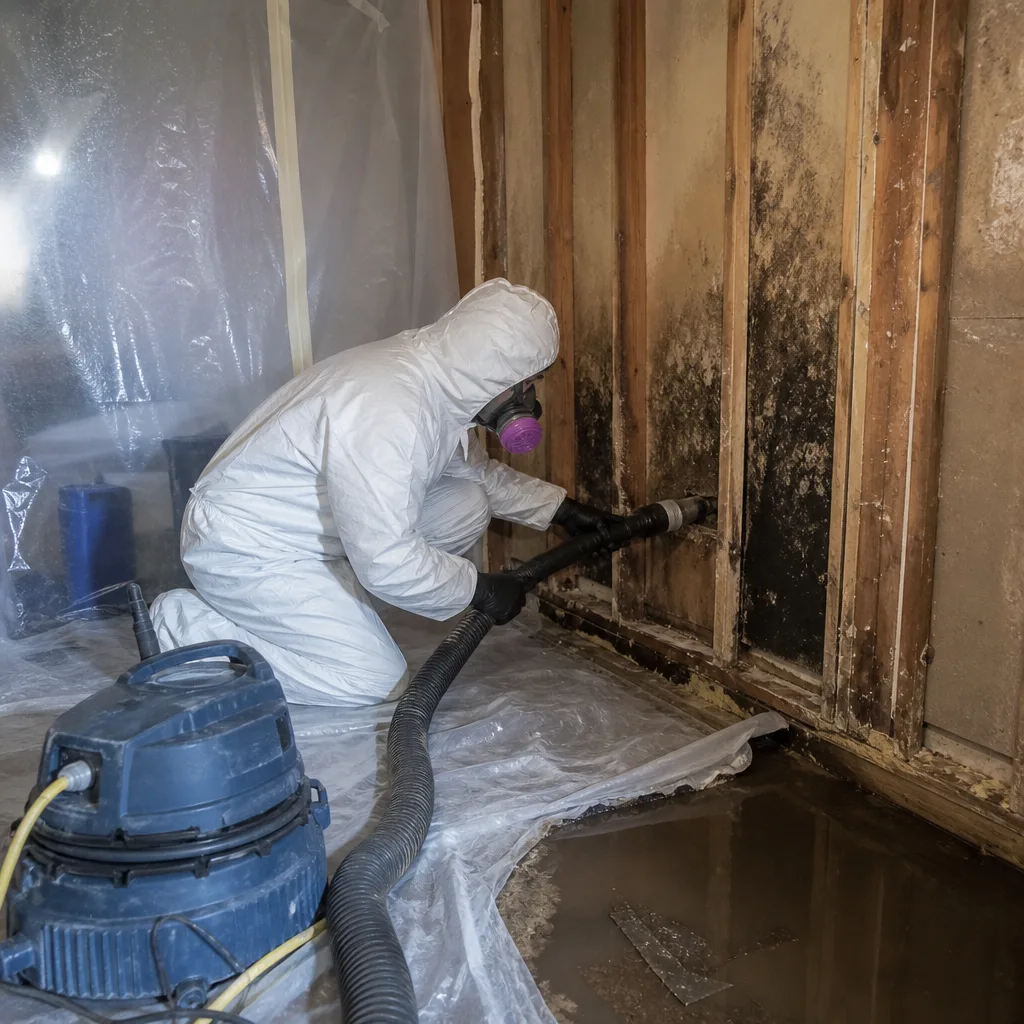
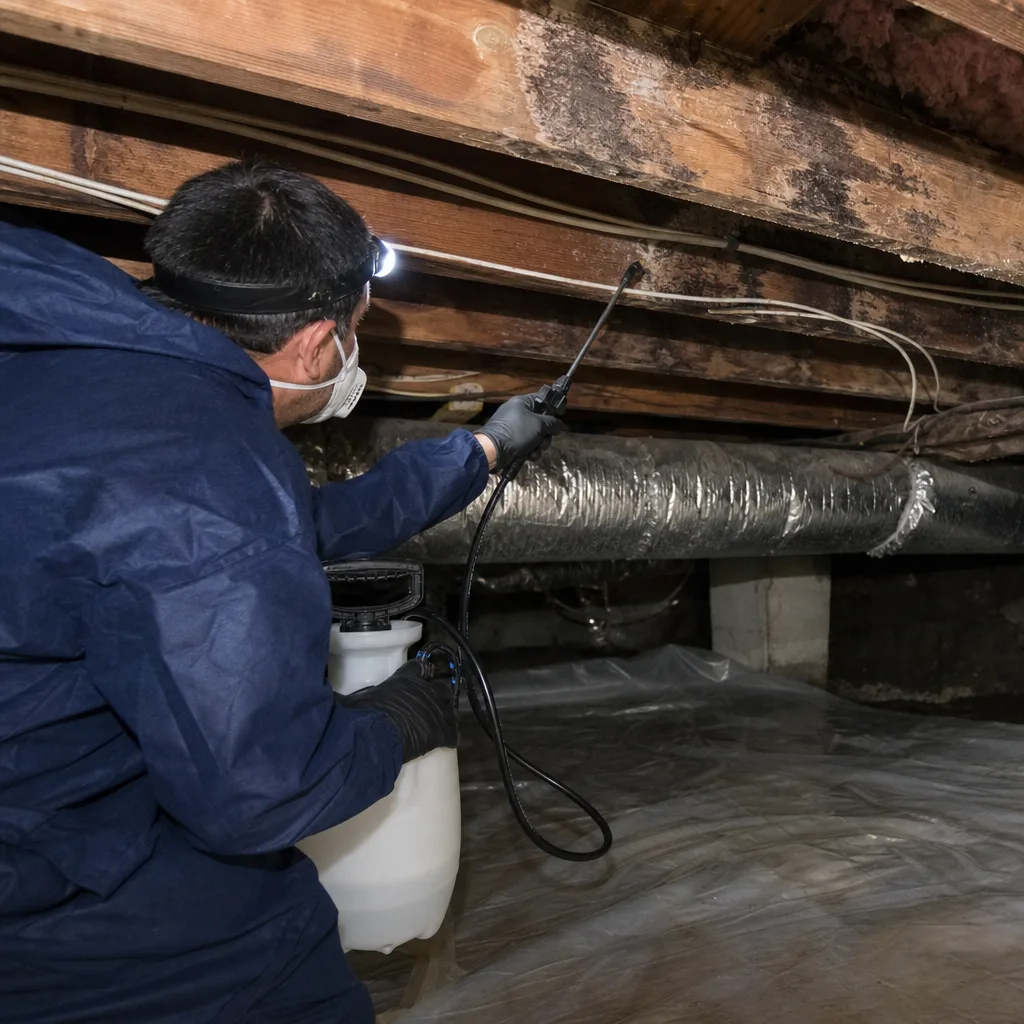
Soot, sewage, or mold from a wet wall cavity each needs its own protocol. We run HEPA air scrubbers for particulates, apply mold inhibitors where moisture met organic material, and set containment where we need to.
6. Repairs & Restoration
We rebuild what the storm took: drywall, trim, flooring, cabinetry, roof decking, and any structural members. The finished job gets a final walkthrough and the 90-Day Done Right Promise in writing.
Need Emergency Storm & Disaster Restoration in Haworth Now?
Crews minutes away, answering live 24 hours a day. The sooner we start, the less it costs.
Working With Your Insurance Company
Storm and flood claims in Haworth move faster when the documentation is built from the first hour. We photograph every room, log moisture readings daily, and write a line-item scope that your adjuster can read without asking ten follow-up questions. When damage touches the Oradell Reservoir watershed, we include the NJ DEP disposal and containment records that keep the claim clean. Our team coordinates directly with your carrier, sends them the photos and drying logs, and handles the adjuster conversation. You stay informed, you don’t stay on hold.
What We Provide Your Insurer
- Thorough documentation of the loss
- Photos of all damage, room by room
- Moisture readings and drying logs
- A detailed, line-item scope of work
- Direct coordination with your carrier
Built for Haworth’s Loss Calendar
Haworth’s storm damage follows a pattern, and we’ve learned to read it. January and February bring deep freezes that split supply lines and crack mortar joints in the borough’s post-war cinder-block foundations. March thaw pushes groundwater up through clay-heavy soils, and basements that stayed dry all winter start seeping at the cove joint. July and August thunderstorms dump an inch in an hour, overwhelming 1960s-era drain tile and sending water over window wells. Nor’easters between October and December bring the worst of it: sustained rain over the Oradell Reservoir watershed raises the water table fast, and low-lying streets off Sunset Avenue and along Lake Shore Drive see the first water. Wind events peel shingles and send mature oak limbs through roofs. Knowing what each season does to Haworth homes means we arrive already knowing where to look.
Storm & Disaster Restoration Across Haworth’s Neighborhoods
Haworth’s compact street grid means we can be almost anywhere in the borough within forty-five minutes, but each pocket has its own loss signature. The homes along Sunset Avenue and Harrison Avenue were built early in the post-war boom, many with original drain tile and clay laterals that now fight mature tree roots. Backups there are more often lateral failures than storm overflows. Streets off Lake Shore Drive and Valley Road sit lower relative to the reservoir, so a hard rain becomes ponding water against foundation walls within hours. Homes near Haworth Elementary School see a lot of limb damage because the canopy is denser there, and wind-driven rain finds its way into older window flashing. The connector streets toward Oradell and Dumont share the same saturated soil profile, so water migration through block walls behaves the same. It’s a small borough, but the failure modes repeat by block, which is exactly how we dispatch.
Specialized Storm & Disaster Restoration Services We Offer in Haworth
Storm Damage Cleanup
After a nor’easter or a summer microburst, Haworth streets are littered with limbs, and gutters are packed with debris. We clear the damage, assess what’s structural, and document everything for your claim. Tree limbs through roof decking are a common Haworth spring call, and our crew handles the tarping, the drying, and the rebuild as one job.
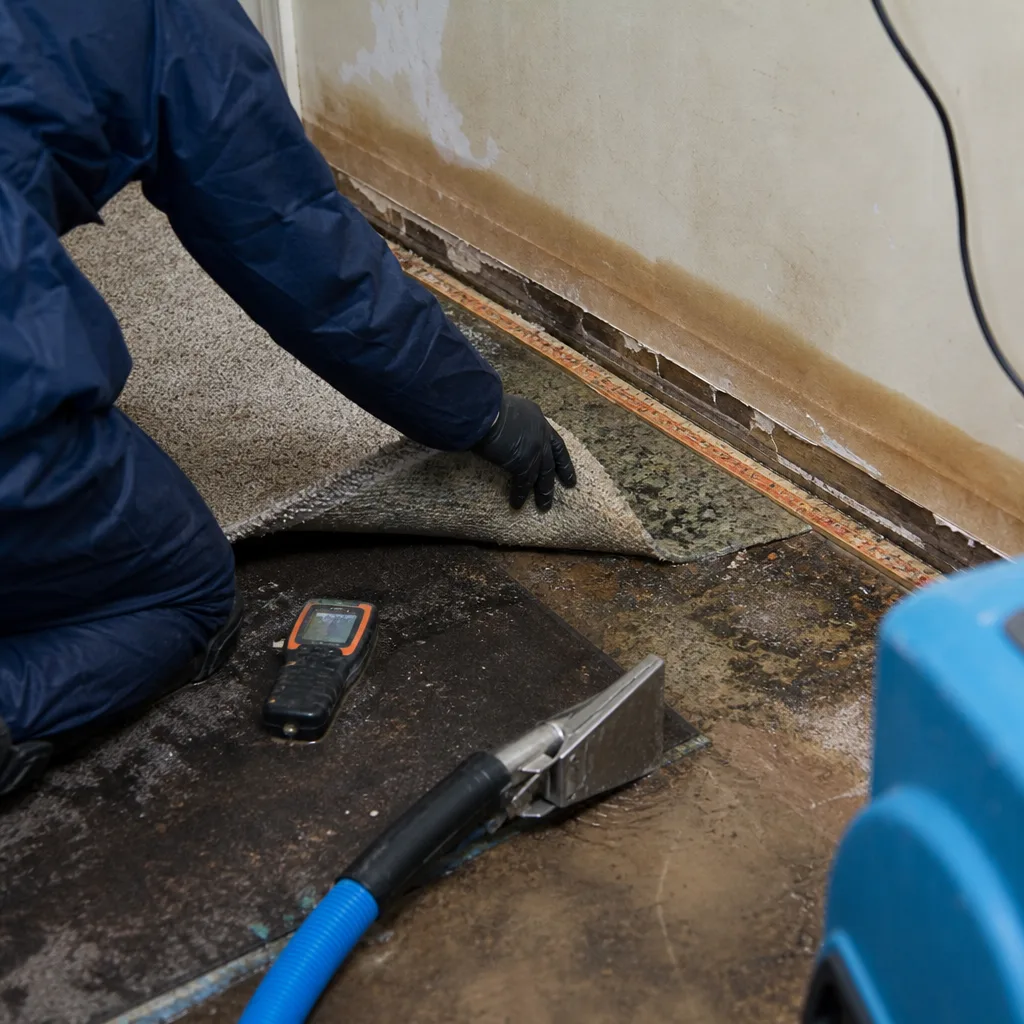
Flood Damage Restoration
Basement flooding in Haworth usually means category 2 or 3 water, not clean supply lines. The borough’s clay soil holds water against foundation walls, and the Reservoir watershed raises the table faster than neighboring towns. We extract, dry, and rebuild the space, and we document the NJ DEP compliance that your carrier needs.
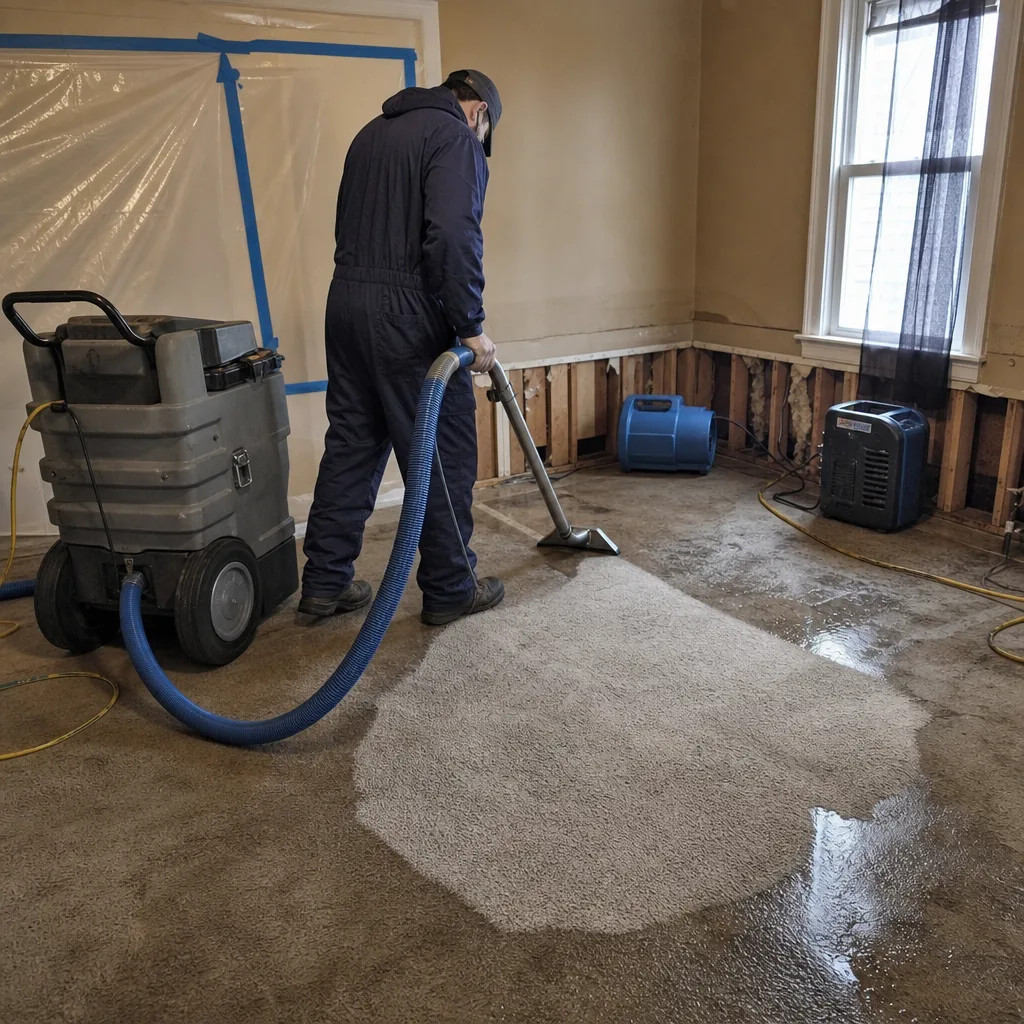
Emergency Board-Up
Wind events in Haworth leave windows broken and doors blown in. We board up fast, using heavy-grade plywood and proper anchors, not just nails. A house left open invites looting, animal entry, and more rain damage. Board-up here is a stopgap that buys time for the real scope, and we treat it that way.
Roof Tarping
Shingle damage from Haworth’s mature tree canopy happens all year. A tarp done right keeps the interior dry until full reroofing or repair can be scheduled. We use reinforced tarps and furring strip anchors that hold through a second storm, not just the first sprinkle.
Debris Removal
Storm debris in Haworth usually means tree limbs, gutter muck, and wind-strewn shingles that can’t wait for municipal pickup. We clear the site, separate materials for disposal, and keep the driveway and walkways safe for you and for the adjuster’s visit.
What happens when you call
- 1
A real person answersNo phone trees - you reach a local pro.
- 2
You get an upfront price rangeHonest numbers before anyone is dispatched.
- 3
A background-checked tech heads outLicensed & insured, dispatched right away.
- 4
You approve before work beginsNothing starts until you say go.
Storm & Disaster Restoration Costs in Haworth, NJ
Storm restoration pricing in Haworth depends on how far the water or wind penetrated. A category 1 basement seepage job in a post-war home off Valley Road typically runs $1,400 to $3,200, including extraction, drying, and sanitizing. A category 3 sewage or reservoir backup, with containment and NJ DEP-compliant disposal, usually lands between $4,500 and $9,500 depending on finished space and whether drywall and flooring need pulling. Emergency board-up runs $350 to $800 per opening, and roof tarping on a Haworth split-level runs $400 to $1,200 depending on pitch and access. Every quote we give follows a free visual inspection, and the written scope is firm before any work starts. No hourly surprises, no change-order creep.
If you’re not sure whether to file a claim, call us first. We’ll tell you honestly whether the damage is under your deductible or worth the claim. That’s the square deal, and it’s the same one we’d give our own neighbors.
Call (640) 333-9625 for a free inspection and a straight answer on cost.
We Also Serve Cities Near Haworth
Our crews regularly run restoration in Haworth and the surrounding Bergen County boroughs. We serve Dumont, Emerson, Oradell, and New Milford with the same live dispatch, the same certified crews, and the same written guarantee.
Haworth Storm & Disaster Restoration Questions, Answered
Does Haworth require a permit for storm damage structural repairs or emergency board-up after a wind event?
Emergency board-up and roof tarping do not require a permit in Haworth because they are temporary safety measures, but any structural repair to a load-bearing wall, foundation, or roof framing does. Our crew handles the permit application as part of the scope we give you. The borough building office wants to see the repair plan for anything structural, so factor a couple of days of review into the schedule after we submit.
How do Haworth’s clay-heavy glacial soils affect drying time after a basement flood?
Clay holds water. In Haworth, the post-war homes were built on glacial till that doesn’t drain the way sandy soil does in other parts of the state. That means a basement floor that looks dry can still have water trapped behind cinder block walls. We run drying equipment longer on Haworth jobs and take daily moisture readings until the dry standard is met, not just until the floor feels dry. Rushing this in clay soil is the main reason mold comes back in Haworth basements weeks after a “dry” job.
Are Haworth homes more likely to have category 2 or category 3 water during a storm backup?
Category 3, and it’s not close. Haworth’s storm backups are usually either sewage pushed up through aging clay laterals or storm water that entered through a foundation and sat for hours against drain tile. Both carry bacteria and contamination. That’s why we treat storm backups in Haworth as category 3 unless we can trace the water to a clean source immediately. It changes the extraction protocol, the containment, and what we do with the disposal.
What NJ DEP rules affect storm floodwater disposal in Haworth?
Because Haworth sits directly adjacent to the Oradell Reservoir watershed, any water we pump out or wash water from cleaning must be contained and disposed of according to NJ DEP runoff rules. We can’t just pump it to the curb and let it flow to a storm drain. We document every disposal for your insurance file, and the records satisfy the borough’s compliance expectations. This is one of the hidden costs in Haworth estimates that a contractor from Dumont or Bergenfield might not even know to include.
Can mold remediation chemicals be used freely in Haworth after a flood?
No. The antimicrobials and fungicides we use after a Haworth flood have to be applied with runoff control in mind because of the reservoir watershed. We use EPA-registered products at the right concentrations, and we contain the treated area so no excess product reaches the ground outside. The disposal and application records become part of the paperwork we hand your carrier, and they matter if anyone ever questions whether the job was done in compliance with local environmental rules.
How fast can you actually get to a Haworth home after a storm?
Most Haworth streets get a crew within 45 minutes of your call. The borough is small, and our dispatch coordinates live with teams running through Bergen County. If you’re calling at 2 a.m. after a nor’easter, the same dispatcher who answers is the one routing a truck to your street. The faster we start extraction or tarping, the less your job costs and the more we can save.
Should I stay in my Haworth home during storm damage restoration?
For a contained basement flood or a roof tarp, usually yes, especially if we’re only working below grade and the main living floors are dry. For a category 3 sewage backup or heavy mold, we may recommend you stay elsewhere while we set containment and run air scrubbers. We’ll tell you straight which situation you’re in, and we won’t recommend relocating unless it’s genuinely needed. Your insurer usually covers temporary housing in those cases, and we document the reasoning for them.
What should I do in the first 30 minutes after storm damage in Haworth?
Shut your main breaker if water is near electrical outlets or the panel. Call (640) 333-9625. Don’t walk into standing water if you can’t see the floor, especially in a basement where the water may have been in contact with sewage or electrical. If a window or door is broken open, close off the room if you can do so safely, but don’t climb a ladder to tarp a roof in the dark. Take photos of everything from a safe spot, then let our crew do the rest starting the moment we arrive.
Serving Haworth, NJ - Our Local Coverage Area
We’re based in the Haworth area and know this community well. Use the map below to see our service coverage - if you’re nearby, we can almost certainly help.
Start Storm Recovery in Haworth the Right Way
When a storm passes and the damage is done, the next call matters more than any other decision you’ll make that day. Floodline Restoration Co. handles every phase of Storm & Disaster Restoration from first extraction to finished rebuild, with certified technicians, direct insurance billing, and the 90-Day Done Right Promise in writing. We know Haworth’s clay soil, its watershed rules, and its aging drain tile. We’ll be there when we say, and we’ll stand behind the work when it’s done.
Call (640) 333-9625 now for a free inspection and a straight answer.
Written by Curt Bowman, Owner at Floodline Restoration Co., serving Haworth with storm and disaster restoration built on over 42 years of local experience.