
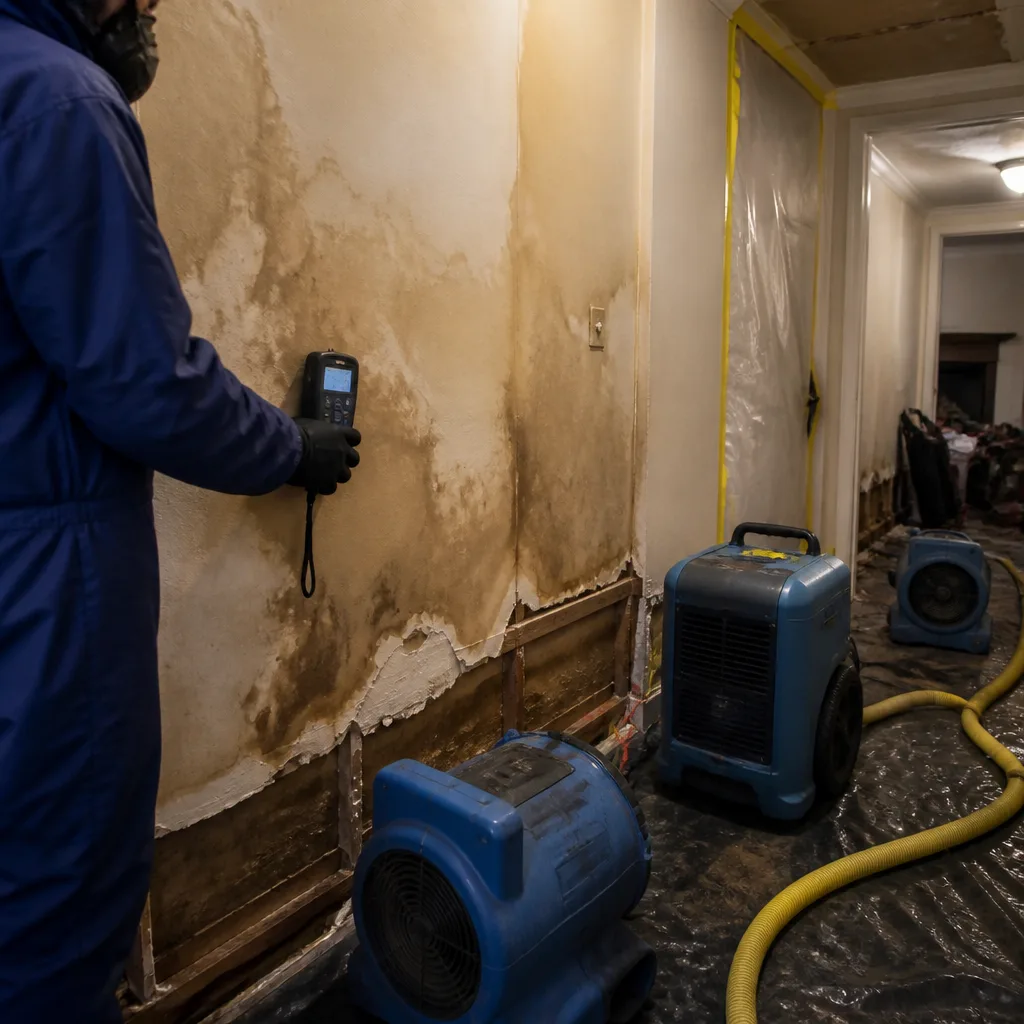
Free visual inspection and a written scope of work before any mitigation begins - photos, moisture readings, and drying logs go in your claim file
The scope we write is the scope we bill. Anything new gets shown to you, in writing, before we touch it.
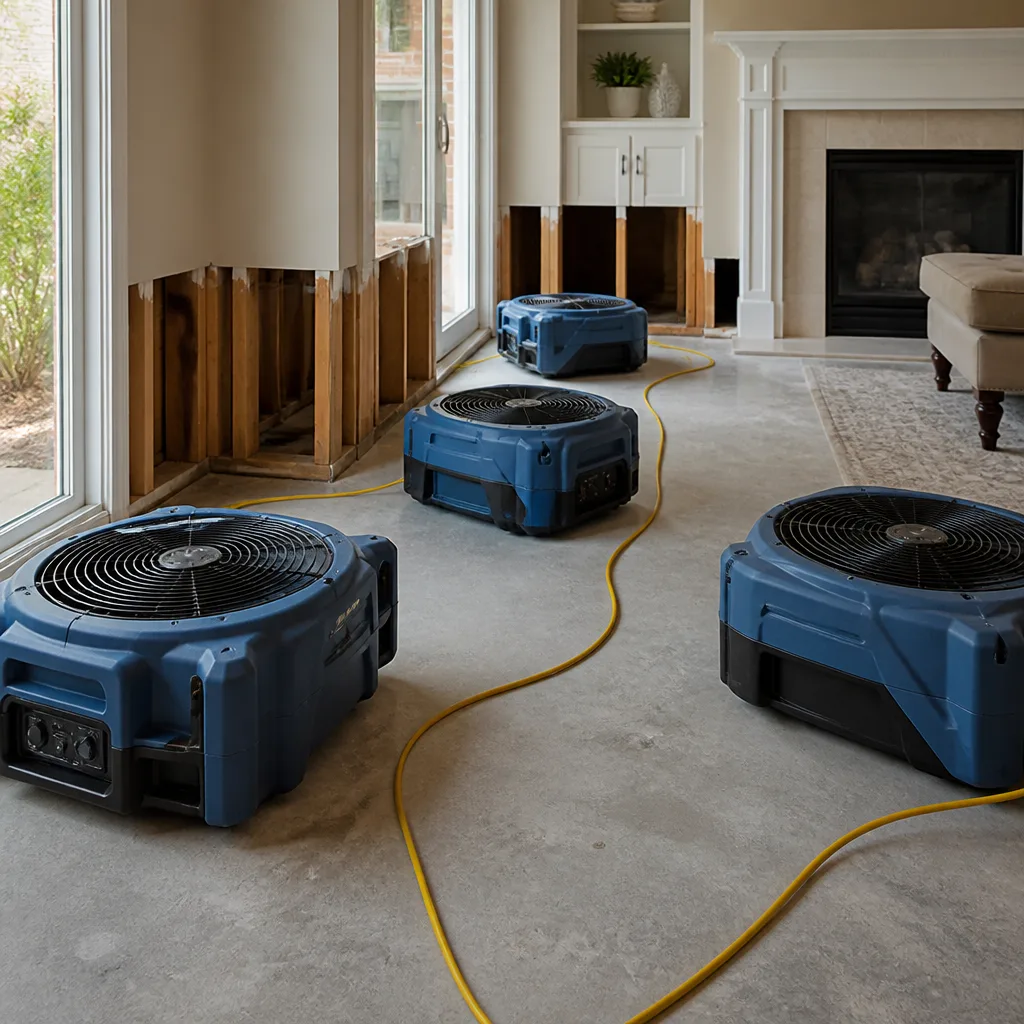
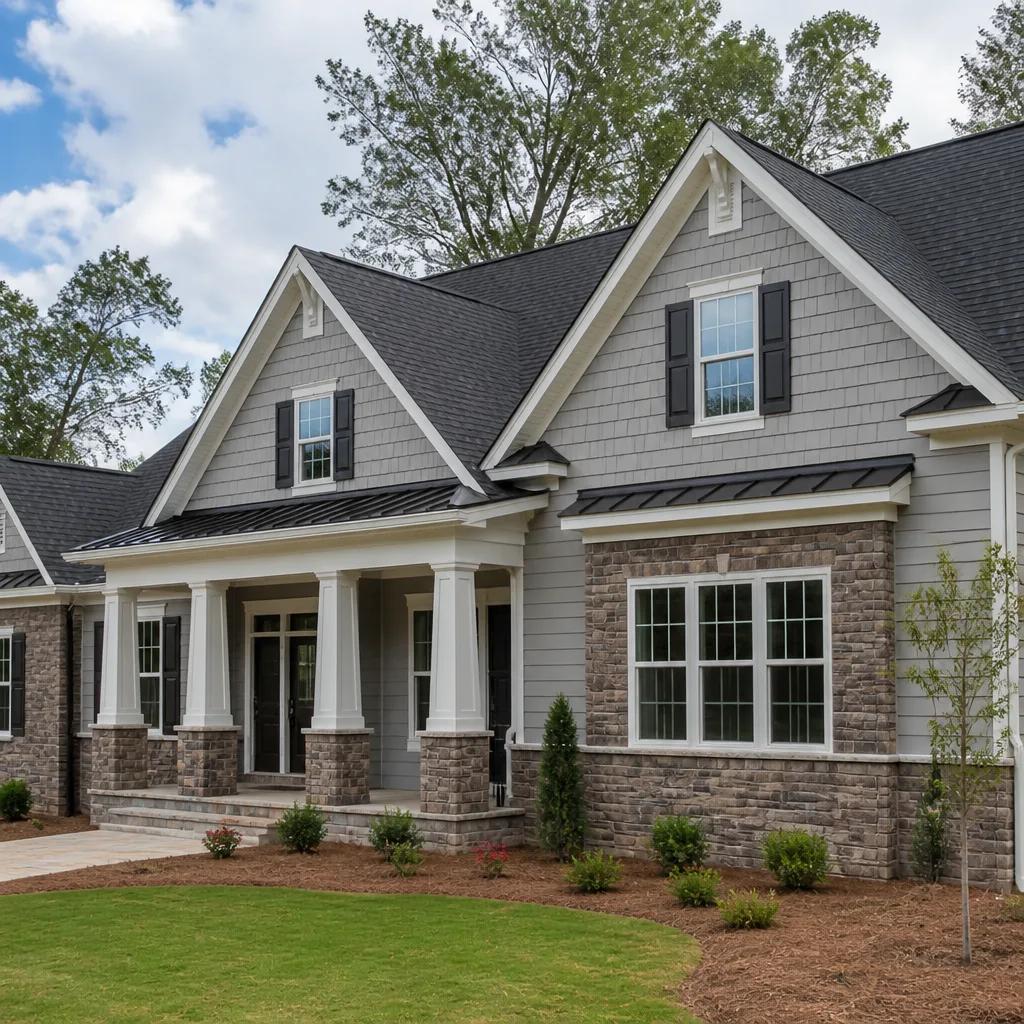
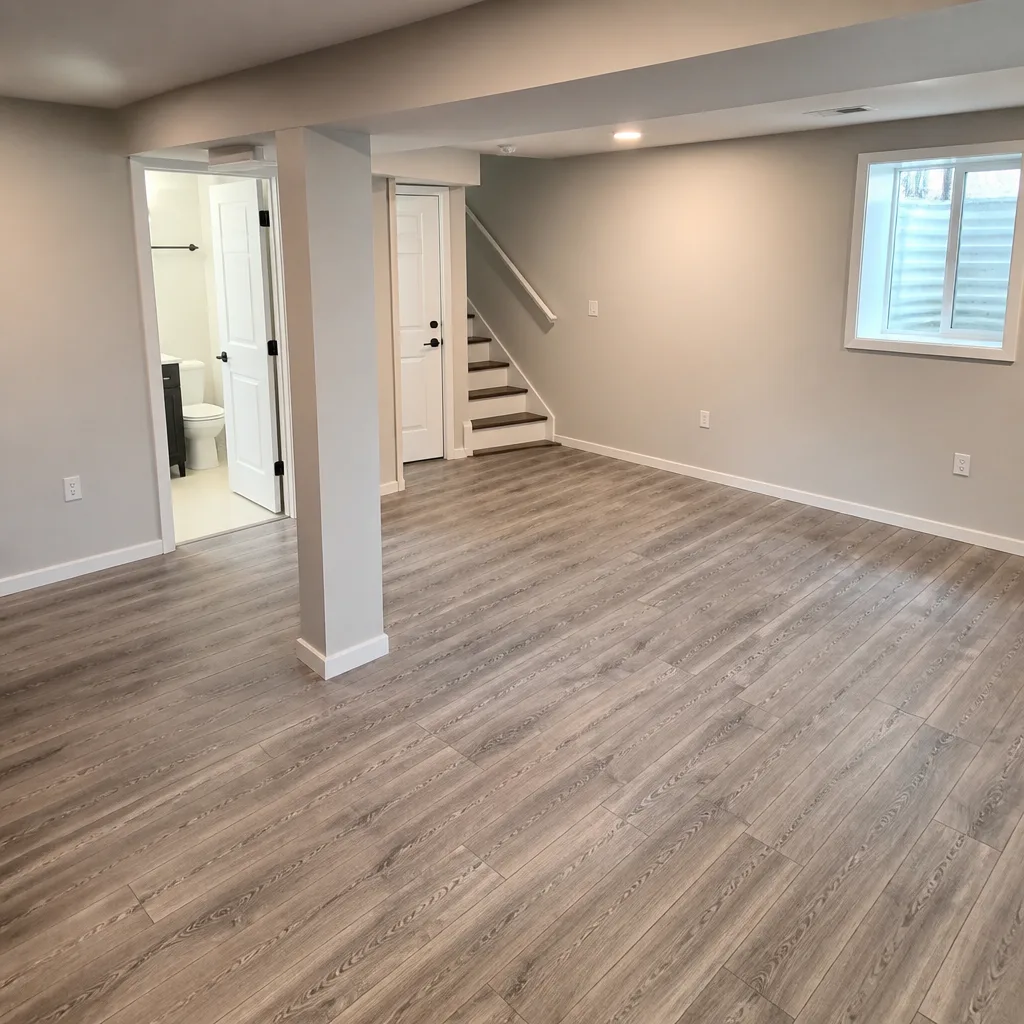
 Before
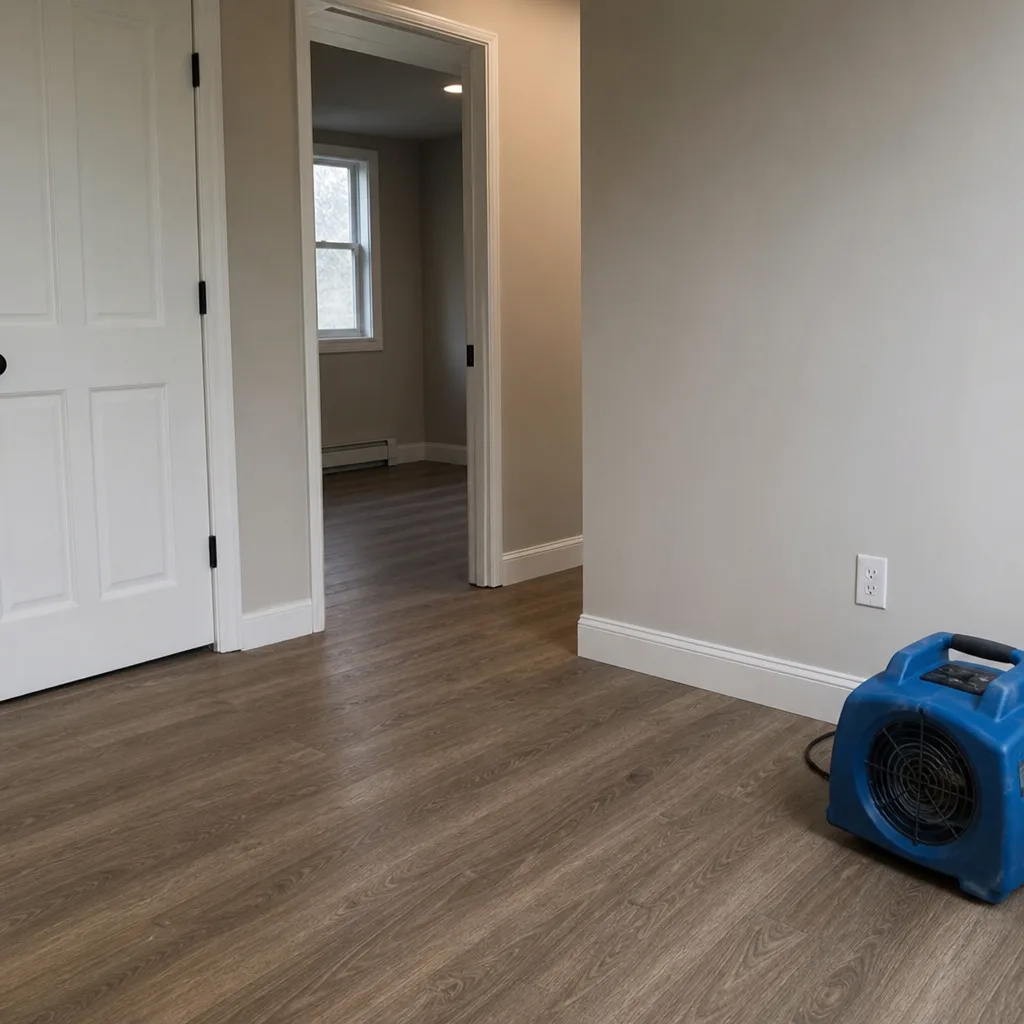 After
After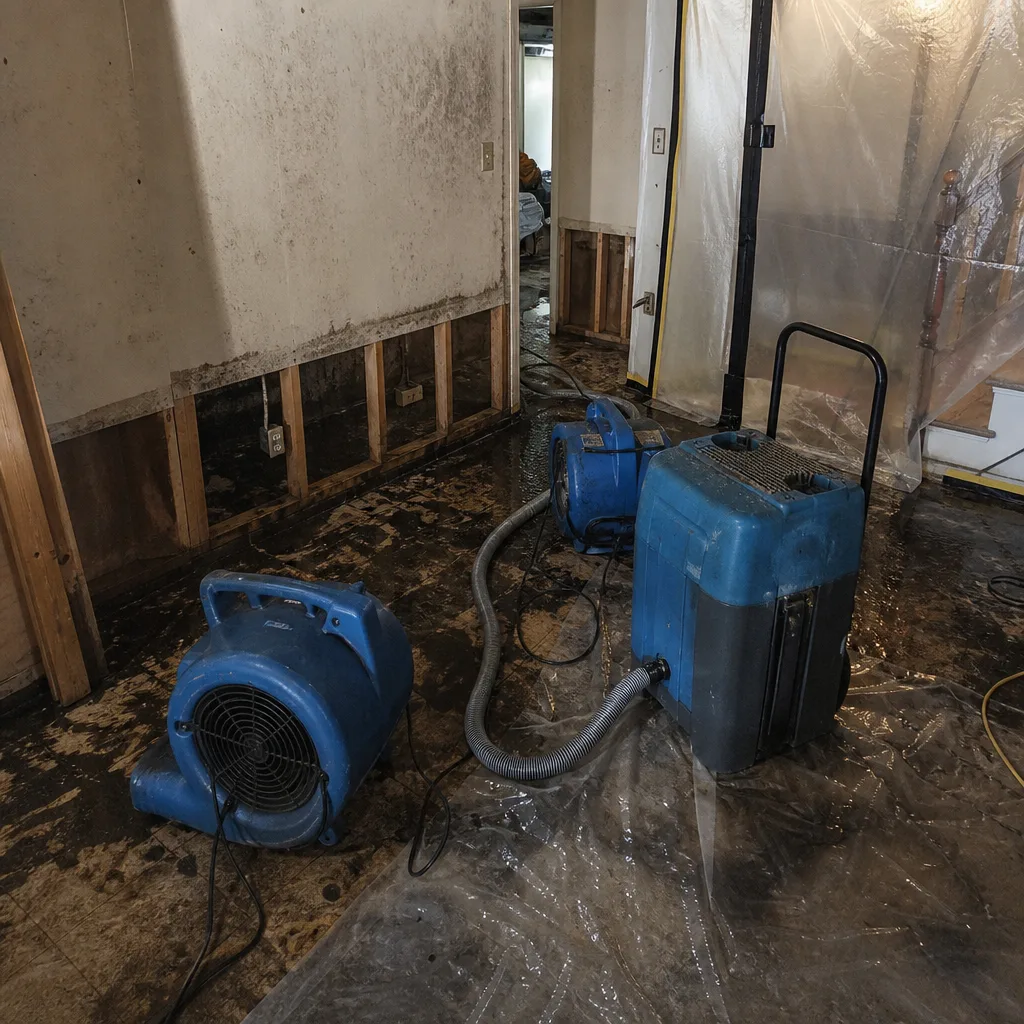 Before
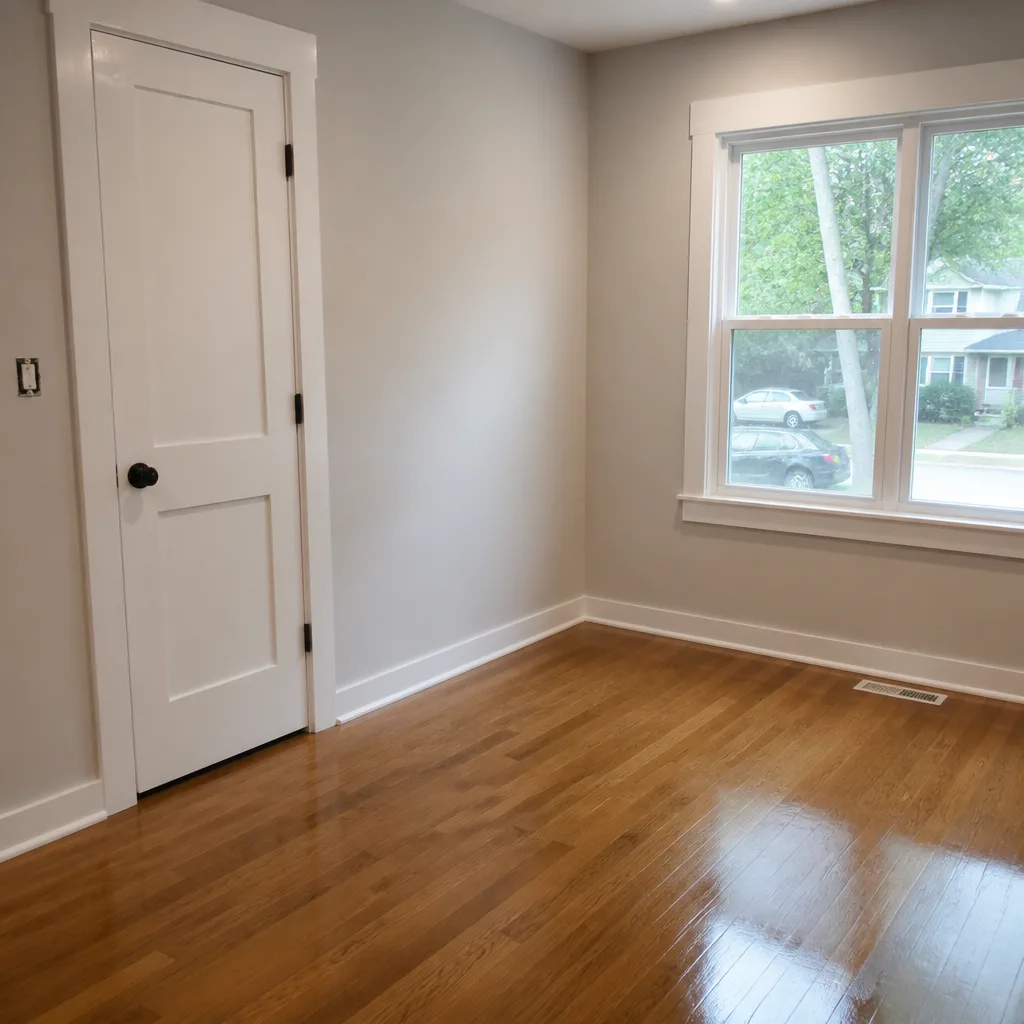 After
After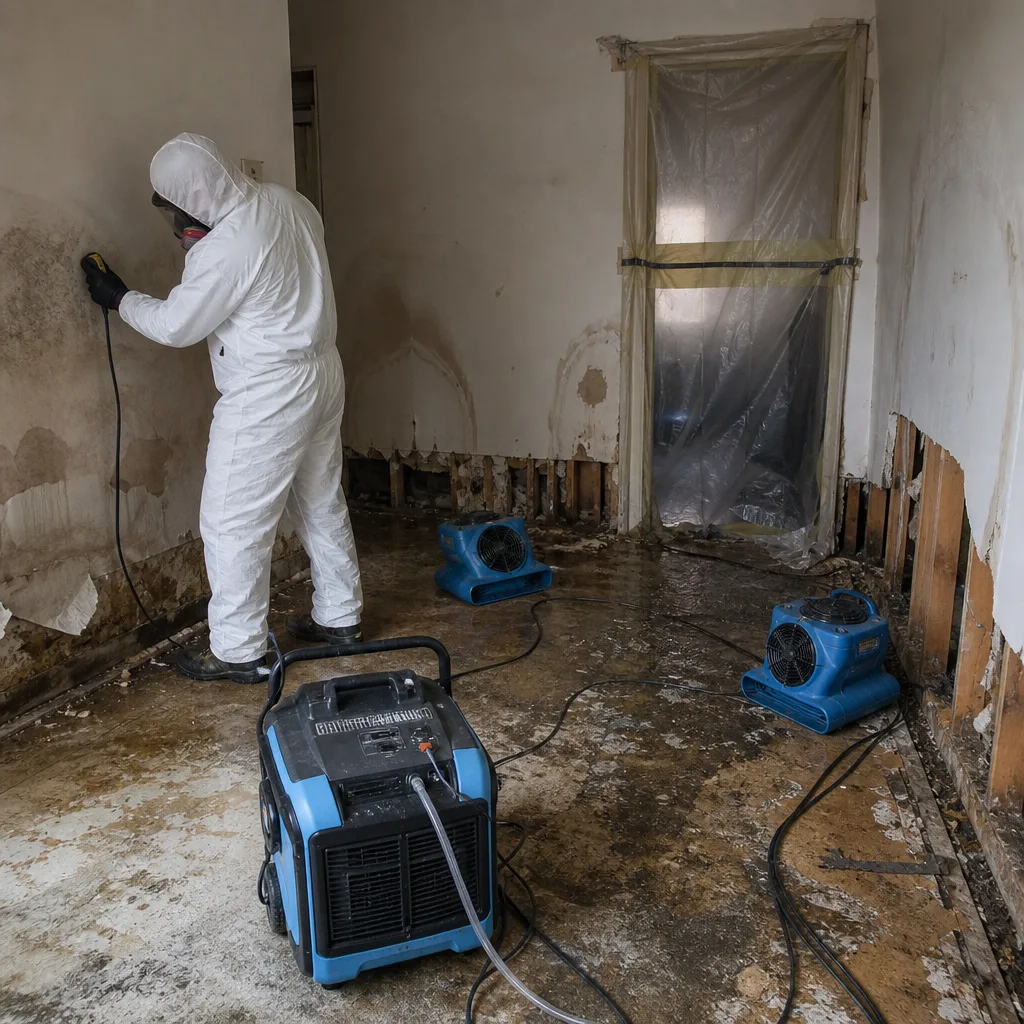 Before
 After
After24/7 Emergency Commercial Restoration in Saddle Brook
Commercial water damage in Saddle Brook doesn’t wait for business hours, and neither do we. A live dispatcher answers (640) 333-9625 at 2 a.m. the same way they answer at noon, because the Saddle River doesn’t check the clock before it crests. Our crews reach most Saddle Brook commercial properties within 45 minutes of your call, and extraction starts on that first visit, not the next day. Every hour floodwater sits inside a building off Market Street or Midland Avenue, it’s wicking deeper into drywall, base plates, and flooring. Call now and we’ll have a certified technician standing in your doorway with a moisture meter before you finish your coffee.
Understanding Commercial Restoration Severity in Saddle Brook Properties
Floodwater in Saddle Brook commercial buildings is rarely clean water. When the Saddle River overflows its banks during a nor’easter or tropical remnant, it carries sewage, fuel, and agricultural runoff into basements and ground floors. That’s Category 3 water, and it requires full containment, removal of saturated material, and antimicrobial treatment before any drying can be trusted. But there’s a deeper problem specific to this township. Saddle Brook’s commercial inventory, like its residential stock, is largely postwar construction from the late 1940s through the mid-1960s. Those buildings typically have original cellulose insulation and lath-and-plaster walls instead of drywall and batt insulation. Cellulose holds water like a sponge and hides it well. Plaster transmits moisture slowly, which means the surface can feel dry while the wall cavity stays saturated for weeks. That’s why we run moisture mapping with thermal imaging on every commercial job here and document daily readings with hygrometers until the drying standard is met. A surface-level “looks dry” is not a drying log. In Saddle Brook, where many structures have been through multiple flood events, the previous remediation matters. We regularly uncover mold colonies behind drywall that was closed up after an earlier event, nobody having verified the cavity was dry first. This is what a repetitive-loss designation means in practical terms: prior work sometimes sealed in the problem.
Why Saddle Brook Property Owners Choose Floodline Restoration Co.
- 45-minute response commitment for Saddle Brook commercial properties. We dispatch crews from our New York City office straight to your address, and we’ll be there when we say.
- A live person answers 24/7, every single day. No automated system, no “press 1 for emergencies.” You call, a dispatcher picks up, and a truck rolls.
- IICRC-certified commercial restoration technicians trained to WRT, FSRT, and AMRT standards, so the moisture map, the drying chamber, and the mold containment are all handled by people who carry the credentials for exactly this work.
- Free visual inspection for commercial losses in Saddle Brook. We walk the property, scope the damage, and give you a written plan before you commit to anything.
- Direct insurance billing with photo documentation from the first hour. You never play messenger between us and your carrier. We handle the adjuster communication directly.
- One team from first extraction to final rebuild. No handoff to a subcontractor halfway through. The same uniformed, background-checked crew that pulls the water also runs the drying logs and rebuilds the drywall.
Our Commercial Restoration Process
Inspection & Assessment
We pull FEMA flood-zone maps before we even arrive at a Saddle Brook property, because repetitive-loss status changes everything. Our certified technicians inspect every affected area, identify the water category, map moisture with thermal imaging, and then sit down with you to review the scope in plain language. You know exactly what we found and exactly what we recommend before work starts.
Extraction & Stabilization
Professional-grade extraction begins on the first visit. For large-loss commercial spaces, we bring truck-mounted extractors and multiple crews to get water out fast. We remove standing water, identify structural hazards, and stabilize what can be saved so the problem stops spreading the moment we arrive.
Drying & Dehumidification
We set Dri-Eaz dehumidifiers and XPOWER air movers in a calculated drying chamber, not a random pile of fans. Given Saddle Brook’s cellulose insulation and lath-and-plaster construction, we expect extended drying timelines and plan for them. Daily readings are logged with hygrometers, and you and your carrier get that log, not just a verbal “it’s dry.”
Cleaning & Sanitization
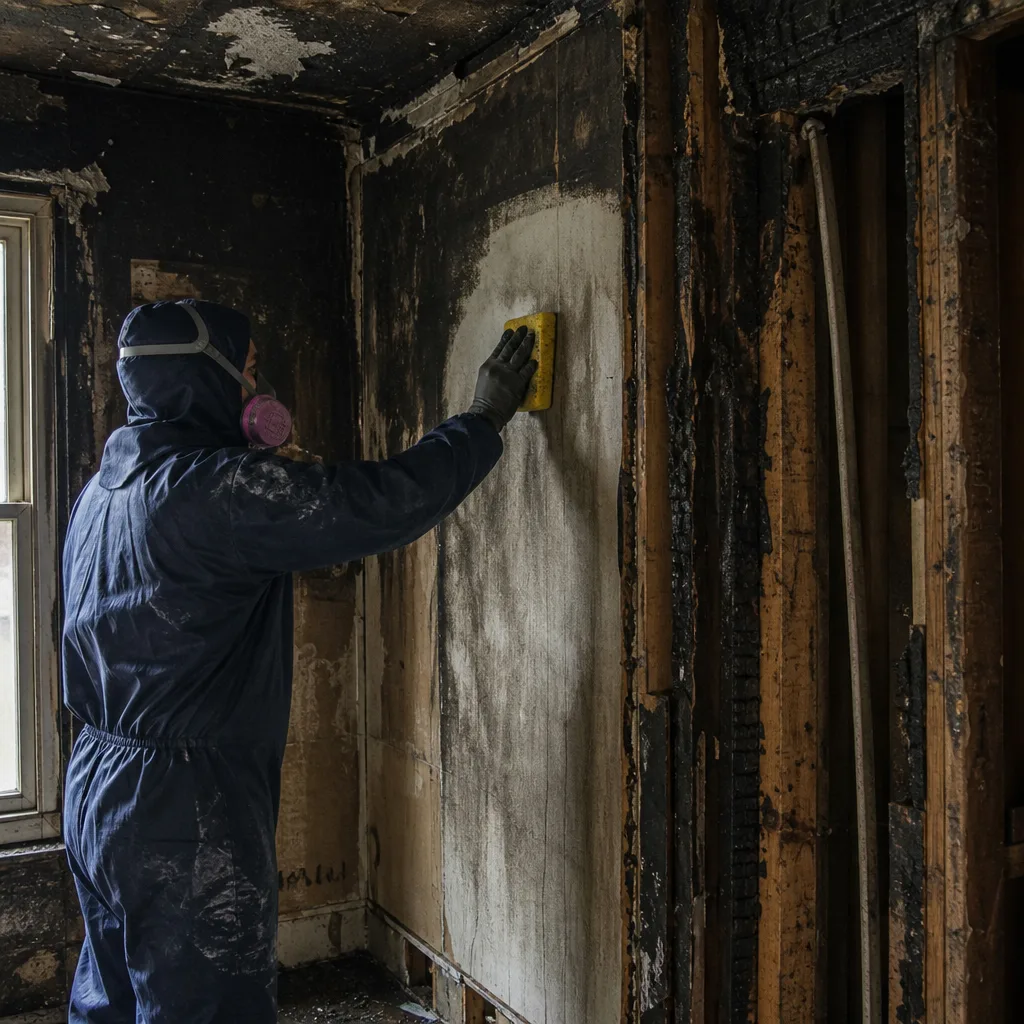
Category 3 water demands antimicrobial treatment and surface sanitization before reconstruction begins. We contain the affected areas, clean every salvageable surface, and document the process with photos for your insurer. Nothing gets drywalled over until the cavity is verified clean.
Specialty Treatment for Commercial Restoration
For repetitive-loss buildings, we often run Injectidry systems to dry inside wall cavities without demoing the entire surface. That matters when a property has original plaster walls worth saving. We also handle document and inventory recovery for offices and retail spaces, drying contents off-site when necessary.
Repairs & Restoration
The same Floodline crew that extracted the water rebuilds what needed removal. We replace compromised drywall, repair damaged flooring, and restore your commercial space to operation. Before we close a single wall, the moisture log is complete, the drying standard is met, and the 90-Day Done Right Promise is in your hands in writing.
Need Emergency Commercial Restoration in Saddle Brook Now?
Crews minutes away, answering live 24 hours a day. The sooner we start, the less it costs.
Working With Your Insurance Company
Commercial flood claims in Saddle Brook are complicated by repetitive-loss histories and township code triggers. Your carrier needs documentation that holds up to an adjuster’s scrutiny, not a one-page invoice. We build the file from hour one: photos of every affected room, moisture readings taken before and after extraction, daily drying logs, and a line-item scope of work in industry-standard estimating format. We then coordinate directly with your adjuster, so you don’t spend your week relaying emails between us and the claims department. Our direct insurance billing means the carrier pays us for covered work, and you know exactly where you stand before we start.
What We Provide Your Insurer
- Thorough documentation of the loss
- Photos of all damage, room by room
- Moisture readings and drying logs
- A detailed, line-item scope of work
- Direct coordination with your carrier
Built for Saddle Brook’s Loss Calendar
Saddle Brook’s commercial losses follow a pattern, and we plan for it. January and February bring deep freezes that burst supply lines in older buildings along Market Street and Midland Avenue, where original galvanized plumbing has had seventy years to corrode. Spring thaw pushes groundwater into basements through foundation cracks in postwar construction. But the real losses come with the Saddle River. Nor’easters in the fall and early winter can raise the river fast, and tropical remnants like Ida in 2021 prove what happens when the crest comes quickly: floodwater sits inside buildings for 48 to 72 hours because the river drains slowly through the township’s flat gradient. That’s a full Category 3 contamination window before a crew can even begin. Summer thunderstorms, by contrast, tend to cause localized flash flooding and roof leaks on flat commercial roofs that haven’t been resealed since the last storm season. Property owners who call us after the first sign of water save thousands compared to those who wait. Water doesn’t dry itself in Saddle Brook. It migrates, and mold follows it.
Commercial Restoration Across Saddle Brook’s Neighborhoods
The flood exposure here isn’t uniform, and we don’t treat it that way. Commercial properties along the Market Street corridor near the Saddle River are in the most direct flood path, and many carry repetitive-loss designations that affect scope and compliance from day one. Buildings off Midland Avenue, a bit further east, deal more with groundwater seepage and sewer backup than direct river overflow. The commercial strips near Saddle Brook Township Hall and along Route 46 see a mix of roof leaks, plumbing failures, and the occasional storm surge through back doors. Down by the Garden State Parkway overpass, older industrial buildings with flat roofs and original masonry face different challenges entirely: water gets in through failed parapet flashings and sits on roofs that don’t drain. Every one of these areas responds differently to the same storm. A restoration plan that works for a retail storefront on Market Street won’t serve an industrial bay off Route 46. We scope each job against the actual building, the actual water path, and the actual flood-zone designation for that parcel. That’s what Commercial Restoration means when we do it here.
Specialized Commercial Restoration Services We Offer in Saddle Brook
Office & Retail Restoration
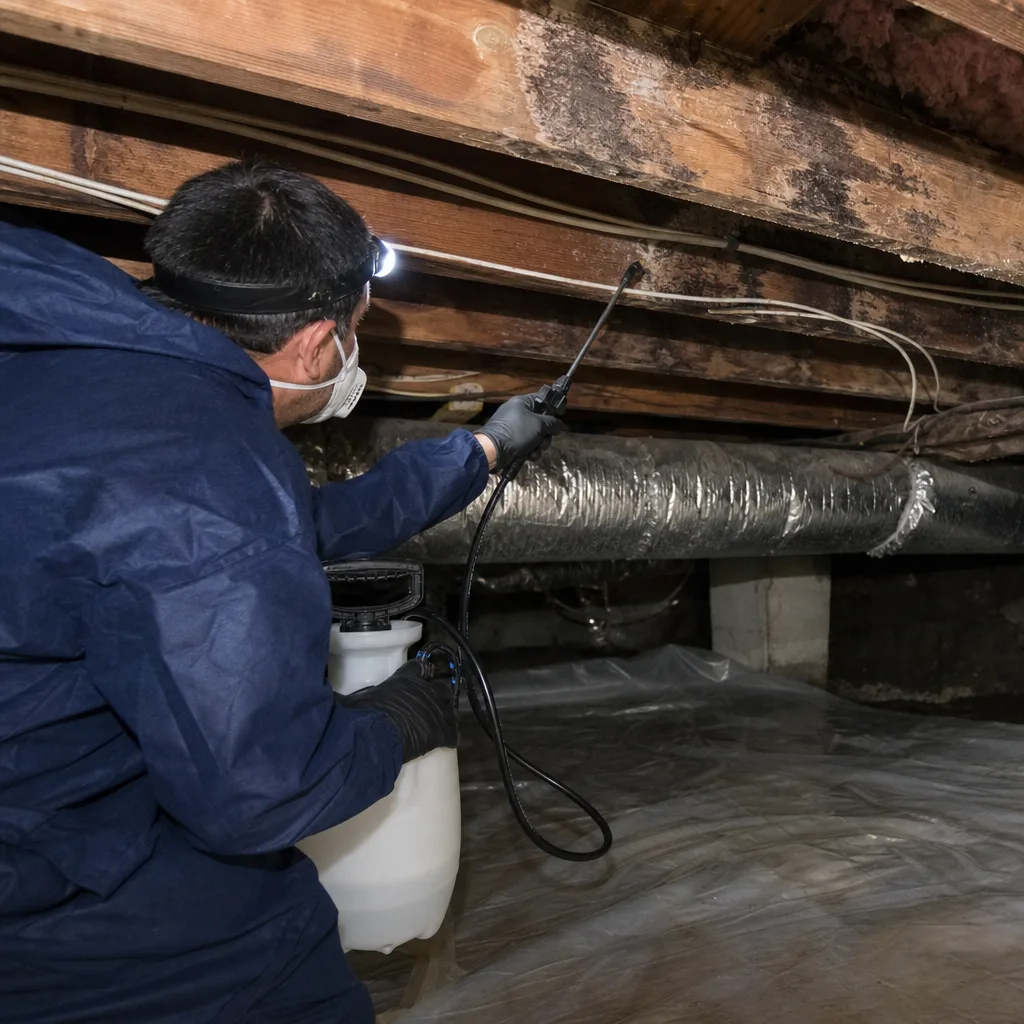
When floodwater hits a Saddle Brook office building or retail storefront, every day closed is revenue lost. After Tropical Storm Ida, our crew handled a multi-tenant office building off Market Street near the Saddle River. Floodwater sat for 72 hours; moisture mapping revealed Category 3 water saturation in lath-and-plaster walls and original cellulose insulation. We set Dri-Eaz dehumidifiers and air movers, documented drying logs, and coordinated with the township to keep the structural drying within compliance before reopening. That’s the standard we bring to every office and retail job.
Multi-Unit & HOA Restoration
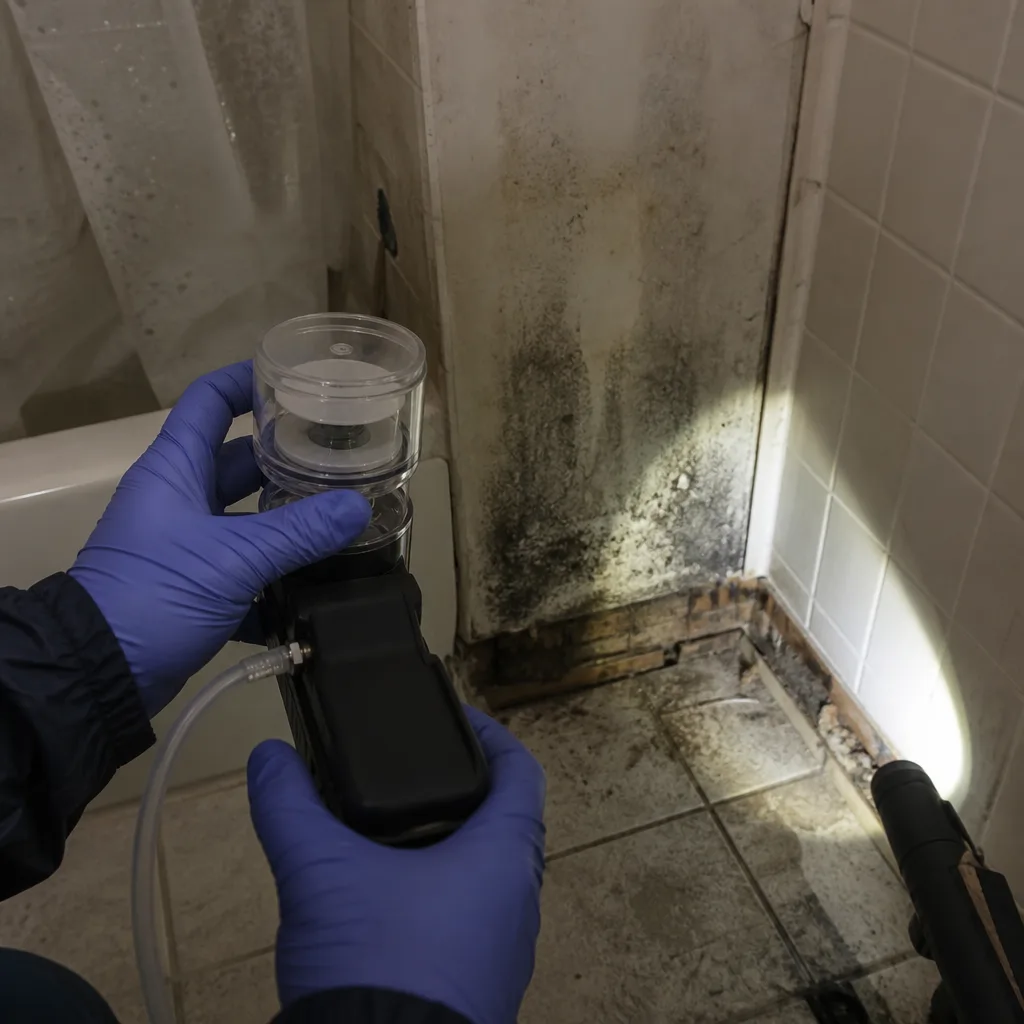
Multi-unit commercial properties in Saddle Brook have a compounding problem: one flooded basement can mean five tenants with water damage, one shared wall with hidden mold, and one HOA board trying to answer questions from five owners. We handle the entire building scope, not just one unit. Our crews document the loss across all affected units, coordinate with your HOA’s insurance carrier, and keep tenants informed without you acting as a project manager. For buildings with original construction details, we use Injectidry systems to dry wall cavities without unnecessary demolition, preserving what’s worth saving.
Industrial Facility Cleanup
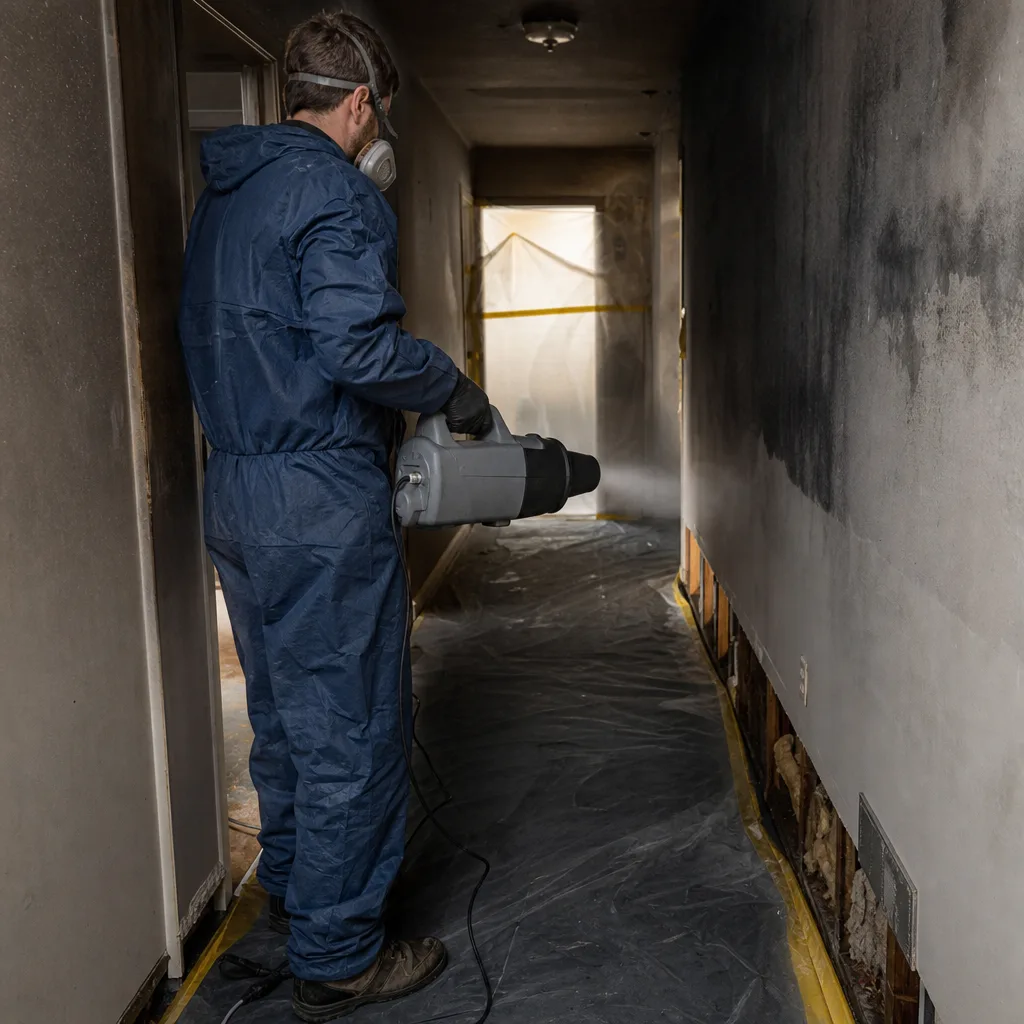
Industrial spaces along Route 46 and near the rail lines face a different scale of water. Large open floors, loading docks, and below-grade mechanical rooms all need extraction that a residential crew can’t handle. We bring truck-mounted extraction, multiple drying zones, and the manpower to run a large-loss response without pausing. Safety is a priority on industrial jobs: we flag electrical hazards, compromised flooring, and contaminated water before any technician enters a space.
Large-Loss Response
A flood that takes out a Saddle Brook commercial building is a large-loss event, and it demands a crew that can scale. We deploy multiple teams, coordinate with your building department on code requirements, and keep the drying process moving while the insurance scope is being finalized. No waiting for an adjuster to show up before we start stabilizing the structure. The extraction runs first; the paperwork catches up.
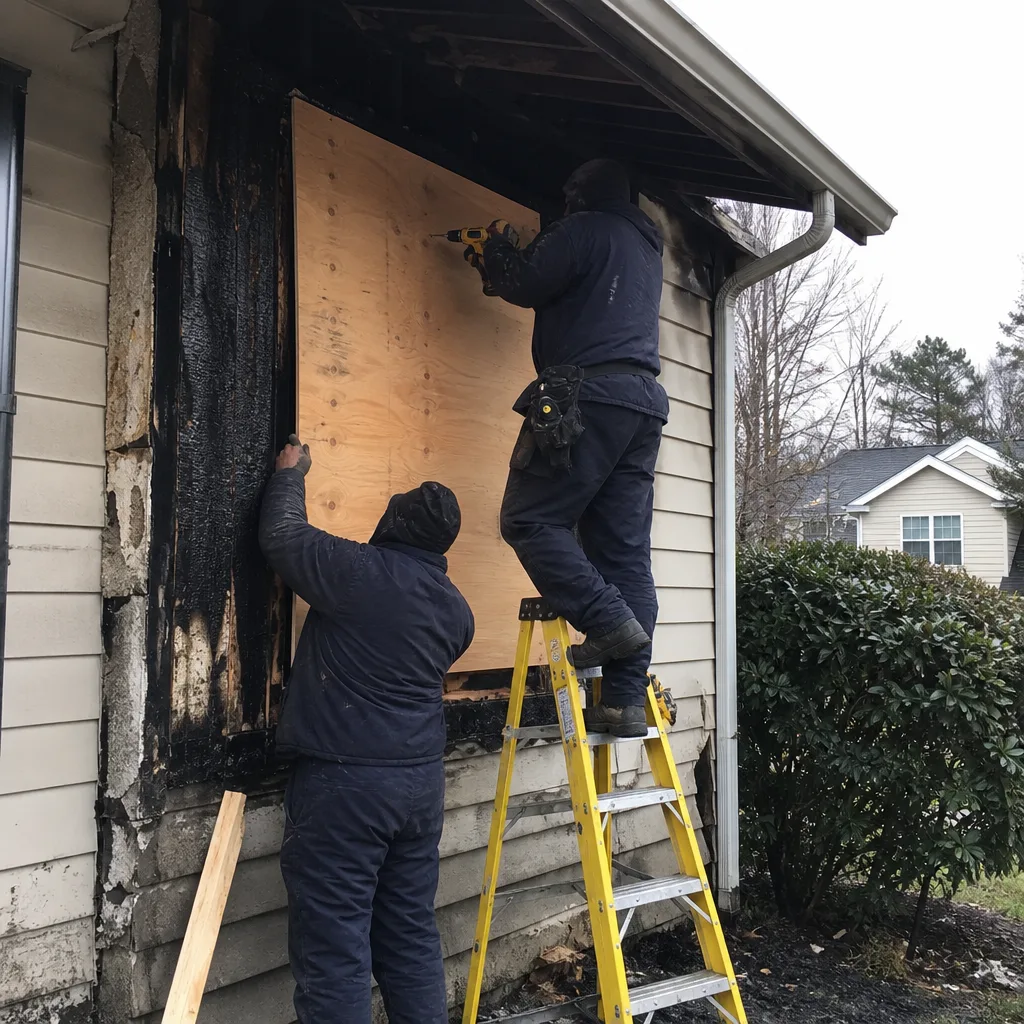
Business Interruption Minimization
We understand that a Saddle Brook business owner’s real loss isn’t drywall. It’s the weeks of closed doors, missed revenue, and employees sent home. Our goal is to get you back to operation as fast as the drying standard and township compliance allow. Sometimes that means partial reopening: we’ve helped retail stores and offices keep half their square footage running while we contain and dry the other half. A fast, documented, compliant restoration is the difference between a closed month and a closed week.
What happens when you call
- 1
A real person answersNo phone trees - you reach a local pro.
- 2
You get an upfront price rangeHonest numbers before anyone is dispatched.
- 3
A background-checked tech heads outLicensed & insured, dispatched right away.
- 4
You approve before work beginsNothing starts until you say go.
Commercial Restoration Costs in Saddle Brook, NJ
Commercial restoration pricing in Saddle Brook runs higher than the national averages for one simple reason: the flood exposure here triggers more extensive scopes. A Category 3 water extraction and structural drying for a small retail storefront off Market Street typically runs $8,000 to $20,000, depending on square footage and saturation depth. Office suites with finished basements and original plaster walls generally fall between $12,000 and $35,000. Large-loss commercial buildings, the kind along Route 46 with multiple units and below-grade mechanical rooms, can run $50,000 to $150,000 or more, especially when repetitive-loss compliance requirements extend the scope. What moves the price: the water category, how long the water sat, whether cellulose insulation requires full removal, and whether the township requires elevation or mitigation review mid-project. Every job starts with a free visual inspection, so you get a written scope and a firm number before any work begins. We bill your carrier directly for covered losses, and our estimates are built on industry-standard line items, not round-number guesses.
We Also Serve Cities Near Saddle Brook
Our crews regularly respond to commercial losses across the Saddle River valley. We serve commercial property owners in Saddle Brook and the surrounding communities of Elmwood Park, Maywood, Garfield, and Fair Lawn. If your business sits anywhere near the Saddle River’s floodplain, the same response time, the same documentation standards, and the same 90-Day Done Right Promise apply.
Saddle Brook Commercial Restoration Questions, Answered
Does a commercial water-damage repair in Saddle Brook automatically trigger FEMA elevation or mitigation requirements?
Not automatically, but it can. If a commercial property in a repetitive-loss zone sustains substantial damage, defined by the township and FEMA as repairs exceeding a certain threshold of the building’s value, a full elevation or mitigation review kicks in. That means a repair that started as “dry this out and patch the wall” can become a code compliance project. We pull FEMA flood-zone maps before scoping any job here, so you know on day one whether your property faces this trigger. Call (640) 333-9625 for a free inspection and we’ll check your parcel’s status before you commit to anything.
How long can floodwater from the Saddle River sit inside a Saddle Brook commercial building before Category 3 contamination occurs?
Category 3 contamination, the classification for water carrying sewage and hazardous materials, typically occurs within 48 to 72 hours of standing water. In Saddle Brook, that’s exactly the window between a river crest and the water draining out. By the time the Saddle River recedes after a major storm, any building that took water is almost certainly dealing with Category 3 conditions. Extraction must begin immediately, and antimicrobial treatment is non-negotiable. Call us the moment water enters, not after it drains.
Do commercial buildings in Saddle Brook with original cellulose insulation and lath-and-plaster walls dry slower than newer construction?
Yes, significantly. Original cellulose insulation acts like a sponge and holds water far longer than modern fiberglass batts. Lath-and-plaster walls release moisture slowly because the plaster seals the surface even while the cavity behind it stays wet. A drying timeline that takes three to five days in a newer building can take ten to fourteen days in a 1950s Saddle Brook commercial building with original construction. That’s why we plan for extended drying schedules here and document every reading until the dry standard is met, not until the surface feels dry.
Can your team keep a Saddle Brook retail store or office partially open during flood restoration?
Often, yes. Partial reopening depends on the layout, the water category, and where the containment barriers can go. In a multi-tenant office or retail building, we can sometimes isolate the affected area with plastic sheeting and negative air pressure while the rest of the space stays operational. Air scrubbers run on the contained side, and daily drying logs continue until the whole building meets the dry standard. During the Ida response off Market Street, we kept upper-floor tenants operating while the ground floor dried. Every building is different, so call (640) 333-9625 and we’ll give you a straight answer during the free inspection.
What documentation does Floodline Restoration Co. provide for a commercial insurance claim in Saddle Brook?
You get a complete claim file, not just an invoice. That includes photos of all damage before, during, and after work; moisture readings from the first hour; daily drying logs with hygrometer readings; a line-item scope of work in industry-standard estimating format; and direct correspondence with your adjuster. We handle the adjuster communication ourselves, so you’re not forwarding emails at midnight. If your carrier questions a line item, we answer it with documentation, not a phone call where you have to advocate for your own claim.
How fast can a Floodline crew actually reach a Saddle Brook commercial property?
Most Saddle Brook commercial properties are within 45 minutes of our dispatch point. A live person answers the phone at any hour, and the crew that takes the call is the crew that shows up. No answering service that forwards a message to someone who might call back tomorrow. If water is actively entering your building, call (640) 333-9625 now. Extraction on the first visit is our standard, not an upgrade.
Is mold hiding behind old drywall in a repetitive-loss commercial building something you actually find in Saddle Brook?
We find it regularly. Repetitive-loss buildings in Saddle Brook have often gone through previous flood events where the drywall was replaced but the wall cavity was never verified dry. The result is mold colonies growing behind fresh drywall, invisible from the surface until the next water event exposes them. That’s why our moisture mapping uses thermal imaging and we don’t close a wall until the cavity readings prove it’s dry. Closing a wall over moisture is how these buildings got their hidden mold in the first place.
What should a Saddle Brook business owner do in the first 30 minutes after discovering floodwater?
Call (640) 333-9625 first. Then, if it’s safe to do so, shut off the power to the affected area at the breaker box, but do not enter standing water if the electrical panel is below the water line. Move what you can to dry ground, but don’t attempt to extract the water yourself with a shop vacuum. Saddle River floodwater is contaminated, and moving it around spreads the contamination. Photo what you can from a safe distance. The first 30 minutes determine how much can be saved. Call us before you call your insurer, because the documentation we start building in hour one becomes the backbone of your claim.
Serving Saddle Brook, NJ - Our Local Coverage Area
We’re based in the Saddle Brook area and know this community well. Use the map below to see our service coverage - if you’re nearby, we can almost certainly help.
Call Floodline Restoration Co. for Commercial Restoration in Saddle Brook
If your Saddle Brook business has water, mold, fire, or storm damage, call (640) 333-9625 now. A live dispatcher answers, a certified crew is minutes away, and the 90-Day Done Right Promise means the work is backed in writing. Floodline Restoration Co. is led by Curt Bowman, and we handle every phase from first extraction to final rebuild with the same background-checked, uniformed team. No handoffs, no messenger work with your insurer, and no surprises on the bill. Estimates are free, and the inspection starts the moment we arrive. Done right, and backed in writing.
Written by Curt Bowman, Owner at Floodline Restoration Co., serving Saddle Brook and the surrounding Bergen County communities with commercial restoration since the company’s founding in 2010.