
Free visual inspection and a written scope of work before any mitigation begins - photos, moisture readings, and drying logs go in your claim file
The scope we write is the scope we bill. Anything new gets shown to you, in writing, before we touch it.
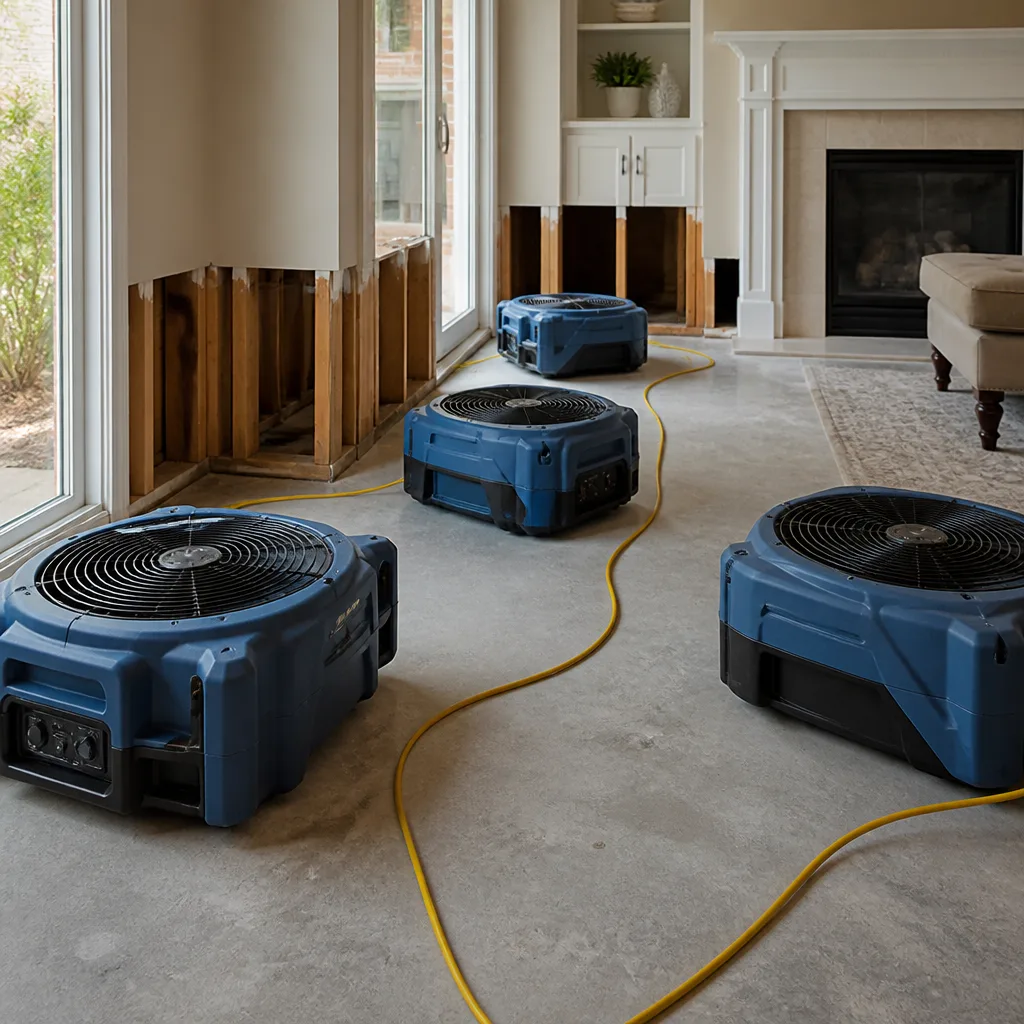
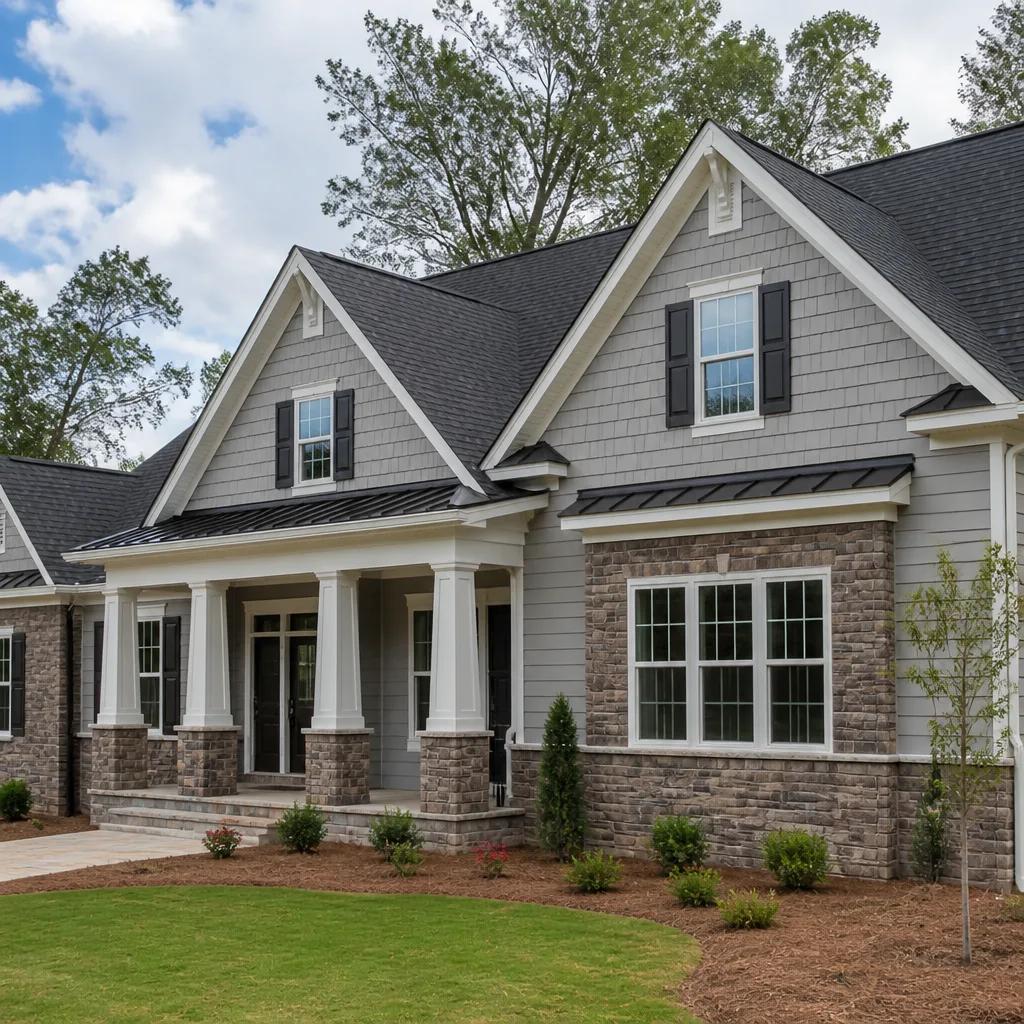
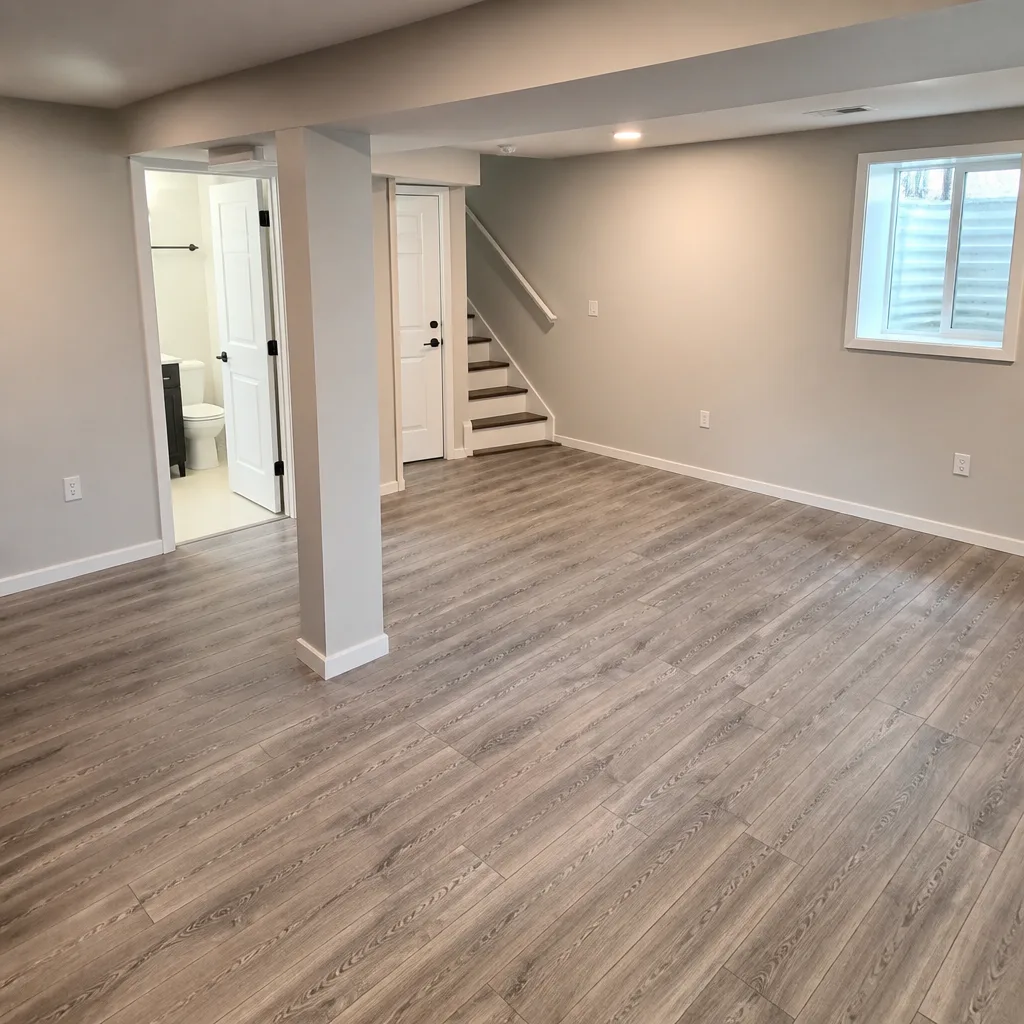
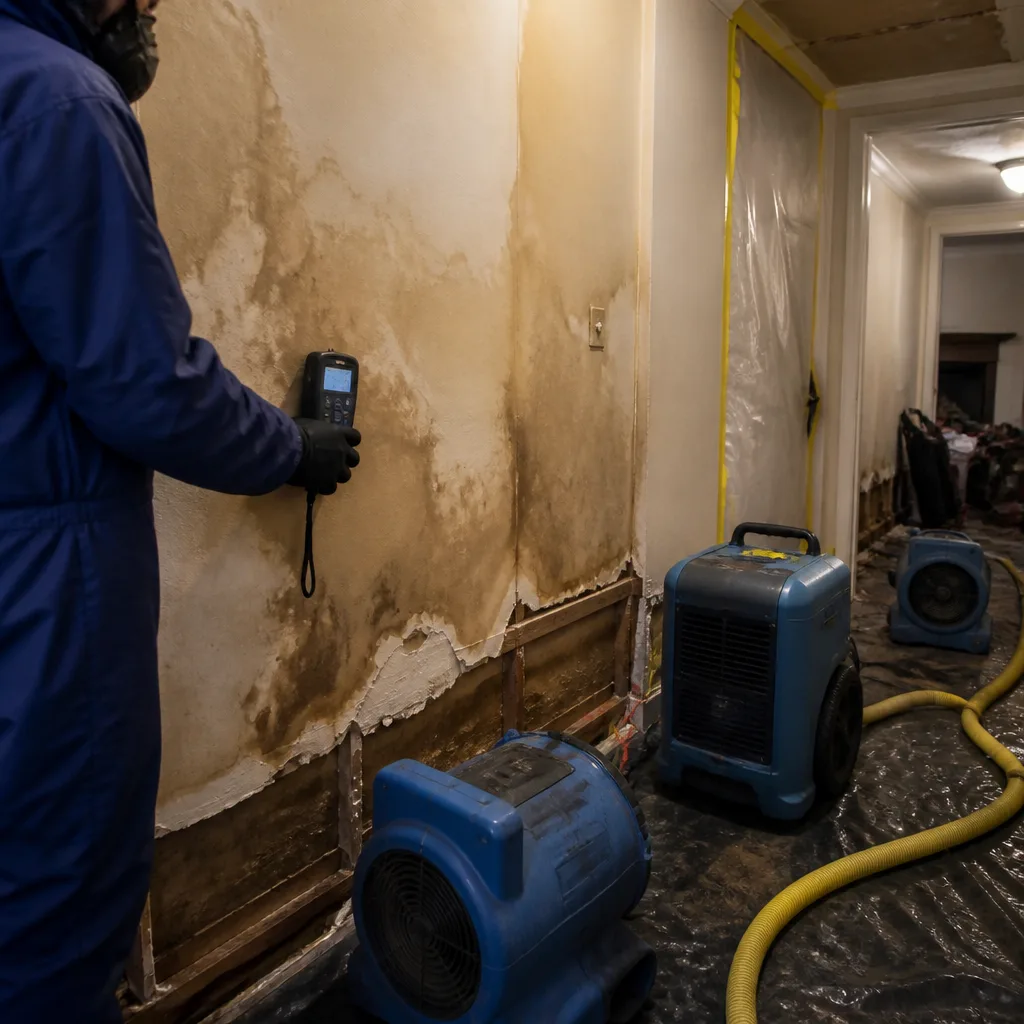 Before
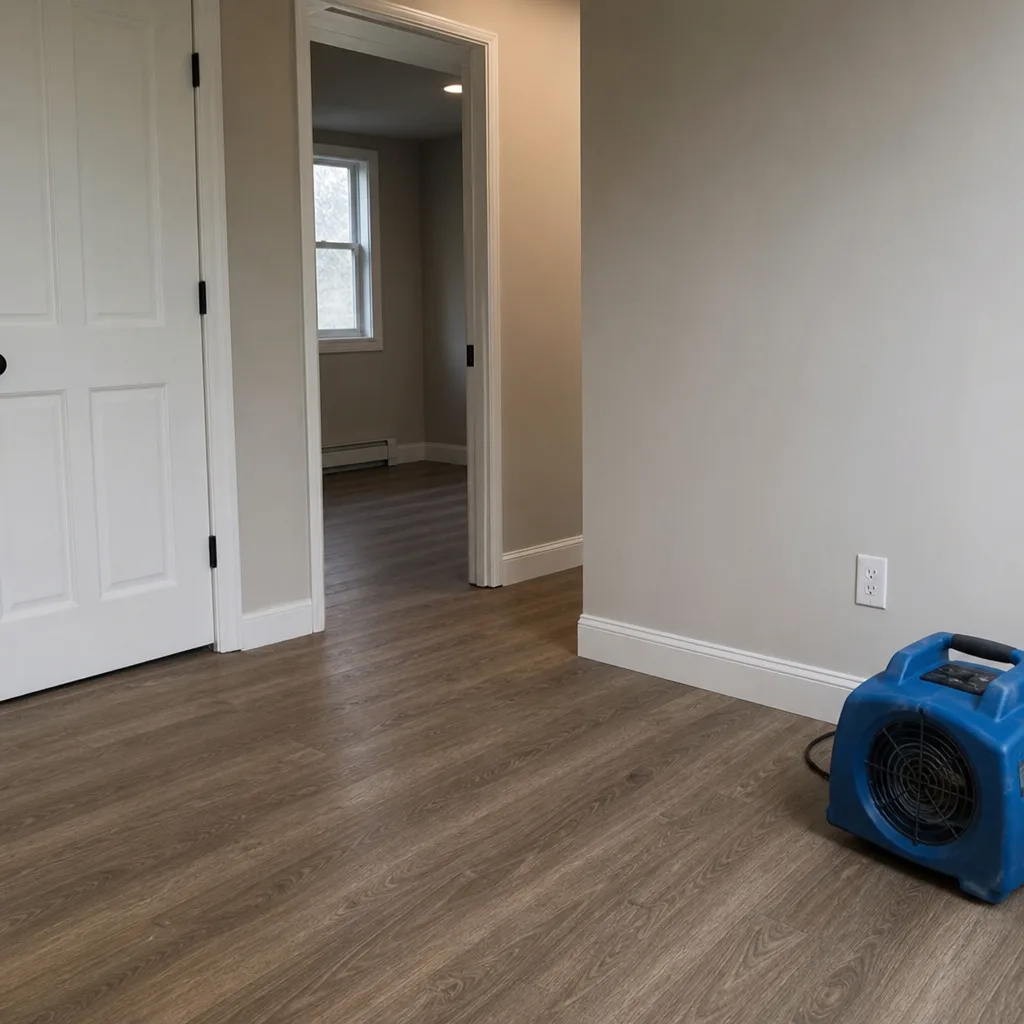 After
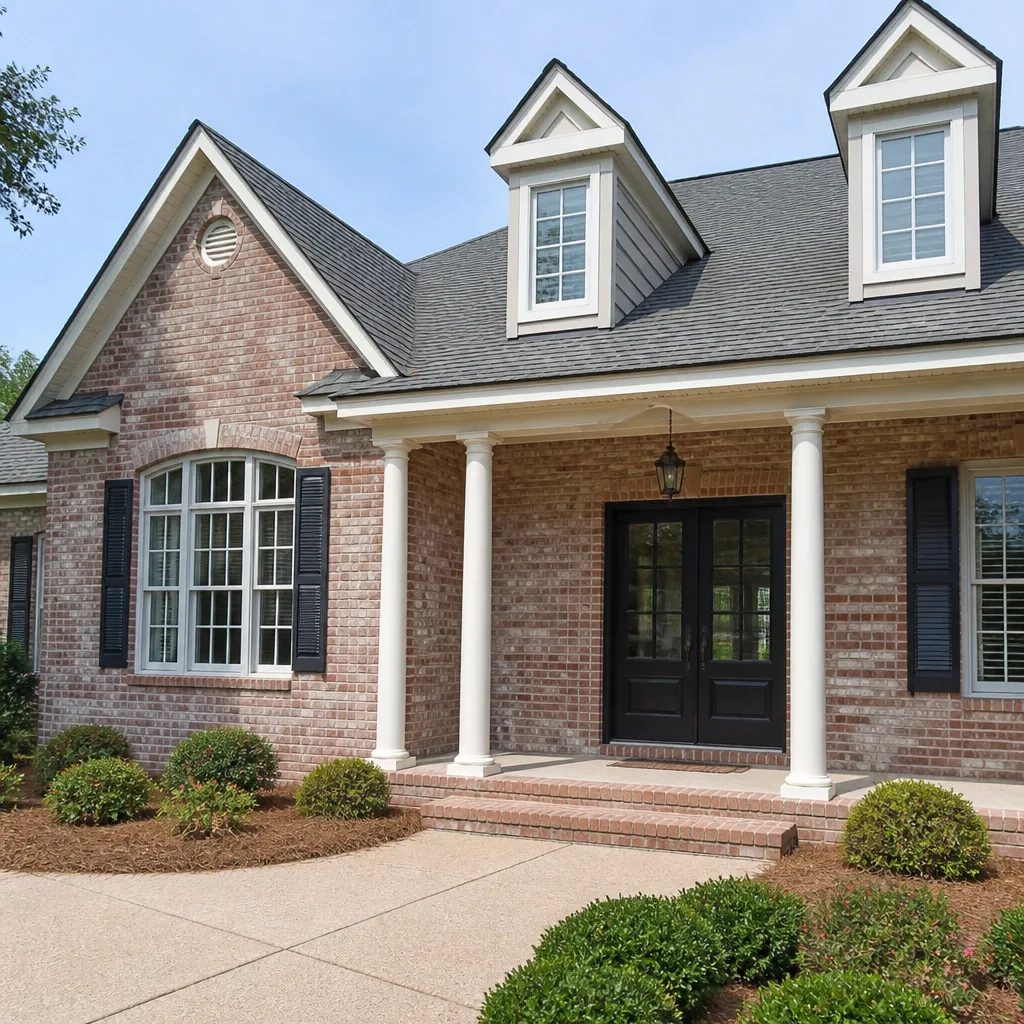
After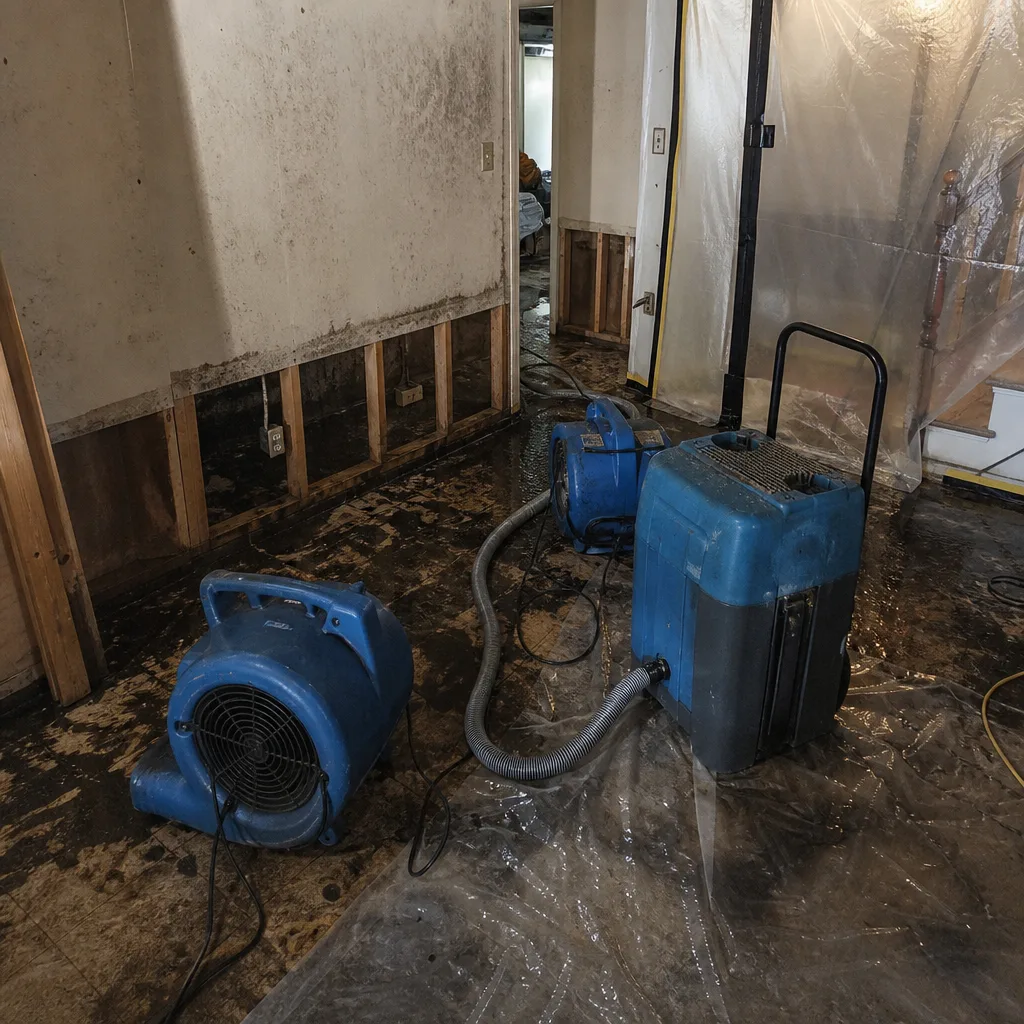 Before
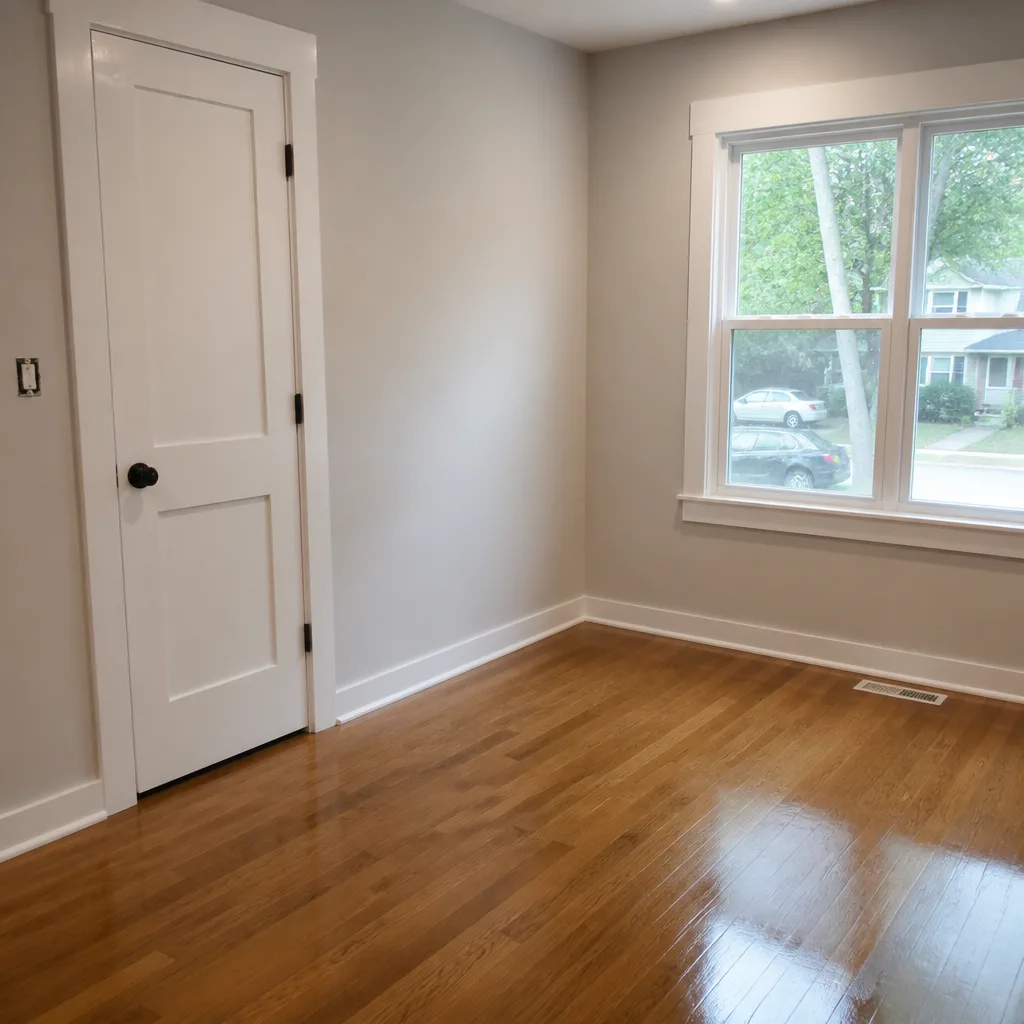 After
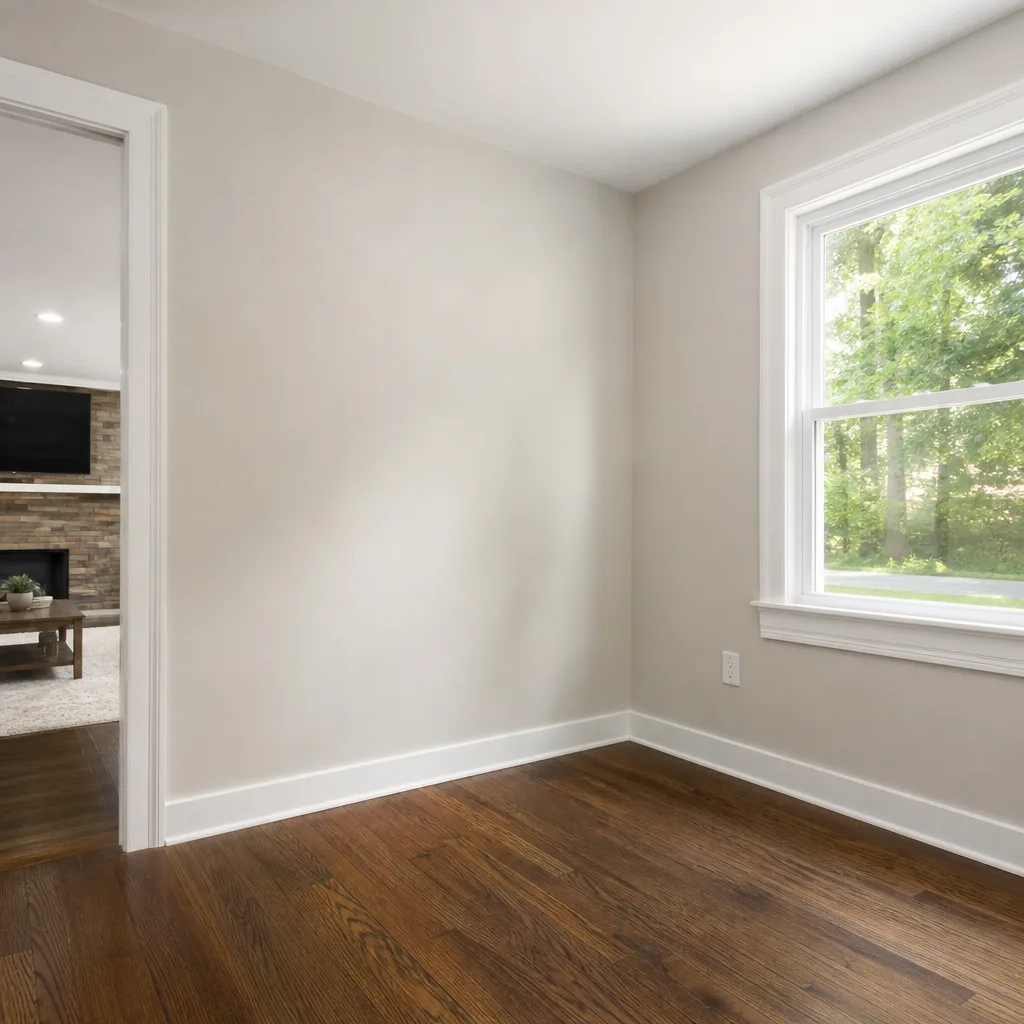
After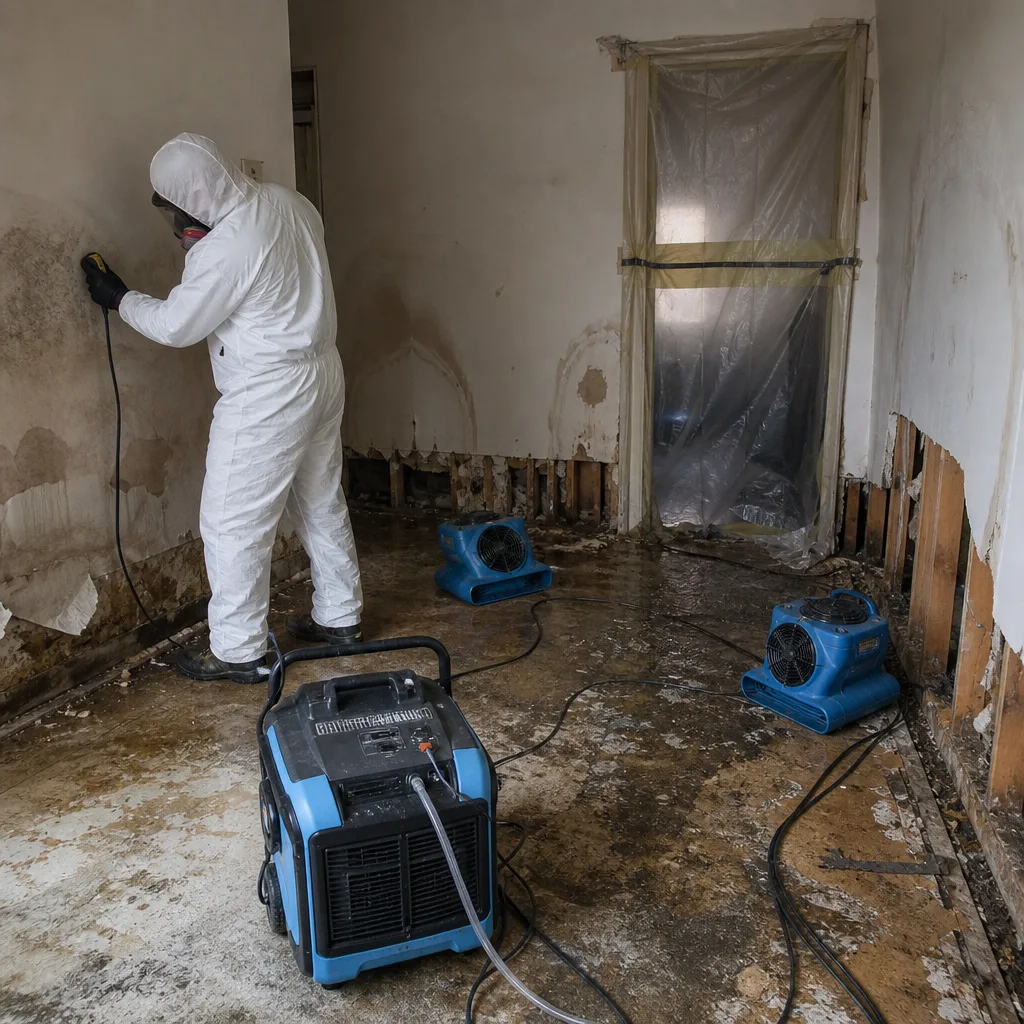 Before
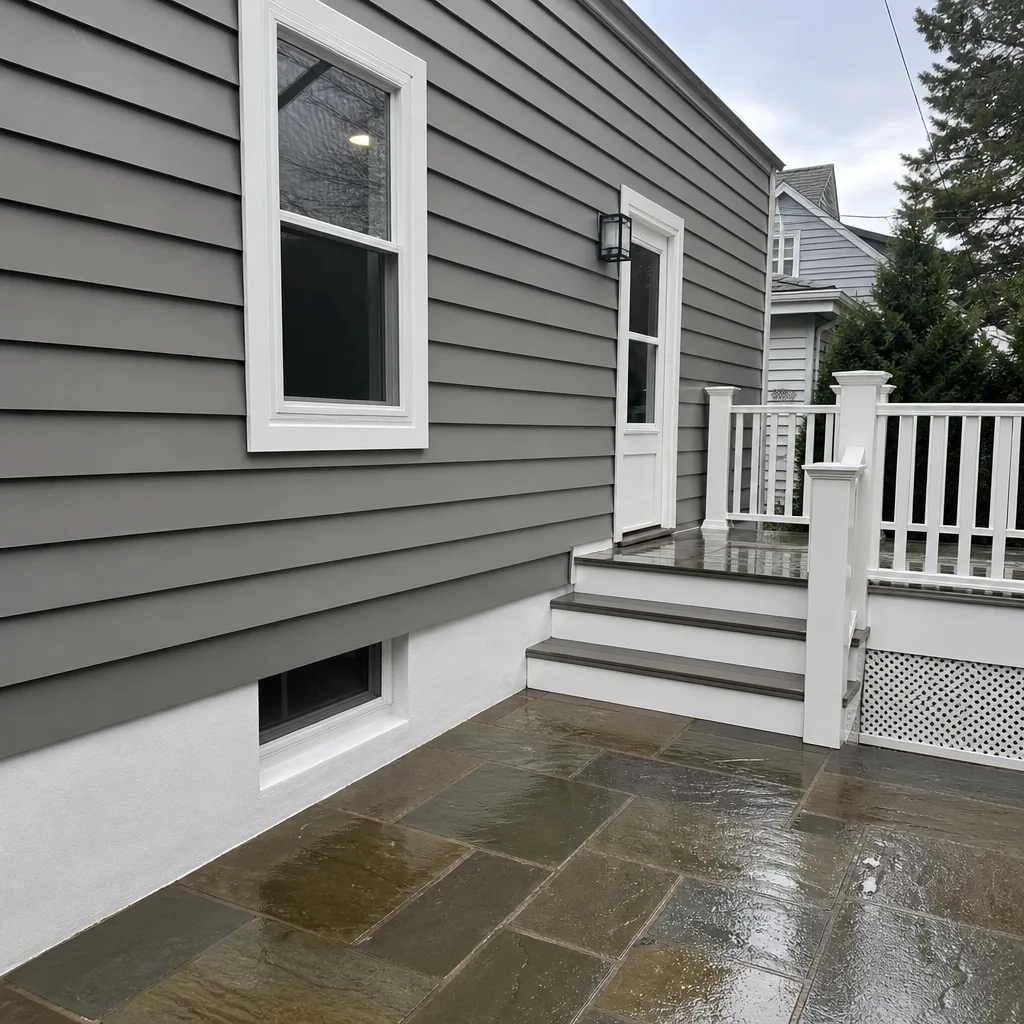 After
After24/7 Emergency Commercial Restoration in Garfield
Commercial water or flood damage in Garfield needs a response now, not tomorrow morning. Our crews are on call around the clock, and a live dispatcher answers at (640) 333-9625 any hour, any day. If the Passaic River has backed into your storefront off River Drive or a supply line burst through the night in a Midland Avenue office, the first hour determines whether you’re dealing with cleanup or a full gut-and-rebuild. We arrive, start extraction that same visit, and give you a straight assessment of what we’re seeing. No sales pitch while water is still rising.
Garfield’s commercial buildings sit close together and close to the water. When one basement floods, the neighboring property’s foundation is often wicking the same groundwater. We dispatch crews from inside the Garfield area, not from across the state, so response times stay short. The call is free. The visual inspection is free. The sooner we document the damage, the stronger your claim and the faster your doors reopen.
Understanding Commercial Restoration Severity in Garfield Properties
Not all water damage is equal, and Garfield’s older commercial stock hides severity in ways newer construction doesn’t. Water is classified by contamination level: Category 1 is clean supply water, Category 2 carries biological or chemical contaminants, Category 3 is grossly unsanitary, typically river water, sewage, or long-standing floodwater. Any Passaic River overbank flooding in Garfield is Category 3 by definition. That means extraction alone is not enough. Affected materials like drywall, insulation, and carpet pad must be removed and disposed of, and the remaining structure needs antimicrobial treatment before drying even starts.
Moisture mapping is where older buildings fight you. A 1930s wood-frame storefront with plaster and lathe walls holds water behind surfaces that look dry to the touch. We use thermal imaging and penetrating moisture meters to find those hidden pockets. Without that step, you get a mold colony blooming inside a wall cavity six weeks after the claim closes. Garfield’s fieldstone block foundations also wick moisture upward for days after the standing water is gone. Our crews read those readings daily, not once, because the dry-standard is a moving target in buildings this old.
Why Garfield Property Owners Choose Floodline Restoration Co.
- 45-minute response commitment. When you call (640) 333-9625, a crew is dispatched toward Garfield immediately. Water spreads, mold colonizes, and smoke soot etches surfaces. Speed is the first cost-control we offer.
- A person answers, 24/7. No phone tree, no recorded message, no “leave a number and we’ll get back to you.” A live dispatcher picks up at 2 a.m. and starts coordinating a crew while you’re still on the line.
- IICRC-certified crews. Our technicians hold WRT, FSRT, and AMRT certifications from the IICRC and train to RIA and IFA standards. They show up uniformed and background-checked, and they document everything.
- Free visual inspection. Before we recommend any scope, we look. You get an honest read on severity and options. If it’s a small drying job, we’ll say so.
- Direct insurance billing. We bill your carrier directly and coordinate with your adjuster. You don’t play messenger between us and a claims department, and you don’t front thousands while paperwork grinds through.
- One team, start to finish. We extract, dry, remediate, and rebuild with the same certified crew. No mid-job handoff to an unfamiliar subcontractor, no “that’s another company’s problem” when something isn’t right.
Our Commercial Restoration Process
Inspection & Assessment
We arrive, map the water or fire damage, and identify the category. In Garfield’s repeat-flood buildings, we look specifically for older waterlines on studs and hidden colonies behind plaster. This first read defines everything that follows.
Extraction & Stabilization
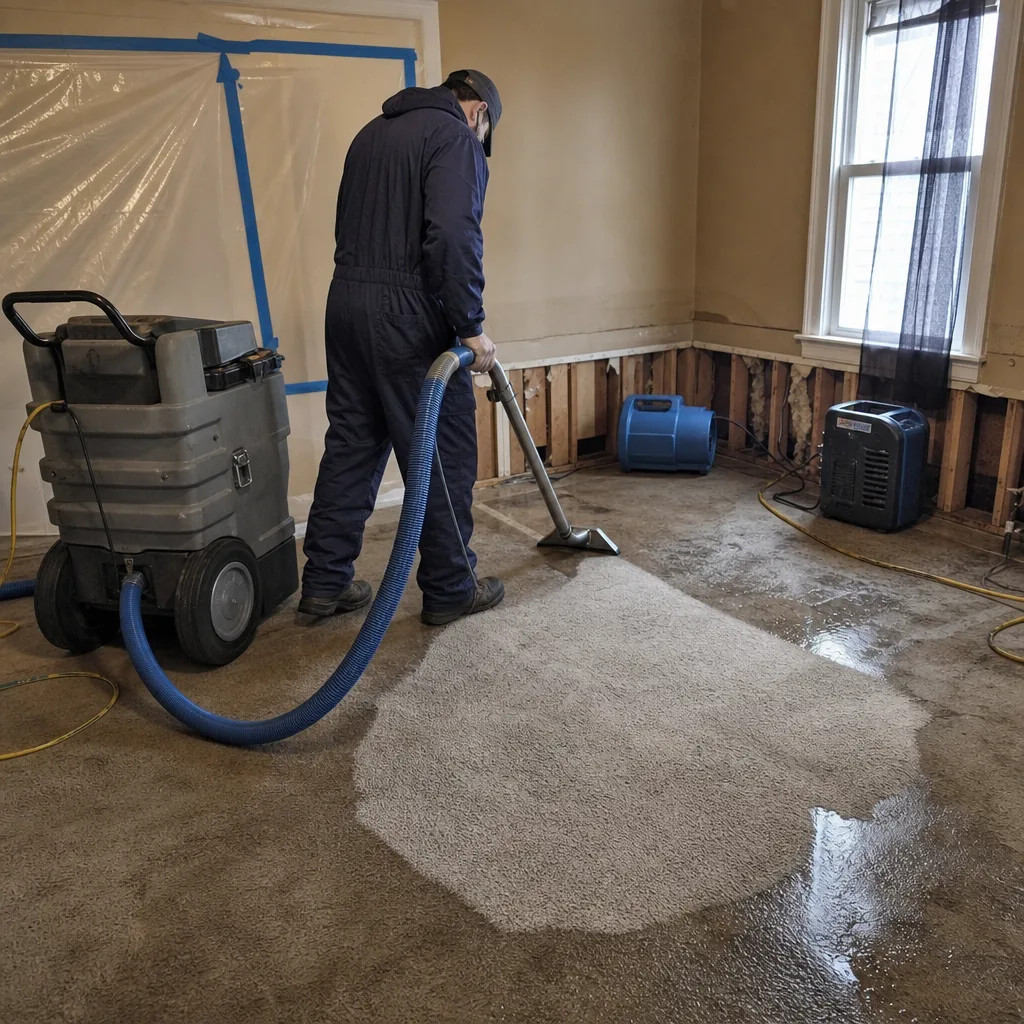
Standing water comes out with truck-mounted extraction units and submersible pumps. For fire losses, this is where we board up, tarp, and stop continuing exposure. The building gets stabilized so no more damage accrues.
Drying & Dehumidification
We set up Dri-Eaz and Phoenix air movers and dehumidifiers, sized to the affected cubic footage. Daily moisture readings are logged on a chart and shared with you and your carrier. In fieldstone foundations, this stage runs longer than a standard timeline.
Cleaning & Sanitization
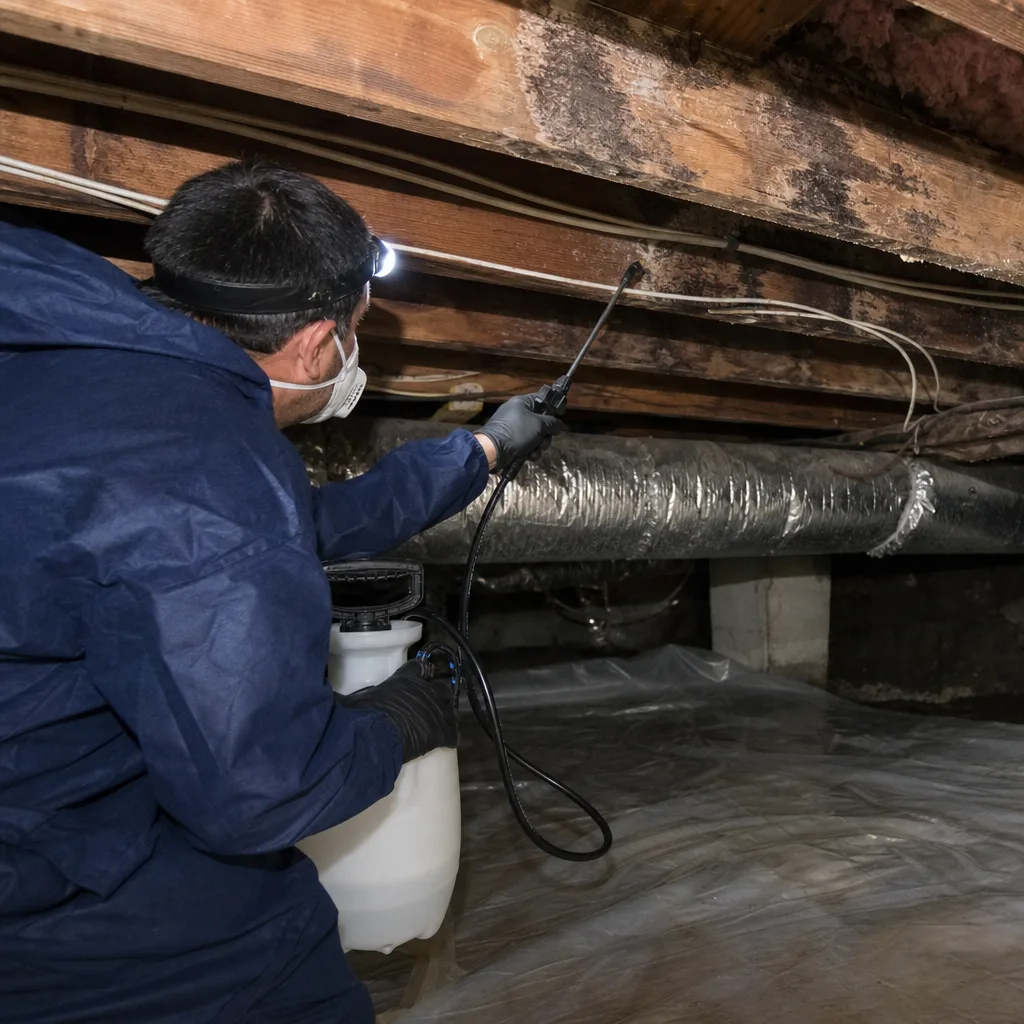
Category 3 floodwater means antimicrobial treatment on every structural surface we’re saving. For fire losses, we clean soot residue types that vary by what burned, from light dusting to thick laminated residue requiring specialized hand cleaning.
Containment & Air Scrubbing
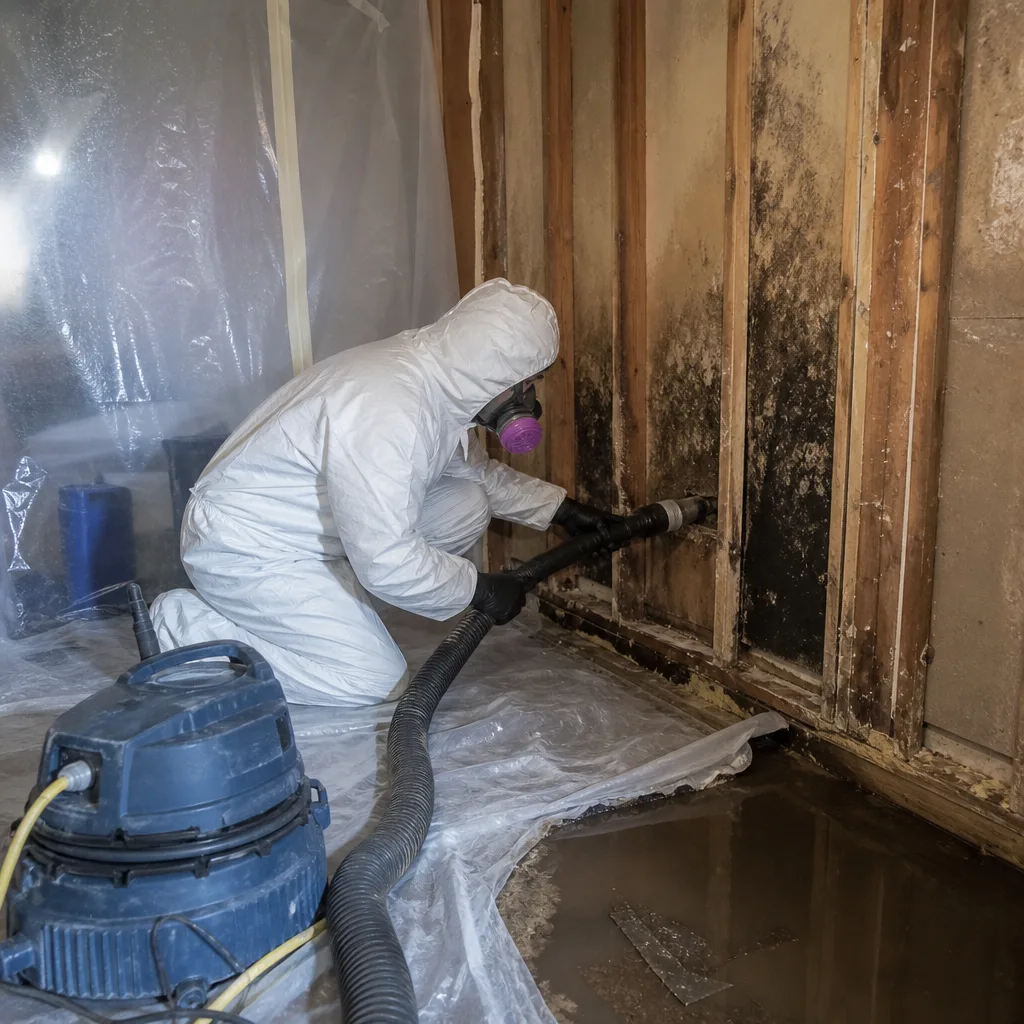
Where mold is present, we set HEPA-filtered negative-air containment to prevent cross-contamination to unaffected areas. Expect air scrubbers running during demolition and remediation. Clearance testing comes after, not before, the dry standard is met.
Repairs & Restoration
We rebuild what came out: drywall, flooring, ceiling systems, trim, and paint. The same crew that did the extraction handles the reconstruction. Your doors reopen on a schedule you know in advance, with everything documented for your carrier.
Need Emergency Commercial Restoration in Garfield Now?
Crews minutes away, answering live 24 hours a day. The sooner we start, the less it costs.
Working With Your Insurance Company
Insurance claims for commercial restoration in Garfield break down when documentation is thin. A repeat-flood NFIP claim is scrutinized for proof that this damage is new, not leftover from the last event. We document from the first hour: the source of water, the category, the square footage affected, and the moisture readings at every stage. We photograph before, during, and after, so your adjuster sees the full picture without setting foot in the building. Our estimates use industry-standard line-item pricing, and we communicate directly with your carrier’s adjuster. You don’t carry our messages. When the scope changes because hidden damage surfaced, we send the revision with documentation attached.
What We Provide Your Insurer
- Thorough documentation of the loss
- Photos of all damage, room by room
- Moisture readings and drying logs
- A detailed, line-item scope of work
- Direct coordination with your carrier
Built for Garfield’s Loss Calendar
Garfield’s restoration calendar follows the Passaic River and the weather systems that feed it. January and February bring deep freezes that crack supply lines in unheated commercial spaces, and those slow leaks soak floor systems for days before anyone notices. March and April add snowmelt from the broader watershed, which saturates ground along the river’s southern edge and pushes water into basements through fieldstone foundations that were never waterproofed. Summer thunderstorms in July and August deliver flash flooding in low-lying blocks off River Drive and along Outwater Lane. Nor’easters in the fall and early winter add wind-driven rain through aging roofs and storefront glazing. Garfield’s loss calendar is cyclical, not episodic. The same buildings flood on a rhythm, and the owners who prepare between events recover faster and cheaper.
Commercial Restoration Across Garfield’s Neighborhoods
Garfield’s commercial corridors each have a characteristic loss pattern, and knowing them shortens our response. Along River Drive, the flood risk is direct and obvious: Passaic overbank flooding enters ground-level storefronts and basement storage, and these properties carry the repeat-flood documentation burden we described above. Midland Avenue runs northeast with a dense mix of retail, professional offices, and mixed-use storefronts in masonry and wood-frame buildings from the 1930s through the 1960s, where supply-line failures and roof leaks are the dominant calls. The Outwater Lane corridor near the Saddle Brook line sees a lot of auto-adjacent and light-industrial spaces where small fires, roof failures, and groundwater intrusion through slab cracks account for most losses. Down near the Passaic Street bridge and the rail overpass, the older two-story commercial blocks are packed tight, and a fire in one bay becomes a smoke-migration problem in three or four others, which means containment matters as much as extinguishment.
Specialized Commercial Restoration Services We Offer in Garfield
Office & Retail Restoration
When a supply line lets go above a Garfield storefront’s drop ceiling, the water is Category 1, but it ruins tiles, saturates insulation, and wicks into drywall quickly. We extract, dry in place where materials can be saved, and replace what can’t. Retail spaces off Midland Avenue often reopen within days when drying starts the same morning. The goal is interruption measured in hours, not weeks.
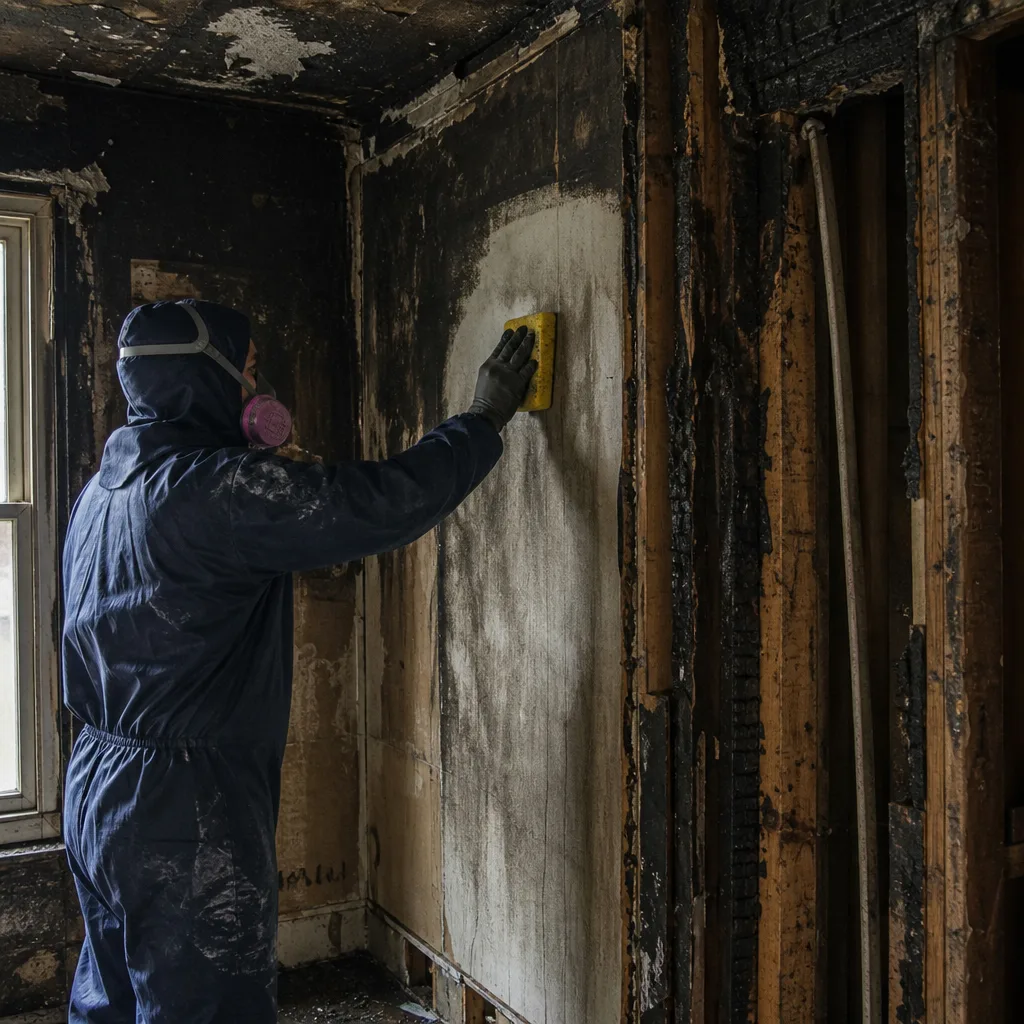
Multi-Unit & HOA Restoration
Garfield’s two-family and multi-unit stock means one unit’s fire or flood becomes everyone’s problem. We work with property managers and HOA boards to scope common-area damage separately from unit damage, which is how insurers prefer it documented. Stairwells, party walls, and shared basements get priority because they block access and compound exposure for every tenant.
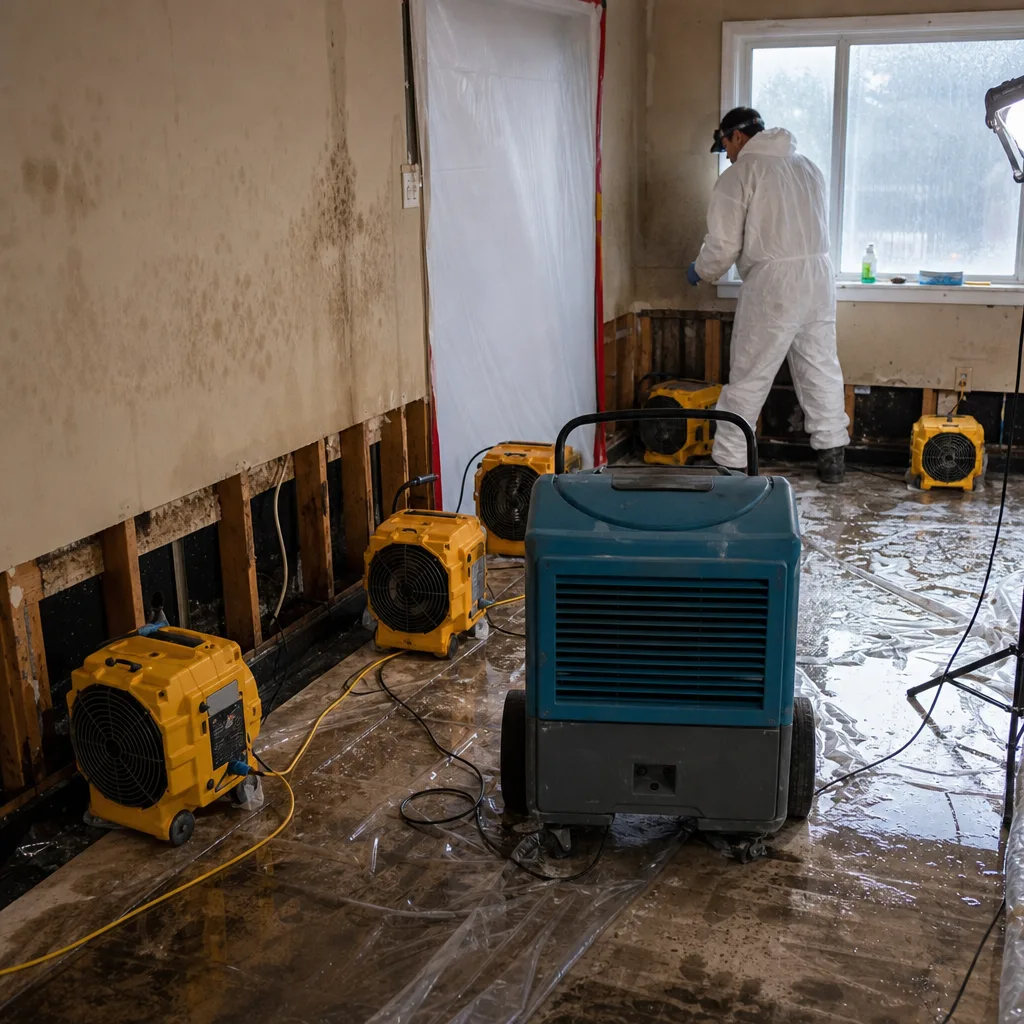
Industrial Facility Cleanup
Garfield’s light-industrial buildings span concrete-block structures and older masonry shop spaces. Water sits on those floors longer, oils and chemicals complicate categorization, and production equipment can’t wait for a standard drying timeline. We stage extraction and drying around active operations where safe, and we use Injectidry systems to dry wall cavities without tearing out every surface. Equipment downtime is expensive, and our crews work to shorten it without cutting corners.
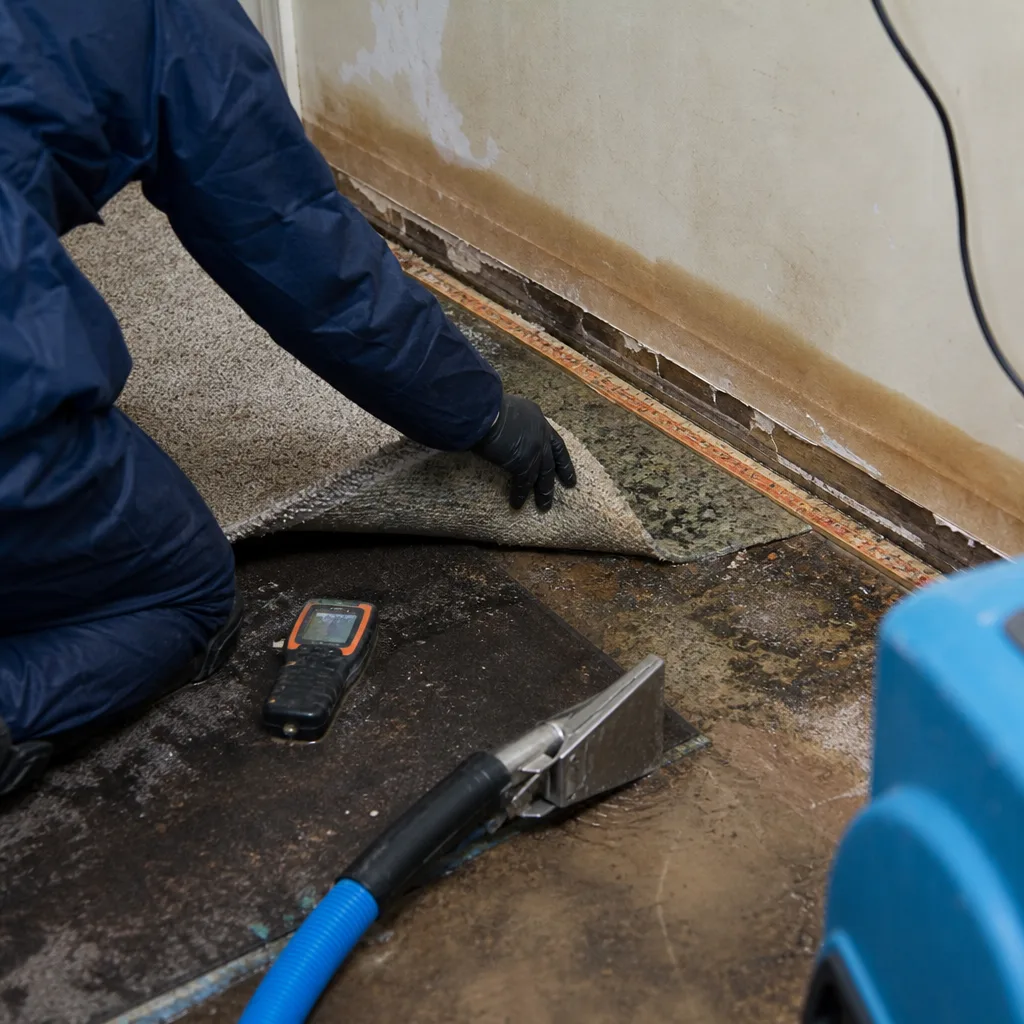
Large-Loss Response
When a nor’easter drops six inches of rain in a day or a fire takes out half a retail block, single-crew response isn’t enough. We pull additional certified teams and equipment into Garfield and run the job as one continuous operation. Large-loss work lives and dies by documentation, because carriers audit scope on losses over $100,000. We document like it’s going to be audited, because it will be.
Business Interruption Minimization
Every day closed is revenue gone. We sequence work so the minimum necessary area is out of commission. We dry in place where possible, contain demolition to the affected zone, and coordinate with your carrier on business-interruption documentation. In Garfield, where a storefront may have flooded three times in a decade, the owner who has a response plan on file recovers faster than the one calling around at 11 p.m.
Document & Inventory Recovery
Water and fire damage can make records illegible and inventory unsalable. We work with pack-out and document-freeze services for paper records, and we inventory damaged stock item by item for your claim. For Garfield retail and food-service businesses, that inventory record is the difference between full compensation and a write-off.
What happens when you call
- 1
A real person answersNo phone trees - you reach a local pro.
- 2
You get an upfront price rangeHonest numbers before anyone is dispatched.
- 3
A background-checked tech heads outLicensed & insured, dispatched right away.
- 4
You approve before work beginsNothing starts until you say go.
Commercial Restoration Costs in Garfield, NJ
What you pay for commercial restoration in Garfield depends on the water category, the square footage, and how long the water sat. A small Category 1 office supply-line break in a Midland Avenue storefront typically runs $3,500 to $8,500 including extraction, drying, and minor repairs. A Category 3 Passaic River flood that sat overnight in a 2,000-square-foot retail space off River Drive commonly lands between $25,000 and $60,000 once you account for demolition, containment, antimicrobial treatment, drying, and rebuild. Fire damage is broader: a contained kitchen fire might run $15,000 to $40,000, while a structural fire with smoke migration through a shared wall can exceed $100,000 before finishes are replaced. What moves the price most in Garfield is hidden mold from prior floods. When our crews expose an older waterline and a new colony behind it, the scope expands, and the documentation becomes the basis for the revised claim. Most of these jobs are insurance-covered. For out-of-pocket work, we give you a line-item scope in writing before work starts, so you know exactly what you’re paying for. Call (640) 333-9625 for a free visual inspection and an honest range, not a pressure number.
We Also Serve Cities Near Garfield
Our commercial restoration crews serve Garfield and the surrounding Bergen County communities: Saddle Brook, Elmwood Park, Maywood, and Fair Lawn. If your property sits just over the city line, we respond with the same live dispatch and the same documented process.
Garfield Commercial Restoration Questions, Answered
How do Garfield’s repeat floods affect commercial drying timelines compared to neighboring towns?
Garfield’s repeat-flood buildings dry slower than a single-event loss in an inland town. Fieldstone block foundations wick groundwater for days after extraction, and plaster and lathe walls hold moisture behind surfaces that read dry. Our daily moisture logs in Garfield routinely run 20 to 40 percent longer than what a standard drying chart would predict, because the substrate was never fully dry from the last flood. That timeline is built into our scope, not discovered halfway through.
Does Floodline document waterlines from different flood years for commercial claims?
Yes. When we open a wall in a Garfield commercial building and find multiple mold-growth lines at different stud heights, we photograph and log each one with its moisture reading and elevation. Those records are what separate this flood’s damage from the last one in an NFIP repeat-flood claim. Adjusters will deny coverage for pre-existing conditions without that documentation. We give them no room to deny.
What water categories do you see in Garfield commercial floods?
Passaic River overbank flooding is Category 3, grossly unsanitary, and we treat it that way every time. Supply-line breaks in offices off Midland Avenue are usually Category 1 clean water, though they degrade to Category 2 if they sit. Garfield’s older plumbing means we also see Category 2 from condensate leaks and slow drain backups that went unnoticed. The category drives the scope: Category 3 means removal and antimicrobial treatment, not just drying.
Can you restore a commercial space in Garfield without closing the business?
Often yes, when the damage is localized. We use containment barriers and HEPA-filtered negative-air setups so we can demolish and dry an affected zone while your front-of-house stays open. For a River Drive retail space with floodwater across the whole floor, a temporary closure is usually unavoidable, but we sequence the work to reopen the sales floor first. Business interruption is always part of our sequencing conversation.
Why is moisture mapping critical in Garfield’s older wood-frame buildings?
Because what looks dry is not. A 1930s wood-frame storefront with plaster and lathe walls holds moisture in cavities where no one checks. Thermal imaging and penetrating moisture meters find those hidden pockets before they become mold colonies. Without mapping, a cleanup looks finished and passes visual review, then fails a mold clearance test six weeks later. Mapping is the difference between a closed claim and a reopened one.
How fast can someone actually get to a commercial property in Garfield?
Our goal is 45 minutes from your call to a crew on site. We dispatch from inside the Garfield area, not from a regional hub across the metro. In the middle of the night during a storm event, give us a few more minutes, but a live person still answers at (640) 333-9625 and the crew still starts extraction that same visit.
Will insurance cover commercial restoration from a repeat Passaic flood?
For properties with NFIP coverage, yes, but your claim depends on proof that this event caused the new damage. That’s why we document waterlines, moisture readings, and the condition of wall cavities as we open them. For private commercial carriers, most water damage claims are covered, though sewer backup and flood exclusions vary by policy. We’ll coordinate directly with your adjuster and send documentation in the format they ask for. Call (640) 333-9625 for a free inspection, and we’ll help you understand what your policy covers before you commit to anything.
What should I do in the first 30 minutes of a commercial water loss in Garfield?
Call (640) 333-9625 first, before you move anything. Then kill the water source if you can reach it safely and shut down electrical in the affected area if water is near outlets or panels. Do not enter standing water that could be river-fed, it’s Category 3 and electrically live until confirmed otherwise. Move paperwork, electronics, and inventory to dry ground only if you can do so without walking through contaminated water. Document with your phone. Then let our crew take over the thinking.
Serving Garfield, NJ - Our Local Coverage Area
We’re based in the Garfield area and know this community well. Use the map below to see our service coverage - if you’re nearby, we can almost certainly help.
Garfield’s Repeat-Flood Reality Changes Everything
Here’s what a generic restoration page won’t tell you about Garfield: the Passaic River has flooded this city in 2011, in 2012, and repeatedly in the years since, and the buildings near the river don’t fully dry between events. On a commercial block off River Drive, we responded to a retail space where the Passaic had overtopped again. Our crew pulled drywall and found three distinct mold-growth lines on the studs, each marking a different flood year. We documented moisture readings at each height, set containment and air movers, and rewrote the scope of work after exposing the hidden colony. The owner’s repeat-flood claim depended on that waterline record, because the carrier’s first position was that the mold was pre-existing. Our documentation proved that the current event had added new intrusion on top of old. That’s the difference between a paid claim and a denied one in this city.
When you search for Commercial Restoration, most pages give you generic process talk. This page gives you the specific reality of working on buildings that have been through it before. Garfield’s early-to-mid 20th century wood-frame stock doesn’t just get wet; it remembers the last flood. We treat every job as if an adjuster will audit it, because in this city, they will. Floodline Restoration Co. has carried a live dispatch board since Curt Bowman founded the company in 2010, and every crew that walks into a Garfield property is background-checked, IICRC-trained, and answerable to the 90-Day Done Right Promise. If it’s not done right, we make it right. In writing.
Written by Curt Bowman, Owner at Floodline Restoration Co., serving Garfield commercial properties since 2010.