
Free visual inspection and a written scope of work before any mitigation begins - photos, moisture readings, and drying logs go in your claim file
The scope we write is the scope we bill. Anything new gets shown to you, in writing, before we touch it.
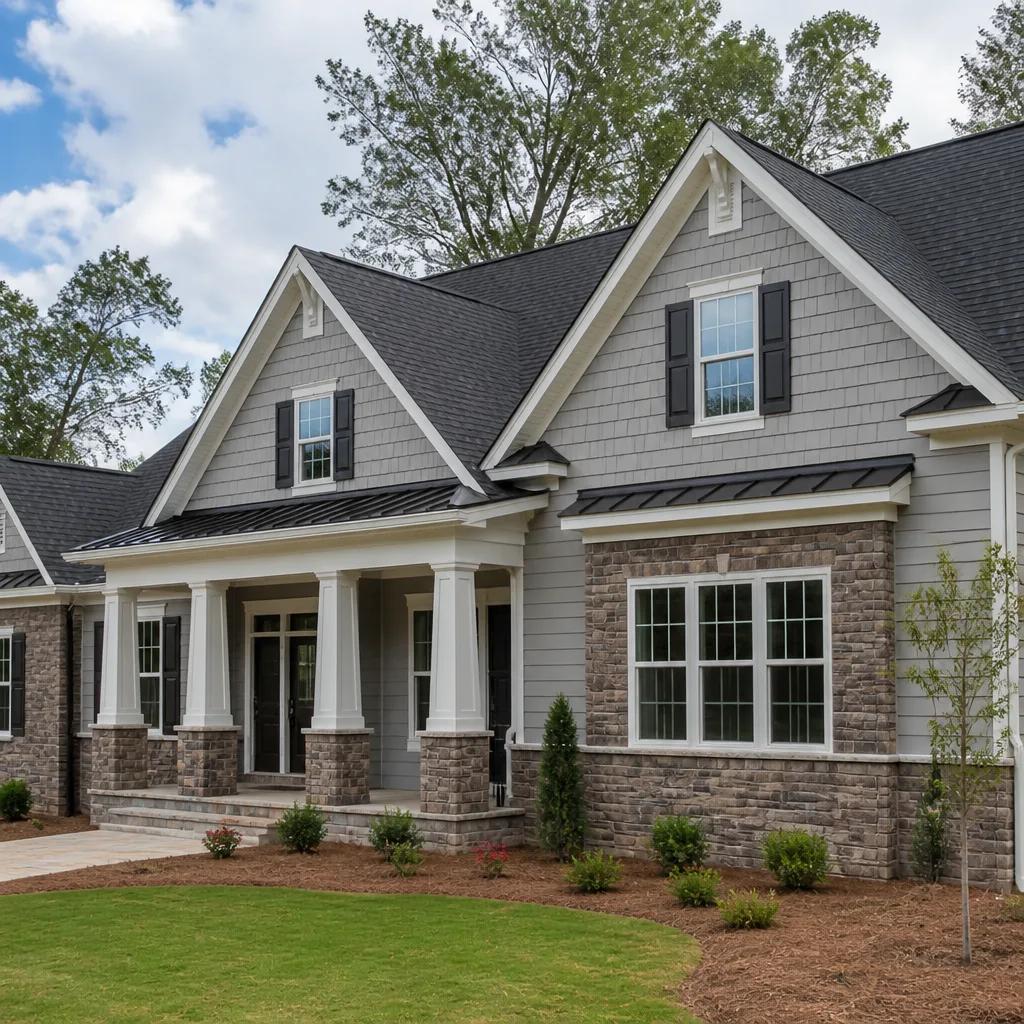
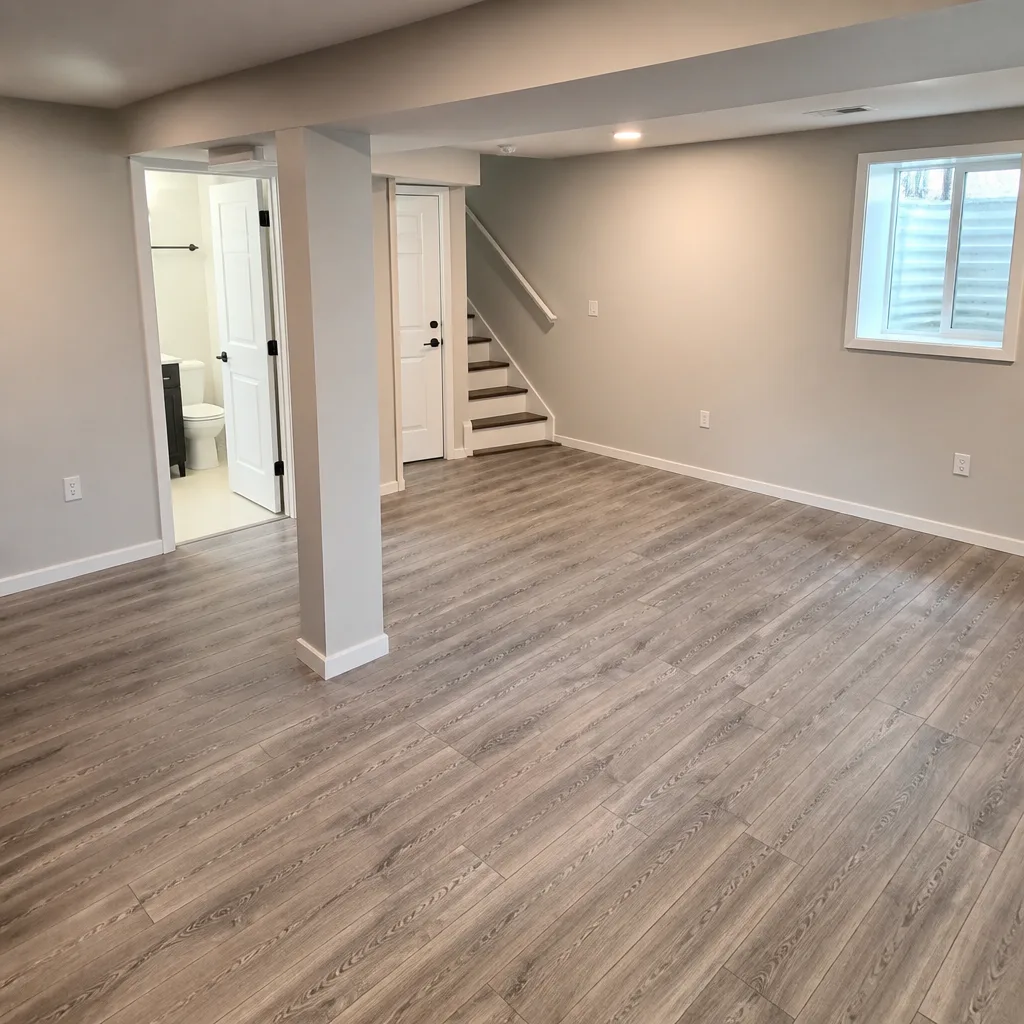
 Before
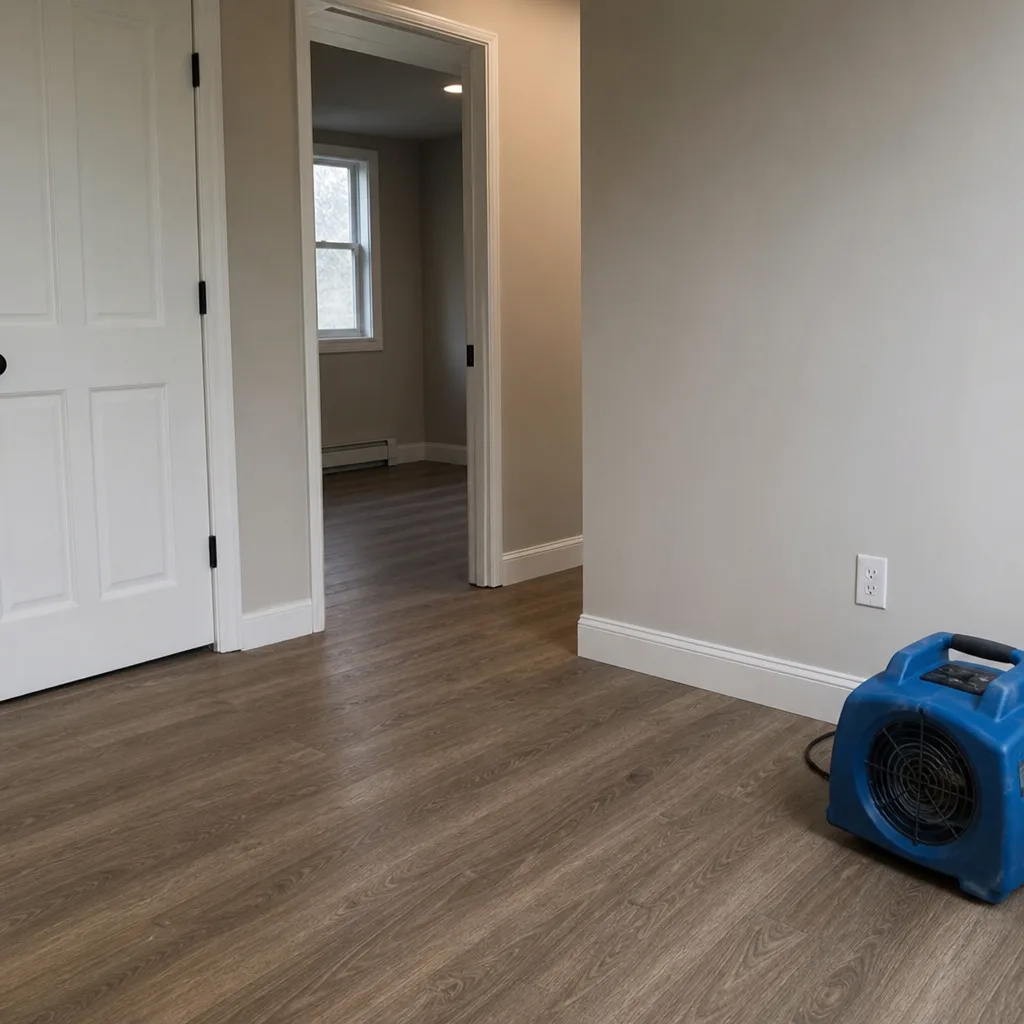 After
After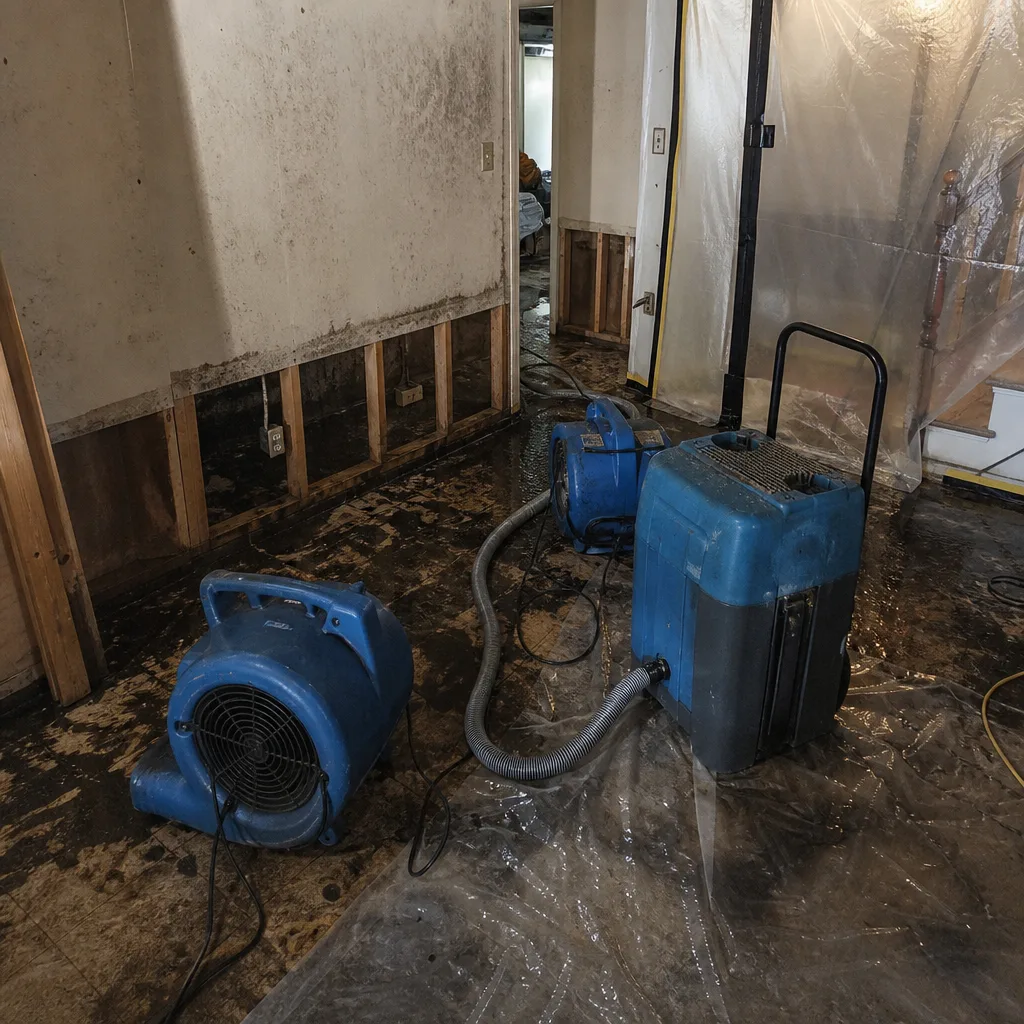 Before
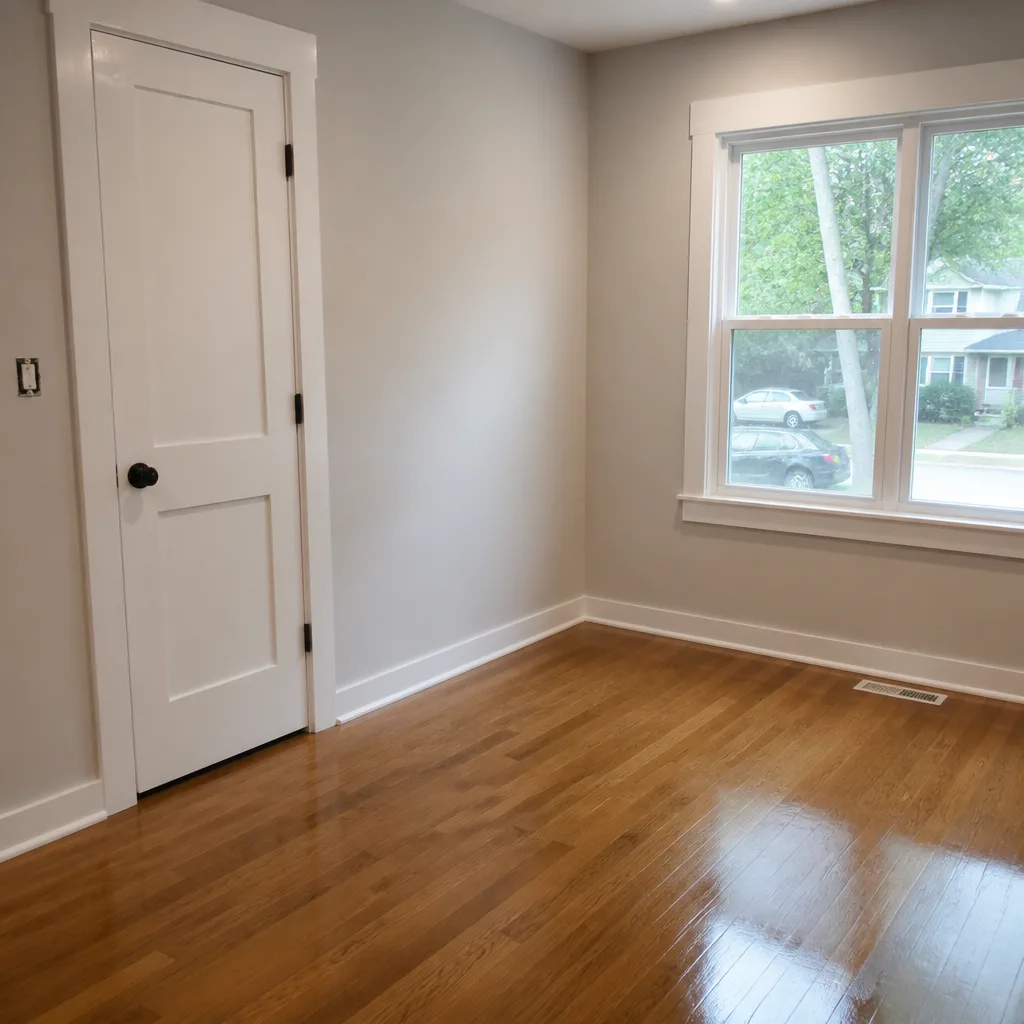 After
After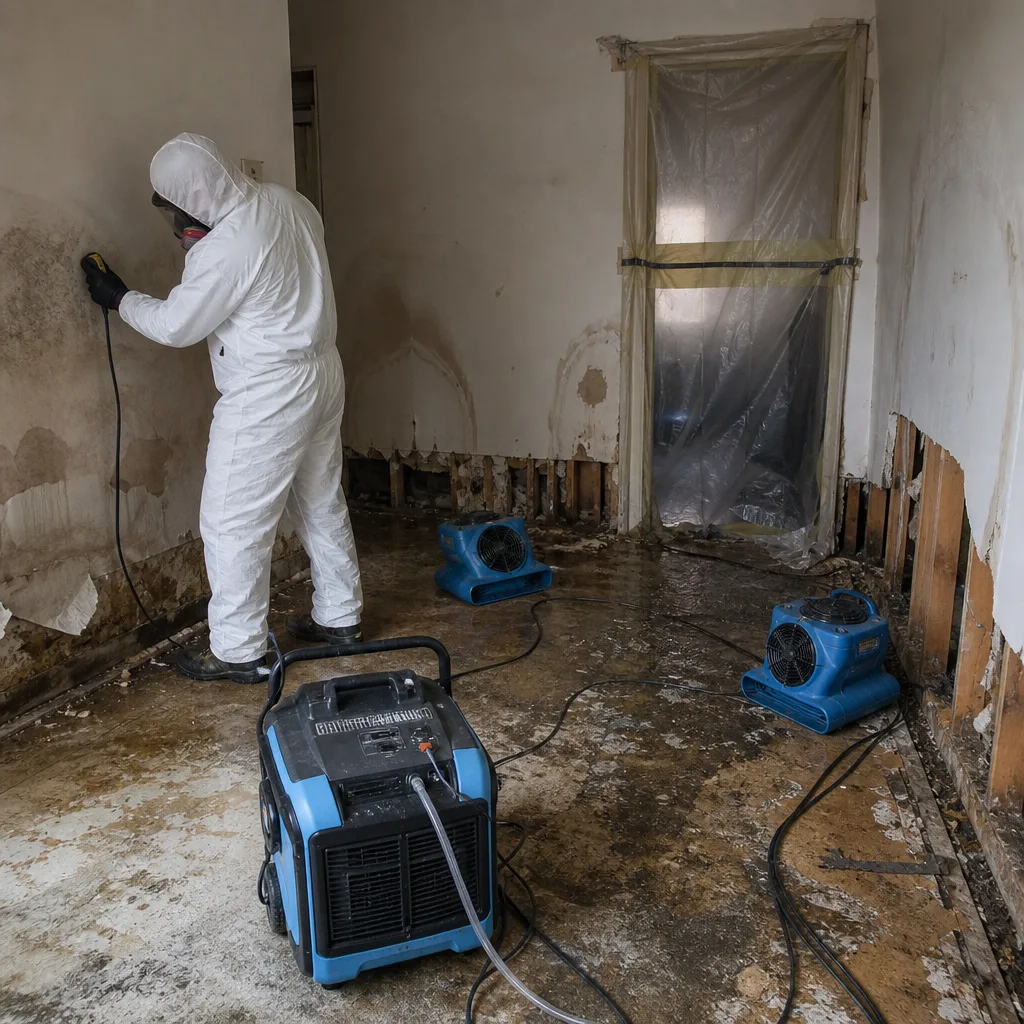 Before
 After
After24/7 Emergency Mold Remediation in Saddle Brook
Mold remediation in Saddle Brook typically costs $1,400-$4,900 for a finished basement and is usually started within 24 hours of your call. We answer live around the clock at (640) 333-9625, so a certified crew can reach your home, set containment, and begin removing contaminated material before the colony spreads into framing. In a township where the Saddle River can sit inside a basement for two to three days before the water recedes, the first 24 hours of mold response often decide whether you’re facing a $2,000 cleanup or a $20,000 rebuild. Our Mold Remediation team is built around the dispatch board, not a sales desk, and a live person picks up at two in the morning.
Every job starts with a free visual inspection. No charge, no obligation. We tell you what you’re actually looking at, what has to come out, and what can be saved. If you need us tonight, we’re on the phone now.
Understanding Mold Remediation Severity in Saddle Brook Properties
Mold severity in Saddle Brook breaks into three practical grades. Grade one is surface colonization on drywall, ceiling tile, or HVAC registers, usually from a slow plumbing leak or chronic crawl space humidity. Grade two is hidden growth behind walls or under flooring, which requires containment, negative air pressure, and HEPA air scrubbing while material is removed. Grade three is full penetration: mold has grown through wall cavities, behind lath-and-plaster, into insulation, and across floor joists. That’s the grade we see over and over in Saddle Brook because so many homes sit in the Saddle River floodplain.
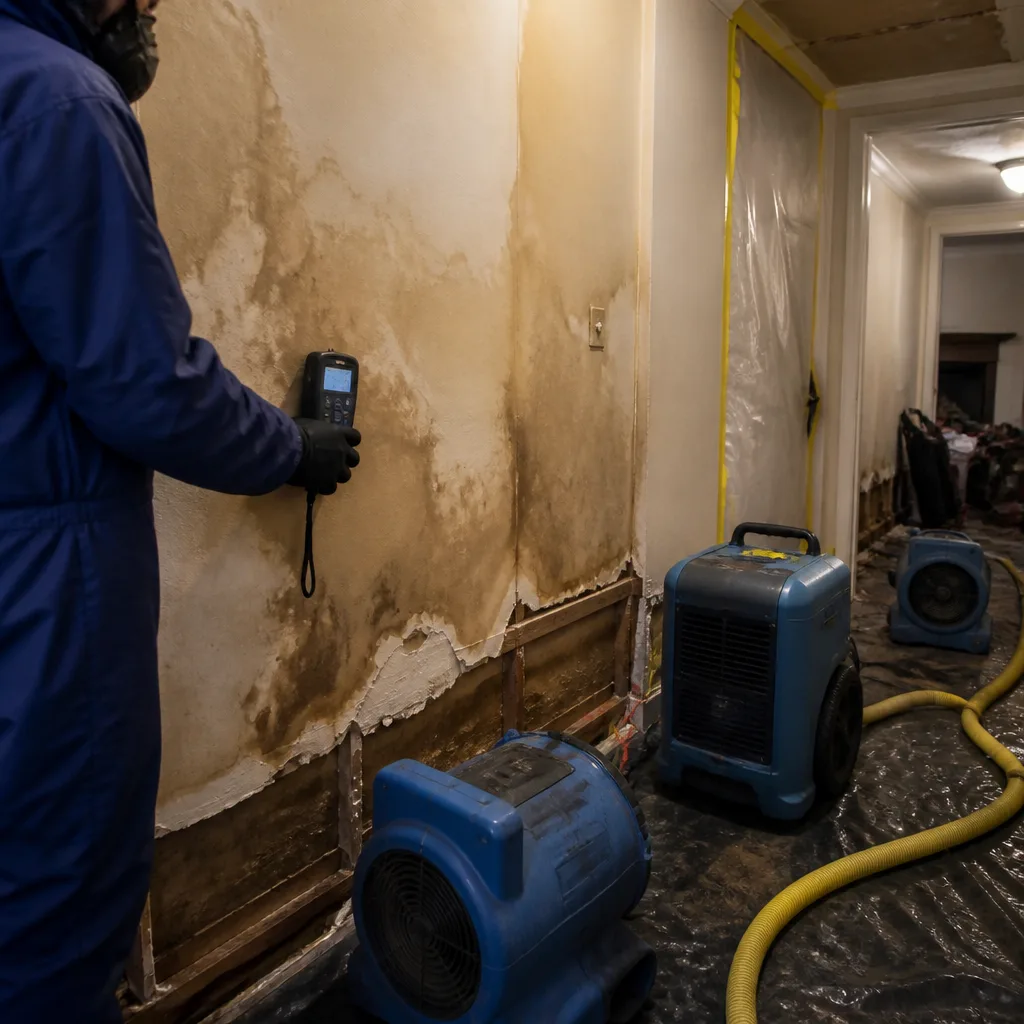
Postwar Cape Cods and ranches here carry original cellulose insulation and lath-and-plaster walls. Both hold water like a sponge. When floodwater from Irene or Ida was pumped out and the drywall was replaced without removing the soaked insulation behind it, mold colonies kept growing inside the cavity. By the time a homeowner notices the musty smell months later, the framing is often actively colonized. Moisture mapping with thermal imaging and penetrating hygrometers shows us what a visual inspection alone misses: saturation levels of 25% or higher in studs that look dry from the outside.
Containment matters most on grade two and three jobs. We set plastic sheeting, run negative air machines with HEPA filtration, and log daily air samples until clearance testing shows spore counts back to normal background levels for Saddle Brook’s humid, riverside air.
Why Saddle Brook Property Owners Choose Floodline Restoration Co.
- 45-minute response commitment. Jobs in Saddle Brook have crews dispatched from a local staging hub, not an hour away. We’re inside the township and on-site fast enough to stop cross-contamination before it travels upstairs.
- A real person answers, day or night. No phone tree, no voicemail, no chatbot. You call (640) 333-9625 at 2 a.m. and a live dispatcher picks up. In the flood basin, mold doesn’t wait for business hours.
- IICRC-certified crews, with the right code for the job. Mold requires AMRT certification (Applied Microbial Remediation Technician). Water damage calls for WRT. Fire cleanup needs FSRT. We staff all three, so the crew that arrives actually matches the damage you have.
- Free visual inspection with no sales script. We look, we test, we tell you what you’re dealing with. If the mold is surface-level and you can handle it, we’ll say so. If you need full remediation, you get a written scope first.
- Direct insurance billing. We bill your carrier directly and document everything they need from hour one. You don’t play messenger between Floodline and the adjuster.
- One team from containment to rebuild. We don’t remediate and leave. The same certified crew that removes mold also handles the moisture correction, structural repairs, and interior finish work. No mid-job handoff to a subcontractor you’ve never met.
Our Mold Remediation Process
Inspection & Assessment
We start with a visual survey, then pull moisture readings from floors, walls, and framing with penetrating and non-penetrating meters. We map the colony, trace the moisture source, and give you a written scope before anything gets torn out.
Containment & Stabilization
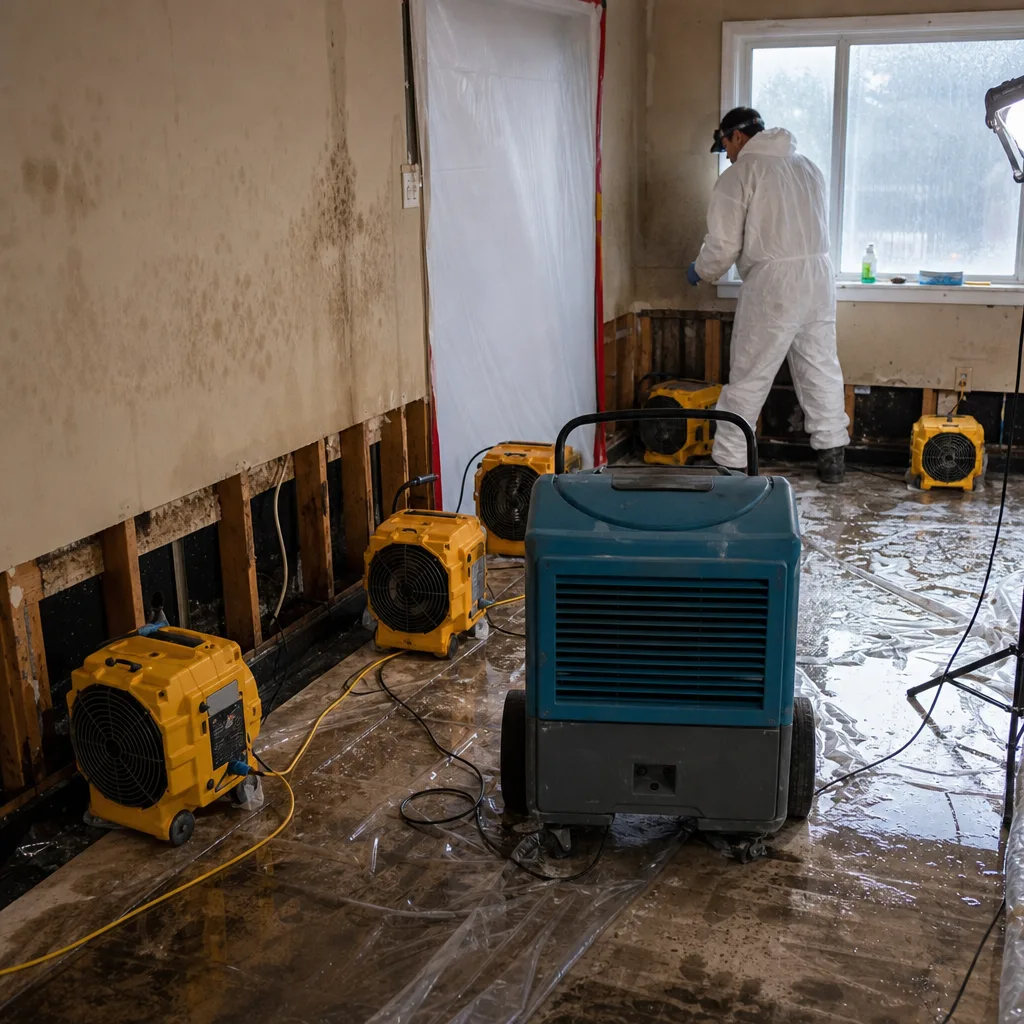
We seal the affected area with 6-mil polyethylene and run HEPA-filtered negative air machines so spores don’t migrate to clean rooms. Contents are either covered or removed to a staging area. If structural materials are saturated, we stabilize them immediately.
Drying & Dehumidification
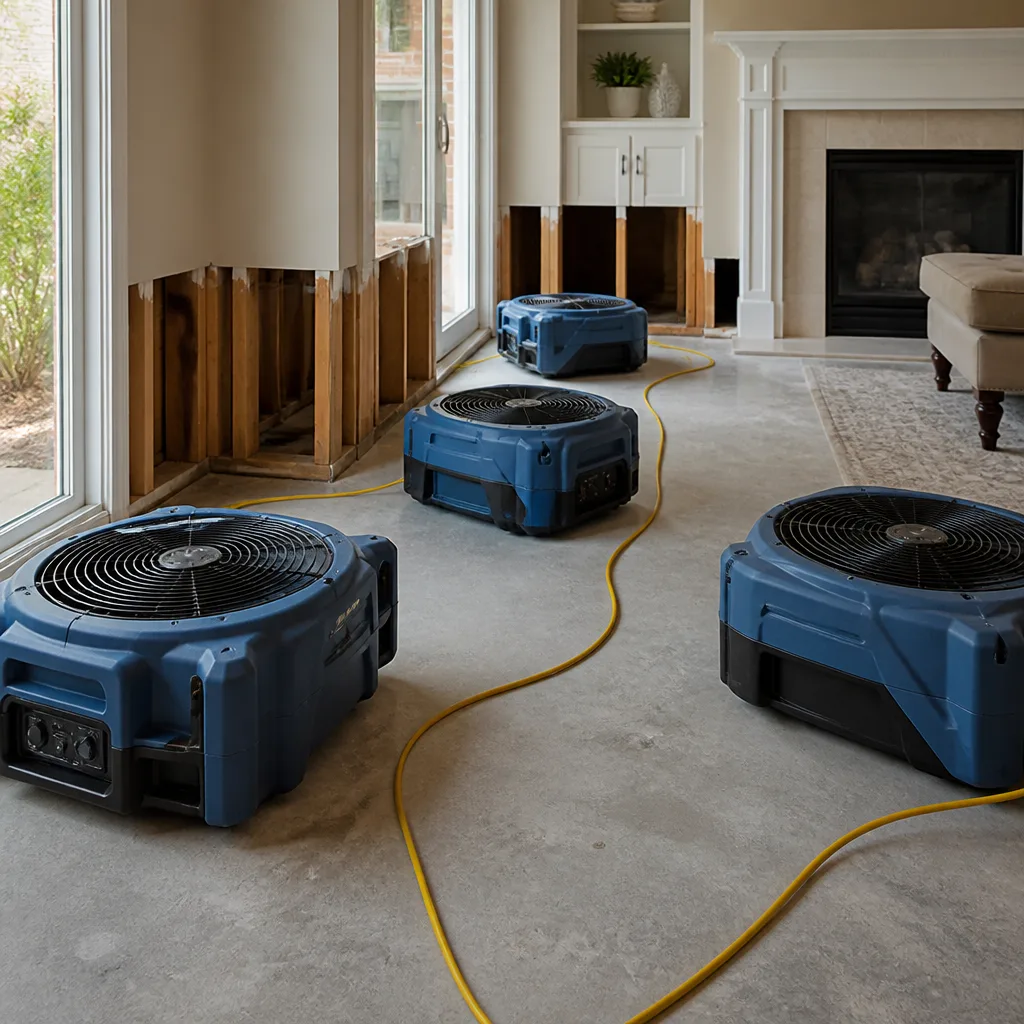
We run professional-grade dehumidifiers and air movers from Dri-Eaz and Phoenix. In Saddle Brook’s flat basin, where floodwater sits for 48-72 hours, drying timelines run longer than in nearby upland towns, and we account for that from the first day.
Cleaning & Sanitization
Remaining structural surfaces get HEPA vacuuming, wire brushing where necessary, and antimicrobial treatment with EPA-registered products. We treat studs, joists, and subfloor after contaminated insulation and drywall are removed.
Specialty Treatment
For crawl spaces and the finished basements so common in Saddle Brook’s postwar stock, we install vapor barriers, seal rim joists, and correct drainage issues. This keeps moisture from wicking back through concrete and restarting the cycle.
Repairs & Restoration
New drywall, insulation, trim, paint, and flooring. We rebuild to current code, including any compliance items the township requires for flood-damaged properties. You get one crew, one scope, one bill.
Need Emergency Mold Remediation in Saddle Brook Now?
Crews minutes away, answering live 24 hours a day. The sooner we start, the less it costs.
Working With Your Insurance Company
Mold claims get denied more often than they should because documentation is thin or the cause gets misclassified. We fix that from the first hour. Technicians photograph every affected area before anything moves, log moisture readings daily, and keep a running history of drying progress that your adjuster can read as easily as we can. The paperwork matches what the insurance industry expects, so your claim doesn’t stall on process.
We talk directly with your adjuster, answer their questions with data, and advocate for the scope your home actually needs, not the minimum the carrier hopes to approve. For Saddle Brook homes with flood losses, the distinction between surface mold and hidden colonization behind walls matters enormously, and we document it in a way the claims process understands.
What We Provide Your Insurer
- Thorough documentation of the loss
- Photos of all damage, room by room
- Moisture readings and drying logs
- A detailed, line-item scope of work
- Direct coordination with your carrier
Built for Saddle Brook’s Loss Calendar
Saddle Brook’s mold season doesn’t follow one month. It follows the water. August and September bring the double threat of summer thunderstorms and tropical remnants. Irene in 2011 and Ida in 2021 both arrived in late summer, and homes along the Saddle River took on feet of water. January and February bring frozen supply lines in unheated crawl spaces, where pipes burst inside finished basements and soak drywall from behind. Spring thaw pushes groundwater up through foundation cracks and into the same basements that flooded the previous fall.
What we know from doing this work in Saddle Brook is that the first flood is never the last. Repetitive-loss homes here carry mold risk in layers. The drywall from one event gets patched, and the next event finds the old colony still alive in the framing. That’s why our scopes always include moisture mapping well beyond the visible damage. We look upstream of the stain.
Mold Remediation Across Saddle Brook’s Neighborhoods
Along Cambridge Avenue and the streets that run parallel to the Saddle River, we see the heaviest flood damage and the most repeat claims. These blocks took the worst of Ida, and many homes still carry hidden mold behind drywall that was closed up too quickly. Response routes down Market Street and Midland Avenue put our crews at these doors within the 45-minute window, and the basements here almost always need full containment, not spot treatment.
The residential grid between Saddle River Road and the Garden State Parkway is mostly postwar ranches and split-levels with original plumbing and poor exterior drainage. Sump pump failures and foundation seepage are the primary mold triggers there, not river overflow. We treat those as chronic moisture problems first and mold removal second, because removing mold without fixing the water source is just renovating a future problem.
Near the township’s commercial corridor along Route 46, we see a different pattern: older retail and mixed-use buildings with flat roofs, failing vapor barriers, and HVAC ductwork that has never been cleaned. Mold hides in mechanical rooms and above ceilings there, and commercial remediation follows a different containment protocol than residential work, but the same IICRC standards apply.
On the streets that border Elmwood Park and Garfield, the floodplain widens. Homes that sit slightly higher still take groundwater from saturated soil, and crawl spaces become mold factories in summer when heat and humidity meet standing water. We treat a lot of these with vapor barriers, dehumidification, and rim joist sealing, not demolition.
Specialized Mold Remediation Services We Offer in Saddle Brook
Mold Inspection & Testing
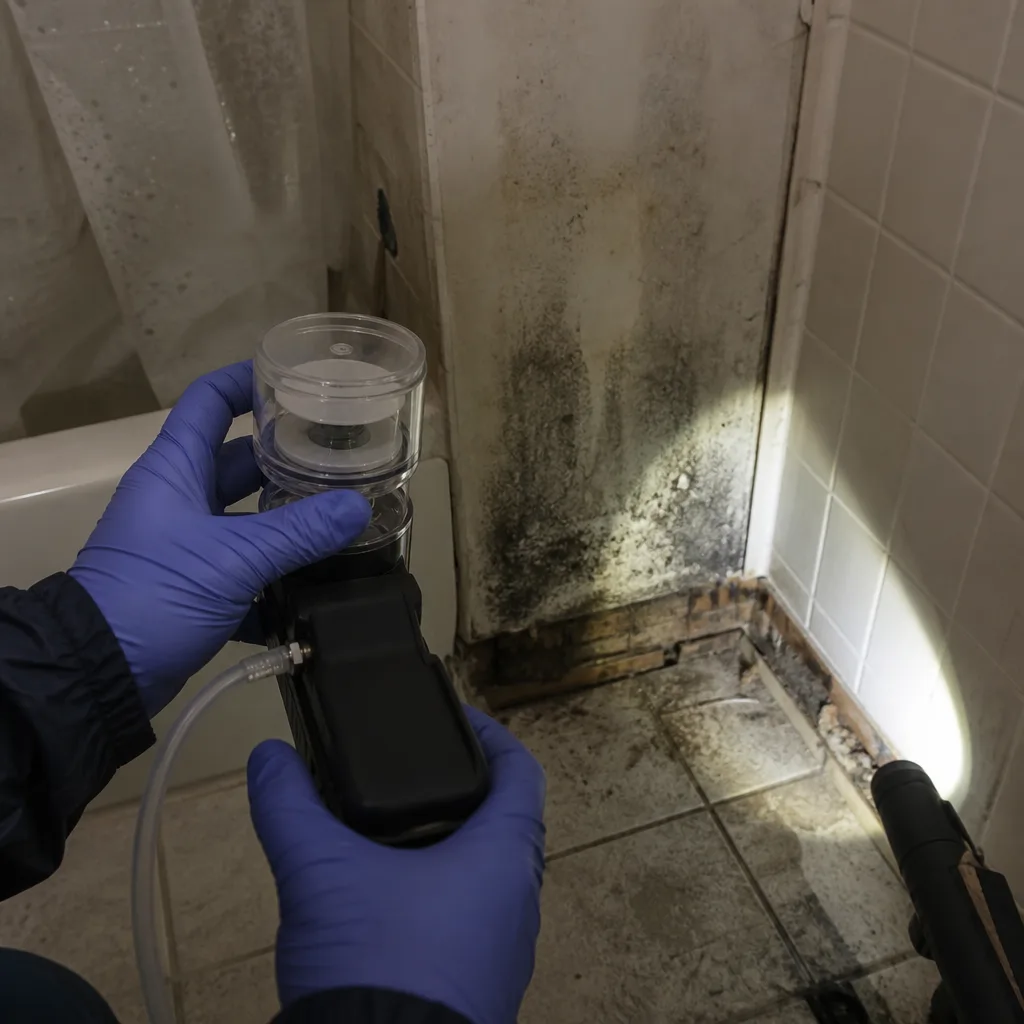
We start with a visual inspection and then decide whether lab testing is warranted. In Saddle Brook, where repetitive-loss homes hide previous remediation behind newer drywall, we often recommend air sampling plus surface swabs before any demolition begins. This gives you a baseline and tells us what species we’re working with. Stachybotrys, the misnamed “black mold,” is common in flood-damaged homes here, but the color matters less than the moisture source and the extent of the colony. The report you get is written in plain language with photos and a clear remediation path.
Mold Removal
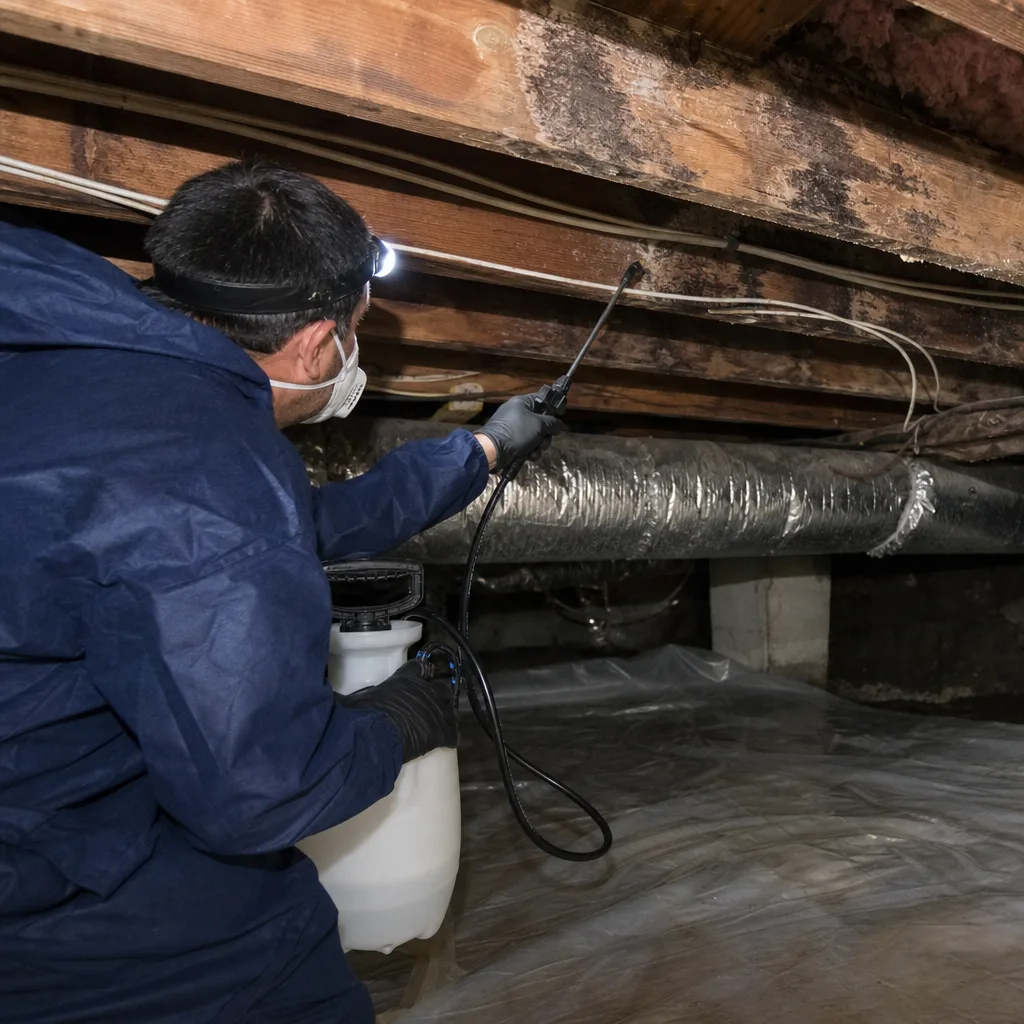
Removal means more than cleaning what you see. We cut out contaminated drywall, remove soaked insulation, and physically scrub the framing. You can’t fog mold out of fiberglass insulation or lath-and-plaster, and any contractor who says otherwise is selling you a surface job on a deep problem. We haul waste in sealed bags, keep containment up until clearance testing passes, and leave you with a moisture-corrected space that won’t recolonize.
Black Mold Remediation
Black mold gets the headlines, but the real danger in Saddle Brook homes is any toxigenic colony that’s been growing undisturbed behind walls since Irene or Ida. These colonies release spores into living space through outlet gaps, baseboard seams, and HVAC returns. We treat every toxigenic species the same way: full containment, negative air, HEPA filtration, and removal of all porous contaminated materials. It’s the only approach that passes a post-remediation clearance test.
Air Quality Restoration
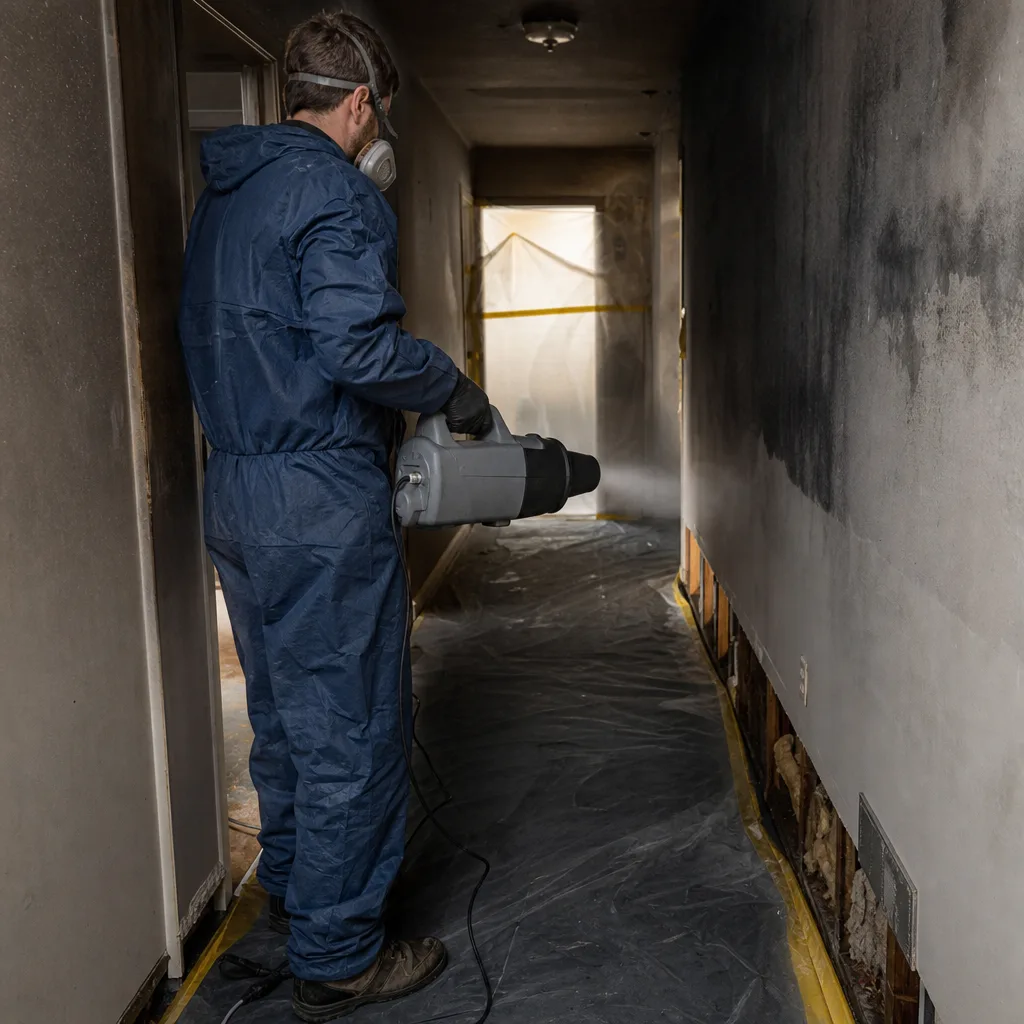
After the mold is out, the air has to be cleaned too. We run HEPA air scrubbers throughout the affected zone during remediation, then perform post-remediation verification with independent lab analysis when you request it. We compare your indoor spore counts to outdoor background levels for Saddle Brook, which run high in summer due to the river and dense vegetation. The goal is indoor air that’s measurably cleaner than outdoors, not just a room that smells better.
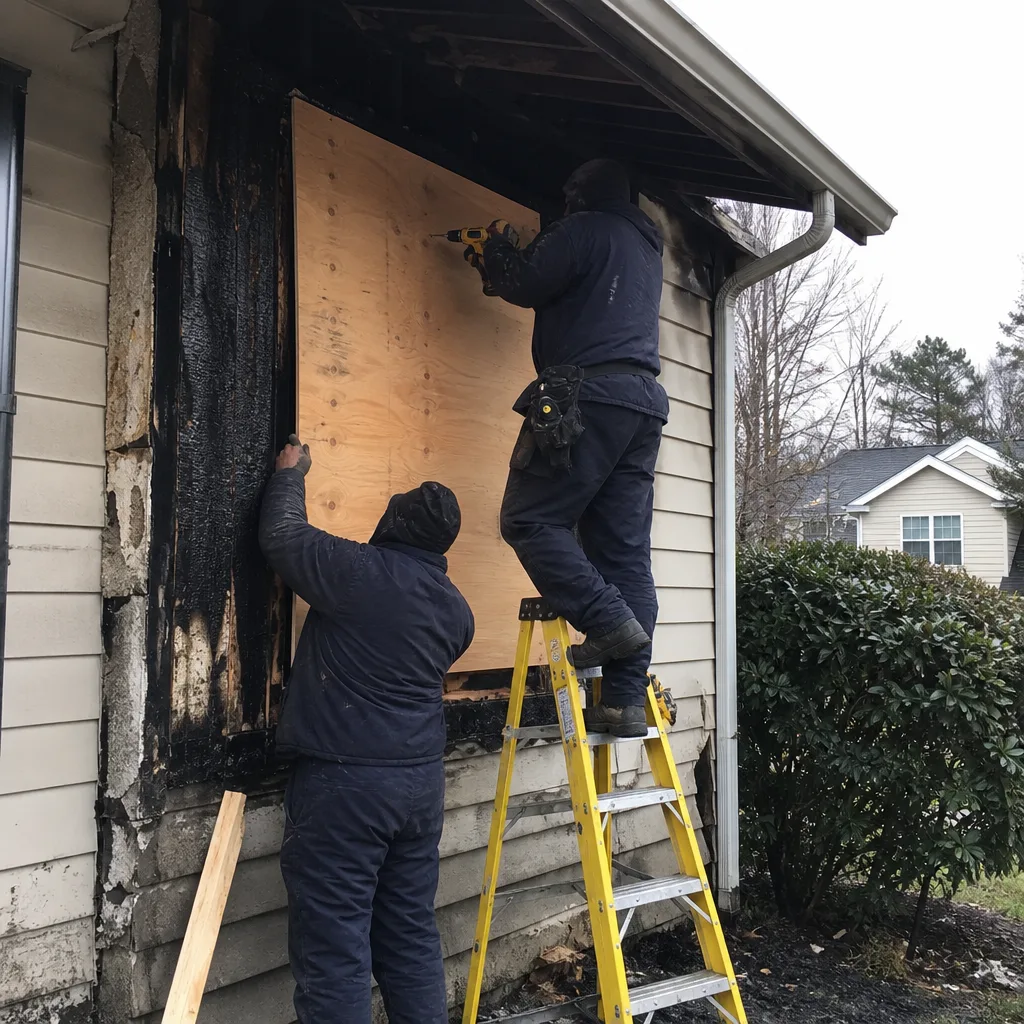
Crawl Space Treatment
Most Saddle Brook crawl spaces are dirt-floored or thinly graveled, with open foundation vents that pull humid air in all summer. That’s a mold breeder. We seal the space, install a heavy vapor barrier, add drainage where needed, and run a dehumidifier sized to the square footage. This isn’t just mold work. It’s how you stop the next mold problem before it starts.
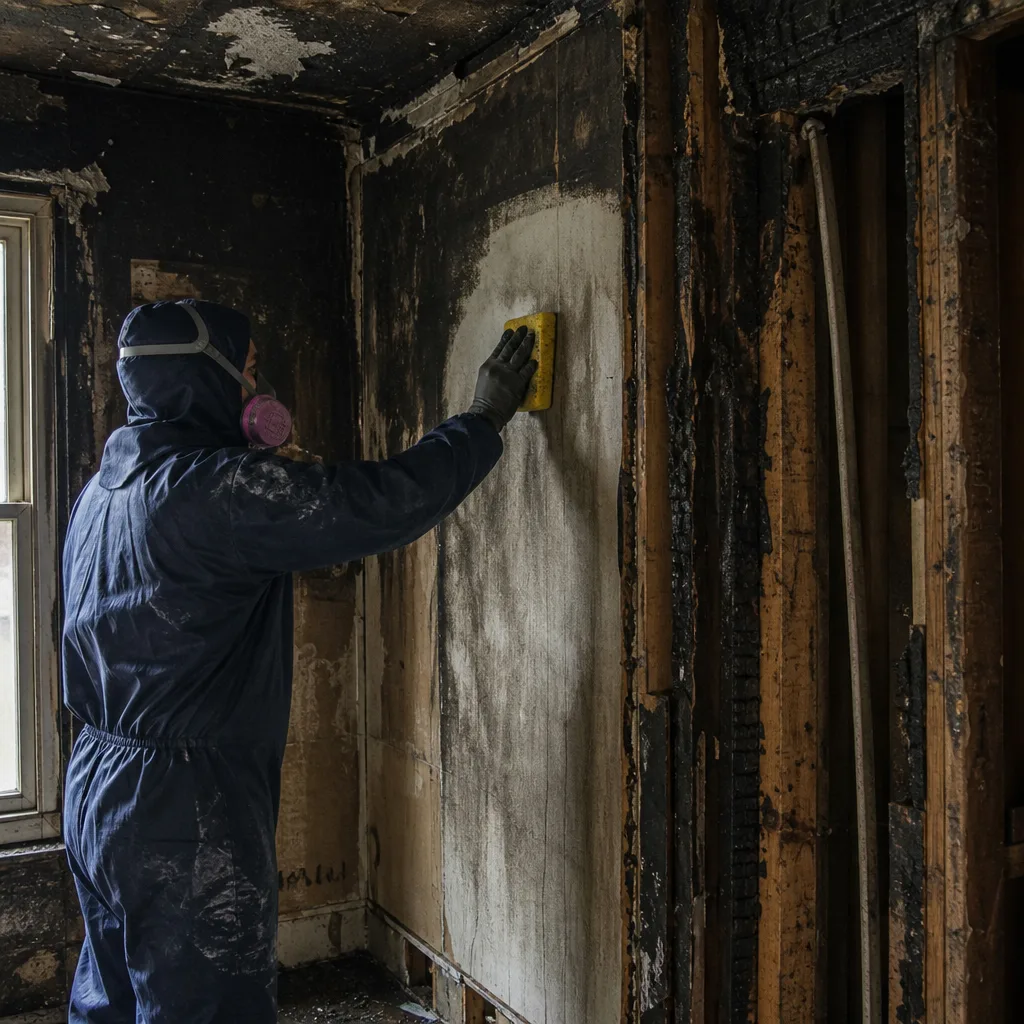
Moisture & Humidity Control
The Saddle River basin holds moisture long after floodwater recedes, and homes with finished basements trap that humidity against drywall and carpet. We measure relative humidity in every affected room and design a correction plan: dehumidification, improved drainage, sump pump upgrades, rim joist sealing. In Saddle Brook, moisture control isn’t a follow-up. It’s the core of any remediation that’s supposed to last.
What happens when you call
- 1
A real person answersNo phone trees - you reach a local pro.
- 2
You get an upfront price rangeHonest numbers before anyone is dispatched.
- 3
A background-checked tech heads outLicensed & insured, dispatched right away.
- 4
You approve before work beginsNothing starts until you say go.
Mold Remediation Costs in Saddle Brook, NJ
A crawl space mold job in Saddle Brook typically runs $900-$2,500, depending on square footage and whether we’re installing a vapor barrier. Finished basement mold remediation usually lands between $2,800 and $6,500 when containment, demolition, drying, and rebuild are included. Whole-house remediation from a Category 3 flood event starts around $8,000 and climbs from there, because every porous surface in the flooded zone has to come out, not just what looks bad. Testing adds $350-$800 when lab work is involved.
What moves the price is mostly what’s behind the drywall: the condition of the framing, the age of the insulation, whether the HVAC system has been contaminated, and whether the township building department requires compliance triggers for a repetitive-loss property. Insurance picks up what the policy covers, and we bill the carrier directly so you’re not floating the cost while the claim processes. The free inspection is the fastest way to a firm number. Call (640) 333-9625, and we’ll give you a written scope with no obligation.
We Also Serve Cities Near Saddle Brook
Our crews work regular routes through Bergen County. If you’re in Elmwood Park, Maywood, Garfield, or Fair Lawn, we answer the same live line at (640) 333-9625, with the same 45-minute response commitment and the same 90-Day Done Right Promise in writing.
Serving Saddle Brook, NJ - Our Local Coverage Area
We’re based in the Saddle Brook area and know this community well. Use the map below to see our service coverage - if you’re nearby, we can almost certainly help.
Saddle Brook Mold Remediation Questions, Answered
Does Saddle Brook require a permit for mold remediation if the water damage was from the Saddle River?
Yes, in many cases. If your property carries a FEMA repetitive-loss designation, substantial improvement or repair work can trigger a compliance review by the Saddle Brook Township building department, including elevation or mitigation requirements.
We pull flood-zone maps before scoping any job here. It changes what we can rebuild and how quickly, and it protects you from a stop-work order halfway through remediation. If your home needs a compliance review, we handle the paperwork and the rebuild in a way that meets the code the township enforces today, not the code that was current when your house was built.
How do I know if the mold behind my Saddle Brook basement drywall is from a past flood, not just humidity?
Look for a water line stain on the framing or cellulose insulation that’s crusted and darkened only up to a certain height. Humidity mold is typically patchy and spread evenly. Flood mold follows the water line and saturates upward from floor level.
Our moisture mapping shows us the same pattern. If we see 100% saturation at the bottom plates and wicking up the studs, that’s standing water, not condensation. In Saddle Brook, that usually points back to Irene or Ida, even if the drywall was replaced. The colony survives behind new drywall and keeps growing. Call (640) 333-9625, and we’ll tell you what’s really behind your wall.
What does category 3 water mean for mold remediation in a Saddle Brook flood-damaged basement?
Category 3 water is grossly contaminated: river water, sewage, or storm runoff that carries bacteria, chemicals, and organic matter from the Saddle River basin. Once it sits inside a finished basement for 48 hours or longer, mold colonization is almost guaranteed, not just possible.
Standard drying won’t work on Category 3. Every porous material in contact with that water has to be removed, including drywall, insulation, carpet, and padding. Framing gets treated and dried, then cleared before rebuild. Skipping this step is exactly how Saddle Brook homes end up with hidden mold after a “successful” flood restoration. We do it right once.
Why do some Saddle Brook mold jobs take longer than similar homes in Rochelle Park?
Two reasons. First, Saddle Brook’s flat gradient means floodwater sits inside homes for 48-72 hours, while upland towns drain faster. Longer water residence means deeper penetration into lath-and-plaster and cellulose insulation. Second, many Saddle Brook homes have FEMA repetitive-loss status, which adds a township compliance review before repairs can close out.
A job that takes five days in Rochelle Park can take eight or nine in Saddle Brook because we’re not just drying. We’re removing saturated plaster, correcting structural moisture levels, and rebuilding to a stricter code standard. We’d rather take the extra days and hand you a home that stays dry.
If I already had mold remediation once in my Saddle Brook home, should I worry about mold returning after the next flood?
Yes, and for a specific reason: the previous remediation may not have reached the hidden colony. If drywall was replaced after Irene without removing soaked cellulose insulation behind it, the mold was never actually gone. The next flood feeds what’s already there.
We treat every repetitive-loss home as if the last job was incomplete until we’ve verified otherwise. Our tech pulled a Category 3 pack-out from a split-level on Cambridge Avenue after Ida sat in the finished basement for 60 hours. Moisture mapping showed 100% saturation behind lath-and-plaster that had been buttoned up by a previous contractor, so we ran containment with negative air and removed the original cellulose insulation before our Injectidry panels could even be set. That’s the difference between a cleanup and a cure.
How fast can you actually get to a mold emergency in Saddle Brook?
We commit to a 45-minute response for Saddle Brook addresses. Our crews stage from nearby Bergen County, and dispatch is live 24/7 at (640) 333-9625. In a flood event with multiple homes affected, we triage by severity: visible mold growth in living space comes first, crawl space contamination second, and pre-remediation testing third.
When you call, a person answers. Not a recording. They take your address, ask what you’re seeing, and send the right crew with the right equipment the first time.
Can we stay in our Saddle Brook home during mold remediation?
That depends on the extent of the colony and where it’s located. If mold is confined to a basement or crawl space with proper containment and negative air pressure, you can usually stay upstairs. If the colony has spread into living areas, penetrated the HVAC system, or released spores into the air you’re breathing, we’ll advise you to stay elsewhere until clearance testing passes.
We tell you straight on the first visit. No hedging, no pressure. Your safety is the standard, and we’ve been doing this long enough in Bergen County to know when a house is safe to occupy and when it’s not.
What should I do in the first 30 minutes after I discover mold in my Saddle Brook home?
Don’t disturb it. Don’t wipe it with bleach, don’t open walls to look behind it, and don’t run fans that blow spores into other rooms. Mold releases spores when disturbed, so your first move should be to seal off the area as best you can and call us at (640) 333-9625.
If you see active water, shut off the supply if you can and move valuables out of the wet zone. Then stop and wait for a professional. The next 24 hours decide how much material has to come out, and the wrong move in the first 30 minutes can spread the problem through your whole house. We’ll walk you through it on the phone.
Written by Curt Bowman, Owner at Floodline Restoration Co., serving Saddle Brook and Bergen County with certified mold remediation and full-cycle restoration backed by the 90-Day Done Right Promise.