
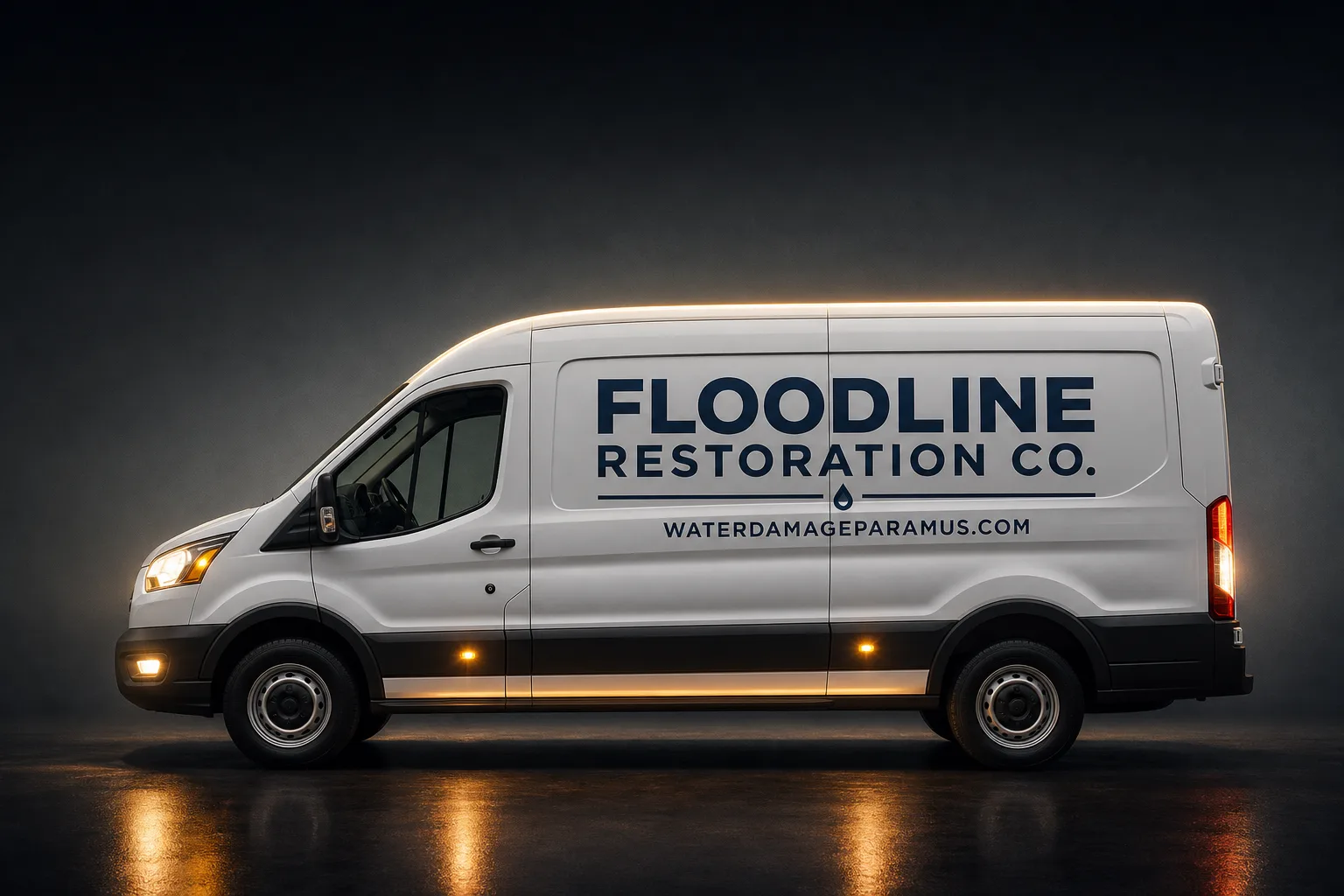
Free visual inspection and a written scope of work before any mitigation begins - photos, moisture readings, and drying logs go in your claim file
The scope we write is the scope we bill. Anything new gets shown to you, in writing, before we touch it.
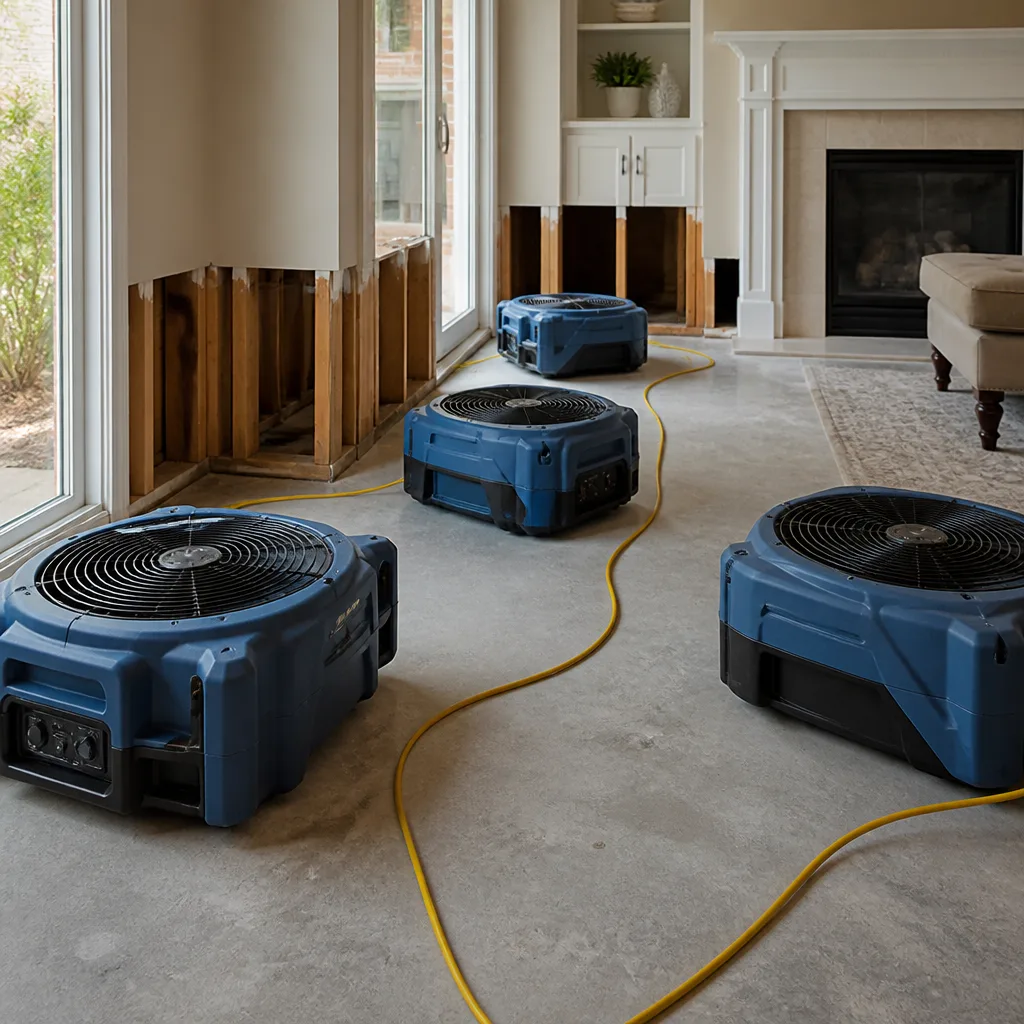
 Before
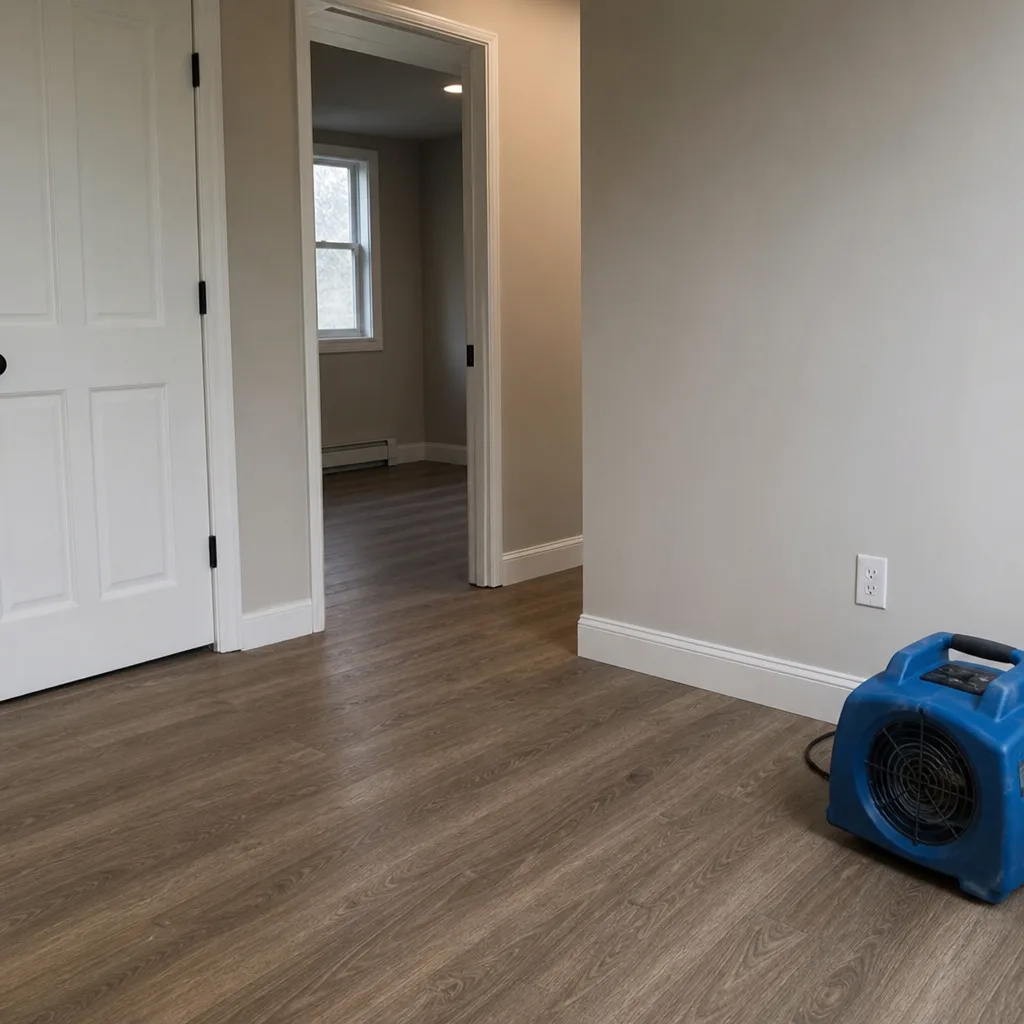 After
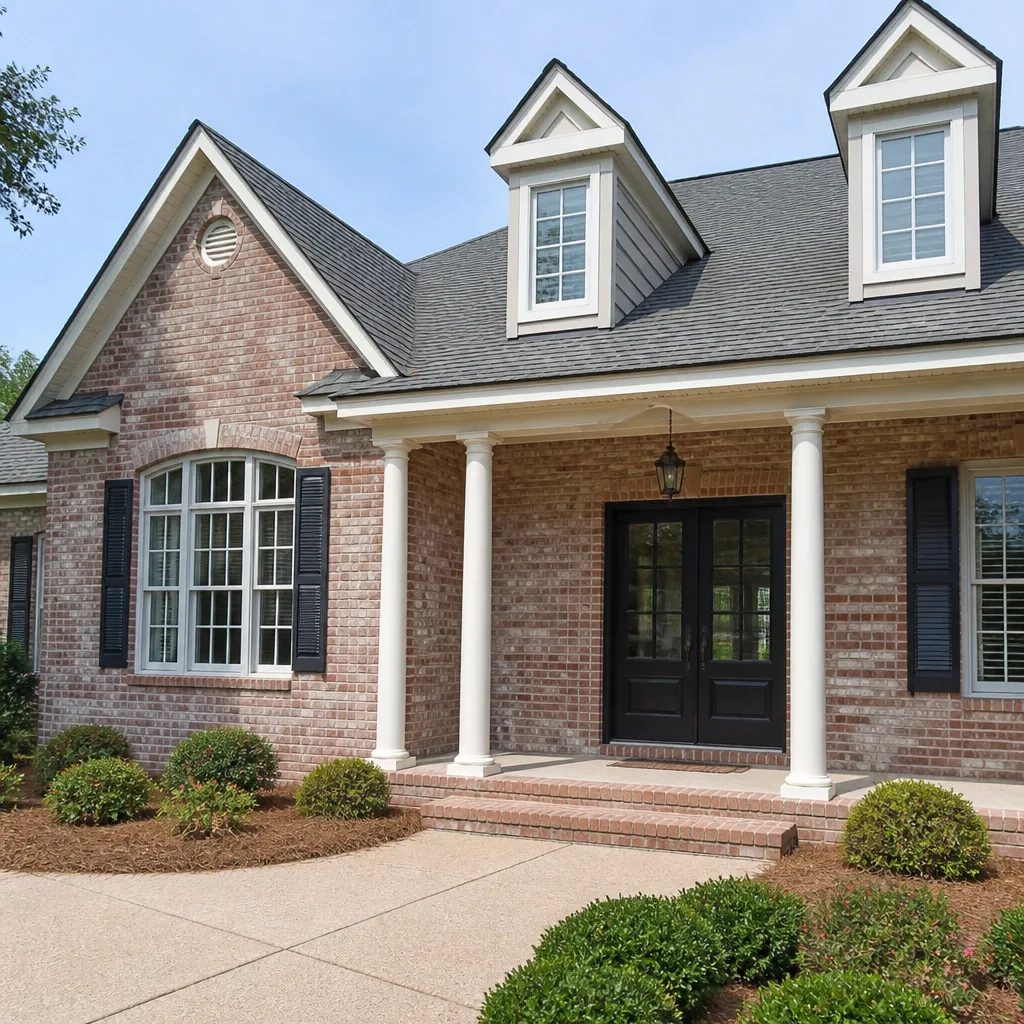
After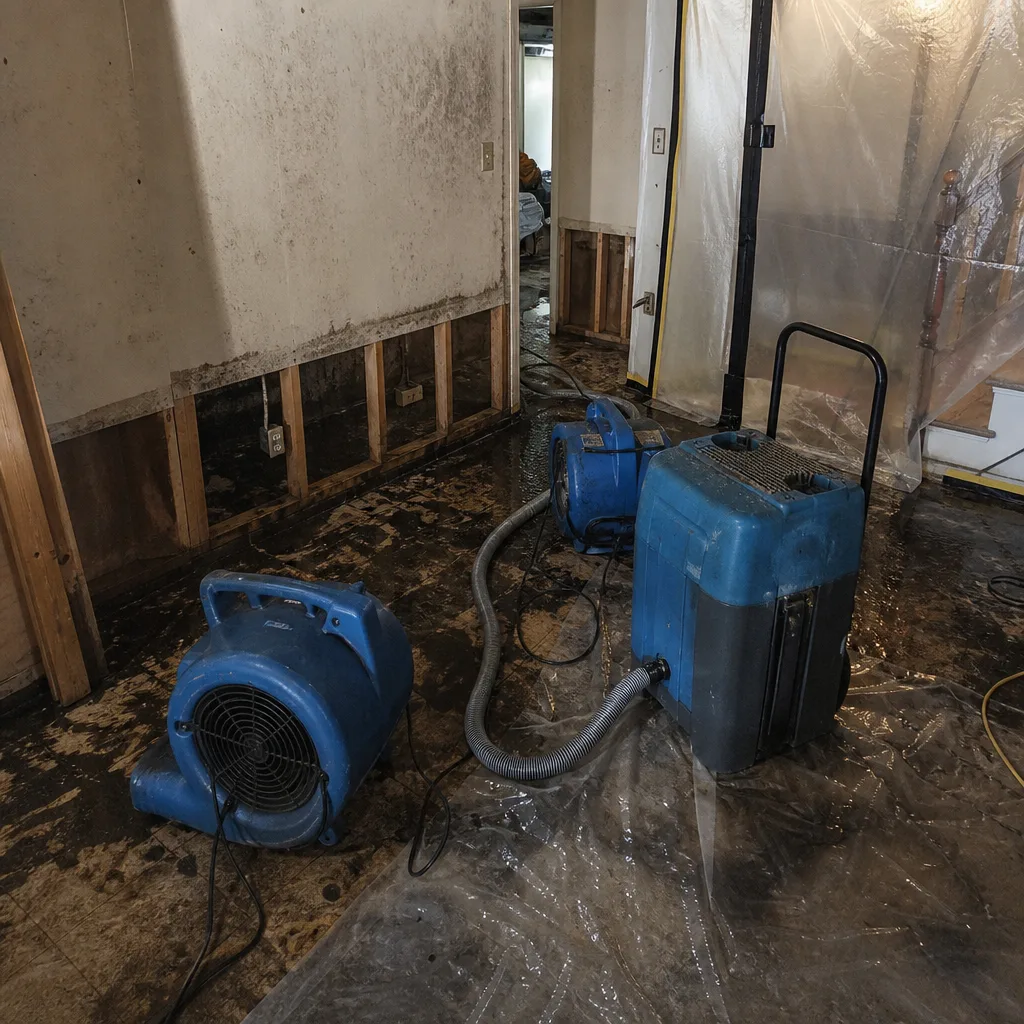 Before
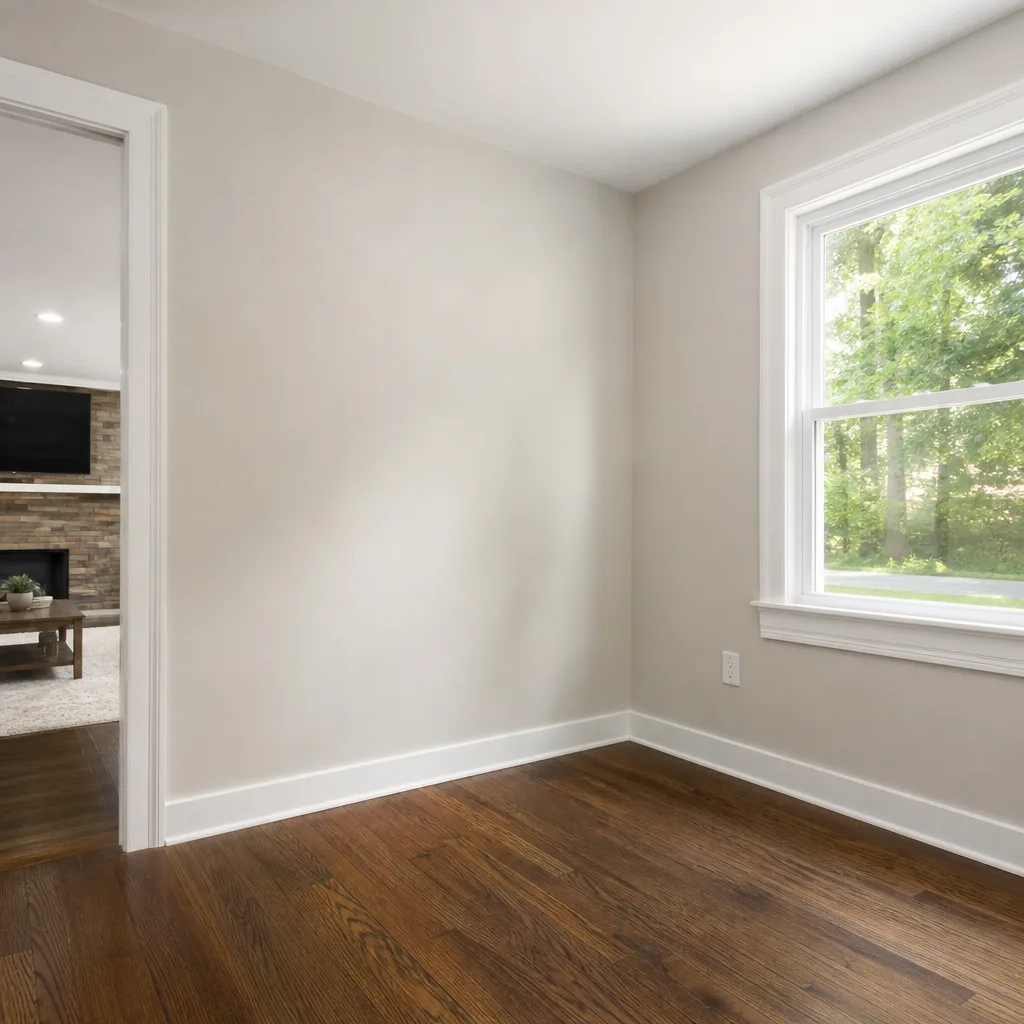
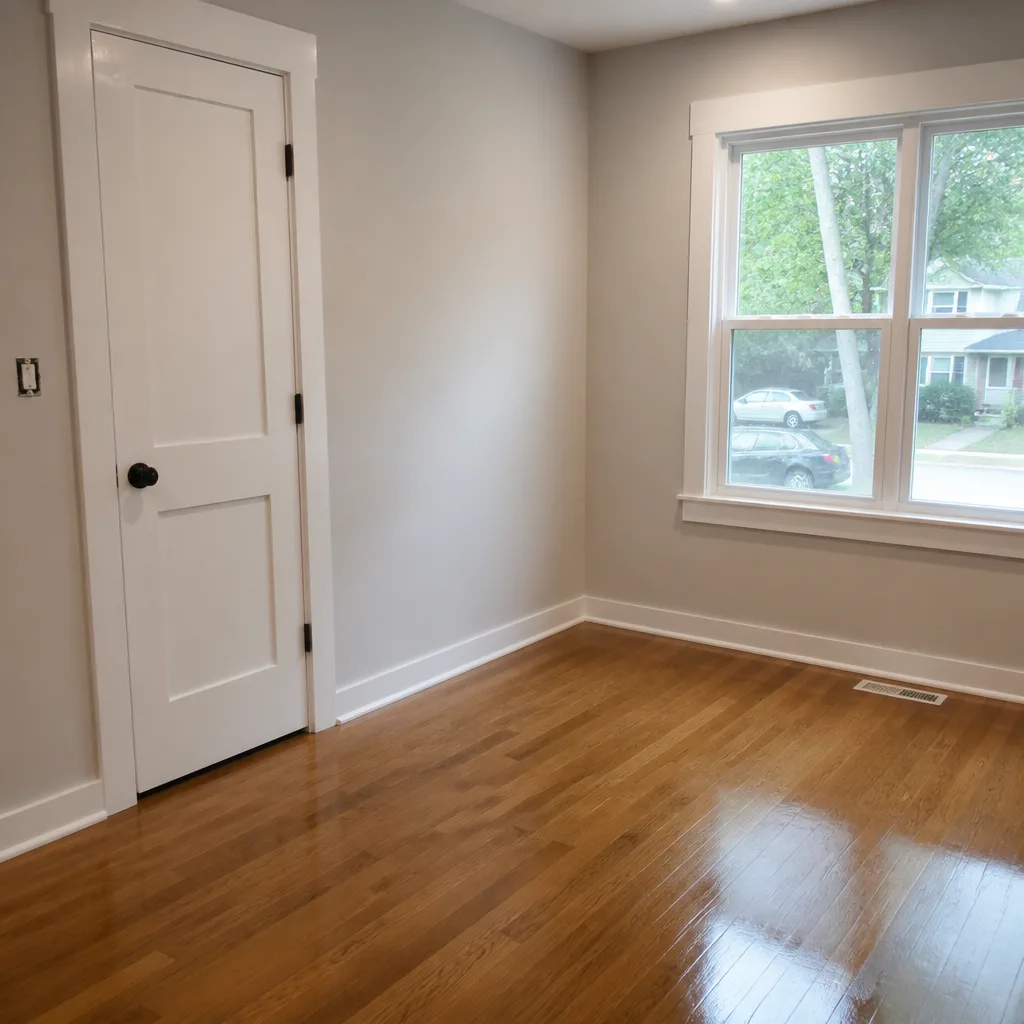 After
After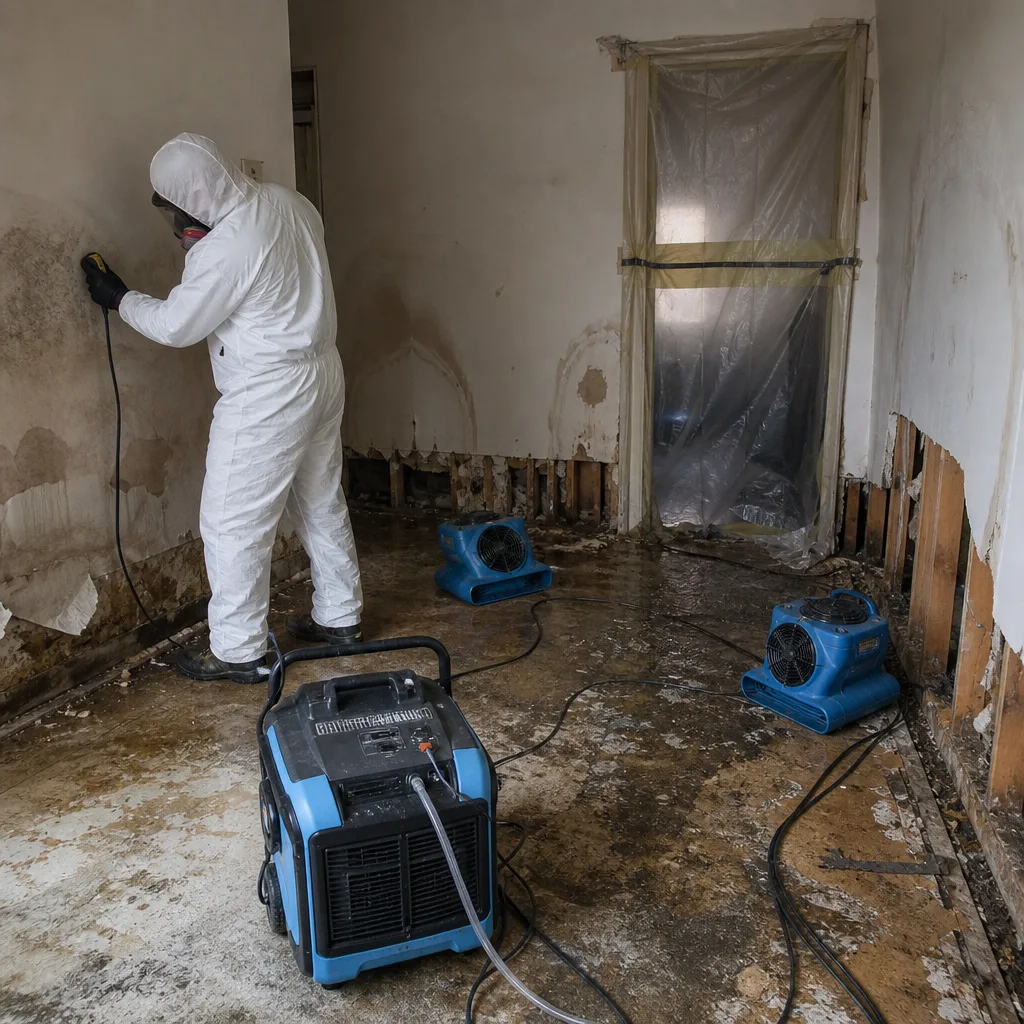 Before
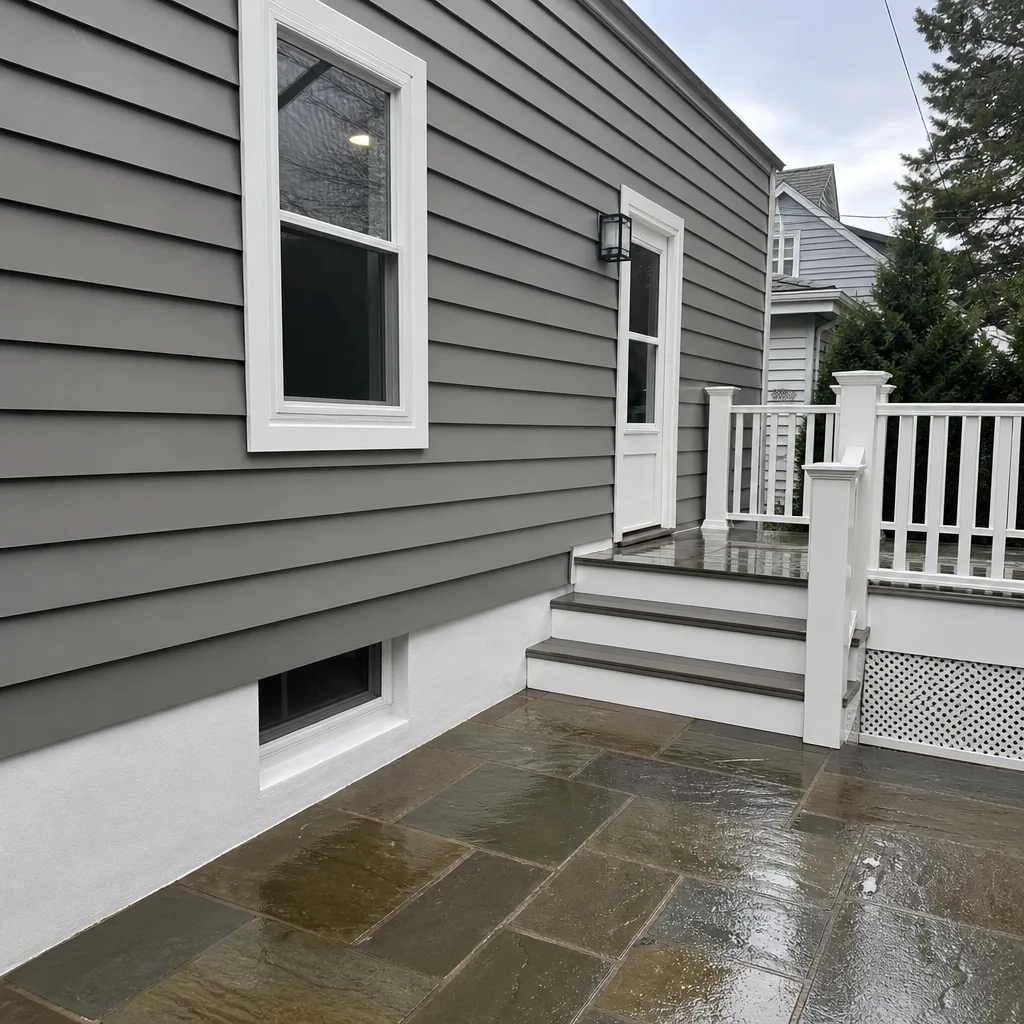 After
After24/7 Emergency Water Damage Restoration in Garfield
Water damage restoration in Garfield typically costs $1,800-$6,500 depending on the water category, square footage affected, and how many prior floods your foundation has absorbed. Our crews answer live at (640) 333-9625, every hour of every day, and we dispatch into Garfield neighborhoods within 45 minutes. The first hour matters because Passaic River water is Category 3 - it carries sewage, river sediment, and whatever upstream runoff brought with it. Every minute that water sits means it’s wicking deeper into the 1920s-1950s plaster and lathe walls that make up most of Garfield’s housing stock. A free visual inspection gets our moisture mapping started while extraction is still running. That’s the part that saves the studs, the sills, and the finished basement you’ve had for forty years.
If you’re reading this with water already in the house, call now. If you’re reading this because the river’s rising, call before it crests. We’re a Water Damage Restoration company built around a dispatch board, not a sales desk - and that matters at 2 a.m. when the sump pump quits on River Drive.
Understanding Water Damage Restoration Severity in Garfield Properties
Water damage gets classified by contamination level, not by how bad it looks. Category 1 is clean water - a supply line break, an overflowing tub with clean water. Category 2 carries some contamination: washing machine overflow, sump pump failure with groundwater. Category 3 is black water: the Passaic River over its banks, sewage backup, street water coming through the foundation. Garfield properties near the river almost always involve Category 3, and treating it properly means removing affected drywall and insulation, not just drying what’s there. Our technicians are trained to IICRC WRT and ASD standards, and we run RIA and IFA protocols on Category 3 losses.
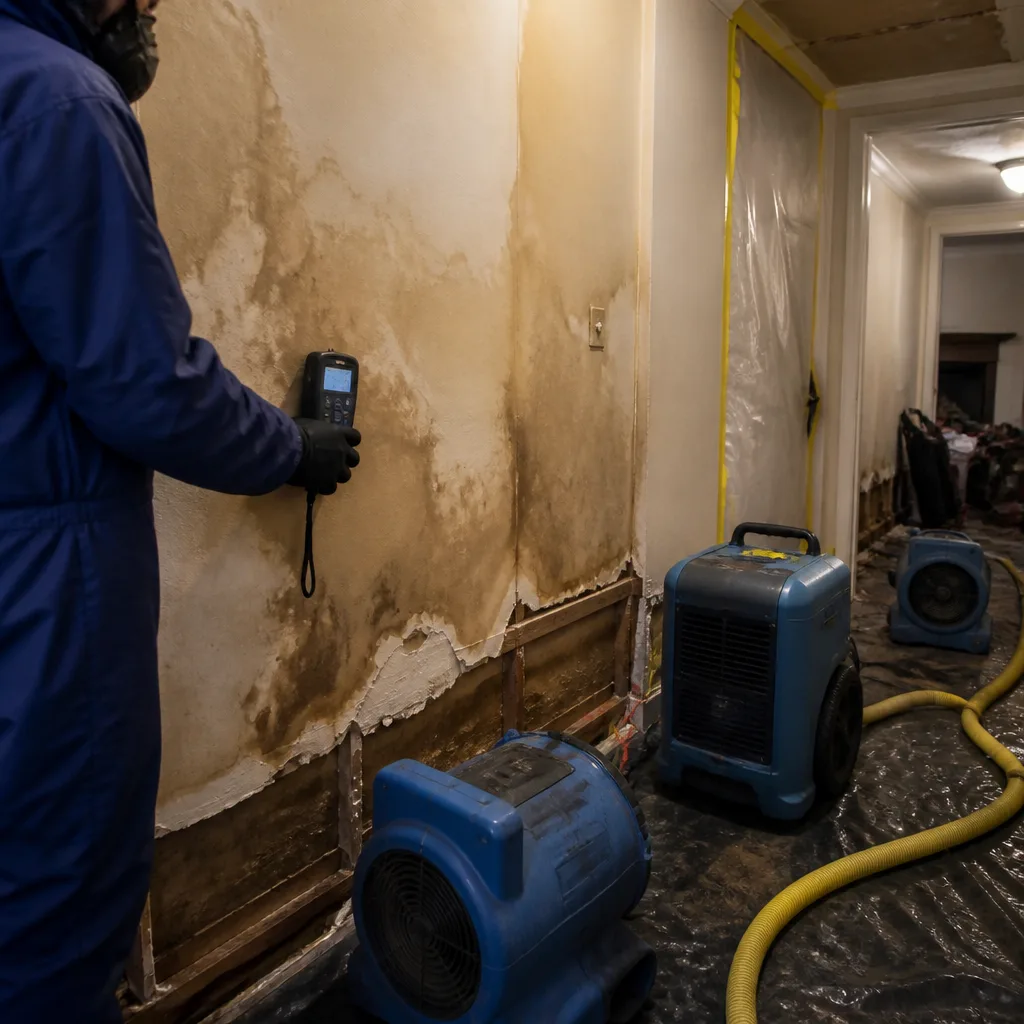
Garfield’s building stock changes what “severe” means. A 1920s two-family on a fieldstone foundation holds water differently than a 1990s slab-on-grade build in Fair Lawn. The plaster and lathe walls common to Garfield’s older homes create dead air cavities that trap moisture, hide mold, and complicate drying timelines. We use moisture mapping with thermal imaging and penetrating meters to read what’s behind the plaster - not just what’s on the surface. That’s the difference between a dry-out that holds and one that reactivates mold within 48 hours of closure.
Why Garfield Property Owners Choose Floodline Restoration Co.
- 45-minute response commitment: When a Pipe burst or the Passaic overtopped, we treat it as a working emergency, not a callback. Crews are staged to reach Garfield addresses within 45 minutes of your call.
- 24/7 live answer, never an automated system: Call at 2 a.m. on Thanksgiving. A live dispatcher answers, takes your address, and starts the clock. No menu tree, no “leave a message.”
- IICRC-certified crews (WRT/ASD/AMRT): Water damage, structural drying, and mold remediation certifications mean the tech running your extraction understands the drying science behind it.
- Free visual inspection with moisture mapping: We don’t guess. We read. Every job starts with documented moisture readings that become your drying log and your insurance record.
- Direct insurance billing: We bill the carrier directly, talk to the adjuster ourselves, and send the documentation they need. You never play messenger.
- One team from extraction to rebuild: The same certified crew that sets containment on day one is the crew that replaces the drywall and repaints the baseboards. No mid-job handoff, no inherited crew that doesn’t know the house.
Our Water Damage Restoration Process
Inspection & Assessment
We start with a full visual inspection plus thermal imaging and moisture readings in every affected room. On Garfield flood jobs, this includes checking for old waterlines from prior Passaic events - because the current damage is rarely the first.
Extraction / Stabilization
Dri-Eaz pumps and truck-mounted extraction units pull standing water from floors, wall cavities, and under finished basements. If there’s a live electrical hazard or active water entry, we stabilize before we extract. Speed here reduces total drying time by days.
Drying & Dehumidification
Professional-grade Phoenix and Dri-Eaz dehumidifiers plus XPOWER air movers run on a calculated layout matched to your home’s square footage and building materials. Daily readings are logged until the dry standard is met - not before, because Garfield’s plaster walls release moisture slowly.
Cleaning & Sanitization
Category 3 floodwater means we clean and sanitize every surface the water touched. HEPA scrubbers run during demolition and cleanup, and antimicrobial treatment is applied to structural cavities after contaminated materials are removed.
Specialty Treatment for Garfield Flood Losses
On Passaic flood jobs, we document every layer. That means photographing each distinct mold-growth line on the studs, marking prior-waterline heights, and writing a scope that accounts for old damage alongside current damage. Your NFIP claim file needs this.
Repairs & Restoration
Once the structure is dry and clean, we rebuild. Drywall, insulation, trim, flooring, paint. The same crew that pulled the wet drywall is the crew that hangs the new. The 90-Day Done Right Promise covers it all, in writing.
Need Emergency Water Damage Restoration in Garfield Now?
Crews minutes away, answering live 24 hours a day. The sooner we start, the less it costs.
Working With Your Insurance Company
Most Garfield homeowners carry flood insurance through NFIP, and most of them never expected to file twice. We understand that world. From the first hour, our documentation is built for a carrier and an adjuster, not just for our own records. We photograph every room, log every moisture reading, and write a line-item scope that separates current damage from prior flood waterlines. That separation matters on a repeat claim - it’s the difference between coverage for this event and a denial because the adjuster couldn’t tell what’s old and what’s new.
What We Provide Your Insurer
- Thorough documentation of the loss
- Photos of all damage, room by room
- Moisture readings and drying logs
- A detailed, line-item scope of work
- Direct coordination with your carrier
We communicate with adjusters directly, send updates as drying progresses, and push back when a scope gets cut short. You get a square deal: no surprises on the bill, no arguing over the paperwork.
Built for Garfield’s Loss Calendar
Garfield’s water damage season doesn’t follow one clean pattern. January and February bring deep freezes that burst supply lines in uninsulated 1920s crawlspaces and exterior wall cavities. Spring snowmelt and heavy rain saturate the ground, drive up the water table, and fill basements through fieldstone foundations that have moved and cracked over a century of freeze-thaw cycles. Summer thunderstorms dump two inches in an hour, and the Passaic River’s watershed - which drains half of northern New Jersey - delivers water that fell in towns twenty miles upstream. A storm in Morristown can put water in a Garfield basement by morning. Fall nor’easters combine wind-driven rain with already-saturated soil, and the cycle repeats.
The pattern matters because it means many Garfield homeowners aren’t experiencing a one-time event. They’re living through the sixth or seventh flood in a home their parents bought in 1955. That’s the reality Water Damage Restoration in Garfield has to address - not just the water on the floor, but what it left behind the last four times.
Water Damage Restoration Across Garfield’s Neighborhoods
Garfield’s flood risk isn’t evenly distributed, and neither are our response routes. Homes along River Drive and Outwater Lane sit closest to the Passaic’s overbank flow, and those blocks are where we see the most repeat flood losses. The two-family wood-frames here - many built between 1925 and 1940 - typically have finished basements that flood to the joists during a crest event. We know the block-specific drainage patterns and the houses where the water enters through the same foundation crack every spring.
The neighborhoods north of Midland Avenue, including the residential streets closer to Outwater Lane toward Lanza Avenue, sit on slightly higher ground but still deal with groundwater intrusion and sump pump failures during saturated-soil conditions. Homes near the high school and the commercial blocks along Passaic Street tend to be mixed older single-families and two-families where burst pipes in unheated mudrooms and kitchen additions are the common call in January. Elmwood Park and Saddle Brook border to the west and north, and the low-lying blocks on the Garfield side of the border drain the same watershed. We stage equipment to reach all of these neighborhoods within the 45-minute window, and we know the side streets that flood first when the river rises.
Specialized Water Damage Restoration Services We Offer in Garfield
Emergency Water Extraction
Standing water in a Garfield basement doesn’t wait for business hours. Our Dri-Eaz pumps and truck-mounted extraction units pull hundreds of gallons per hour, and we start the moment the crew arrives. For Passaic overbank flooding, this means getting the black water out fast enough to protect structural wood - because every hour of saturation in a 1930s sill plate is permanent damage.
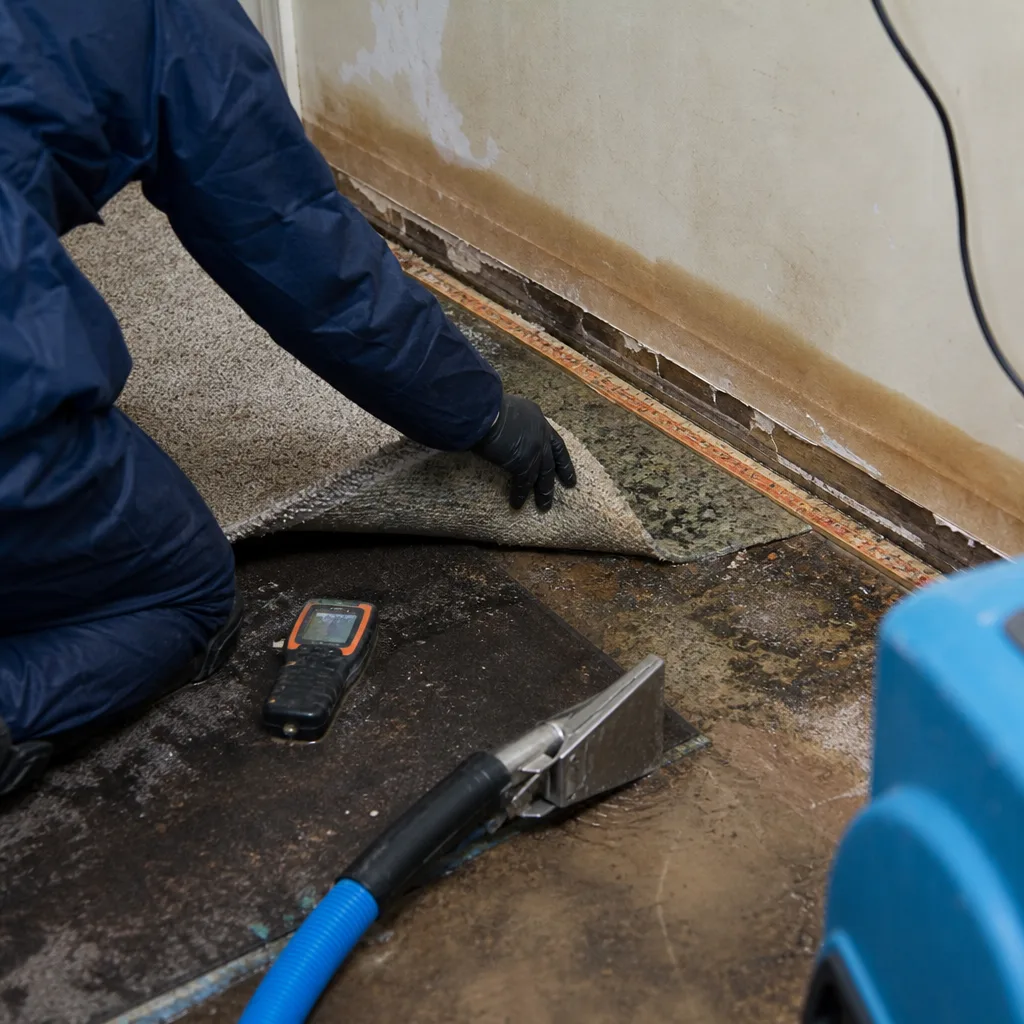
Structural Drying & Dehumidification
Plaster and lathe walls dry slowly, and Garfield’s older homes don’t give up moisture easily. We run Phoenix and Dri-Eaz dehumidifiers on a calculated layout, with daily moisture readings logged against the dry standard. We don’t pull equipment early because a job needs to close. We pull it when the numbers say the structure is dry.
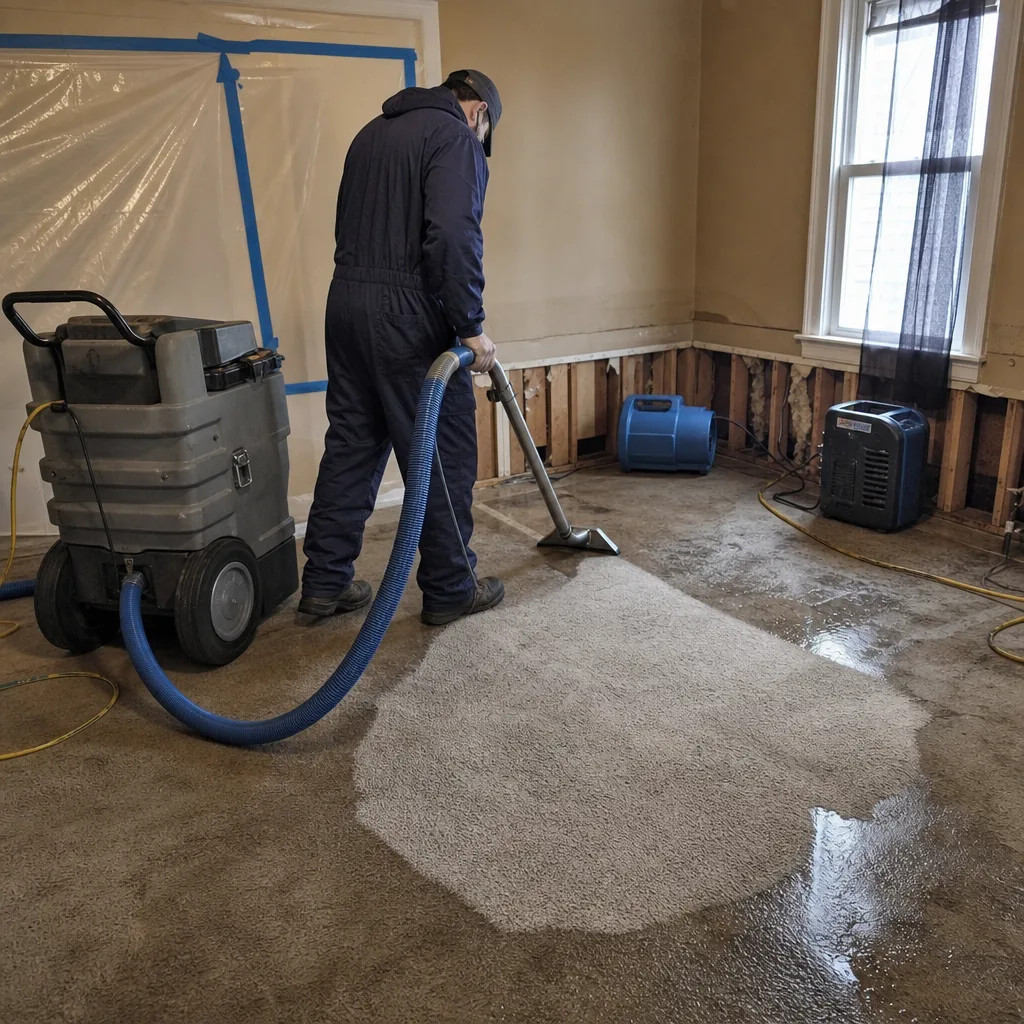
Flood Cleanup
When the Passaic leaves mud, sediment, and sewage residue on your basement floor, the cleanup is as critical as the drying. We remove contaminated materials, sanitize surfaces, and run HEPA air scrubbers while demolition happens. Flood cleanup here isn’t just mop-up. It’s Category 3 mitigation, done to IICRC standards.
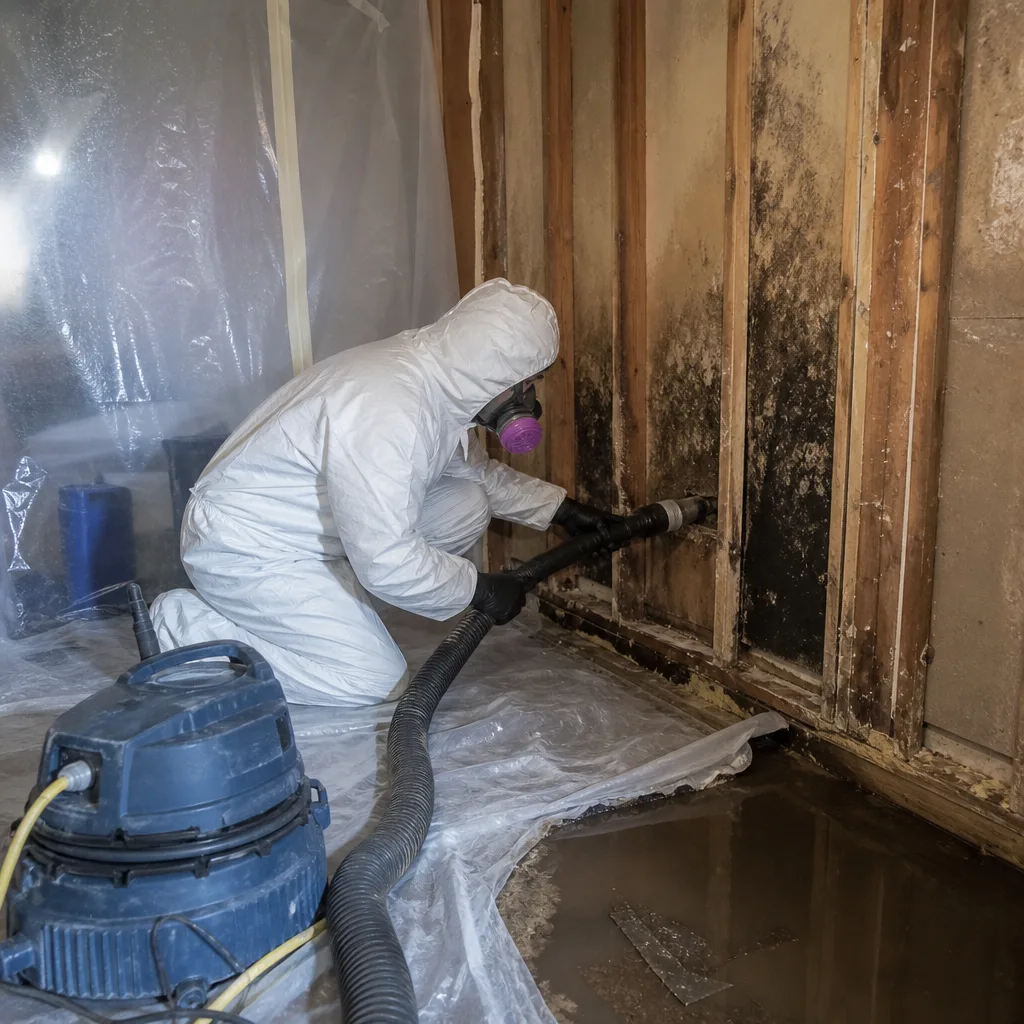
Burst Pipe Restoration
A frozen supply line in an unheated Garfield kitchen wall releases clean water - Category 1 - but it still saturates insulation and drywall the same way. Our burst pipe restoration moves fast: locate the leak, stop it, extract, and dry the wall cavity from inside. The damage is different from river water, but the drying science is the same.
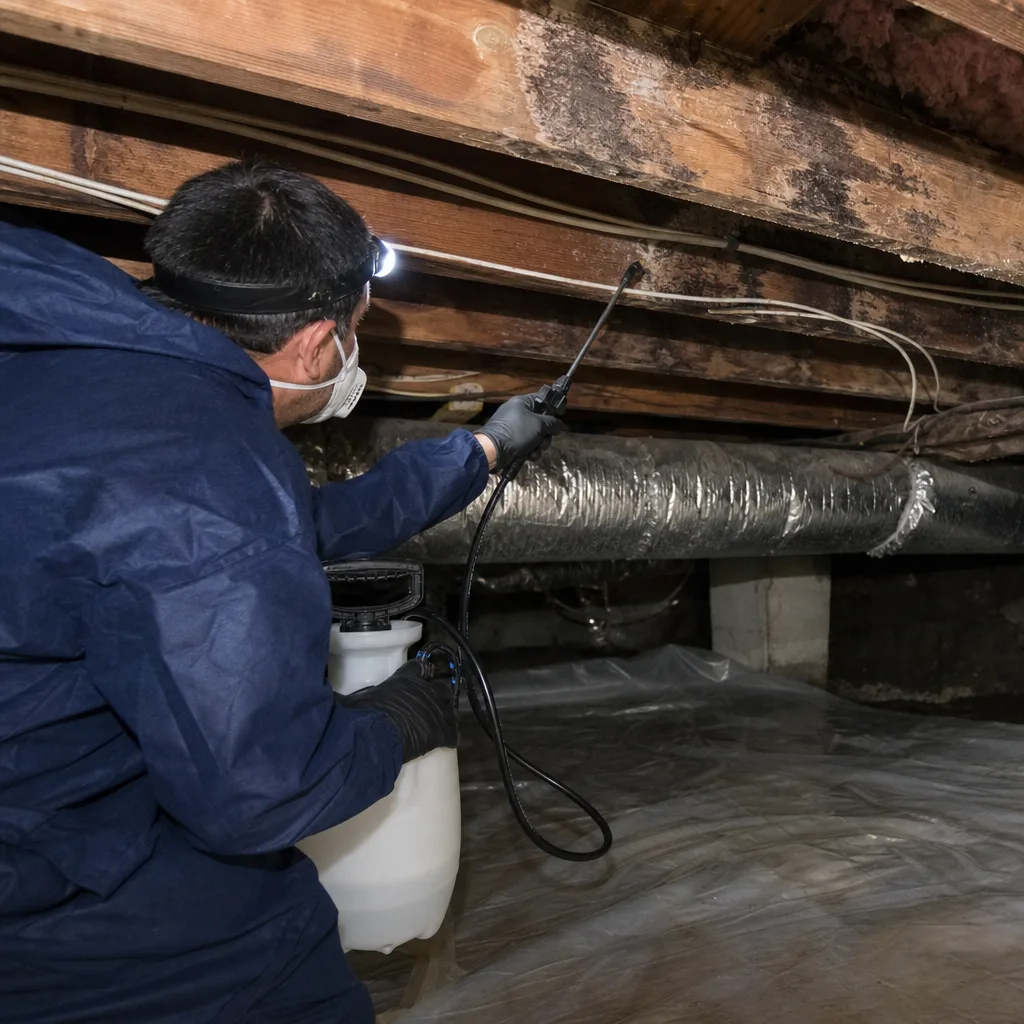
Basement Water Removal
Garfield basements are finished living spaces in most of these older two-families - not crawlspaces. That means the water is in your carpet pad, behind your drywall, and under your laminate. Basement water removal for us includes removing those wet finishes, drying the concrete or fieldstone below, and documenting every step for the claim.
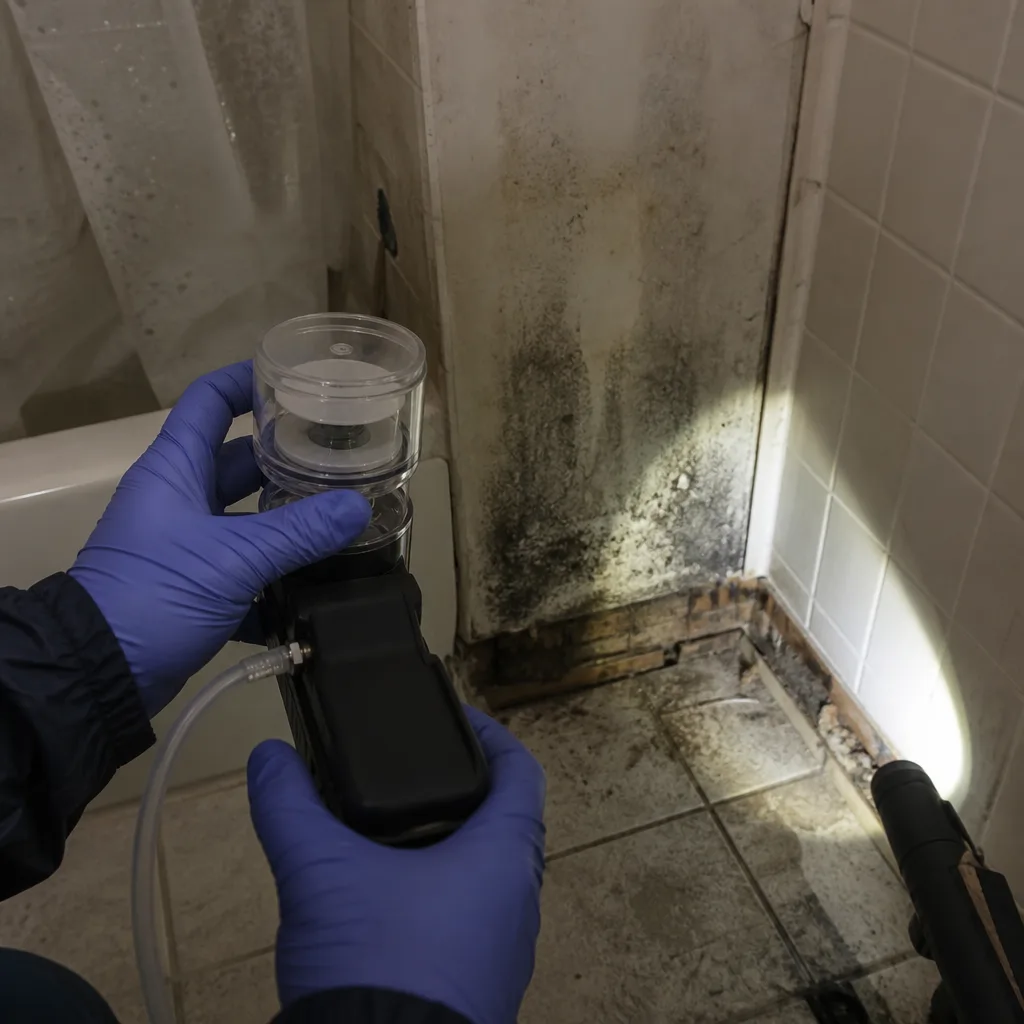
Ceiling & Roof Leak Water Damage
Ice dams in January and wind-driven rain from nor’easters find their way through aging roofs and around chimneys on Garfield’s 1920s houses. Ceiling damage needs the same moisture mapping as a basement flood - water travels along joists and pools in insulation, often far from the visible stain.
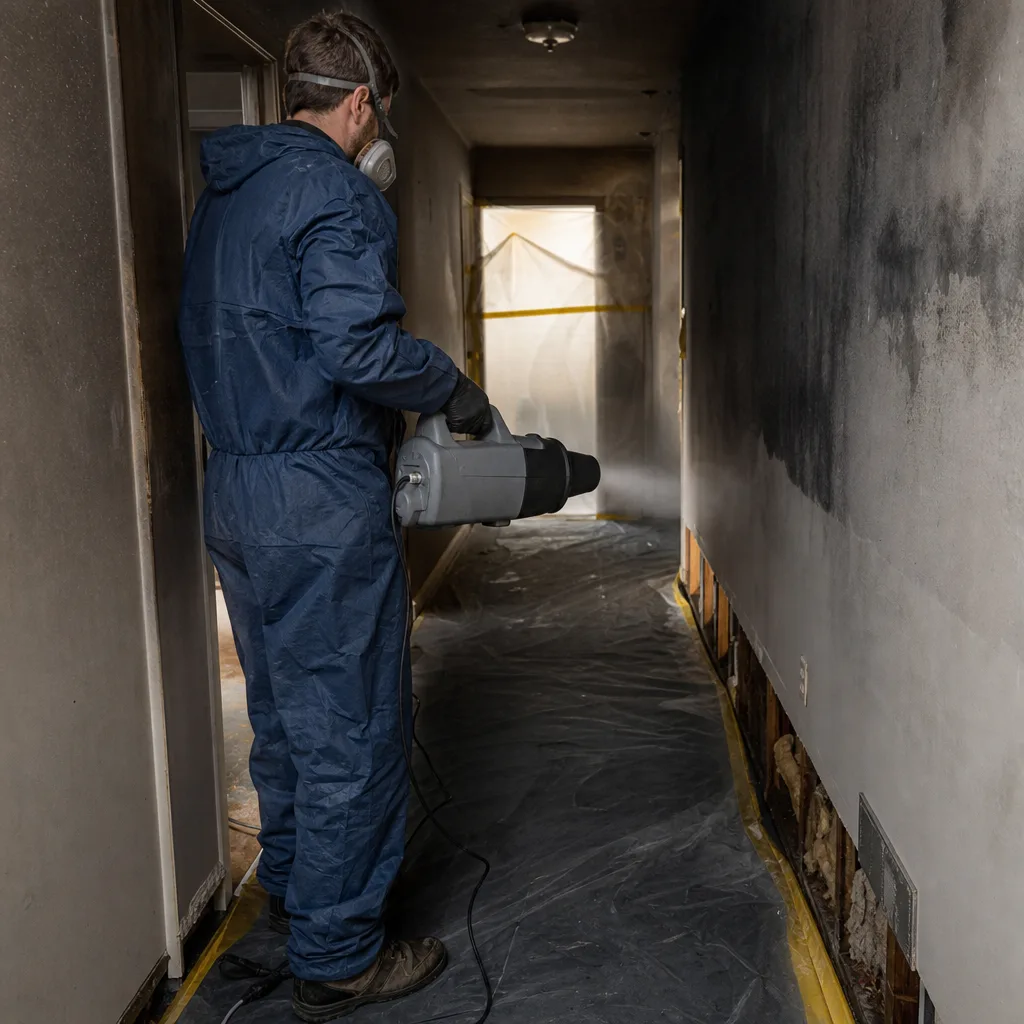
What happens when you call
- 1
A real person answersNo phone trees - you reach a local pro.
- 2
You get an upfront price rangeHonest numbers before anyone is dispatched.
- 3
A background-checked tech heads outLicensed & insured, dispatched right away.
- 4
You approve before work beginsNothing starts until you say go.
Water Damage Restoration Costs in Garfield, NJ
Emergency water extraction in Garfield typically runs $900-$2,200 for a finished basement hit with Category 3 floodwater. Structural drying adds $1,200-$3,000 depending on square footage, how many floors are affected, and how long the water sat. Full Category 3 mitigation - demolition of contaminated drywall, sanitization, and antimicrobial treatment - commonly lands between $3,500 and $6,500 for an average Garfield basement. Burst pipe restoration with clean water runs lower, often $1,500-$3,500, because less demolition is required.
What moves the price in Garfield specifically: second floods cost more than first floods because we’re remediating old mold layers alongside current damage. Plaster and lathe walls dry slower than drywall, so drying equipment runs longer. And fieldstone foundations with years of freeze-thaw cracks leak in more places than a poured 1990s wall. The free visual inspection gets you a firm scope in writing - not a vague estimate - before work starts. Call (640) 333-9625 to schedule it. Estimates are free, and if your loss is covered, we bill the carrier directly.
We Also Serve Cities Near Garfield
Floodline Restoration Co. operates throughout the Passaic River corridor and the surrounding Bergen County communities. If you’re in Saddle Brook, Elmwood Park, Maywood, or Fair Lawn, our crews reach you on the same 45-minute dispatch commitment. The same equipment, the same certifications, the same 90-Day Done Right Promise applies.
Garfield Water Damage Restoration Questions, Answered
Why do Garfield homes near the Passaic River often need more than just drying after a flood?
Because the river has flooded these homes before, and the previous damage is still in the walls. We routinely strip drywall near River Drive and find two or three distinct mold-growth layers at different heights on the studs - each one marking a separate flood year. Those old colonies and compromised structural cavities have to be treated before the current water damage is addressed. A simple dry-out won’t touch them.
How does Garfield’s 1920s-1950s housing stock change water damage restoration versus a new build?
Plaster and lathe walls create dead air cavities that trap moisture behind the surface, and 1920s-1950s fieldstone foundations absorb water and release it slowly. A new build with drywall and poured concrete dries in days. A Garfield two-family with original plaster and a fieldstone foundation can take twice as long and require penetrative moisture readings to confirm what’s dry behind the wall.
What does ‘Category 3’ water mean for a Garfield flood from the Passaic?
Category 3 is black water - sewage, river sediment, and street runoff that carries bacteria and pathogens. Passaic overbank flow is always Category 3. That means affected drywall and insulation get removed and discarded, not dried in place, and surfaces are sanitized with antimicrobial treatment before rebuilding. Treating it as clean water is the most common and dangerous mistake we see.
My basement has flooded before in Garfield. What’s different about how you handle a repeat claim?
We document the history. On River Drive, we pulled baseboards on a 1930s two-family and our moisture readings showed 98% saturation at the sill plate. Behind the plaster, we discovered a prior flood waterline hidden under three layers of paint - so what started as a simple dry-out became full structural drying and antimicrobial treatment on the fieldstone foundation. We photograph every waterline, mark every layer, and separate current damage from old damage in the scope of work. Your NFIP claim needs that separation to be accurate, and your home needs the old damage treated to stop the mold cycle.
How quickly can mold start growing after Passaic River water enters my Garfield home?
Within 24 to 48 hours - and in Garfield’s older plaster and lathe walls, often sooner because the cavities hold moisture at humidity levels that accelerate colonization. That’s why we dispatch within 45 minutes and why we don’t treat river water as a slow-drying clean water loss. Speed on Category 3 is the single biggest factor in whether the mold damage stays minor or spreads through the wall cavities.
How fast can you actually get to my Garfield address?
45 minutes or less, 24/7, every day. Call (640) 333-9625 and a live dispatcher takes your address and starts a crew toward your block. We stage equipment for the Garfield area specifically during Passaic flood watches. The sooner extraction starts, the less demolition you need.
Will my insurance cover water damage restoration in Garfield?
Flood damage from the Passaic is covered under NFIP flood insurance, not standard homeowners. Burst pipes and water heater failures are typically covered under homeowners. We bill the carrier directly, coordinate with adjusters, and provide the moisture logs and photo documentation they require. The free inspection includes a clear assessment of what your policy likely covers.
What should I do in the first 30 minutes after water enters my Garfield home?
Call us first at (640) 333-9625. Then, if it’s safe, shut off electricity to the affected area at the breaker, and don’t walk through standing water that may be electrically charged or contaminated with sewage. Don’t use a shop vac on Passaic water. Don’t pull up carpet yourself. Document what you can with photos, then let our crew handle the Category 3 work the right way. Call now - a live dispatcher is on the line.
Serving Garfield, NJ - Our Local Coverage Area
We’re based in the Garfield area and know this community well. Use the map below to see our service coverage - if you’re nearby, we can almost certainly help.
Why Our Promise Matters in Garfield
Homes along the Passaic floodplain need a restoration company that understands the river. We don’t sell a one-time dry-out and disappear. We document the full history of water in your walls, treat what previous floods left behind, dry the structure to the standard, and rebuild what we removed - all in one continuous scope, billed directly to your carrier. The 90-Day Done Right Promise is in your hands in writing. If it’s not done right, we make it right. No arguing, no paperwork battles. That’s the Keystone Standard we built Floodline Restoration Co. on in 2010, under the stewardship of Curt Bowman and our team of IICRC, RIA, and IFA-certified technicians using Dri-Eaz, Phoenix, XPOWER, and B-Air equipment. For a square deal on water damage restoration in Garfield, call (640) 333-9625 now - a live person answers.
Written by Curt Bowman, Owner at Floodline Restoration Co., serving Garfield and the Passaic River corridor with certified crews, professional-grade equipment, and a written guarantee.