

Free visual inspection and a written scope of work before any mitigation begins - photos, moisture readings, and drying logs go in your claim file
The scope we write is the scope we bill. Anything new gets shown to you, in writing, before we touch it.
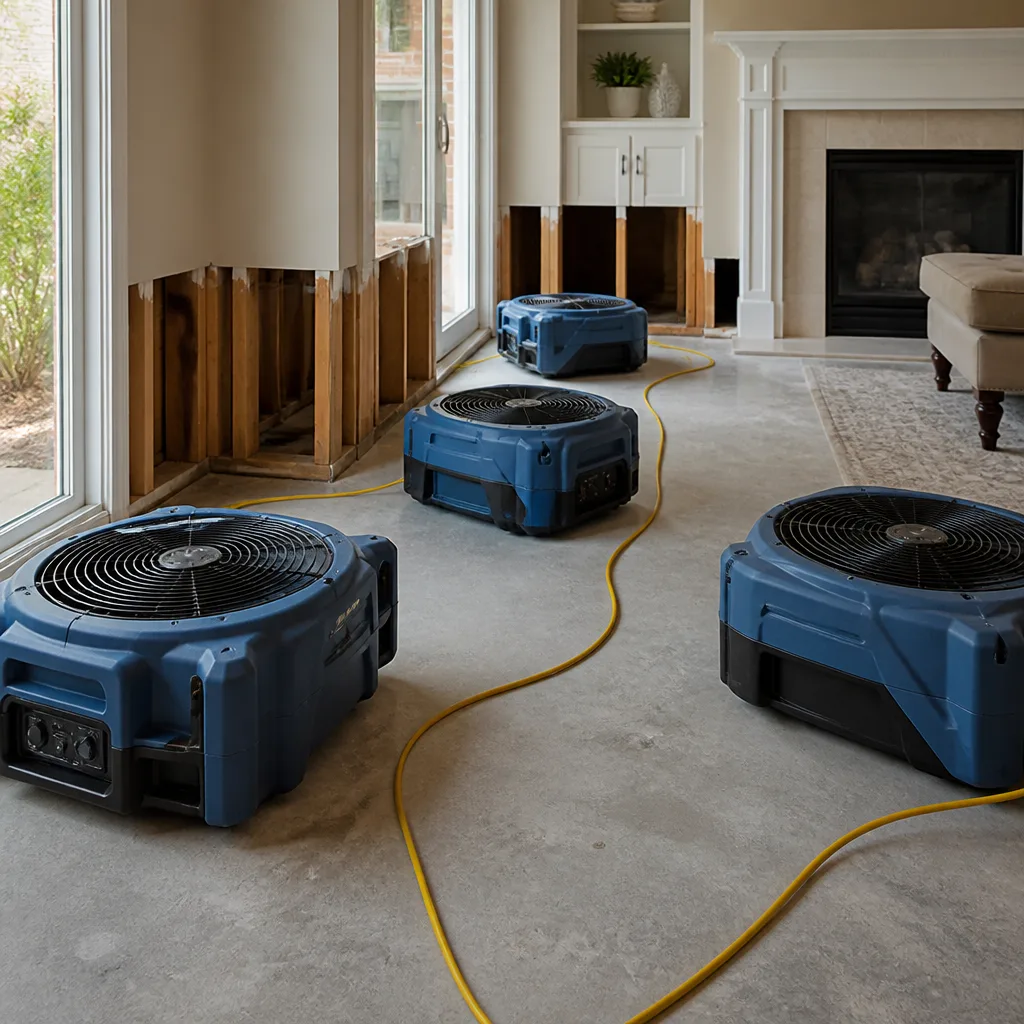
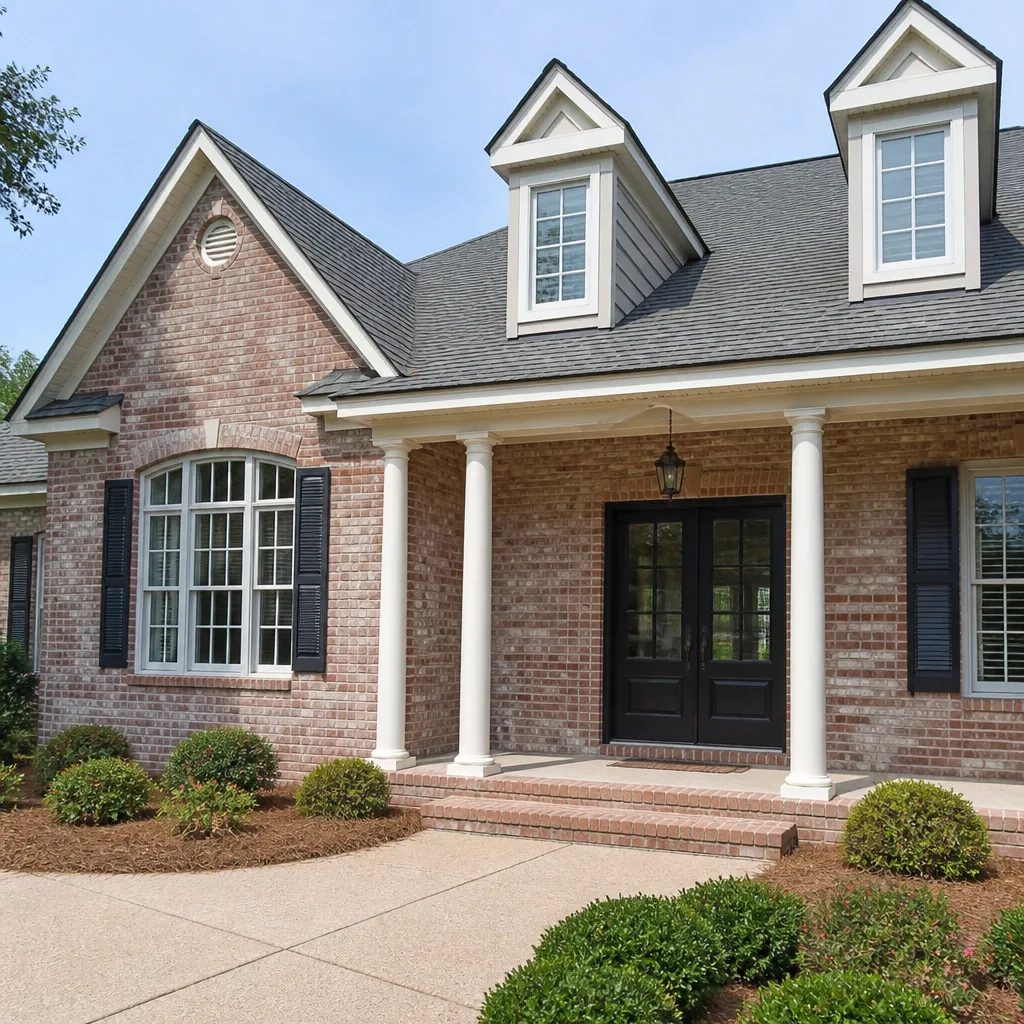
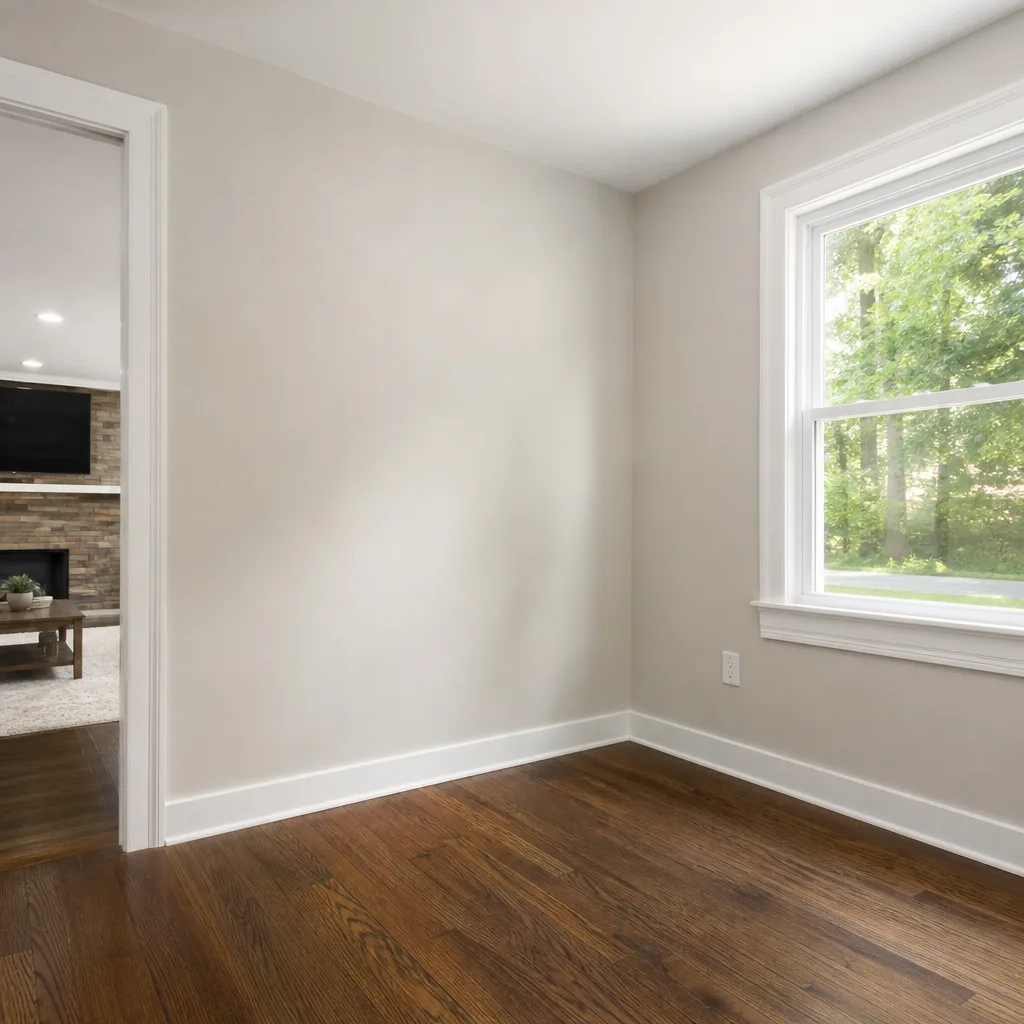
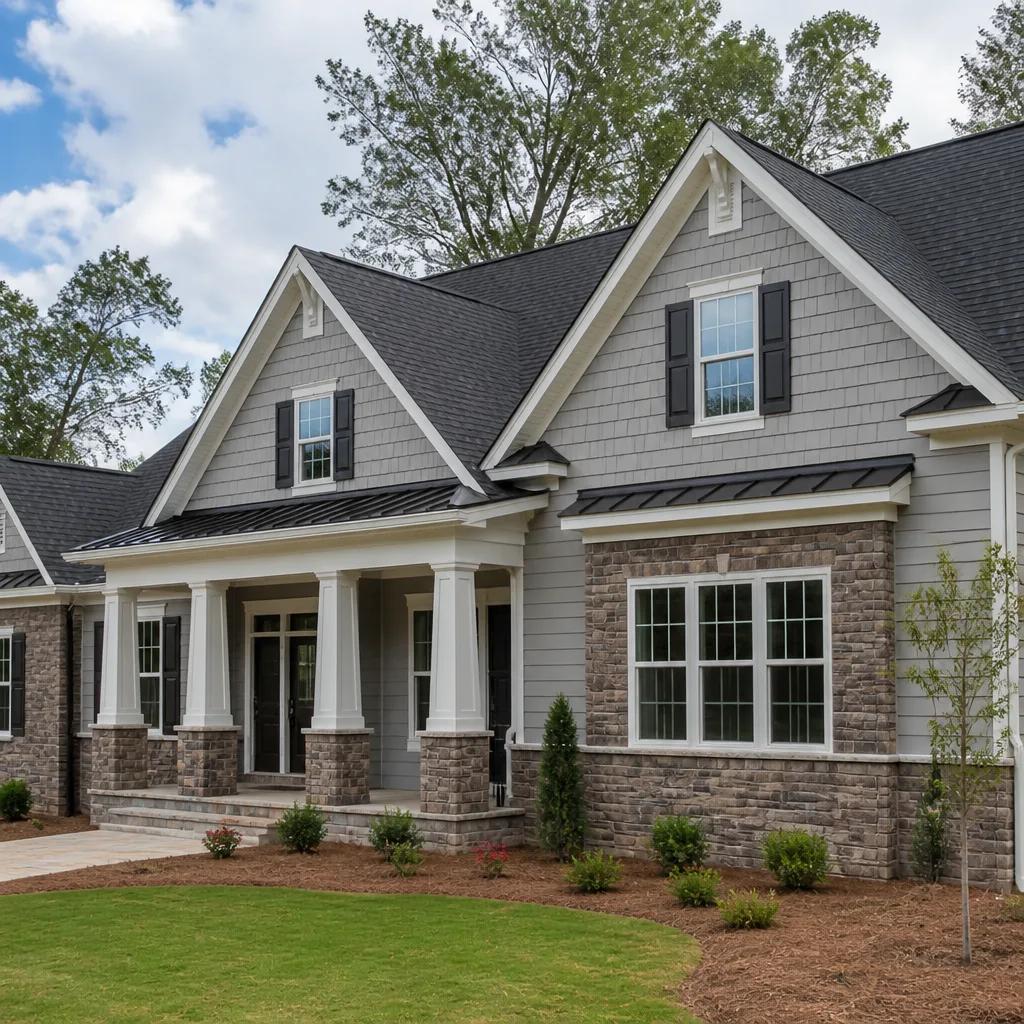
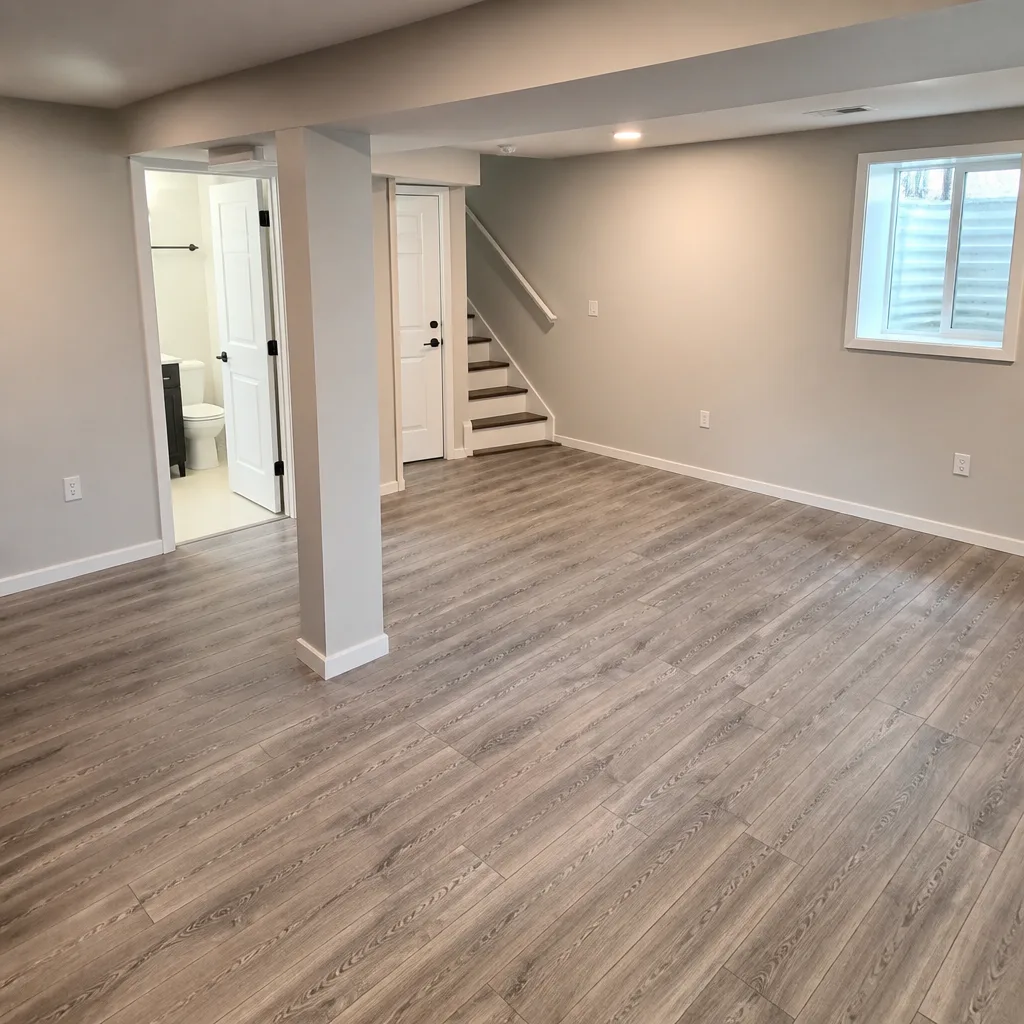
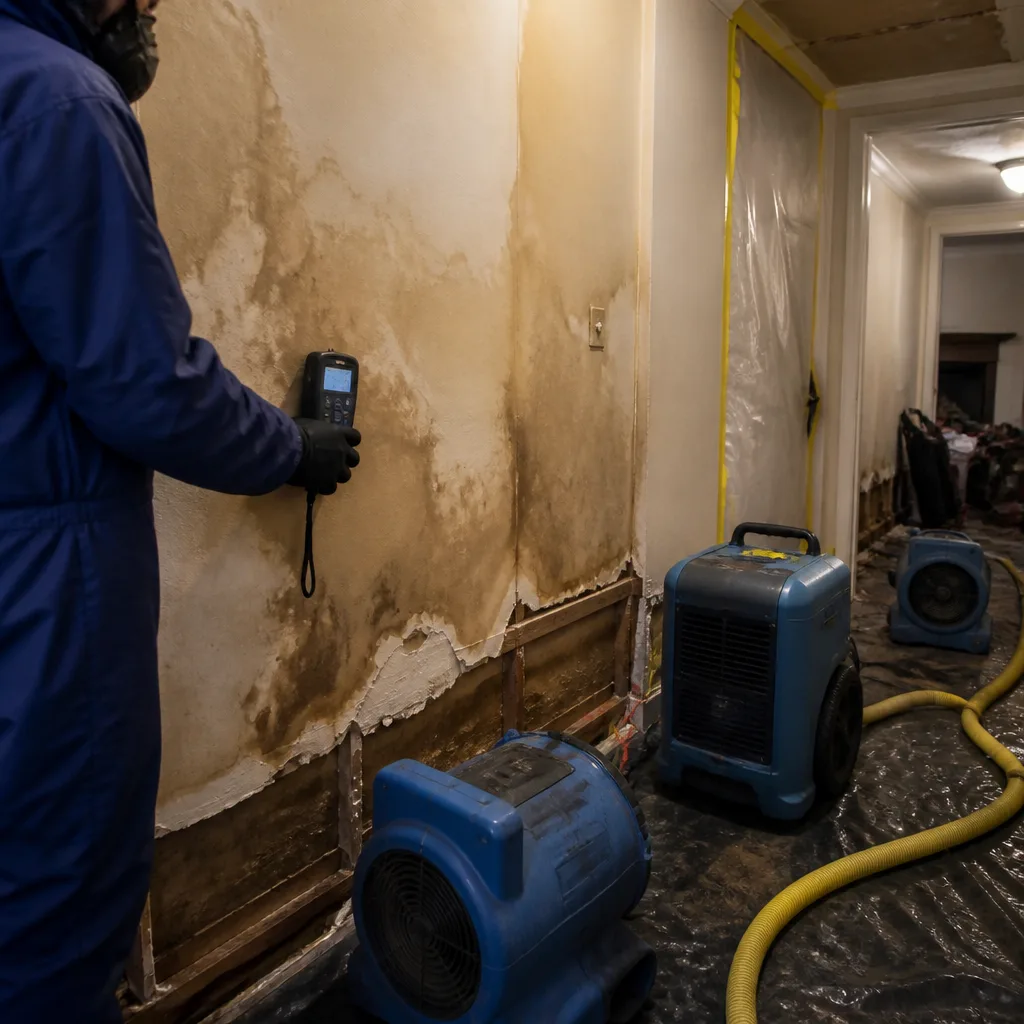 Before
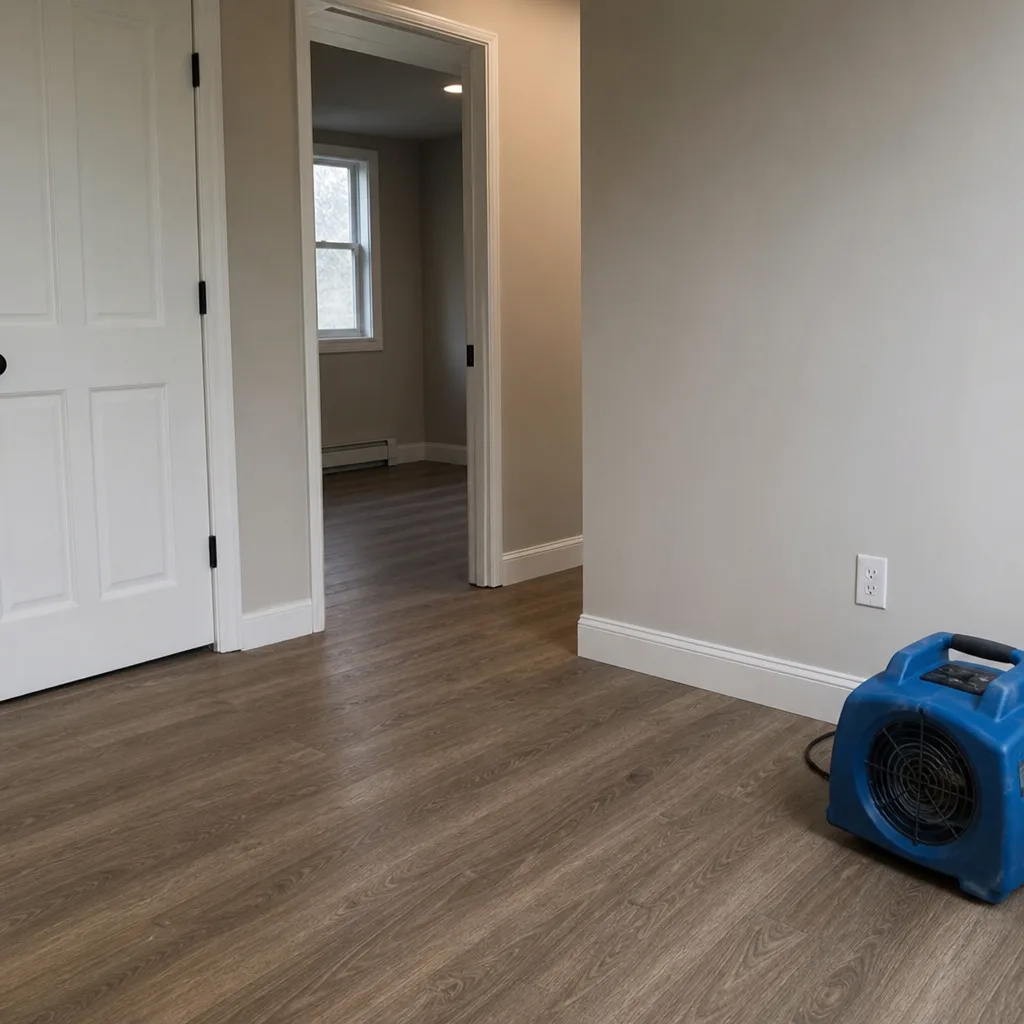 After
After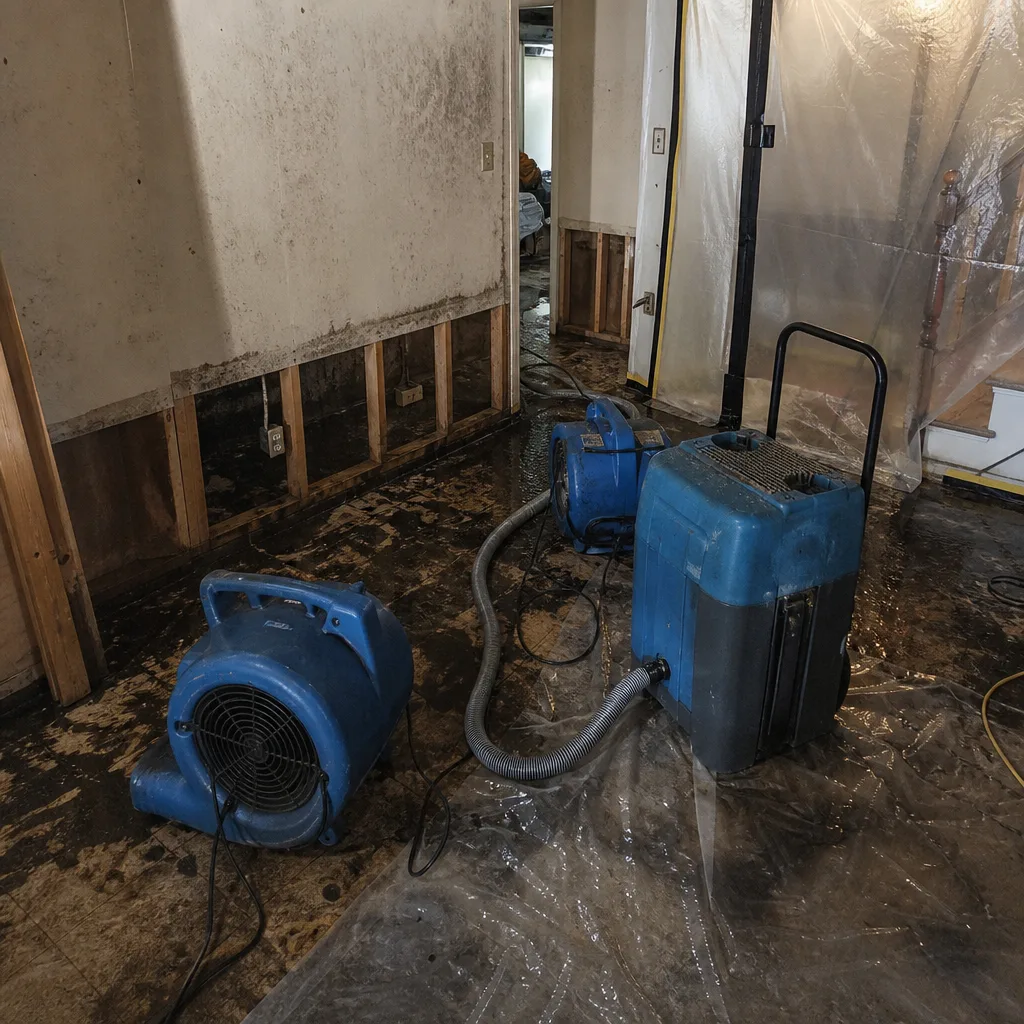 Before
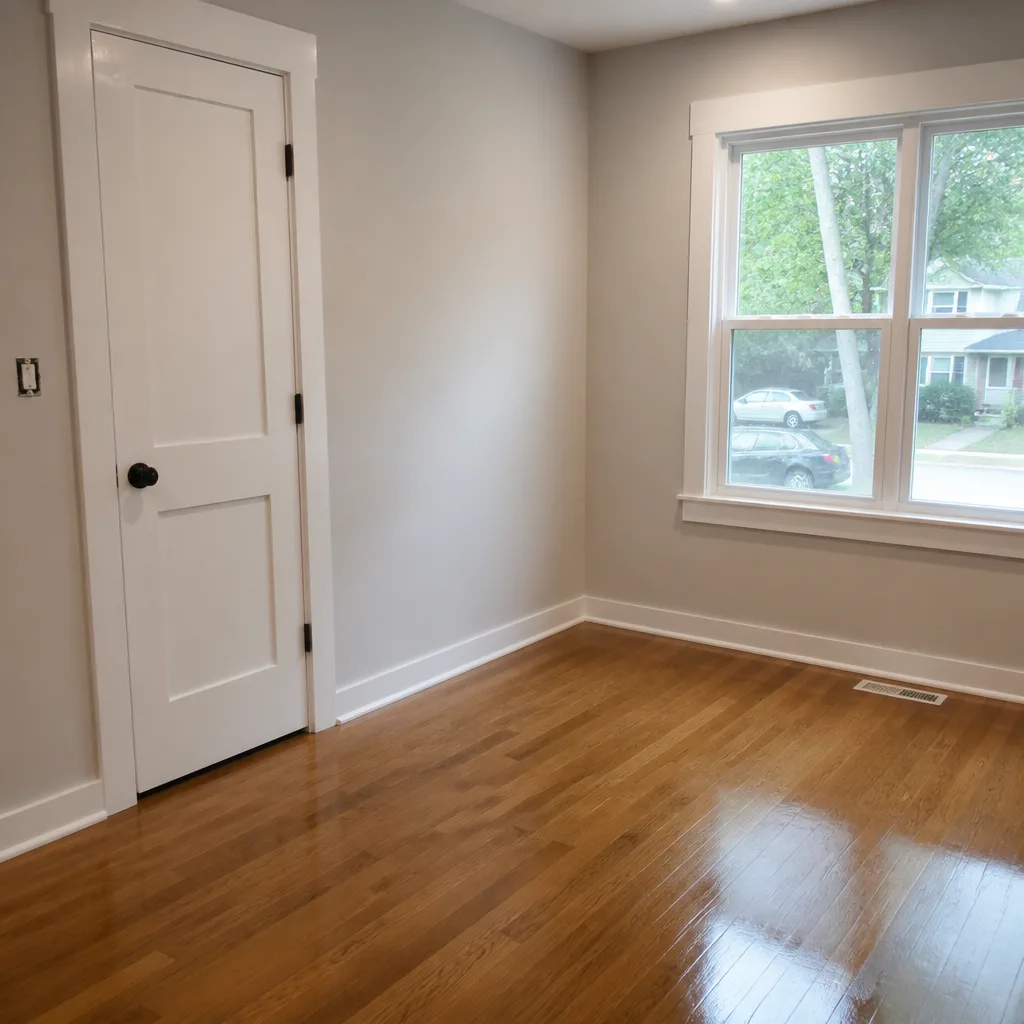 After
After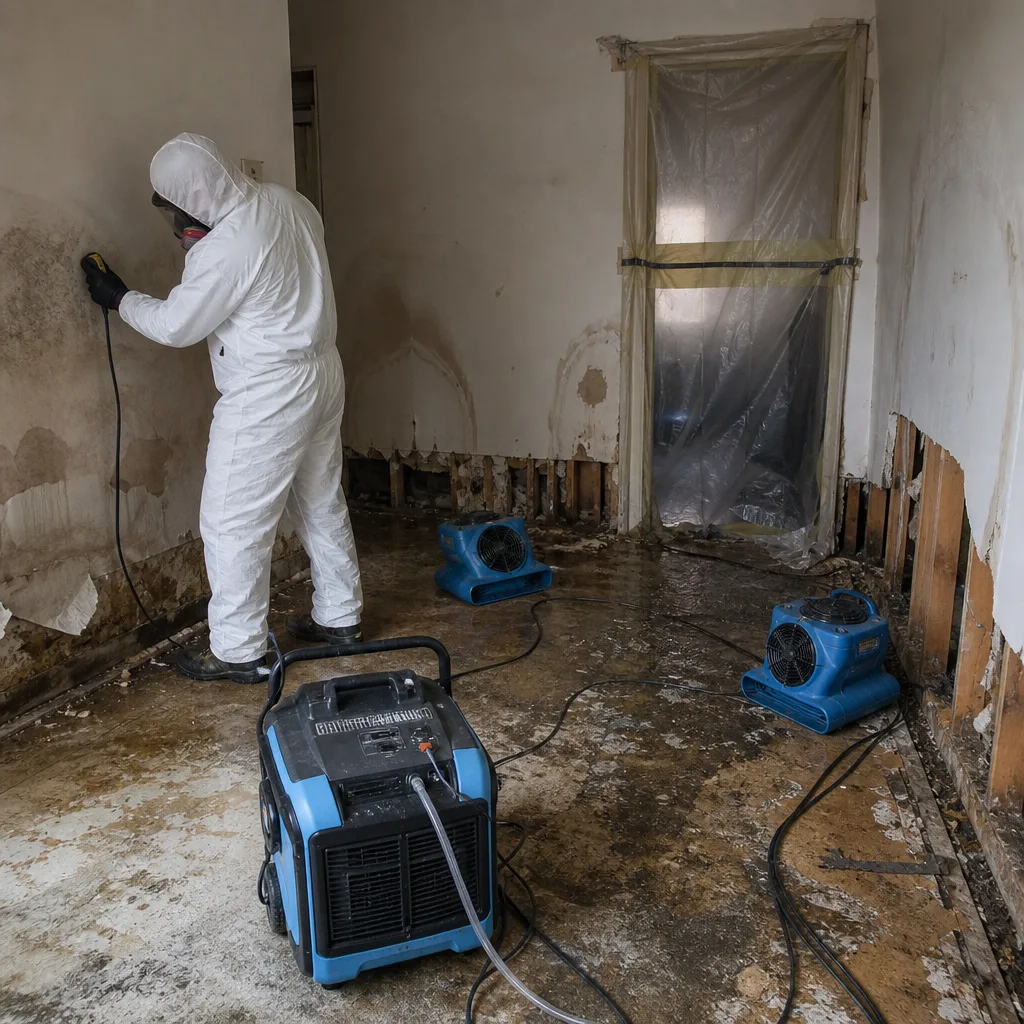 Before
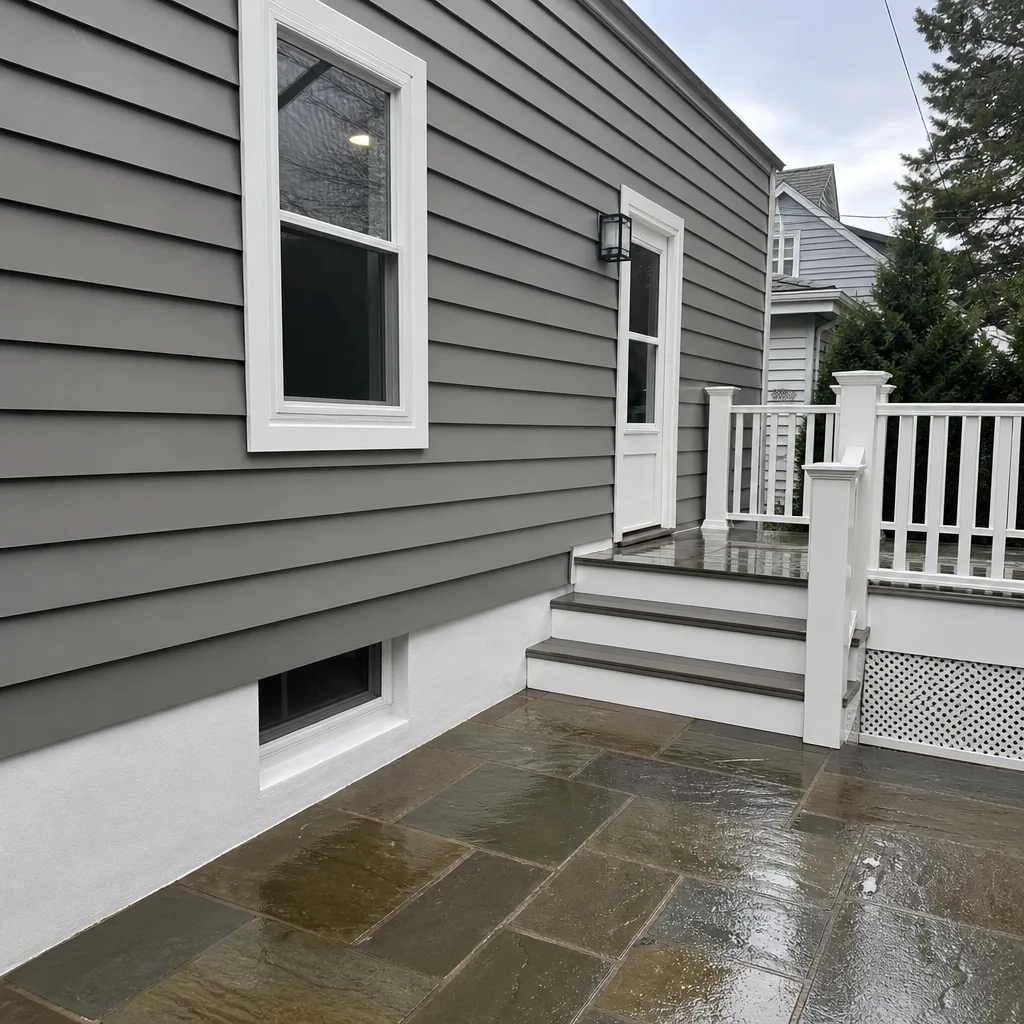 After
After24/7 Emergency Storm & Disaster Restoration in Westwood
A storm tears through Westwood and you’re standing in a flooded basement off Westwood Avenue or Third Avenue at 11 p.m. You call (640) 333-9625 and a live dispatcher picks up. Not a recording. Not a call center script. A Floodline Restoration Co. dispatcher who knows the borough, knows the Pascack Brook flood patterns, and starts moving a crew toward your street while you’re still on the phone. Most emergency calls in Westwood get a certified crew on site within 45 minutes, with extraction equipment running the same visit. The first hour matters because wet drywall in a Westwood basement starts growing mold within 24 to 48 hours. Every hour we’re not extracting, the damage spreads through baseboards, wall cavities, and whatever’s stored along the floor. Call now. We answer live, every hour of every day.
Understanding Storm & Disaster Restoration Severity in Westwood Properties
Storm damage in Westwood splits into categories that determine everything downstream: extraction method, drying time, and how much gets torn out versus saved. Category 1 water comes from broken supply lines or rainwater that hasn’t touched contaminants. Category 2 carries significant contamination, the kind you see when the Pascack Brook overflows into a basement and brings silt, fertilizers, and whatever ran off Bergen County roads. Category 3 is sewage or floodwater that sat long enough to support pathogens. Westwood’s post-WWII Cape Cods and colonials, most built between the late 1940s and 1960s, have poured-concrete or block basements with aging waterproofing membranes. Once water breaches those membranes, it sits against the foundation wall and wicks upward through the sill plate. The older homes near the downtown, some predating WWII, often have stone or rubble foundations that absorb water directly and hold it for weeks. Moisture mapping with thermal imaging tells us how far the water traveled before we cut a single hole. That’s the difference between a targeted dry-out and a full gut of your finished basement.
Why Westwood Property Owners Choose Floodline Restoration Co.
- 45-minute response commitment for emergency calls in Westwood. We dispatch from the metro office and crews reach borough streets quickly.
- A live person answers at 2 a.m. Not an answering service. Not a callback queue. A dispatcher who can have a crew rolling to your street while you’re still on the line.
- IICRC-certified crews trained to WRT, FSRT, and AMRT standards. Background-checked, uniformed, and identified before they walk into your home.
- Free visual inspection so you know exactly what you’re dealing with before any work starts. No charge, no obligation, no estimate games.
- Direct insurance billing. We document everything from the first hour, photo every room, and coordinate with your adjuster so you don’t play messenger.
- One team from extraction to rebuild. The same Floodline crew that sets the drying equipment at day one handles the reconstruction at the end. No mid-job handoff to a crew you’ve never met.
Our Storm & Disaster Restoration Process
Inspection & Assessment
We walk the damage with you, then run thermal imaging and moisture meters to map how far water or soot traveled. On Westwood’s repeat-flood properties, we look specifically for hidden mold behind cosmetic drywall from prior insurance repairs.
Extraction & Stabilization
Standing water comes out first, using truck-mounted extraction on flooded basements. We stabilize the structure, board up openings, and tarp the roof if the storm opened it. The goal in the first visit is stopping ongoing damage.
Drying & Dehumidification
Dri-Eaz dehumidifiers and XPOWER air movers get placed based on the moisture map, with Injectidry floor mats on hardwood and laminate that can be saved. Westwood’s clay-heavy glacial soils slow evaporation, so we log daily readings and don’t pull equipment until the dry standard is met.
Cleaning & Sanitization
HEPA air scrubbers run during and after demolition to clear airborne mold spores and storm contaminant. We apply antimicrobial treatments to affected framing and clean salvageable contents on site where possible.
Mold & Contamination Remediation
When we find mold behind drywall, containment goes up, negative air pressure goes on, and the affected material comes out. This is the step competitors skip when they seal moisture in and move on. We don’t.
Repairs & Restoration
The same certified crew rebuilds what was torn out: drywall, insulation, flooring, trim. You get a written moisture log and the 90-Day Done Right Promise before we call the job complete.
Need Emergency Storm & Disaster Restoration in Westwood Now?
Crews minutes away, answering live 24 hours a day. The sooner we start, the less it costs.
Working With Your Insurance Company
Insurance claims on Westwood storm damage move faster when documentation starts in the first hour. We photograph every affected room before we move anything, log moisture readings daily, and write a line-item scope of work your adjuster can verify against. When your carrier wants to send their own adjuster, we walk the property with them and show exactly what we found, where it measured wet, and what the drying targets are. You never act as the messenger between our crew and your insurance company. We carry direct billing on approved claims and submit documentation in the format your carrier uses. If your adjuster questions an item, we answer with photos, readings, and detailed notes from the day of loss.
What We Provide Your Insurer
- Thorough documentation of the loss
- Photos of all damage, room by room
- Moisture readings and drying logs
- A detailed, line-item scope of work
- Direct coordination with your carrier
Built for Westwood’s Loss Calendar
Westwood’s storm losses follow a predictable calendar. Late winter brings rapid snowmelt that overloads the Pascack Brook tributary system, pushing groundwater into basements across the borough’s flatter streets like those near Westwood Avenue and Broadway. Spring rain saturates the clay-heavy glacial soil until it can’t absorb another inch, sending water through foundation cracks and over window wells. Summer thunderstorms hit fast, dropping multi-inch rain in an hour and overwhelming the borough’s storm drains before they can move the volume. Fall and winter nor’easters combine heavy rain with wind that tears off shingles and sends branches through windows. For older Westwood homes with original cast-iron or galvanized supply lines, deep freezes burst pipes inside walls in January and February. Each season demands a different first response, but they all share one thing: the first 24 hours determine whether you’re drying a basement or rebuilding one.
Storm & Disaster Restoration Across Westwood’s Neighborhoods
The neighborhood around Westwood’s downtown, clustered near Westwood Avenue and Broadway, holds the borough’s oldest housing stock. These pre-WWII homes have stone or rubble foundations that wick water after any significant rain, and our crews regularly handle emergency board-up here after high winds send limbs through original, single-pane windows. The residential blocks off Kinderkamack Road and Lafayette Avenue, filled with post-WWII Cape Cods and colonials, see recurrent basement flooding when the Pascack Brook system backs up. These are the repeat-flood homes where we often find hidden mold behind drywall from prior insurance repairs that sealed moisture in without full structural drying. Streets near the Westwood train station and the NJ Transit Pascack Valley Line corridor have tight access for equipment trucks during rush hours, so our crew schedules heavy extraction equipment for early morning or midday windows when possible. Down by the lower-lying streets near Emerson and the borough line, groundwater intrusion after heavy rain tends to be slower but more persistent, holding moisture against foundation walls for weeks. Homeowners in these areas often need extended dehumidification runs because the soil around their foundations drains poorly.
Specialized Storm & Disaster Restoration Services We Offer in Westwood
Flood Damage Restoration
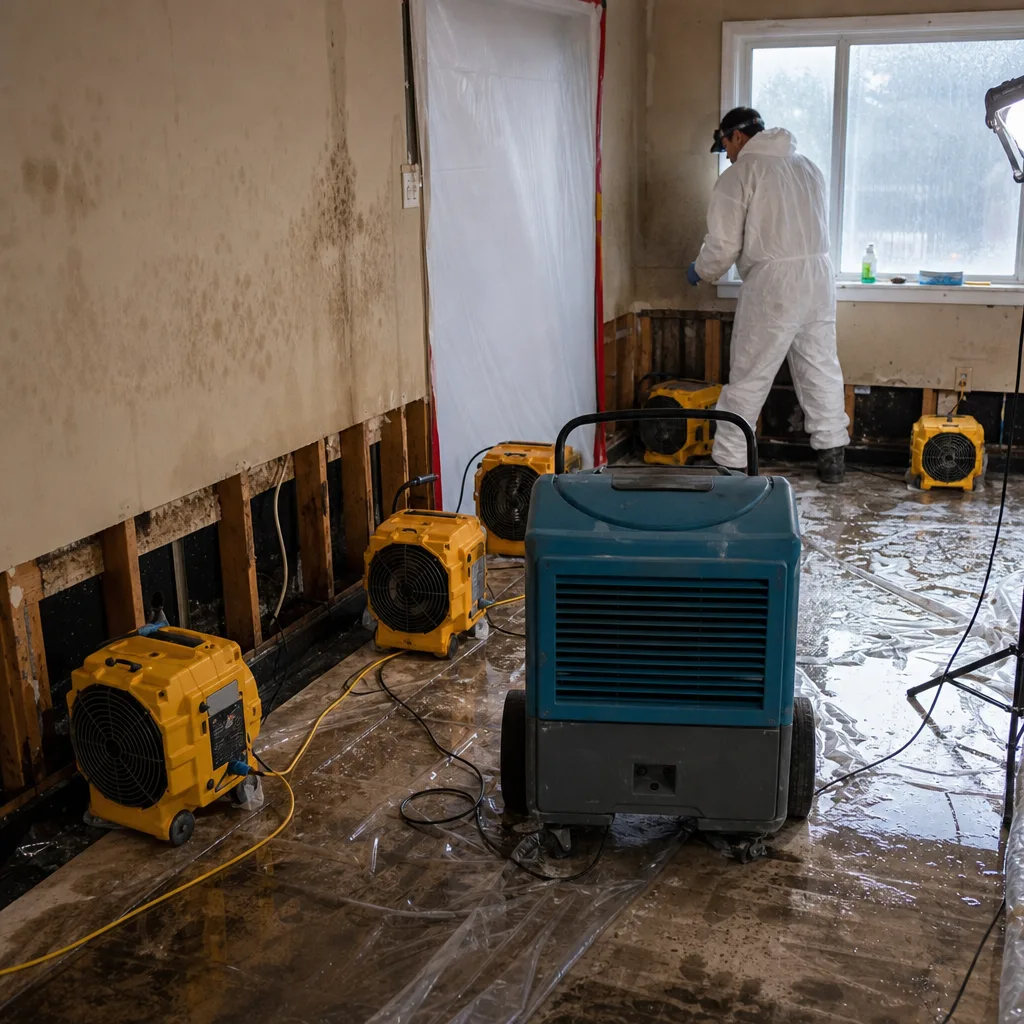
When the Pascack Brook overflows into a Westwood basement, our first job is getting standing water out and containment up. We carry truck-mounted extraction, and with multiple crews on rotation, we can start pulling water the same visit. After extraction, we map moisture, set drying equipment, and start watching for the mold growth that clay soil and high groundwater accelerate here. Repeat-flood basements get a full inspection for pre-existing moisture damage before new work begins, because we won’t warranty new drywall over old water damage.
Emergency Board-Up
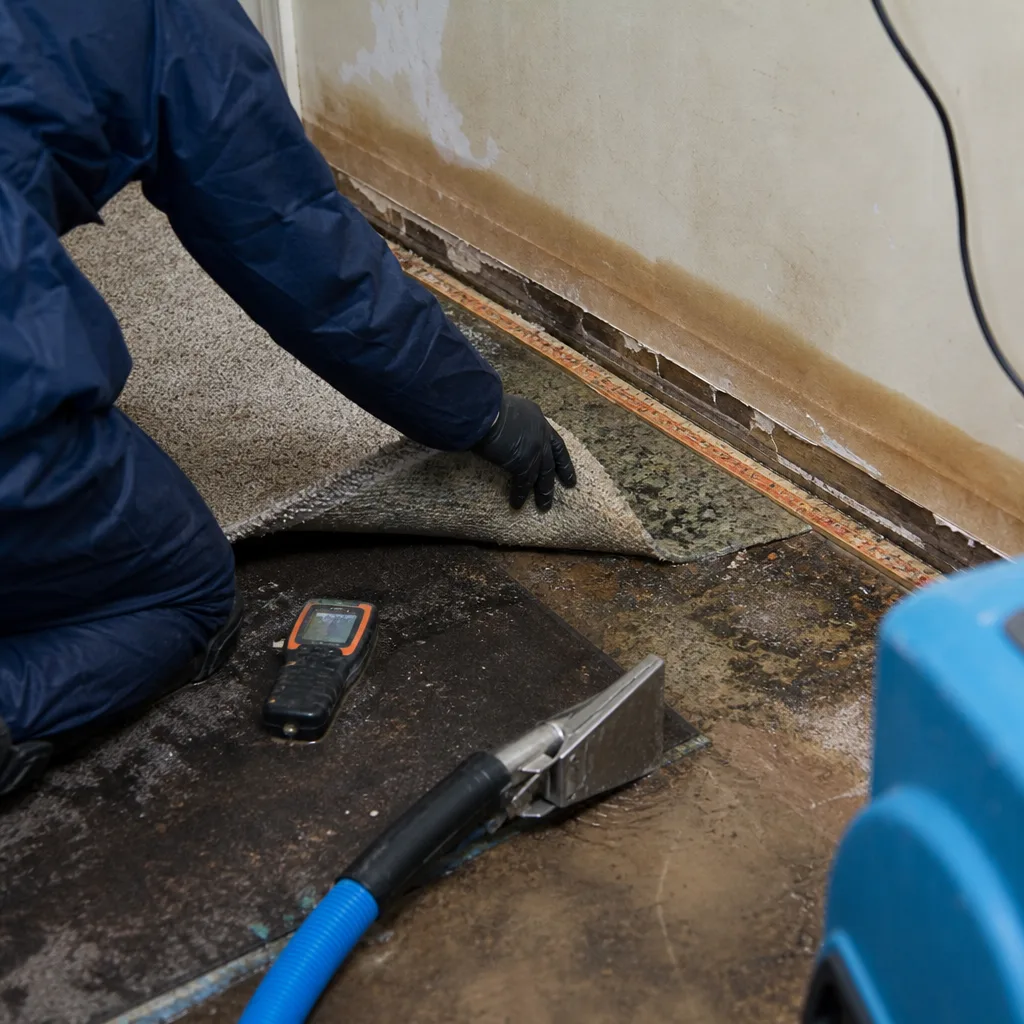
Westwood’s older downtown homes with original windows need board-up after wind damage and storm debris strikes. We secure openings with plywood cut to fit, tarp exposed roof sections, and stabilize door frames until permanent repairs are scheduled. On stone and rubble foundation homes, we check basement entry points too, because storm water finds every gap. Board-up is a temporary measure done right: no exposed nails, no gaps for animals, no unsecured panels that rattle all night.
Debris Removal
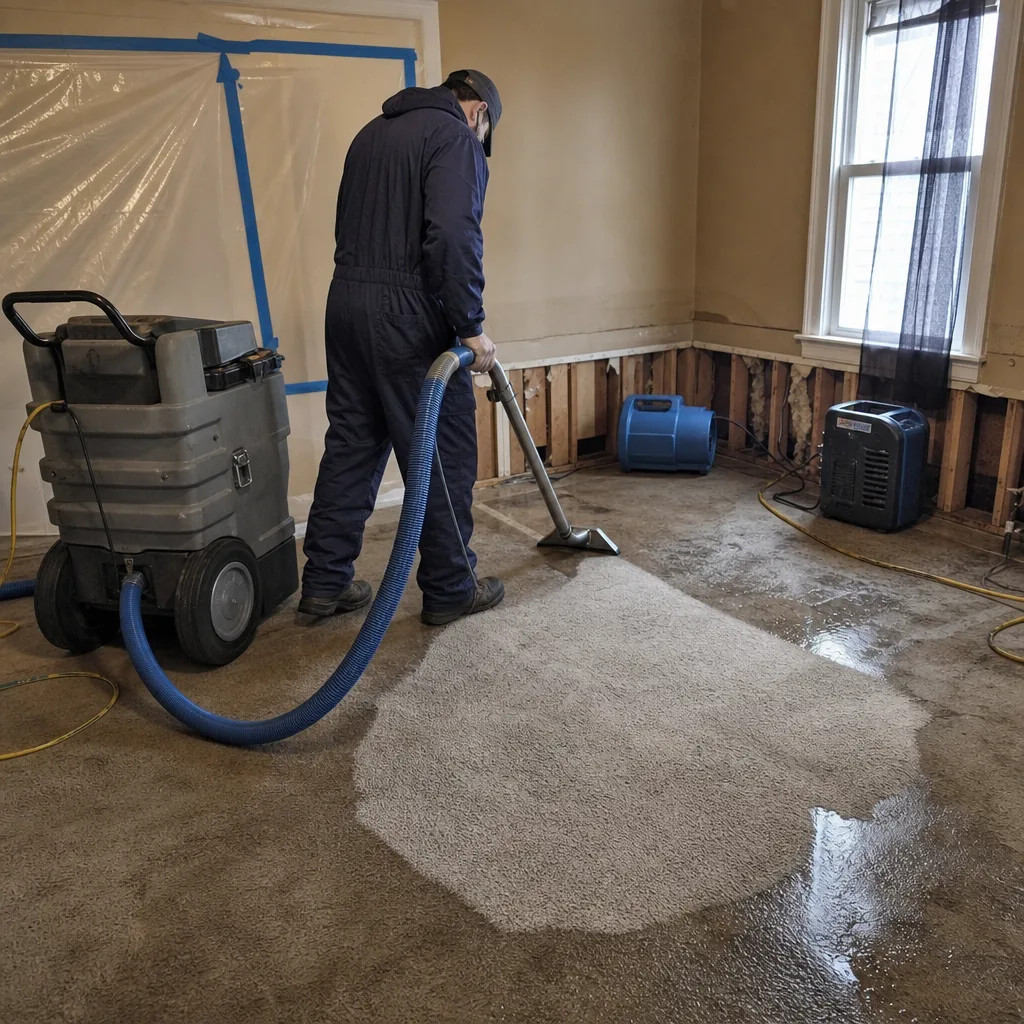
After a nor’easter, Westwood yards fill with limbs, shingles, and whatever the wind carried. We remove storm debris from the property as part of full damage restoration, separating what’s salvageable from what goes. For homes off Kinderkamack Road and the narrower side streets, we coordinate debris staging so it doesn’t block driveways or the street while our drying equipment is running. Debris that holds moisture against your foundation or siding gets prioritized, because it keeps working against the house until it’s gone.
What happens when you call
- 1
A real person answersNo phone trees - you reach a local pro.
- 2
You get an upfront price rangeHonest numbers before anyone is dispatched.
- 3
A background-checked tech heads outLicensed & insured, dispatched right away.
- 4
You approve before work beginsNothing starts until you say go.
Storm & Disaster Restoration Costs in Westwood, NJ
Flood damage restoration in Westwood typically runs $3,200 to $7,500 for a standard finished basement, depending on how far water traveled behind walls and whether mold is present. Emergency board-up runs $250 to $800 per opening, including materials and labor. Debris removal usually runs $300 to $1,200 depending on volume and whether it requires a separate haul. A full storm restoration with reconstruction work can reach $15,000 to $40,000 when framing, drywall, and flooring get replaced. What moves the price: Category 2 or 3 water versus clean Category 1, how much drywall needs cutting, whether hardwood flooring can be saved with drying mats, and how many days of equipment run time Westwood’s clay soils demand. Insurance covers most storm-related damage when the documented loss meets your policy terms. Our free visual inspection gives you a firm scope of work in writing before anything is signed, so you know exactly what the job entails and what it costs.
We Also Serve Cities Near Westwood
Floodline Restoration Co. crews regularly handle storm damage restoration in the neighboring Bergen County towns of Emerson, Haworth, Oradell, and Dumont. The same certified crews, the same 45-minute response commitment, and the same direct insurance billing apply when a storm pushes damage outside Westwood’s borough lines. Call (640) 333-9625 and the live dispatcher routes the nearest available crew to your street.
Westwood Storm & Disaster Restoration Questions, Answered
Why do so many Westwood basements need mold remediation before storm damage restoration can even start?
Westwood’s repeat-flood homes in the Pascack Brook watershed often have hidden mold behind cosmetic drywall from prior insurance repairs that sealed moisture in without full structural drying. We find this on basements that have had multiple claims over the years, where a previous contractor cut away wet drywall, hung new board, and never checked what was growing in the wall cavity. We moisture-map and run containment checks before new structural drying starts, because drying a basement with hidden mold just spreads spores through the house. Call (640) 333-9625 for a free inspection if your basement has flooded more than once.
How do you handle emergency board-up on Westwood’s older downtown homes with stone or rubble foundations?
Stone and rubble foundations absorb water differently than poured concrete, so board-up on these homes includes checking basement entry points and window wells where storm water collects. We cut plywood to fit original window openings, secure it from the outside, and check that the foundation’s weep areas are still draining. The board-up is temporary, but it has to hold against wind, rain, and animals until permanent repairs are scheduled. Call (640) 333-9625 and a crew can be on site within 45 minutes for emergency board-up anywhere in Westwood.
What makes drying times longer in Westwood compared to neighboring Bergen County towns?
Westwood sits on clay-heavy glacial soil that drains slowly, which keeps groundwater high around foundations after rain events. That groundwater keeps wicking moisture into basement walls and slabs while our equipment is running, extending drying times compared to towns with sandier, better-drained soils. We account for this in our scope of work: expect 4 to 7 days of active drying on a typical Westwood basement flood, sometimes longer on older homes with stone foundations. Daily moisture readings tell us exactly when the dry standard is met, not a calendar guess.
Can you restore a Westwood basement that has been flooded multiple times without tearing out everything?
Usually, yes. We cut away only what reads wet on the moisture map and what tests positive for mold. In repeat-flood basements, that often means removing lower wall sections and flooring while preserving upper drywall and finished ceilings. The key is finding the hidden damage before it spreads. On Westwood basements with prior cosmetic repairs, we almost always find moisture or mold behind the newer drywall. We tear out only what needs to go and rebuild to pre-loss condition. The free inspection tells you exactly how much needs to come out.
What does your team do about parking and access for storm cleanup on Westwood’s narrow residential streets?
Westwood’s side streets off Kinderkamack Road and Lafayette Avenue don’t leave much room for equipment trucks and dumpsters. We send a site lead ahead to mark a staging zone, then coordinate heavy extraction equipment during daylight hours when parking is easier. For downtown homes near Westwood Avenue, we schedule debris haul-away around business traffic and use smaller vehicles for initial response when needed. We’ve been running crews through these streets long enough to know where a box truck fits and where it doesn’t.
How fast can you actually reach a home in Westwood?
Most emergency calls in Westwood get a crew on site within 45 minutes. Dispatching runs from the metro office, and with live dispatch 24/7, a crew is rolling while you’re still on the phone. For flooding on the lower-lying streets near the borough line, that response window matters because water keeps spreading until extraction starts. Call (640) 333-9625 day or night and you’ll reach a live dispatcher who can tell you exactly when our crew arrives.
Will my insurance cover storm damage restoration in Westwood?
Most standard homeowner policies in New Jersey cover storm-related water damage, wind damage, and debris removal when the cause is documented and the loss is sudden, not gradual. Flooding from the Pascack Brook overflow may require separate flood coverage depending on your policy. We photo-document everything from the first hour, write scopes in the format your carrier uses, and bill approved claims directly so you’re not chasing reimbursement. Bring your policy to the free inspection and we’ll help you understand what’s covered before work starts.
What should I do in the first 30 minutes after a storm damages my Westwood home?
Call (640) 333-9625 first. Then, if water is involved, shut off power to affected areas at the breaker if you can reach it safely and stand clear of any water near outlets or the panel. Photograph everything with your phone before moving anything. Don’t walk through floodwater from outside sources; it may carry sewage or contaminants. Don’t start pulling up carpet or cutting drywall yourself on Westwood’s older homes, because you may be cutting into asbestos-era materials or spreading mold spores. The first 30 minutes are for calling us and documenting, not for do-it-yourself demolition. Our crew handles the rest.
Serving Westwood, NJ - Our Local Coverage Area
We’re based in the Westwood area and know this community well. Use the map below to see our service coverage - if you’re nearby, we can almost certainly help.
Get Storm & Disaster Restoration Help in Westwood Now
When a storm hits Westwood, the water doesn’t wait for business hours and neither do we. A live dispatcher answers at (640) 333-9625 any hour of any day, and a certified, background-checked crew can be on your street within 45 minutes. You’ll get a free visual inspection, a written scope of work before anything is signed, direct insurance billing, and the 90-Day Done Right Promise in writing. One call starts everything.
Written by Curt Bowman, Owner at Floodline Restoration Co., serving Westwood and Bergen County with full-cycle storm and disaster restoration since 2010.