

Free visual inspection and a written scope of work before any mitigation begins - photos, moisture readings, and drying logs go in your claim file
The scope we write is the scope we bill. Anything new gets shown to you, in writing, before we touch it.
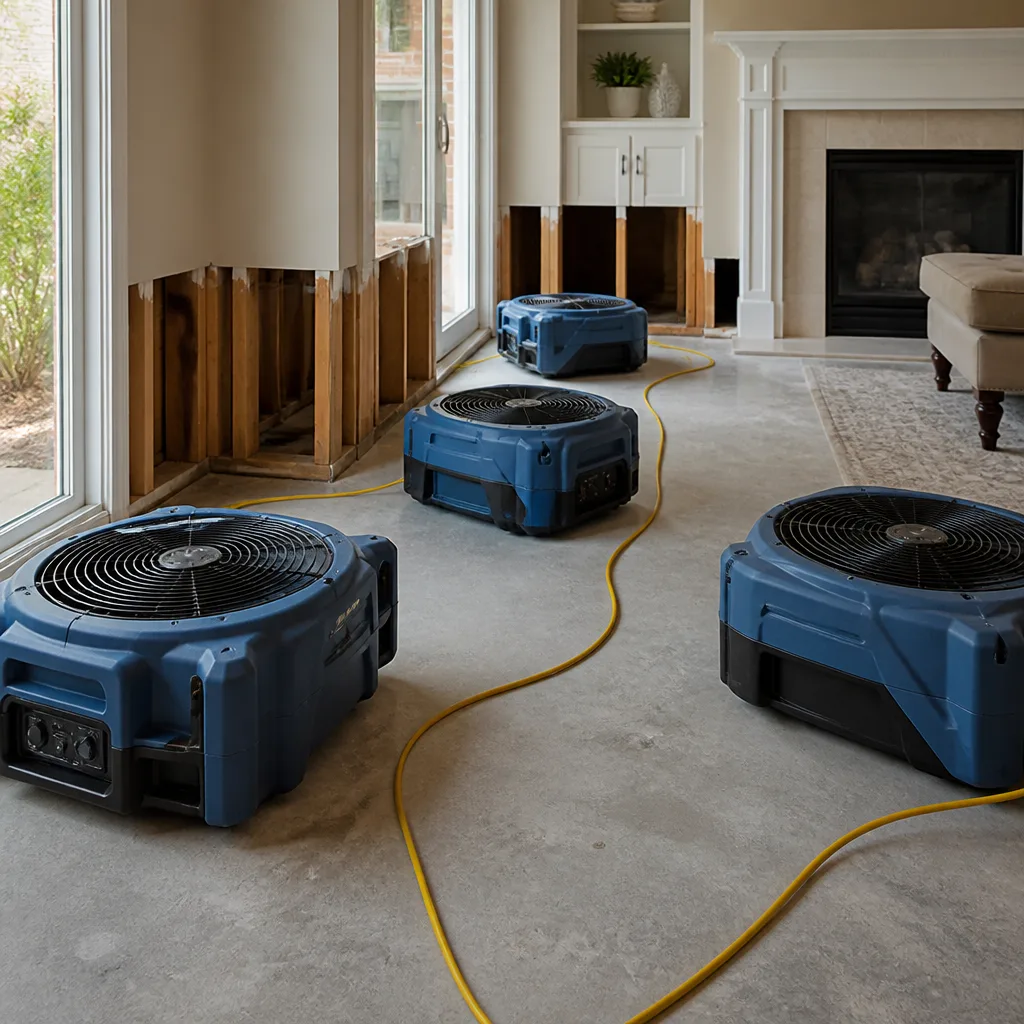
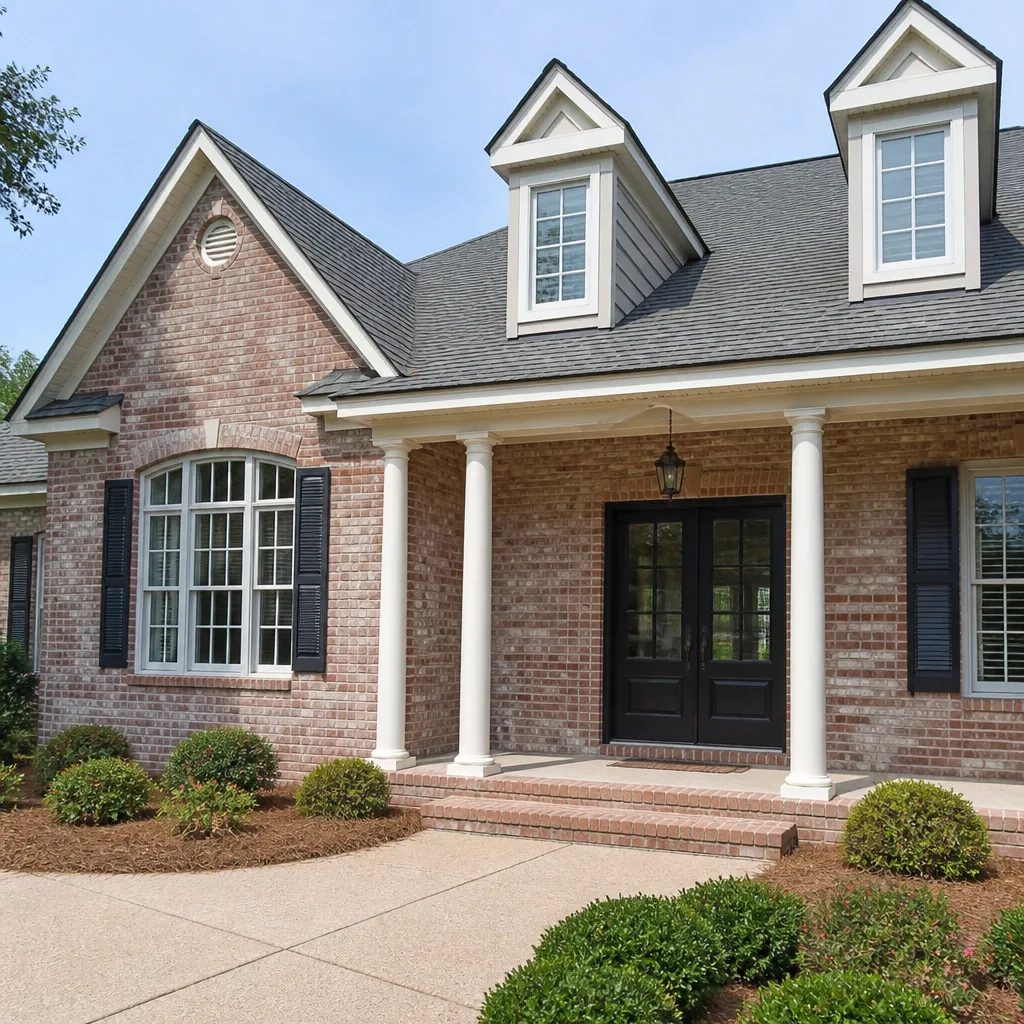
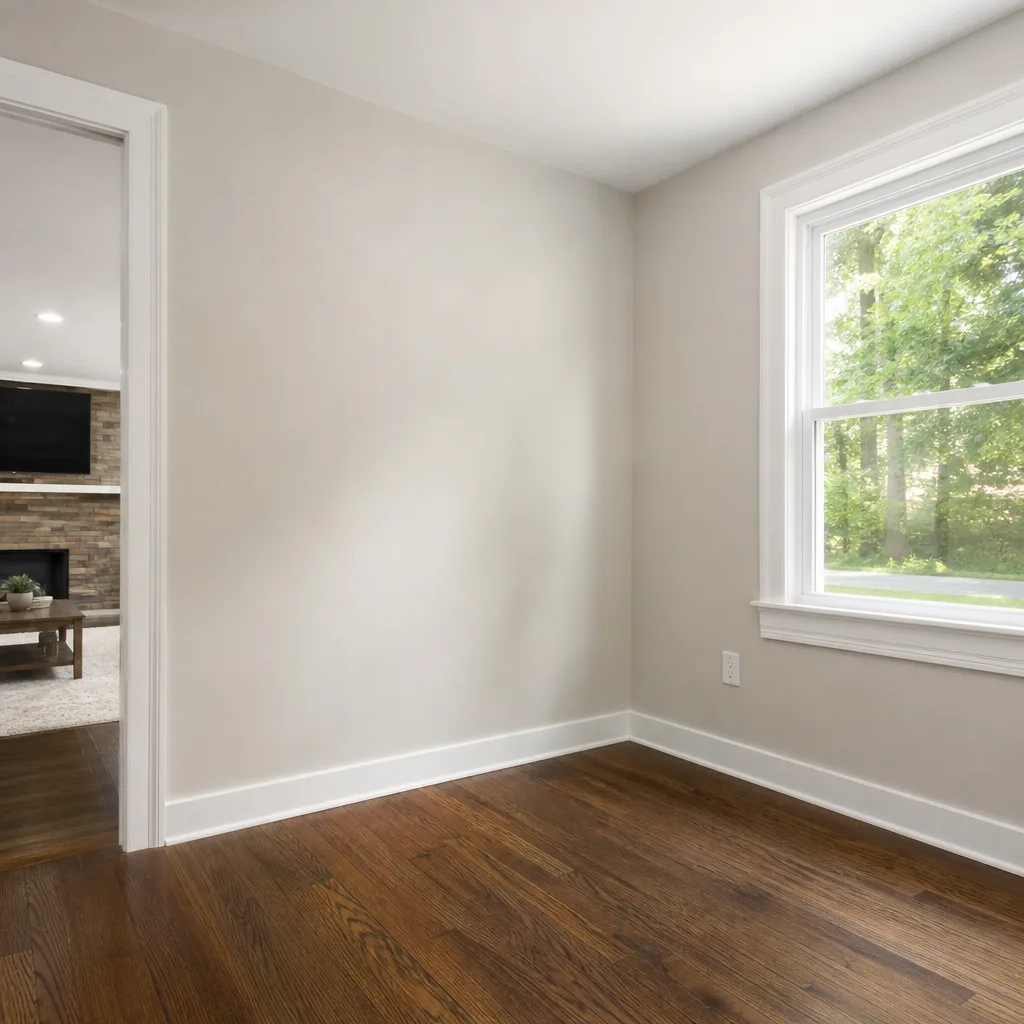
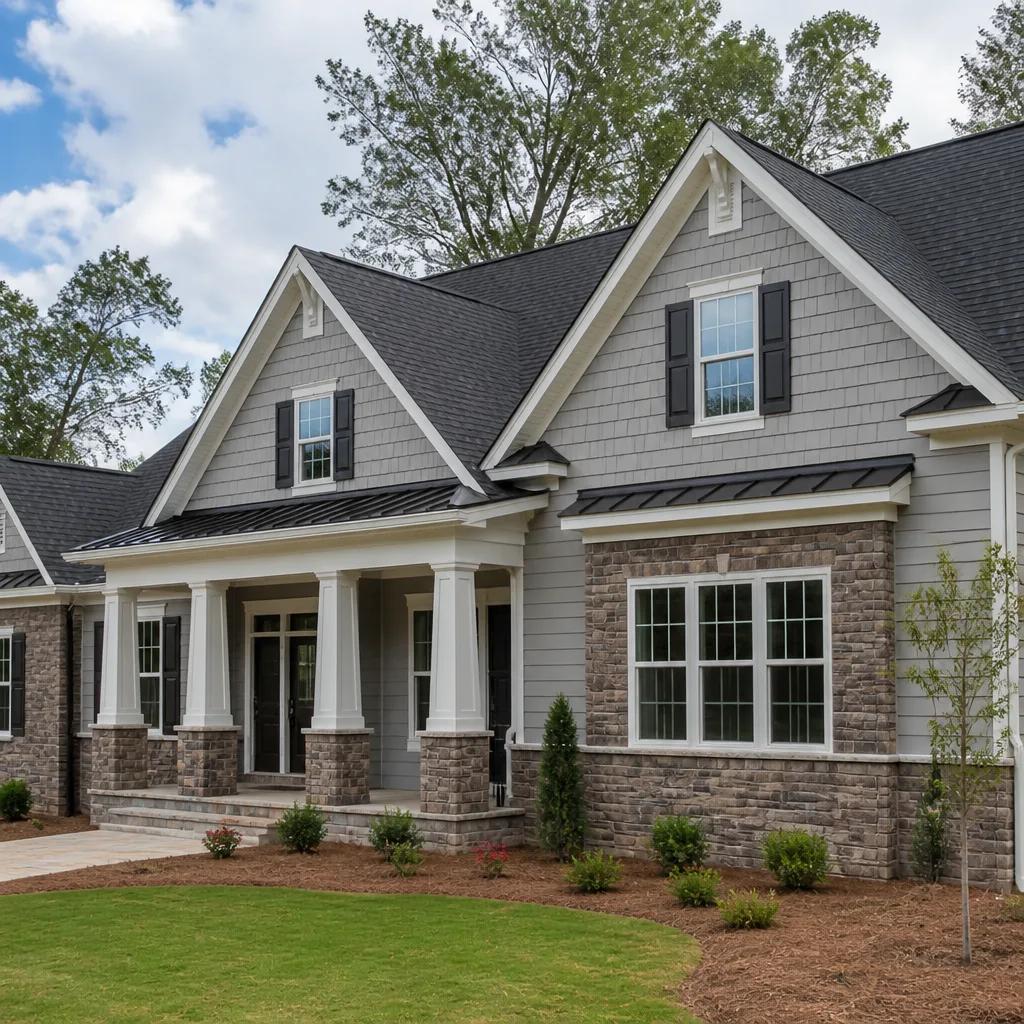
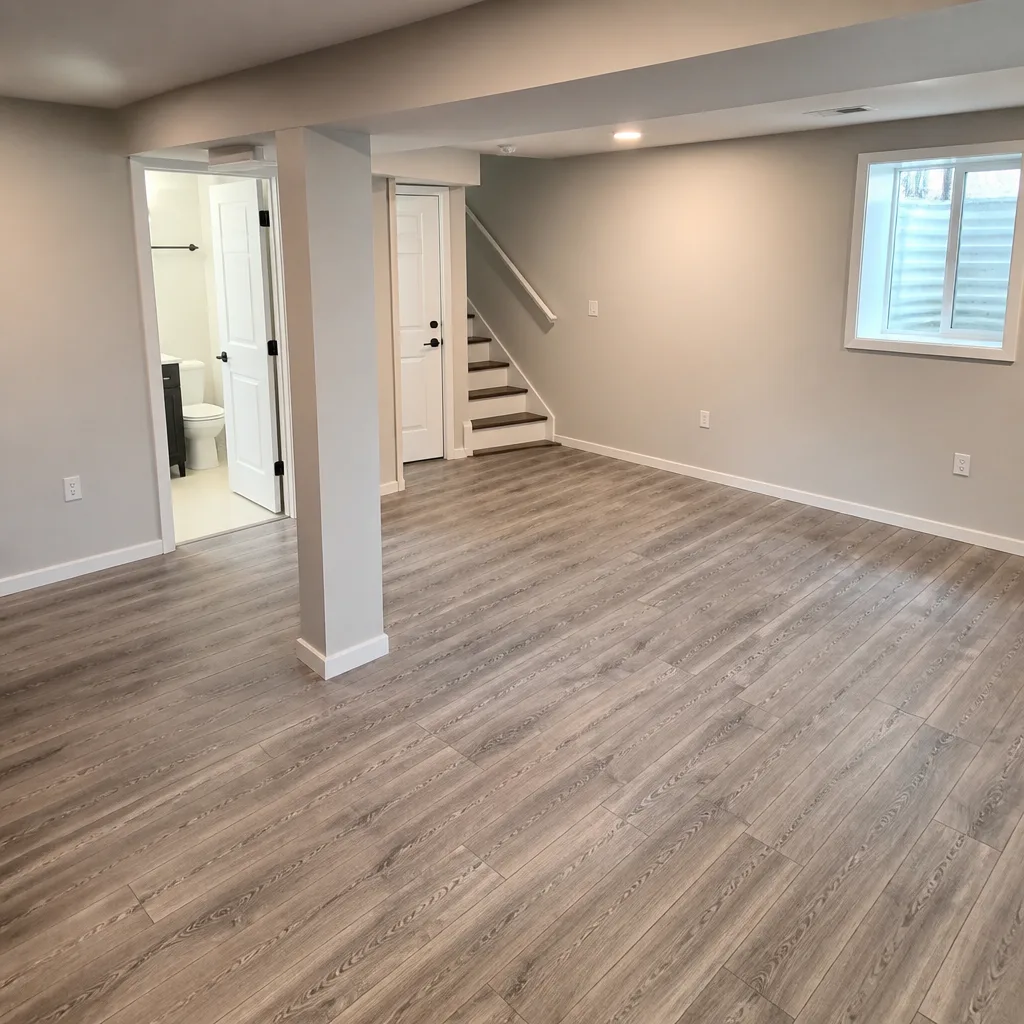
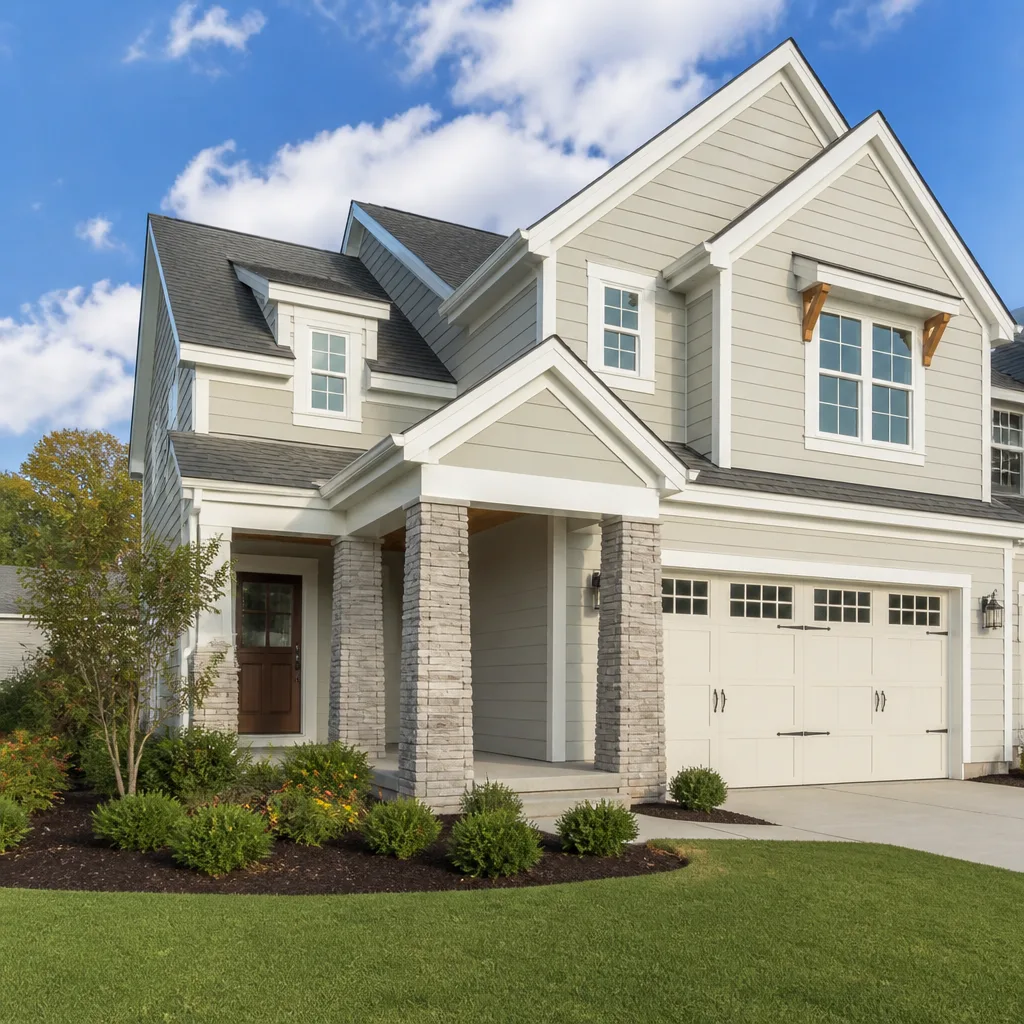
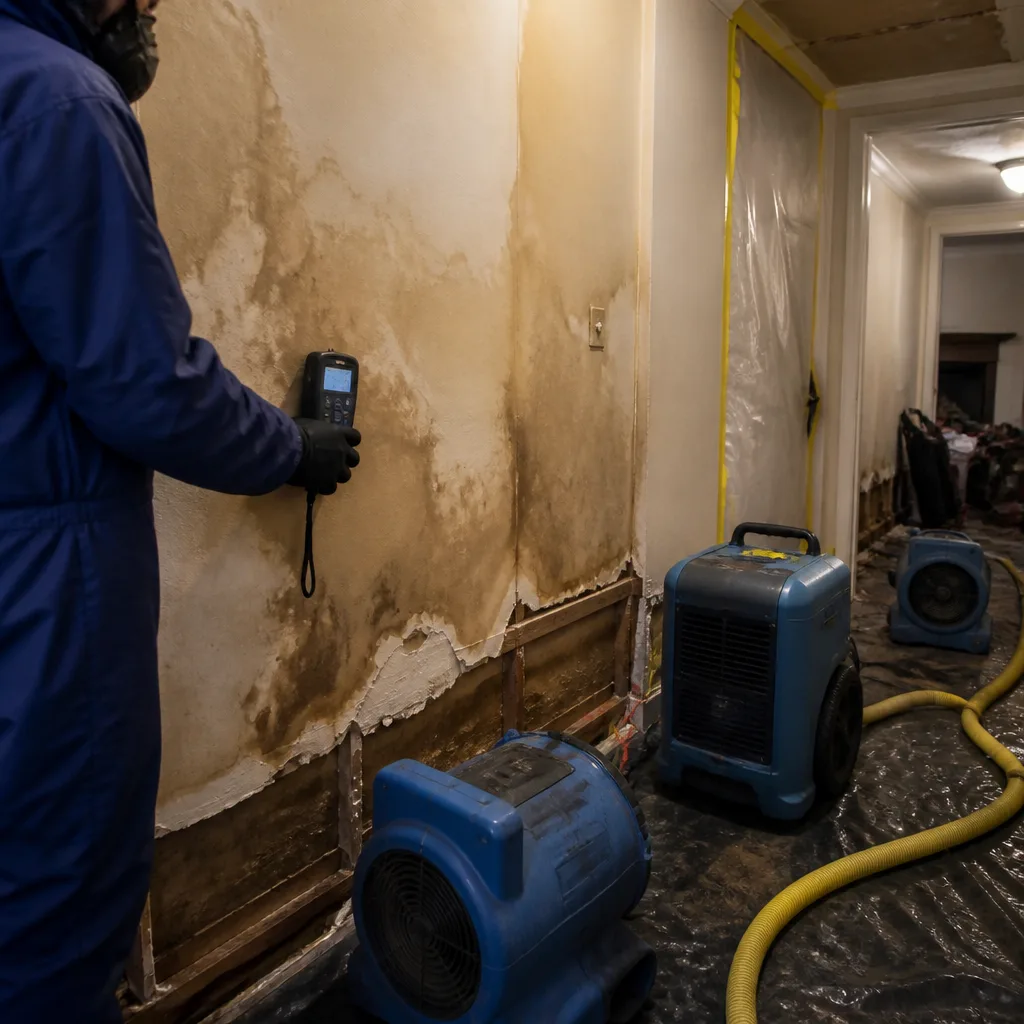 Before
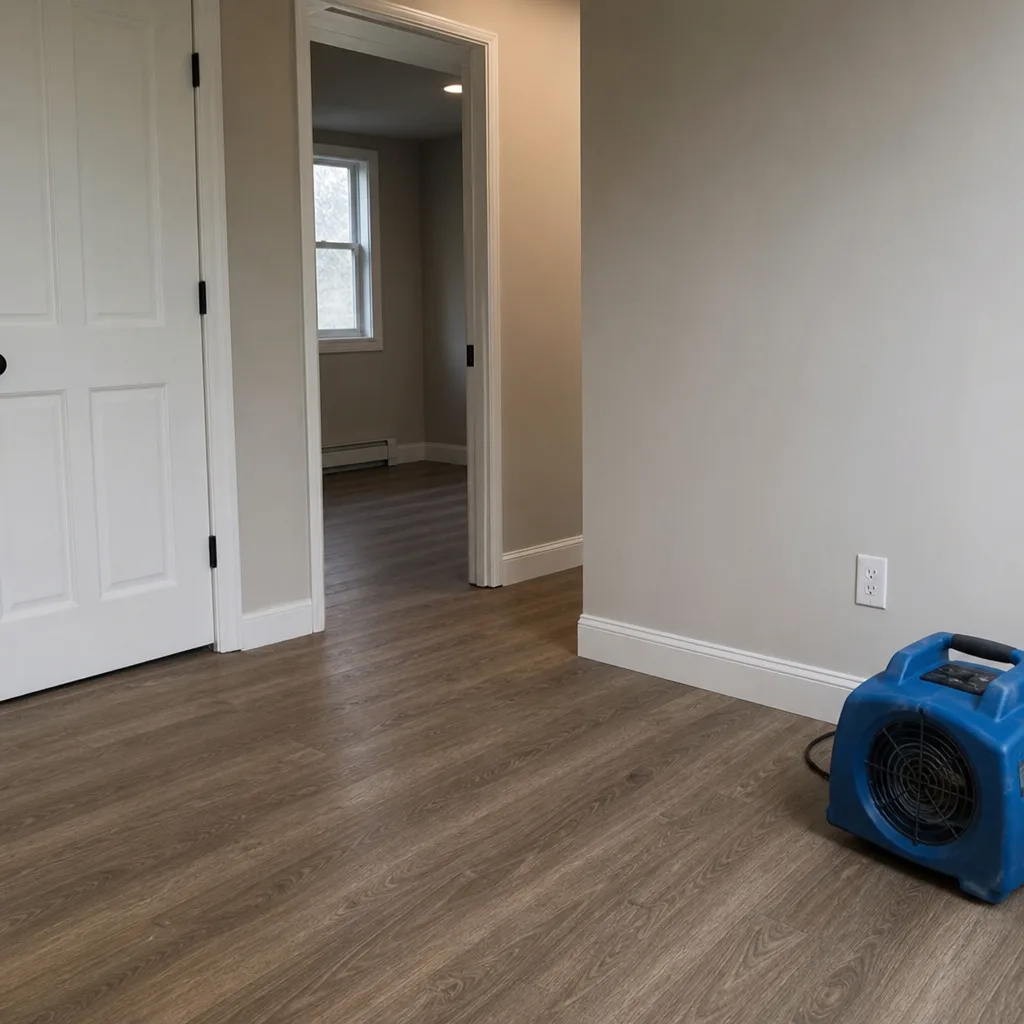 After
After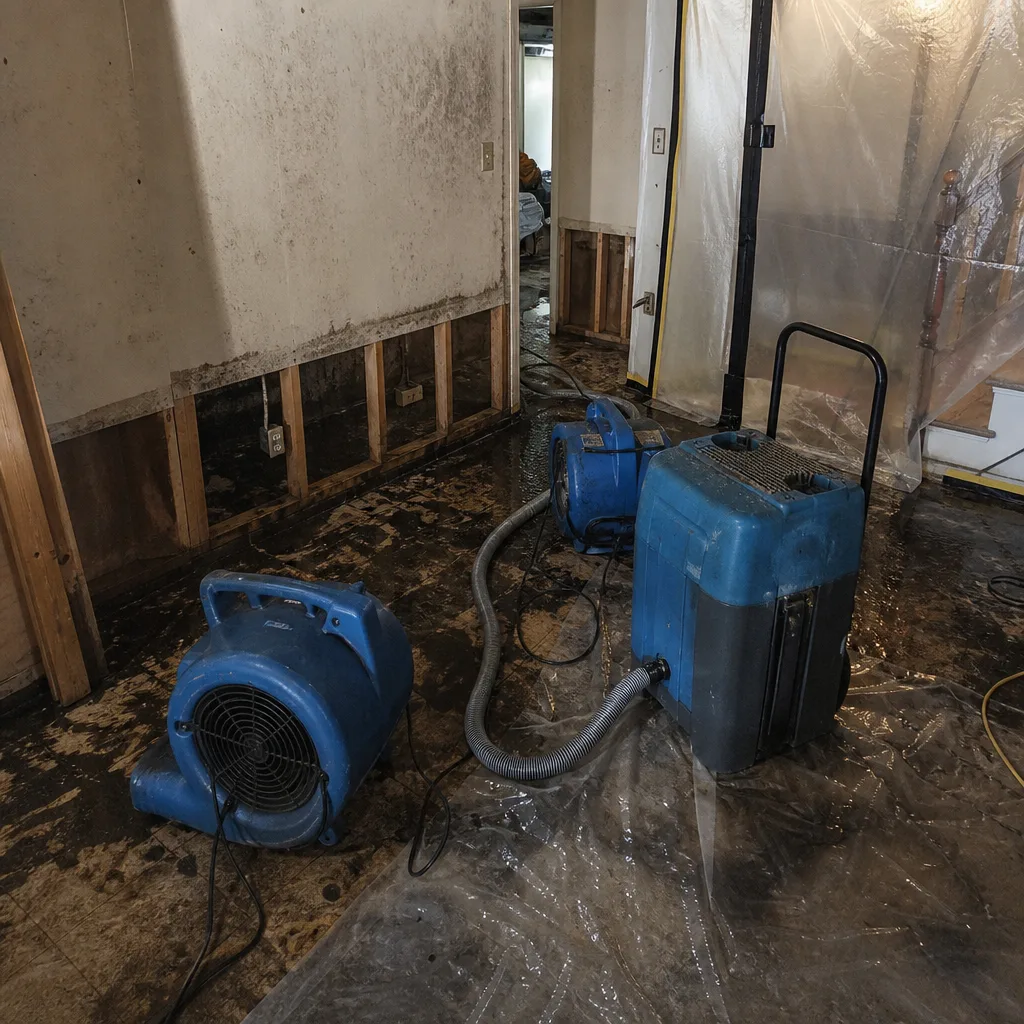 Before
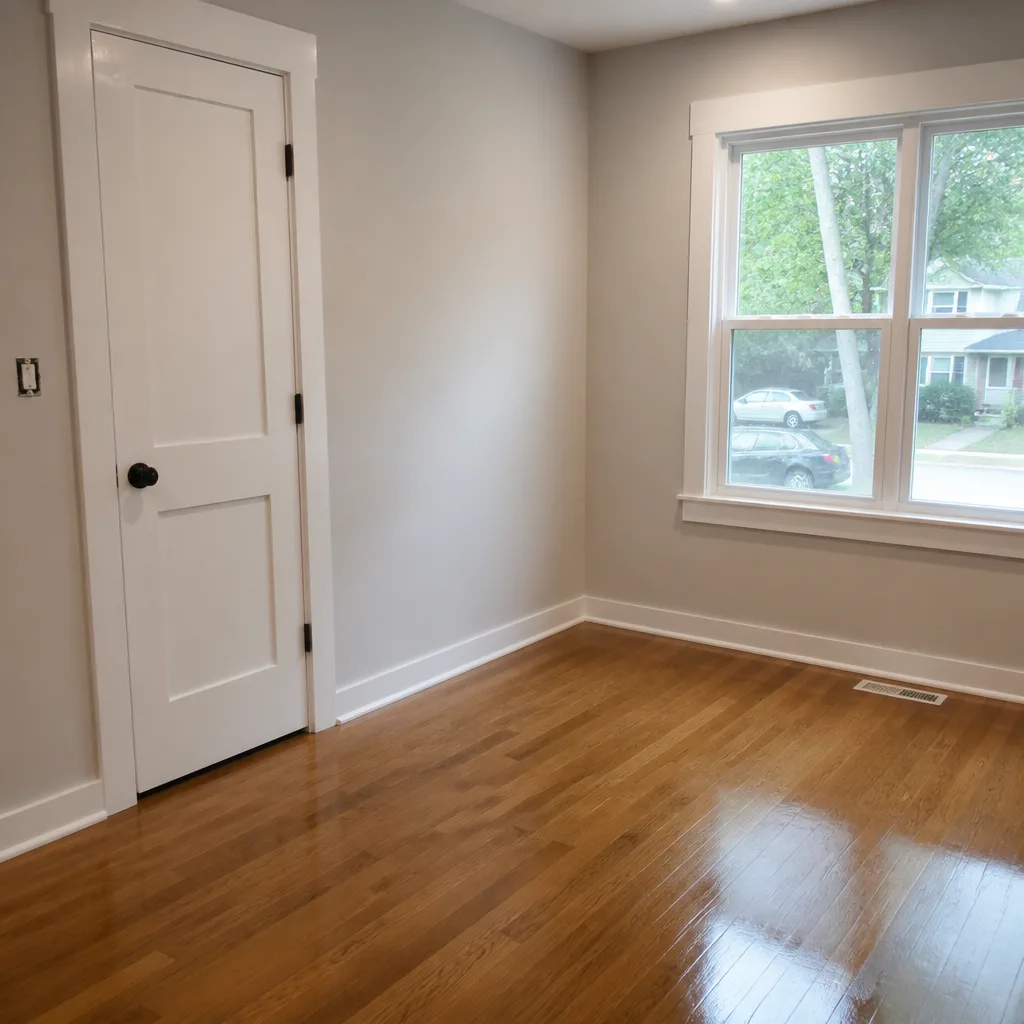 After
After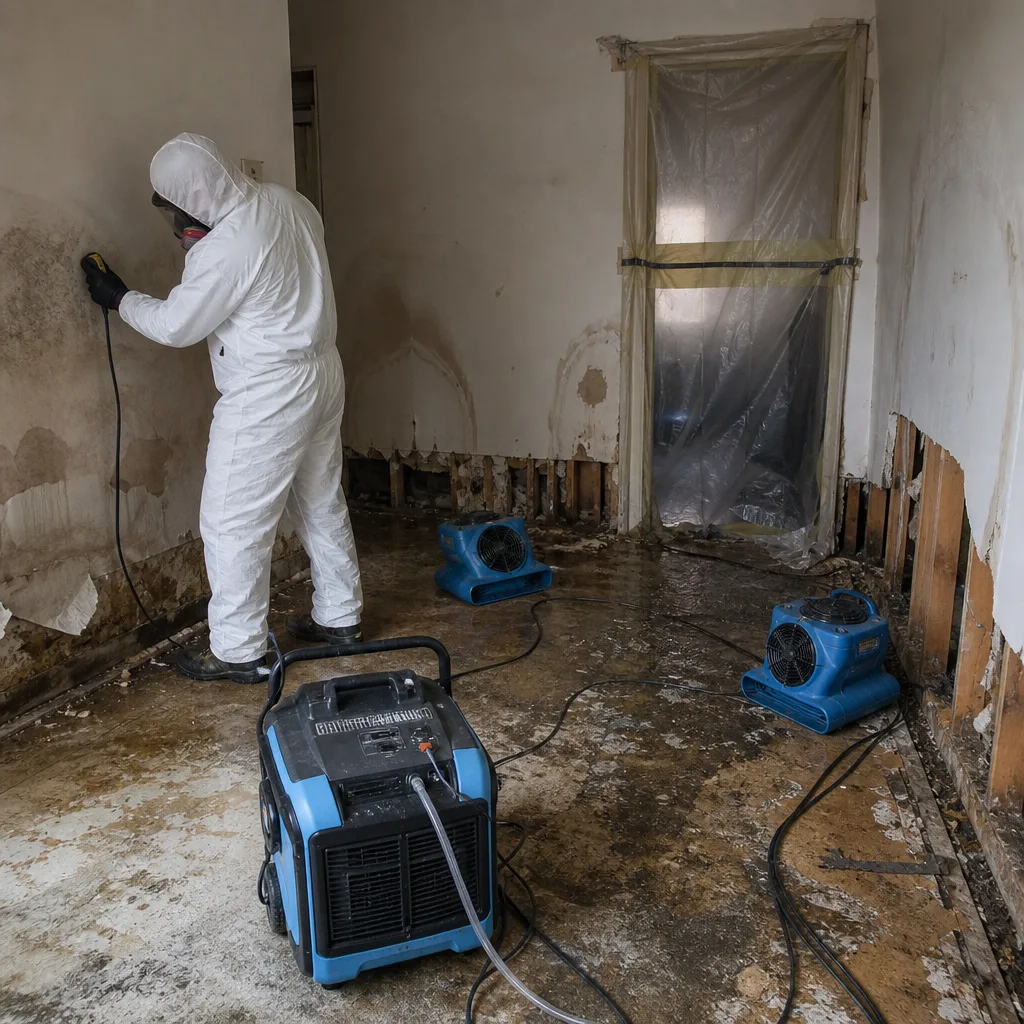 Before
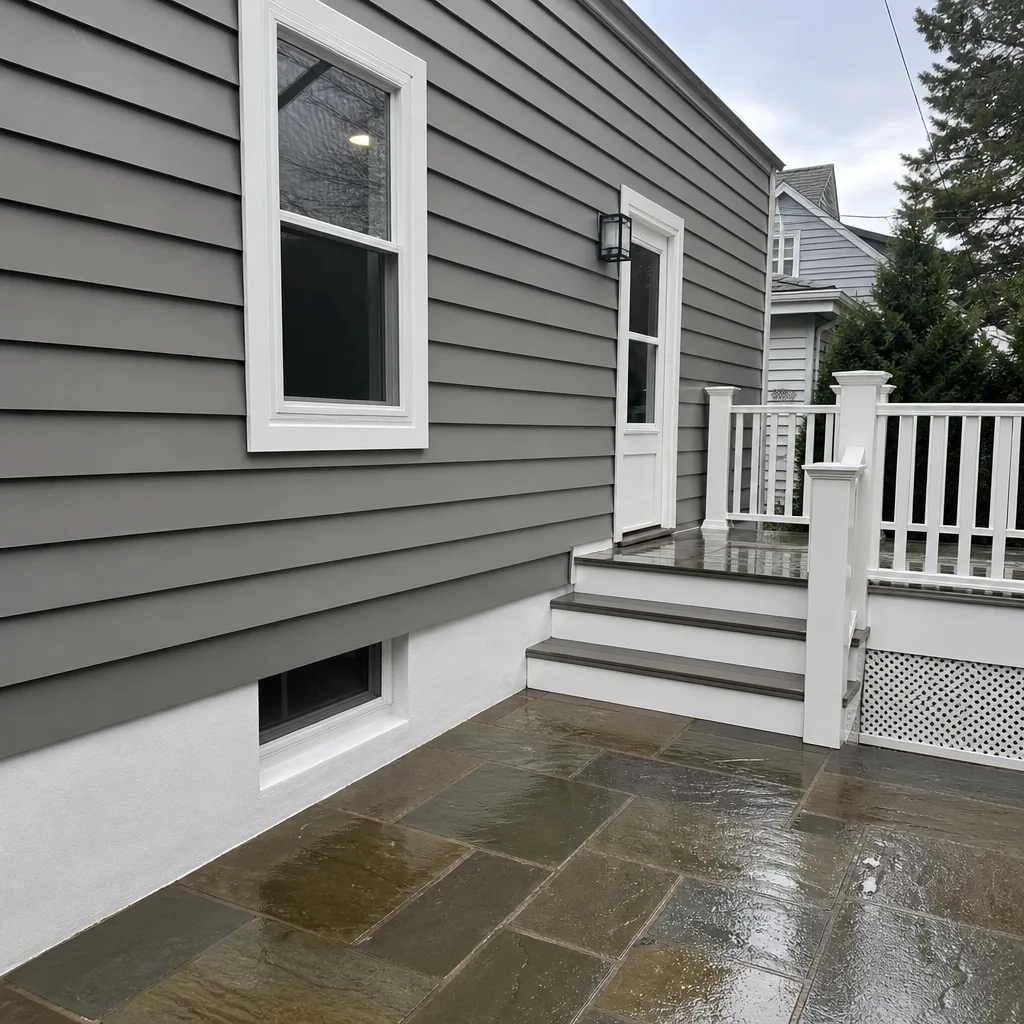 After
After24/7 Emergency Mold Remediation in Elmwood Park
Mold remediation in Elmwood Park typically costs $1,800-$6,500 depending on how far the growth has spread and whether hidden moisture remains trapped behind wall cavities. Most jobs in Elmwood Park are completed in one to three days once containment is set, and we answer the phone live at (640) 333-9625 around the clock. If you’ve discovered mold after a Passaic River flood or a slow basement leak, the first call gets a certified crew to your Elmwood Park street the same day, not a recording and a callback.
Here’s what matters most: mold that starts in a flooded Elmwood Park basement doesn’t wait. The Passaic River pools inside structures for 48 to 72 hours after a surge, which is more than enough time for spores to colonize drywall, framing, and insulation. A free visual inspection from our Elmwood Park team tells you whether you’re looking at a small contained patch or a full containment job. Either way, you’ll know the scope before any work begins, and you’ll have a written plan in your hand, not a guess.
Understanding Mold Remediation Severity in Elmwood Park Properties
Elmwood Park’s housing stock shapes how mold behaves here. The post-WWII Cape Cods, colonials, and ranches built in the 1940s through 1960s along streets near the Passaic River often have full or partially finished basements with original drainage tile, aging sump systems, and plaster-on-lath interior walls. Plaster and lath trap moisture differently than modern drywall. Water soaks into the plaster, wicks up the lath strips, and hides in wall cavities where you can’t see it. By the time stains appear on the surface, the framing behind is often already colonized.
We classify mold work by the source of the water, not just the visible growth. Clean-water leaks from supply lines and sump failures are one category. River water from the Passaic is another entirely. It carries silt, sewage, and organic matter that feeds mold aggressively. Homes in Elmwood Park’s FEMA AE flood zones that took on Category 3 water during Irene or Ida need a different protocol: full containment, negative air pressure, and structural drying to below 15% wood moisture content before any antimicrobial treatment goes on. Surface cleaning alone fails here. The homes near River Road, Slater Drive, and the lower-lying blocks close to the river have taught us that.
Why Elmwood Park Property Owners Choose Floodline Restoration Co.
- 45-minute response commitment for Elmwood Park calls. A live dispatcher answers, and a uniformed, background-checked crew is on the road immediately. We serve Elmwood Park locally and know the fastest routes from Saddle Brook, Fair Lawn, and Garfield.
- 24/7 live answer, every day of the year. You reach a person at two in the morning, not an automated attendant. Curt Bowman built this company around a dispatch board in 2010, not a sales desk, and that’s still how we run.
- IICRC-certified crews trained to WRT and AMRT standards. Our technicians carry IICRC, RIA, and IFA certifications and use Dri-Eaz, Phoenix, and XPOWER equipment on every Elmwood Park job.
- Free visual inspection with a written scope. We assess the damage, map the moisture, and hand you a line-item plan before any equipment comes off the truck. No pressure, no surprise work orders.
- Direct insurance billing and adjuster coordination. We document everything from the first hour and speak with your carrier directly, so you don’t play messenger between us and the insurance company.
- One team from extraction to reconstruction. The same Floodline Restoration Co. crew that sets containment and dries the structure also handles the rebuild. No mid-job handoff to a third party you’ve never met.
Our Mold Remediation Process
Inspection & Assessment
We start with moisture mapping using thermal imaging and hygrometers, not just a visual once-over. In Elmwood Park basements with plaster-on-lath walls, we probe wall cavities to find hidden moisture that surface inspection misses. You get a full assessment with documented readings.
Containment & Negative Air
We seal the affected area with 6-mil polyethylene and run HEPA-filtered negative air scrubbers so spores can’t migrate into living spaces. This is standard on every Elmwood Park mold job, not an add-on. The containment stays until clearance testing.
Structural Drying
Dri-Eaz LGR dehumidifiers and Phoenix air movers run until moisture mapping confirms wood framing is below 15% moisture content. River flood jobs in Elmwood Park often require 48 to 96 hours of forced drying because the Passaic walls hold water longer than a pipe break.
Removal of Contaminated Material
We cut out and bag affected drywall, insulation, and flooring under negative pressure. In homes with layered prior remediation, we strip to framing where needed rather than leaving painted-over mold hiding behind patches.
Cleaning, Sanitization & Antimicrobial Treatment
Surfaces are HEPA-vacuumed, scrubbed with EPA-registered antimicrobials, and treated to prevent regrowth. Crawl spaces get specialized treatment with vapor barrier inspection and moisture control recommendations specific to Elmwood Park’s river-adjacent soil conditions.
Repairs & Restoration
The same crew that dried your home rebuilds it. We replace drywall, insulation, and flooring, and we address the moisture source so the problem doesn’t return. Every job closes with a moisture log and our 90-Day Done Right Promise in writing.
Need Emergency Mold Remediation in Elmwood Park Now?
Crews minutes away, answering live 24 hours a day. The sooner we start, the less it costs.
Working With Your Insurance Company
Most Elmwood Park mold claims tie back to a covered water event, whether that’s a flood policy after a Passaic River surge or a homeowner policy after a supply line leak. The carrier needs a specific kind of paper trail, and that trail starts the day we arrive. Our technicians document the loss room by room, photograph every affected surface before and after treatment, and log moisture readings daily until the dry standard is met.
Here’s what we give your adjuster: a line-item scope of work so there’s no ambiguity about what was removed, what was treated, and why. We submit directly to the carrier and coordinate with the adjuster so you don’t have to translate between us. For Elmwood Park homes in FEMA AE zones, we also document conditions relevant to Substantial Damage rules when repairs approach the 50% threshold, because that determination changes what the carrier and the township require. If you’ve flooded before and have prior remediation work layered in, we photograph and document that too. It matters for your claim and for the actual condition of your home.
What We Provide Your Insurer
- Thorough documentation of the loss
- Photos of all damage, room by room
- Moisture readings and drying logs
- A detailed, line-item scope of work
- Direct coordination with your carrier
Built for Elmwood Park’s Loss Calendar
Elmwood Park sees mold triggers on a schedule that’s tied to the Passaic River and the Northeast New Jersey weather calendar. January and February bring deep freezes that burst supply lines in older homes with uninsulated rim joists and original copper. When the thaw comes in March, groundwater rises and basement seepage starts in the homes closest to the river floodplain. Spring rain saturates soil that drains slowly toward the Meadowlands, and sump pumps in Elmwood Park basements run constantly.
Summer brings thunderstorms that can dump two inches in an hour, overwhelming aging drainage tile and sending water through foundation cracks. Late summer and early fall are the tropical remnant months, when storms like Ida push the Passaic over its banks and into first-floor elevations with almost no warning. Nor’easters in late fall and winter drive wind-driven rain into siding and window frames. Every one of these events leaves the same calling card in an Elmwood Park home: hidden moisture, a window of 48 to 72 hours before mold colonizes, and a homeowner who needs a crew that knows this river and this housing stock.
Mold Remediation Across Elmwood Park’s Neighborhoods
Elmwood Park’s streets closest to the Passaic River, from River Road down toward the floodplain blocks, see the heaviest mold losses, and they’ve seen them repeatedly. Homes near Market Street and Mola Boulevard sit on the lower-lying approaches to the river, where Category 3 floodwater lingers longest after a crest. These properties often show layered prior remediation, and we plan for full gut-and-assess protocols before we even open the first wall.
Further east, around the Elmwood Park border with Saddle Brook, the homes rise slightly and the losses shift toward sump failures, foundation seepage, and broken supply lines rather than river overtopping. The housing stock is similar, mostly 1950s ranches and split levels with original drainage tile that’s past its useful life. Along Broadway and the commercial corridors near Route 4, we see a mix of older homes and converted structures with crawl spaces that trap humidity. Every block in Elmwood Park has its own failure pattern, and 15 years of jobs across Bergen County means our crews know what to expect before they arrive.
Specialized Mold Remediation Services We Offer in Elmwood Park
Mold Inspection & Testing
Before treatment, you need to know what you’re dealing with. We inspect the visible growth, probe wall cavities behind plaster and lath, and take air or surface samples where needed. An Elmwood Park inspection tells you whether the growth is cosmetic or structural, and whether the source is still active.
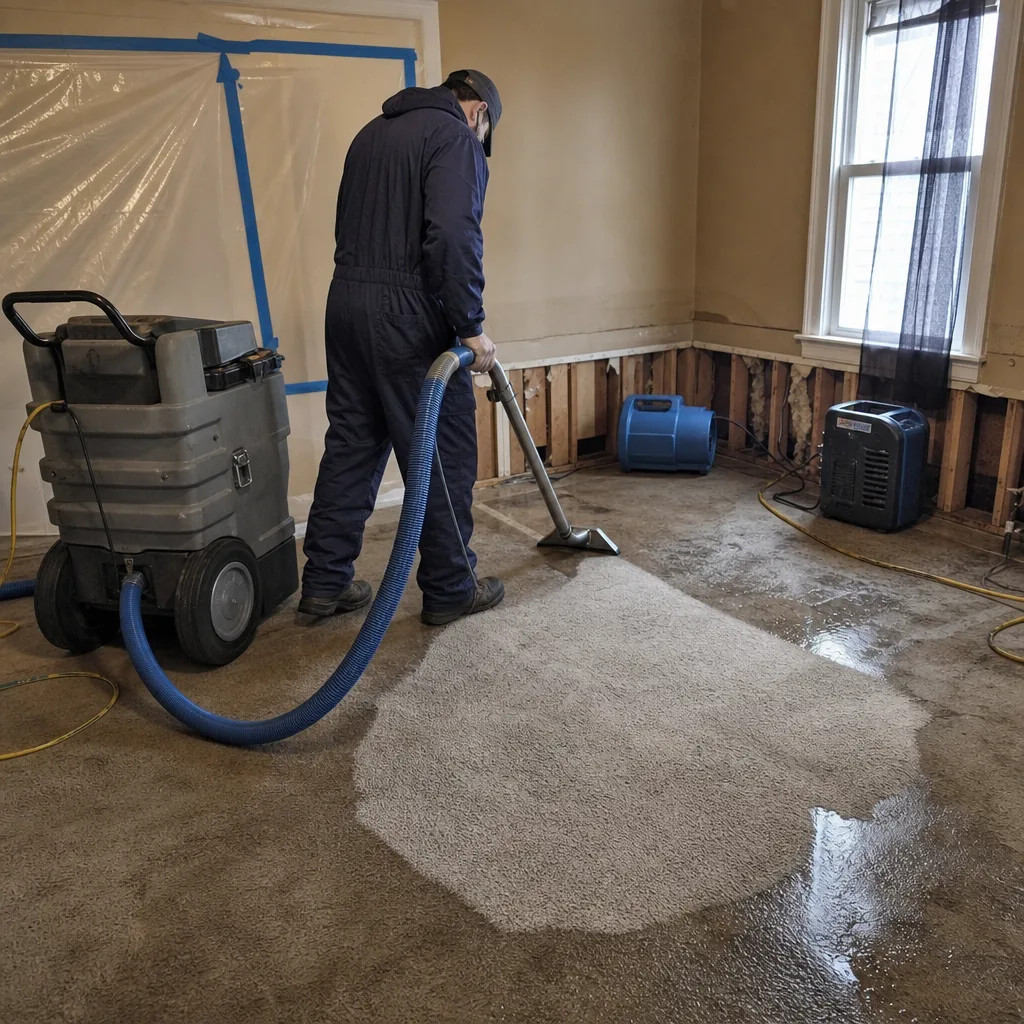
Mold Removal
Mold removal in an Elmwood Park basement means more than wiping down surfaces. We cut out contaminated drywall, insulation, and flooring, bag it under negative pressure, and remediate the framing. The goal is a true pre-loss condition, not a surface that looks clean for six months.
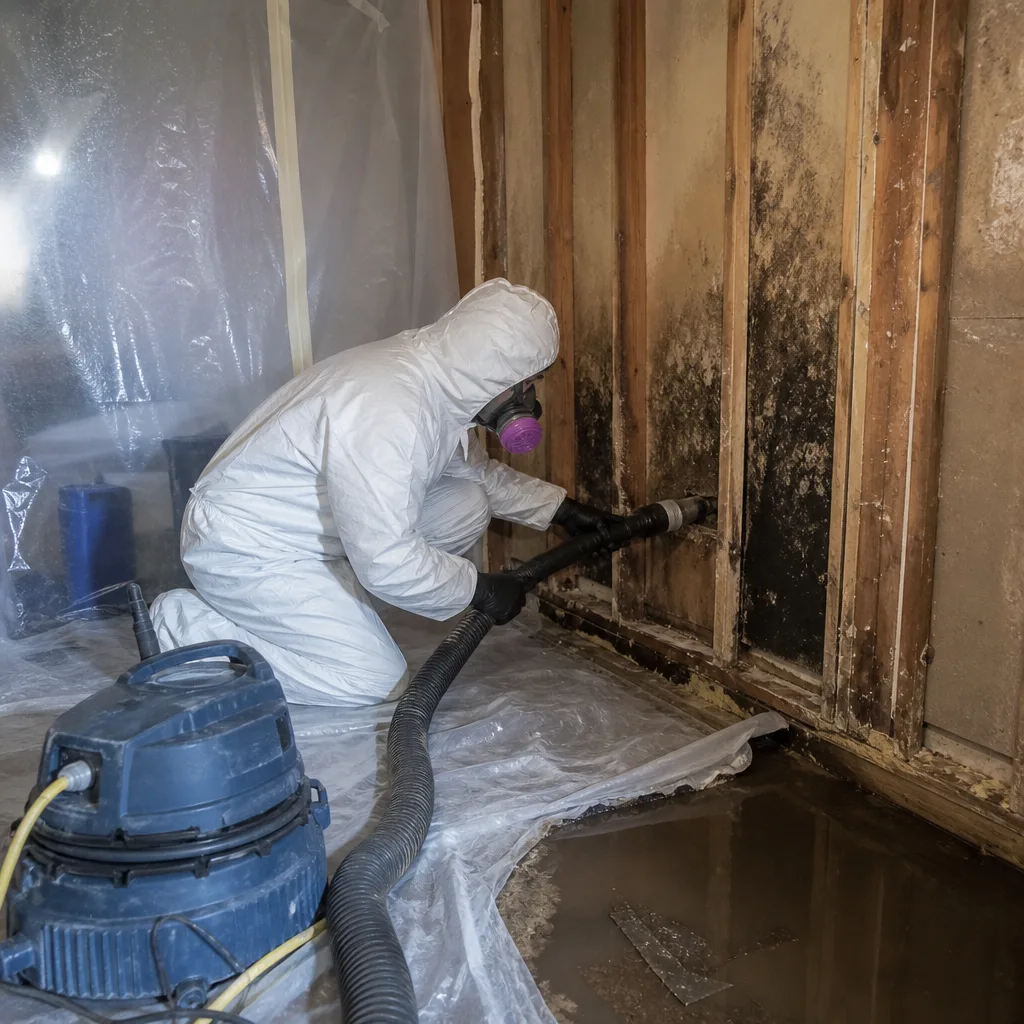
Black Mold Remediation
Stachybotrys is the black mold Elmwood Park homeowners worry about, and it’s common here because it thrives on the cellulose in drywall and wood after prolonged wetting. River floodwater that sits for days creates exactly the right conditions. We treat black mold with full containment, HEPA scrubbing, and verified structural drying before antimicrobial treatment.
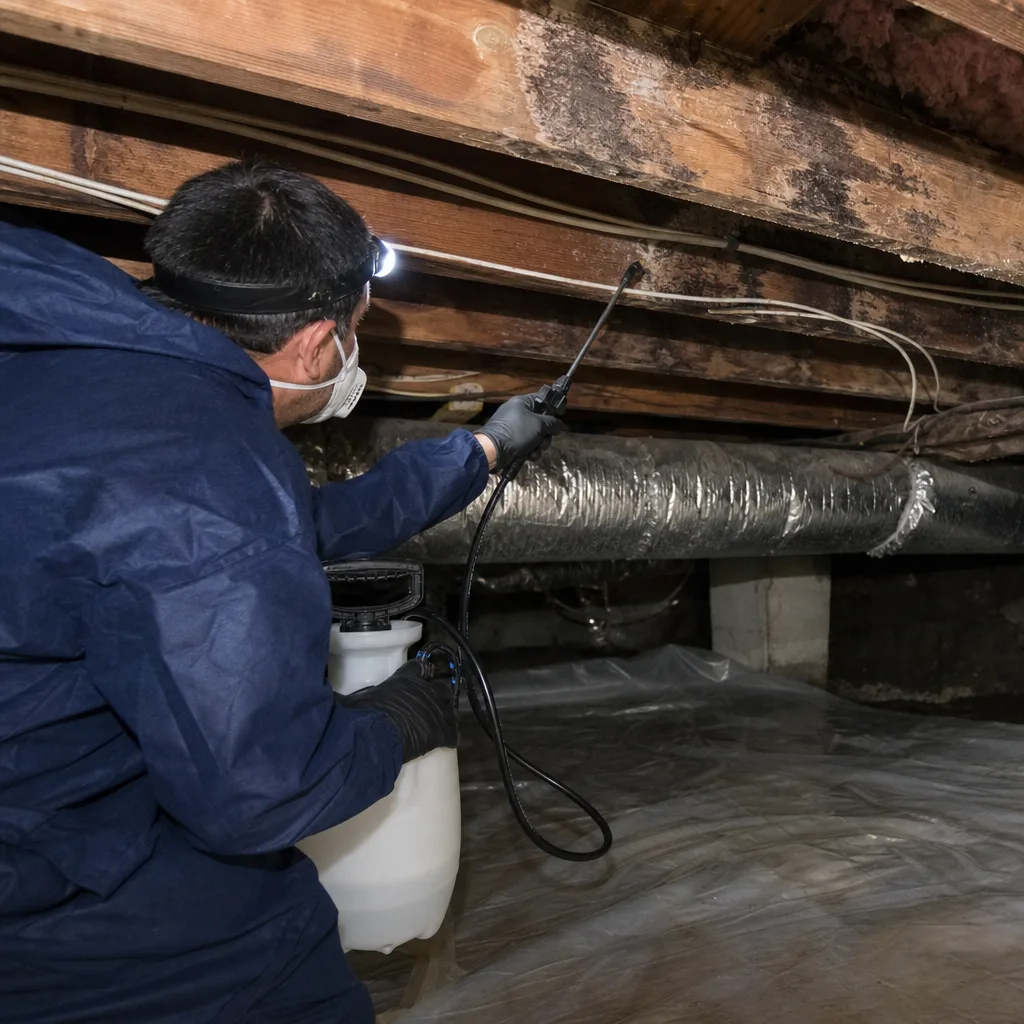
Air Quality Restoration
After visible mold is removed, spores can still circulate through the ductwork and living spaces. We run HEPA air scrubbers during the entire remediation, then clean and sanitize HVAC components where needed. Elmwood Park homes with forced-air heat can spread mold spores from a basement into every room, so this step matters.
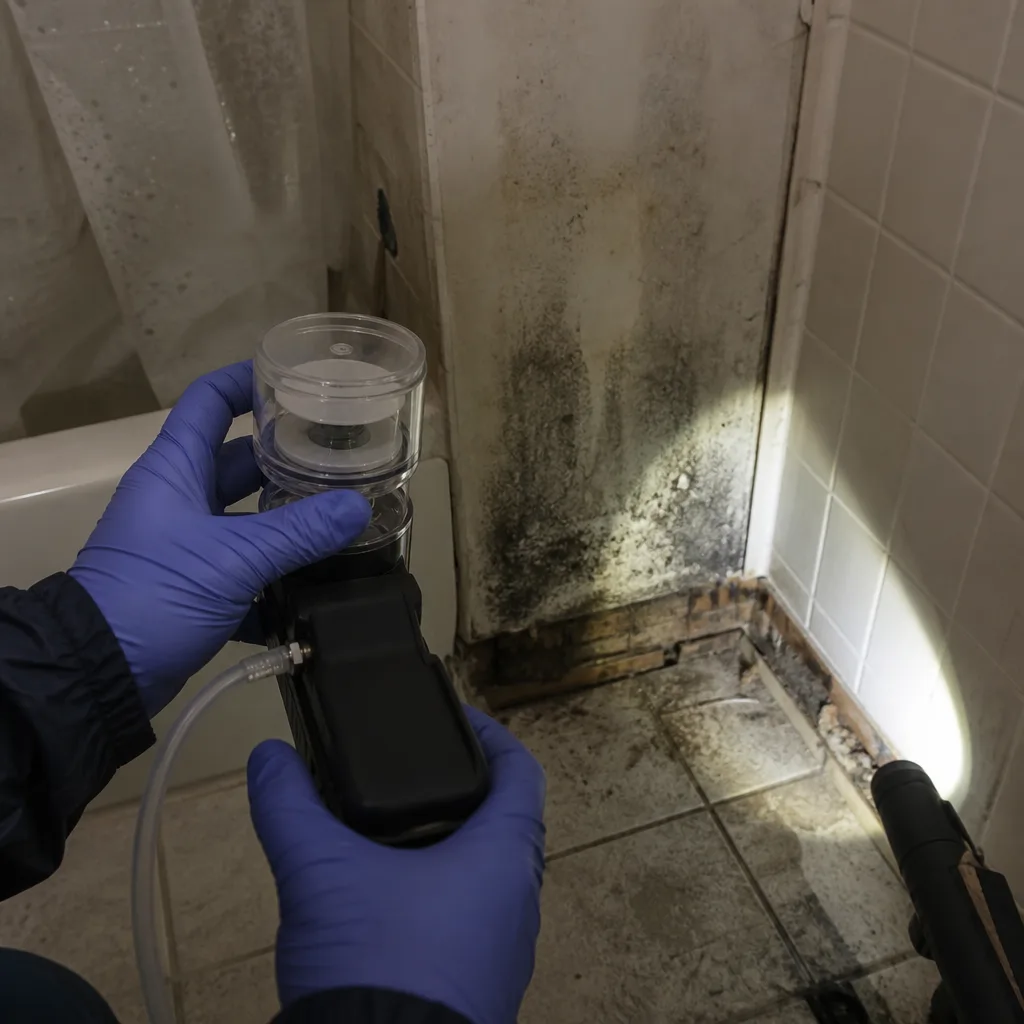
Crawl Space Treatment
Elmwood Park’s river-adjacent soil holds moisture, and crawl spaces suffer for it. We inspect the vapor barrier, treat mold on joists and subflooring, and recommend a moisture control plan that fits your foundation. Crawl space mold often goes unnoticed for years, which is why we check it on every flood-loss job.
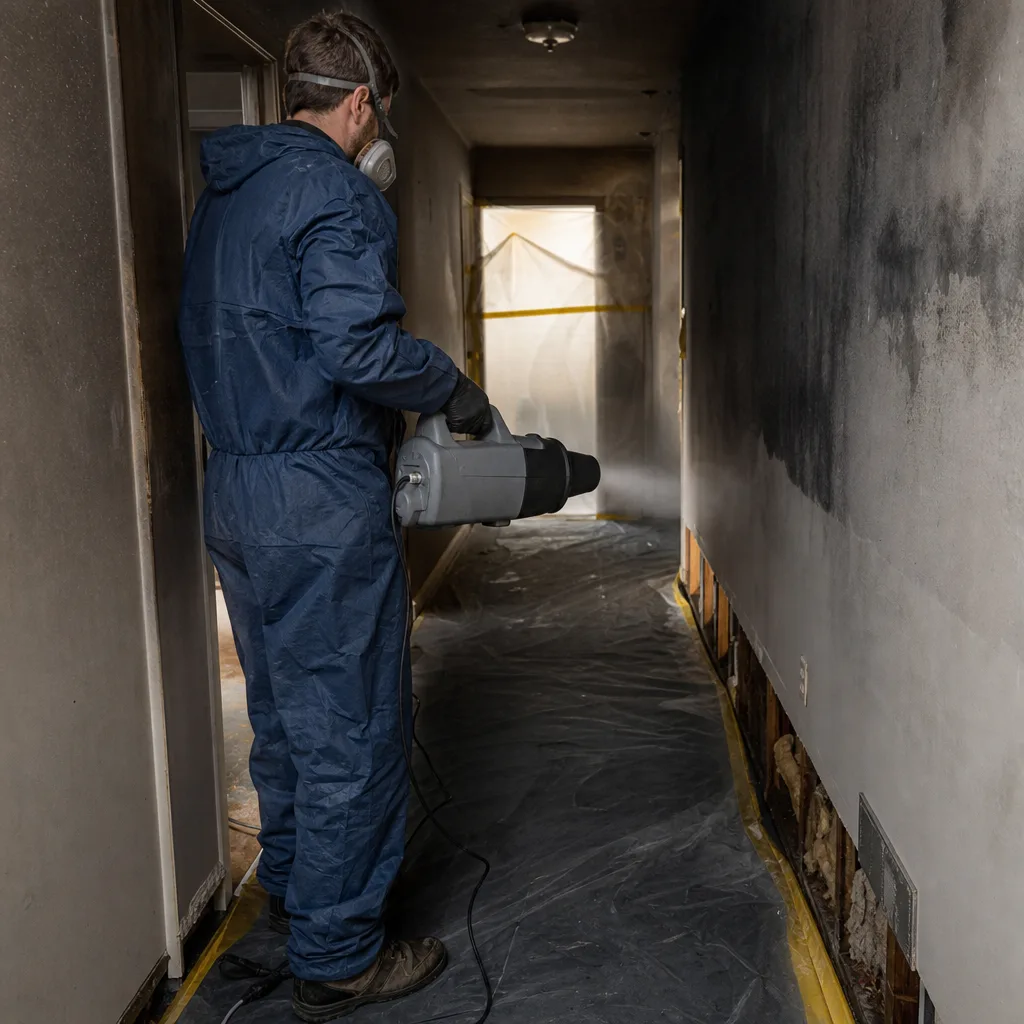
Moisture & Humidity Control
Mold always comes back if the moisture source isn’t addressed. We install and service dehumidifiers, sump pump upgrades, and drainage improvements specific to Elmwood Park’s flood-prone lots. You get a plumbed, wired-in solution, not a hardware store plug-in and a promise.
What happens when you call
- 1
A real person answersNo phone trees - you reach a local pro.
- 2
You get an upfront price rangeHonest numbers before anyone is dispatched.
- 3
A background-checked tech heads outLicensed & insured, dispatched right away.
- 4
You approve before work beginsNothing starts until you say go.
Mold Remediation Costs in Elmwood Park, NJ
What you’ll pay for mold remediation in Elmwood Park depends on square footage, how far the growth has spread, and whether the source is still active. A small contained patch under a bathroom sink runs $400-$900. A typical basement wall with moderate growth and some drywall removal lands between $1,800 and $4,200. Full basement remediation after Passaic River flooding, with containment, structural drying, and rebuild, runs $6,000-$15,000 or more depending on finish level.
What moves the price: whether we’re dealing with clean water or Category 3 river water, whether plaster-on-lath walls need full stripping versus drywall removal, how long the structure has been wet, and whether prior remediation left hidden mold inside wall cavities. Homes with FEMA Substantial Damage considerations may face additional compliance scope. Insurance covers mold remediation when it ties to a covered peril, and we bill the carrier directly. Your free visual inspection produces a written scope with a firm number before work starts, not an estimate range you have to trust.
We Also Serve Cities Near Elmwood Park
Floodline Restoration Co. crews serve the surrounding Bergen County communities with the same 24/7 live dispatcher and certified technicians, including Saddle Brook, Fair Lawn, Garfield, and Maywood. If you’re in one of those towns and need a second opinion on an existing mold scope, call (640) 333-9625.
Elmwood Park Mold Remediation Questions, Answered
How does Elmwood Park’s location along the Passaic River change mold remediation compared to interior Bergen County towns?
The river changes the water that gets into your home. Elmwood Park homes near the Passaic take on Category 3 floodwater loaded with silt and sewage, which feeds mold faster and requires full containment and structural drying to a stricter standard. Interior towns deal mostly with clean-water leaks, and the remediation protocols are less aggressive. Our Elmwood Park crews plan for river water from the start: full gut-and-assess, longer drying times, and documentation that matches what flood insurance carriers require.
Do I need to worry about hidden mold behind painted-over water lines in my Elmwood Park basement?
Yes. Elmwood Park homes that flooded in Irene or Ida frequently have paint covering old water lines and mold on the plaster behind it. Paint seals moisture in, and the mold keeps growing inside the cavity. We routinely find this on River Road and the lower-lying blocks near the river. The only reliable approach is to open a test area, probe the wall, and check the framing behind the paint. If prior remediation work is layered in, a full strip is usually safer than trusting the surface.
What is the right way to handle mold growth caused by river water, not a clean-water pipe break?
River water mold jobs require the same containment and negative air as any mold job, plus more aggressive structural drying and material removal. Category 3 water saturates plaster, lath, and framing with contaminated moisture that can’t just dry out. We strip to framing where needed, dry to below 15% wood moisture content, apply antimicrobial treatment, and document every reading. A surface wipe on a river-flood job leaves mold alive inside the wall.
How long after Elmwood Park floodwater recedes before mold becomes a serious problem in my basement?
Mold colonization starts within 24 to 48 hours of sustained wetting. The Passaic River’s slow drainage through the Meadowlands means floodwater often pools inside Elmwood Park basements for 48 to 72 hours or longer, which is well past the colonization window. If your basement took on river water and you haven’t opened the walls to dry them, assume mold is already active. Call us at (640) 333-9625 and we’ll assess it the same day.
Can you do mold remediation in a one-trip visit for my Elmwood Park property?
For contained mold jobs, yes. Small to moderate growth in a single room or crawl space can often be remediated in one visit with full containment, drying, and treatment. Larger flood losses, where structural drying has to run for days, take multiple visits. You’ll know which one you’re looking at after the free inspection, and the written scope will tell you the timeline before work starts.
Will my insurance cover mold remediation in Elmwood Park?
Coverage depends on the source. Mold tied to a covered water event, like a burst pipe or a flood policy claim after a Passaic River surge, is often covered. Gradual mold from years of humidity or an undocumented slow leak is typically not. We document everything from day one and coordinate directly with your adjuster so the claim isn’t denied for lack of evidence. Estimates are free, and we’ll tell you what your policy likely covers before any work begins.
How fast can someone actually get to my Elmwood Park home?
Forty-five minutes or less for emergency calls. Our dispatcher is live 24 hours a day, and we keep crews positioned to reach Elmwood Park from the surrounding Bergen County response area. If you call at night, a real person answers and a real crew gets on the road. No callbacks, no third-party answering service.
What should I do in the first 30 minutes after finding mold in my Elmwood Park basement?
Don’t disturb it. Disturbing mold releases spores into the air and spreads it through the house. Close the door to the area, turn off the HVAC fan so spores don’t circulate through ductwork, and call our Elmwood Park team at (640) 333-9625. Keep people and pets out of the room. Don’t spray bleach. Don’t wipe the walls. A free visual inspection and moisture mapping tells you what you’re dealing with without spreading it further.
Serving Elmwood Park, NJ - Our Local Coverage Area
We’re based in the Elmwood Park area and know this community well. Use the map below to see our service coverage - if you’re nearby, we can almost certainly help.
Call Floodline Restoration Co. for Mold Remediation in Elmwood Park
On a River Road basement that took on Category 3 Passaic River water during Ida, our crew found the previous restoration company had simply painted over mold on the original plaster-on-lath walls. We set up full containment and negative air, stripped everything to the framing, and ran forced structural drying with Dri-Eaz LGR dehumidifiers and Phoenix air movers until moisture mapping showed below 15% wood moisture content, then applied an antimicrobial treatment and documented every reading for the homeowner’s flood insurance claim. That’s the difference between a surface wipe and a true pre-loss condition.
If you’re in Elmwood Park and you’ve found mold, or you suspect it’s hiding behind painted-over water lines from an old flood, call (640) 333-9625 today. A live person answers, the inspection is free, and you’ll get a written scope before any work begins. Done right, and backed in writing.
Written by Curt Bowman, Owner at Floodline Restoration Co., serving Elmwood Park and Bergen County since 2010.