
Free visual inspection and a written scope of work before any mitigation begins - photos, moisture readings, and drying logs go in your claim file
The scope we write is the scope we bill. Anything new gets shown to you, in writing, before we touch it.
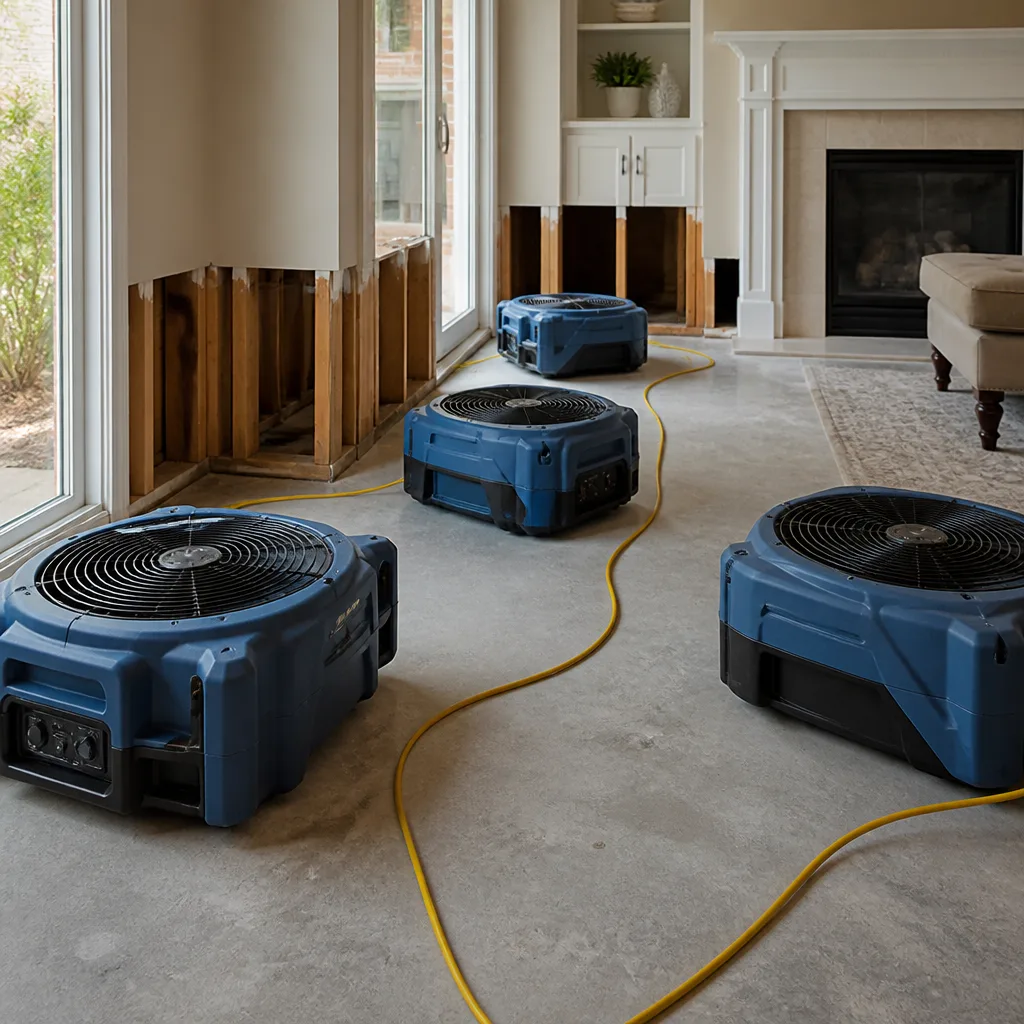


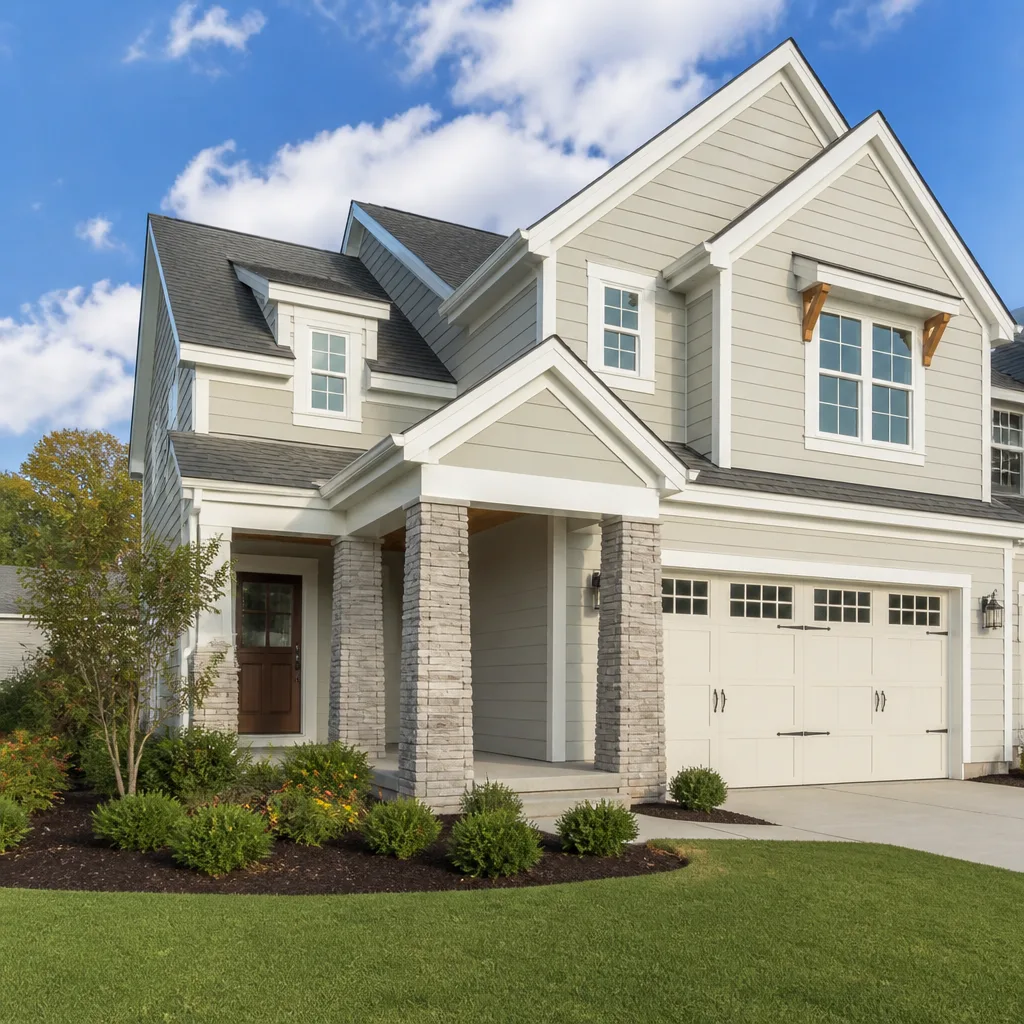
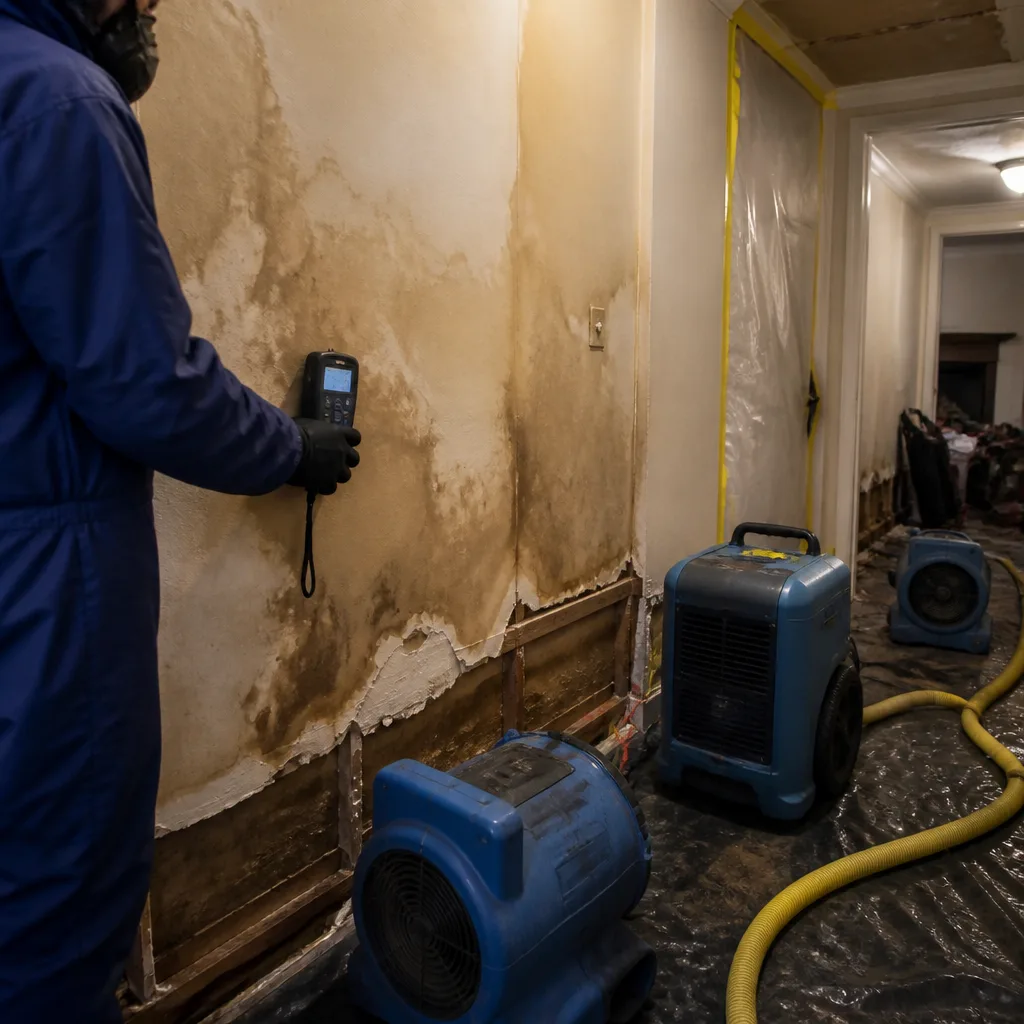 Before
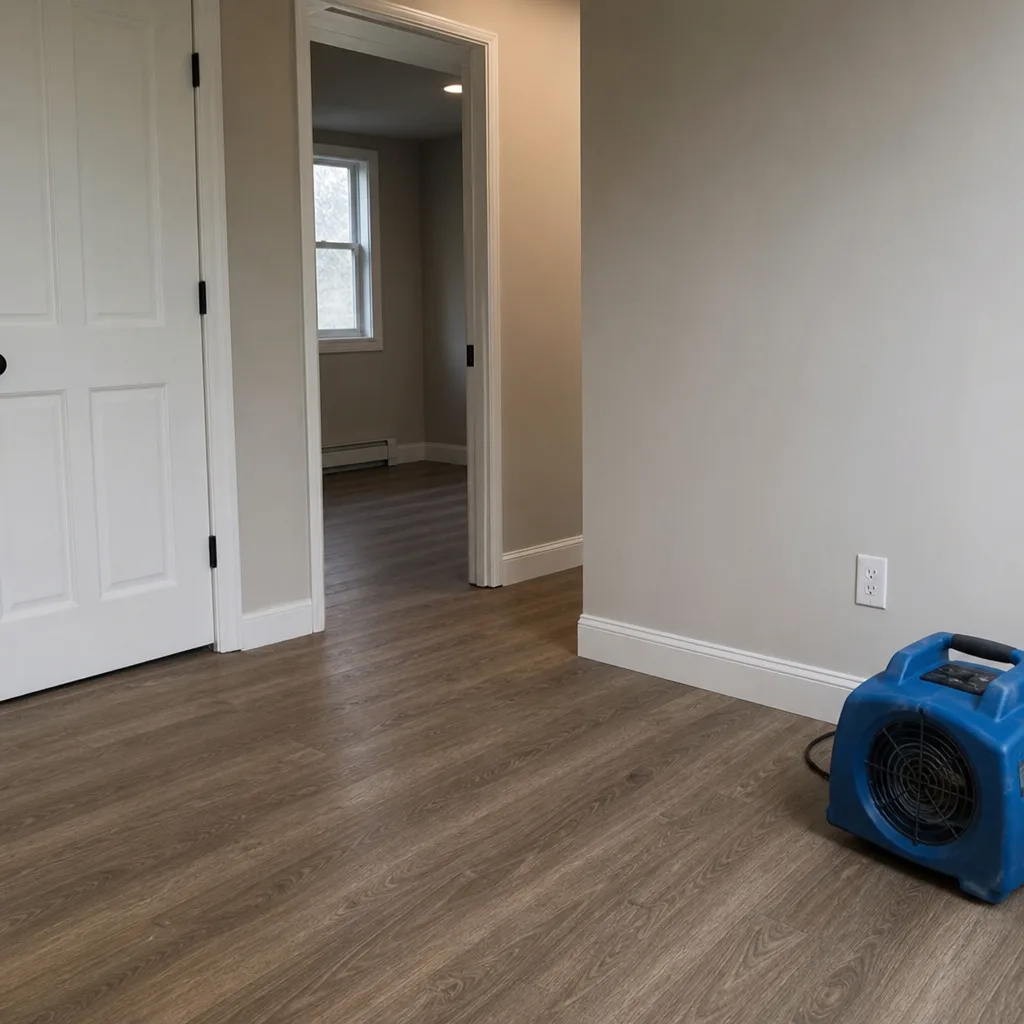 After
After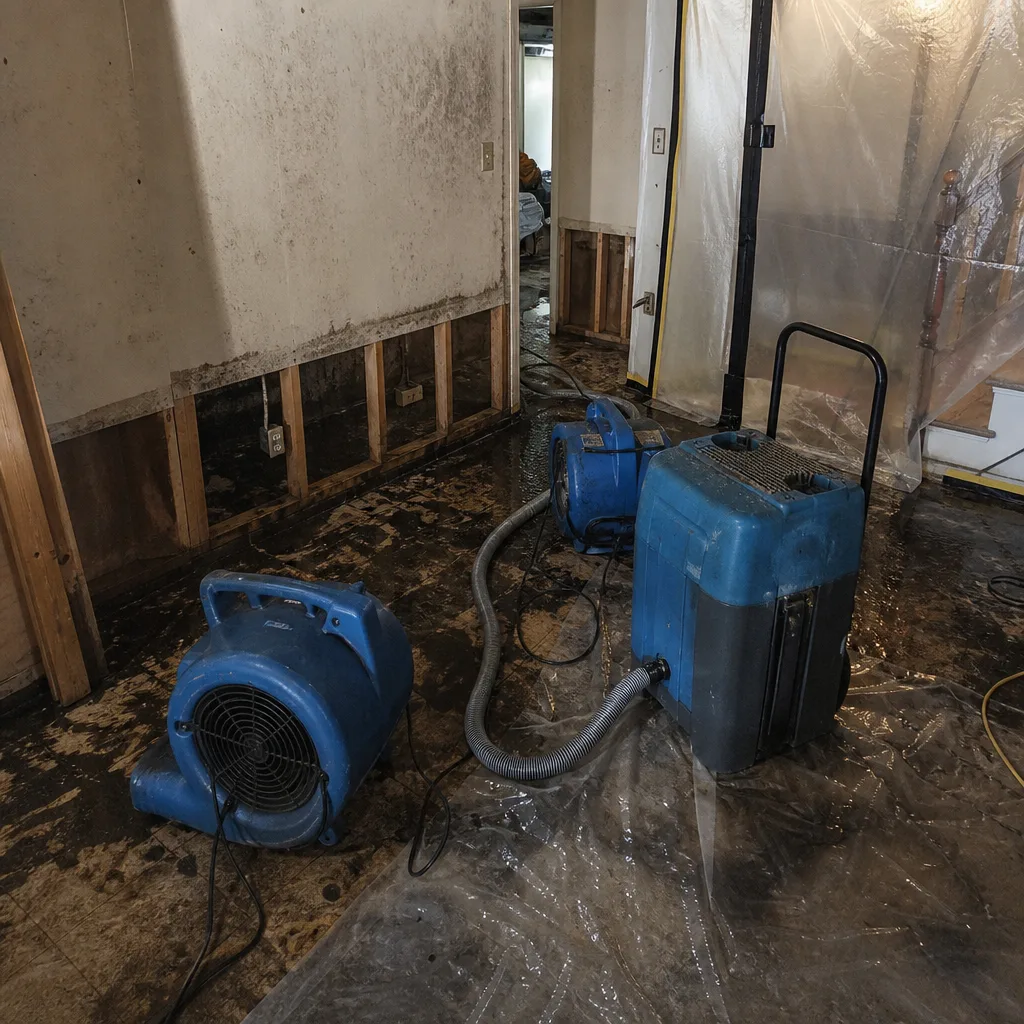 Before
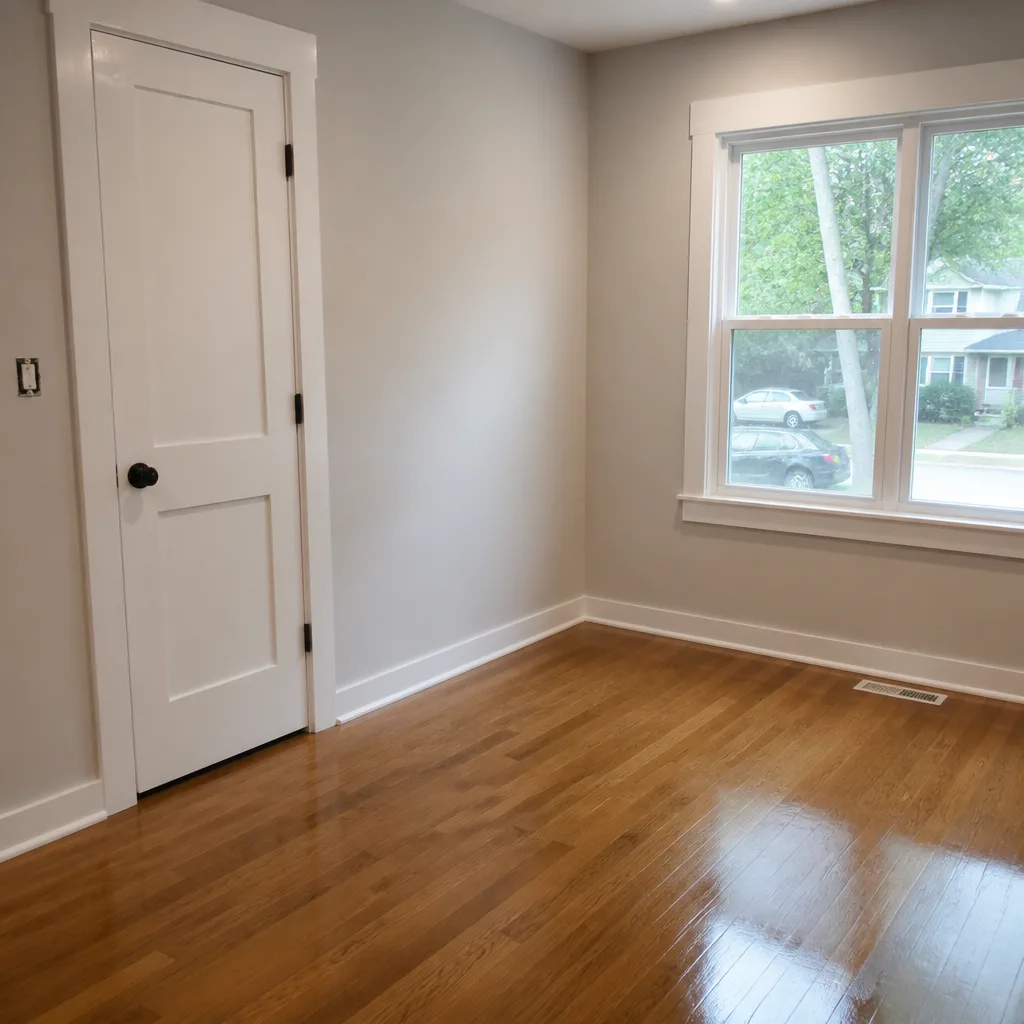 After
After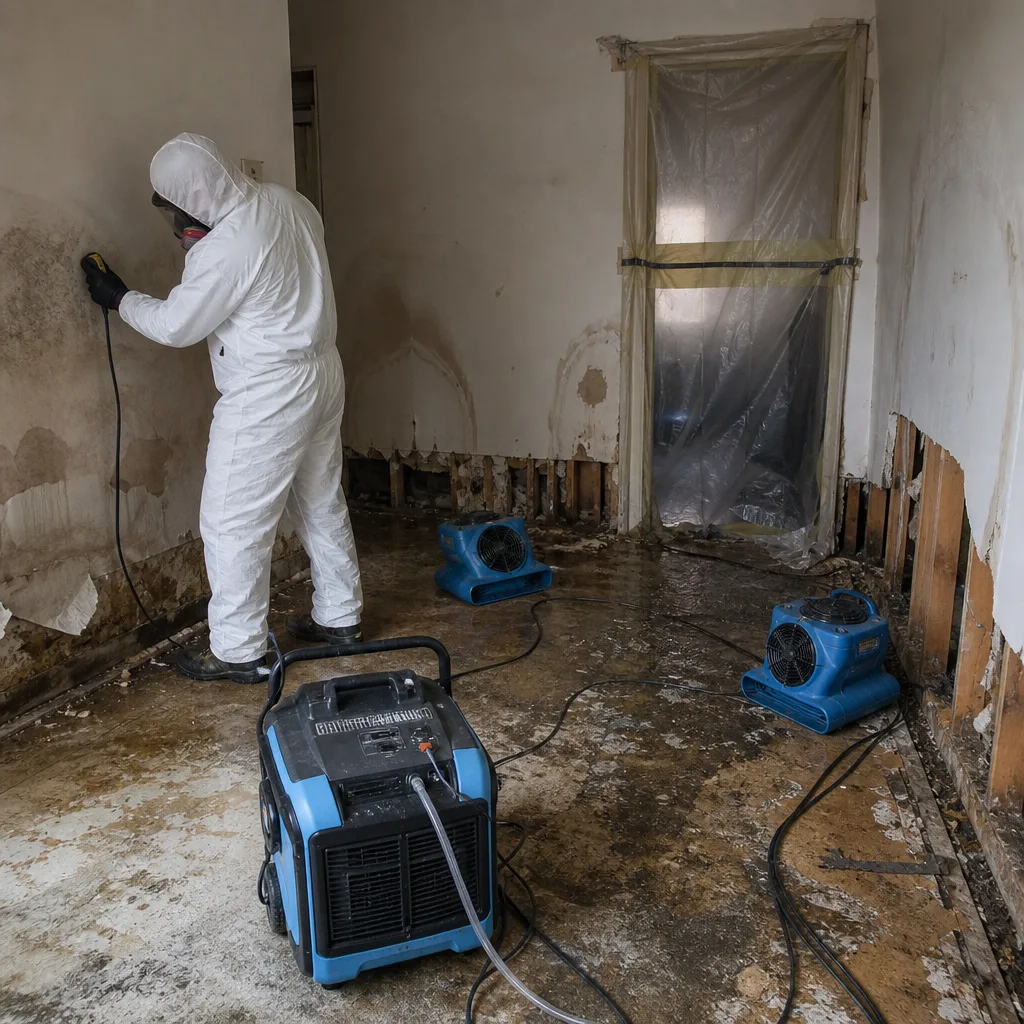 Before
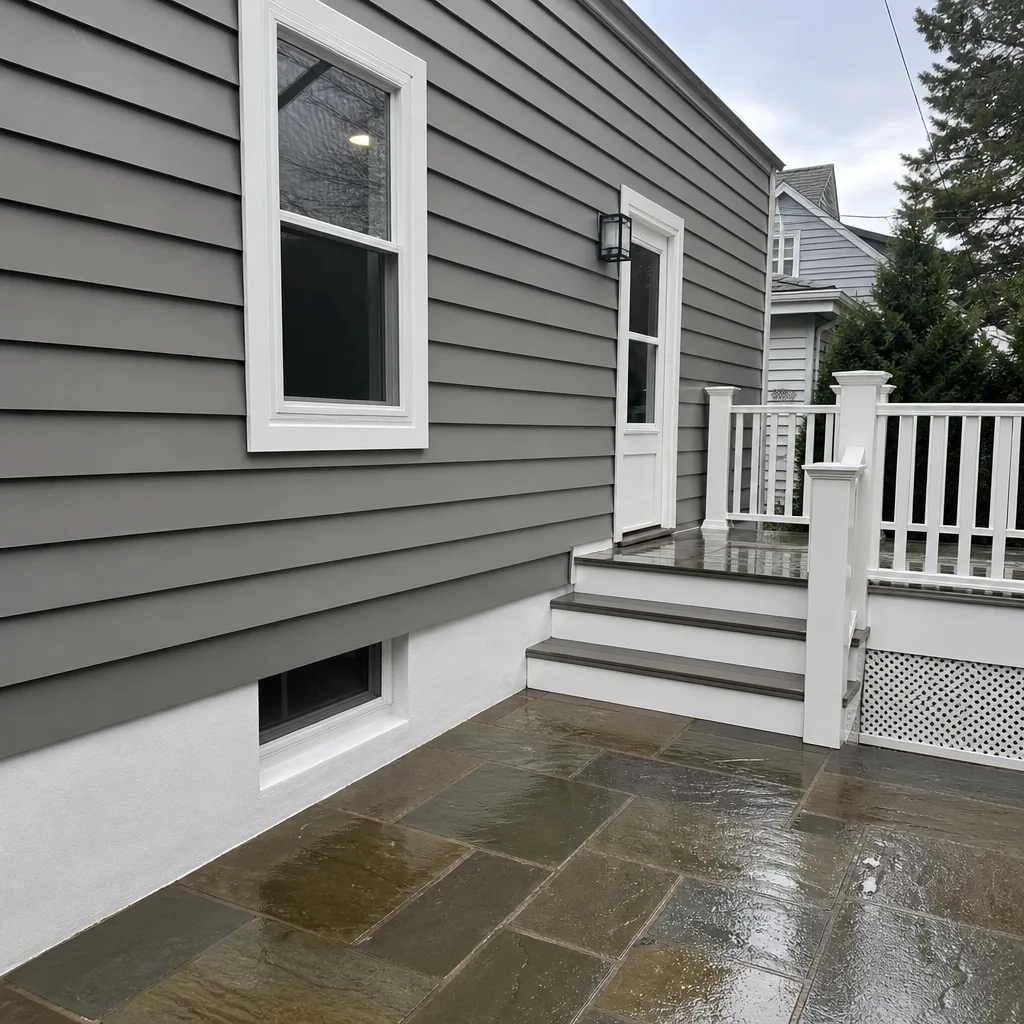 After
After24/7 Emergency Sewage Cleanup in Garfield
A sewage backup in Garfield rarely starts as a small problem. On Passaic-adjacent blocks especially, a backed-up floor drain or toilet is often the first sign that river pressure has overwhelmed the municipal combined sewer system, and category 3 water is now moving into your basement. Call Floodline Restoration Co. at (640) 333-9625 and a live dispatcher answers, day or night. Not a recording. A real person who can get a certified crew moving toward your neighborhood while you’re still on the line.
The first hour matters because sewage water is biologically active. It carries bacteria, viruses, and parasites, and once it soaks into the porous materials common in Garfield’s 1920s-to-1950s wood-frame homes, it wicks upward through plaster and lathe faster than most homeowners expect. We arrive armed with professional-grade extraction equipment, set containment, and begin removing contaminated water and materials the same visit. That speed is the difference between a cleanup and a full-scale rebuild, and it’s why we built our entire dispatch system around live answer at 2 a.m., not a voicemail box that waits for morning.
Understanding Sewage Cleanup Severity in Garfield Properties
Sewage cleanup is governed by water classification, and in Garfield, we almost always arrive to find category 3 water, the most contaminated classification under the IICRC S500 standard. Category 3 means the water contains pathogens that can cause serious illness through direct contact, aerosolized droplets, or contamination of food-contact surfaces. It is not something you mop up with bleach and a fan. It requires containment, engineered drying, antimicrobial treatment, and careful disposal of saturated porous materials.
Garfield’s housing stock makes this category 3 reality more complicated than in newer construction. These homes were built with poured-concrete or fieldstone block foundations and finished basements, often with plaster-and-lathe walls over wood framing. Plaster wicks water aggressively. So does the wood lathe behind it. When sewage water covers a basement floor, the visible waterline may be four inches. But moisture mapping with thermal imaging and penetrating meters routinely shows moisture already twenty-four to thirty inches up the wall cavity within hours, because those old materials pull water like a wick. Additionally, on homes near the Passaic River with prior flood history, we often find older mold waterlines on hidden studs from Irene (2011) or Sandy (2012). That pre-existing condition changes the scope. You cannot safely dry a wall that already contains dormant mold colonies from an earlier sewage intrusion. You remove the contaminated material, treat the framing, and document everything for the carrier, because a repeat-flood NFIP claim lives and dies on documentation.
Why Garfield Property Owners Choose Floodline Restoration Co.
- 45-minute response commitment: Once you call (640) 333-9625, a crew is dispatched within the Garfield area, typically reaching your door in under an hour. We know River Drive, Outwater Lane, and the blocks off Midland Avenue well enough to give you a real arrival estimate, not a vague window.
- 24/7 live answer, every time: The dispatcher who picks up at 3 a.m. is a person sitting in front of a dispatch board, not an automated menu. The same standard applies on Thanksgiving, during a nor’easter, or in the middle of a July thunderstorm.
- IICRC-certified crews: Our technicians hold WRT and ASD certifications from the IICRC, meaning they are trained in water damage restoration and applied structural drying. On sewage work, that training governs containment, category 3 handling, and clearance procedures.
- Free visual inspection: Before any work begins, we walk the affected area with you, show you what we are seeing, and explain the scope. No pressure. No surprise line items.
- Direct insurance billing: We bill your carrier directly and coordinate with the adjuster throughout the claim. You are not the messenger running estimates back and forth.
- One team from extraction to reconstruction: Floodline Restoration Co. handles the full job. The same certified crew that extracts the sewage water dries the structure, treats the contamination, and rebuilds the finished basement. No mid-job handoff to a subcontracted crew you have never met.
Our Sewage Cleanup Process
Inspection & Assessment
We begin with a full walkthrough of the affected area, using thermal imaging and penetrating moisture meters to trace how far category 3 water has traveled. In Garfield’s older basements, we specifically check stud cavities, base trim, and sill plates, because hidden wicking is the rule here, not the exception. You get a clear, written scope before equipment comes off the truck.
Extraction & Stabilization
Standing sewage water is extracted using truck-mounted and portable extraction units. Solid materials including saturated carpet pad, damaged drywall, and contaminated base trim are bagged, sealed, and removed under containment. The goal in this phase is to stop the water from spreading any further and lower the interior humidity enough to begin structural drying.
Drying & Dehumidification
Professional-grade Dri-Eaz and Phoenix dehumidifiers and high-velocity air movers go to work, with daily moisture readings logged until the dry standard is met. In Garfield homes with plaster-and-lathe walls, drying is slower than in modern drywall construction, so we set realistic expectations and monitor until every reading reaches pre-loss equilibrium.
Cleaning & Sanitization
All remaining structural surfaces are cleaned with an EPA-registered antimicrobial treatment. HEPA air scrubbers run throughout the process to capture airborne fungal spores and aerosolized bacteria. Hard surfaces like concrete floors and metal framing get hospital-level disinfection before any rebuild begins.
Specialty Treatment for Sewage Contamination
In Garfield, this step often reveals what previous floods left behind. Studs with older mold waterlines from Irene or Sandy get treated after contaminated material is removed. Original cast-iron drain lines that show scale or root intrusion may require camera inspection before we recommend jetting, because blindly snaking a seventy-year-old pipe can shatter it.
Repairs & Restoration
Once the structure is clean, dry, and verified, we rebuild. New drywall, base trim, insulation, flooring, and paint go in. Because we do not hand off to an outside contractor, the final result is done by the same crew that saw the damage on day one, and it is covered by the 90-Day Done Right Promise in writing.
Need Emergency Sewage Cleanup in Garfield Now?
Crews minutes away, answering live 24 hours a day. The sooner we start, the less it costs.
Working With Your Insurance Company
Insurance is almost always part of a Garfield sewage cleanup, whether it’s a standard homeowner’s claim or a flood-related backup under NFIP. The difference between a paid claim and a denied one often comes down to the documentation from the first hour. We photograph everything, room by room, before we touch anything. We log moisture readings daily. We write a line-item scope that follows the same estimating standards adjusters use. Most important: we talk to your adjuster directly, so you never have to translate between a restoration crew and a carrier. That direct-adjuster coordination is standard practice on every job Floodline Restoration Co. runs, and it is one reason we still work in this city after more than four decades of service across the region.
What We Provide Your Insurer
- Thorough documentation of the loss
- Photos of all damage, room by room
- Moisture readings and drying logs
- A detailed, line-item scope of work
- Direct coordination with your carrier
Built for Garfield’s Loss Calendar
Garfield’s sewage problems follow a pattern, and anyone who has lived here through a few cycles knows it. The spring snowmelt season is the first pressure point. When heavy snowpack in the Passaic River watershed melts onto already-saturated ground, the river rises and the combined sewer system on the city’s southern edge backs up into basements along and near the floodplain. That is when we see the worst category 3 backups, including on Outwater Lane and the blocks off River Drive where finished basements sit below the high-water mark. Summer brings a different trigger: sudden, violent thunderstorms. The Passaic watershed drains a large swath of northern New Jersey, so a storm that hits well upstream of Garfield can still drive river water through sewer outfalls days later. Fall and winter bring their own problems, from aging cast-iron drain lines failing under cold stress, to the kind of early January freeze-thaw that cracks old fieldstone foundations and lets groundwater carry sewage residue into basement cavities. Restoration demand in this city is cyclical, not episodic, and our crews are staffed for it year-round.
Sewage Cleanup Across Garfield’s Neighborhoods
The Passaic-adjacent blocks south of River Drive, including the residential streets branching off Outwater Lane, are where we most often find the repeat-flood basements. These homes have seen multiple river events since Irene, and the sewage backups they experience are usually tied to municipal sewer overwhelm, not a simple clogged line. Our crews know that when they pull drywall in this area, they may find two or three mold waterlines on the studs, each one marking a separate flood year.
The housing concentrated around Midland Avenue and the surrounding numbered streets represents the classic Garfield building stock: 1920s-to-1940s two-family homes with original cast-iron drain lines. Here, the common sewage issue is not river pressure but root intrusion and internal pipe scale. Clay sewer laterals and cast-iron under-slab lines that have been in the ground for 80-plus years develop bellies and cracks. A backup that looks like a simple blockage often needs a camera inspection before any jetting, because the wrong mechanical approach can turn a partial blockage into a cracked pipe and a far larger excavation.
The blocks near the Saddle Brook border, including the residential streets off Van Winkle Avenue, share the same older housing profile but see fewer river-driven backups and more isolated toilet overflows and septic-related failures where homes predate the municipal sewer connections. Response times from our dispatch are naturally faster here, since crews are not navigating flood-stage road closures along the river.
Finally, the commercial and mixed-use stretch along Passaic Street and the area around the Garfield Station on the Bergen County Line see their own pattern: older mixed-use buildings with shared drain lines, tenant turnover that leaves drains neglected, and occasional sewage backups in basement utility rooms that often go unnoticed until odor spreads through a first-floor retail space. These jobs demand fast containment, because business interruption compounds the loss every hour.
Specialized Sewage Cleanup Services We Offer in Garfield
Sewage Backup Cleanup
This is the most common call we take in Garfield. A backup from the municipal combined system, a failed ejector pump in a below-grade bathroom, or a clogged main line pushes category 3 water up through floor drains and toilets. We extract, contain, remove saturated materials, and dry the structure. In Garfield’s older basements, this almost always includes opening walls to document hidden moisture and treat the studs behind the plaster.
Toilet Overflow Cleanup
A toilet overflow may seem less urgent than a full backup, but in a Garfield home with a finished basement beneath the bathroom, the water travels fast. Porcelain, tile, and subfloor get contaminated. We remove the category 3 water, clean and sanitize the affected surfaces, and run air movers and dehumidifiers until the subfloor reads dry. If the overflow leaked through to a ceiling below, we open and dry that cavity too, because trapped moisture from a one-time overflow can feed a mold problem that surfaces months later.
Septic Failure Cleanup
Some older Garfield properties, particularly those that predate full municipal sewer coverage, still rely on septic systems. A septic failure is a different animal from a sewer backup: the tank backs up, the drain field saturates, and raw sewage can surface in the yard or back into basement drains and toilets. We handle the sewage extraction and structural drying, then coordinate with a septic contractor where tank service is required. The insurance claim on a septic failure often hinges on documenting the failure point and the subsequent water damage separately, and we walk that line carefully for our customers.
Black Water Extraction
Black water is the practical term for category 3 water: sewage, river water that has contacted sewage, or any water containing human or animal waste. In Garfield, river-driven backups are always black water, even if the visible water looks relatively clear. We use truck-mounted extraction for volume removal, followed by detailed cleaning and antimicrobial treatment. Porous materials that absorbed black water, including carpet pad, drywall, insulation, and upholstered furniture, generally get removed and disposed of. Non-porous surfaces can often be saved with the right disinfection protocol.
Sanitization & Disinfection
Sanitization is not a spray-and-wipe step. In Garfield homes where sewage water has wicked into plaster walls and sat in structural cavities, the sanitization process is multi-stage: HEPA air scrubbing throughout, EPA-registered antimicrobial application to all exposed framing and surfaces, and verification through post-remediation moisture readings. We are not done until the air smells clean and the readings show the structure has reached the dry standard.
What happens when you call
- 1
A real person answersNo phone trees - you reach a local pro.
- 2
You get an upfront price rangeHonest numbers before anyone is dispatched.
- 3
A background-checked tech heads outLicensed & insured, dispatched right away.
- 4
You approve before work beginsNothing starts until you say go.
Sewage Cleanup Costs in Garfield, NJ
A typical sewage backup cleanup in Garfield runs between $2,500 and $6,500 for extraction, containment, sanitization, and basic drying when the damage is confined to an unfinished basement floor. A finished basement with carpet, drywall, and trim involved pushes that range to $6,000 to $15,000, because materials must be removed and disposed of as contaminated waste. When hidden mold waterlines from prior floods are discovered, or when the sewage has wicked into plaster-and-lathe walls requiring full stud-wall opening, the scope can reach $18,000 to $30,000 or beyond. Those higher numbers are common on Passaic-adjacent blocks, where the water carries decades of prior flood history with it. A simple toilet overflow with quick response typically lands between $1,200 and $3,500. Your insurance coverage, your deductible, and whether the event is classified as sewer backup versus flood all move the final number. The only way to get a square figure is a free inspection, and that is exactly how we start every job. Call (640) 333-9625 and we will walk the space together, explain what we see, and give you a written scope before anything is touched. Estimates are free.
We Also Serve Cities Near Garfield
Our Sewage Cleanup crews serve homes throughout southern Bergen County, including Sewage Cleanup for property owners in Saddle Brook, Elmwood Park, Maywood, and Fair Lawn, all within a short drive of our dispatch routes through Garfield.
Serving Garfield, NJ - Our Local Coverage Area
We’re based in the Garfield area and know this community well. Use the map below to see our service coverage - if you’re nearby, we can almost certainly help.
Garfield Sewage Cleanup Questions, Answered
How does being in Garfield’s Passaic River floodplain change a sewage cleanup scope vs. a nearby inland town?
Sewage backups in Garfield’s floodplain are frequently driven by river pressure overwhelming the combined sewer system, which means the water entering basements is category 3 from the start and has already traveled through the municipal system. Inland Bergen County towns do not have this failure mode. That is why we open walls and document hidden moisture more aggressively in Garfield than we would in a town where a backup is typically an isolated plumbing failure.
Can you dry and reuse drywall after a category 3 sewage backup in an older Garfield home?
No. Drywall that has contacted category 3 water is porous and cannot be reliably sanitized. It gets cut out and replaced. In older Garfield homes, this often means removing more material than a homeowner expects, because the sewage water has wicked upward through the paper facing and plaster behind the visible waterline. Reusing contaminated drywall creates a hidden mold reservoir that will bloom later, and it will complicate any future claim.
Why do you need to open basement walls if the sewage water only covered the floor?
Because water wicks. In Garfield’s plaster-and-lathe homes, category 3 water soaking into base trim, plaster, and wood lathe moves upward through capillary action within hours. Moisture mapping on our jobs routinely shows elevated readings 24 to 30 inches above the visible waterline on the day of the loss. If we dry only the floor and leave the wall cavity wet, the contamination stays in the structure and mold growth follows.
What hidden problem do you often find behind walls near the Passaic?
The most common hidden problem is pre-existing mold growth from earlier flood events. We pull drywall on a current sewage backup and find two or three distinct mold waterlines at different heights on the studs, each marking a separate flood year. That pre-existing condition must be documented separately from the current loss, treated, and included in the claim file, because an insurer will distinguish between the current event and prior damage.
How soon after a sewage backup in Garfield can mold start in basement walls?
Under the right conditions, mold colonization can begin within 24 to 48 hours of a sewage backup. In Garfield’s older plaster-and-lathe construction, the timeframe is often shorter in summer, because those materials hold moisture longer and the interior humidity in a closed basement climbs rapidly. That is why response speed matters as much as it does, and why a same-visit extraction is the standard we built our dispatch around.
How fast can a Floodline Restoration crew actually reach a home in Garfield?
We commit to a 45-minute response target within Garfield. Crews are stationed in the metro and dispatched by a live person the moment you call (640) 333-9625. On heavy flood days, response can stretch longer because of closed roads and demand, but we will give you a straight answer when you call, not a vague promise.
Will my homeowner’s insurance cover sewage backup cleanup?
It depends on your policy. Standard homeowner’s policies often require a separate sewer backup endorsement to cover a drain-line backup. Flood-driven sewage backups may fall under NFIP coverage if you carry flood insurance. The one constant: every carrier wants documentation from the first hour, and that is what we provide. We also bill your carrier directly and coordinate with your adjuster, so you are not carrying paperwork between two parties.
What should I do in the first 30 minutes after a sewage backup in Garfield?
Turn off electricity to the affected area if you can safely reach the panel, keep people and pets out of the contaminated space, and call us at (640) 333-9625. Do not run a shop vac, do not start pulling up carpet yourself, and do not pour bleach on it. The right first step is getting containment and extraction started before the water wicks further into the structure.
On Outwater Lane near the river, our crew arrived after a spring rainstorm had backed the sanitary line into a 1940s two-family’s finished basement. We set containment across the stairwell, extracted standing black water from the carpet and pad, then pulled the bottom 24 inches of plaster-and-lathe wall to expose studs with two older mold waterlines from Irene and Sandy. After moisture mapping showed readings above 20% in the sill plate, we removed the contaminated base trim, applied antimicrobial treatment to the framing, and ran air movers and a Phoenix dehumidifier for five days until drying logs showed pre-loss equilibrium. That is what a Garfield sewage cleanup actually looks like, and it is why we do not cut corners on the hidden parts of this work.
If you have sewage water in your Garfield basement right now, call (640) 333-9625. A live dispatcher answers. A certified crew reaches your door fast. And everything we do is backed by the 90-Day Done Right Promise, in writing, no arguing. That is the Keystone Standard, and it is how Floodline Restoration Co. has worked since Curt Bowman founded the company in 2010.
Written by Curt Bowman, Owner at Floodline Restoration Co., serving Garfield and the surrounding metro with certified restoration crews, professional-grade equipment, and the 90-Day Done Right Promise.