
Free visual inspection and a written scope of work before any mitigation begins - photos, moisture readings, and drying logs go in your claim file
The scope we write is the scope we bill. Anything new gets shown to you, in writing, before we touch it.
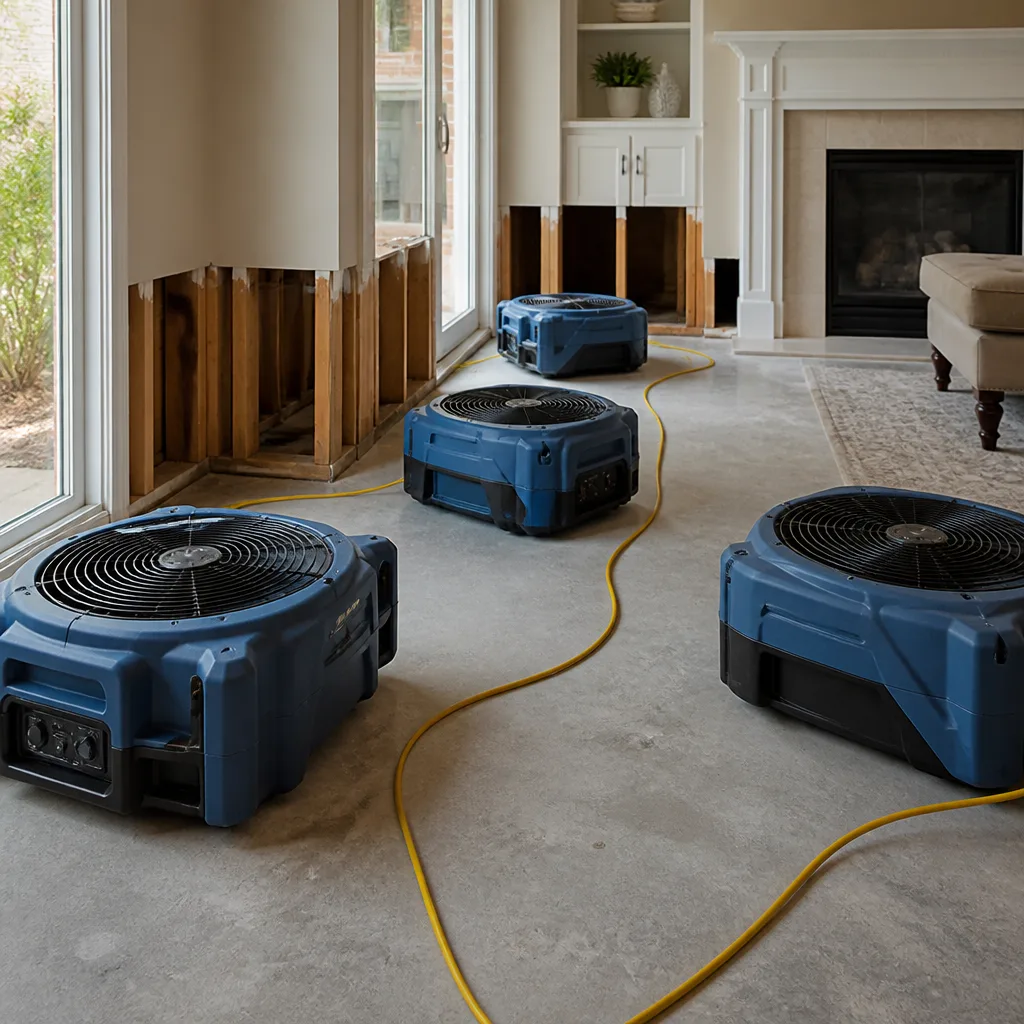
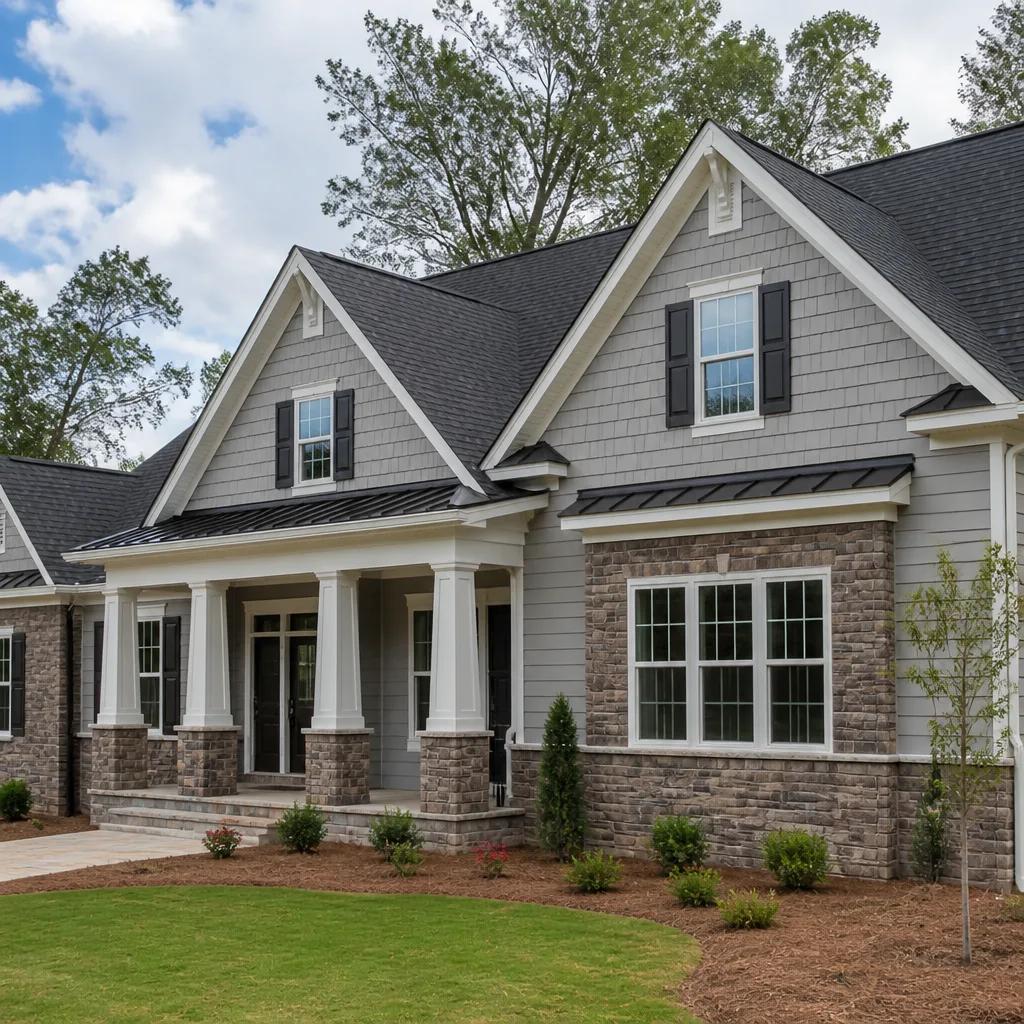
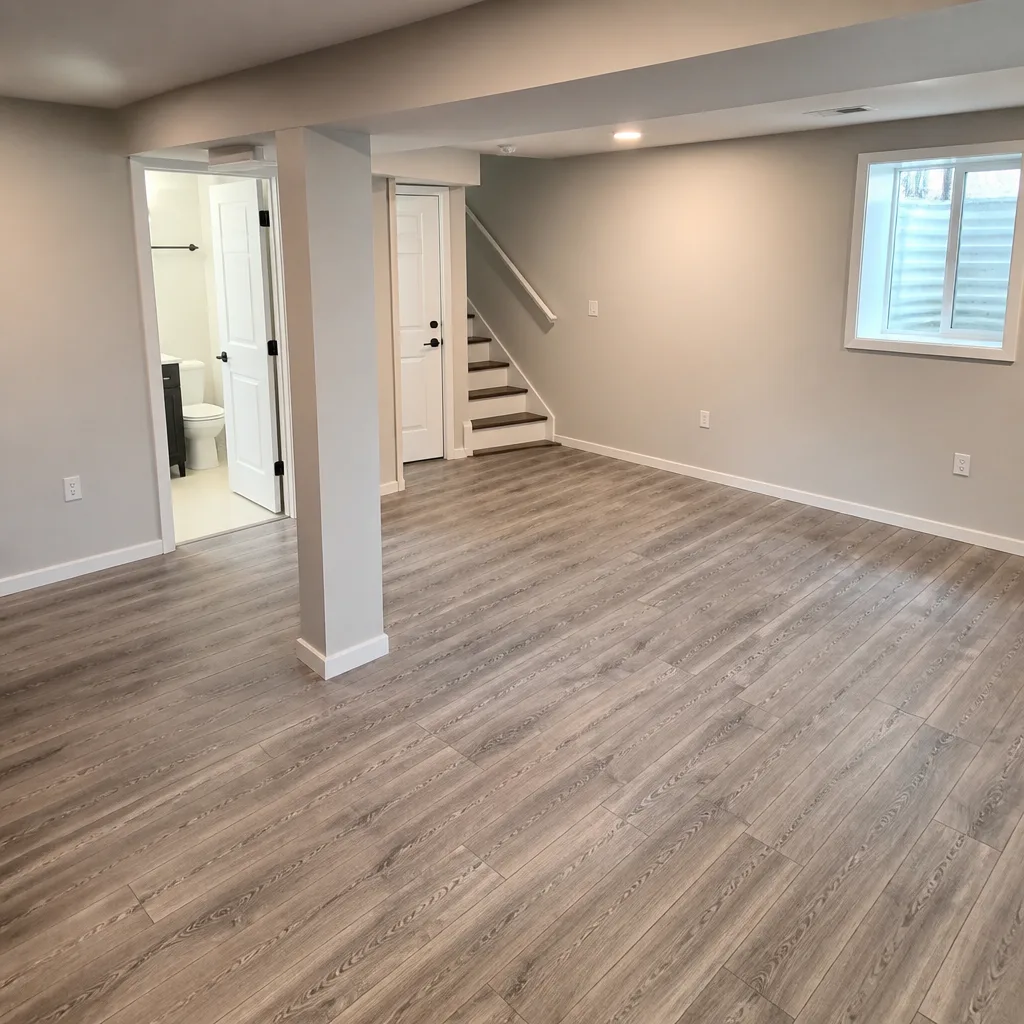
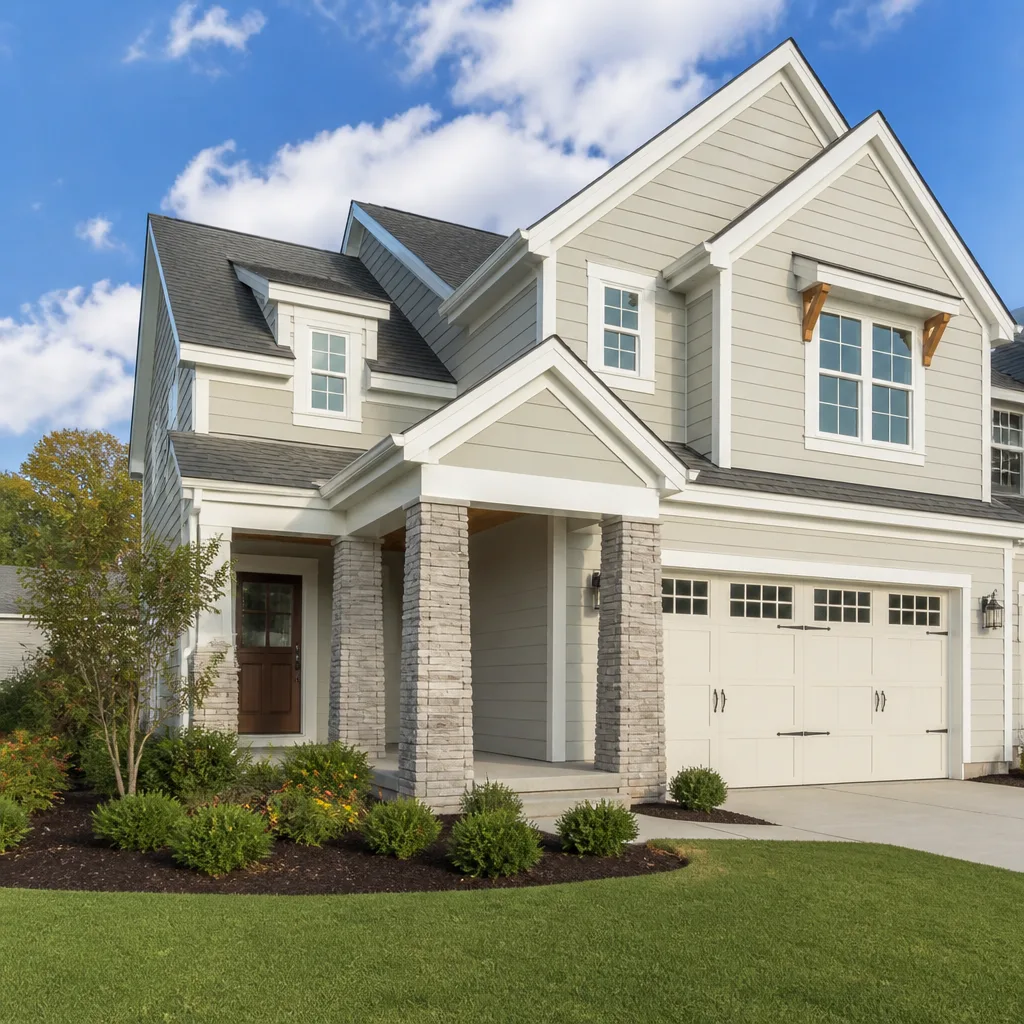
 Before
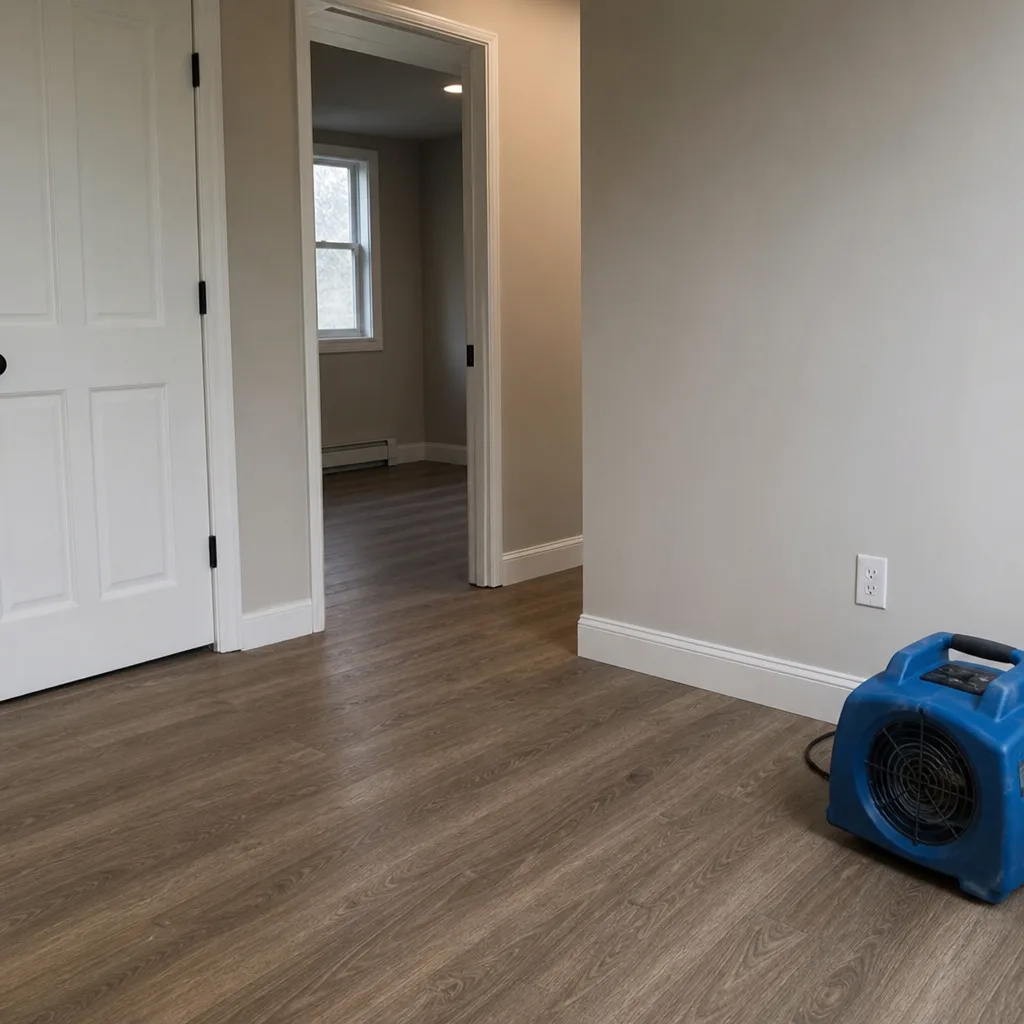 After
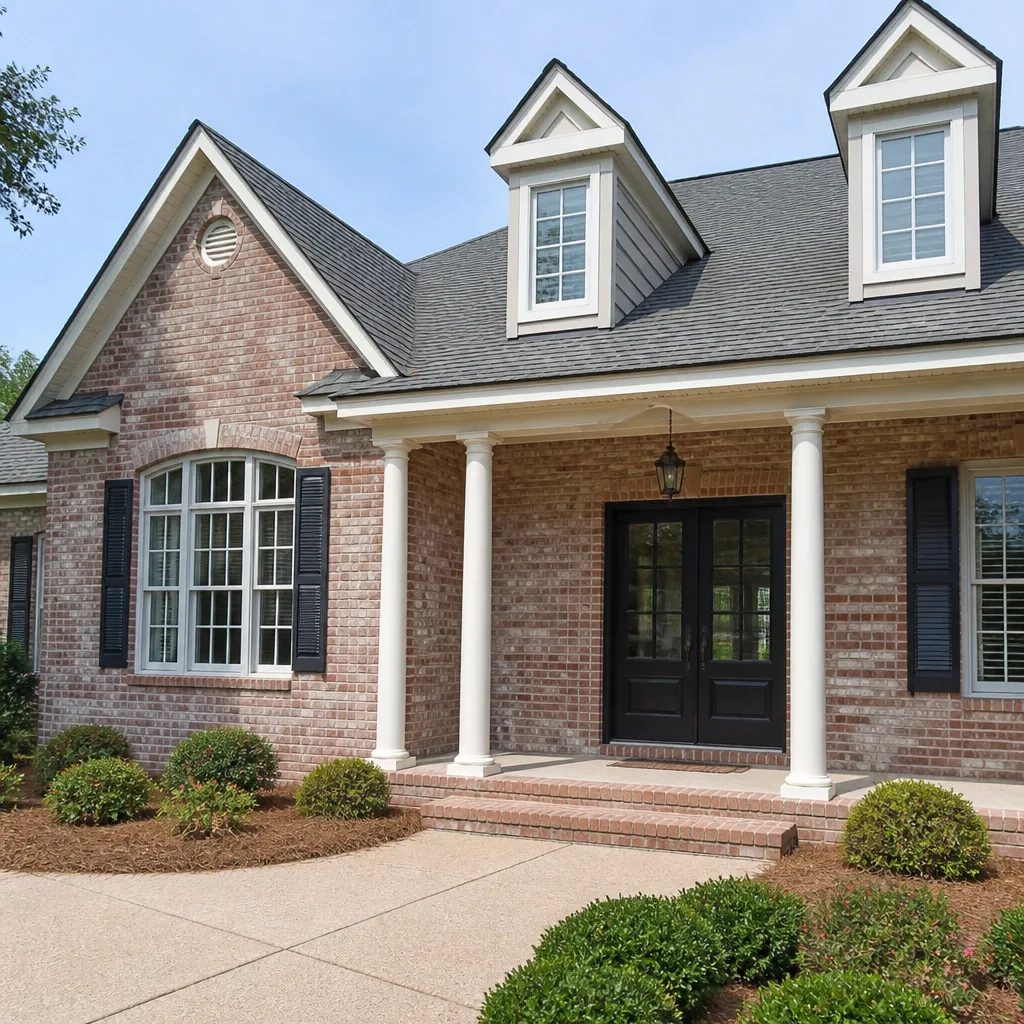
After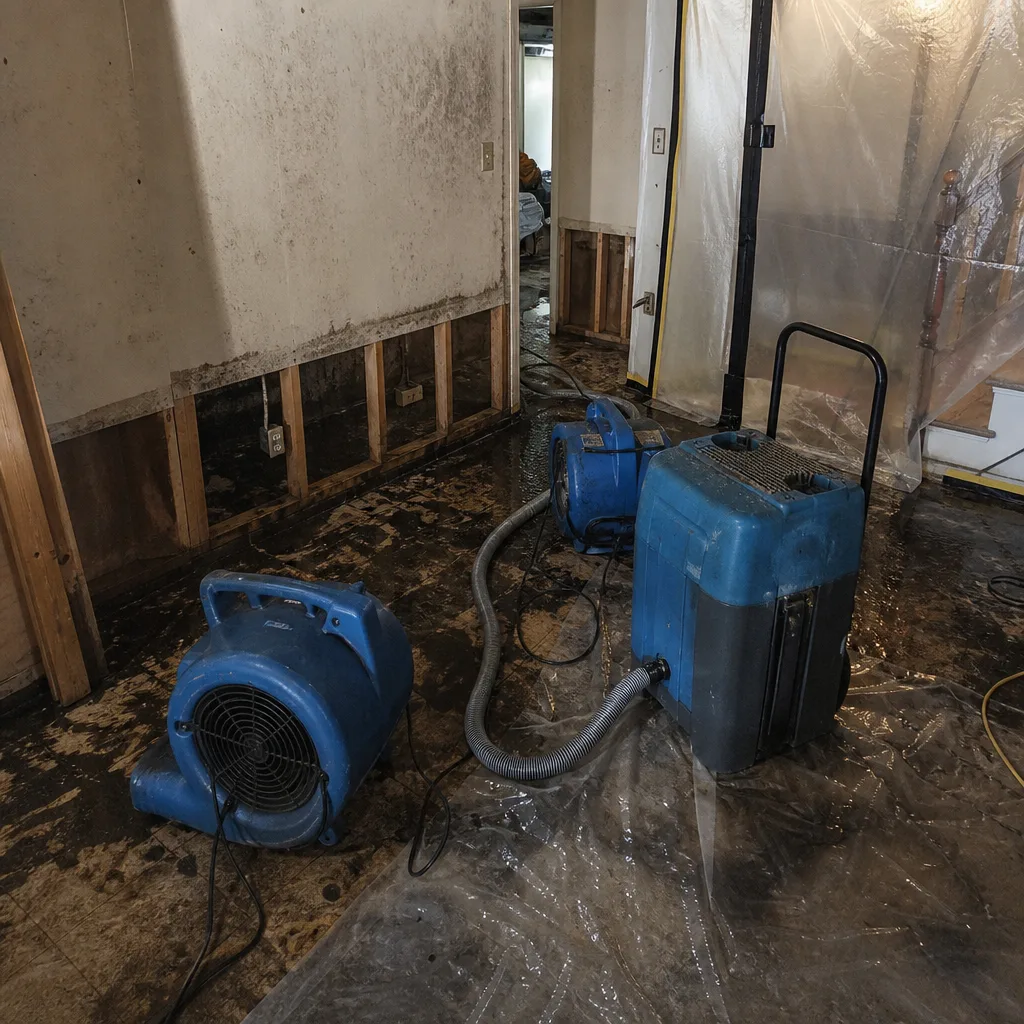 Before
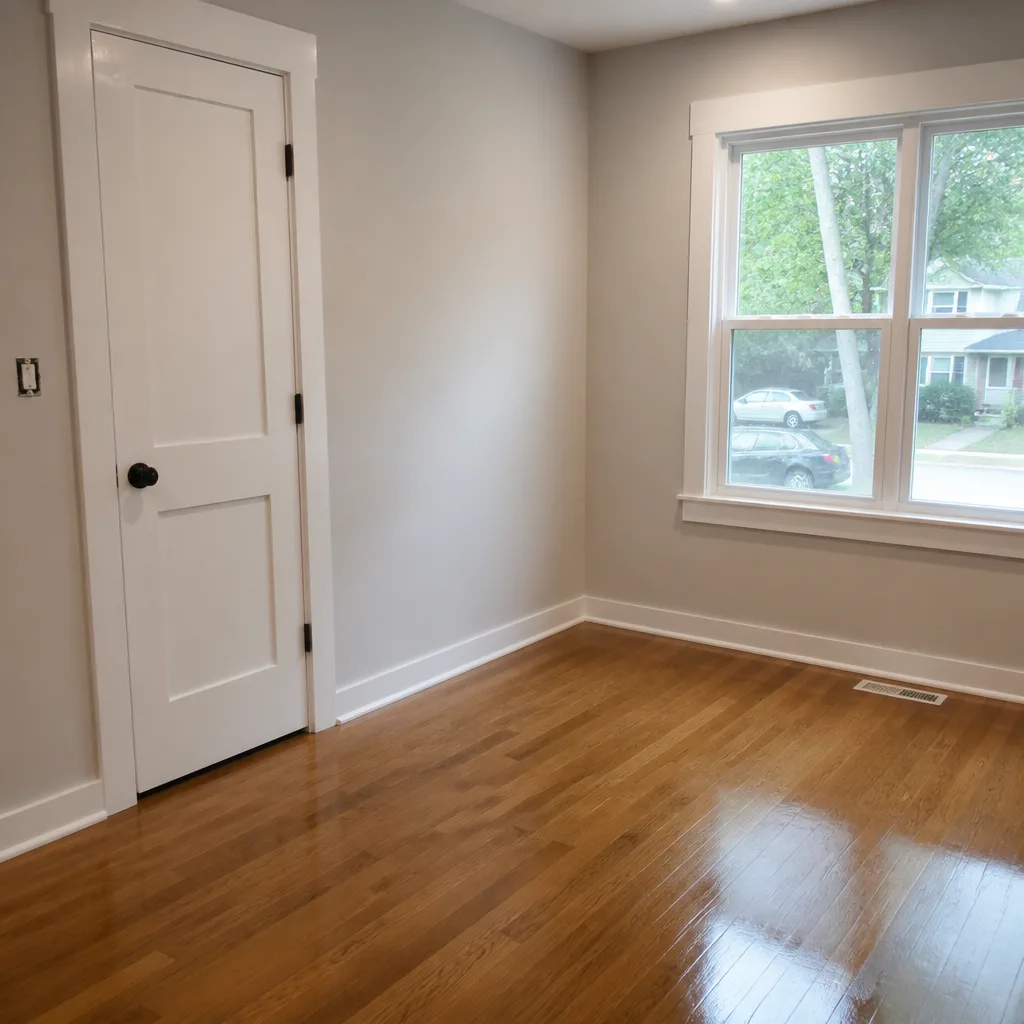 After
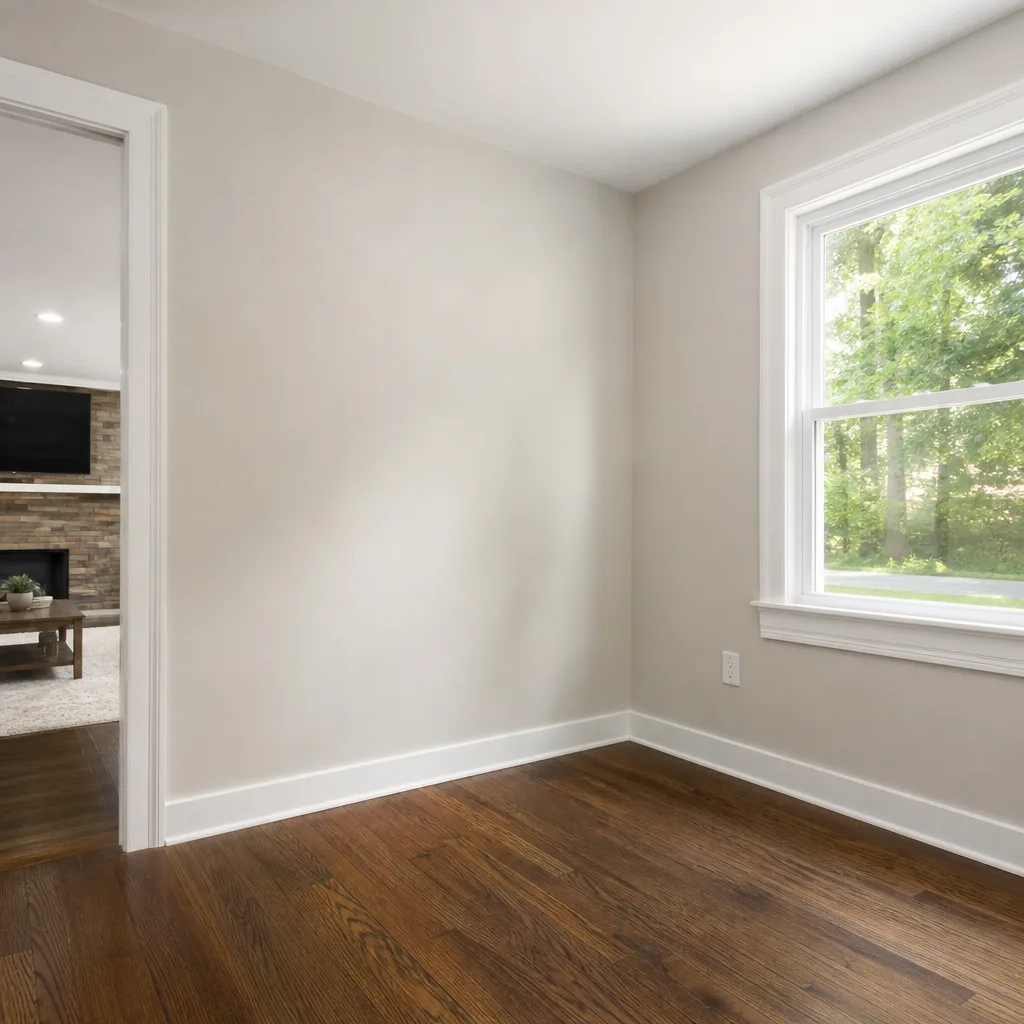
After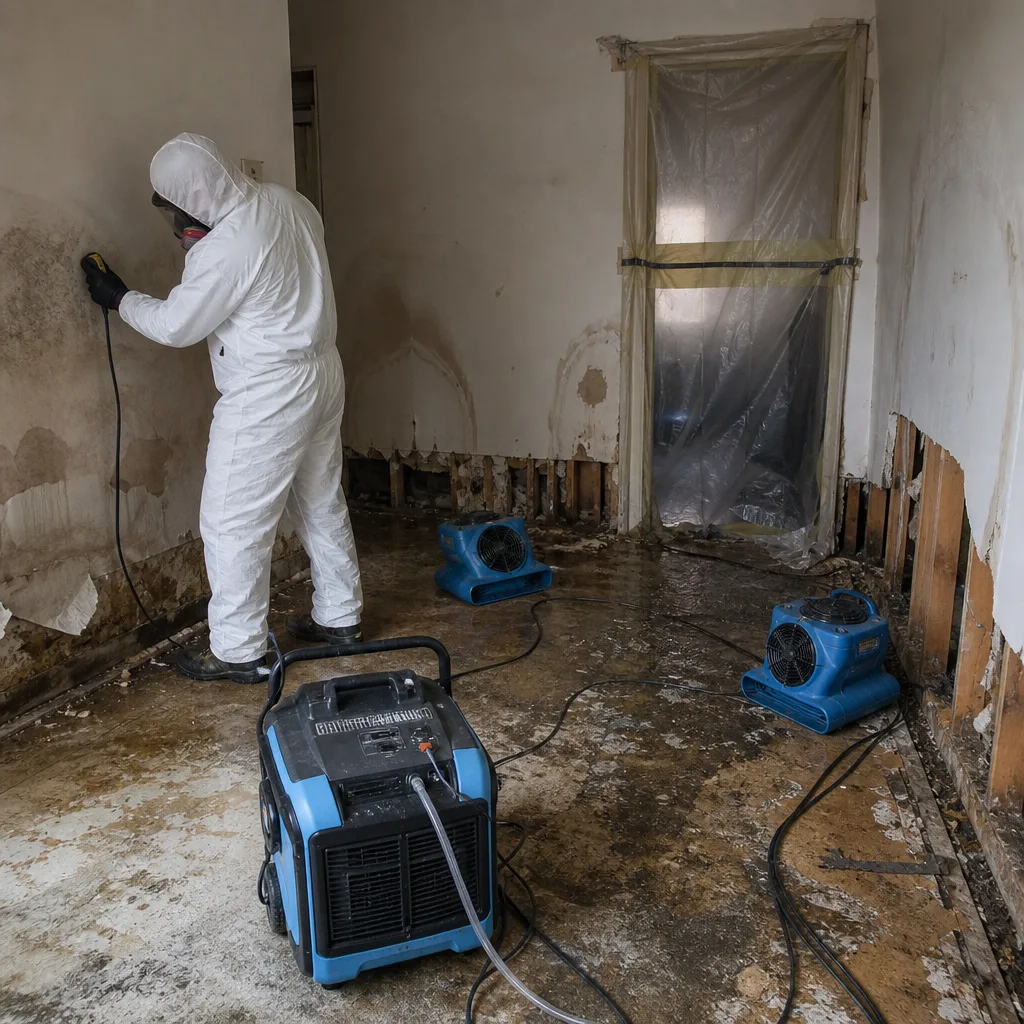 Before
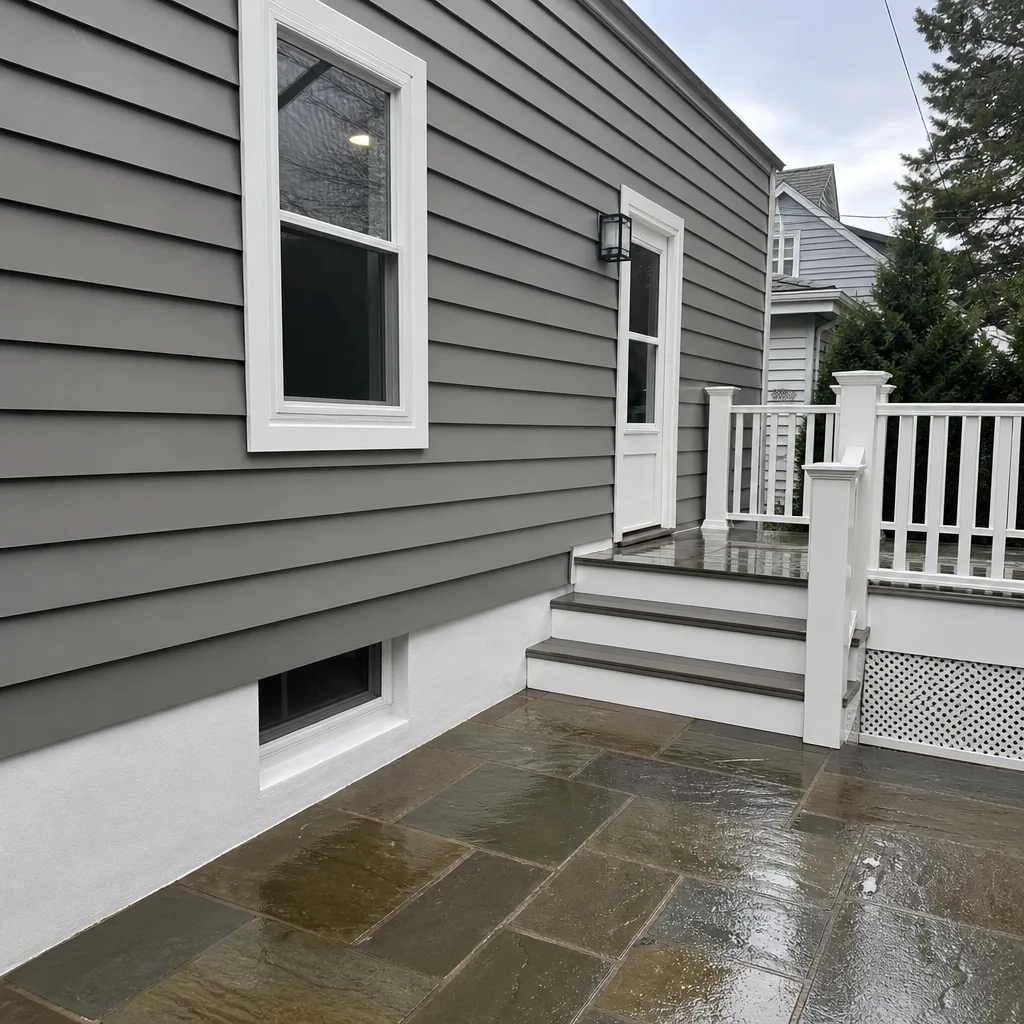 After
After24/7 Emergency Fire & Smoke Damage Restoration in Westwood
A kitchen fire in Westwood leaves more than a burn mark. Smoke pushes through wall cavities, soot settles into every room off the hallway, and within 48 hours the odor locks into drywall, carpet, and upholstery. Call Floodline Restoration Co. at (640) 333-9625 any hour. A live person answers, and we dispatch a certified crew into the borough immediately. The first hour matters because soot is acidic. It etches glass, corrodes metal fixtures, and stains painted surfaces faster than most homeowners expect. Every hour it sits, cleanup costs climb. We perform a free visual inspection on arrival, walk you through what we found in plain language, and start containment the same visit. Westwood’s older colonials and Cape Cods, especially the 1940s and 1950s builds, hold smoke in ways newer construction does not. That’s why we do not wait.
Understanding Fire & Smoke Damage Restoration Severity in Westwood Properties
Fire damage breaks into layers, and Westwood’s housing stock makes all three layers worse. First, there’s the char and burn itself, the structural damage to framing, flooring, and wallboard. Second, there’s soot residue. A low-oxygen smoldering fire leaves a greasy, smeary soot that bonds to surfaces. A hot, fast-burning fire leaves a fine, dry soot that drifts into every gap, every drawer, every closet. Third, there’s smoke migration. Smoke travels along plumbing chases and electrical runs into rooms the fire never touched. In Westwood’s split-levels and Cape Cods, built tight with shared wall cavities between floors, smoke travels up and sideways quickly. The soot residue types matter because each requires a different cleaning method. Dry soot needs HEPA vacuuming and dry-sponge wiping before any wet cleaning, or it smears into the paint permanently. Oily soot from protein fires needs chemical breakdown. And in homes off Kinderkamack Road and the streets feeding Brookside Avenue, the air path through a forced-air furnace spreads odor through the entire house. We find soot inside HVAC ducts in most Westwood fire jobs, even small kitchen fires contained early.
Why Westwood Property Owners Choose Floodline Restoration Co.
- 45-minute response commitment. When you call about fire damage in Westwood, a certified crew is on the road within 45 minutes. We do not schedule fire emergencies for tomorrow.
- 24/7 live answer. A real dispatcher picks up the phone at 2 a.m. on a Sunday night. You never leave a voicemail for a call center or wait on hold for an automated tree.
- IICRC-certified crews. Our technicians hold FSRT (Fire & Smoke Restoration Technician) and WRT (Water Restoration Technician) certifications through the IICRC. They understand how fire suppression water and smoke damage interact.
- Free visual inspection. We walk the property, show you where the smoke traveled, where moisture is hiding, and what must be done now versus what can wait. No charge for that visit.
- Direct insurance billing. We work with your carrier from day one. We write the scope in their format, send the photos they need, and bill them directly. You don’t play messenger.
- One team from first response to final repairs. We do not hand your job off to a sub-contractor after cleanup. The same Floodline Restoration Co. crew handles extraction, drying, deodorization, and reconstruction.
Our Fire & Smoke Damage Restoration Process
Inspection & Assessment
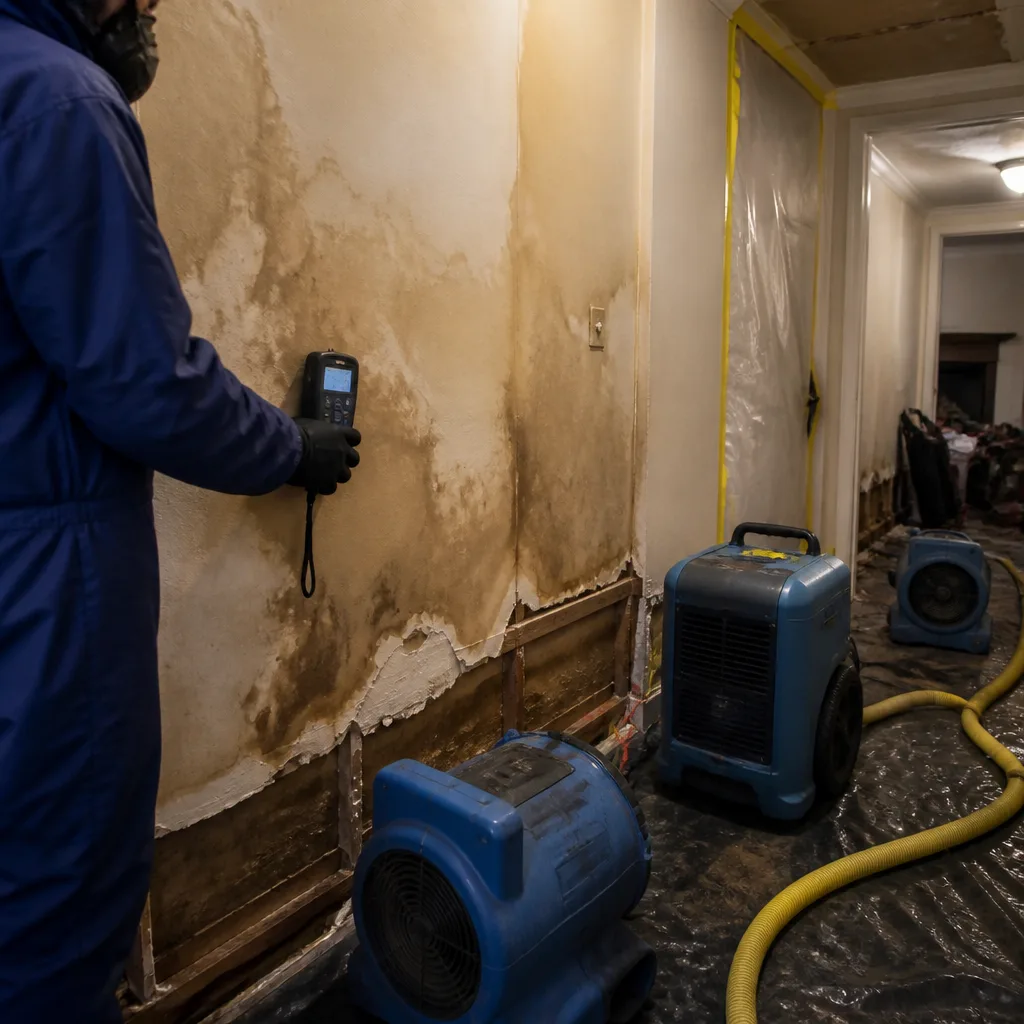
We examine every room, including spaces the fire never touched, because smoke moves. Using thermal imaging, we trace heat path and moisture. In Westwood homes with prior flood history, we run moisture mapping on basement walls and first-floor cavities before touching anything.
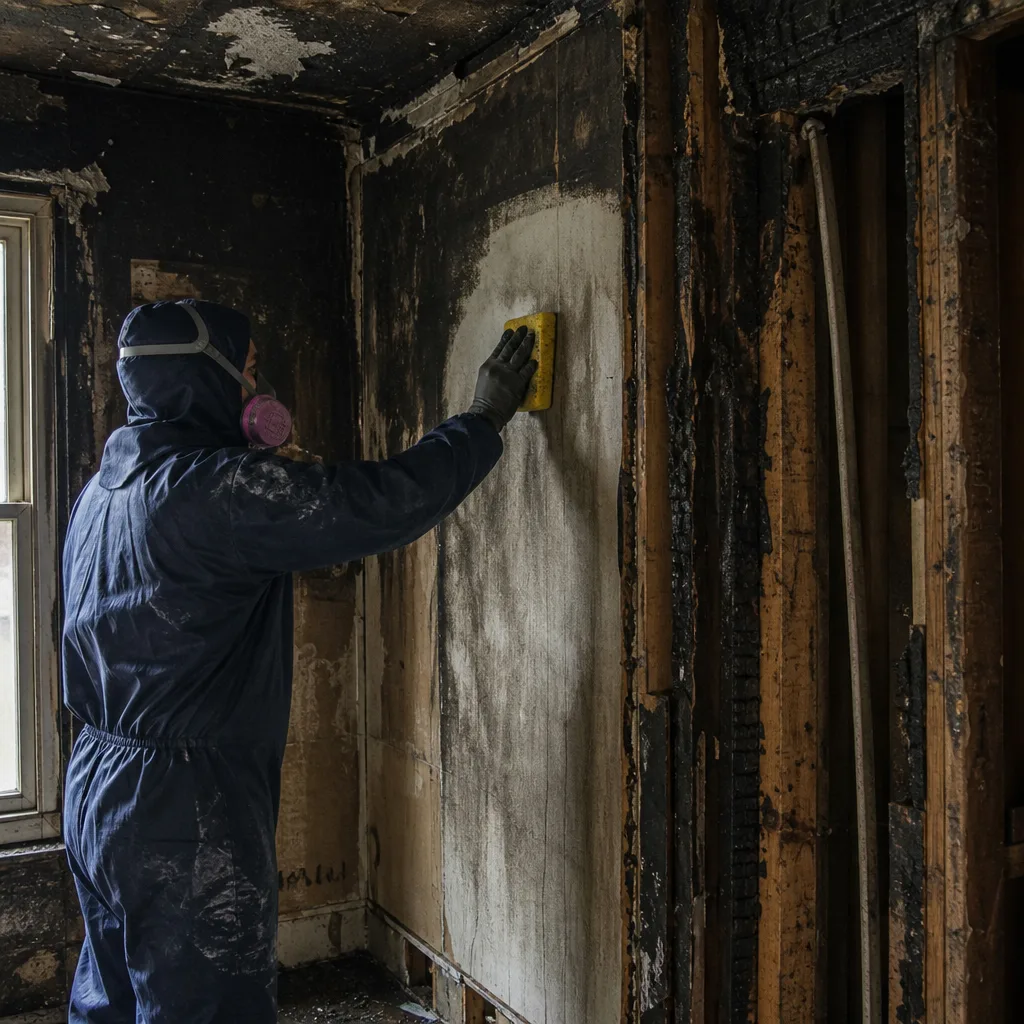
Board-Up & Stabilization
Open windows, burned-out walls, compromised roofs. We seal the structure with plywood and tarps, secure entry points, and make sure your home is protected from weather, animals, and unauthorized entry. On tight Westwood streets, we stage equipment to keep your neighbors’ driveways clear.
Drying & Dehumidification
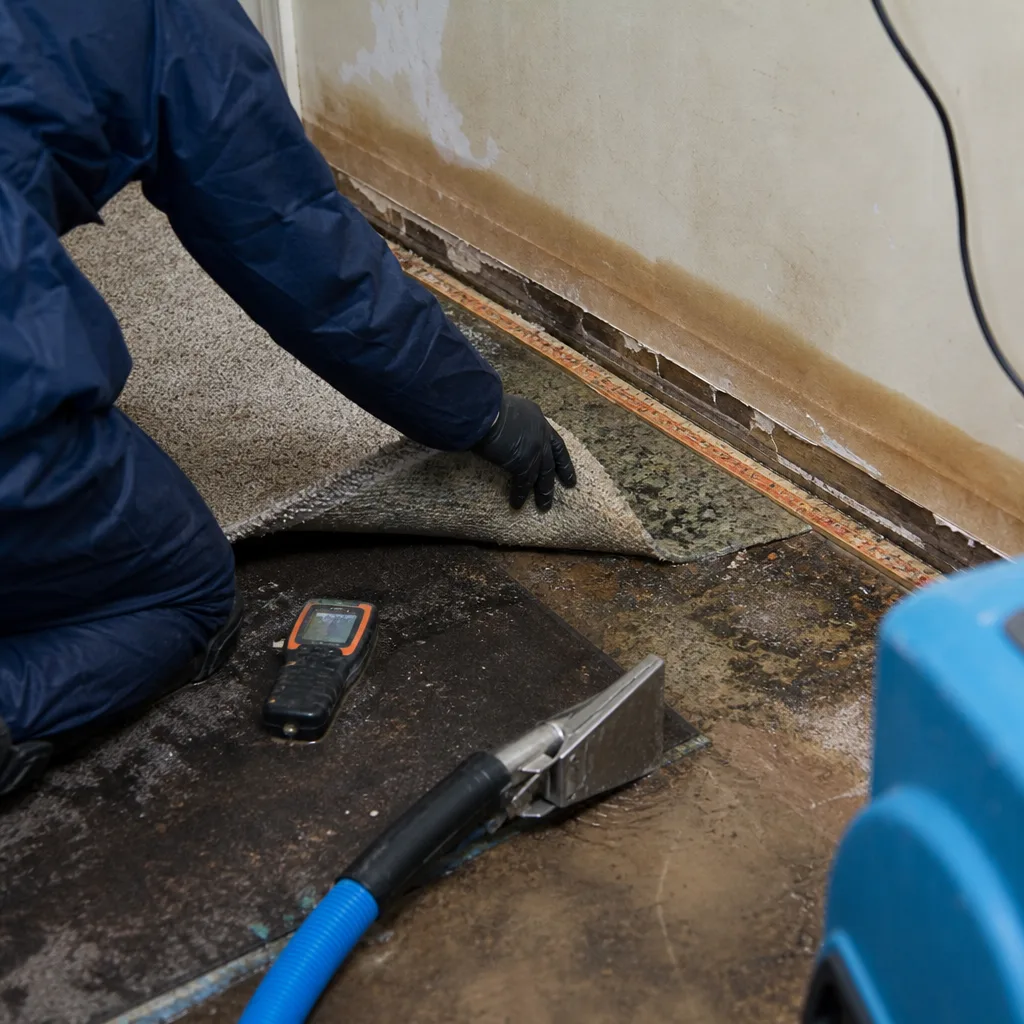
Fire suppression water is a second loss inside the first. We deploy Dri-Eaz dehumidifiers and XPOWER air movers in a planned configuration that reaches low-clearance basements and corners that generic setups miss. Daily moisture readings go into the log until the structure hits the dry standard.
Smoke & Soot Removal
We clean every surface by soot type. HEPA vacuuming comes first. Then dry-sponge wiping on walls and ceilings. HVAC ducts get cleaned, not ignored. Ceilings in older Westwood homes often need multiple passes because smoke penetrates plaster deeper than drywall.
Odor Removal & Deodorization
Ozone treatment, thermal fogging, and hydroxyl generators, chosen by what works best in our client’s specific home. In Westwood’s tight split-levels, thermal fogging reaches cavities that other methods cannot. We treat the furnace and ductwork, not just the room where the fire started.
Repairs & Restoration
We rebuild what we removed. Drywall, insulation, flooring, paint, trim. If hidden mold from prior flood events shows up during demolition, we remediate it under containment before rebuilding. That’s part of the scope, not a surprise add-on.
Need Emergency Fire & Smoke Damage Restoration in Westwood Now?
Crews minutes away, answering live 24 hours a day. The sooner we start, the less it costs.
Working With Your Insurance Company
When you file a fire claim in Westwood, your carrier sends an adjuster eventually. Our crew is there on day one. We document the loss from the first hour because that level of documentation changes claim outcomes. We photograph every room, every surface, every piece of damaged content before we move it. We run moisture readings and log them daily. We write a line-item scope of work in the format your carrier uses, so the estimate moves through their system without return requests. Then we talk to your adjuster directly. Homeowners from Westwood to Oradell tell us the same thing: the insurance part was easier than they expected because we handled it. Curt Bowman built this company around that promise. The homeowner should not be the go-between for their own claim.
What We Provide Your Insurer
- Thorough documentation of the loss
- Photos of all damage, room by room
- Moisture readings and drying logs
- A detailed, line-item scope of work
- Direct coordination with your carrier
Built for Westwood’s Loss Calendar
Westwood’s fire losses follow a pattern. Winter months bring space heater fires. The post-WWII Cape Cods and colonials that dominate the borough run older wiring, and when January hits and homeowners overload circuits with space heaters, we get the call. December through February is our busiest fire response window. Spring and summer bring a different problem: lightning strikes on the borough’s mature trees, which fall across service lines, arc through panels, and ignite siding. Late summer thunderstorms roll through Bergen County and the calls start. Then there’s the flood-fire connection. Westwood sits in the Pascack Brook watershed, and lower-lying streets flood during nor’easters. Water reaches the furnace, the electrical panel, the wiring in basement walls. The fire risk comes after, when corroded connections and compromised breakers are re-energized. We see it in homes off Washington Avenue and the streets feeding Westwood Lake. The borough’s drainage profile means restoration is rarely one problem. It’s the fire, then the water, then the hidden mold behind both.
Fire & Smoke Damage Restoration Across Westwood’s Neighborhoods
We respond throughout Westwood, and each area presents its own access and structure profile. The downtown core, the blocks around Westwood Avenue and Center Avenue, sits tight. Older homes there, some pre-WWII with stone or rubble foundations, have narrow driveways, shared walls, and limited staging space. Board-up takes planning. We bring equipment in pieces, stage what we need in order, and keep your neighbors’ walkways clear. East of Kinderkamack Road, the residential streets fill with 1950s split-levels and colonials. These homes have mechanical rooms in the basement corner, often low-clearance spaces where air movers placed wrong create dead zones. We position drying equipment around the furnace, not just in the open floor. Over near Westwood Lake and the lower-gradient streets feeding it, flood history changes our fire response. Before we touch smoke-damaged drywall, we check for moisture wicked up behind it from previous events. The neighborhoods off Berkeley Avenue and along First Avenue through Fourth Avenue all carry the same pattern: older supply lines, clay-heavy soil, and water that sat longer than it should have after the last storm.
Specialized Fire & Smoke Damage Restoration Services We Offer in Westwood
Fire Damage Cleanup
We remove charred materials, damaged insulation, and unsalvageable drywall. We separate what is restorable from what is not, and we show you the line. In Westwood, we often find that wall studs behind the fire look sound but carry moisture from a past flood. We test before we rebuild.
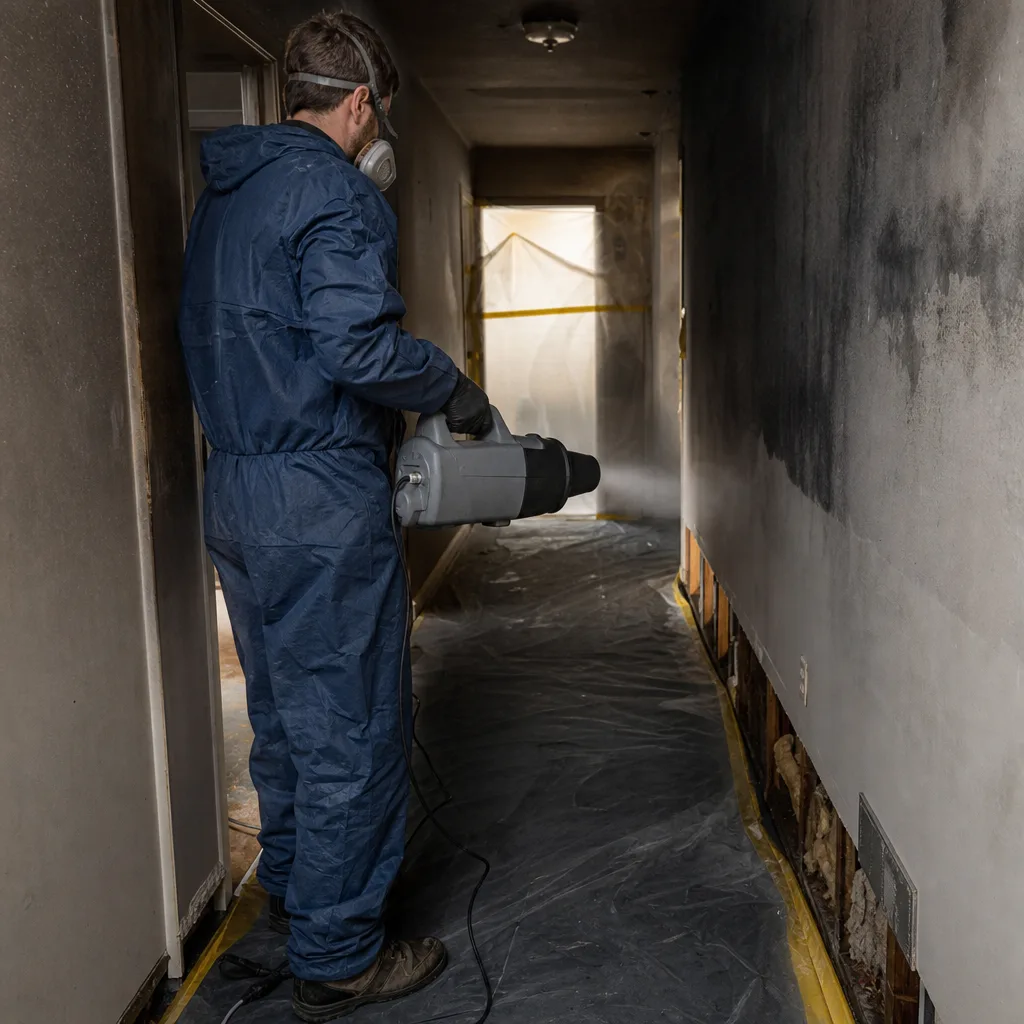
Smoke & Soot Removal
This is the work that determines whether the odor comes back in six months. Our crews work room by room, wall by wall, with HEPA vacuums, dry sponges, and chemical agents matched to the soot type. Westwood’s older plaster walls are porous. They hold smoke deeper than drywall. We clean them accordingly, even if it takes more passes.
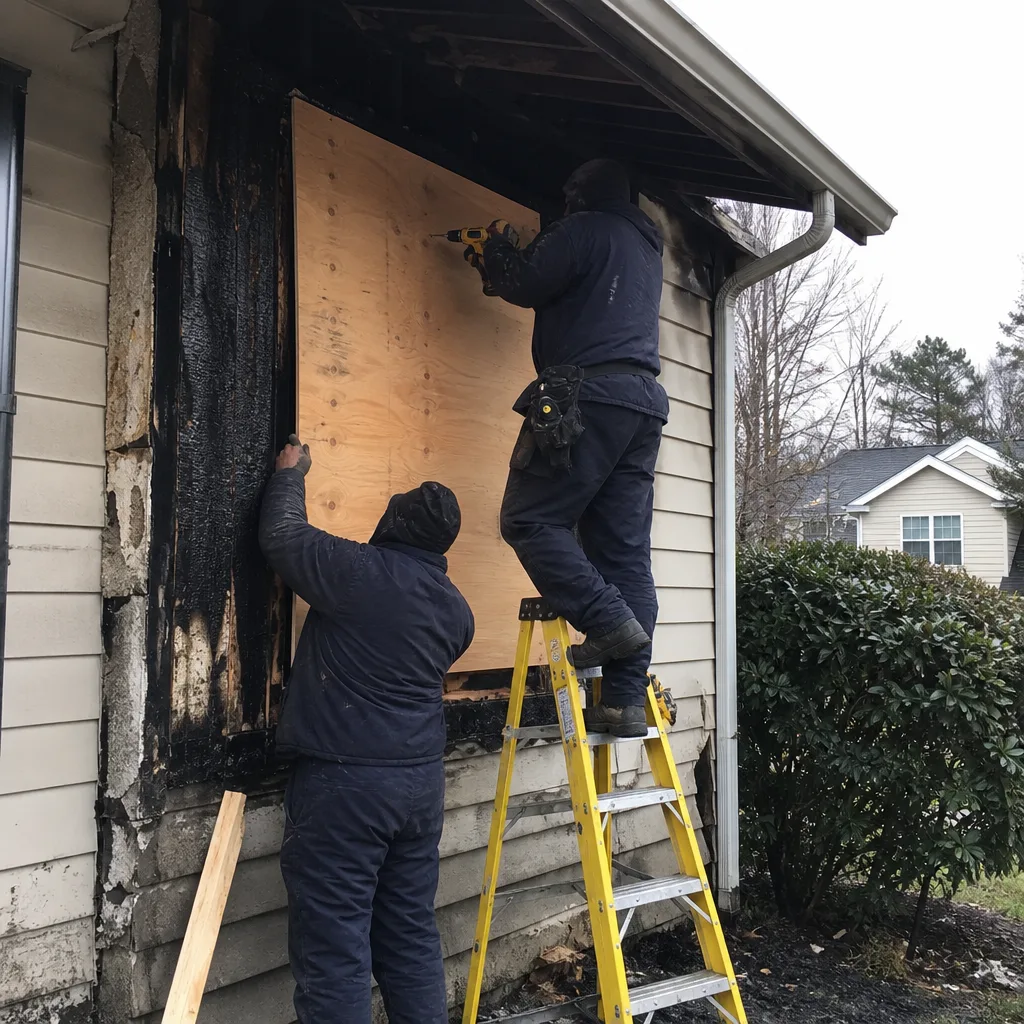
Odor Removal & Deodorization
Deodorization without addressing the source is a waste of your money. We locate smoke deposits first. Then we treat with hydroxyl generators or thermal fogging, including inside ductwork. In Westwood’s tight mechanical rooms, we use Injectidry systems to push deodorizer into wall cavities and behind built-ins where smoke settles unseen.
Contents Cleaning & Pack-Out
Furniture, clothing, dishes, books, electronics. Some contents we restore on site. Others need a pack-out to our facility, where we clean, deodorize, and store them until the home is ready. We inventory everything. You get a list. In narrow Westwood homes, pack-out clears the space we need to work, but we only move what must move.
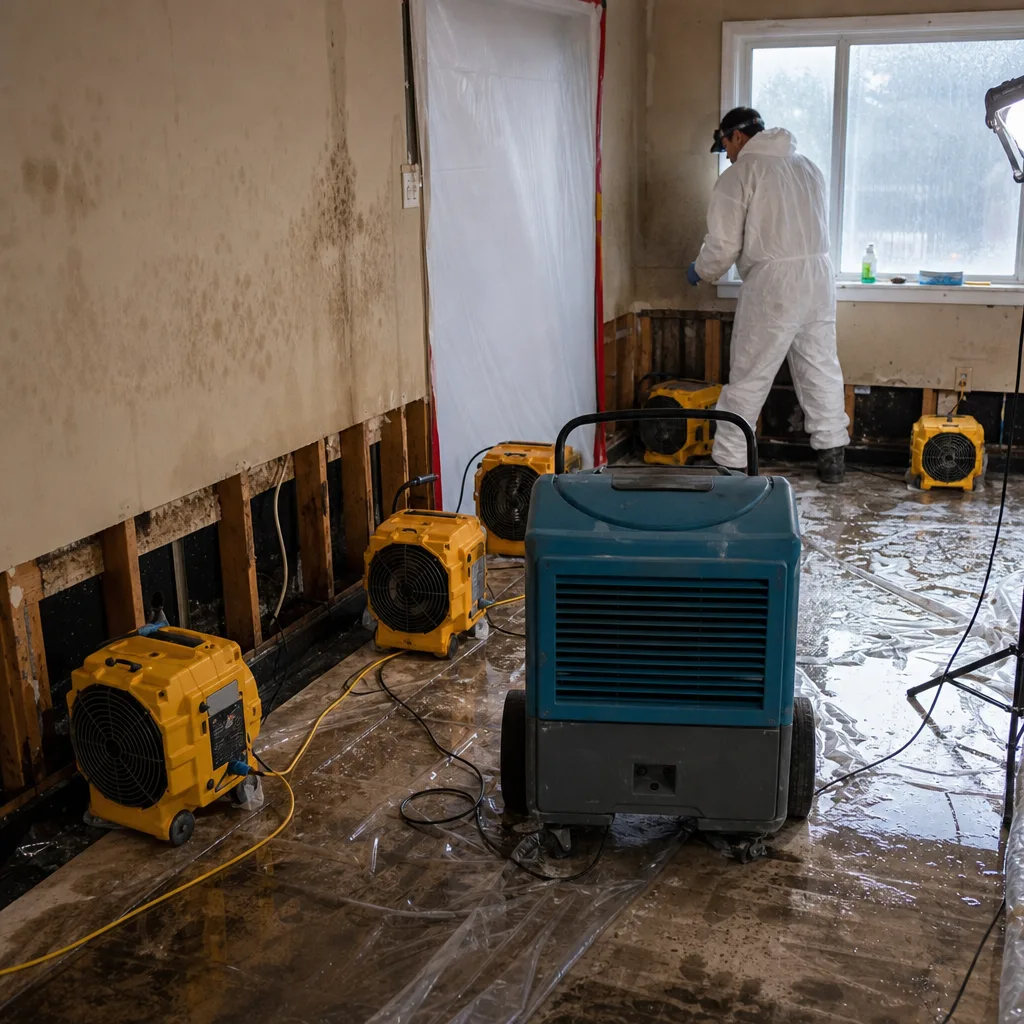
Emergency Board-Up & Tarping
After a fire, your home is exposed. We board windows, secure doors, and tarp the roof. In Westwood’s tight lots and shared driveways, we plan the work so we do not block your neighbor’s car. We arrive with the right materials, do the job, and leave the site secure the same visit.
What happens when you call
- 1
A real person answersNo phone trees - you reach a local pro.
- 2
You get an upfront price rangeHonest numbers before anyone is dispatched.
- 3
A background-checked tech heads outLicensed & insured, dispatched right away.
- 4
You approve before work beginsNothing starts until you say go.
Fire & Smoke Damage Restoration Costs in Westwood, NJ
What you pay depends on how far the smoke traveled and what materials must come out. A small kitchen fire with smoke damage on one floor in Westwood typically runs $3,800 to $8,500. Full smoke and soot removal throughout a split-level, including duct cleaning and contents cleaning, commonly lands between $7,000 and $15,000. Structural fire repair with drywall replacement, insulation removal, and repainting pushes the scope to $15,000 and up, depending on square footage. Odor removal alone, using thermal fogging and hydroxyl treatment, runs $1,200 to $3,500. Emergency board-up and tarping is $500 to $1,800 depending on openings. These are the ranges we see across Westwood, Haworth, and Dumont. Insurance covers most fire restoration, including the water damage from suppression. We provide a free visual inspection, then give you a written scope before any work begins. You’ll know the number before we start. Call (640) 333-9625 for a visit.
We Also Serve Cities Near Westwood
Our Westwood crews regularly respond to fire and smoke damage in Westwood and the surrounding boroughs, including Emerson, Haworth, Oradell, and Dumont. Same team, same 45-minute commitment, same 90-Day Done Right Promise in writing.
Serving Westwood, NJ - Our Local Coverage Area
We’re based in the Westwood area and know this community well. Use the map below to see our service coverage - if you’re nearby, we can almost certainly help.
Westwood Fire & Smoke Damage Restoration Questions, Answered
How does Westwood’s flood history affect fire damage restoration in my home?
When a Westwood home has prior flood exposure, we run moisture mapping before any fire restoration begins. Hidden moisture behind drywall or inside wall cavities creates conditions for mold growth once we open up fire-damaged areas. In our experience, Westwood homes with repeat flood claims often have mold colonies behind drywall that previous repairs covered cosmetically. We identify it, contain it, and remediate it before rebuilding. This adds a step but prevents a much larger problem later.
What’s the difference between smoke damage and soot damage in a Westwood kitchen fire?
Soot is the visible residue left by incomplete combustion. Smoke damage includes odor and discoloration that travel beyond the soot itself. In a Westwood kitchen fire, the protein smoke from burning food leaves an oily, nearly invisible film that bonds to surfaces. Dry wood smoke leaves visible black soot. Both require different cleaning methods. We identify the soot type before we touch a surface, because using the wrong cleaner on protein smoke residue makes it worse. Call (640) 333-9625 and we’ll assess it.
Do you need to remove drywall after a fire in a Westwood home with a history of flooding?
Often, yes. In Westwood homes that have had water intrusion in the past, the drywall behind a fire-damaged wall may look fine from the front but carry hidden moisture or mold from the earlier flood. We drill small inspection holes and check with moisture probes. If the material is wet or colonized, we remove it rather than seal it into the wall. This is one of the reasons our scopes in Westwood better serve the homeowner than a simple surface cleaning job.
How do you handle board-up on tight Westwood streets where parking is limited?
We stage materials in a sequence that keeps the work area compact. Crews arrive with pre-cut plywood and tarps sized to common window and door openings, so we minimize cutting on site. We park our vehicles in a way that does not block your driveway or your neighbor’s, and we coordinate with the Westwood PD if a street closure is required for structural work. Board-up is usually finished in under two hours.
Can you restore contents from my fire-damaged Westwood home on site, or do you need to pack them out?
Many contents can be restored on site. Hard surfaces, most furniture, and non-porous items clean well in place. Soft goods, clothing, and items with deep smoke exposure typically need pack-out to our facility for ultrasonic cleaning and deodorization. We make the call item by item, not as a blanket policy. In tight Westwood homes, we only pack out what must move, and you receive a written inventory before anything leaves.
How fast can you actually get to a fire job in Westwood?
Within 45 minutes of your call. We maintain a live dispatch board and crews stationed to cover the Pascack Valley area. Fire and smoke damage does not wait, and neither do we. Same-day board-up, assessment, and the start of smoke and soot removal on the first visit is the norm.
How long does fire and smoke restoration take in a typical Westwood home?
A kitchen fire with smoke damage on one floor usually takes 5 to 10 working days from start to paint. A whole-house event can take three to six weeks, depending on structural repairs and contents cleaning. In Westwood homes with prior flood moisture, we may add several days of structural drying before repairs begin. We give you a written timeline at the start, and we update it if the scope changes.
What should I do in the first 30 minutes after a fire in my Westwood home?
Get everyone out first. Then call your insurance company and Floodline Restoration Co. at (640) 333-9625. Do not touch soot-stained surfaces. Do not turn on ceiling fans or the furnace, because that spreads soot particles. Do not use water on soot. Keep movement minimal, especially in rooms the fire did not reach. The less traffic, the less soot gets ground into carpet and upholstery. We’ll handle the rest from there.
Written by Curt Bowman, Owner at Floodline Restoration Co. Our Fire & Smoke Damage Restoration crews serve Westwood with the same steady approach since day one: done right, and backed in writing.