
Free visual inspection and a written scope of work before any mitigation begins - photos, moisture readings, and drying logs go in your claim file
The scope we write is the scope we bill. Anything new gets shown to you, in writing, before we touch it.
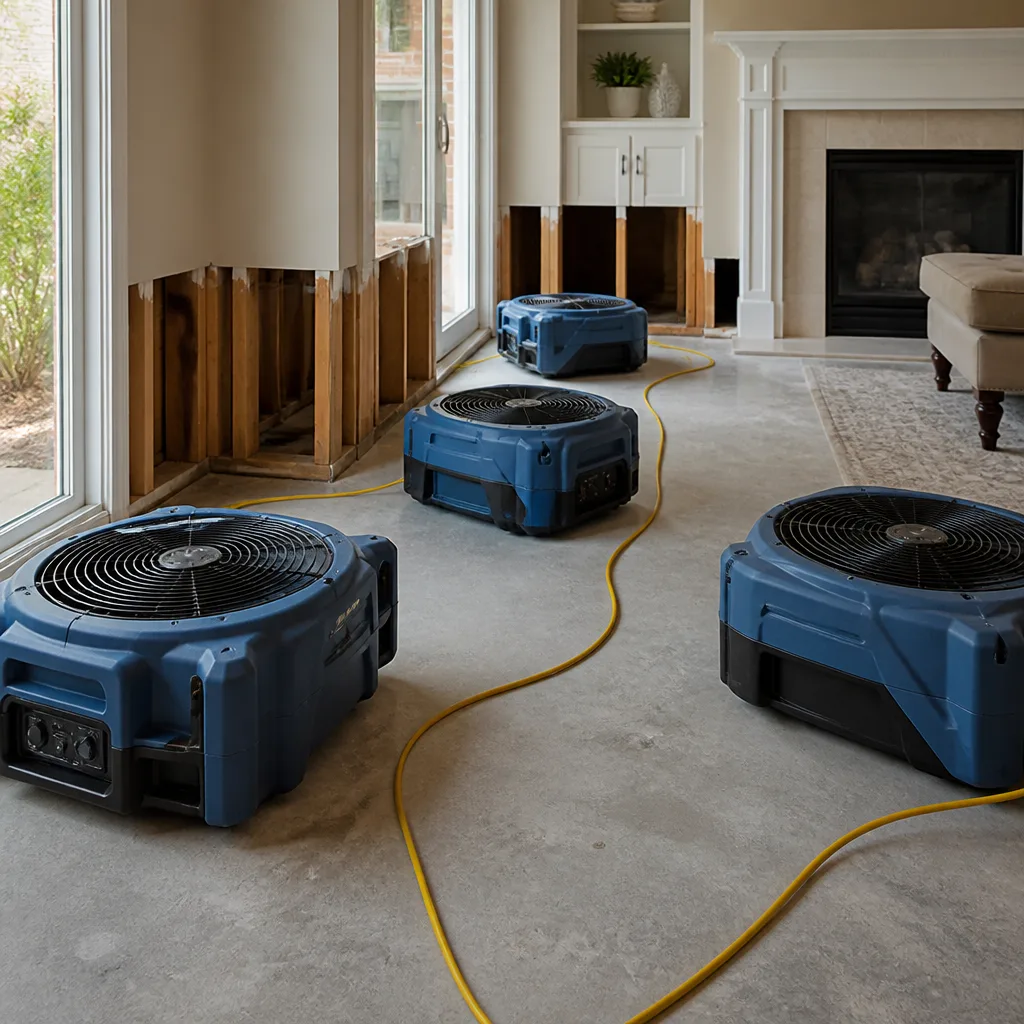
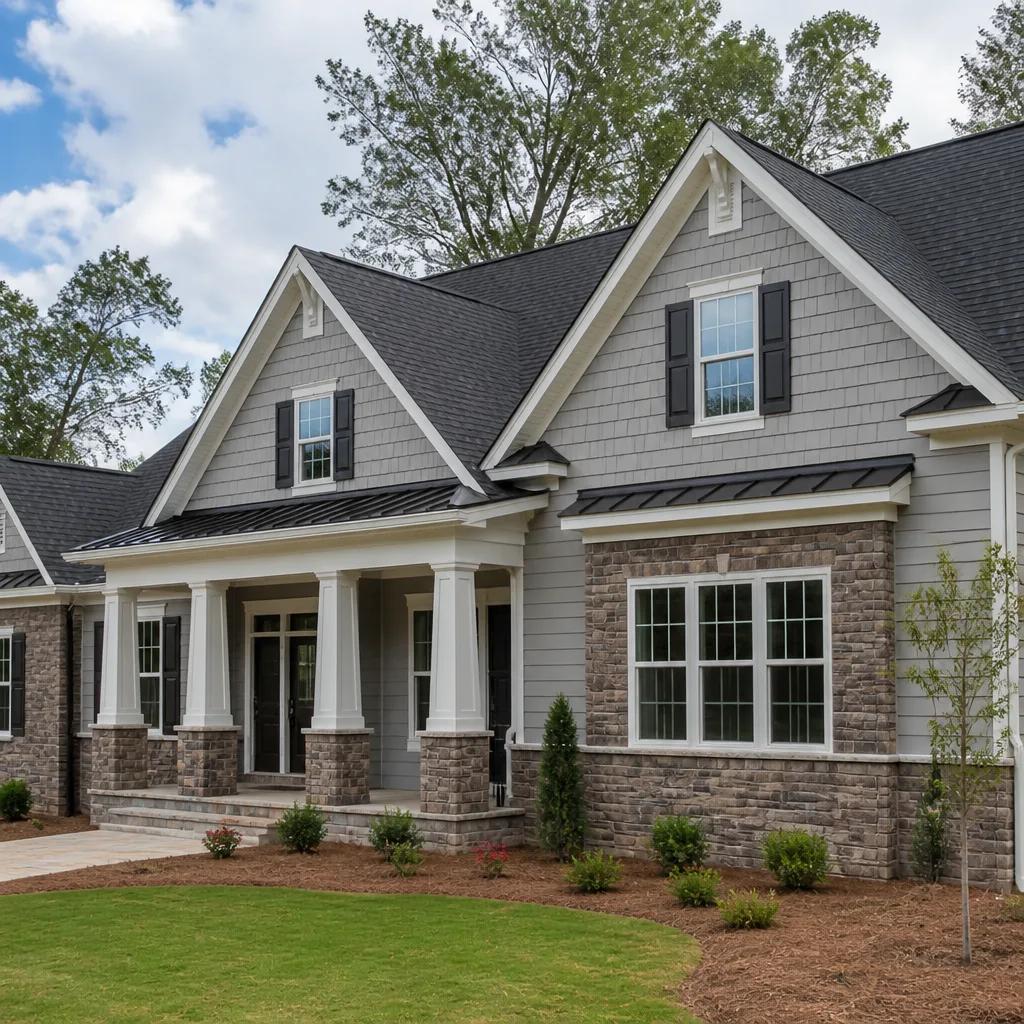
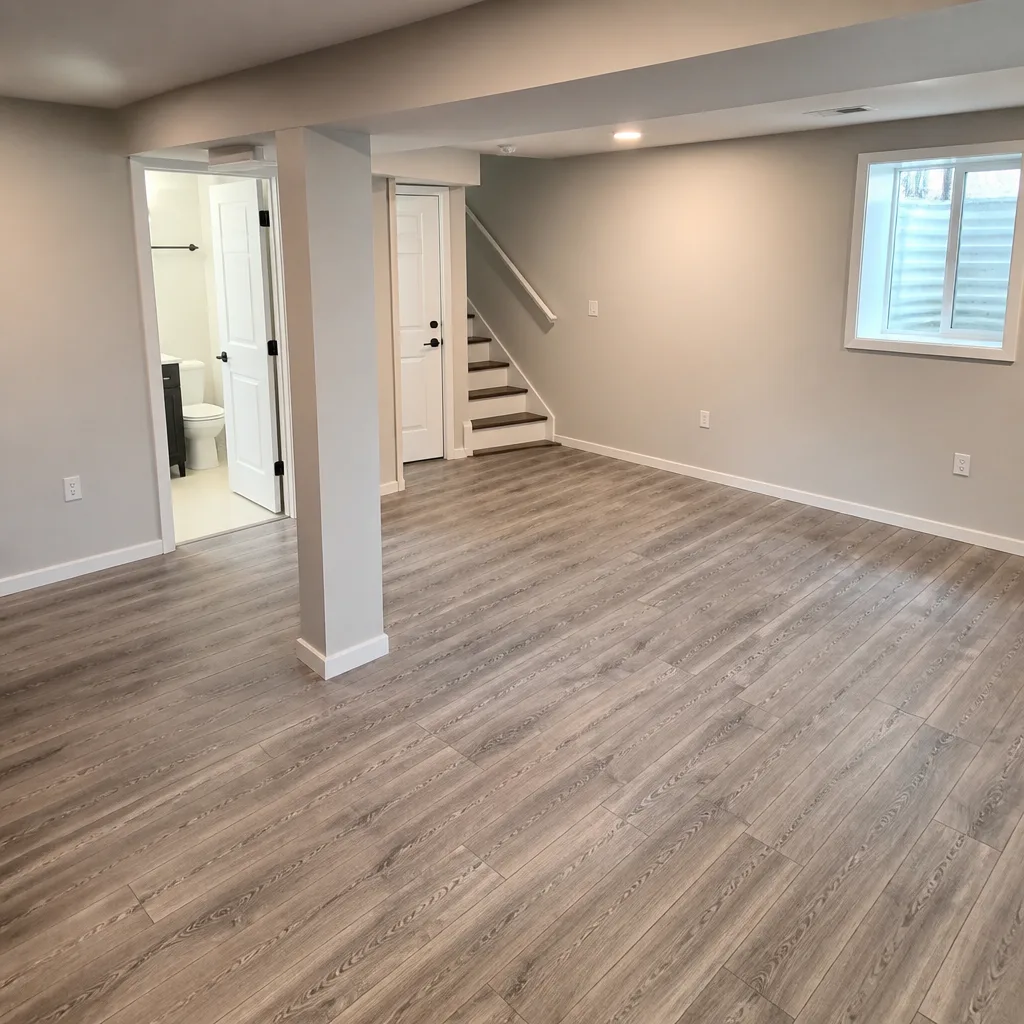
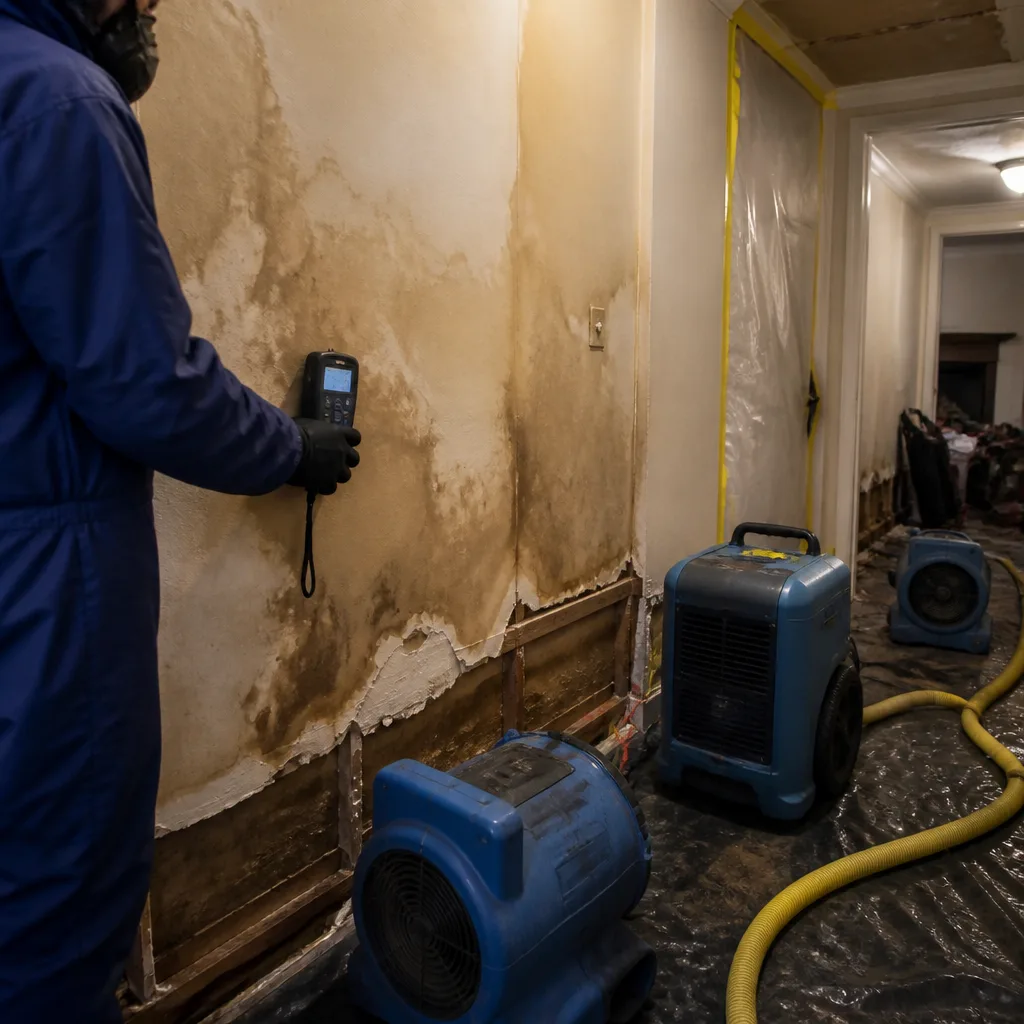 Before
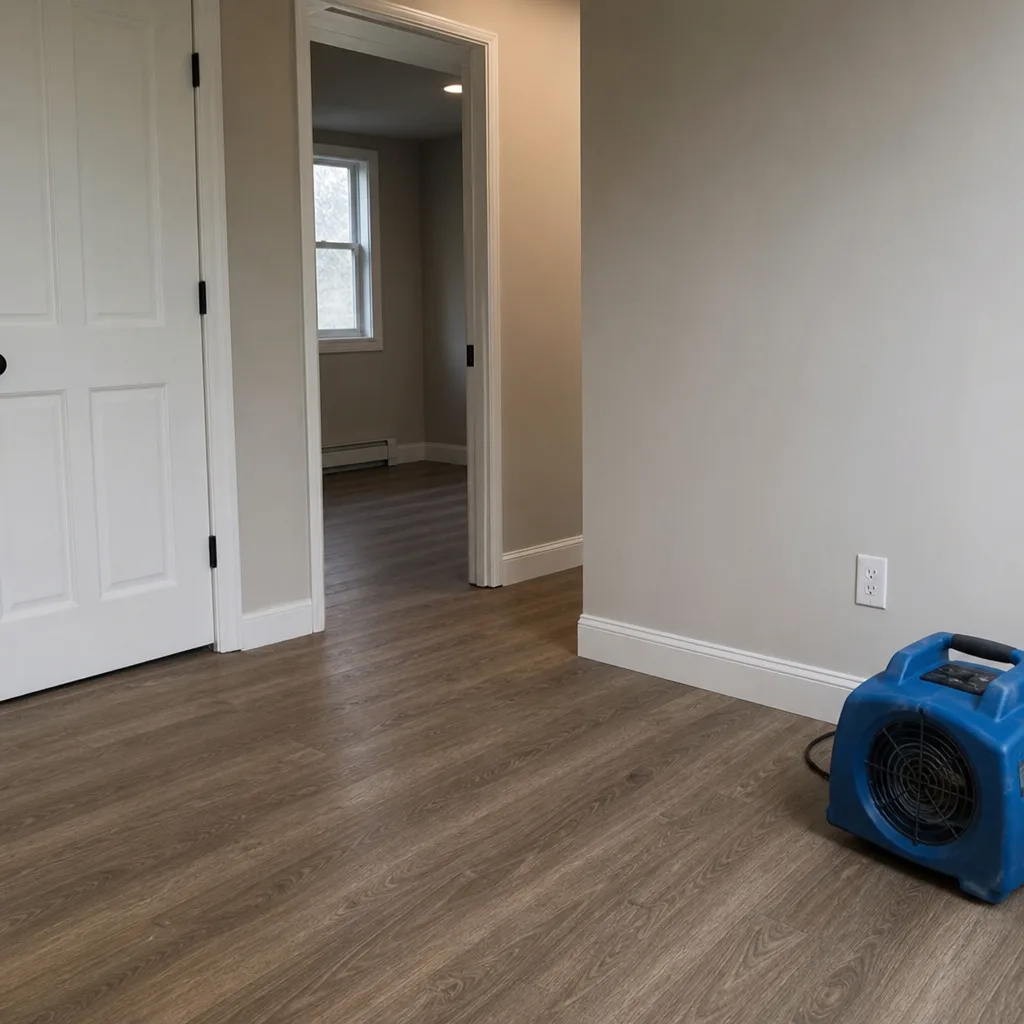 After
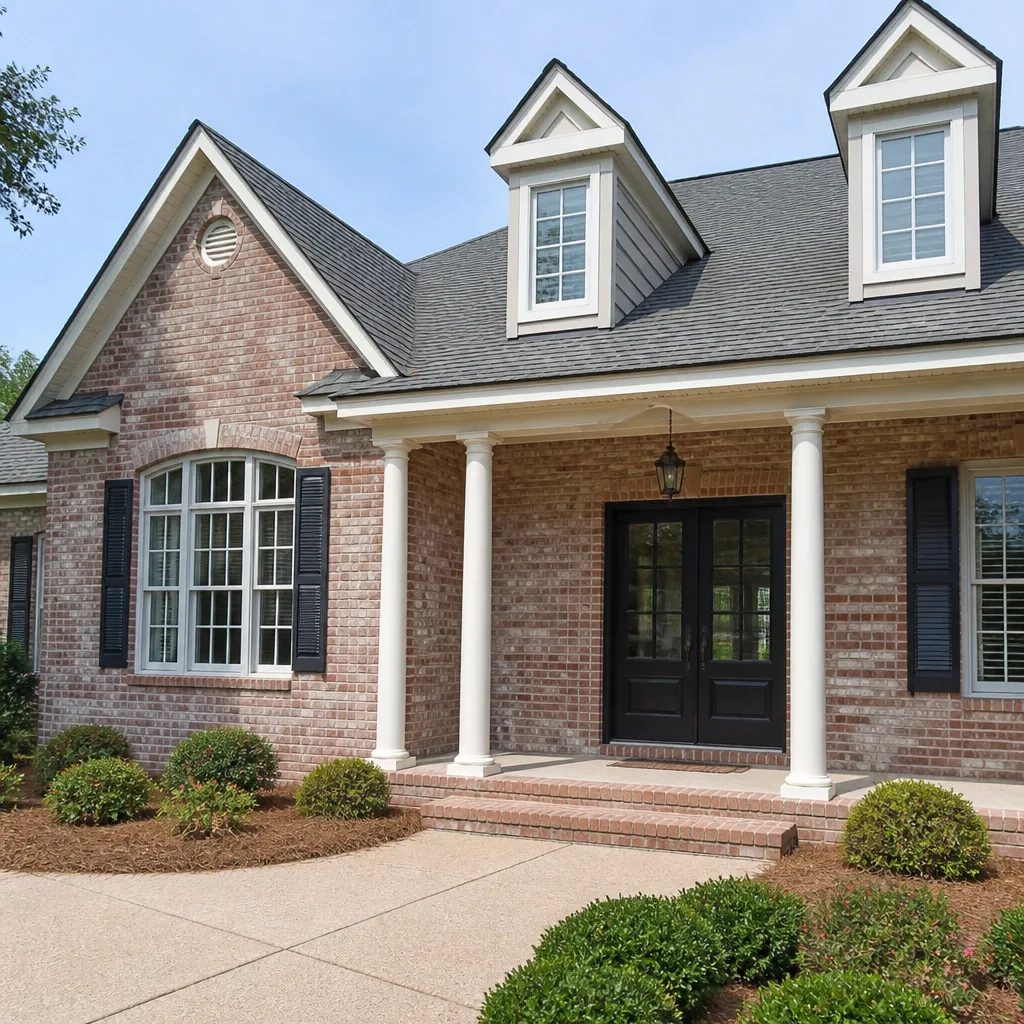
After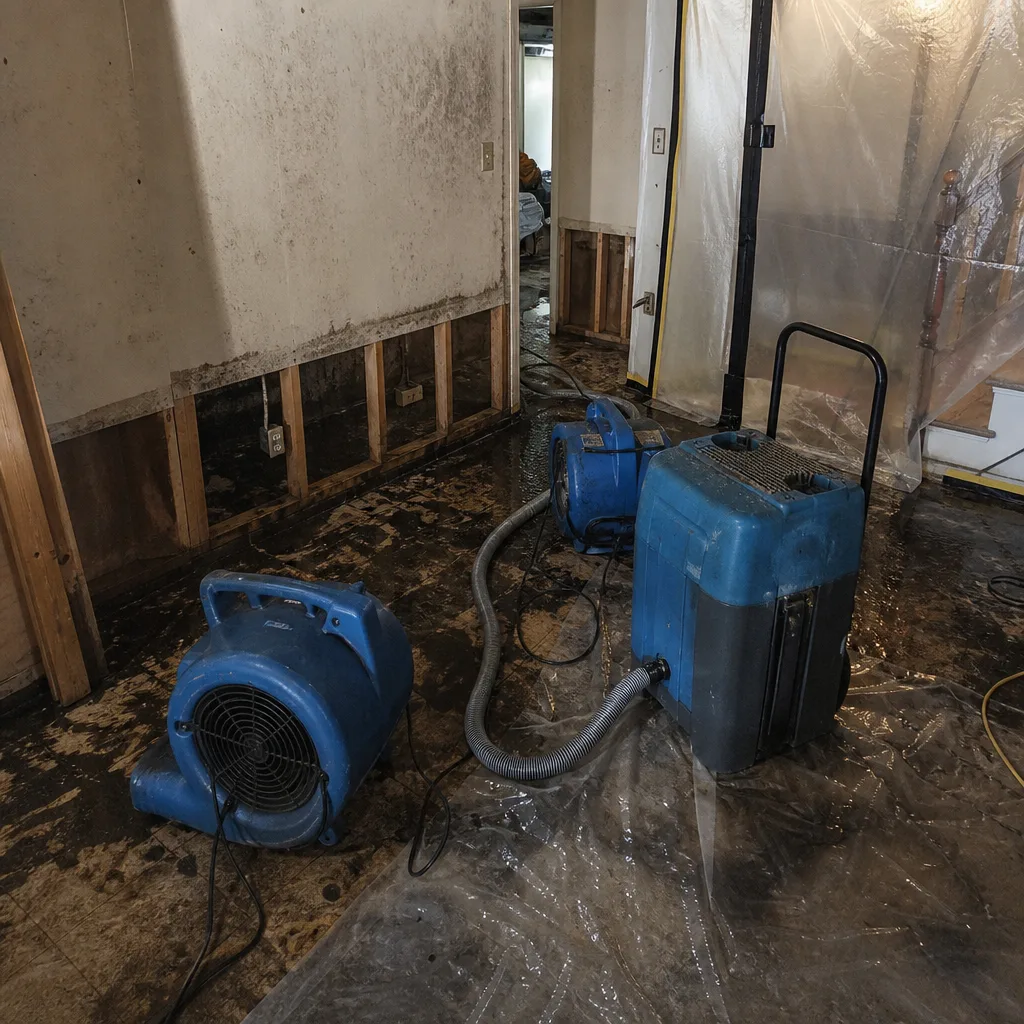 Before
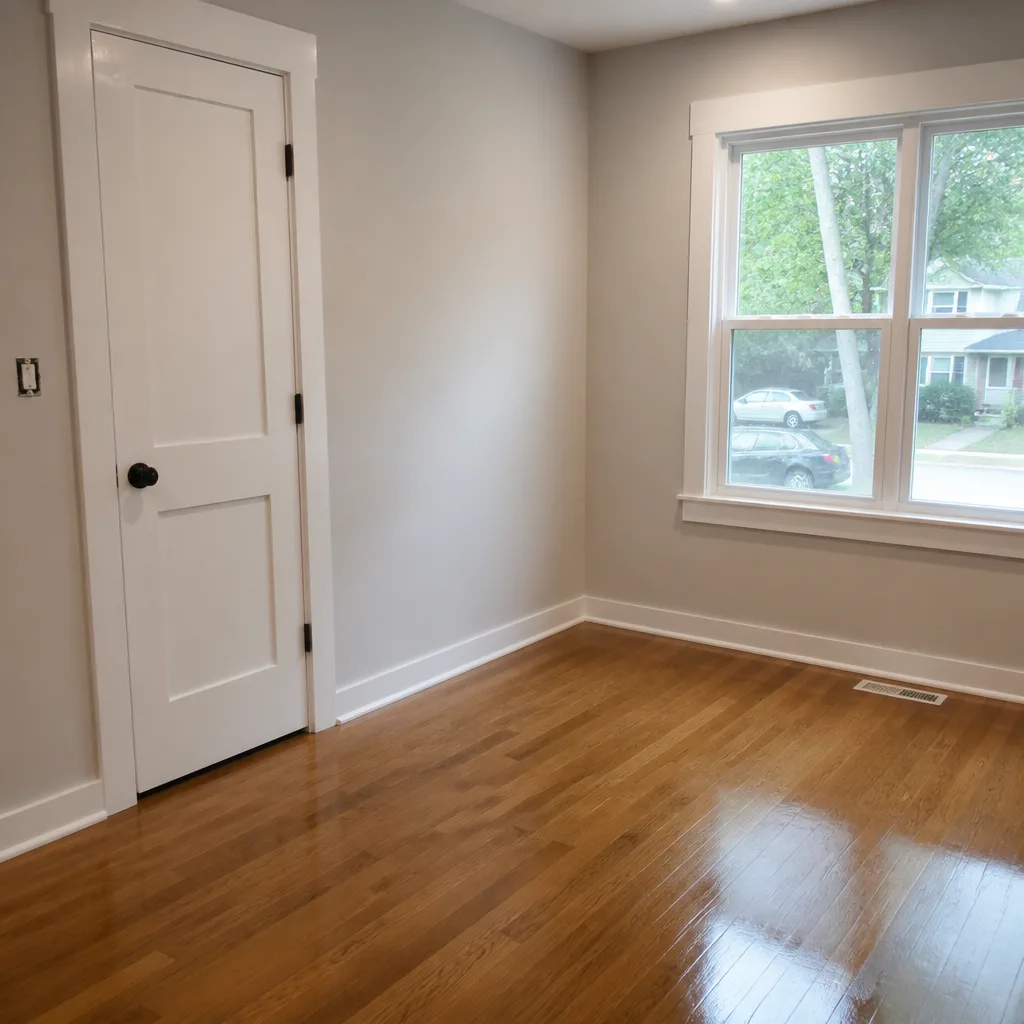 After
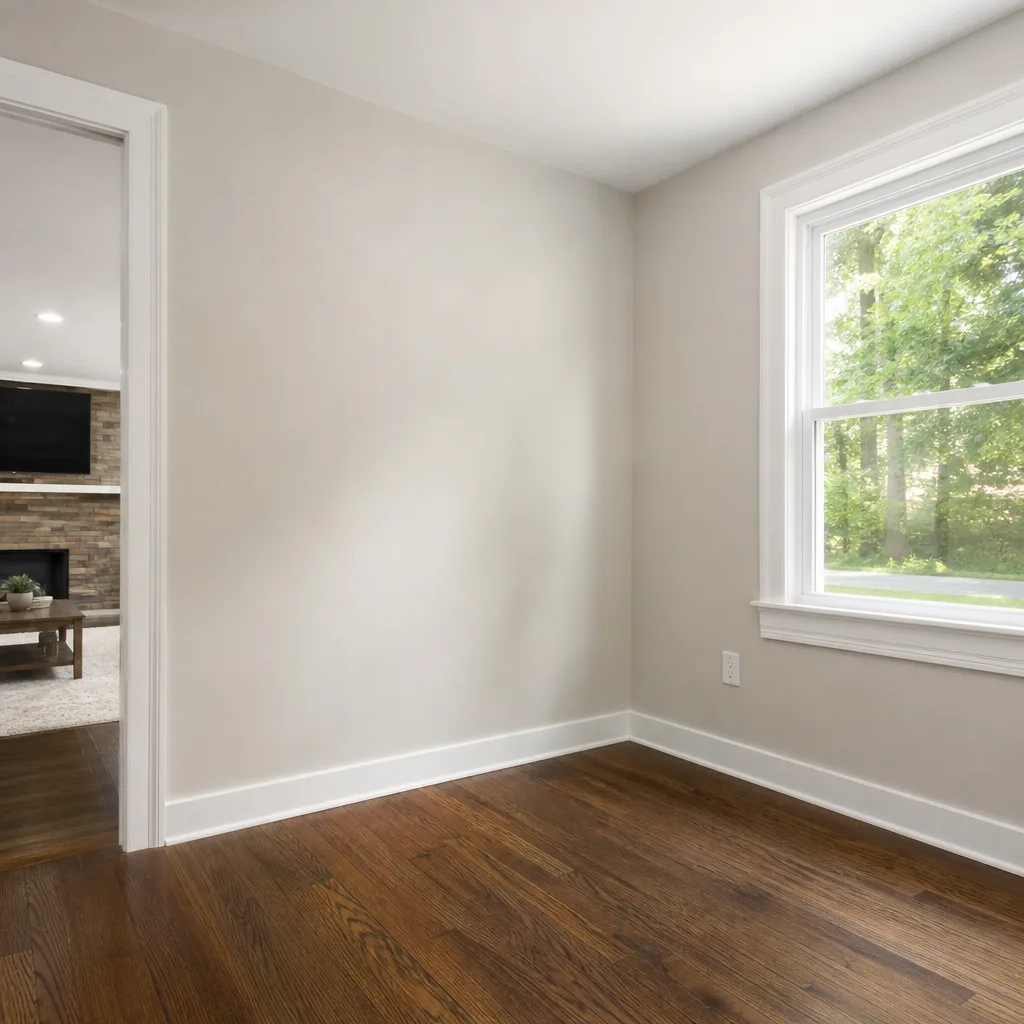
After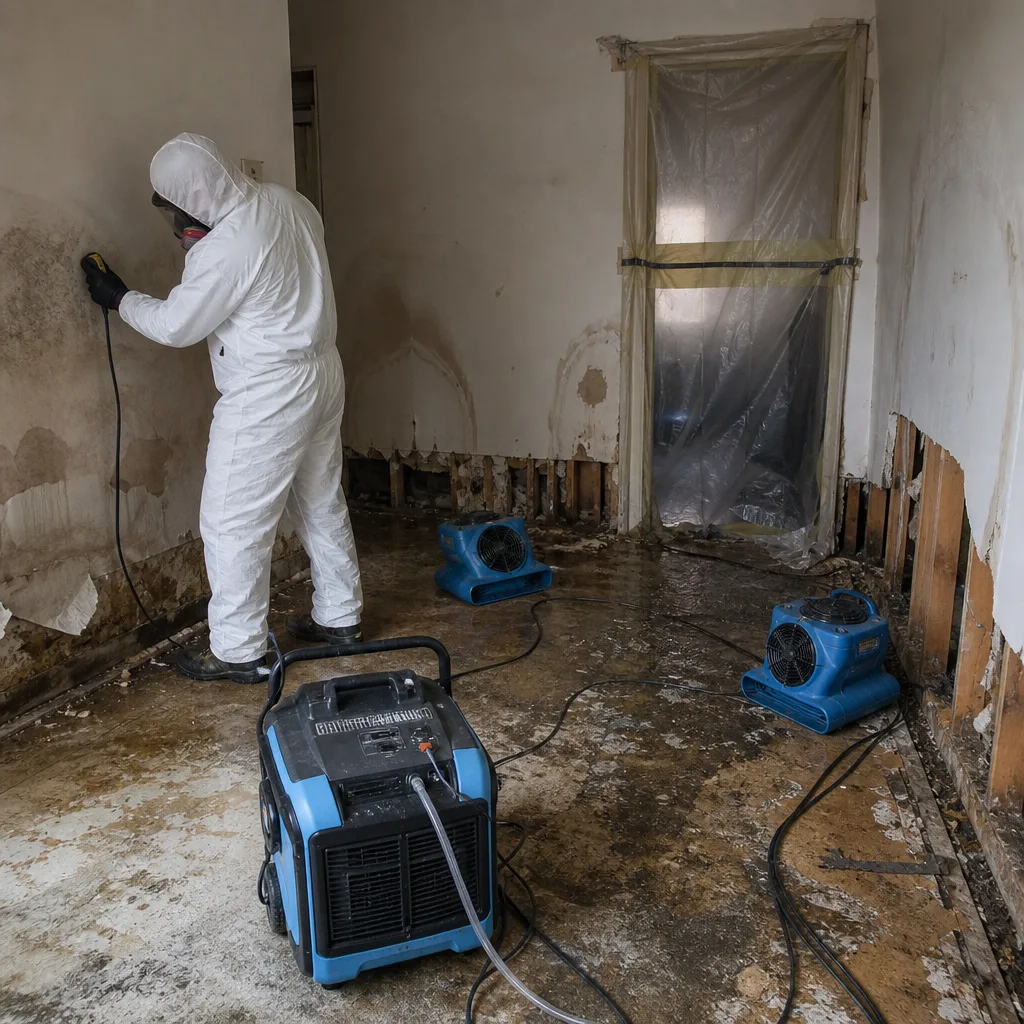 Before
 After
After24/7 Emergency Fire & Smoke Damage Restoration in Dumont
Fire damage in Dumont moves fast. Smoke continues working its way into wall cavities, ductwork, and finished basement spaces long after the flames are out. Our crews answer live at (640) 333-9625 around the clock and can reach most Dumont addresses within 45 minutes. The first hour decides whether you’re facing a cleanup or a rebuild. Board-up, soot stabilization, and water extraction from fire suppression have to start before smoke residue sets into paint, plaster, and insulation. We work through the night when we have to. The goal is simple: stop the damage where it stands, keep secondary loss from spreading, and get your home back to the way it was before the fire. That starts with a free visual inspection and a written scope, not a sales pitch. We serve the whole 07628 zip code and the neighborhoods inside it, day or night.
Understanding Fire & Smoke Damage Restoration Severity in Dumont Properties
Fire damage in Dumont rarely starts and ends in one room. The borough’s housing stock, built mostly between 1940 and 1965, carries fire and smoke in ways newer construction doesn’t. Wet smoke residue from smoldering synthetic materials bonds to latex paint and requires chemical sponges and degreasers. Dry smoke from fast-burning wood or paper leaves a fine, powdery soot that drifts into every open cavity. Protein smoke from kitchen fires is nearly invisible but coats surfaces in a film that turns rancid within days. Then there’s the water. Fire suppression systems dump hundreds of gallons into living spaces, saturating drywall, carpet, and the finished basements found in nearly every Dumont home. That water becomes Category 2 or 3 within hours, feeding mold growth behind baseboards and beneath flooring. Older split-levels and Cape Cods with original open-web joists let smoke travel from a first-floor kitchen fire down through wall chases and into basement ceiling cavities. When insulation inside those chases holds soot and odor particles, a surface clean won’t solve the problem. Our IICRC-certified crews map the full migration path before recommending a scope. That field assessment, done with thermal imaging and moisture meters, tells us whether you need surface cleaning, cavity treatment, or full structural remediation of smoke-damaged framing.
Why Dumont Property Owners Choose Floodline Restoration Co.
- 45-minute response commitment: Dumont is compact, and our dispatch is built around it. We commit to having a certified crew on site within 45 minutes of your call, most jobs faster.
- A live person answers, 24/7: You call, a dispatcher picks up. Not a recording. At 2 a.m. on a Sunday, a human being answers and starts moving trucks toward Dumont.
- IICRC, RIA, and IFA-trained crews: Our technicians hold FSRT and WRT certifications. They’re background-checked and uniformed, and they know how to read the damage inside a 1950s colonial as well as a 1960s split-level.
- Free visual inspection: We walk the loss with you before any work is authorized. You get a line-item scope in writing, so you know what’s being done and what it costs before we start.
- Direct insurance billing: We bill your carrier directly and handle the adjuster communication. You don’t play messenger between our crew and your insurance company.
- One team from extraction to reconstruction: We don’t hand your house to a different contractor after the demo. The same Floodline crew that sets containment rebuilds the wall. That’s the full-cycle difference, and it’s why the Fire & Smoke Damage Restoration work we do comes with the 90-Day Done Right Promise in writing.
Our Fire & Smoke Damage Restoration Process
Inspection & Assessment
We arrive, walk the property, and map the fire’s full path. Thermal imaging reads heat-damaged framing behind walls. Moisture meters locate water from suppression. We identify soot type at each surface and document everything room by room for your insurer.
Board-Up & Stabilization
Before anything else, the structure gets secured. Plywood over broken windows, tarps over compromised roof sections. On Dumont’s tight lots, this is also about protecting the neighbor’s home a few feet away from further exposure.
Water Extraction & Structural Drying
Fire suppression water comes out first. Truck-mounted extraction pulls standing water from finished basements and crawl spaces, then Dri-Eaz and Phoenix dehumidifiers and air movers run until moisture readings fall below dry standard. Daily readings are logged and shared.
Soot & Smoke Removal
Every surface gets treated by soot type. Chemical sponges for wet smoke on painted walls. HEPA vacuuming for dry soot on every horizontal surface. Degreasers where protein smoke has coated kitchen cabinets and fixtures.
Odor Removal & Deodorization
Smoke odor hides in cavities, under floors, inside ductwork. We use thermal fogging, hydroxyl generators, and ozone treatment where appropriate to neutralize odor at the source, not mask it. Cavity injection through Injectidry ports reaches the joist bays and wall chases where odor particles settle.
Repairs & Restoration
Once the structure is dry and clean, we rebuild. Drywall, insulation, flooring, trim, paint. Structural repairs where fire compromised framing. The same crew finishes the job it started, and the 90-Day Done Right Promise covers the result.
Need Emergency Fire & Smoke Damage Restoration in Dumont Now?
Crews minutes away, answering live 24 hours a day. The sooner we start, the less it costs.
Working With Your Insurance Company
Most Dumont fire losses are covered events. We treat the claim as part of the restoration, not an afterthought. From the first hour, our crews photograph every affected surface, room by room, before anything is moved or removed. Moisture readings and drying logs are kept daily and shared with your adjuster. We write a line-item scope of work in the same estimating format carriers expect, so there’s no back-and-forth over what was done and why. Our office communicates directly with your insurance company. You don’t sit on hold with your carrier while your basement sits wet. We’ve handled multi-structure claims where two Dumont homeowners on the same block filed simultaneous fire and smoke losses, and the adjusters worked from our documentation from day one. That’s a square deal: no surprises on the bill.
What We Provide Your Insurer
- Thorough documentation of the loss
- Photos of all damage, room by room
- Moisture readings and drying logs
- A detailed, line-item scope of work
- Direct coordination with your carrier
Built for Dumont’s Loss Calendar
Fire losses in Dumont follow the borough’s seasons. January and February deep freezes push space heaters and overtaxed wiring into service across 1940s and 1950s colonials whose original electrical systems were never built for today’s load. Knob-and-tube and early aluminum wiring, still present in a meaningful portion of Dumont’s housing stock, is a known ignition risk when the temperature drops and circuits work harder. Winter kitchen fires, unattended stoves, candles near drapes during holiday months, all peak when families are indoors. Spring brings roof and gutter work, and with it, the occasional torch-down roofing fire on low-slope sections of Cape Cods. Summer thunderstorms push power surges through aging panels. The freeze-thaw cycle through Bergen County nor’easters also drives water intrusion into finished basements, which means fire restoration jobs in Dumont often start with simultaneous water extraction. We run the calendar, not the other way around. When we get your call, we know what season we’re in and what that means for your scope.
Fire & Smoke Damage Restoration Across Dumont’s Neighborhoods
Dumont’s neighborhoods share one structural truth: nearly every home is a mid-century build on a 50×100 lot, and nearly every one has a finished basement below. That shapes every fire and smoke scope we run in the borough. Up along Washington Avenue toward the New Milford border, the two-story colonials often show fire spread through shared attic bays and open soffit runs, which pull smoke into second-floor bedrooms far from the fire’s origin. Around the Tenakill Brook corridor, homes at lower elevation sit closer to the water table, so fire suppression water in a finished basement needs faster extraction before groundwater adds to the load. The streets off Delong Avenue and Madison Avenue have the borough’s classic Cape Cods, where the knee-wall storage spaces on the second floor are easy to overlook during soot cleanup but hold smoke odor for months if untreated. And around Grant Street and Prospect Avenue, many homes sit within a few feet of their neighbors, which means exterior smoke damage often extends to the adjacent property’s siding and eaves. We know the blocks. We know how the homes are built. That’s the difference between a generic cleanup and a scope that actually solves the loss.
Specialized Fire & Smoke Damage Restoration Services We Offer in Dumont
Fire Damage Cleanup
After the fire is out, the debris and char remain. We remove fire-damaged materials, haul debris, and clean salvageable framing and subfloor. In Dumont’s older homes, this step often reveals legacy materials beneath the fire-damaged finishes, and our crews are trained to identify and manage them before demolition proceeds.
Smoke & Soot Removal
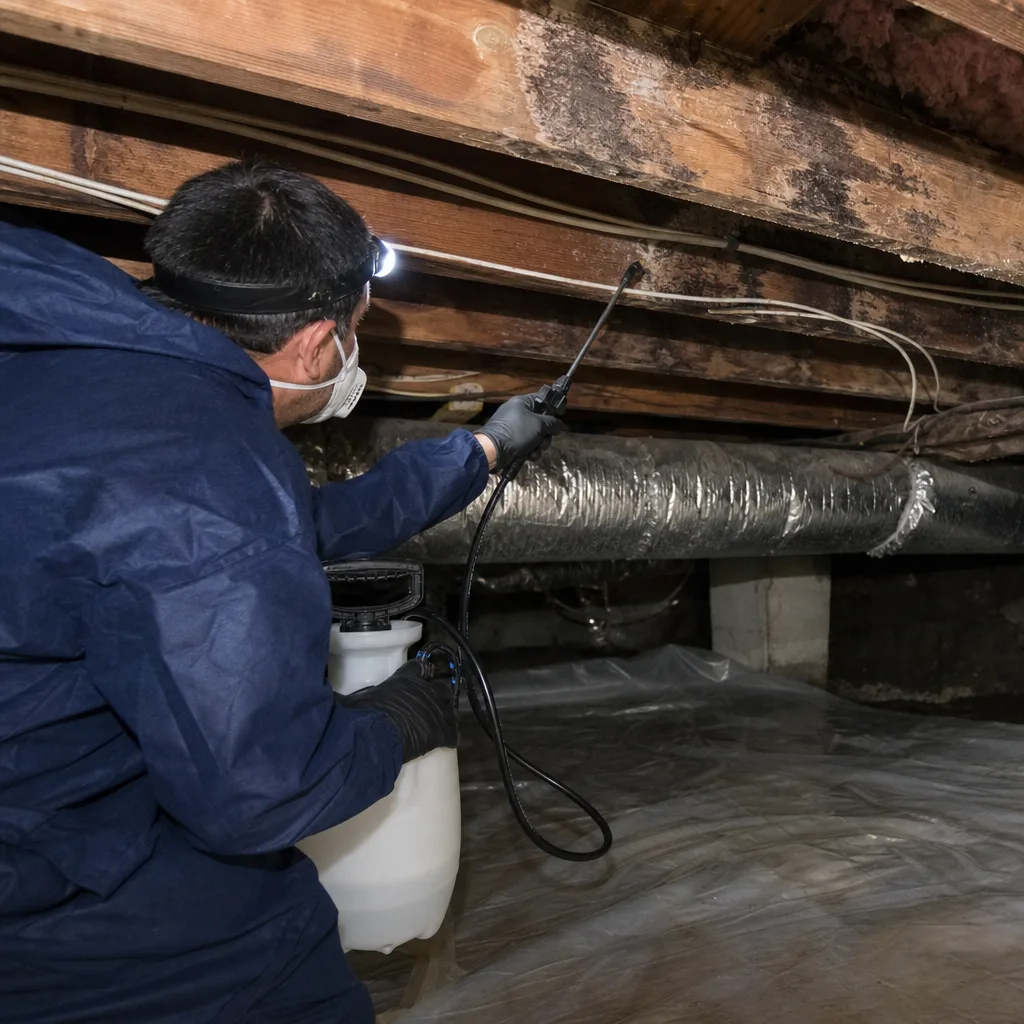
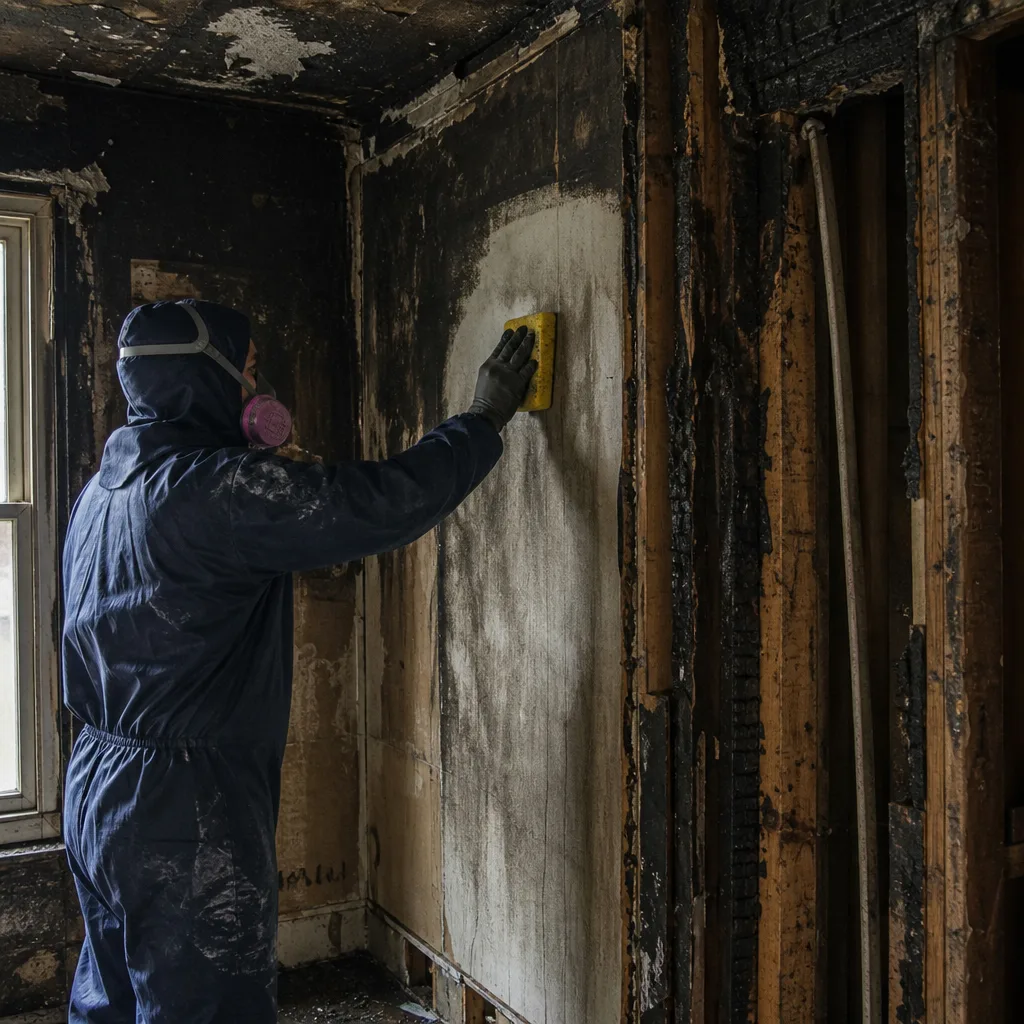
Soot type determines the method. Wet smoke soot on painted walls of a Dumont colonial needs chemical sponges and degreasers. Dry soot from a fast-burning fire needs HEPA vacuuming on every surface, including the tops of door casings, light fixtures, and inside closet shelving. We treat the room, the cavity, and the contents.
Odor Removal & Deodorization
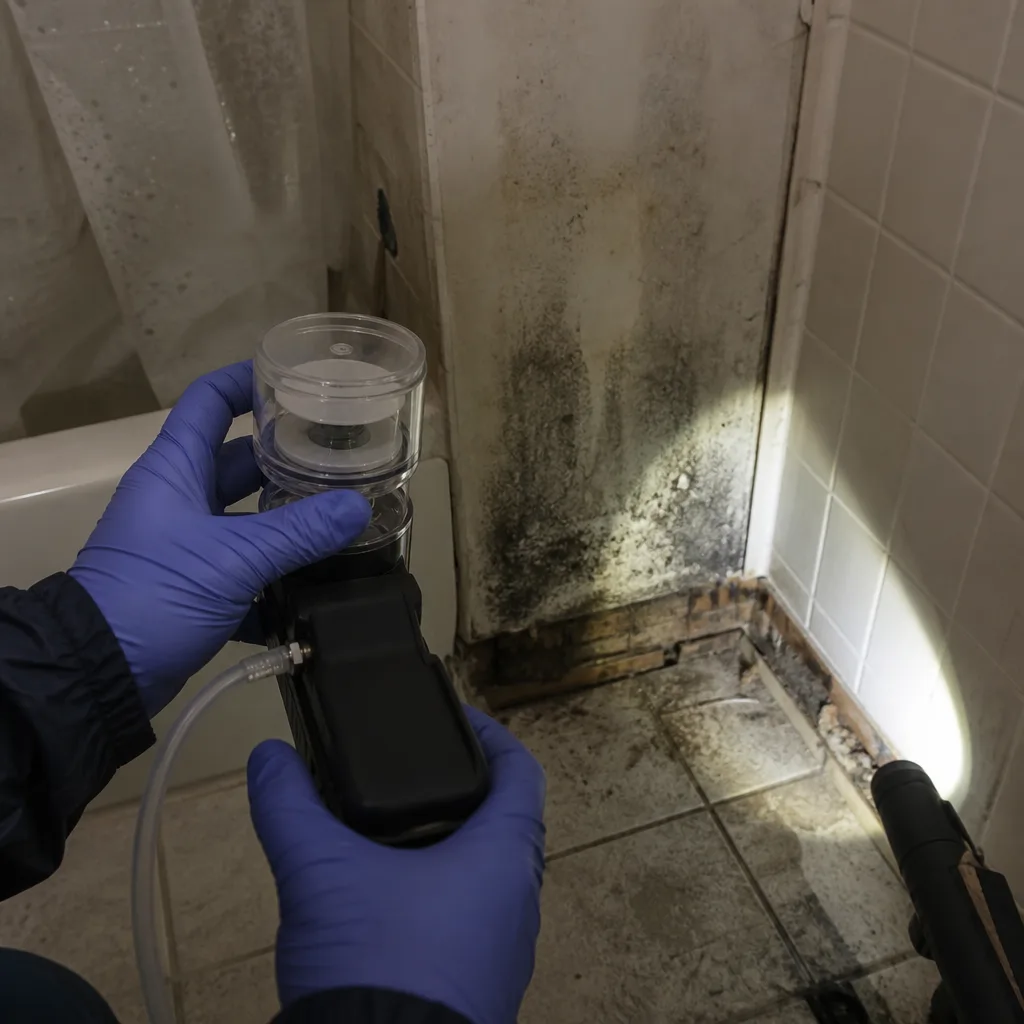
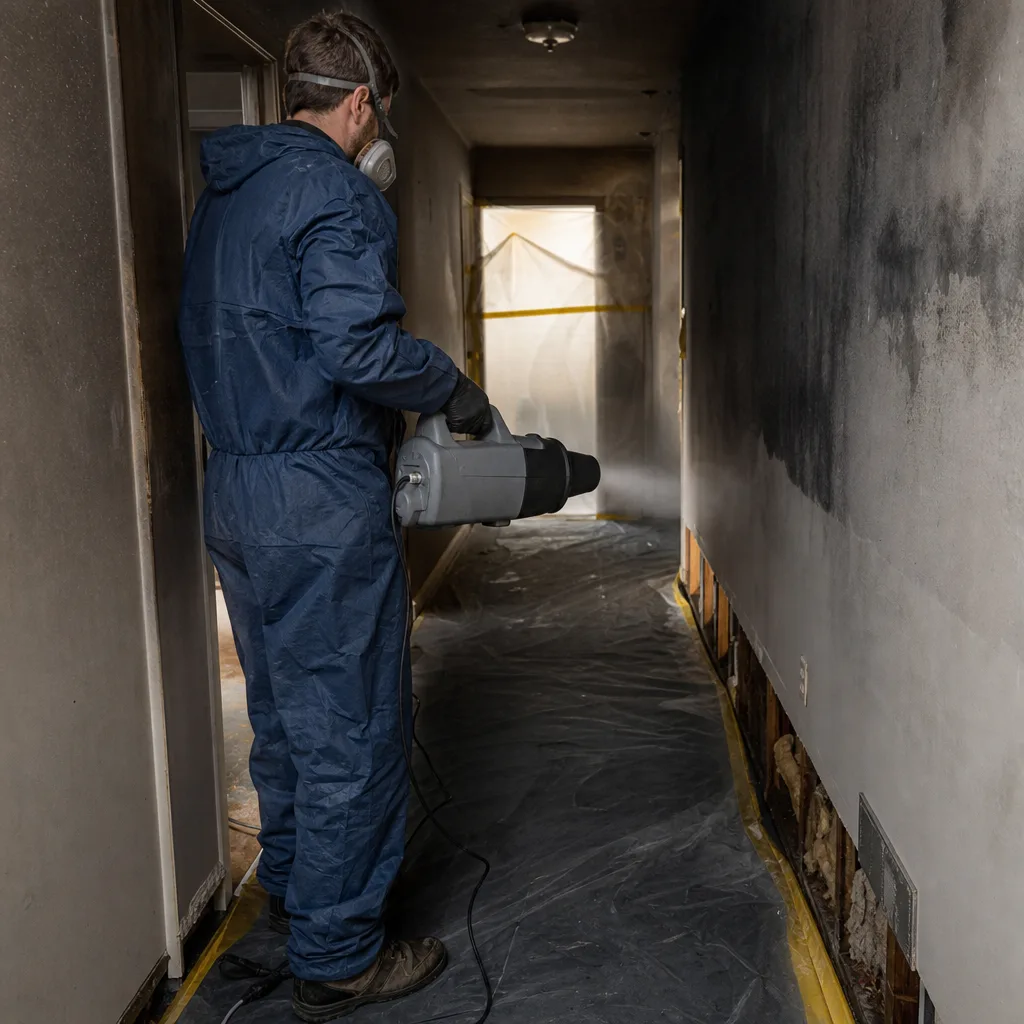
Smoke odor embeds itself in fabric, drywall, and the air inside wall cavities. On a split-level off Washington Avenue, that means treating the open-web joist bays between floors. We run hydroxyl generators and thermal fogging, and where cavity odor persists, we inject deodorizing agents through Injectidry ports directly into the joist cavities. Odor removal here is a structural treatment, not an air freshener.
Contents Cleaning & Pack-Out
Furniture, clothing, documents, and keepsakes all absorb smoke. We inventory, photograph, and pack out salvageable contents for off-site cleaning, with a chain of custody your insurer can follow. In Dumont’s smaller Cape Cods, where storage space is limited and the basement doubles as a family room, this step often clears the way for faster structural work.
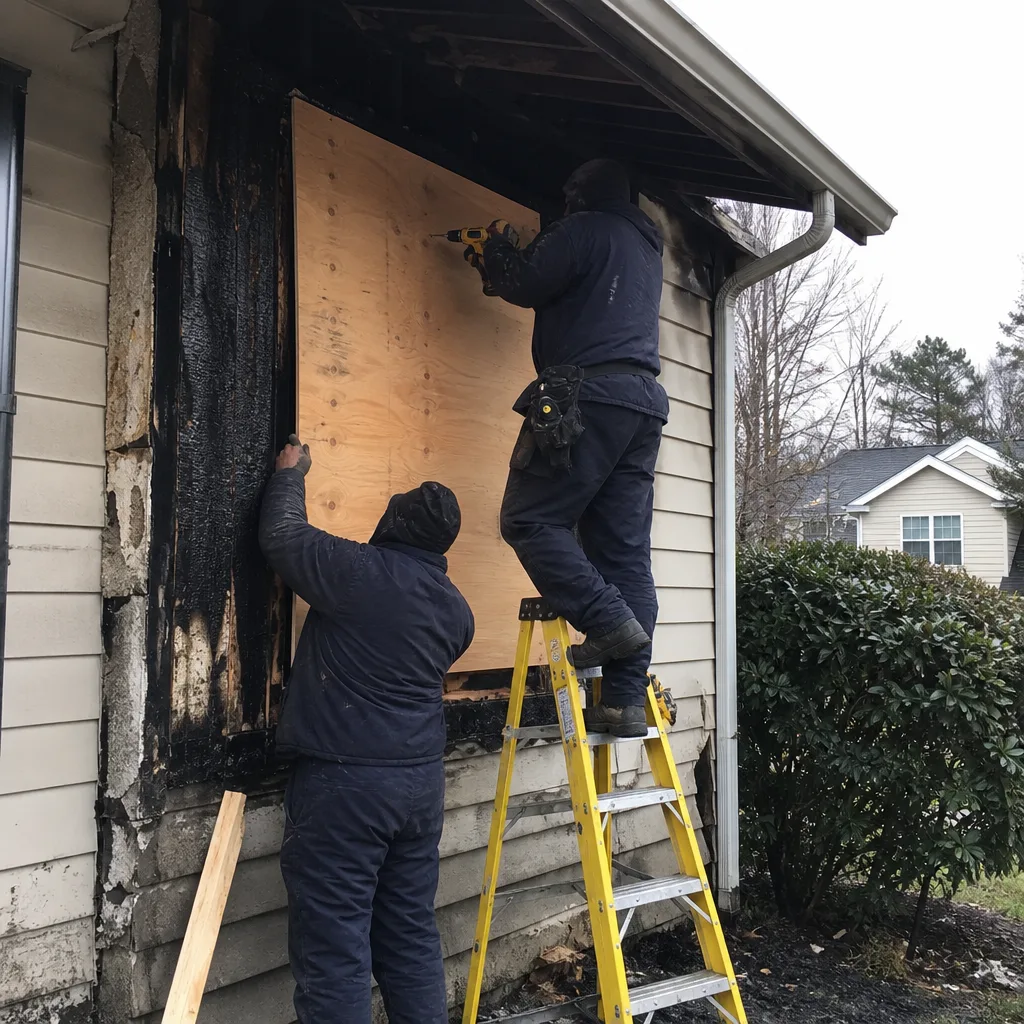
Emergency Board-Up & Tarping
On a 50×100 lot, an unsecured opening in one home is a hazard to the house next door. We board broken windows, secure doors, and tarp roof sections, often on both properties when a Dumont fire has spread to neighboring exteriors. Board-up happens within hours, not days, because weather and opportunity move faster than paperwork.
What happens when you call
- 1
A real person answersNo phone trees - you reach a local pro.
- 2
You get an upfront price rangeHonest numbers before anyone is dispatched.
- 3
A background-checked tech heads outLicensed & insured, dispatched right away.
- 4
You approve before work beginsNothing starts until you say go.
Fire & Smoke Damage Restoration Costs in Dumont, NJ
Fire and smoke restoration pricing in Dumont depends on where the smoke went, not just where the fire burned. A surface-level smoke cleanup in a single room typically runs $1,800 to $4,500. A full kitchen fire with smoke migration through the first floor and into a finished basement commonly lands between $8,000 and $22,000. Content pack-out and cleaning adds $2,500 to $9,000 depending on volume. Emergency board-up and tarping runs $600 to $1,800, often reimbursed through your policy. Odor removal and cavity treatment can add $3,000 to $7,000 when smoke has entered open-web joist bays or wall chases. What moves the number: how much water the suppression system released, whether legacy materials like asbestos tile or horsehair plaster require hazmat protocols, and whether neighboring homes’ exteriors were involved. The fastest way to a firm number is a free visual inspection and a written scope. Call (640) 333-9625 and we’ll put one in your hands. Estimates are free, and we bill your carrier directly.
Dumont’s Tight Lots and the Multi-Structure Fire Scope
Here’s what makes fire restoration in Dumont genuinely different from the rest of Bergen County. Those 50-by-100-foot lots mean homes sit close. Really close. A kitchen fire in one mid-century Cape Cod regularly sends heat and smoke into the siding, eaves, and roof edge of the house next door. We’ve run scopes where one fire produced two full restoration projects: primary smoke and water damage in the origin home, exterior soot and structural drying in the neighbor’s. Both insurers get their own documentation, their own photo sets, their own line-item scopes, and we coordinate them simultaneously. It’s a workflow that barely exists in towns like Ridgewood or Tenafly, where setbacks are wider and structures don’t share the same thermal footprint. On a split-level near the Tenakill Brook corridor, a kitchen fire sent smoke through the home’s original open-web ceiling joists, contaminating finished basement drywall and the shared wall cavity with an adjacent colonial. Our crew set containment with HEPA air scrubbers, pulled smoke-damaged fiberglass insulation, and ran structural drying with Dri-Eaz dehumidifiers after Category 2 water extraction from the fire suppression system, all while coordinating a pack-out of both families’ contents through their separate insurers. That’s the job. We run it the same way every time: done right, and backed in writing.
We Also Serve Cities Near Dumont
Fire and smoke restoration doesn’t stop at the borough line. We serve Fire & Smoke Damage Restoration in Dumont and the surrounding communities, including Haworth, Bergenfield, New Milford, and Oradell. Same 45-minute response commitment, same live dispatch, same full-cycle crew from board-up through rebuild.
Serving Dumont, NJ - Our Local Coverage Area
We’re based in the Dumont area and know this community well. Use the map below to see our service coverage - if you’re nearby, we can almost certainly help.
Dumont Fire & Smoke Damage Restoration Questions, Answered
How does Dumont’s 50×100-foot lot layout change a fire & smoke restoration scope compared to a larger-lot Bergen County town?
It means your restoration plan has to account for the neighbor’s house. In Dumont, a fire that produces significant heat or smoke often affects the exterior of the home next door: siding, eaves, roof edges. That triggers a second insurance claim, a second scope of work, and a second set of documentation, all running on the same timeline. Our crews are built for multi-structure coordination because the borough’s lot density demands it. You can’t treat a Dumont fire loss like a standalone structure if the house five feet away took smoke damage too.
Do we need to worry about asbestos or lead during smoke damage cleanup in a 1940s-1960s Dumont home?
Yes, and we assume it’s present until testing says otherwise. Dumont’s mid-century homes frequently contain asbestos floor tiles, asbestos pipe wrap, horsehair plaster, and lead paint. Soot removal that disturbs those materials can turn a fire cleanup into a cross-contamination event. We test before demo and follow hazmat protocols when legacy materials are confirmed. Skipping this step is how a simple soot cleanup fails a clearance test and turns into a full containment job.
Why does smoke odor come back months after a fire in my Dumont colonial if the walls were cleaned?
Because the smoke particles inside the wall cavities were never removed. Dumont’s older homes have open-web joist bays, knob-and-tube wiring chases, and hollow framing cavities that hold smoke odor like a sponge. When the temperature cycles through summer heat and winter freeze, those trapped particles off-gas again. Surface cleaning and repainting won’t reach them. We treat the cavities directly, often with Injectidry injection ports, to neutralize odor at the source before the walls are closed back up.
Can you handle both fire and Category 2/3 water damage in a finished basement after a Dumont house fire?
That’s the standard on most Dumont fire losses, not the exception. Fire suppression water floods downward, and nearly every Dumont home has a finished basement. We run fire and water restoration as one continuous scope: extraction, structural drying, soot removal, and rebuild by the same crew. We don’t split the water damage to one contractor and the smoke damage to another. The 90-Day Done Right Promise covers both.
What does emergency board-up involve on Dumont’s tight lots where homes sit just a few feet apart?
Board-up means securing every opening: broken windows, burned-through roof sections, burned doors, anything that lets weather, animals, or people into the structure. On a Dumont lot, we also assess whether the adjacent home’s exterior needs protection from further exposure. Plywood over openings, tarps over roof breaches, and a documented condition report for your insurer. It’s not cosmetic. It’s the difference between a contained loss and a second loss.
How fast can you actually reach a Dumont address after we call?
Most Dumont calls see a crew on site within 45 minutes. The borough is small, our dispatch is live 24/7, and we keep response routes mapped around Washington Avenue, Delong Avenue, and the Tenakill Brook corridor. The faster we start extraction and soot stabilization, the less the loss costs. Call (640) 333-9625 and a live dispatcher starts the clock immediately.
Can we stay in our Dumont home during fire and smoke restoration?
It depends on the scope. A single-room surface soot cleanup may allow you to stay with containment and HEPA air scrubbers running. A fire that compromised structure, produced heavy smoke migration into living areas, or released fire suppression water into a finished basement usually means relocating temporarily. We’ll tell you honestly within the first visit. Your insurer covers additional living expenses in most policies when the home is uninhabitable.
What should we do in the first 30 minutes after a Dumont house fire?
Call us. Then don’t touch anything. Don’t wipe soot off walls, don’t turn on ceiling fans, don’t run the HVAC, don’t plug in electronics. Every surface you disturb pushes soot deeper into finishes and spreads particles into clean rooms. Don’t enter structurally damaged areas. We’ll handle board-up, utility shutoff coordination, and immediate stabilization. The first hour is when we save the most money for you and your insurer.
Written by Curt Bowman, Owner at Floodline Restoration Co., serving Dumont and Bergen County with full-cycle fire, water, mold, and reconstruction services.