

Free visual inspection and a written scope of work before any mitigation begins - photos, moisture readings, and drying logs go in your claim file
The scope we write is the scope we bill. Anything new gets shown to you, in writing, before we touch it.
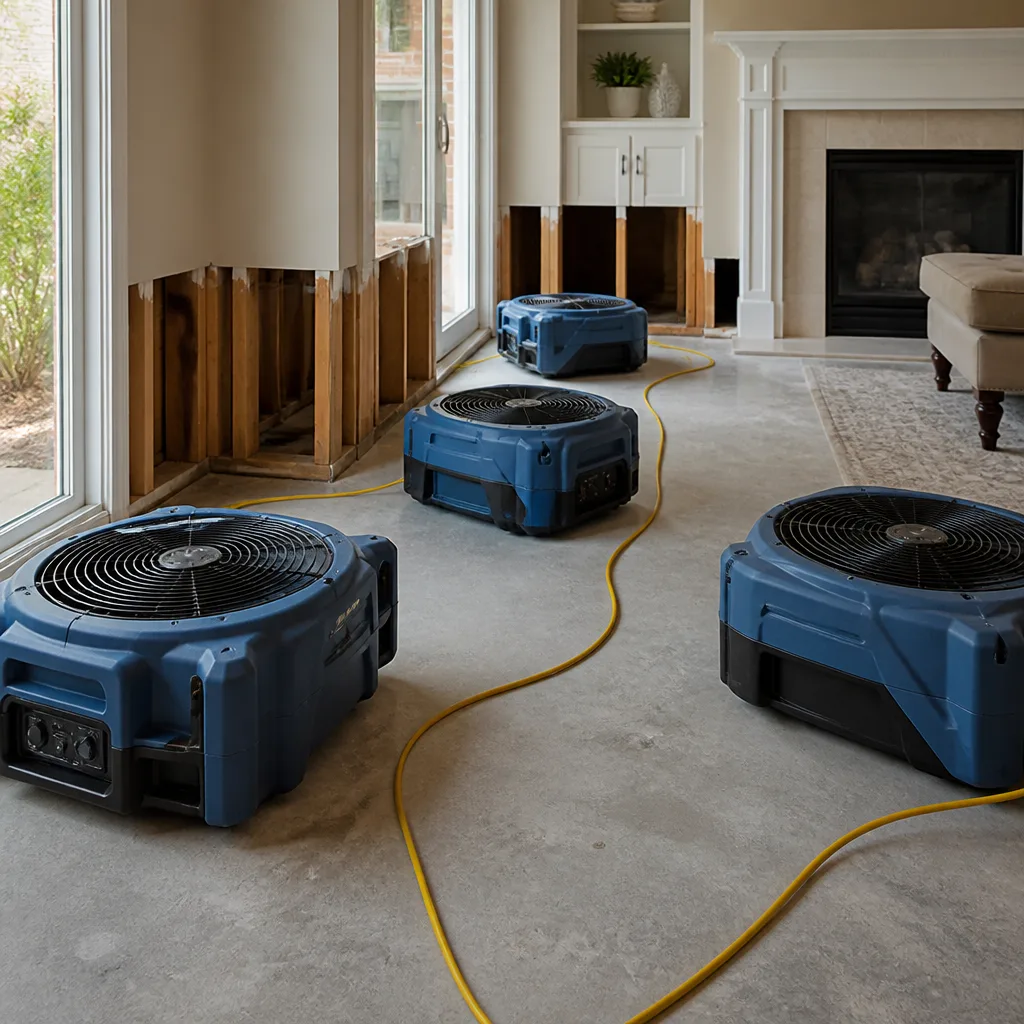
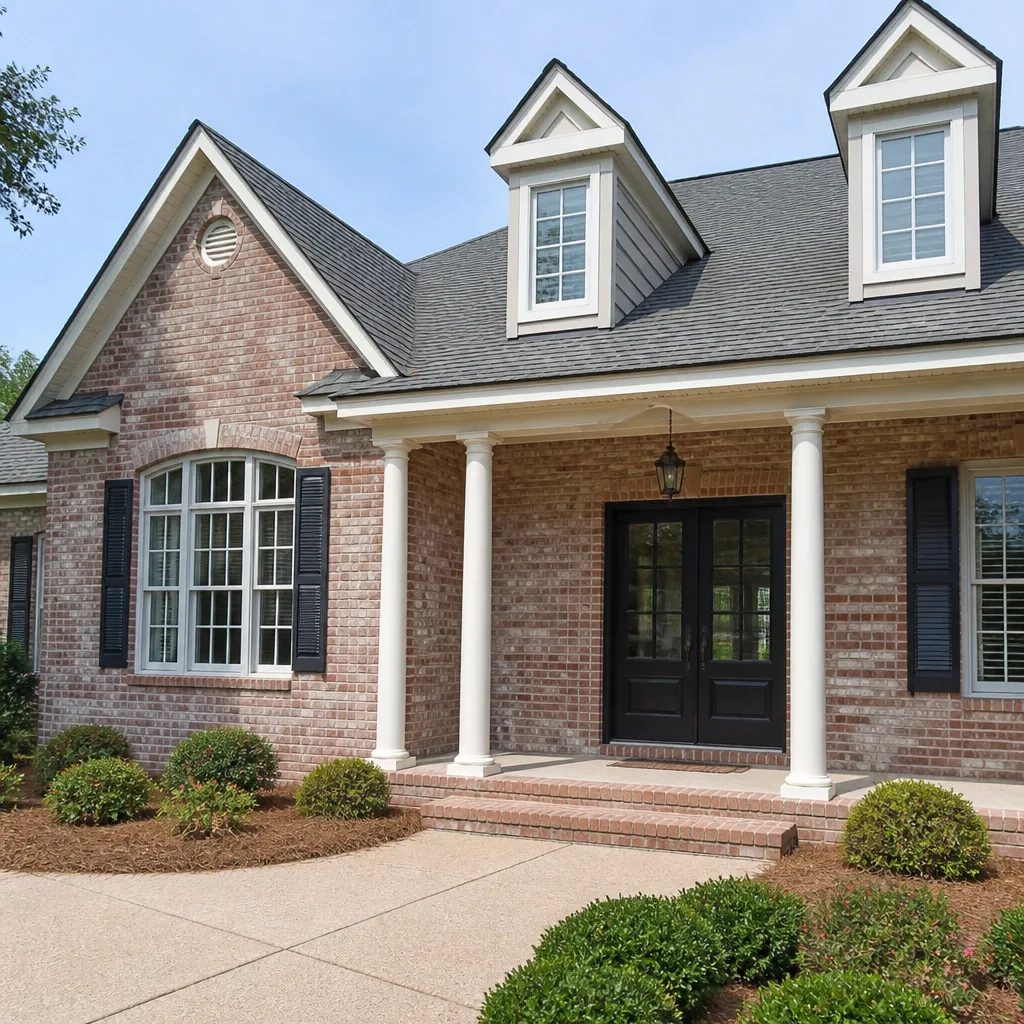
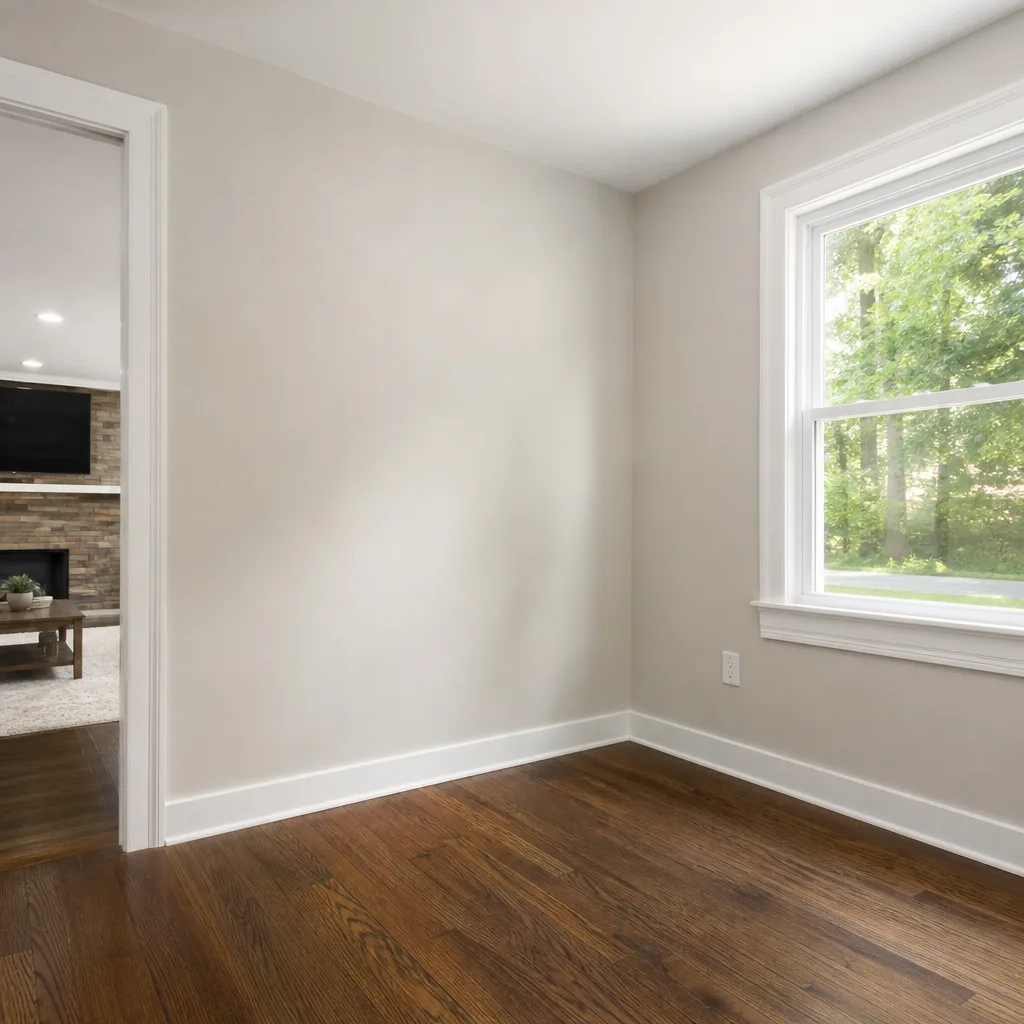
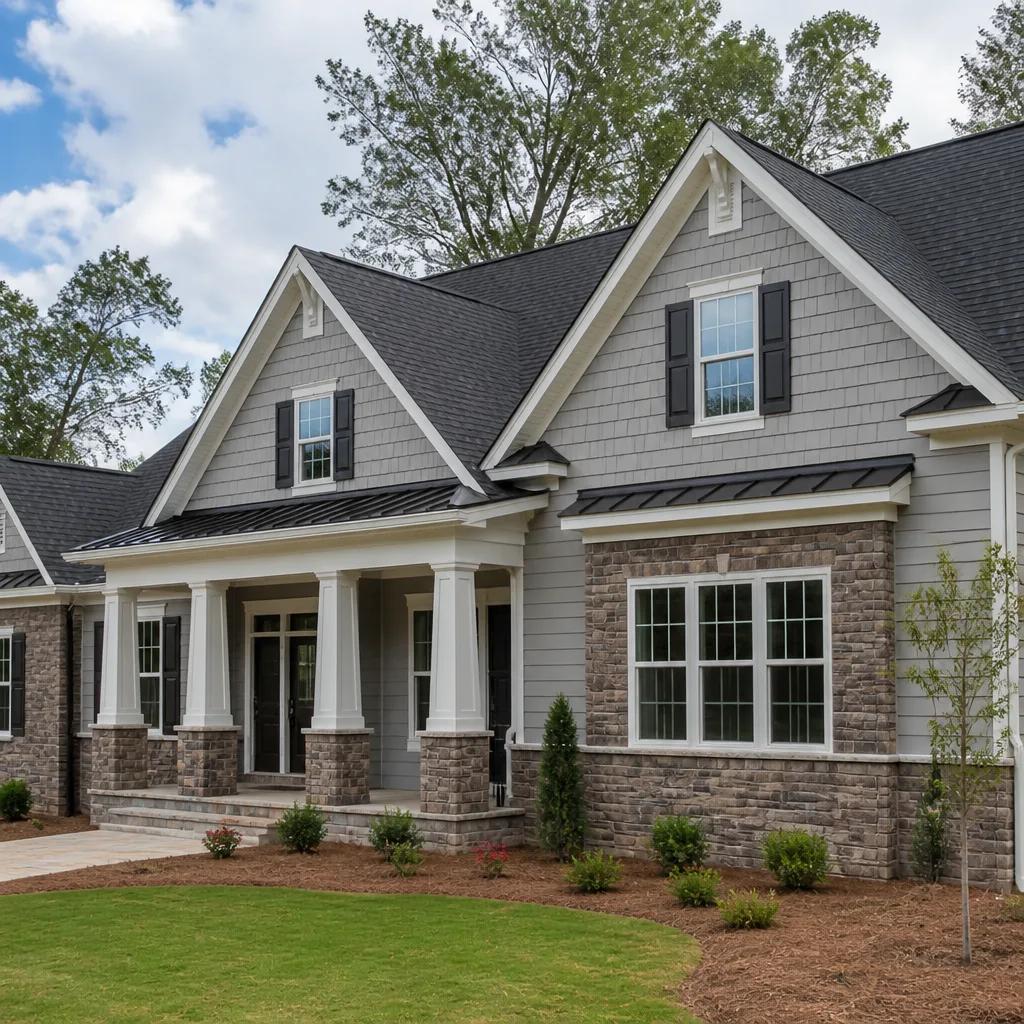
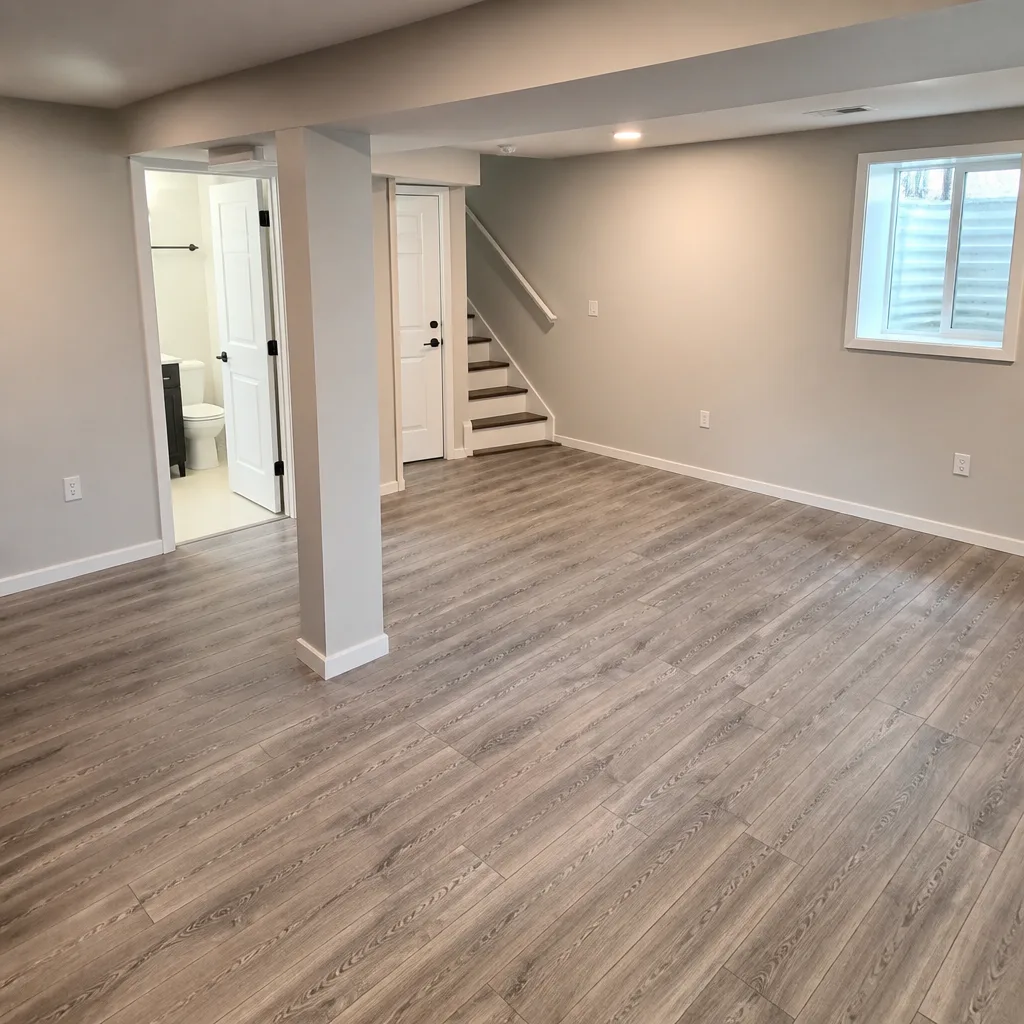
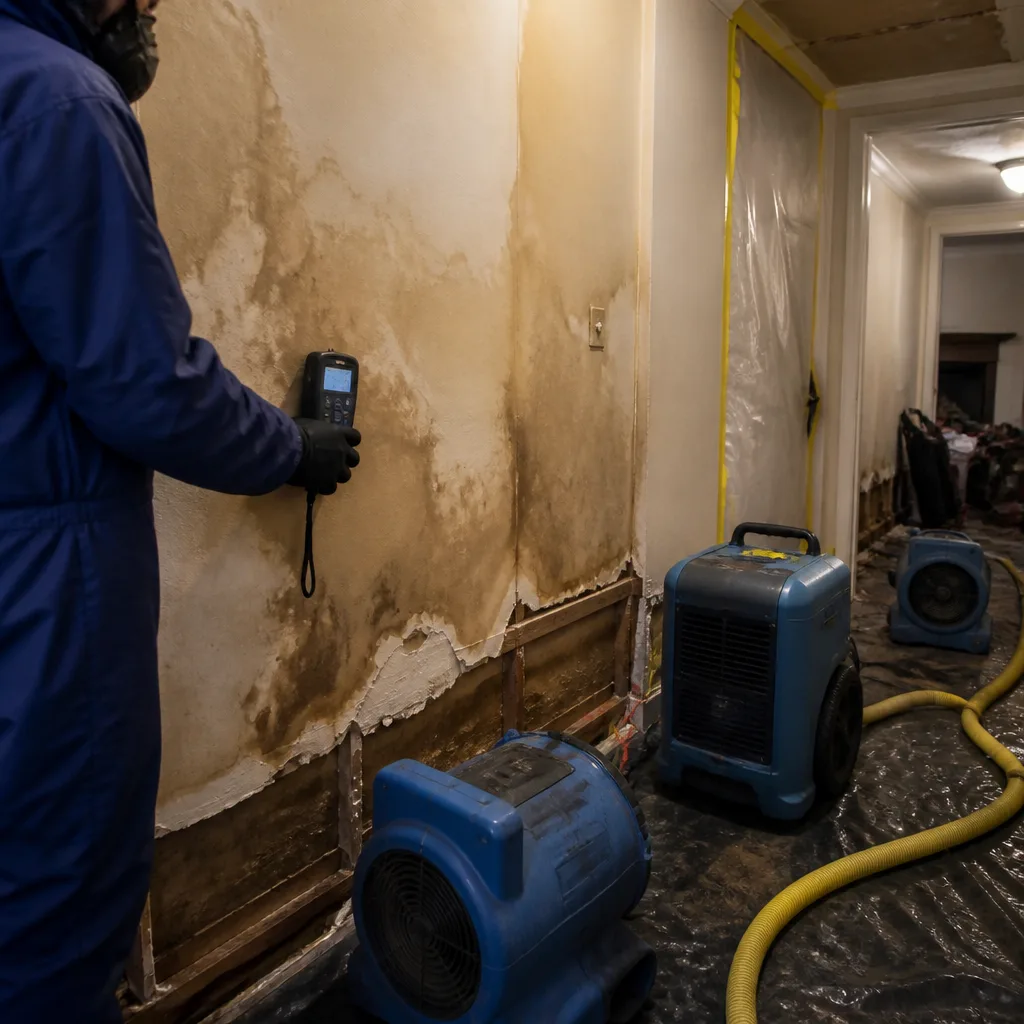 Before
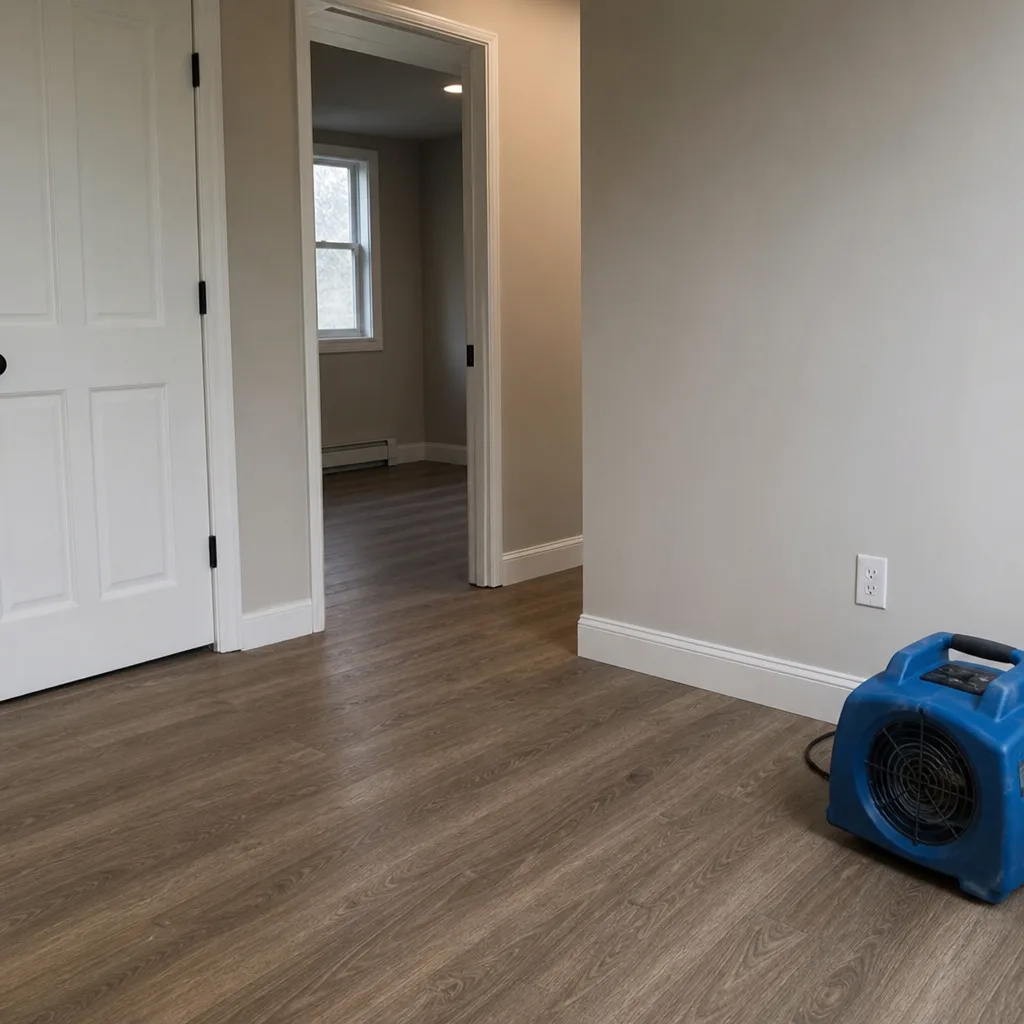 After
After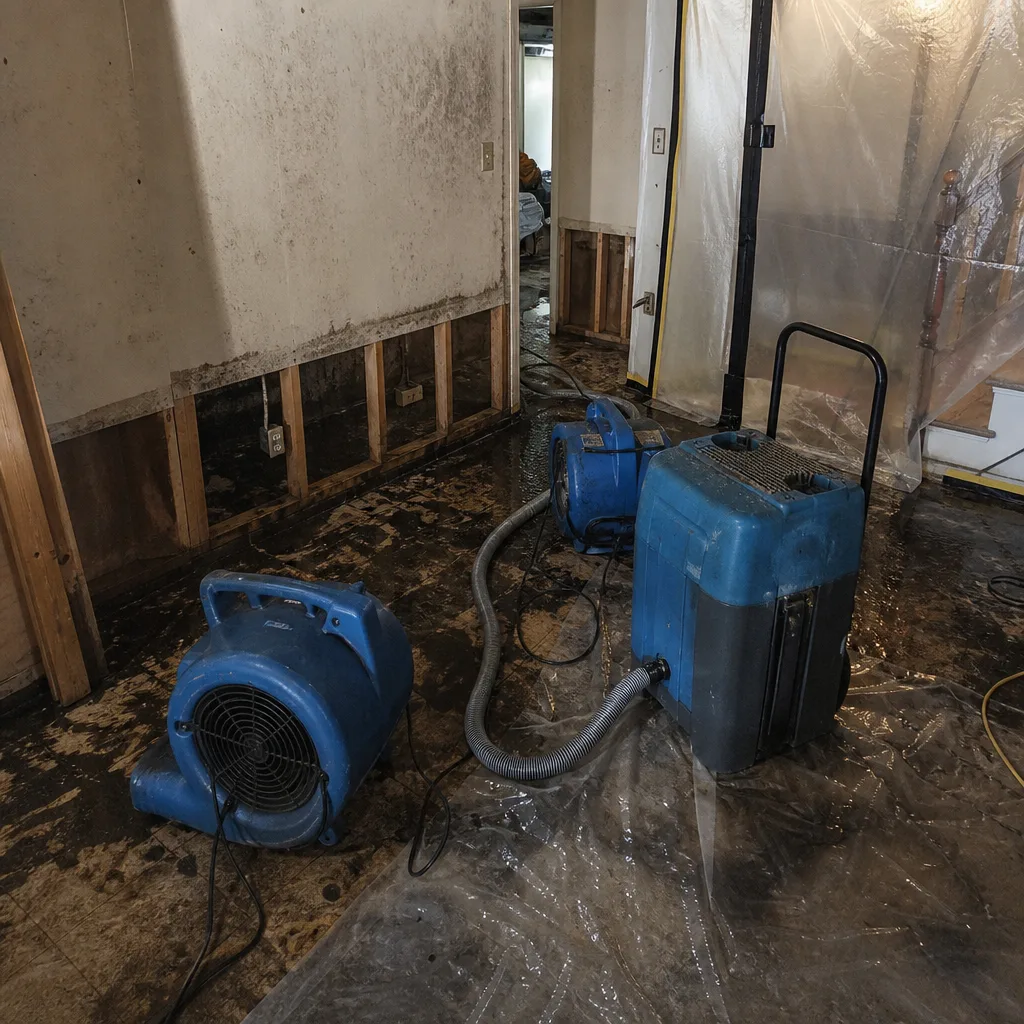 Before
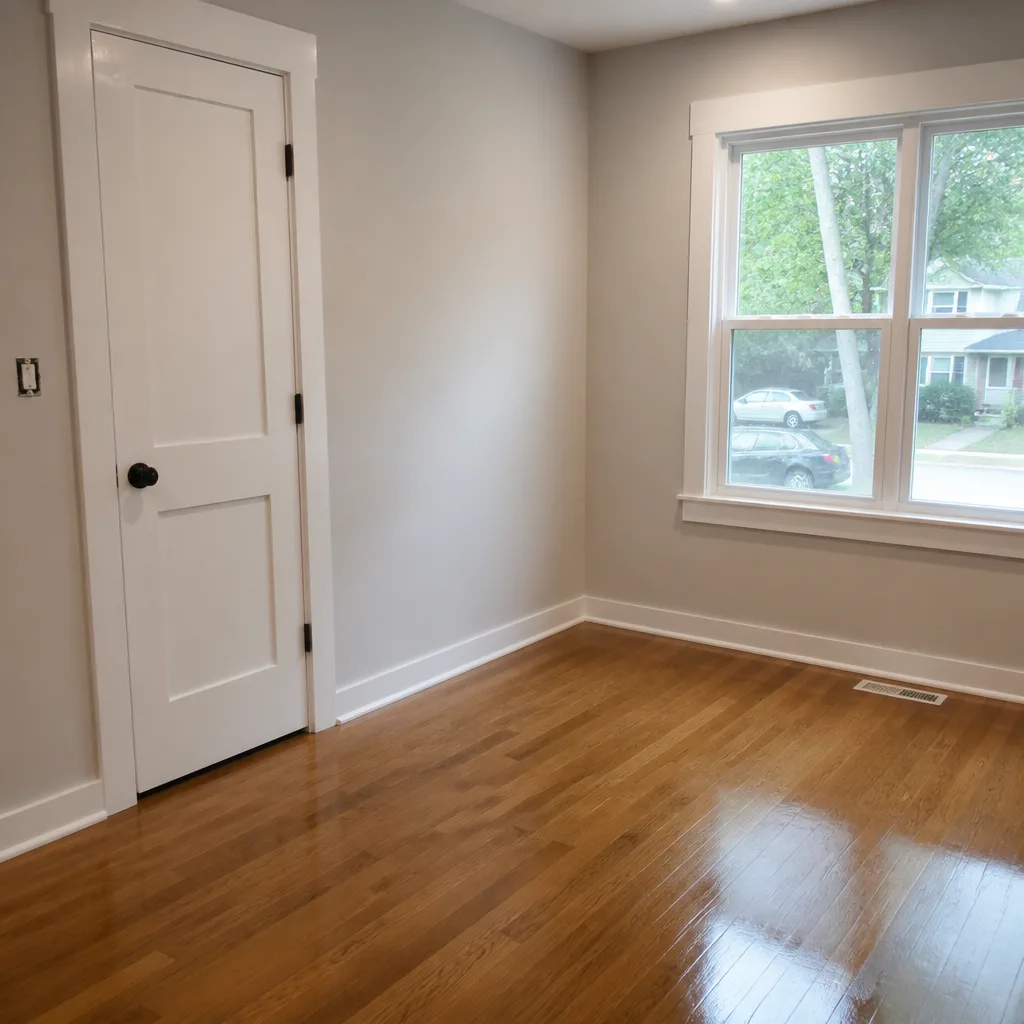 After
After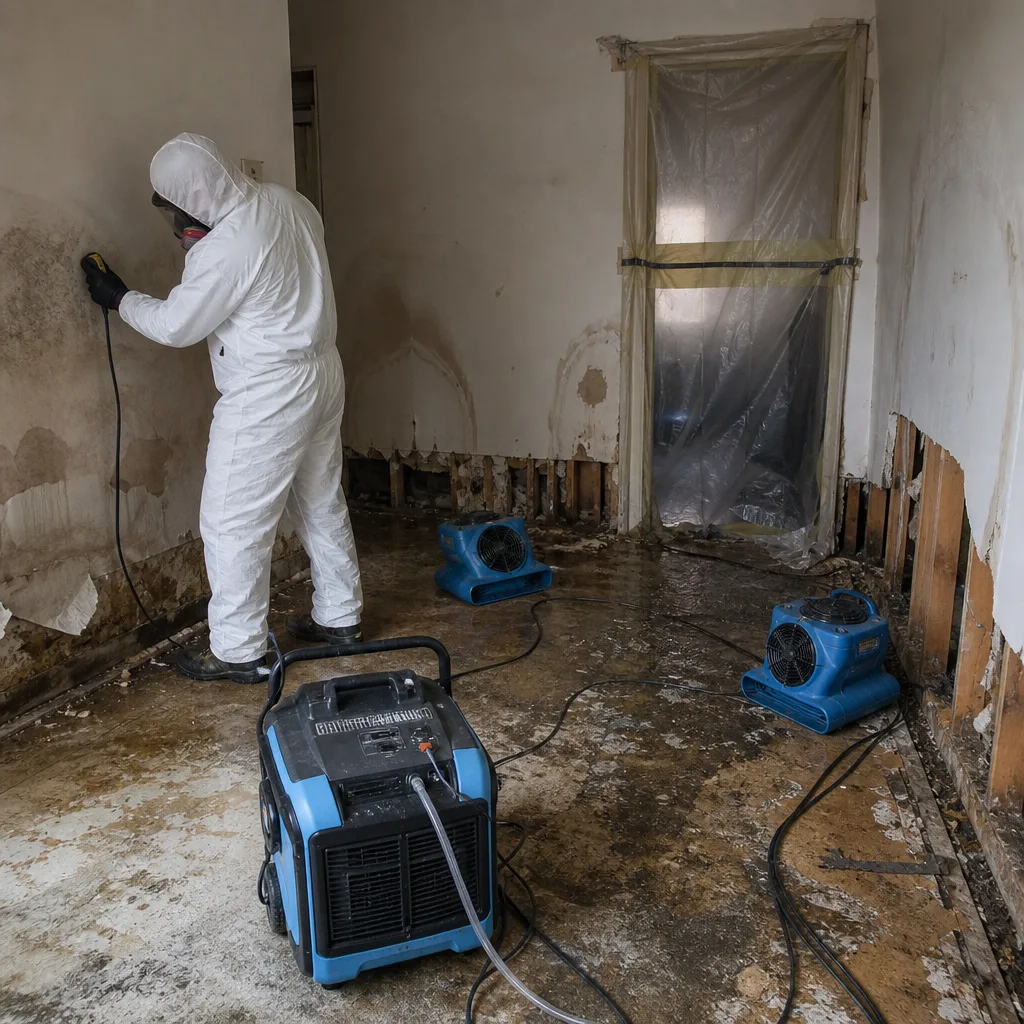 Before
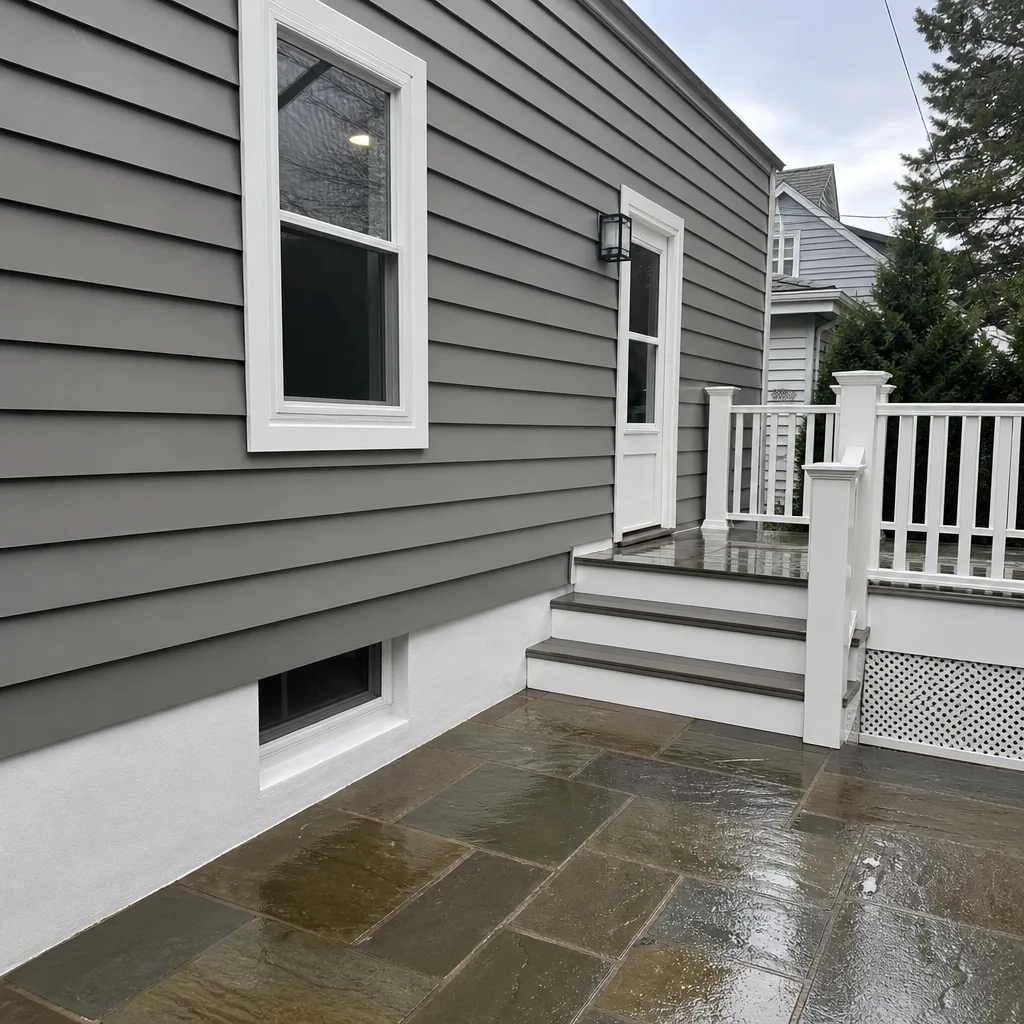 After
After24/7 Emergency Fire & Smoke Damage Restoration in New Milford
Fire damage in New Milford doesn’t wait for business hours, and neither do we. A live dispatcher answers at (640) 333-9625 around the clock, every day of the year. When smoke has traveled through open floor joists into a finished basement or a kitchen fire has left soot on every surface of a 1950s Cape Cod, the first hour determines how much can be saved. Our crews stage from the metro office and reach New Milford properties quickly, ready with containment, extraction, and air-scrubbing equipment on the first truck. Call now and a background-checked, IICRC-certified technician walks the loss with you, free of charge, before any work is authorized. Soot is acidic and keeps working into drywall, metal, and flooring long after the flames are out. The sooner we start, the less it costs to put right.
Understanding Fire & Smoke Damage Restoration Severity in New Milford Properties
Fire damage is never just about what burned. In New Milford’s post-war housing stock, the way smoke moves through a structure changes the entire scope of the job. Light smoke residue from a contained kitchen fire may only require surface cleaning and thermal fogging. But a fire that smolders in wall cavities produces protein or oil-based soot that bonds to painted surfaces and off-gasses for months if not chemically treated. The worst cases involve what we call a Category 3 water loss layered on top of fire damage. When the fire department floods a finished basement to knock down a fire, that water saturates drywall, carpet pad, and subfloor. In New Milford’s 1940s-1970s Cape Cods, ranches, and split-levels, open return-air chases and balloon-framed walls let smoke residue reach spaces the fire never touched. Moisture mapping and thermal imaging are not optional here. They’re how we find the hidden soot and water that a visual walkthrough misses, so the final scope is right the first time.
Why New Milford Property Owners Choose Floodline Restoration Co.
- 45-minute response commitment: From the moment you call (640) 333-9625, a certified crew is dispatched to your New Milford address. We’ll be there when we say.
- 24/7 live answer, always a person: A dispatcher picks up at 2 a.m., not a recording. No phone trees, no voicemail. You speak to someone who can move trucks.
- IICRC-certified crews: Our technicians hold FSRT and WRT certifications, trained to IICRC, RIA, and IFA standards. They show up uniformed and background-checked.
- Free visual inspection: We walk the damage, explain what we see in plain language, and hand you a written scope before any work begins. No obligation, no pressure.
- Direct insurance billing: We document everything from the first hour, bill your carrier directly, and handle the adjuster. You don’t play messenger.
- One team, first extraction to final paint: The same Floodline crew that cuts out the char handles structural drying, smoke sealing, and the rebuild. No mid-job handoff, no inherited crew.
Our Fire & Smoke Damage Restoration Process
Inspection & Assessment
We walk every affected room, plus adjacent spaces and the basement, with thermal imaging and moisture meters. Soot residue type, smoke migration paths, and hidden water are mapped before we touch anything.
Emergency Board-Up & Stabilization
Fire-damaged openings get wind-rated board-up, not a quick plywood patch. In New Milford’s nor’easter season, a weak tarp blows off before structural repair begins, forcing a second pack-out.
Water Extraction & Drying
Firefighting water is Category 3. We extract it with truck-mounted systems and place Dri-Eaz dehumidifiers with XPOWER air movers. Daily moisture readings are logged until the dry standard is met.
Soot Removal & Cleaning
HEPA vacuuming, dry sponge cleaning, and chemical treatments break down acidic soot before it etches glass and corrodes metal. Every surface in the smoke path gets addressed.
Odor Removal & Deodorization
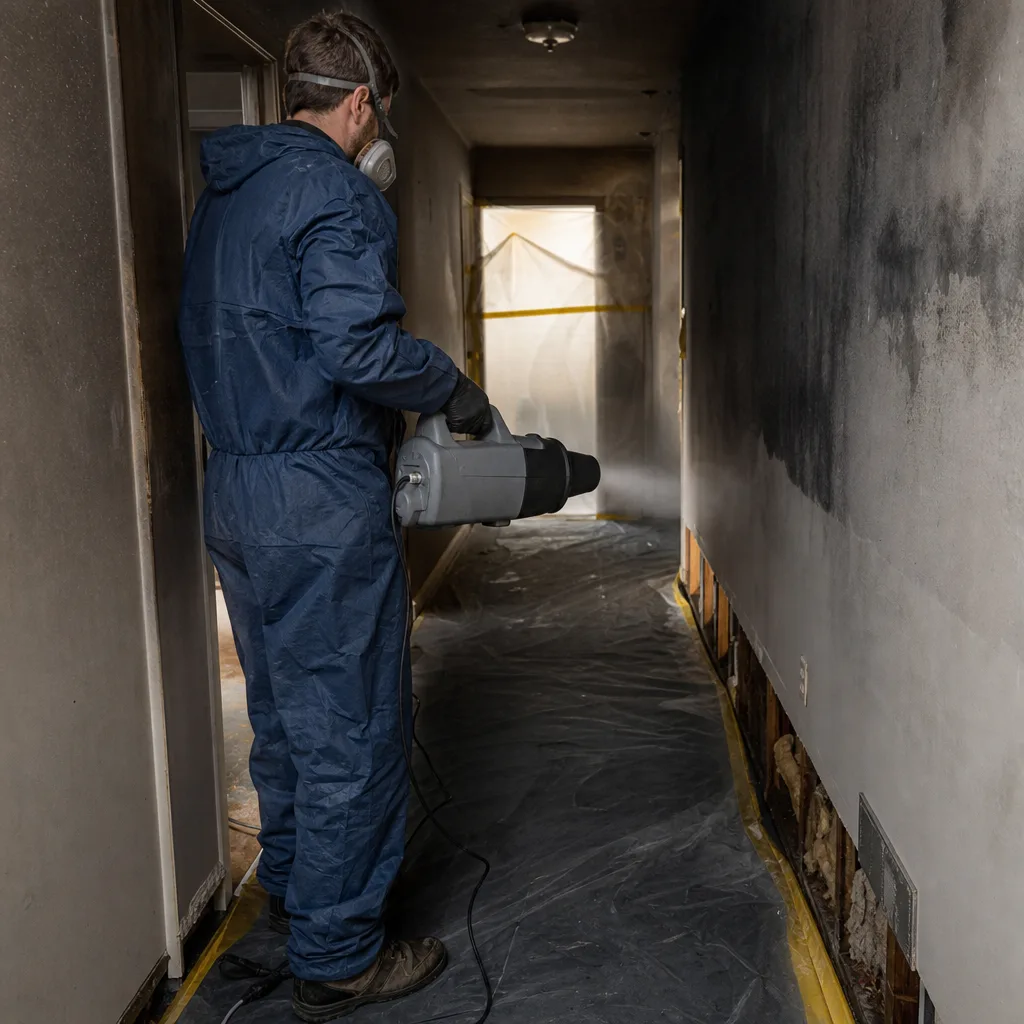
Thermal fogging and hydroxyl generators neutralize smoke odor embedded in framing and insulation. We don’t mask the smell; we remove the source.
Structural Fire Repair
Charred framing is sistered or replaced, drywall hung and finished, and finishes restored. The same crew that dried the structure rebuilds it, backed by our 90-Day Done Right Promise in writing.
Need Emergency Fire & Smoke Damage Restoration in New Milford Now?
Crews minutes away, answering live 24 hours a day. The sooner we start, the less it costs.
Working With Your Insurance Company
Fire claims in New Milford move faster when documentation is thorough from hour one. We photograph every room before cleanup begins, log moisture readings daily, and write a line-item scope that matches the carrier’s adjuster format. Our team communicates directly with your adjuster, answers their questions, and sends supplements when hidden damage is found behind drywall or under finished basement flooring. You get a copy of everything. The goal is simple: your carrier pays what the policy covers, the work is done right, and you never have to argue the details yourself. We stand behind it.
What We Provide Your Insurer
- Thorough documentation of the loss
- Photos of all damage, room by room
- Moisture readings and drying logs
- A detailed, line-item scope of work
- Direct coordination with your carrier
Built for New Milford’s Loss Calendar
New Milford’s fire damage calls follow a pattern that local crews know by heart. Winter brings electrical fires from space heaters straining 1950s wiring in finished basements along River Road and the adjacent flood-zone blocks. Spring thunderstorms dump rain into the Hackensack River watershed, and sump pumps that held through Sandy fail during the next nor’easter, flooding finished lower levels. Summer heat pushes aging HVAC systems in Cape Cods and ranches past their limits, and compressor fires or overheated motors are common. Fall nor’easters knock branches onto service lines, causing sparks and smoldering in attics. And year-round, kitchen fires from unattended cooking account for most of what we call. When a fire is followed by river flooding, the scope doubles: smoke residue in open joist bays meets Category 3 water behind finished walls. New Milford’s Fire & Smoke Damage Restoration work requires local knowledge of these seasonal patterns, and of the slow-receding Hackensack River that backs up through basements long after the fire is out.
Fire & Smoke Damage Restoration Across New Milford’s Neighborhoods
New Milford’s housing stock tells you a lot about how a fire will behave before we even arrive. Along River Road, homes sit close to the Hackensack River, and finished basements are common. That means fire damage often arrives with floodwater already in the structure. In the Madison Avenue corridor, ranches from the 1950s and 1960s have open floor joists that carry smoke from a first-floor fire directly into the basement. Over near New Milford High School and the Boulevard, split-levels built in the 1970s have shared wall cavities between the living level and the crawlspace, so smoke from a garage fire ends up in spaces nobody thinks to check. And in the streets off River Edge Road, older Capes with finished attics create vertical smoke paths that leave residue across second-floor bedrooms far from the fire. In every one of these neighborhoods, the first thing we do is map how smoke actually traveled, not just where the flames were. That’s what keeps this from becoming a recurring odor problem.
Specialized Fire & Smoke Damage Restoration Services We Offer in New Milford
Fire Damage Cleanup
Charred materials come out, salvageable surfaces get cleaned, and the structure is stabilized. In New Milford’s post-war construction, that often means opening walls to trace smoke into joist bays and chases before sealing anything back up.
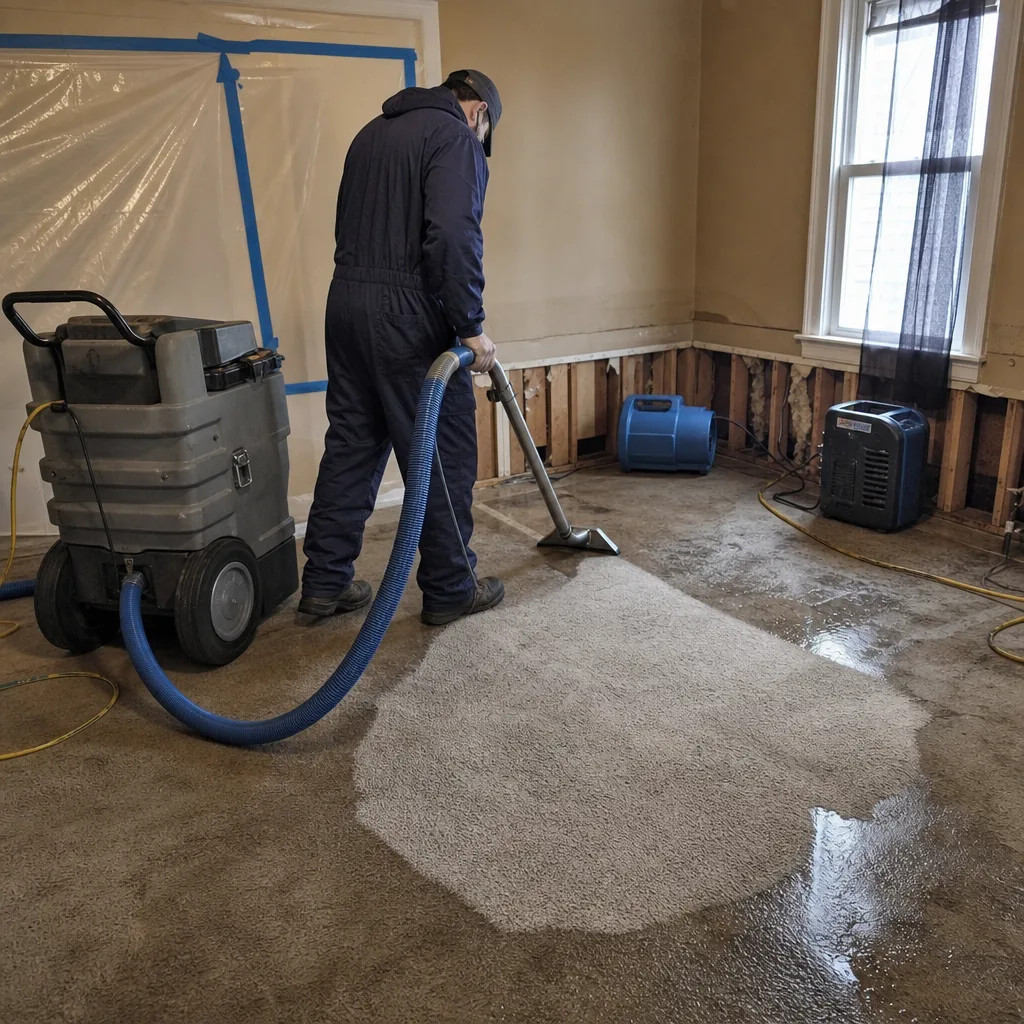
Smoke & Soot Removal
We identify the soot type, whether it’s dry protein residue from a kitchen fire or oily hydrocarbon soot from burning synthetics, then choose the cleaning chemistry accordingly. Soot keeps working into drywall and metal long after the fire is out.
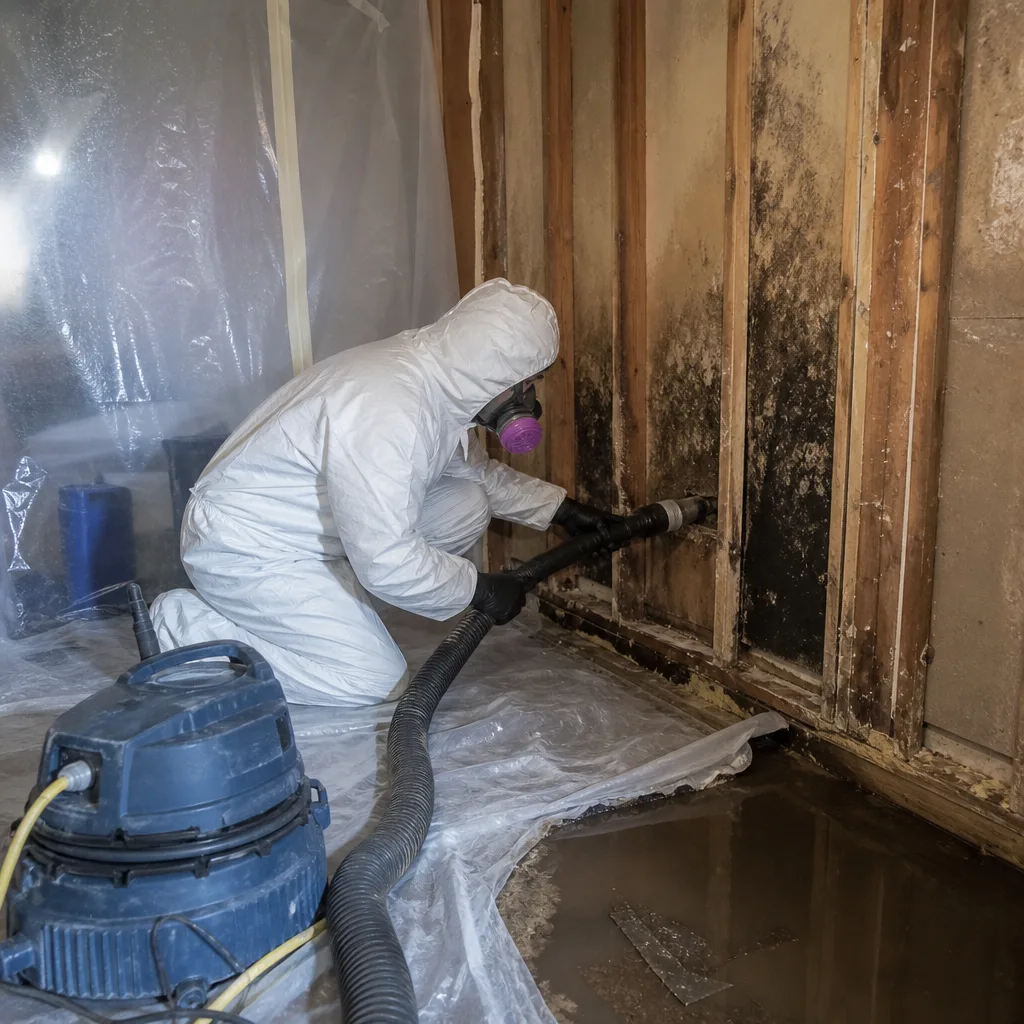
Odor Removal & Deodorization
Thermal fogging and hydroxyl technology get smoke odor out of framing and insulation, not just off the surfaces. Hidden soot behind drywall off-gasses for months if it’s not treated at the source.
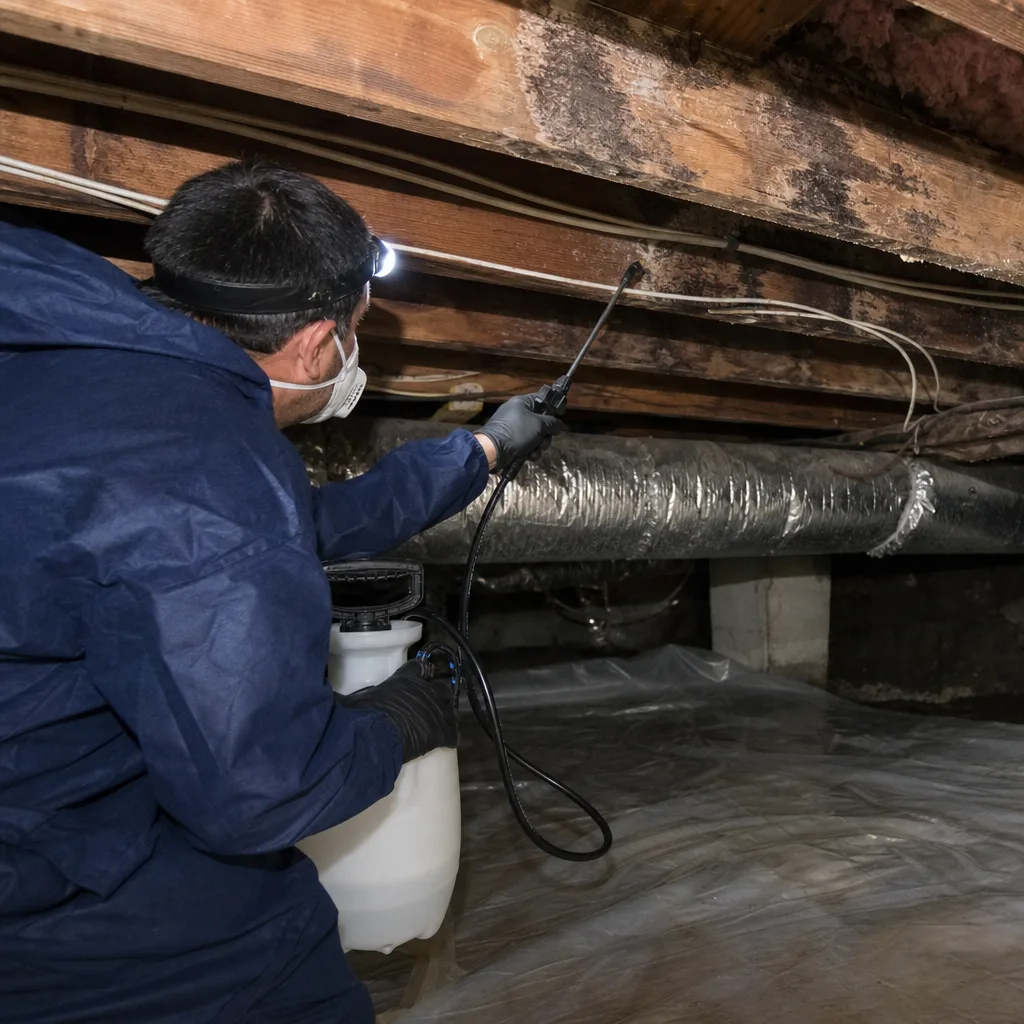
Contents Cleaning & Pack-Out
Salvageable contents are photographed, inventoried, packed out, cleaned, and stored off-site. Textiles, furniture, electronics, and documents all get treated differently. Everything comes back clean or it doesn’t come back.
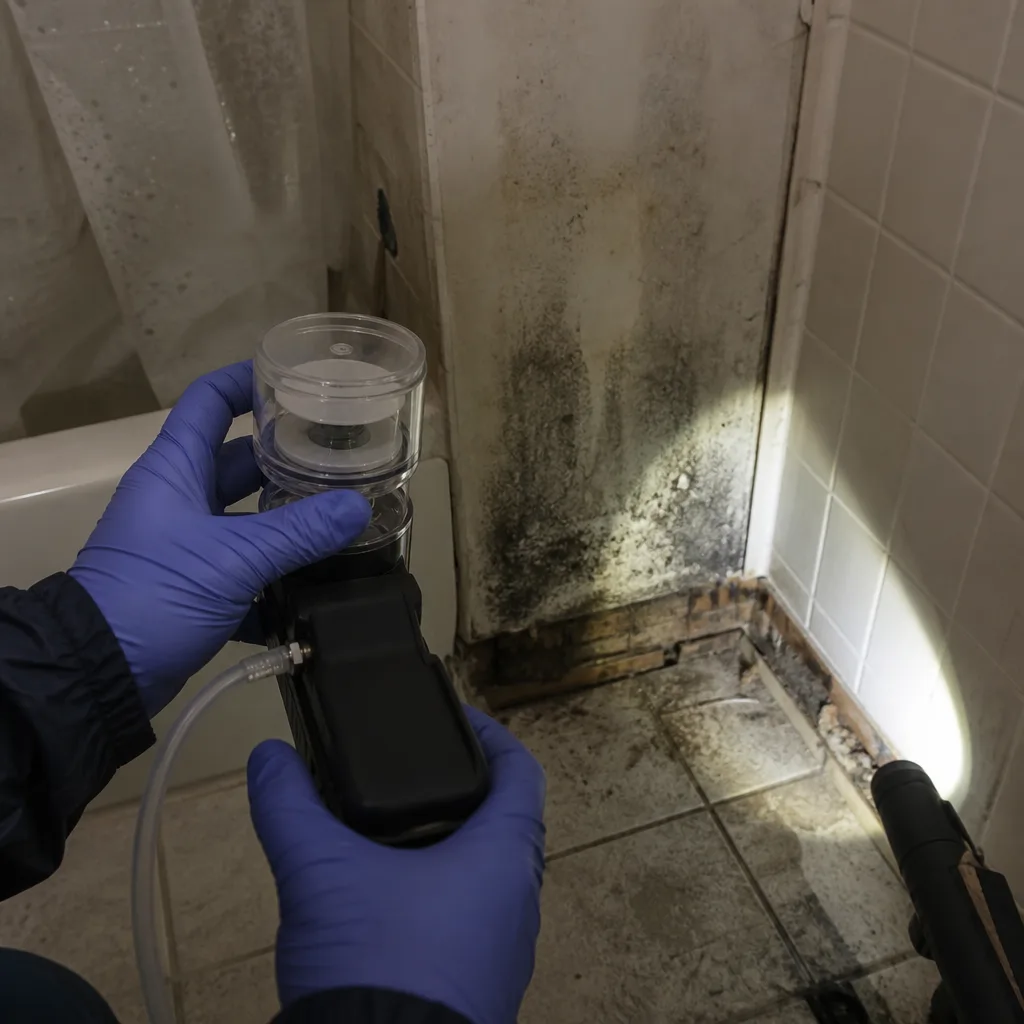
Emergency Board-Up & Tarping
Wind-rated board-up for fire-damaged openings, not a quick plywood patch. New Milford sits in the Hackensack River watershed, and the next nor’easter will tear off a hasty tarp. We secure it right the first time.
What happens when you call
- 1
A real person answersNo phone trees - you reach a local pro.
- 2
You get an upfront price rangeHonest numbers before anyone is dispatched.
- 3
A background-checked tech heads outLicensed & insured, dispatched right away.
- 4
You approve before work beginsNothing starts until you say go.
Fire & Smoke Damage Restoration Costs in New Milford, NJ
Fire damage restoration in New Milford runs a wide range because no two fires are alike. Soot cleanup and odor removal on a contained kitchen fire typically lands between $2,500 and $6,500. A basement fire with Category 3 water extraction and structural drying runs $8,000 to $18,000, depending on how far smoke traveled through open joist bays. Full structural fire repair with drywall replacement and rebuild work starts around $15,000 and goes up from there, especially on River Road properties where floodwater compounds the loss. What moves the price: how many rooms the smoke reached, whether finished basement framing got wet, whether contents need pack-out, and whether the fire department’s water has been sitting long enough to grow mold behind walls. Most New Milford fire claims are partially or fully covered under homeowner’s insurance. The free visual inspection gives you a firm scope in writing before any work starts, so you know the number going in. Call (640) 333-9625 for an exact quote.
We Also Serve Cities Near New Milford
Our crews work throughout Bergen County, bringing the same 45-minute response and 90-Day Done Right Promise to New Milford and its neighbors. We’re on call in River Edge, Bergenfield, Oradell, and Dumont, ready with the same certified technicians and professional-grade equipment on the first truck.
Serving New Milford, NJ - Our Local Coverage Area
We’re based in the New Milford area and know this community well. Use the map below to see our service coverage - if you’re nearby, we can almost certainly help.
New Milford Fire & Smoke Damage Restoration Questions, Answered
Why does fire damage restoration in New Milford so often turn into a flood damage project?
Because firefighting water is applied faster than the Hackensack River can recede, and in New Milford’s finished basements, that water sits on drywall and carpet pad until extracted. The fire department uses hundreds or thousands of gallons to knock down a fire. Most of it ends up in the basement, saturating every porous surface. In a Cape Cod built in 1955, that water wicks up into the original subfloor above while the river’s slow drainage keeps the lower level humid for days. Call Floodline Restore at (640) 333-9625 and we’ll start extraction the same visit.
What exactly is a category 3 water loss, and why should a New Milford homeowner care after a fire?
Category 3 water is grossly contaminated, carrying bacteria, soot, and whatever else the fire created and the fire department stirred up. It’s not dried with fans; it requires extraction, antimicrobial treatment, and controlled structural drying with daily moisture logs. After a New Milford fire, that water is in your finished basement framing. If a crew doesn’t classify it correctly, they’ll leave hidden moisture that turns into mold behind your drywall within 48 hours.
How do I know if the smoke smell is really gone from my New Milford Cape Cod?
You don’t trust your nose; you trust the scope. Smoke residue hides behind drywall, in joist bays, and inside shared wall cavities. The only way to confirm it’s gone is to cut open the smoke path, clean what’s there, fog the framing, and then test the air. We don’t mask odors. We remove the source and verify it’s gone before we close the walls. If the smell returns within 90 days, the Done Right Promise covers it.
Do I need a permit to replace a fire-damaged garage door or entry door in New Milford?
Yes, structural fire repair and replacement of fire-damaged doors or openings in New Milford generally require a borough permit. We handle the permit application as part of the scope, and we coordinate with the local building department on wind-load requirements for any exterior opening. A hasty no-permit replacement is exactly what fails the next time a nor’easter comes up the river.
How fast can your team start water extraction and structural drying after a fire if the Hackensack River is already backing up?
The same day you call. We answer live 24/7 at (640) 333-9625, dispatch within 45 minutes, and arrive on site with truck-mounted extraction and our Dri-Eaz dehumidifiers plus XPOWER air movers. If the river is backing up, we prioritize containment and extraction before the water spreads further. Structural drying starts as soon as the standing water is out.
Will my insurance cover fire and smoke restoration in New Milford?
Most homeowner’s policies cover fire, smoke, and the water used to fight the fire, less your deductible. What varies is how well the claim is documented. We photograph everything before cleanup begins, write the scope in the carrier’s format, and bill them directly so you never have to front the full cost or play messenger between us and your adjuster.
Is it safe to stay in my New Milford home after a fire?
Not until the soot and Category 3 water are addressed. Soot is acidic and airborne particles irritate lungs. The water the fire department applied is contaminated. We’ll tell you honestly after the inspection whether power is safe to restore and which rooms are habitable. This isn’t a question we’ll inflate to run up the scope; it’s a safety call.
What are your technician certifications for fire restoration?
Our crews hold IICRC FSRT (Fire and Smoke Restoration Technician) and WRT (Water Restoration Technician) certifications, trained to IICRC, RIA, and IFA standards. Every technician is background-checked and uniformed. You’ll know who’s in your home and that they’ve done this before.
Written by Curt Bowman, Owner at Floodline Restoration Co.