
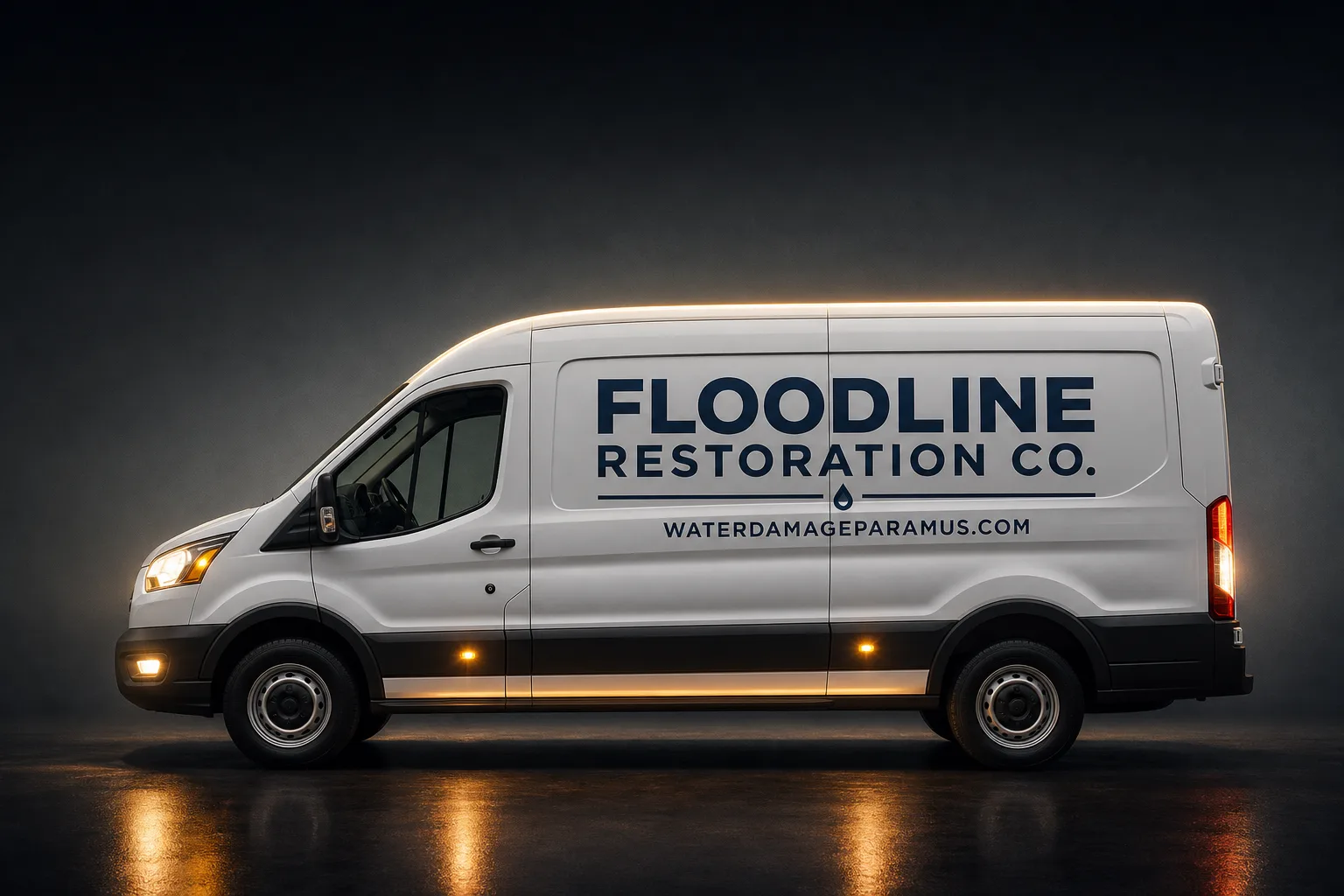
Free visual inspection and a written scope of work before any mitigation begins - photos, moisture readings, and drying logs go in your claim file
The scope we write is the scope we bill. Anything new gets shown to you, in writing, before we touch it.
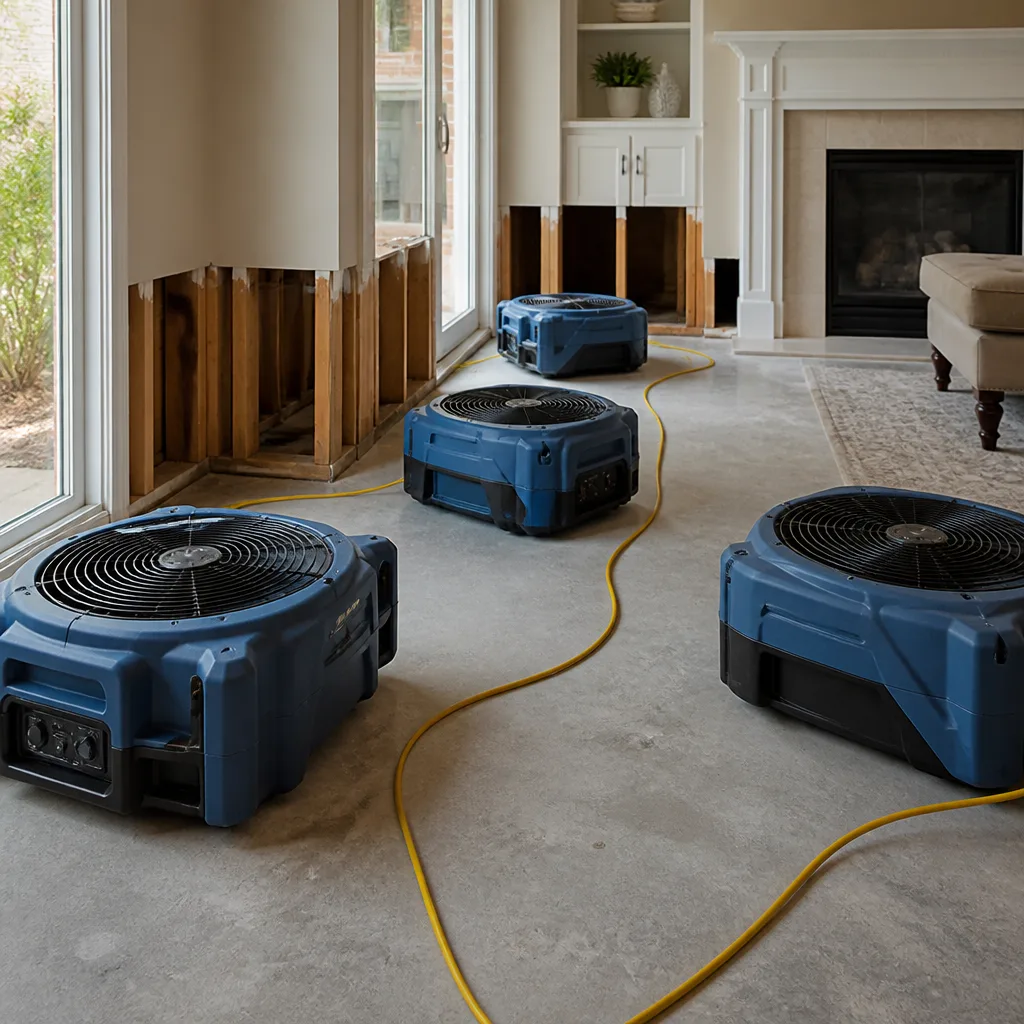
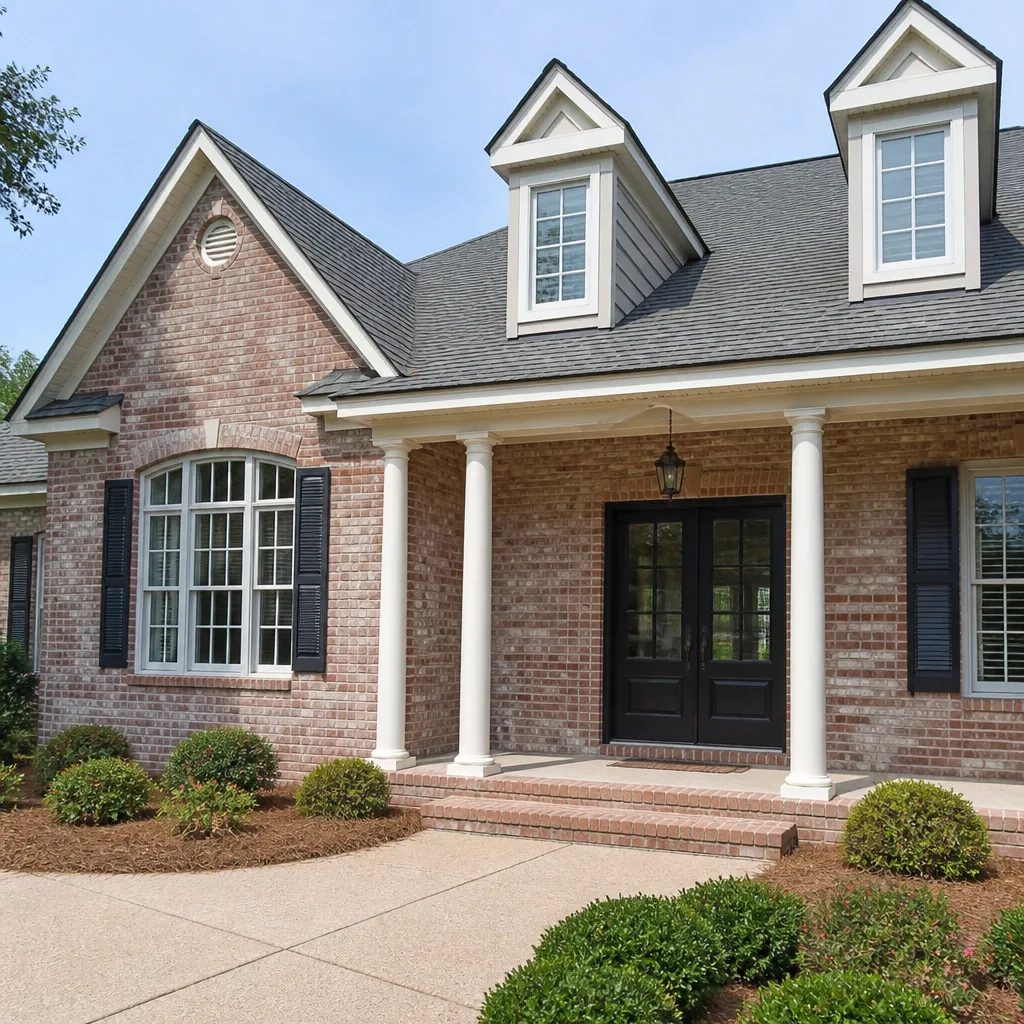
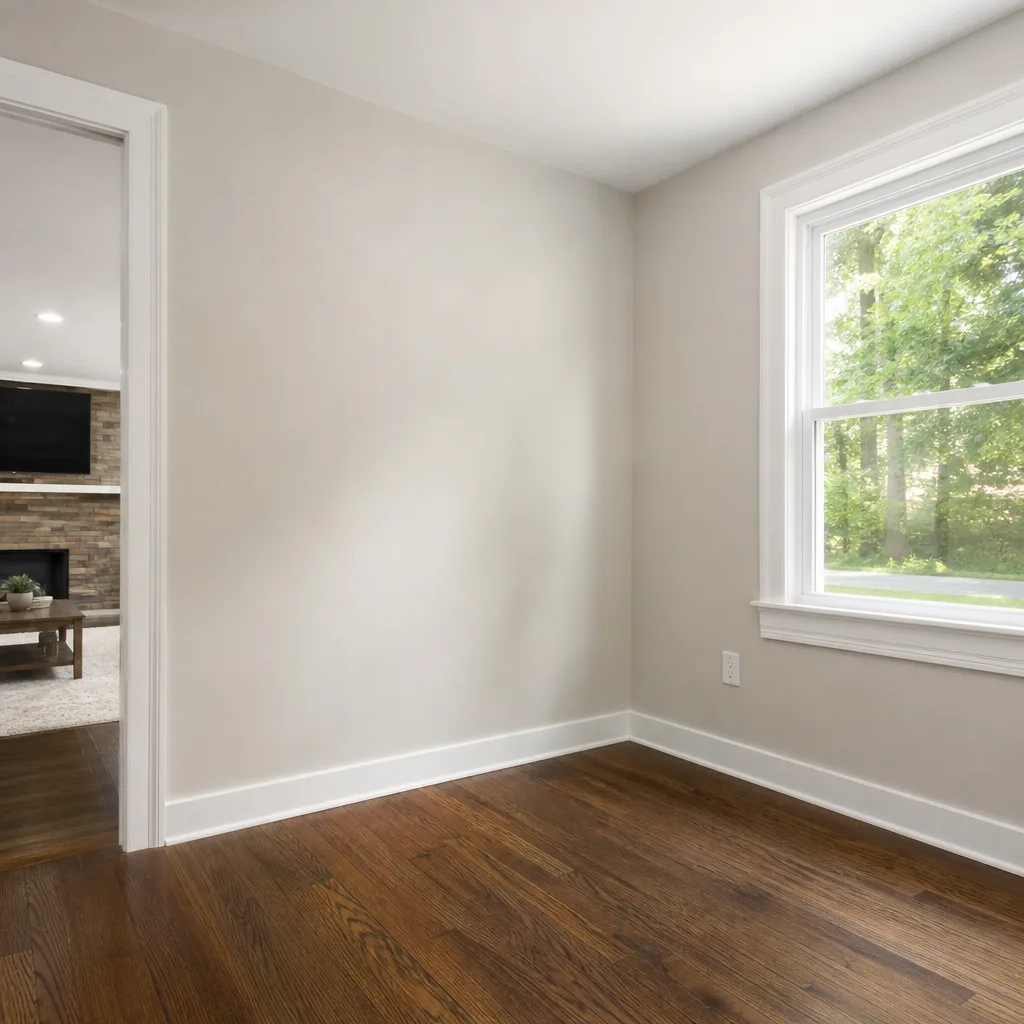
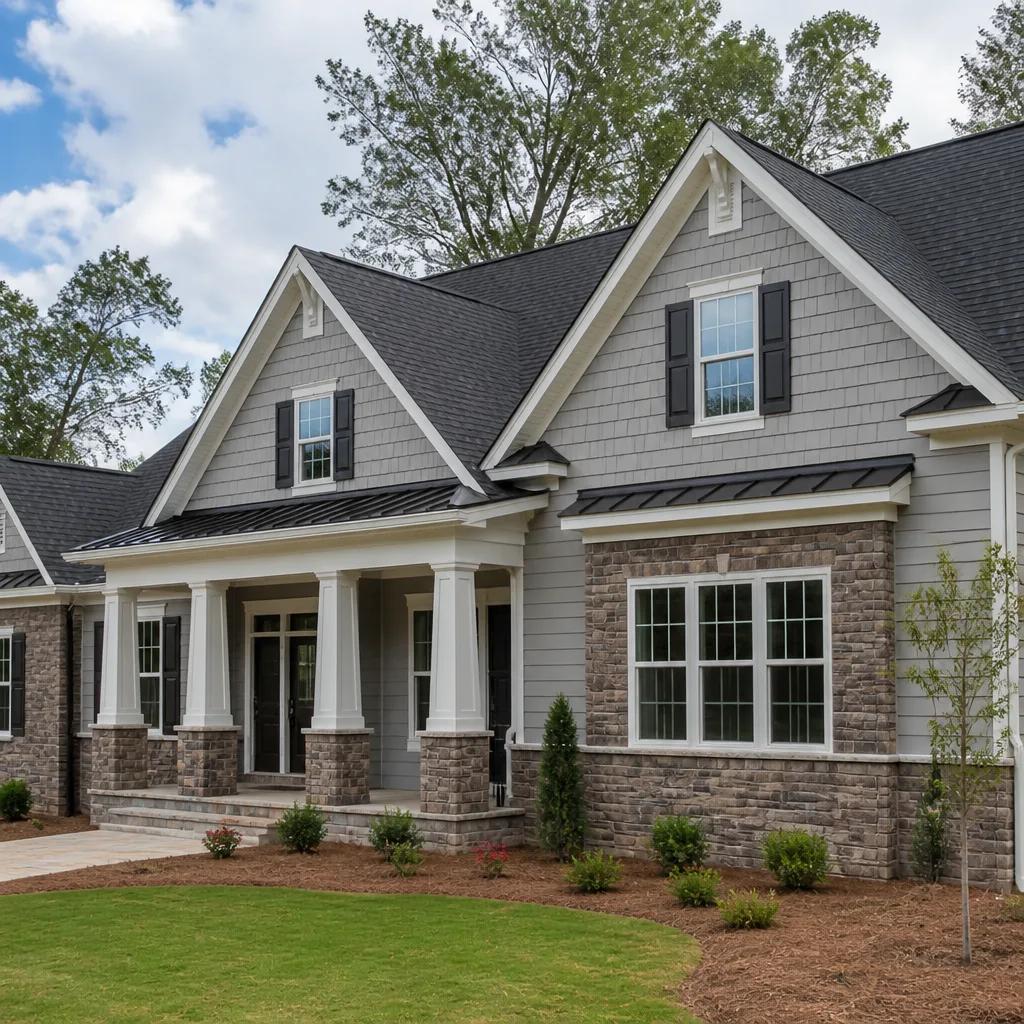
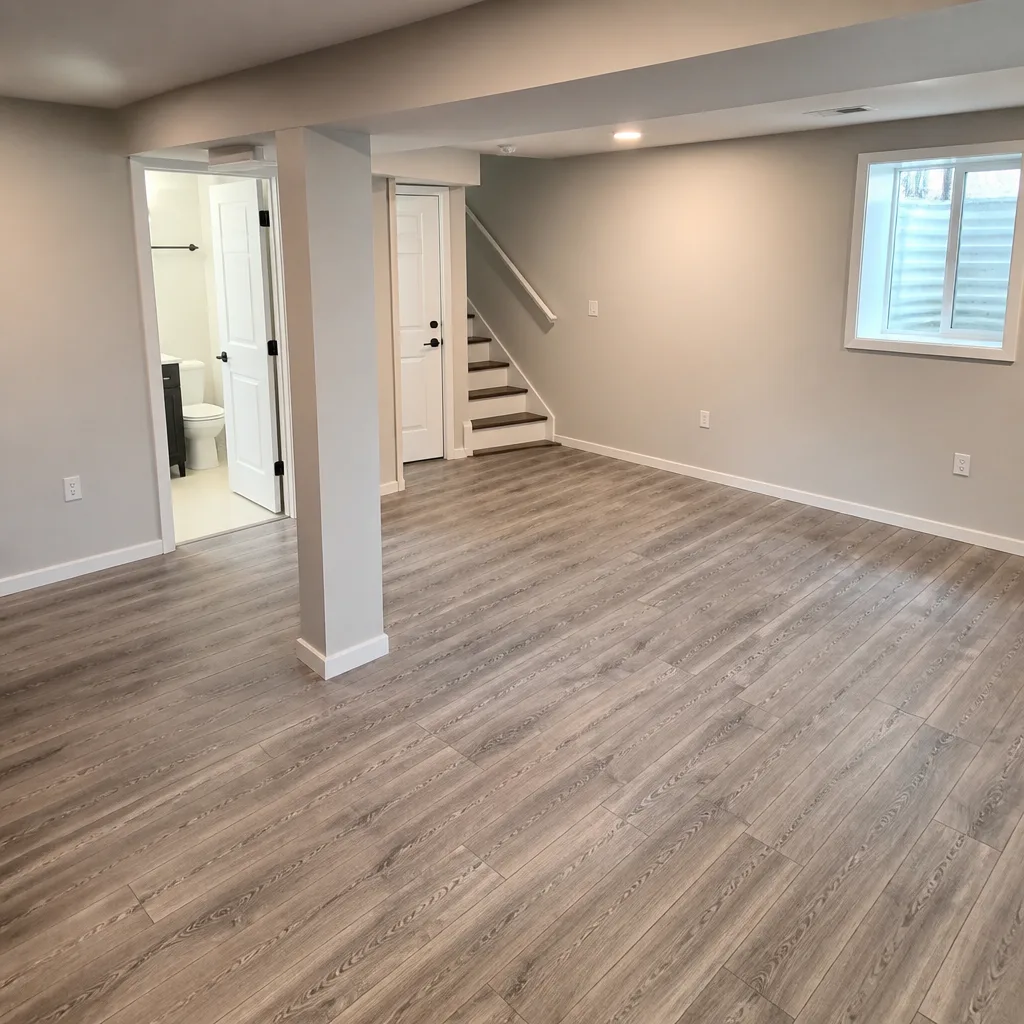
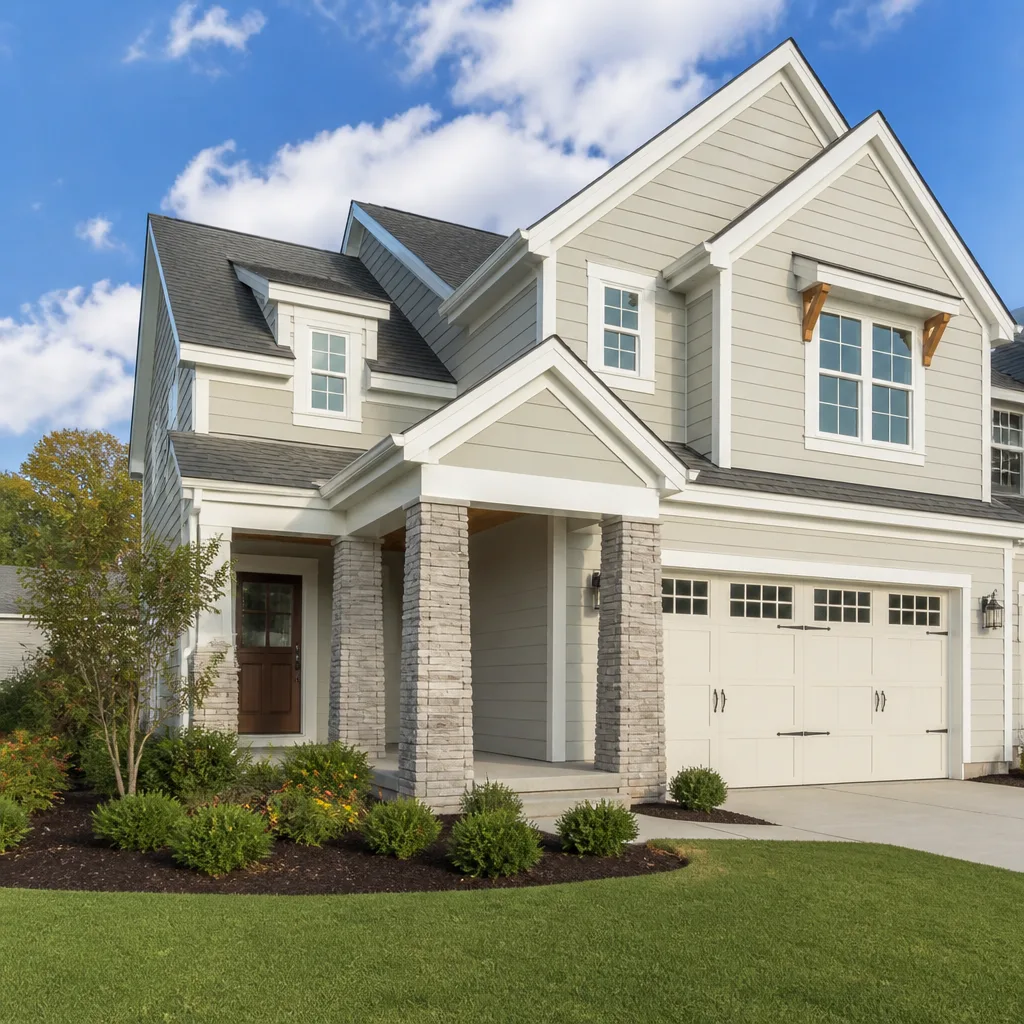
 Before
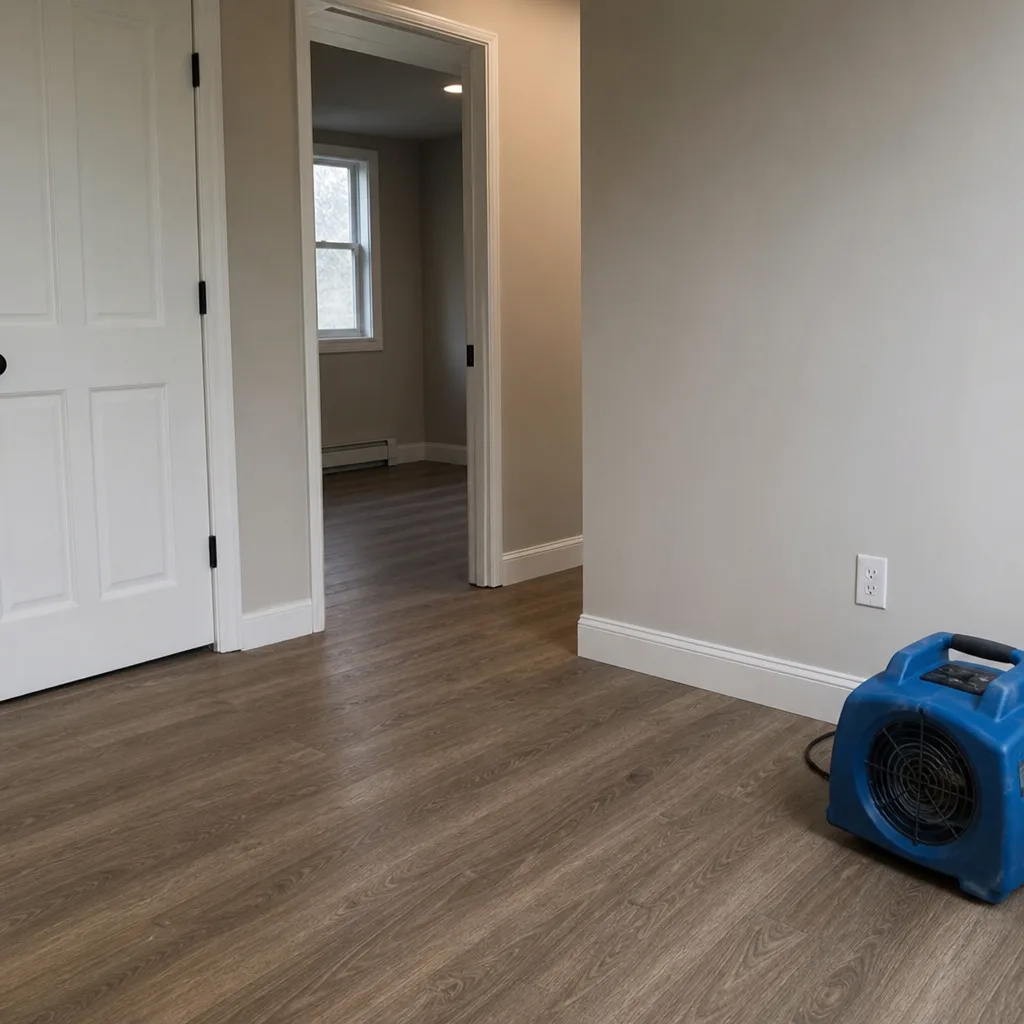 After
After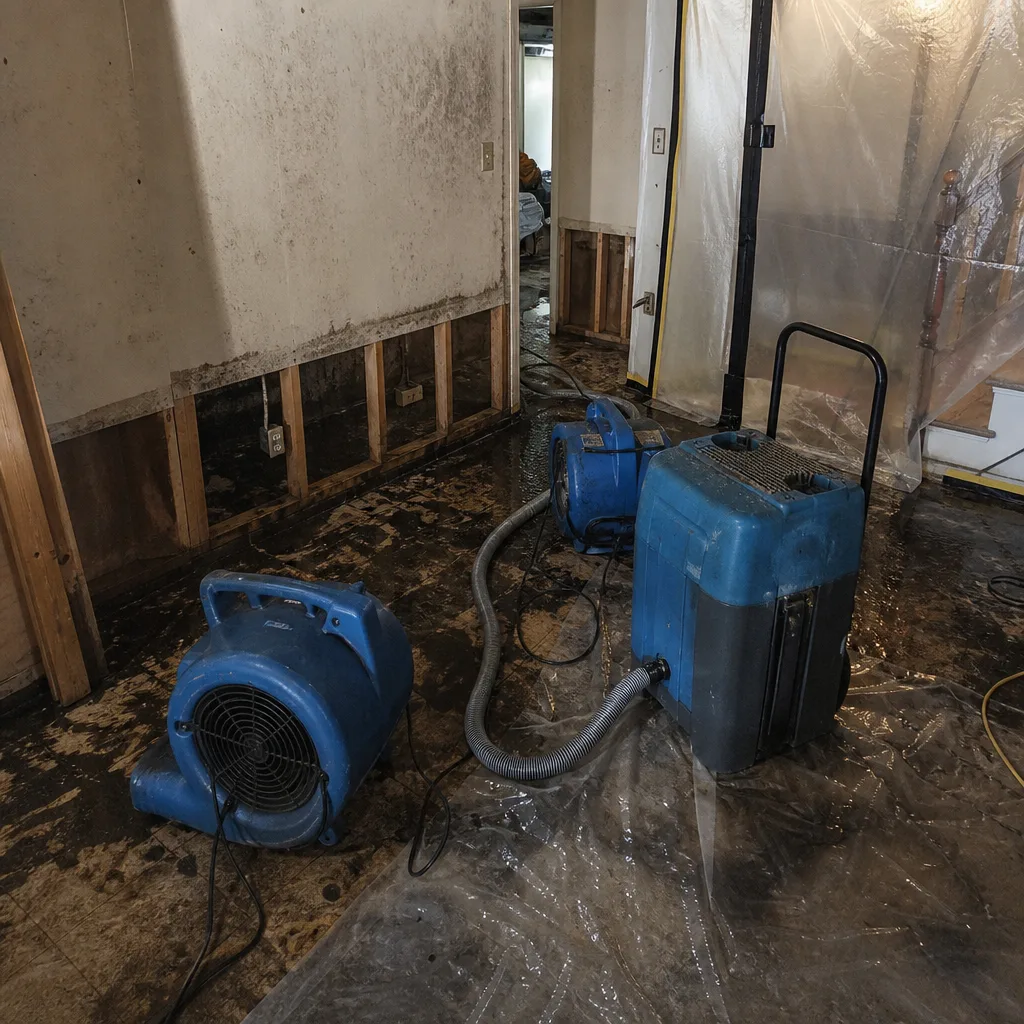 Before
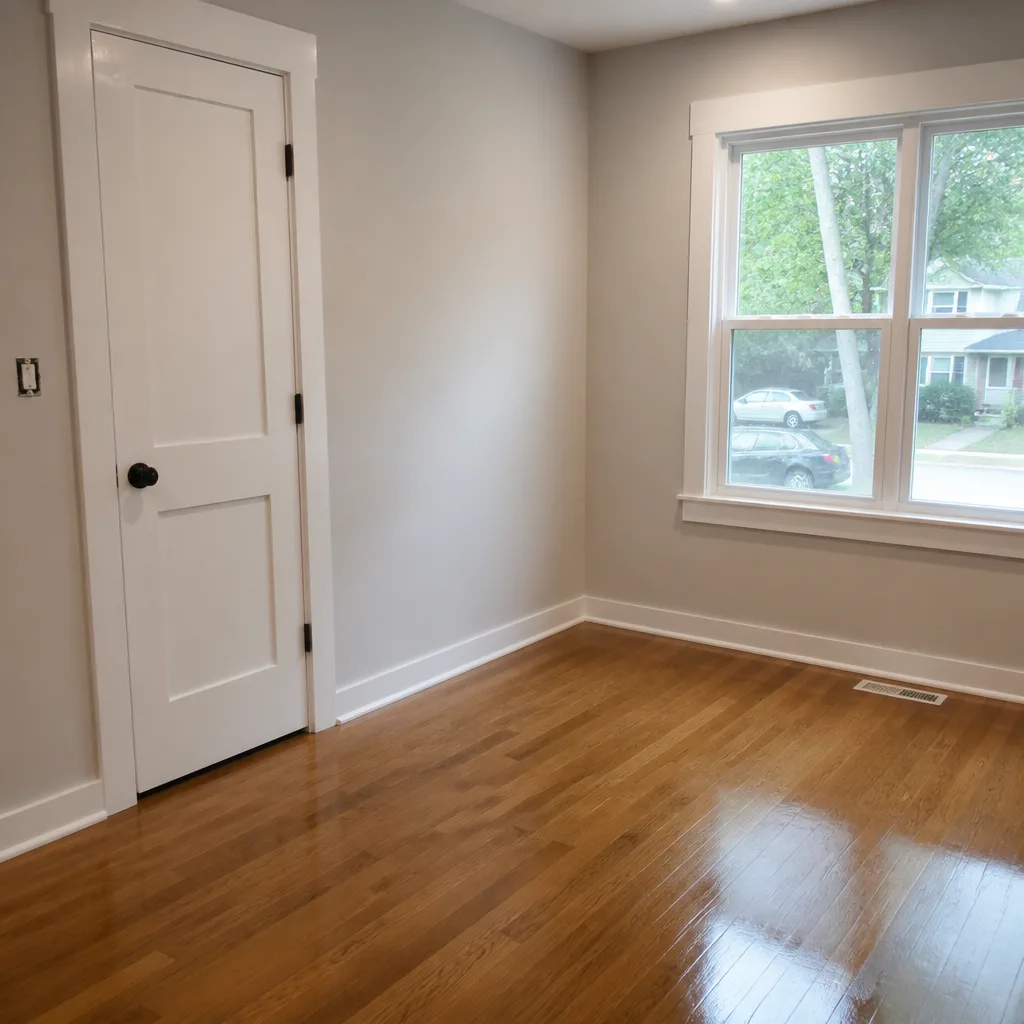 After
After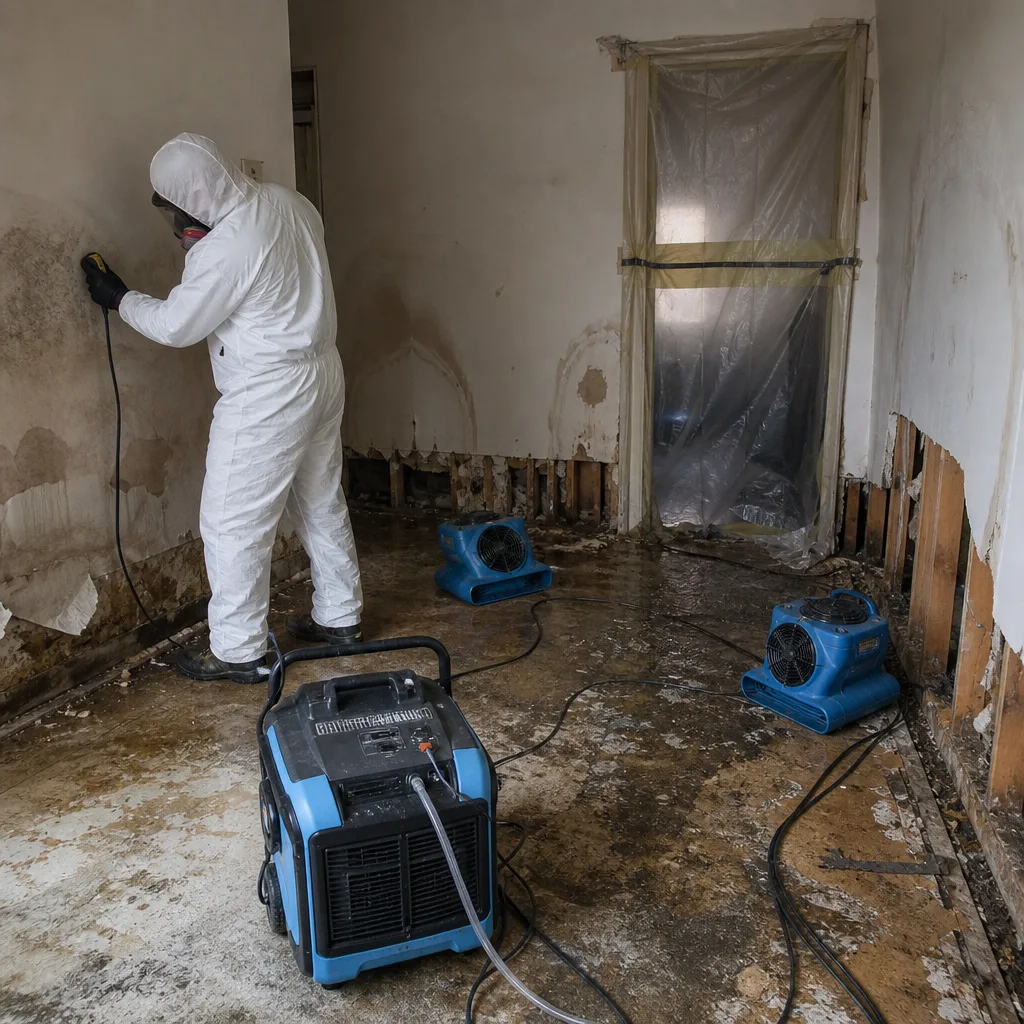 Before
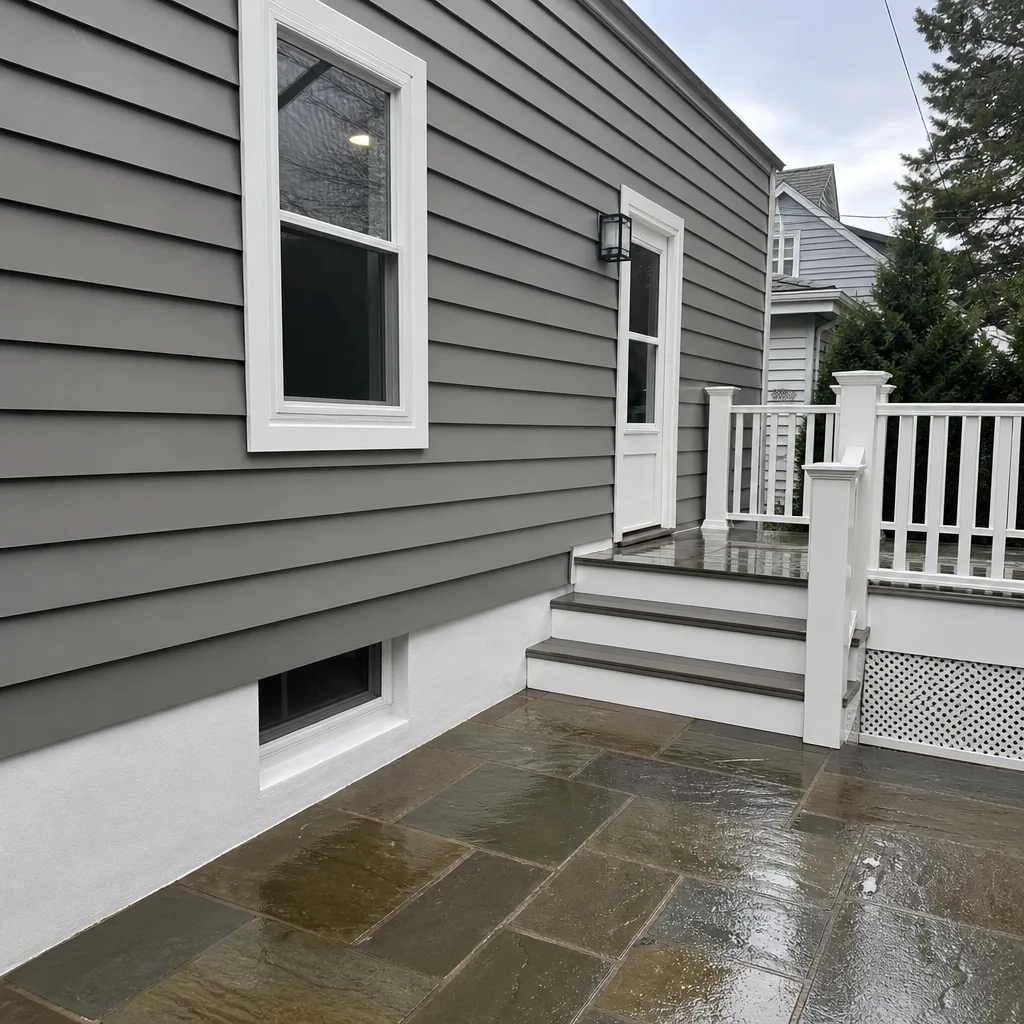 After
After24/7 Emergency Commercial Restoration in Westwood
Commercial restoration in Westwood typically starts with a phone call at an inconvenient hour, and it needs to end with a dry, structurally sound building and a business that can reopen. We answer live around the clock, and our crews reach Westwood commercial properties fast, usually within 45 minutes of your call. The first hour after a flood or fire dictates how much of your inventory, drywall, and flooring can be saved versus torn out and rebuilt. Call (640) 333-9625 the moment you see water, soot, or a musty smell that shouldn’t be there, and we’ll walk you through the first thirty minutes while a crew is already on the road.
Understanding Commercial Restoration Severity in Westwood Properties
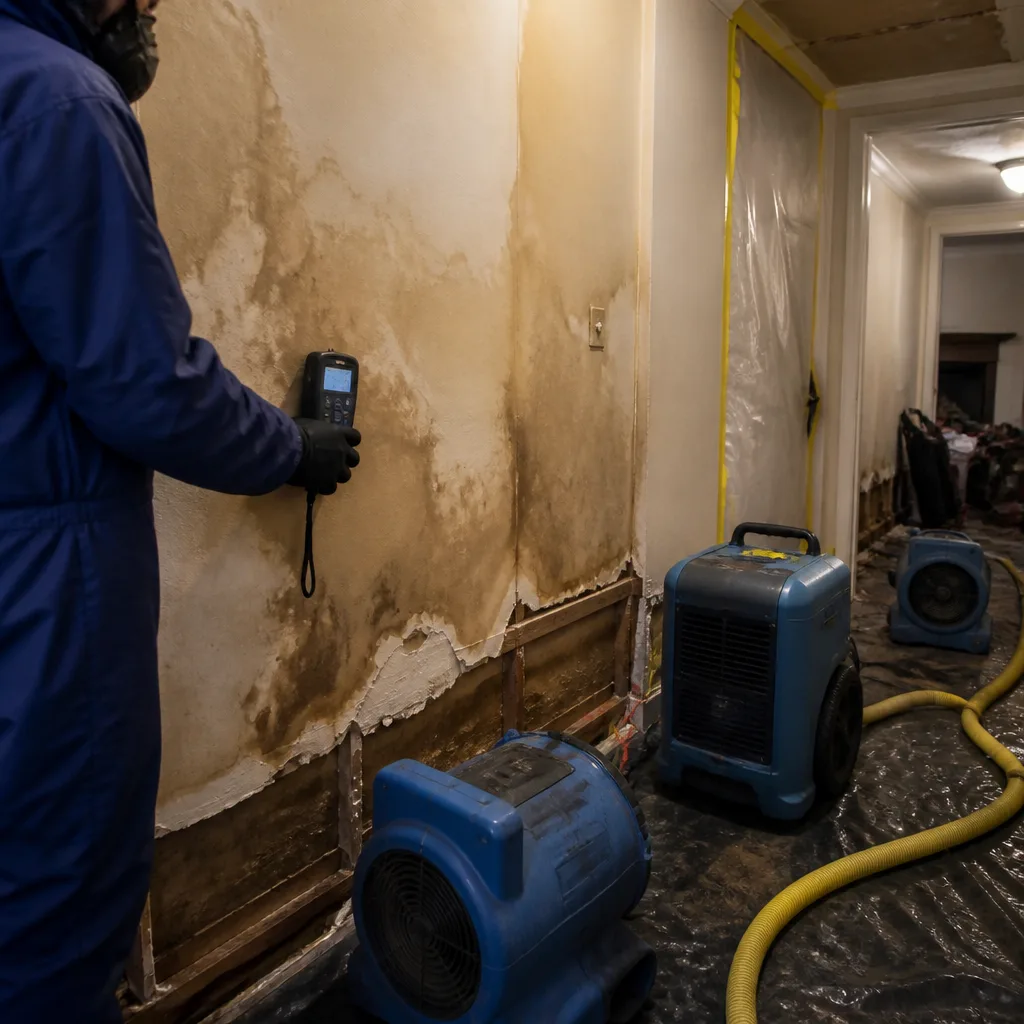
Not all water damage is the same, and in Westwood the distinction matters more than in most places. Clean water from a broken supply line is Category 1. Water that has run through walls, flooring, or building materials picks up contaminants and becomes Category 2. When the Pascack Brook tributaries overflow and push street water or sewage into a commercial basement, that’s Category 3, and the affected materials don’t get dried, they get removed. We moisture-map every affected surface with thermal imaging and hygrometers before we touch a wall, because drying a Category 3 intrusion inside a 1950s block foundation can spread contaminants through the air and into adjoining tenant spaces. Westwood’s older commercial buildings, many with original cast-iron supply lines and failed waterproofing membranes, hide moisture in places a visual inspection misses. That’s why our Commercial Restoration team starts with data, not guesses: daily moisture readings logged until the dry standard is met, so nobody has to wonder whether the wall is actually dry behind the paint.
Why Westwood Property Owners Choose Floodline Restoration Co.
- 45-minute response commitment. We dispatch from a real board with real trucks, and we’ll be there when we say. A live person tracks the crew’s arrival and calls if traffic on Kinderkamack Road or Old Hook Road slows anything down.
- 24/7 live answer. No recordings, no callback queue. A dispatcher picks up at 2 a.m., every day, and a certified crew reaches the job the same visit.
- IICRC-certified crews. Our techs hold WRT, FSRT, and AMRT certifications and train to RIA and IFA standards. Background-checked and uniformed on every job.
- Free visual inspection. For any commercial property in Westwood, we’ll assess the damage and give you a written scope before any work is authorized. No pressure, no obligation.
- Direct insurance billing. We bill your carrier directly and handle adjuster communication from the first hour, so you never play messenger between us and your insurance company.
- One team from extraction to reconstruction. The same crew that reads the moisture map on day one handles daily readings, rebuilds what needs rebuilding, and hands you the 90-Day Done Right Promise in writing.
Our Commercial Restoration Process
Inspection & Assessment
We walk the entire affected area, document the loss, and classify the water category. Thermal imaging finds moisture behind walls and under flooring that a visual check misses. You get a written scope before work starts.
Extraction / Stabilization
Industrial extractors pull standing water out fast. We remove saturated materials that can’t be saved, especially Category 2 and 3 materials. The goal is to stop the damage from spreading into adjoining spaces.
Drying & Dehumidification
We set Dri-Eaz dehumidifiers, XPOWER air movers, and Injectidry systems where the floor and wall cavities need them. Daily readings track the moisture curve until the structure hits its pre-loss condition, usually three to six days in Westwood’s clay-heavy soils.
Cleaning & Sanitization
HEPA air scrubbers run during remediation to capture mold spores and particulates. Surfaces get cleaned, sanitized, and treated to prevent microbial growth, especially in spaces that have flooded more than once.
Specialty Treatment for Commercial Spaces
This is where the work moves beyond residential drying. We handle inventory recovery, document drying, retail display rebuilds, and contaminant removal from tenant areas. For HOAs, we coordinate with property managers so common corridors and occupied units are handled without unnecessary disruption.
Repairs & Restoration
Drywall, flooring, cabinetry, electrical that got wet, trim, and paint get rebuilt by the same crew. We don’t hand the job to an unknown sub. You get a completed building, a moisture log, and our 90-Day Done Right Promise in writing.
Need Emergency Commercial Restoration in Westwood Now?
Crews minutes away, answering live 24 hours a day. The sooner we start, the less it costs.
Working With Your Insurance Company
Commercial restoration claims slow down when documentation is thin. We photograph every affected area before we move anything, note the water category, and log moisture readings daily until the structure is dry. Your adjuster gets a line-item scope of work in the format they expect, not a vague invoice. We speak directly with your carrier about what was found, what was removed, and why, so you don’t spend your week relaying messages. Founded by Curt Bowman in 2010, Floodline Restoration Co. has spent over a decade handling claims this way, and we know what adjusters will challenge and what they’ll approve quickly. Direct insurance billing means the bill goes to the carrier, not into a fight between you and your insurer.
What We Provide Your Insurer
- Thorough documentation of the loss
- Photos of all damage, room by room
- Moisture readings and drying logs
- A detailed, line-item scope of work
- Direct coordination with your carrier
Built for Westwood’s Loss Calendar
Westwood gets its commercial restoration calls in predictable waves, and we plan our dispatch around them. January and February bring deep freezes that burst aging supply lines in buildings along Broadway and Westwood Avenue, then thaw reveals the full extent. March and April are the snowmelt months: water from Bergen County’s clay-heavy soils pushes through failed basement membranes in the borough’s post-WWII commercial buildings, and every nor’easter that rides up the Pascack Brook watershed sends another round of groundwater into the lowest retail space on the block. July and August thunderstorms drop multi-inch rain fast enough to overwhelm the tributary system, flash-flooding storage rooms and basements that haven’t seen water in a decade. September through November brings the second nor’easter season, usually milder than spring but enough to test any property whose waterproofing wasn’t fixed after the last event. The pattern we see most in Westwood is the repeat-flood client: a storefront or medical office that has filed three claims, had three cosmetic repairs, and still gets water every time the Pascack Brook rises. That’s the job we’re built for.
Commercial Restoration Across Westwood’s Neighborhoods
Westwood’s commercial corridors each have their own restoration profile. The downtown stretch along Broadway and Westwood Avenue includes older pre-WWII buildings, some with stone or rubble foundations that wick groundwater after every heavy rain. Those jobs usually involve structural drying, cavity work, and rebuilding partition walls rather than simple extraction. The retail and office spaces off Kinderkamack Road sit in mixed-use buildings from the 1950s and 1960s, where original cast-iron supply lines and failed waterproofing membranes are the usual culprits. The low-gradient residential and small-commercial streets near the Pascack Brook, particularly around the flatter sections south of the downtown, flood every few years when the tributary system backs up, and those properties often carry hidden mold colonies from prior repairs that were never fully dried. Multi-unit and HOA buildings in the borough’s garden-apartment complexes off Old Hook Road need a coordinated approach, because drying one unit’s flooded floors can push moisture into the corridor walls and the unit below. Our crews know which parts of Westwood dry fast and which ones hold water, and we plan the drying strategy accordingly. On a commercial job near those low-gradient streets by the Pascack Brook, our techs arrived at a mixed-use retail space where three previous insurance repairs had been finished cosmetically without full structural drying. We tore out saturated drywall to reveal hidden mold colonies behind the partition walls, then set up containment, ran Dri-Eaz dehumidifiers and XPOWER air movers for six days, and performed moisture mapping until readings matched the building’s pre-loss condition before reconstruction could begin.
Specialized Commercial Restoration Services We Offer in Westwood
Office & Retail Restoration
When a pipe lets go above a Westwood retail space, every hour the doors stay closed is lost revenue. We extract, dry, and rebuild with the goal of getting your storefront or office back open as fast as the drying curve allows, often in a single visit for contained losses. Inventory and display fixtures get documented and salvaged where possible, and we coordinate with your property manager so common entrances stay passable.
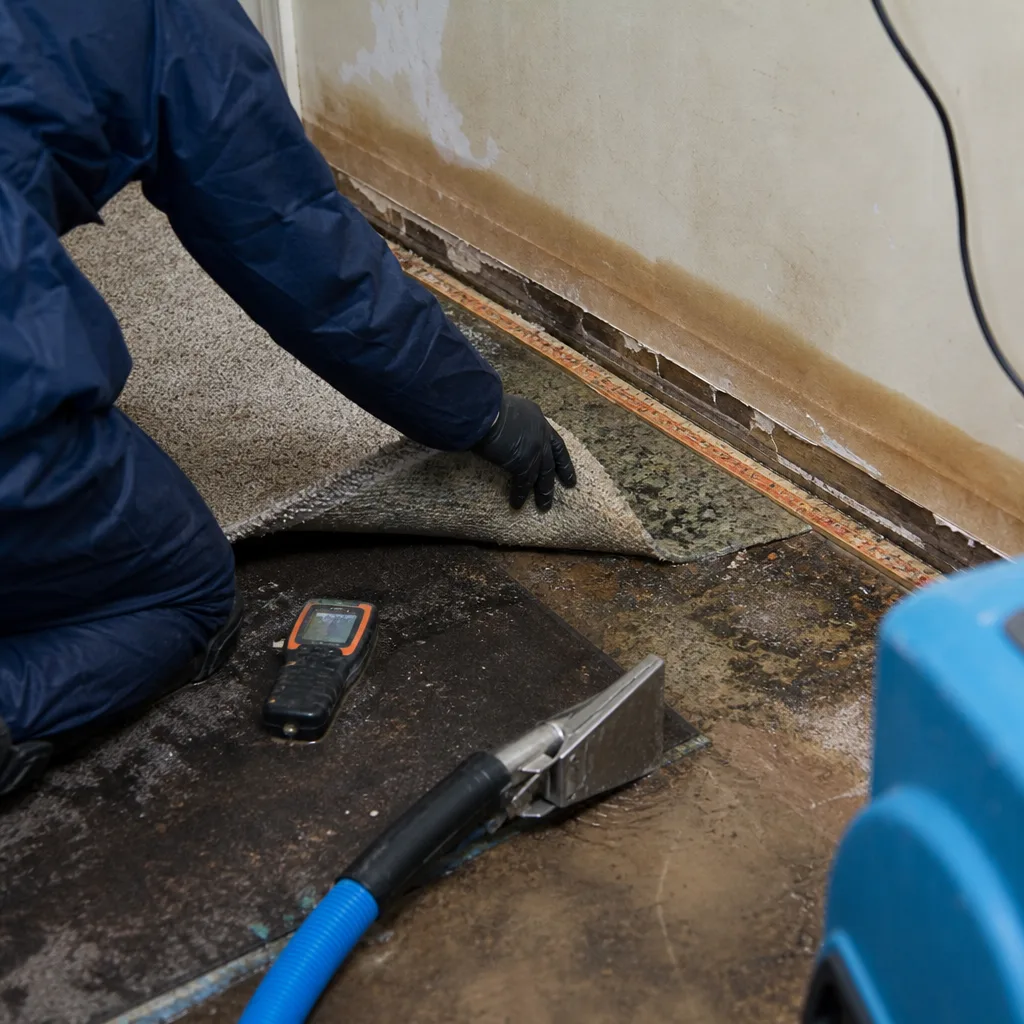
Multi-Unit & HOA Restoration
Wet corridor walls and flooded basements in Westwood’s HOAs can’t be dried one unit at a time. We work with property managers and boards to map moisture across the entire affected section, contain the damage, and sequence drying so we don’t push water into occupied units below. Direct billing to the association’s carrier removes the bill-collection headache from board members.
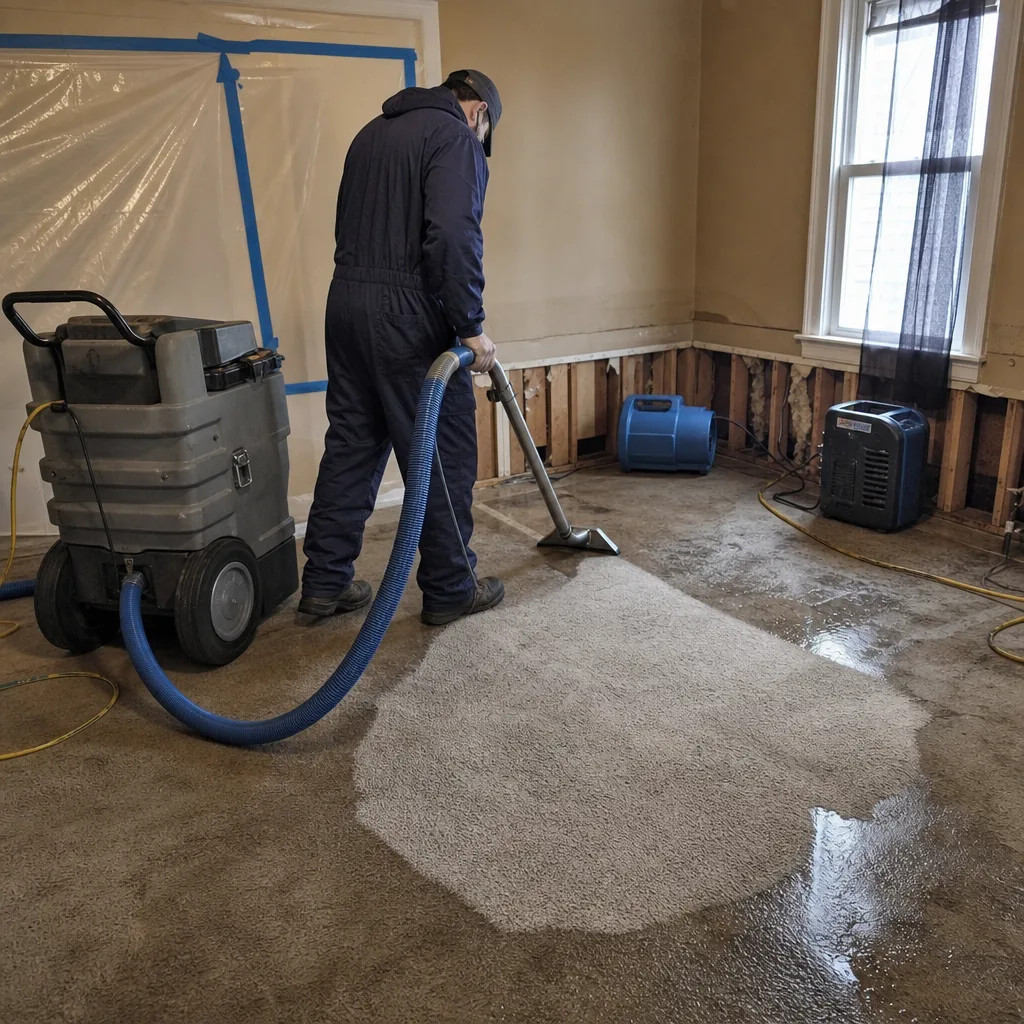
Business Interruption Minimization
The cost of a flood in a Westwood business isn’t just the water damage, it’s the days you can’t operate. We move fast to extract and stabilize, then set up a drying plan that respects your need to open partial operations where it’s safe. Documentation from the first hour supports your business interruption claim, with daily logs and photos your adjuster can use to move the claim forward without weeks of back-and-forth.
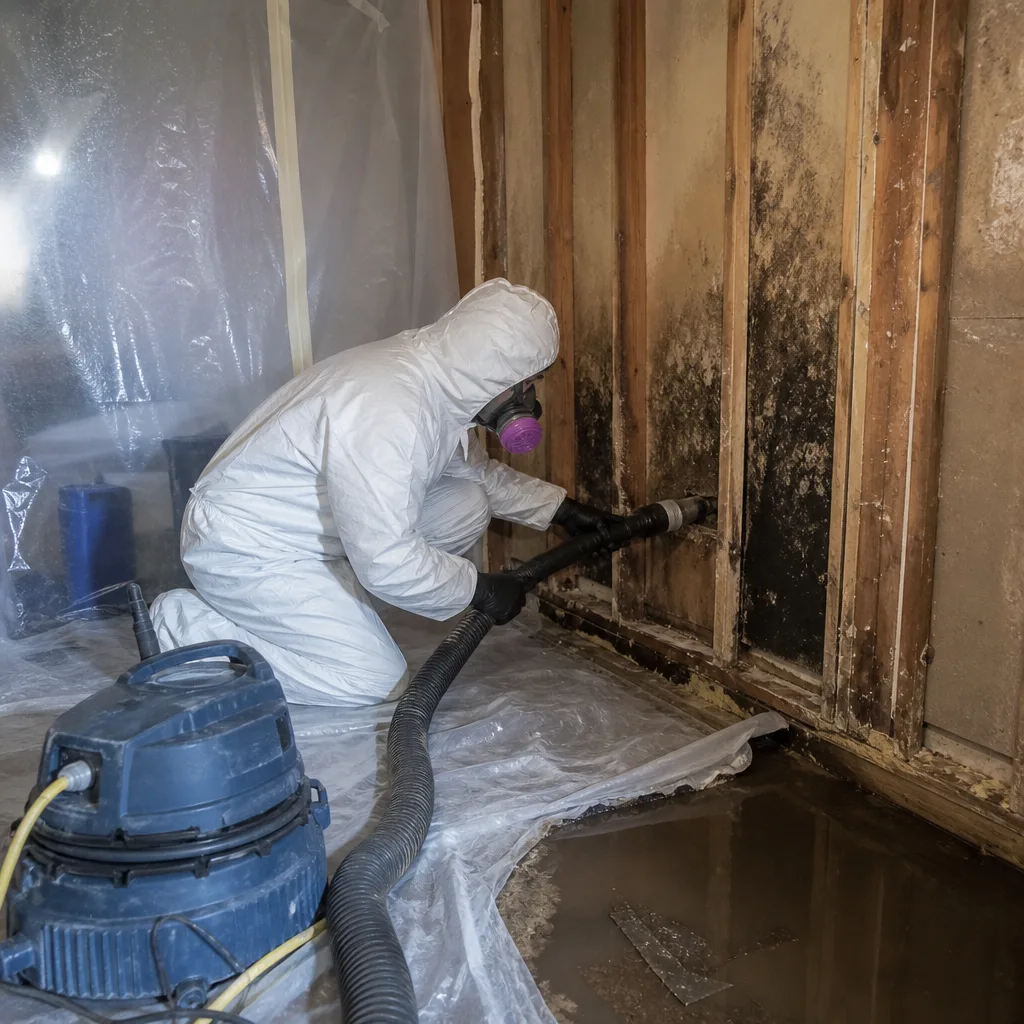
Industrial Facility Cleanup
Warehouses and light-industrial buildings in the borough’s commercial zones have slab floors, high racking, and specialized equipment that complicate a standard dry-out. We bring commercial-grade extraction and drying capacity sized for big square footage, and we sequence the work around your loading docks and production areas so downtime stays minimal.
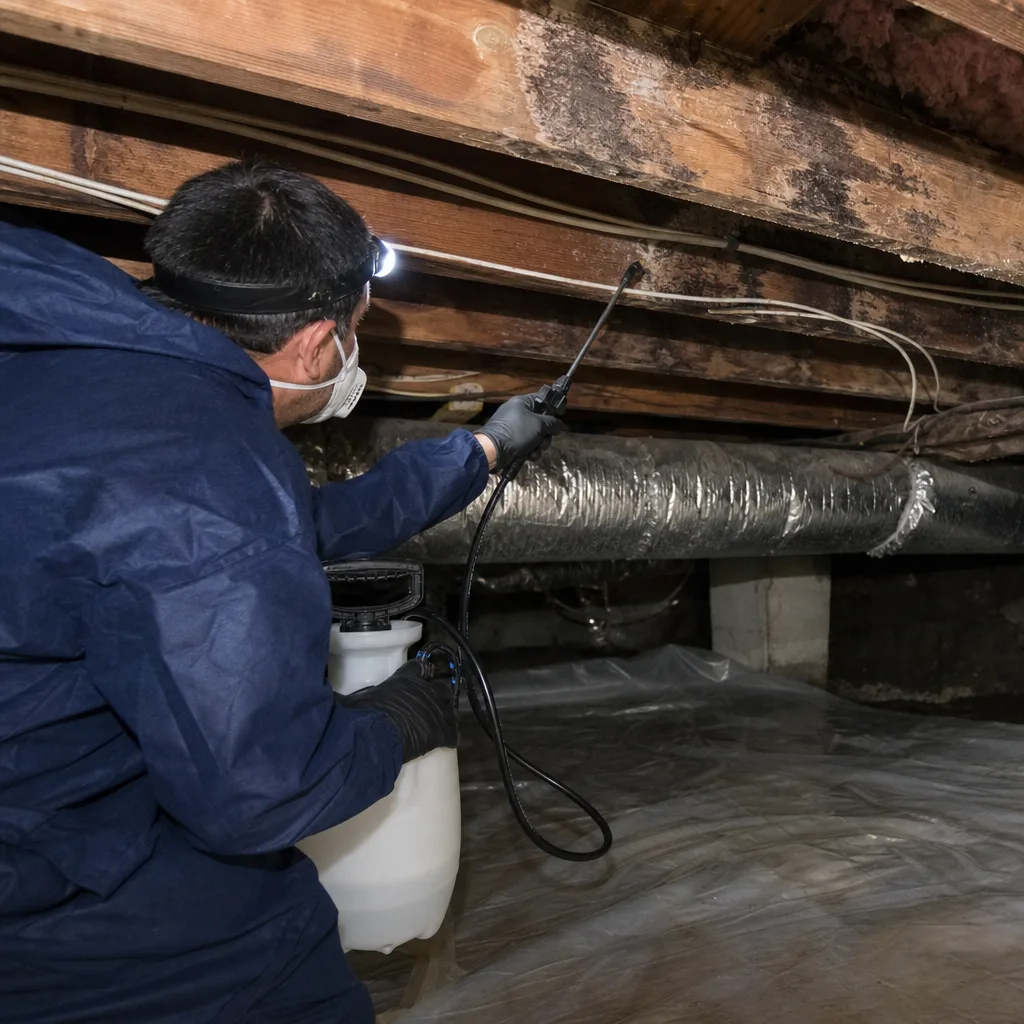
Large-Loss Response
When a full building takes water or fire damage, the job needs a coordinated team, not a pickup truck and a prayer. We mobilize multiple certified crews, set up command-and-control documentation from day one, and keep the carrier informed so the claim doesn’t stall. Same team handles the rebuild, so there’s no mid-job handoff.
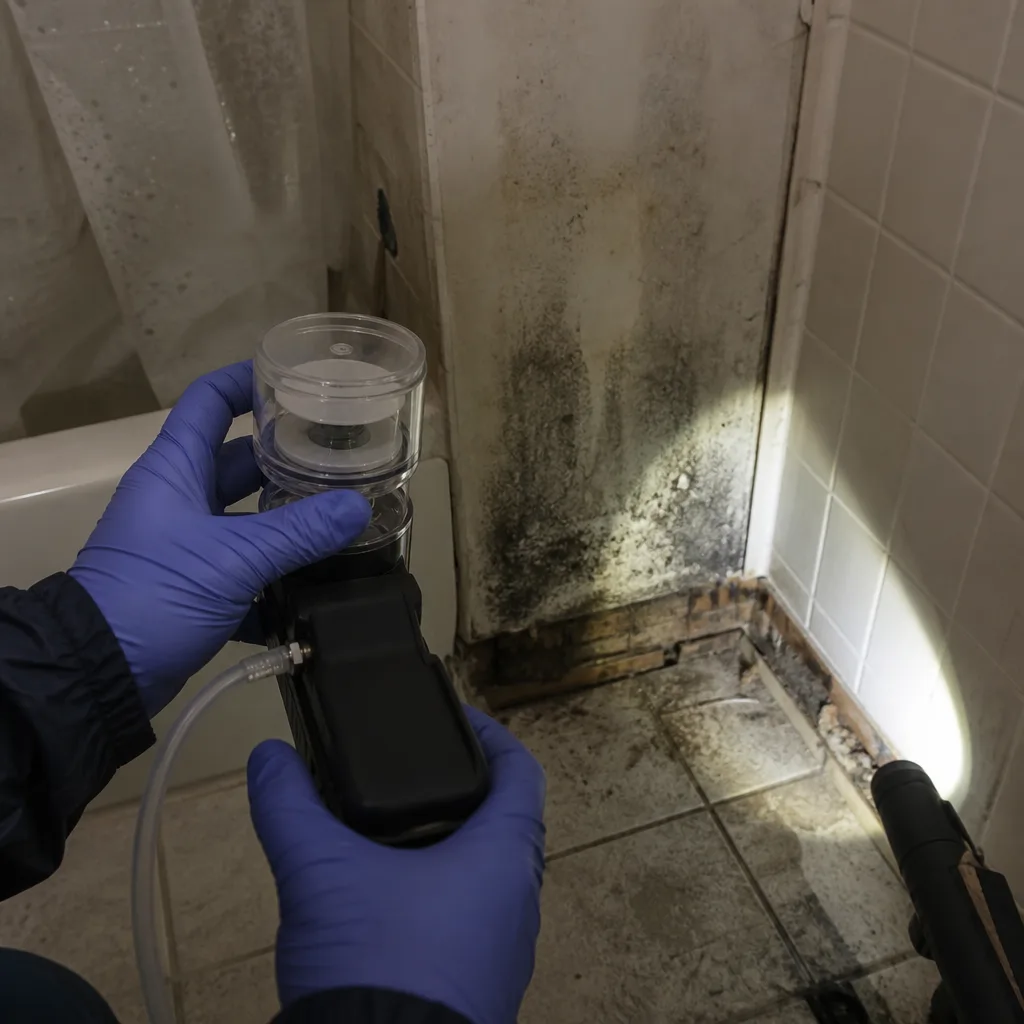
Document & Inventory Recovery
Paper records, electronic equipment, retail stock: the first 24 hours decide what’s salvageable. We document, dry, and stabilize what can be saved, and we remove what can’t with a clear inventory list for your carrier. For Westwood business owners who keep decades of records in a basement, this part of the job is often worth more than the drywall.
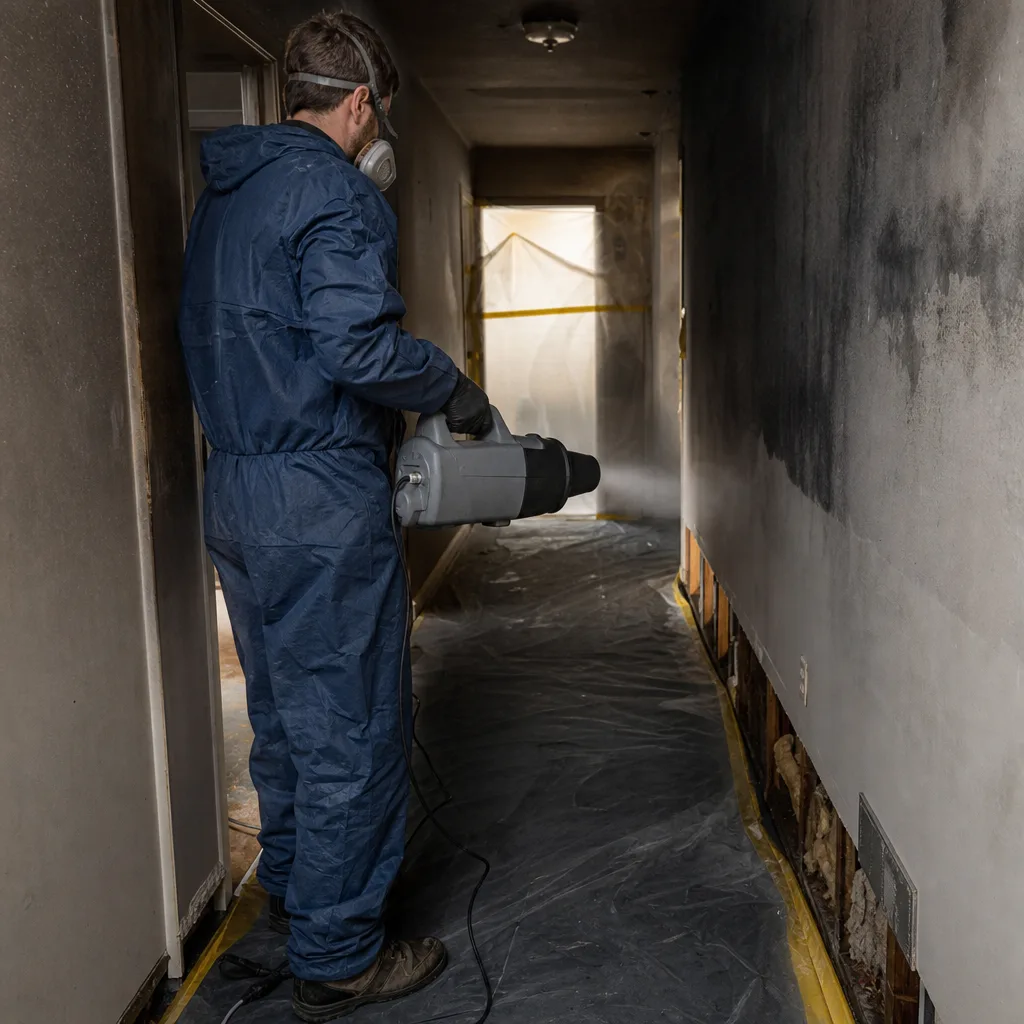
What happens when you call
- 1
A real person answersNo phone trees - you reach a local pro.
- 2
You get an upfront price rangeHonest numbers before anyone is dispatched.
- 3
A background-checked tech heads outLicensed & insured, dispatched right away.
- 4
You approve before work beginsNothing starts until you say go.
Commercial Restoration Costs in Westwood, NJ
Commercial restoration pricing in Westwood depends on the water category, the square footage affected, and how much of the structure was built before modern waterproofing. A contained Category 1 cleanup in a single retail room typically runs $2,500 to $6,000. A basement that took Category 2 or 3 water through a failed 1950s membrane, with drywall removal, drying, and rebuild, commonly lands between $9,000 and $28,000 depending on whether tenant spaces are involved. A full large-loss commercial response with multiple affected units, containment, and reconstruction can exceed $40,000, and insurance pricing in this market reflects the borough’s history of repeat claims. The fastest path to a firm number is a free visual inspection: we assess the actual moisture conditions, classify the water, and give you a written scope before anything is authorized. Call (640) 333-9625 to schedule it.
We Also Serve Cities Near Westwood
Our crews cover the surrounding Bergen County market daily, including Emerson, Haworth, Oradell, and Dumont. If your commercial property sits just outside the borough line, call the same number and we’ll get a crew there the same day. The dispatch board doesn’t stop at the Westwood border.
Serving Westwood, NJ - Our Local Coverage Area
We’re based in the Westwood area and know this community well. Use the map below to see our service coverage - if you’re nearby, we can almost certainly help.
Westwood Commercial Restoration Questions, Answered
How long does a typical commercial basement dry-out take in Westwood’s clay-heavy soils?
Most commercial basement dry-outs in Westwood take three to six days with professional-grade equipment running continuously, and the clay-heavy glacial soils under the borough extend that timeline compared to better-drained communities. We don’t stop until daily moisture readings show the structure has returned to its pre-loss condition, not when the surface feels dry to the touch.
Why do I keep getting water in my retail space even after a restoration crew “fixed” it?
In Westwood, the most common reason is a prior repair that was finished cosmetically without full structural drying or without addressing the failed waterproofing membrane behind the wall. Hidden moisture re-forms mold colonies within 24 to 48 hours, and every new storm re-floods the same space because the root cause was never fixed. We identify the entry point, dry the structure completely, rebuild, and tell you what waterproofing work needs to happen so the cycle stops.
My HOA building’s corridor walls are wet after a flood. Do I have to remove the drywall, or can it be dried?
If the water came from the Pascack Brook tributary system or ran through the building, it’s Category 2 or 3, and the affected drywall needs to come out, not be dried in place. Drying Category 3 materials spreads contaminants into adjacent spaces. For clean Category 1 water, drying in place is often possible, but it requires containment, air scrubbers, and daily moisture mapping to confirm the cavity is actually dry.
How do you handle a commercial space that has been wet multiple times from repeat floods?
We treat it as a remediation job first and a drying job second. That means removing materials holding hidden mold from prior incomplete repairs, containing the space, drying to the building’s pre-loss standard, and then rebuilding. Westwood’s repeat-flood properties almost always have unresolved moisture behind walls or under floors, and you can’t put new drywall over old mold and expect a different result.
Can you keep my retail store open during a large-loss restoration?
Often yes, at least partially. We set up containment barriers and negative air so customers don’t walk through the work zone, and we sequence drying and rebuild work around your operating hours. For jobs where full closure is unavoidable, we document the timeline and the business interruption impact from day one to support your claim.
How quickly can someone actually get to my Westwood commercial property?
Our commitment is 45 minutes from your call for emergency response in the Westwood area, and a live dispatcher gives you a precise ETA when you call. We don’t use a call center or a recording. Crews are stationed in the metro area and know the borough’s routes, including access constraints off Kinderkamack Road and Old Hook Road.
Will my insurance cover commercial restoration in Westwood?
Most commercial policies cover sudden and accidental water or fire damage, but coverage for flood events from the Pascack Brook tributary overflow depends on whether the property carries separate flood insurance. We document everything from the first hour and bill your carrier directly, with daily logs and photos that give your adjuster what they need to move the claim forward.
What should I do in the first 30 minutes after discovering water in my commercial building?
Call (640) 333-9625 first, then shut off the water supply if you can identify it, and keep people out of the affected area if the water is dirty or the ceiling is sagging. Don’t run fans or HVAC systems, which can spread contaminated water and mold spores into clean areas. Our dispatcher will walk you through the next steps while the crew is en route.
Written by Curt Bowman, Owner at Floodline Restoration Co., serving Westwood and Bergen County with commercial restoration, drying, and rebuild since 2010.