
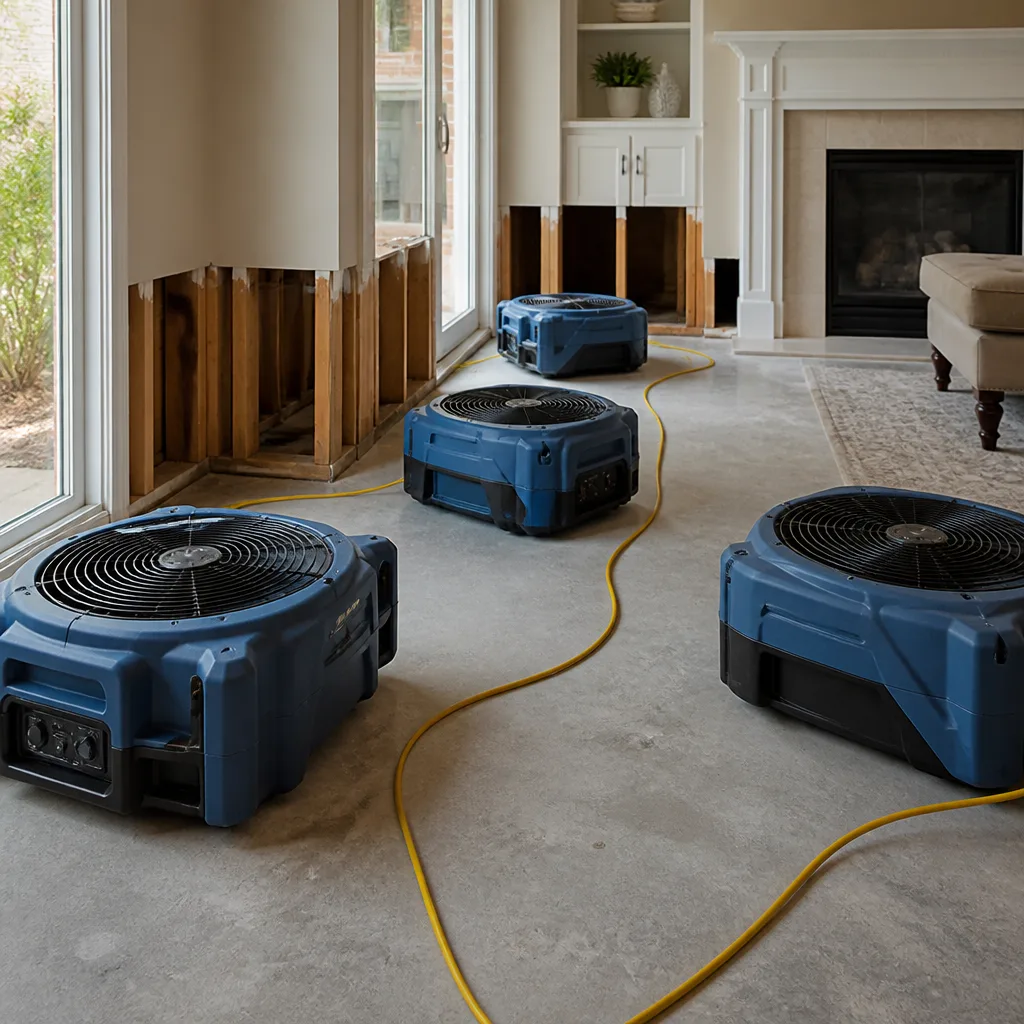
Free visual inspection and a written scope of work before any mitigation begins - photos, moisture readings, and drying logs go in your claim file
The scope we write is the scope we bill. Anything new gets shown to you, in writing, before we touch it.

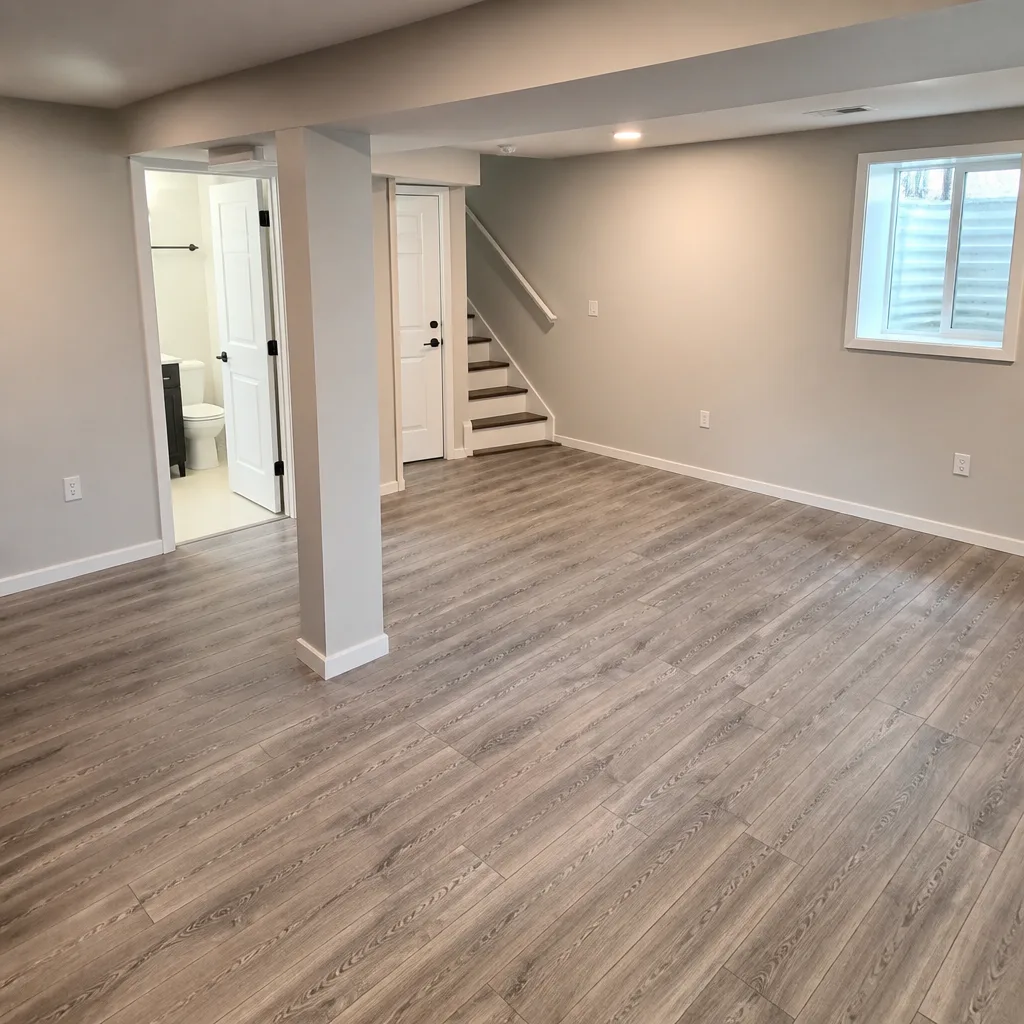

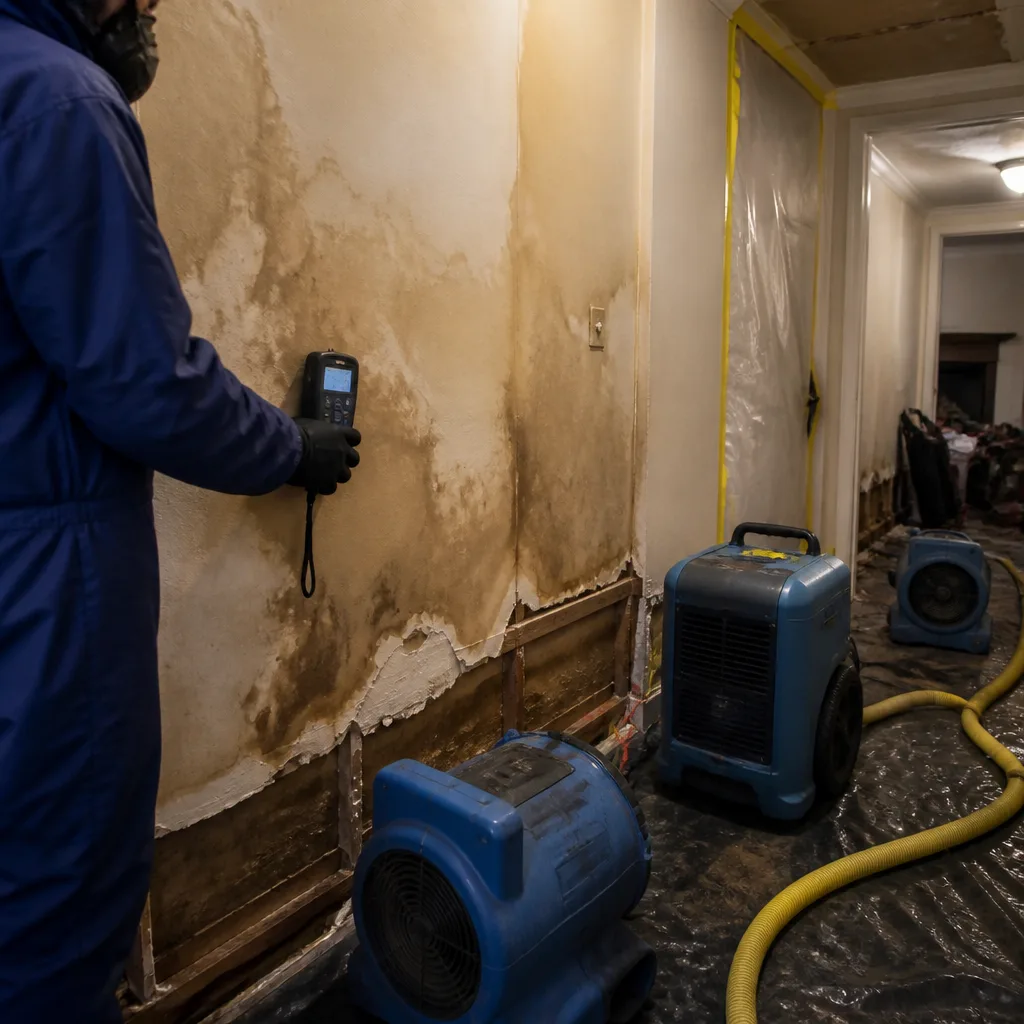 Before
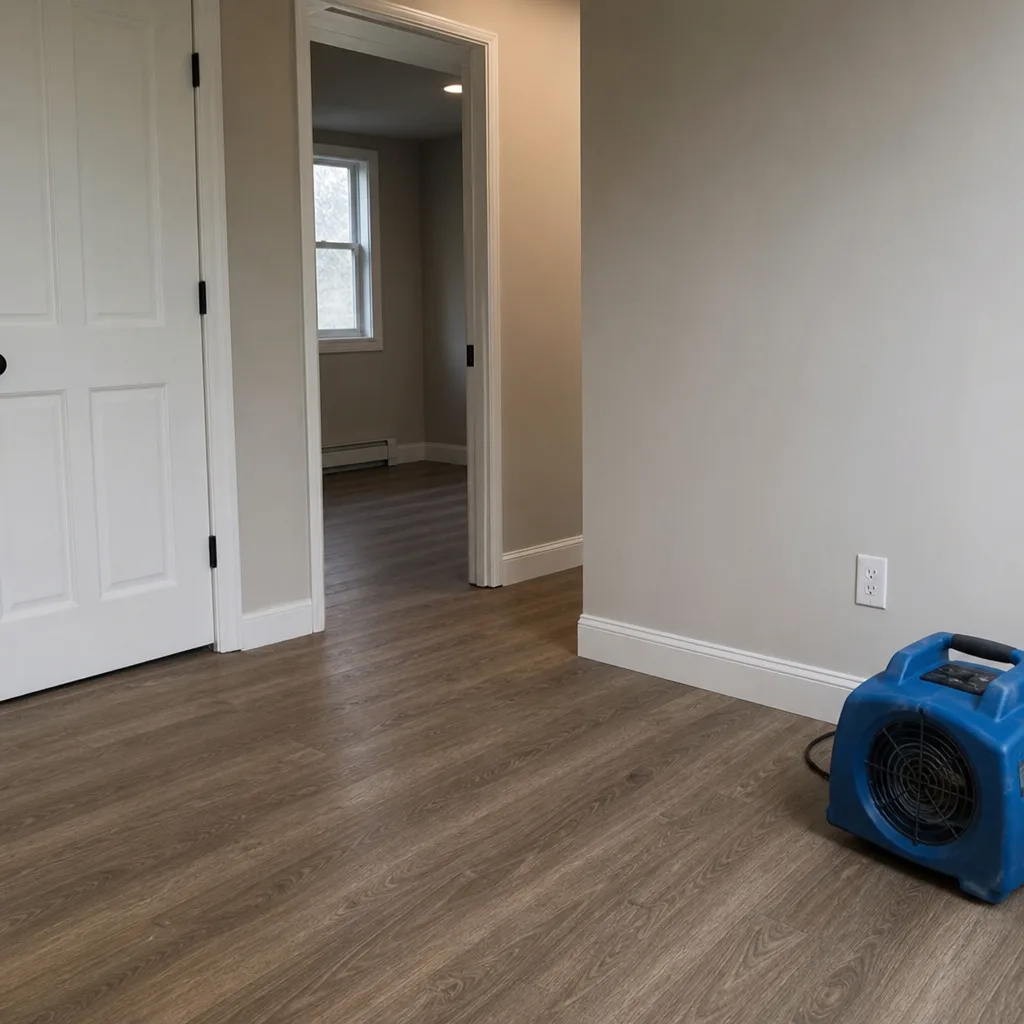 After
After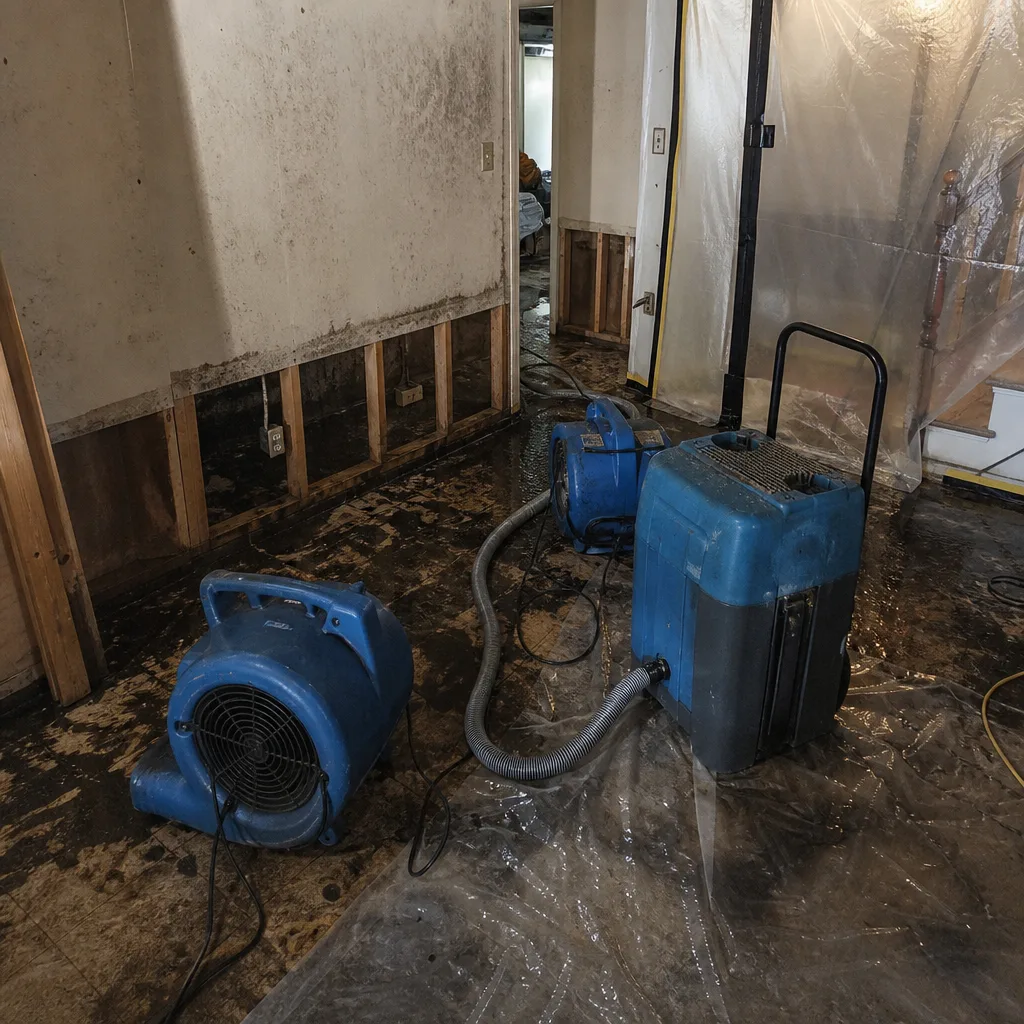 Before
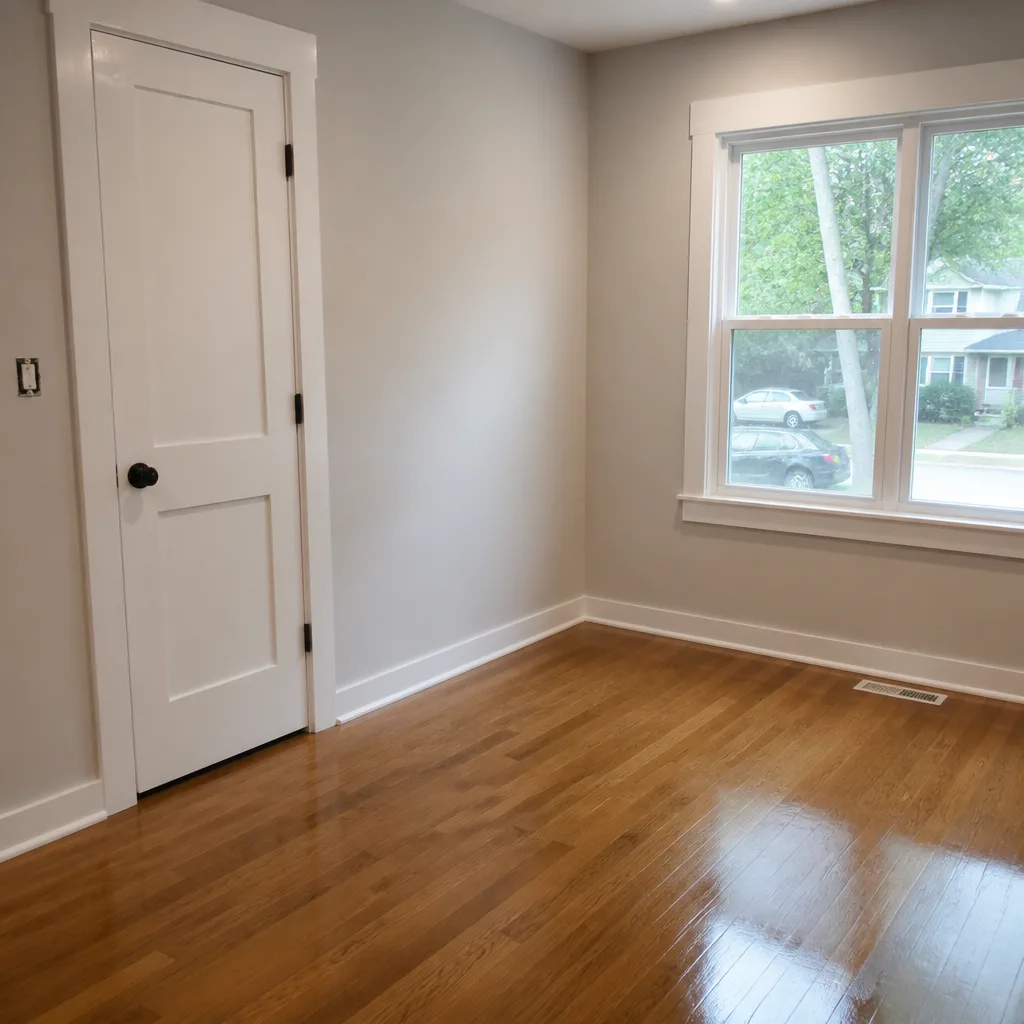 After
After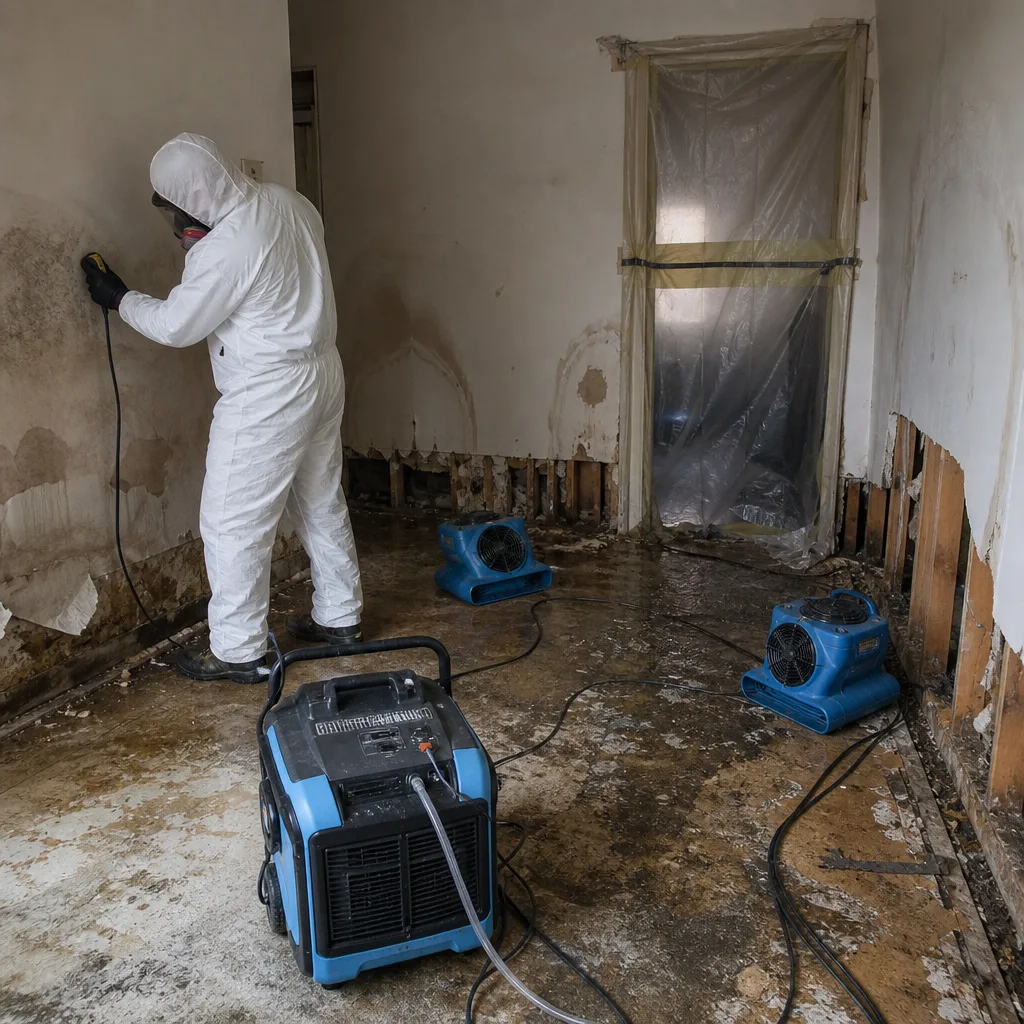 Before
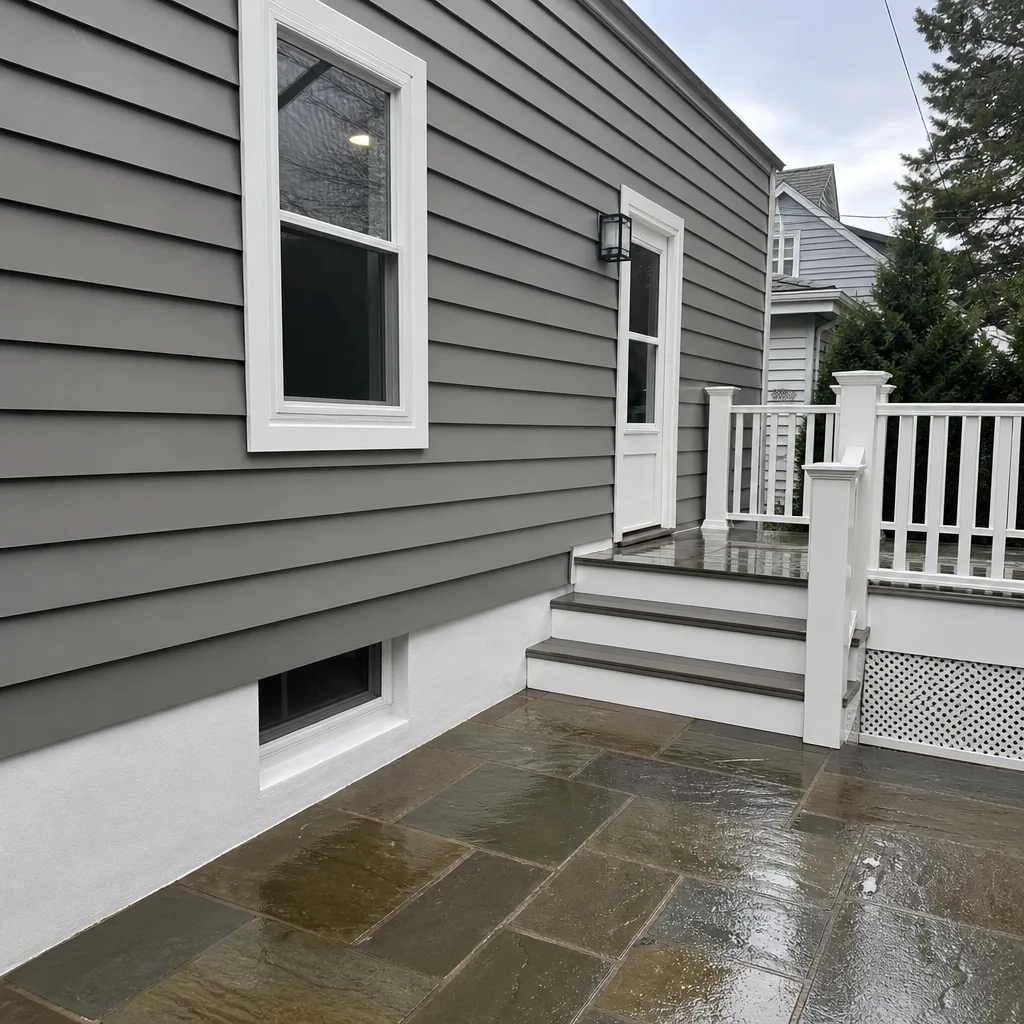 After
After24/7 Emergency Sewage Cleanup in Ho-Ho-Kus
Sewage backup in a Ho-Ho-Kus basement is a Category 3 emergency, and the first hour determines how much of your finished space can be saved. Floodline Restoration Co. answers live, 24/7, and dispatches crews into the borough immediately. Call (640) 333-9625 the moment you see black water, smell sewer gas, or notice warped hardwood near a floor drain. A free visual inspection tells us exactly what we’re dealing with, and extraction starts the same visit.
Understanding Sewage Cleanup Severity in Ho-Ho-Kus Properties
We classify water damage in three categories. Category 1 is clean water from a supply line. Category 2 carries contaminants, like a washing machine overflow. Category 3 is what we handle on sewage calls: water from toilets, sewer laterals, or the municipal main, loaded with bacteria, viruses, and biohazard material. Ho-Ho-Kus homes built between the 1910s and 1950s present a unique problem. Clay-tile footer drains, common in that era, have often cracked or collapsed under decades of freeze-thaw cycles. When they fail, gravity does what gravity does: sewage migrates down-gradient, follows the trench, and enters basements through foundation cracks and sump pits. What looks like ordinary groundwater seepage after a nor’easter is frequently Category 3 in disguise. Moisture mapping with a thermal imaging camera and hygrometer readings tells us the difference within the first hour.
Why Ho-Ho-Kus Property Owners Choose Floodline Restoration Co.
- 45-minute response commitment. A live dispatcher picks up, confirms your address in Ho-Ho-Kus, and radios the nearest crew. We’re not a national call center routing calls to a subcontractor.
- 24/7 live answer, always a person. No automated system, no “leave a message.” Two in the morning on a Sunday, you get a human being who knows sewage work.
- IICRC-certified technicians. Our crews hold Water Damage Restoration (WRT) and Applied Microbial Remediation (AMRT) certifications, trained to the standards of the IICRC, RIA, and IFA.
- Free visual inspection. We assess the scene, categorize the water, and give you a straight answer before any work is approved.
- Direct insurance billing. We handle the paperwork, the adjuster calls, the supplements. You never play messenger between your carrier and our crew.
- One team from extraction to reconstruction. The same crew that reads the moisture map on day one handles daily readings, hands you the log, and rebuilds what needs rebuilding. No handoff.
Our Sewage Cleanup Process
Inspection & Assessment
We walk the property, trace the water’s path, and use thermal imaging to find moisture behind plaster walls and under hardwood. Category classification is determined and documented with photos for your insurer.
Extraction & Stabilization
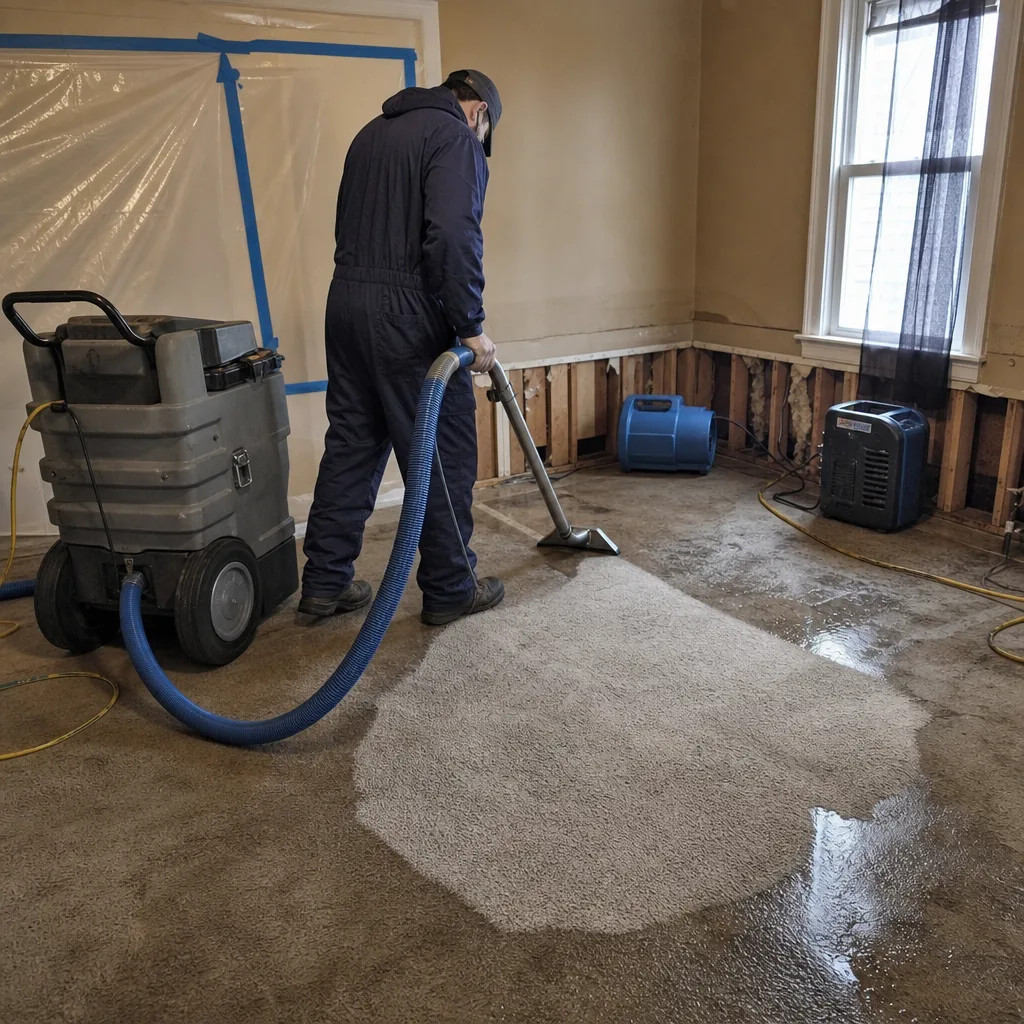
Black water is removed with truck-mounted and portable extraction units. Solid waste, contaminated carpet, and saturated pad material are cut out and bagged as biohazard. Stabilization stops the spread before it migrates further into framing.
Drying & Dehumidification
Professional-grade Dri-Eaz and Phoenix air movers and dehumidifiers go in. Daily moisture readings are logged against the dry standard, and we adjust the equipment layout as the structure responds.
Cleaning & Sanitization
We clean all affected surfaces with EPA-registered antimicrobials. Hard surfaces, studs, subfloor, and any salvageable personal contents are scrubbed, treated, and HEPA-vacuumed. Air scrubbers run continuously to capture airborne spores and bacteria.
Containment & Specialty Treatment
Where sewage has wicked behind finished paneling or into plaster and lath, we set containment barriers, pull the compromised materials, and treat the cavity properly. You cannot fog your way out of Category 3 contamination. The material comes out.
Repairs & Restoration
Our carpenters and finish techs reconstruct what we removed. Hardwood, drywall, trim, paint. The Keystone Standard applies: if it’s not done right, we make it right, in writing, for 90 days.
Need Emergency Sewage Cleanup in Ho-Ho-Kus Now?
Crews minutes away, answering live 24 hours a day. The sooner we start, the less it costs.
Working With Your Insurance Company
Sewage backup coverage lives in a gray zone. Many Ho-Ho-Kus homeowners have a standard HO-3 policy that excludes sewer backup unless a specific endorsement was purchased. We’ve walked hundreds of these claims. The first thing we do is help you document the loss properly so the carrier sees the full scope from hour one. Our team photographs every affected surface, logs daily moisture readings, and produces a line-item scope of work that matches the carrier’s estimating standards. We speak directly with the adjuster. Not through you. You stay informed, but you aren’t the messenger.
What We Provide Your Insurer
- Thorough documentation of the loss
- Photos of all damage, room by room
- Moisture readings and drying logs
- A detailed, line-item scope of work
- Direct coordination with your carrier
Built for Ho-Ho-Kus’s Loss Calendar
Ho-Ho-Kus’s location along the Ho-Ho-Kus Brook means that sewage cleanup calls cluster around specific weather events. January and February freeze-thaw cycles stress old cast iron and clay drain lines; a cracked lateral leaks raw sewage into the soil, and the next heavy rain pushes it into the basement. Spring thaw saturates the clay-heavy soil around foundations, which punches through compromised footer drains, mixing groundwater with whatever is in the sanitary line. July and August thunderstorms dump two inches of rain in an hour into the brook watershed, the channel overflows its banks, and combined pressure forces sewage back up through floor drains in low-lying homes. Nor’easters from September into winter bring the same story: overwhelmed municipal lines, a fast-filling brook, and finished basements that took water once before. If you’re on Brookside Avenue, North Maple Avenue, Sheridan Avenue, or any street within a block of the brook, you know the rhythm.
Sewage Cleanup Across Ho-Ho-Kus’s Neighborhoods
The brook corridor defines the highest-risk zone in the borough. Homes along Brookside Avenue and Hollywood Avenue sit within a few hundred feet of the Ho-Ho-Kus Brook, and when the channel overtops, water enters basements from below through floor drains and the sump pit, not through windows. These are mostly large Colonial Revival and Tudor homes on generous lots, with finished basements that conceal the first hours of a backup. North Maple Avenue and the residential streets east of the Ho-Ho-Kus train station see a different pattern: mature oak and maple canopies over older homes mean root intrusion into sewer laterals, causing slow backups that homeowners notice only after the toilet won’t flush and the shower drains gurgle. West of White Beeches Country Club, homes set on slightly higher ground still deal with clay soil that holds water and finds any crack in a footer drain. Each neighborhood has its own failure profile, and a crew that knows the difference is the one you want walking your basement.
Specialized Sewage Cleanup Services We Offer in Ho-Ho-Kus
Sewage Backup Cleanup
Floor drains backed up, sump pit overflow, or a sewer lateral that is refusing to move. We extract the black water, cut out the affected materials, sanitize the cavity, and dry the structure. Ho-Ho-Kus basements with original hardwood and plaster need specific care: we remove only what is contaminated, monitor what remains, and document everything for your carrier.
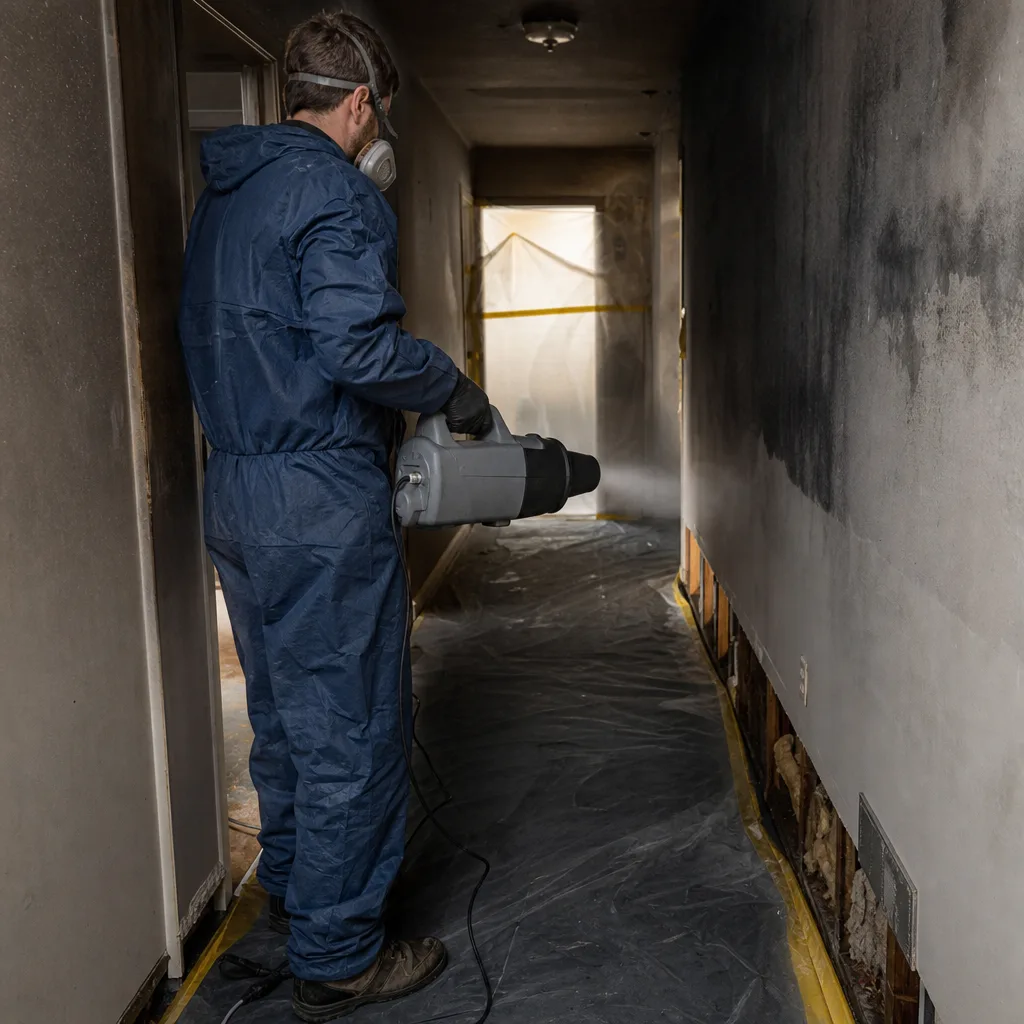
Black Water Extraction
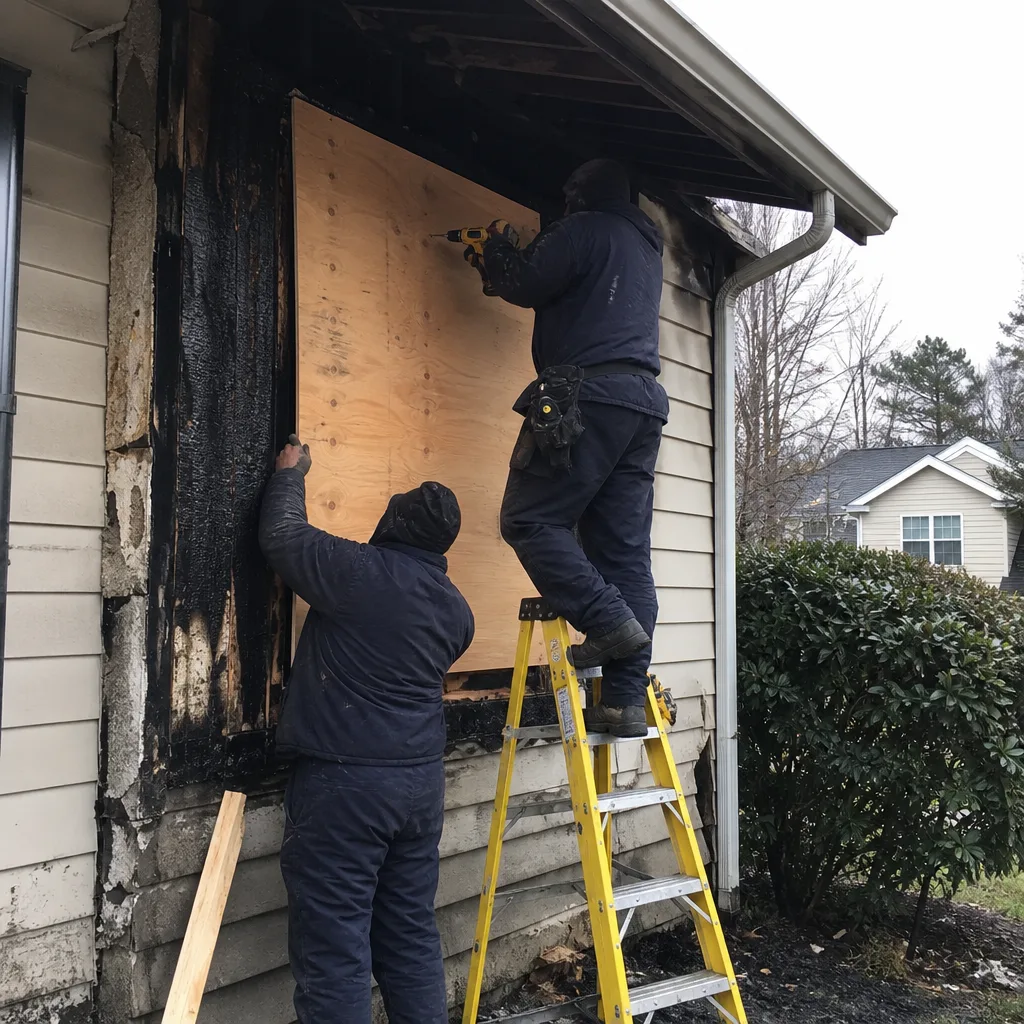
Category 3 water requires the correct PPE, containment, and disposal. Our crews are trained to RIA and IFA standards for biohazard handling. The water comes out, the solids go into sealed bags, and the area is contained so spores and bacteria don’t migrate into the rest of the home.
Sanitization & Disinfection
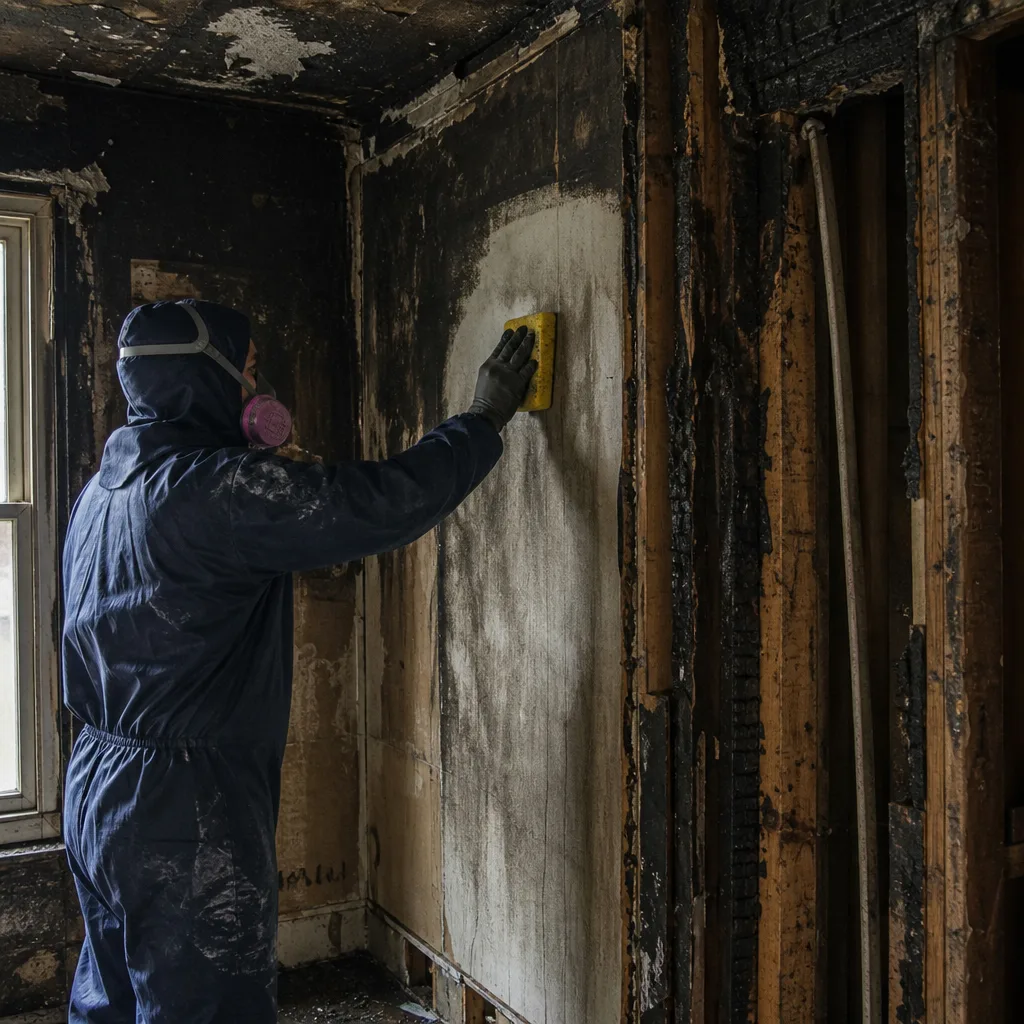
After extraction and demolition, the remaining surfaces get treated with EPA-registered antimicrobials. Hard surfaces, framing, subfloor. We use air scrubbers during the entire process. A deodorizer alone is not sanitation. The contaminated material has to go, then we disinfect what stays.
Toilet Overflow Cleanup
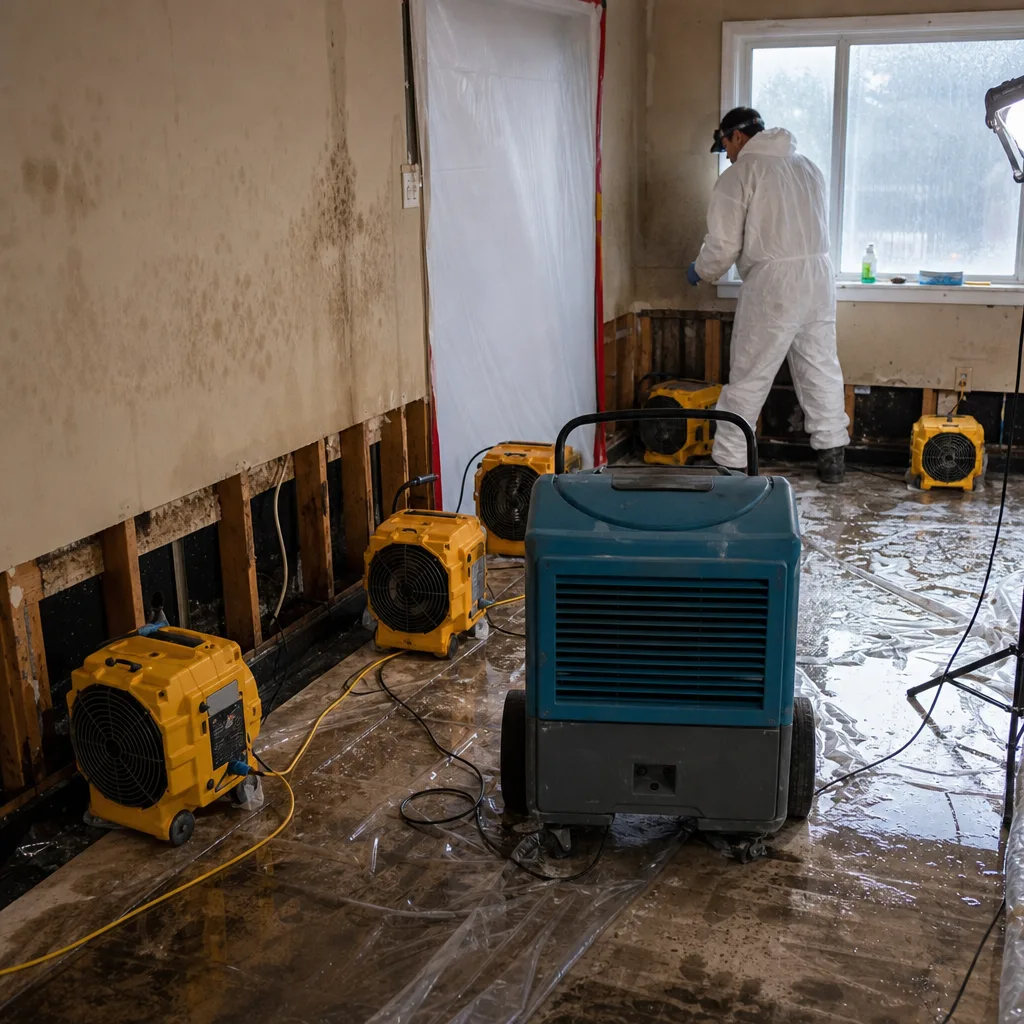
A toilet overflow in a first-floor powder room migrates fast, especially in pre-war homes with tongue-and-groove subflooring. Water follows the joist bays and puddles in the space below. We trace it, extract it, and dry the cavity properly.
Septic Failure Cleanup
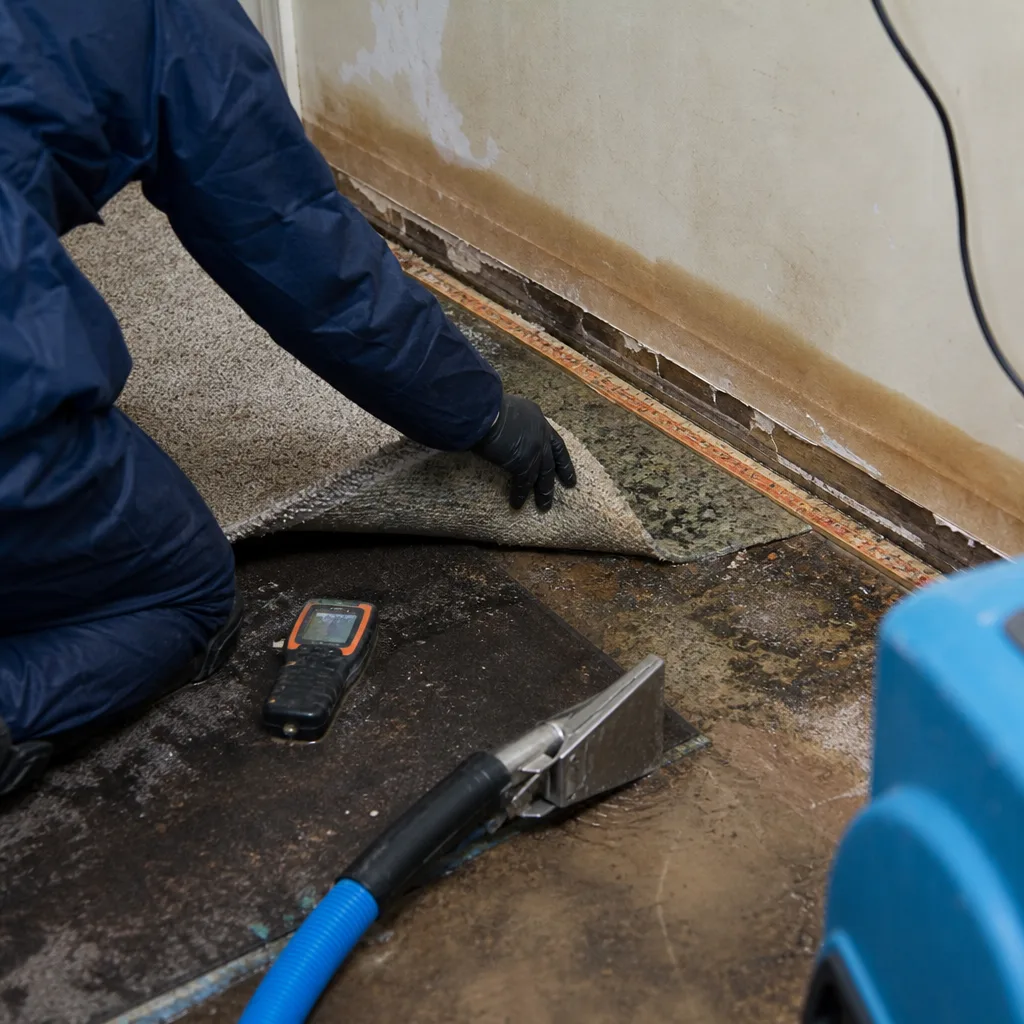
Some Ho-Ho-Kus homes still operate on septic systems, particularly on larger parcels away from the municipal sewer line. When a tank fails or a distribution box clogs, effluent backs into the basement the same way sewage does. We handle that the same way: extract, remove, sanitize, dry, rebuild.
Crawl Space Sewage Removal
Crawl spaces under older homes hide problems well. A leaking waste line in a dirt-floor crawl space goes unnoticed until the smell rises through the floorboards. We remove the solids, treat the soil within the crawl, dry the structure above, and document the whole scope. A HEPA filter alone will not fix raw sewage in a crawl space.
What happens when you call
- 1
A real person answersNo phone trees - you reach a local pro.
- 2
You get an upfront price rangeHonest numbers before anyone is dispatched.
- 3
A background-checked tech heads outLicensed & insured, dispatched right away.
- 4
You approve before work beginsNothing starts until you say go.
Sewage Cleanup Costs in Ho-Ho-Kus, NJ
Most sewage cleanup jobs in Ho-Ho-Kus fall between $2,500 and $9,000. A contained toilet overflow with quick extraction and one floor of drying runs $2,500 to $4,500. A full basement sewage backup with finished-space demolition, antimicrobial treatment, structural drying, and minor rebuild typically lands between $6,000 and $9,000, and climbs higher when high-end finishes like hardwood, custom millwork, or plaster-and-lath walls are involved. What moves the price: the square footage of affected material, whether sewage got behind finished paneling or into the ductwork, the dry-standard timeline, and whether reconstruction is included. Insurance covers the covered portion; you cover the rest. The fastest way to a firm number is our free visual inspection. We write the scope, you approve it in writing before any work begins. Call (640) 333-9625 for a straight answer.
We Also Serve Cities Near Ho-Ho-Kus
Our Ho-Ho-Kus crews are dispatched into the surrounding Bergen County towns on a daily basis. We serve Paramus, Oradell, Westwood, and Elmwood Park. If you’re in one of these towns and facing a sewage backup, the same live dispatcher answers at the same number.
Serving Ho-Ho-Kus, NJ - Our Local Coverage Area
We’re based in the Ho-Ho-Kus area and know this community well. Use the map below to see our service coverage - if you’re nearby, we can almost certainly help.
Ho-Ho-Kus Sewage Cleanup Questions, Answered
How does Ho-Ho-Kus’s clay-heavy soil affect sewage cleanup after a nor’easter?
The clay soil that runs under most of Ho-Ho-Kus holds water long after the rain stops. After a nor’easter, groundwater pressure builds against foundations and finds any break in an aging footer drain or sewer lateral. That pressure pushes sewage-laced groundwater into basements through floor drains, sump pits, and foundation cracks, often two to three days after the storm. This is why we treat post-storm basement water in Ho-Ho-Kus as potentially contaminated until we classify it properly with moisture readings and inspection. Call (640) 333-9625 for an assessment after any heavy weather event along the brook corridor.
Can I dry out a finished basement without removing custom woodwork after a sewage backup?
It depends on where the water traveled. Solid hardwood and custom built-ins that were not directly contacted by Category 3 water can often be dried in place using Dri-Eaz and Injectidry systems, which pull moisture out through the board without tearing up the finish. But if sewage wicked behind baseboards or absorbed into the subfloor under the wood, those materials carry biohazard contamination and must be removed. Our crews use moisture mapping to determine the exact boundary of contamination, so we pull only what has to come out and preserve the woodwork that’s still sound.
How do you handle sewage backup behind finished basement paneling without disturbing the room’s original Colonial Revival finishes?
Contaminated paneling comes out. There is no way to sanitize the back side of a sheet panel that has absorbed Category 3 water. What we protect is the trim, the built-in cabinetry, and the finished surfaces above the water line. We set containment barriers, cut only the lower section of paneling that took water, treat the stud cavity, dry it, and then rebuild the wall to match the surrounding Colonial Revival millwork. Our carpenters can match profiles, stain, and paint so the repair disappears. The custom woodwork you care about is protected throughout.
What’s the difference between category 1 and category 3 water in a Ho-Ho-Kus basement?
Category 1 is clean water from a pipe or a supply line. Category 3 is grossly contaminated water from sewage, toilet backflow, or a sewer lateral backup. Category 3 water contains bacteria, viruses, and organic waste. Ho-Ho-Kus basements often present mixed water: a clay tile drains fail, letting in groundwater (Category 1 or 2), but if a sanitary line is also cracked or a floor drain backup occurs during the same event, the water is Category 3. We classify on-site using industry standards, not guesses. If it is Category 3, the protocol changes: containment, PPE, biohazard removal, antimicrobial treatment. Call (640) 333-9625 and we will tell you what you are actually dealing with.
Why do older homes along the Ho-Ho-Kus Brook need sewage cleanup even without visible flooding?
Because water moves through the soil, not just over it. When the brook rises, the water table rises with it. In homes with original clay-tile drains, that rise forces water through collapsed pipe segments and into the basement at the slab level. Homeowners see damp carpet or a musty smell and assume it is seepage. In many cases, sanitary lines adjacent to the footers have also failed, so the water carries sewage. We find Category 3 contamination in brook corridor basements where the finish wall still looks dry. Moisture readings and opening a small inspection cavity reveal what is actually behind.
How fast can you actually get a crew to Ho-Ho-Kus?
We commit to 45 minutes from the time a live dispatcher confirms your address. Ho-Ho-Kus is a compact borough, and our crews stage in the area specifically to meet that commit. In most cases, a technician arrives sooner. Extraction starts the same visit. Call (640) 333-9625. A person answers.
Will my insurance cover sewage backup in Ho-Ho-Kus?
Standard homeowners policies exclude sewage backup unless you have purchased a sewer backup endorsement. Many Ho-Ho-Kus homeowners do carry this coverage, often as a rider on their policy. If you don’t, the cleanup and rebuild cost falls to you. We handle both paths. We will work directly with your carrier, document the loss to industry standards, and walk you through what is covered, what is not, and what your options are. We also have standing discounts: $50 off any repair over $250, a $89 seasonal tune-up for plumbing and moisture checks, and a 5% discount for seniors and veterans. Ask the dispatcher when you call.
What should I do in the first 30 minutes after I discover a sewage backup in Ho-Ho-Kus?
Do not flush toilets, run water, or operate the washing machine. Turn off water to the affected fixtures. If standing water is present, stay out of it; if it is from a drain, it is contaminated. Move children and pets away from the area. Do not run the HVAC system if sewage has entered the air returns. Shut off breakers to the affected area if water is near outlets or appliances. Then call (640) 333-9625. A live dispatcher will take your address and send a crew. The faster we start extraction and containment, the less material we have to remove and the better the outcome for your finished basement.
Written by Curt Bowman, Owner at Floodline Restoration Co., serving Ho-Ho-Kus, NJ with 42 years of combined crew experience in sewage cleanup and restoration.