
Last updated August 25, 2026
Free visual inspection and a written scope of work before any mitigation begins - photos, moisture readings, and drying logs go in your claim file
The scope we write is the scope we bill. Anything new gets shown to you, in writing, before we touch it.
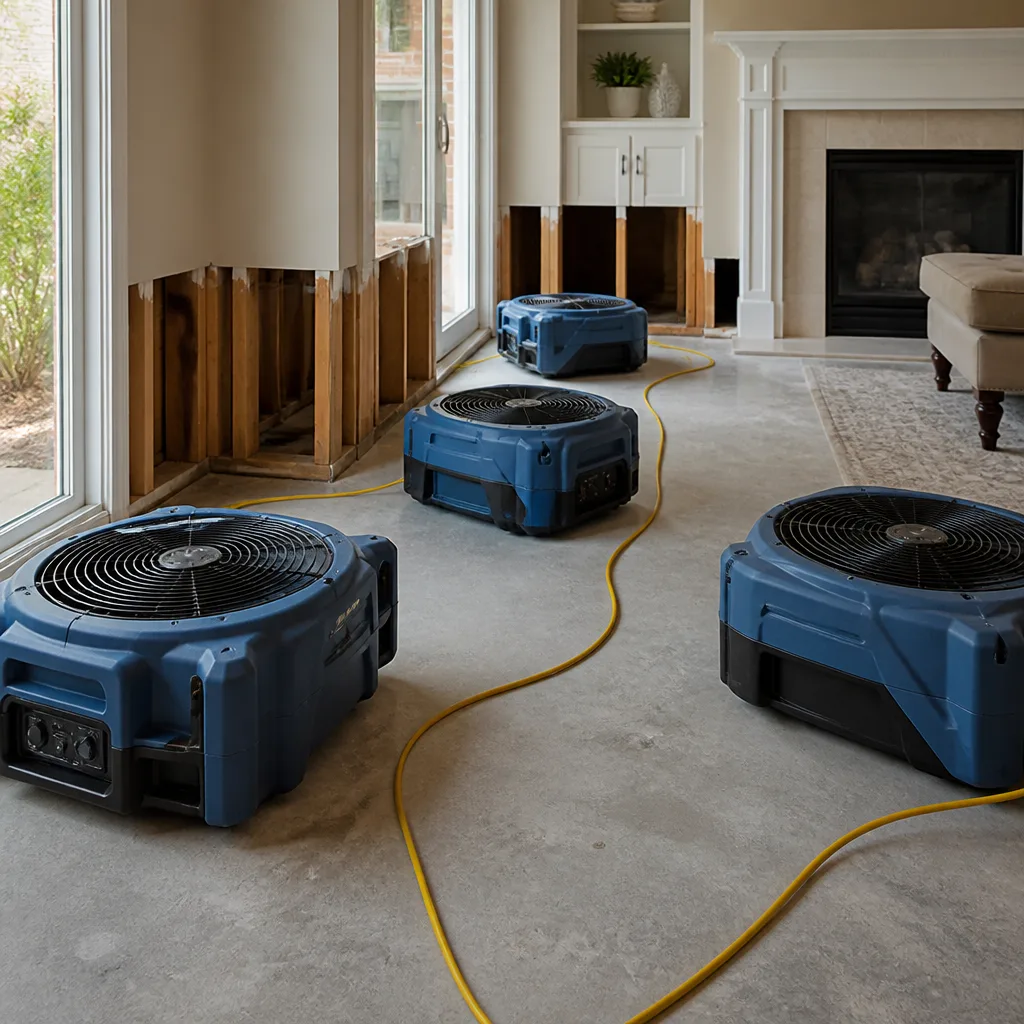



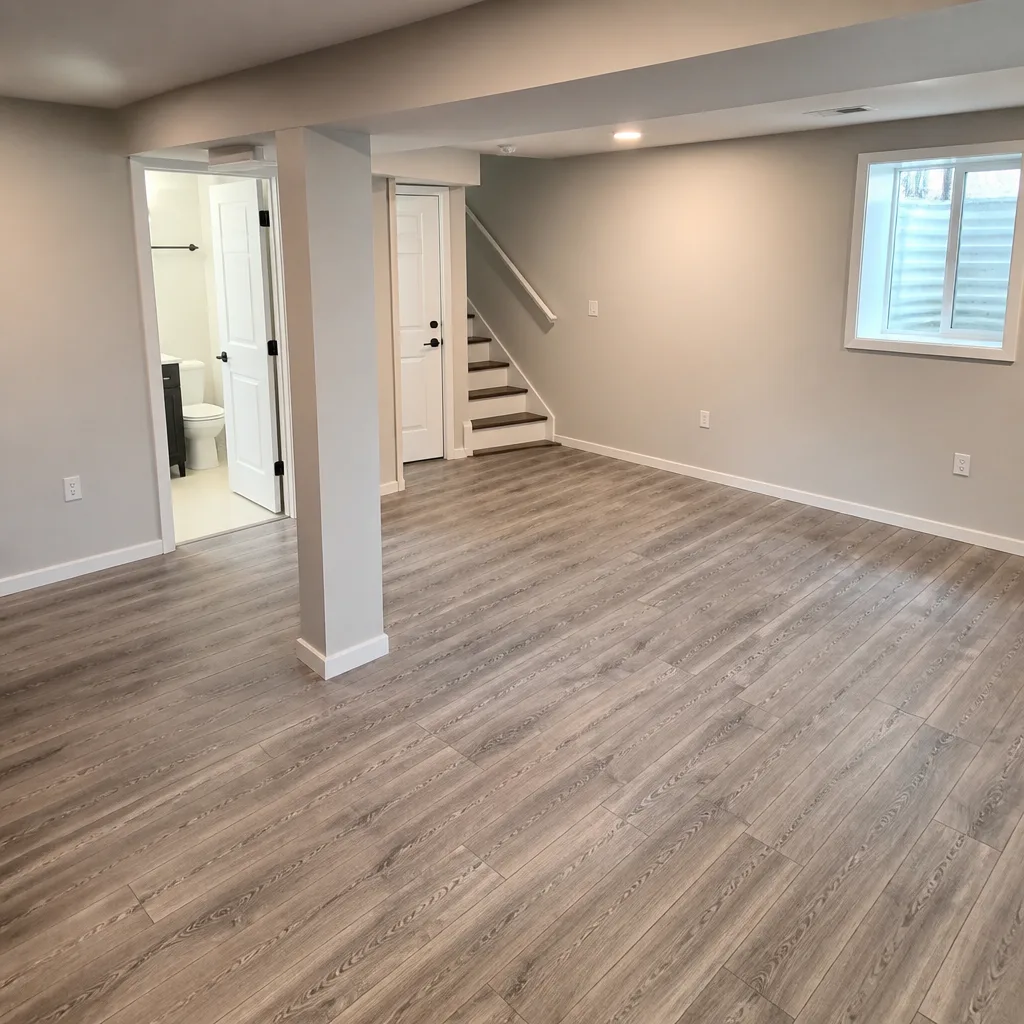

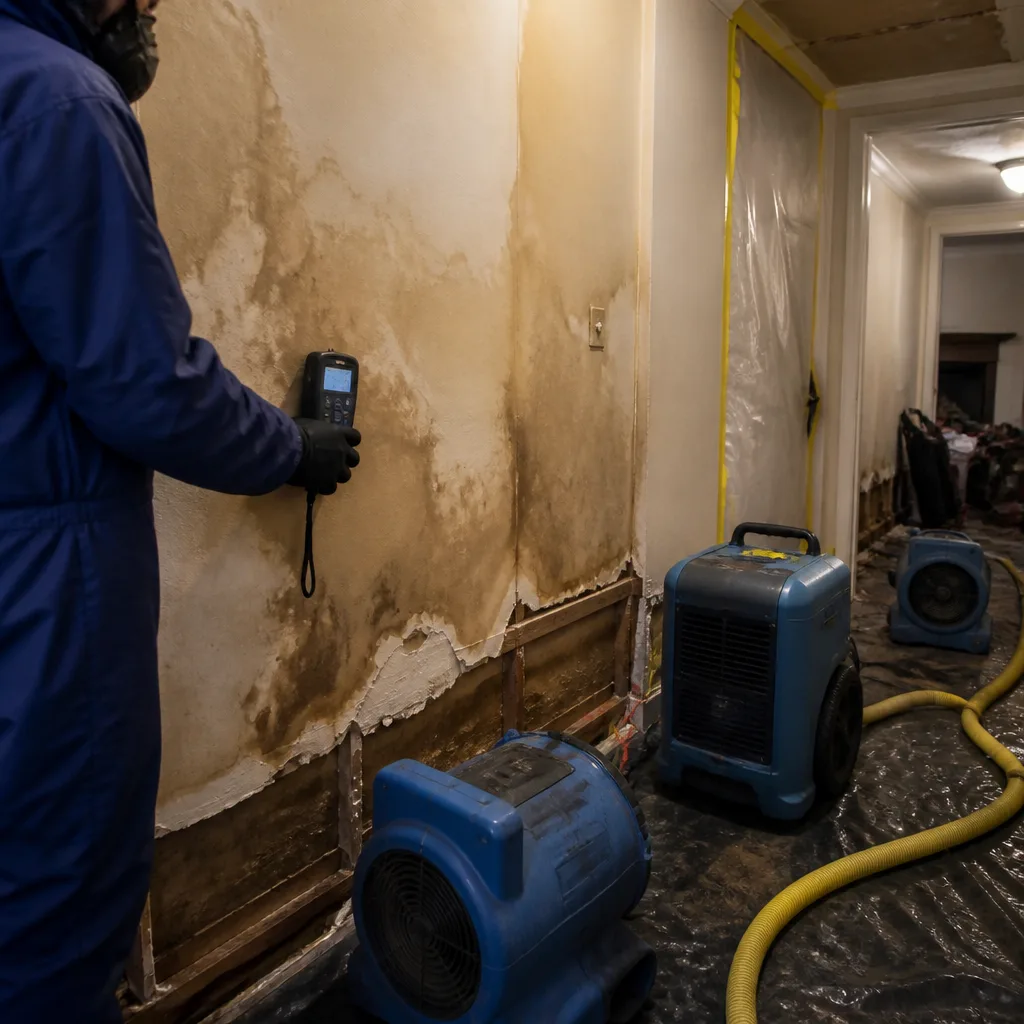 Before
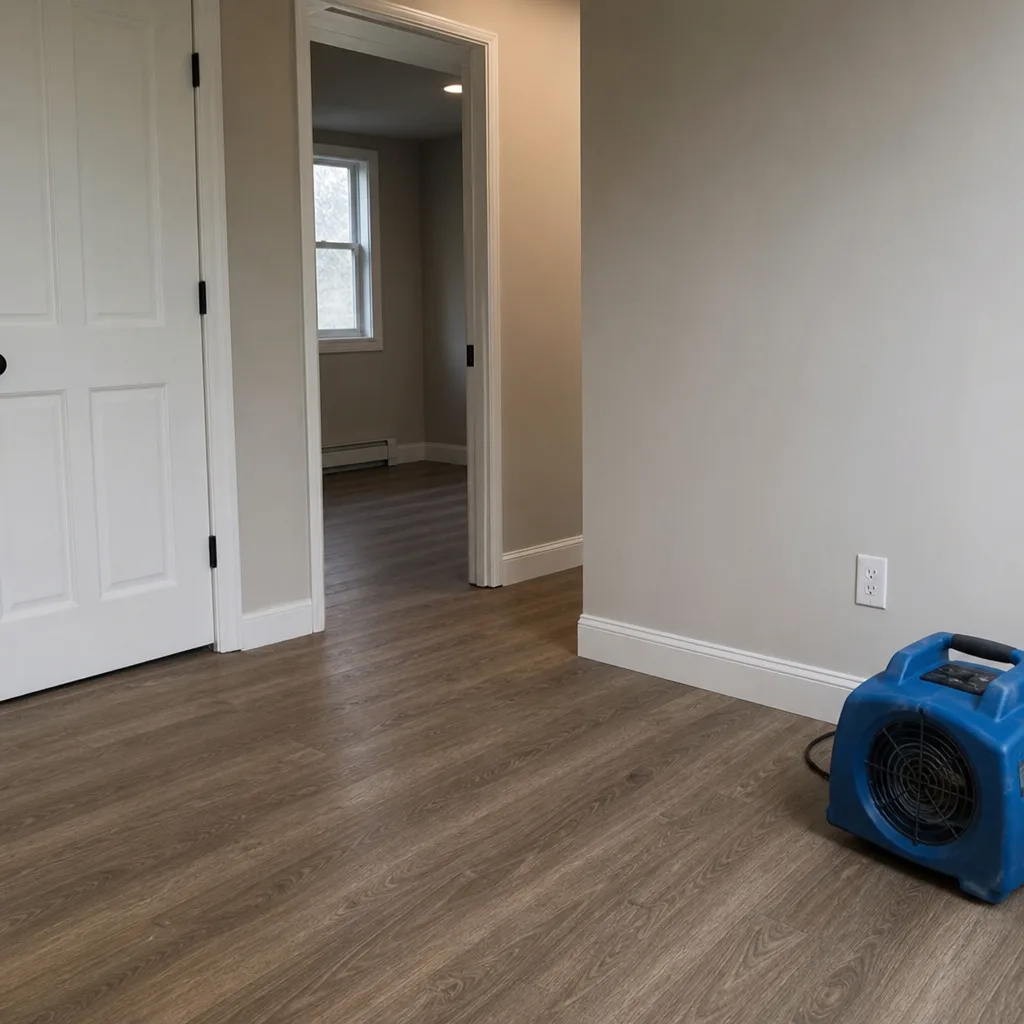 After
After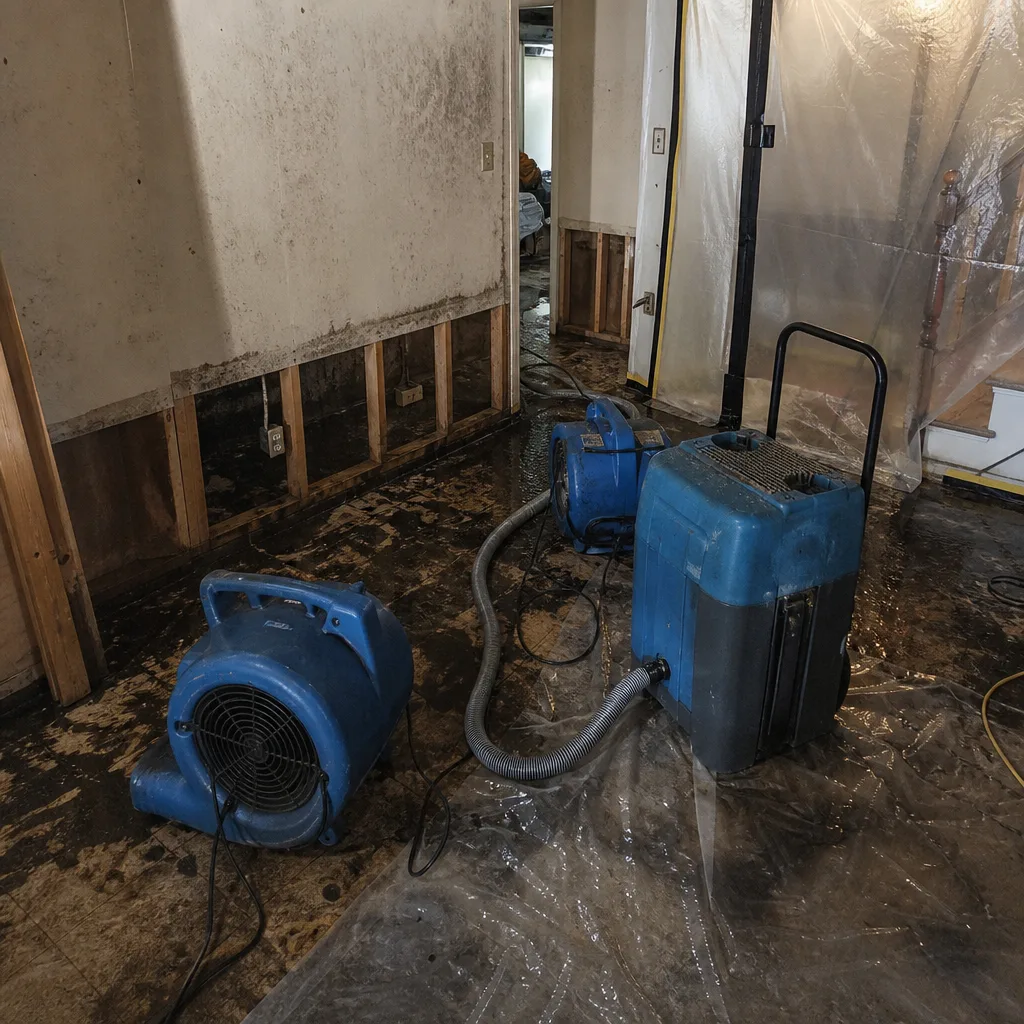 Before
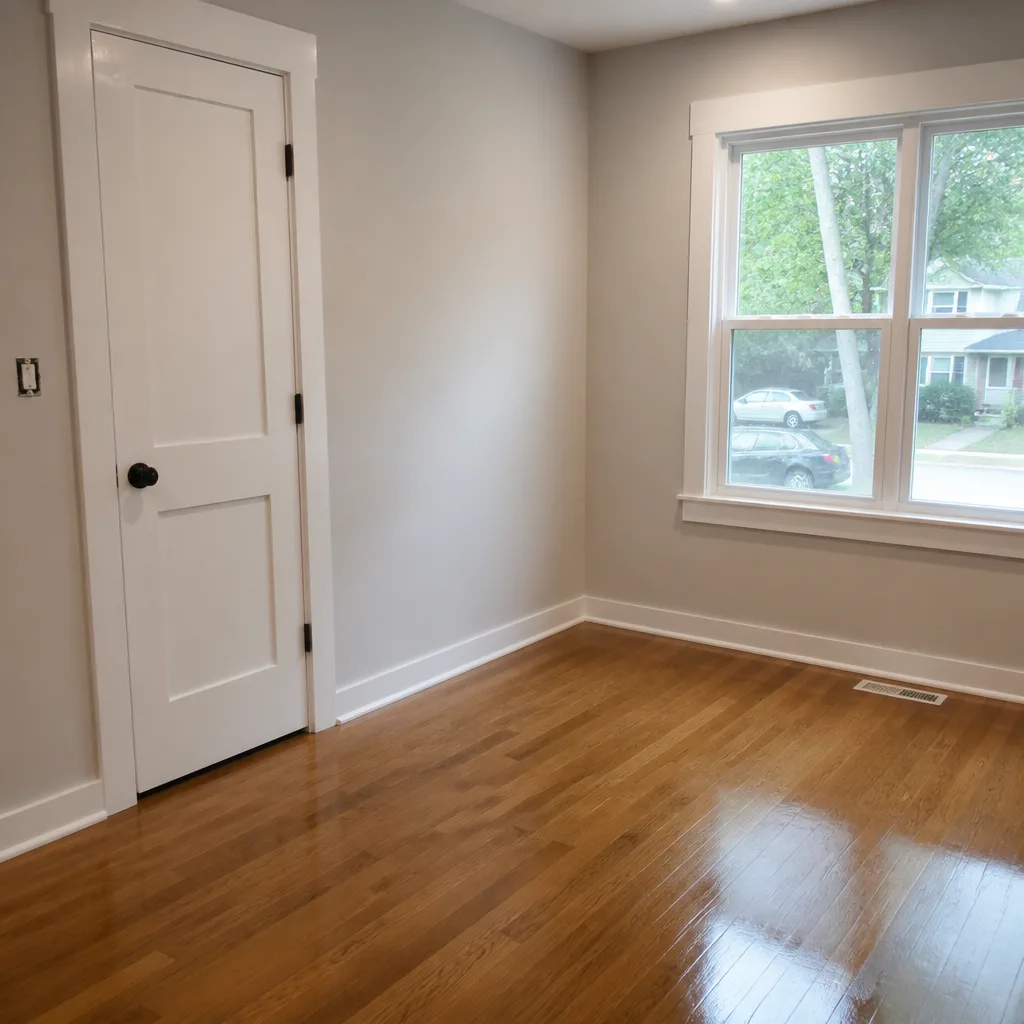 After
After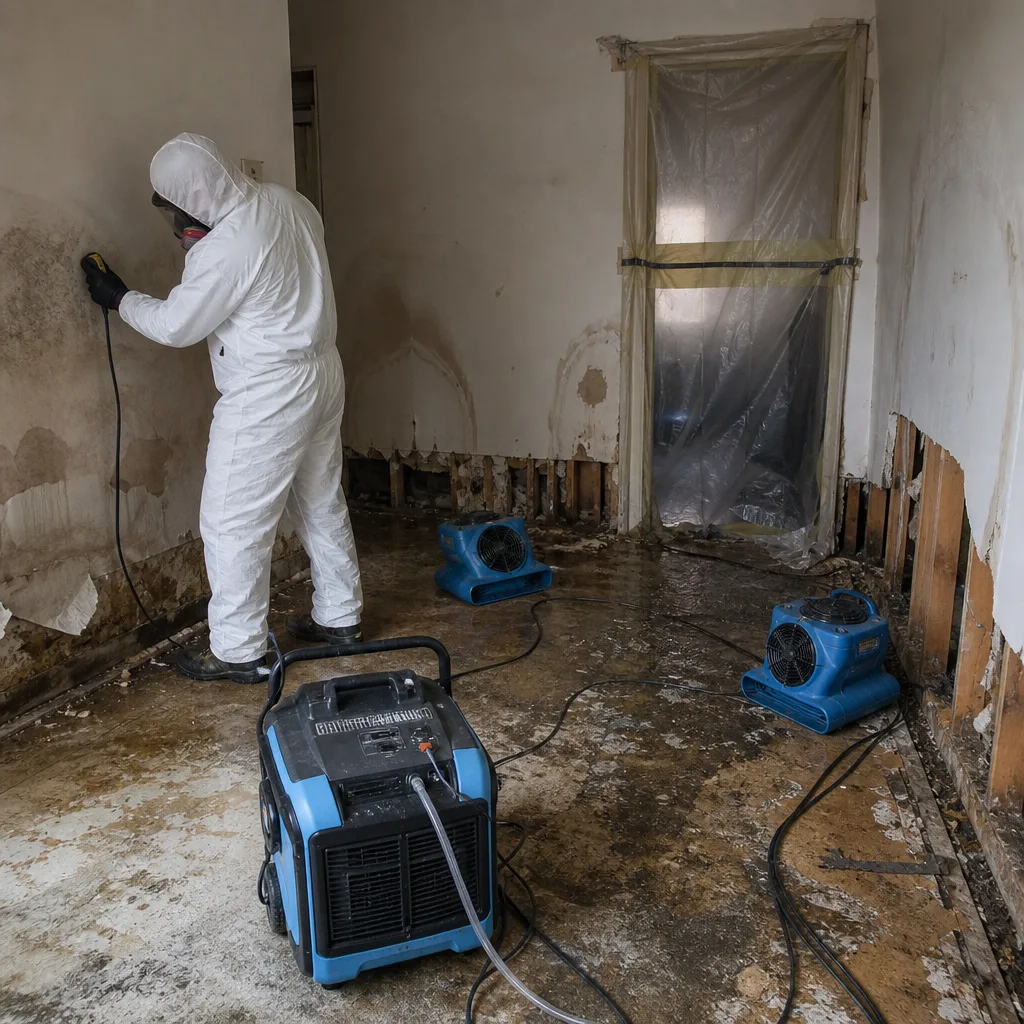 Before
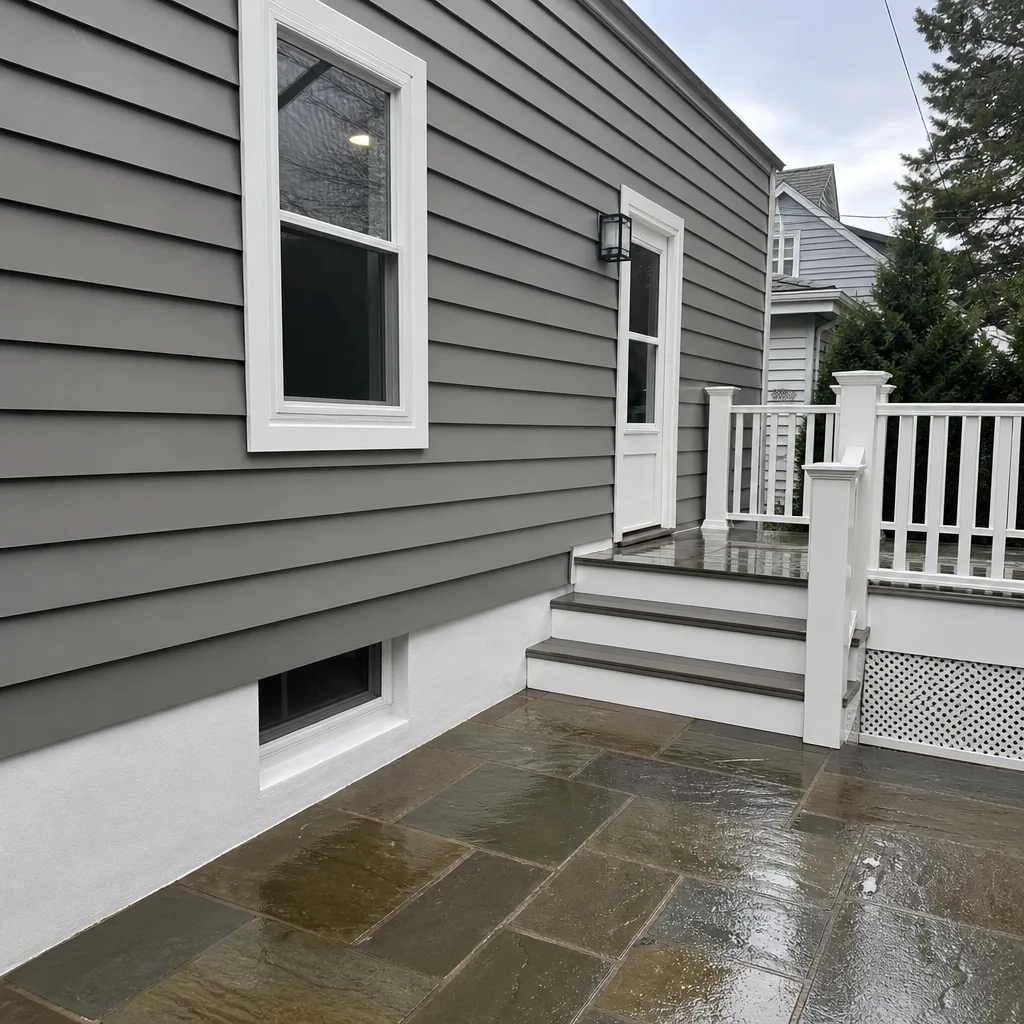 After
AfterWater Damage Restoration Maintenance Checklist for Paramus Homeowners
Paramus homeowners lose more money to slow, hidden water damage than to dramatic floods. A pinhole leak behind a vanity, a weeping water-heater fitting, or a downspout dumping against the foundation will quietly rot sheathing, feed mold, and buckle flooring for months before anyone notices. This guide gives you a working maintenance checklist built around how water actually behaves in Bergen County homes, plus the warning signs that mean the difference between a $200 fix and a $20,000 restoration. We’ve been answering calls in Paramus since 2010, and most of the jobs we walk into started as something small that got ignored.
Quick Answer
The core water damage maintenance checklist for Paramus homeowners comes down to this: inspect your water heater, washing machine hoses, ice maker lines, and under-sink plumbing every spring and fall; keep gutters and downspouts clear and pointed at least four feet from the foundation; know where your main water shutoff is and test it yearly; and act within 24 to 48 hours on any damp drywall, musty smell, or warped flooring. Doing those four things prevents the large majority of water damage we see in Bergen County.
Table of Contents
- The Seasonal Maintenance Checklist That Prevents Most Water Damage
- The Hidden Trouble Spots in Every Paramus Home
- Basement and Crawl Space Moisture Control
- Sump Pump and Drainage: What Actually Keeps Water Out
- The Insurance Paperwork You Should Keep Ready
- What to Do in the First 48 Hours After a Water Event
- Moisture Monitoring: The Tool That Saves Thousands
- When to Call a Professional
The Seasonal Maintenance Checklist That Prevents Most Water Damage
Paramus gets roughly 47 inches of rain a year, with the heaviest runs in spring and late summer. That rhythm means two inspection passes a year catch the problems that matter: one in April after the last freeze, one in October before the first. Here is the checklist we run through with homeowners who call us asking how to avoid ever needing a full restoration crew.
Spring Pass (April)
- Inspect washing machine hoses. Rubber hoses crack and swell over time. If you see bulges, blisters, or any sign of cracking at the fittings, replace them with braided stainless steel before the summer laundry load picks up. A burst washing machine hose is one of the most common causes of water damage in Paramus split-levels and ranches.
- Clear gutters and downspouts completely. Bergen County maples and oaks drop an enormous amount of debris in fall and again in early spring. A clogged gutter overflows against the fascia, and the water follows the wall down to the sill plate and basement. Walk the perimeter during the next real rain and confirm every downspout is actually carrying water, not just dripping.
- Check outdoor hose bibs for freeze cracks. A frost-proof sillcock left with a hose attached through winter can crack inside the wall. Turn each bib on slightly with your thumb over the opening. If water sprays from the wall or from the stem, the pipe inside is split and will leak the moment the valve is opened fully.
- Test the sump pump. Pour a five-gallon bucket of water into the pit slowly and confirm the float rises, the pump kicks on, and water discharges at least ten feet from the foundation. If it runs but the water level in the pit doesn’t drop, the impeller or check valve needs attention.
Fall Pass (October)
- Shut off and drain exterior hose bibs. Shut the interior isolation valve, open the exterior bib, and leave it open. Remove any splitters, timers, or hoses. This single step prevents the majority of frozen-pipe calls we get every winter in Paramus.
- Inspect the water heater. Look for rust at the base, moisture under the tank, and any sign of weeping at the T&P valve or supply fittings. A water heater that is more than 10 years old and showing rust at the seam is a planned failure. Replacing it before it bursts is dramatically cheaper than the restoration afterward.
- Insulate pipes in unconditioned spaces. Garages, crawl spaces, and exterior-wall runs freeze first. Foam pipe insulation costs about two dollars per six-foot length. The pipe repair alone after a freeze break often runs $400 to $800, and the water damage is on top of that.
- Walk the foundation perimeter. Look for soil that has settled against the house, creating a slope that sends water toward the foundation instead of away. Regrade low spots with compactable fill so water runs away for at least six feet. Check window wells for accumulated leaves that trap water against the foundation wall.
The Hidden Trouble Spots in Every Paramus Home
The water that causes the most damage in Paramus is the water you never see. We have torn open walls in some of the nicest homes in town and found a decade of slow drips that had turned studs to sponge. Here are the spots to check that almost never appear on standard maintenance lists.
The Ice Maker Line
That thin plastic line running from under the kitchen sink to the refrigerator is under constant pressure and sits against a warm compressor. The fitting at the saddle valve or the compression nut at the fridge is the weak point. Check it monthly. If it is a plastic line, replace it with a braided stainless line. If you see any condensation beading on the line, the fitting is already compromised.
Under-Sink Cabinets
Once a month, open every cabinet under every sink and run your hand along the bottom and the back wall. Feel for moisture, softness, or swelling. Look at the trap and the supply lines with a flashlight. Water follows the path of least resistance, and a slow P-trap drip often runs to the back corner and soaks the cabinet base for weeks before it shows on the floor.
Bathroom Caulk and Grout
Caulk is not decoration. It is the waterproof seal between the tub or shower and the wall. When it cracks, pulls away, or turns black, water gets behind it and rots the framing. In Paramus homes built in the 1960s through the 1980s, the tub surround is often drywall or greenboard, not cement board. Behind a failed caulk line, that greenboard disintegrates. Recalk when you see cracks. Replace when it stays black after cleaning.
The Attic
Water comes from above too. Twice a year, pop your head into the attic with a flashlight on a rainy day. Look for dark stains on the underside of the roof sheathing, wet insulation, or any daylight around vent boots, chimneys, or plumbing stacks. A failed roof boot around a plumbing vent lets in a shockingly large amount of water over a winter, and it almost always runs down inside a wall where you never see it.
The Water Heater Drain Pan
If your water heater sits in a pan, the pan is there to catch small leaks and route them to a drain. If the pan is dry and dusty, good. If you see water marks, rust trails, or standing water, the tank or a fitting is leaking. Do not assume a little water in the pan is normal. It is not.
Basement and Crawl Space Moisture Control
Paramus sits in a humid continental climate. Summer dew points routinely run in the mid-60s to low 70s. That means cool basement walls attract condensation the same way a glass of ice water sweats on a July afternoon. Basement humidity is not just uncomfortable; it feeds mold, warps stored belongings, and eventually damages framing and finishes. Here is how to keep it in check.
- Measure first. A $20 digital hygrometer from any hardware store tells you the relative humidity. Above 60% for sustained periods in summer means you need to do something. Above 70% and mold risk climbs quickly.
- Keep the dehumidifier clean. A dehumidifier with a dirty filter or a clogged coil does not remove water. Clean the filter monthly during the cooling season. Empty and wipe the bucket with a dilute bleach solution every two weeks to prevent microbial growth inside the unit.
- Cross-ventilate crawls, but only in the right season. A vented crawl space in Paramus should be open in fall and winter and closed in late spring and summer. In summer, outdoor air is wetter than crawl air, and opening vents pulls more moisture in. This is the opposite of what most people assume.
- Inspect the rim joist. The rim joist, the band of lumber that sits on top of the foundation wall, is the coldest surface in the basement in winter and the first place condensation forms. Insulate it with rigid foam board or spray foam if you see water stains or active moisture. This one improvement reduces basement humidity more than any dehumidifier.
- Check for rising damp. If the bottom two feet of a basement wall always feel damp in a specific area, the problem is likely hydrostatic pressure from the soil outside, not condensation. That is an exterior grading and drainage problem, not an interior humidity problem. Undersized or clogged perimeter drains and downspouts that dump at the corner are the usual culprits in Paramus homes.
Sump Pump and Drainage: What Actually Keeps Water Out
Water has one job: to get into your basement. Gravity, hydrostatic pressure, and Paramus soil all work together to help it. The sump pump is the last line of defense, but it only works if the water actually gets to it.
The Four-Part Drainage System
- Roof runoff: Gutters and downspouts must carry all roof water at least four feet from the foundation. In a heavy storm, a 2,000-square-foot roof can shed over 1,200 gallons of water in an hour. Every gallon that lands against the foundation has to be pumped out or driven out.
- Surface grading: Soil against the foundation must slope away at least six inches over ten feet. After a few years of freeze-thaw cycles, soil settles and slopes toward the house. Regrading is cheap insurance.
- Foundation drains: Perimeter drains, either exterior or interior, collect groundwater and channel it to the sump pit. If they are clogged with silt or tree roots, water bypasses them and pushes through the floor or wall.
- The sump pump itself: A pump that works during a light spring rain may fail during a July deluge when it runs continuously for hours. Pumps have a duty cycle, and most home-grade pumps are not designed for sustained operation. If your pump is more than seven years old, consider replacing it before the next storm season.
The Backup Question
Every sump pump fails at the worst moment, and in Paramus the worst moments are summer thunderstorms and the fall remnants of coastal storms, both of which knock out power. A primary pump without a backup is a bet against the weather. The two realistic options are a battery backup, which runs the pump for several hours, and a water-powered backup, which runs as long as municipal water pressure holds. We have watched basements flood in the time it took a homeowner to drive home with a new pump in the trunk. A backup is not an accessory. It is the difference between a damp concrete floor and a finished basement full of water.
The Insurance Paperwork You Should Keep Ready
Water claims are the most common homeowner insurance claim in New Jersey, and the way the claim is documented in the first 48 hours determines how smoothly it gets paid. Here is what to have on hand before anything goes wrong, and what to do in the moment.
What to Keep in a Folder (Paper or Digital)
- Your policy declarations page. This is the one-page summary that shows your coverage limits, deductibles, and endorsements. Print it. Keep it somewhere you can find it without power or internet.
- Photos of your home in good condition. Walk every room once a year and photograph the walls, floors, ceilings, and contents. In a damage claim, you will be asked to document what was lost. A baseline set of photos makes that dramatically easier.
- Serial numbers and receipts for major appliances. The water heater, washing machine, refrigerator, and sump pump are the items most often involved in water claims. A spreadsheet with make, model, serial number, purchase date, and receipt makes the adjuster’s job simple.
- Your main water shutoff location. Know where it is. Test it once a year. If it is a gate valve that has not been turned in ten years, it may not close fully. Replace frozen gate valves with ball valves, which are more reliable.
What to Do When You File
Photograph everything before anything is moved or dried. Take wide shots that show context and close-ups that show damage. Document the date, time, and source of the water. If you can, shut off the source and stop the active flow. Then call your carrier. The adjuster is not your adversary; a well-documented loss gets paid faster and with less friction. Companies that bill the carrier directly, as Floodline Restoration Co. home does, remove you from the middle of the paperwork entirely.
What to Do in the First 48 Hours After a Water Event
Water does not wait. The first 48 hours after a leak or flood determine whether you are dealing with a cleanup or a full restoration with mold remediation. Here is the sequence that minimizes damage and protects you and your family.
- Stop the water at the source. Shut the valve at the leak, or the main shutoff if you cannot find it. If the water is coming from a burst pipe and the main shutoff will not turn, call the water department or a 24-hour plumber immediately. Every minute of active flow adds gallons.
- Kill the electricity if water is near outlets or appliances. Do not walk through standing water in a basement with live power in the room. Flip the breaker for the affected area from a dry location. If the panel is wet, call the utility. This is a genuine electrical hazard, not a suggested precaution.
- Move what you can to dry ground. Furniture, rugs, books, shoes, stored boxes. Every item you move in the first hour is an item you save. Every item left in contact with water for days is an item you lose.
- Photograph everything. Wide shots, close shots, before and after you move anything.
- Extract standing water. A wet-dry shop vacuum removes most standing water from a typical basement. For water deeper than two inches or covering more than a single room, call a professional with truck-mounted extraction equipment.
- Set up air movement. If the power is safe and the area is accessible, open windows, place fans, and run a dehumidifier if you have one. Evaporation is the enemy; controlled drying is the goal.
- Call a restoration company that documents everything. In our experience in Paramus, the difference between a successful insurance outcome and a painful one is documentation from the first visit. Professional-grade meters measure moisture in materials that look dry to the eye. That log is what the adjuster wants to see.
Moisture Monitoring: The Tool That Saves Thousands
You cannot manage what you do not measure, and water that is invisible to the eye is still doing damage. A $30 pin-style moisture meter from a hardware store can tell you in seconds whether drywall, framing, or flooring is damp.
How to Use a Moisture Meter
- Baseline your home’s dry readings. In a Paramus home in spring, interior wood framing typically reads 8-12% on a moisture meter. Drywall usually reads below 10%. Concrete floors read higher because concrete is porous, but they should be consistent across the slab.
- Check suspicious spots monthly. Press the meter pins into the drywall at the base of exterior walls in the basement, under windows, and around plumbing fixtures. A reading of 18-20% in wood or drywall means active moisture that needs investigation.
- Map the readings. Write down the numbers. A trend that climbs over weeks tells you a leak is ongoing, even if you cannot see the water yet.
- After any water event, monitor until readings return to baseline. We use professional-grade Dri-Eaz and Phoenix meters and log readings daily during drying, but a homeowner doing weekly checks with a basic meter after a minor spill can catch a problem that would otherwise hide behind baseboards.
One thing we have learned from years of reading moisture maps in Paramus homes: water migrates. A leak that starts at a supply line in the upstairs bathroom will run down inside the wall and pool at the subfloor above the kitchen. The visible stain on the ceiling is often nowhere near the actual source. The meter helps you follow the trail.
Common Mistakes to Avoid
- Assuming a wet carpet will just dry on its own. Carpet padding acts like a sponge and can hold gallons of water against the subfloor for weeks. The surface feels dry in a day or two, but the padding underneath is still wet, and mold starts to grow within 24 to 48 hours. Padding usually needs replacement after any significant water event.
- Treating a warped floor with caulk or paint instead of finding the leak. A buckled hardwood board near a sliding door in a Paramus ranch is almost always a window or door flashing leak, not a housekeeping issue. Covering the symptom does not stop the water.
- Ignoring a musty smell because you cannot see a stain. If you smell mold, there is mold. It may be behind a wall, under a floor, or inside a cabinet, but the smell is a biological signal. Find it or have it found.
- Using a homeowner-grade fan to dry a flooded basement. A box fan circulates air. It does not remove moisture. Without a proper dehumidifier pulling water out of the air, you are evaporating water from the floor and condensing it on the walls, the joists, and everything stored in the room. This is how a small flood becomes a whole-basement mold problem.
- Waiting until spring to fix a winter ice dam stain. The stain is proof water got in. The freeze-thaw cycle in Bergen County means the next storm will push water deeper into the same opening. Repairing the leak in the same season it appears is always cheaper than waiting.
- Assuming your homeowners policy covers everything. Standard policies cover sudden and accidental water damage. They typically do not cover long-term seepage, gradual leaks, or damage from a sump pump failure unless you carry a specific endorsement. Know what your policy says before you need it.
- Leaving a finished basement unventilated with no dehumidifier. Finished basements in Paramus trap moisture against cool foundation walls. Without mechanical dehumidification in summer, the trapped moisture feeds mold behind drywall and under carpet, where you will not see it until the musty smell shows up.
When to Call a Professional
Some jobs are genuinely safe to handle yourself: tightening a loose supply fitting, replacing a cracked caulk line, or clearing a downspout. But a few situations call for a trained crew with professional equipment. Call a professional when standing water covers more than a single room or is deeper than two inches. Call when water has been sitting for more than 24 hours, when the water is from a sewage backup or a storm drain overflow, or when the leak has soaked into drywall, insulation, or subflooring. Call when you smell mold but cannot find the source. And call when the insurance claim is getting complicated and you need documentation that will satisfy an adjuster. Floodline Restoration Co. offers free estimates in Paramus - call (640) 333-9625.
Frequently Asked Questions
Immediately. Mold begins to colonize wet materials within 24 to 48 hours, especially in Paramus summers when humidity is high. The faster you stop the water, extract what you can, and get professional drying equipment running, the less of your home comes out. A delay of even two days can turn a $1,500 drying job into a $15,000 mold and reconstruction job.
In Bergen County, typical water damage restoration runs from $2,500 to $8,000 for a standard single-room event involving extraction, drying, and minor repairs, with whole-basement floods and sewer backups running higher. The variables are the amount of water, the length of time it sat, whether mold has started, and how much reconstruction is needed. Estimates are free, so you never pay to find out what you are facing. Call (640) 333-9625 for an exact quote on your situation.
It depends entirely on the source and your specific policy. Sudden and accidental events, like a burst pipe or an overflowing washing machine, are typically covered under standard New Jersey homeowners policies. Gradual leaks, seepage, and sump pump failures often are not, unless you purchased specific endorsements. The best thing you can do is read your declarations page now, photograph the damage immediately, and let your restoration company bill the carrier directly so you are not playing messenger.
Yes. Curt Bowman built Floodline Restoration Co. around direct insurance billing so Paramus homeowners never have to stand between the restoration crew and the carrier. We document everything from the first moisture reading to the final rebuild, we hand you and your adjuster the full log, and we bill the carrier directly. That is the square deal we have run since 2010.
The deciding factor is whether water has soaked into porous materials: drywall, insulation, carpet padding, wood subflooring, or framing. Surface water on tile or sealed concrete can often be cleaned and dried by a homeowner. Once water has wicked into materials that hold it, the professional answer is extraction, controlled drying with a dehumidifier, and moisture monitoring until everything returns to dry standard. A basic moisture meter reading tells you in seconds whether a wall is wet inside. If you are not sure, call us and we will tell you honestly what you are dealing with.
Water does not wait, and neither do we. A live dispatcher answers our phones at (640) 333-9625 at any hour, every day of the year. Because a crew can reach your Paramus home in the middle of the night and start extraction within hours of the first call, we routinely save homeowners from the worst of the damage. Every hour water sits inside a wall adds to the final bill. The fastest response is always the cheapest response.
The Bottom Line
Water damage in Paramus is rarely an accident of bad luck. It is a maintenance gap, a small leak ignored, or a drainage system that stopped working silently. The checklist is simple: inspect the high-risk areas twice a year, keep water moving away from the foundation, test your sump pump and shutoff valve, and respond to every sign of moisture within the first day. When water does get in, act immediately, document everything, and use a restoration company that stands behind its work in writing. Floodline Restoration Co. has been serving Paramus since 2010 with live 24/7 dispatch, direct insurance billing, and the 90-Day Done Right Promise. If you see the line the water left, you know where to start. Call (640) 333-9625.
Written by Curt Bowman, Owner at Floodline Restoration Co., serving Paramus since 2010.