
Last updated August 25, 2026
Free visual inspection and a written scope of work before any mitigation begins - photos, moisture readings, and drying logs go in your claim file
The scope we write is the scope we bill. Anything new gets shown to you, in writing, before we touch it.
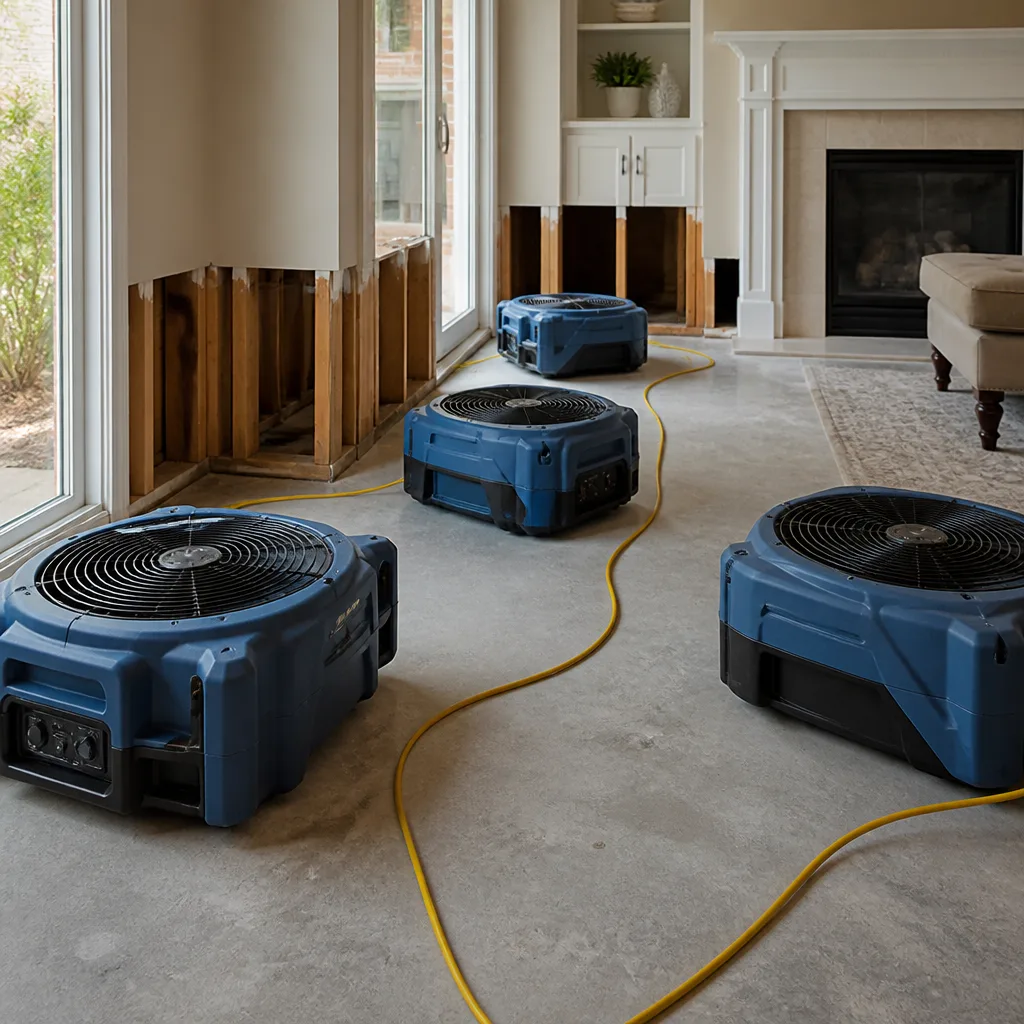

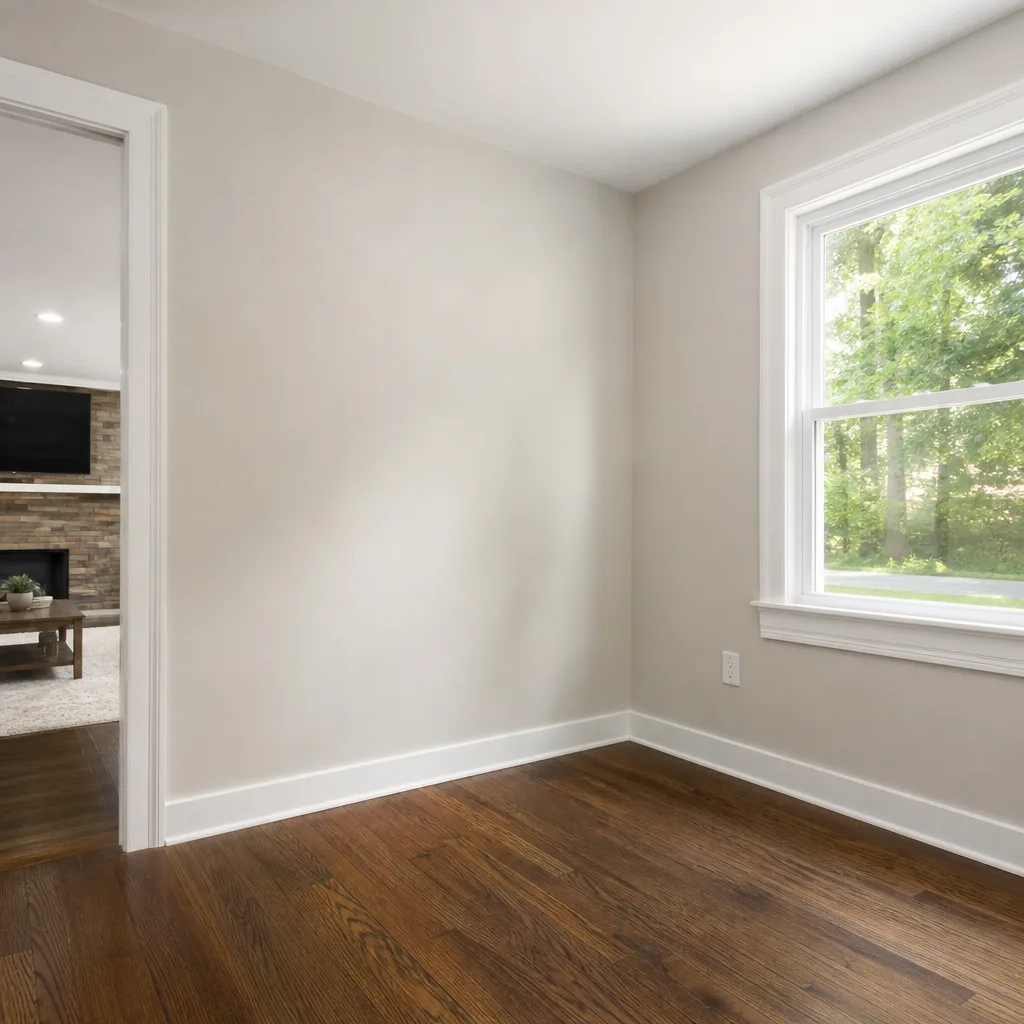

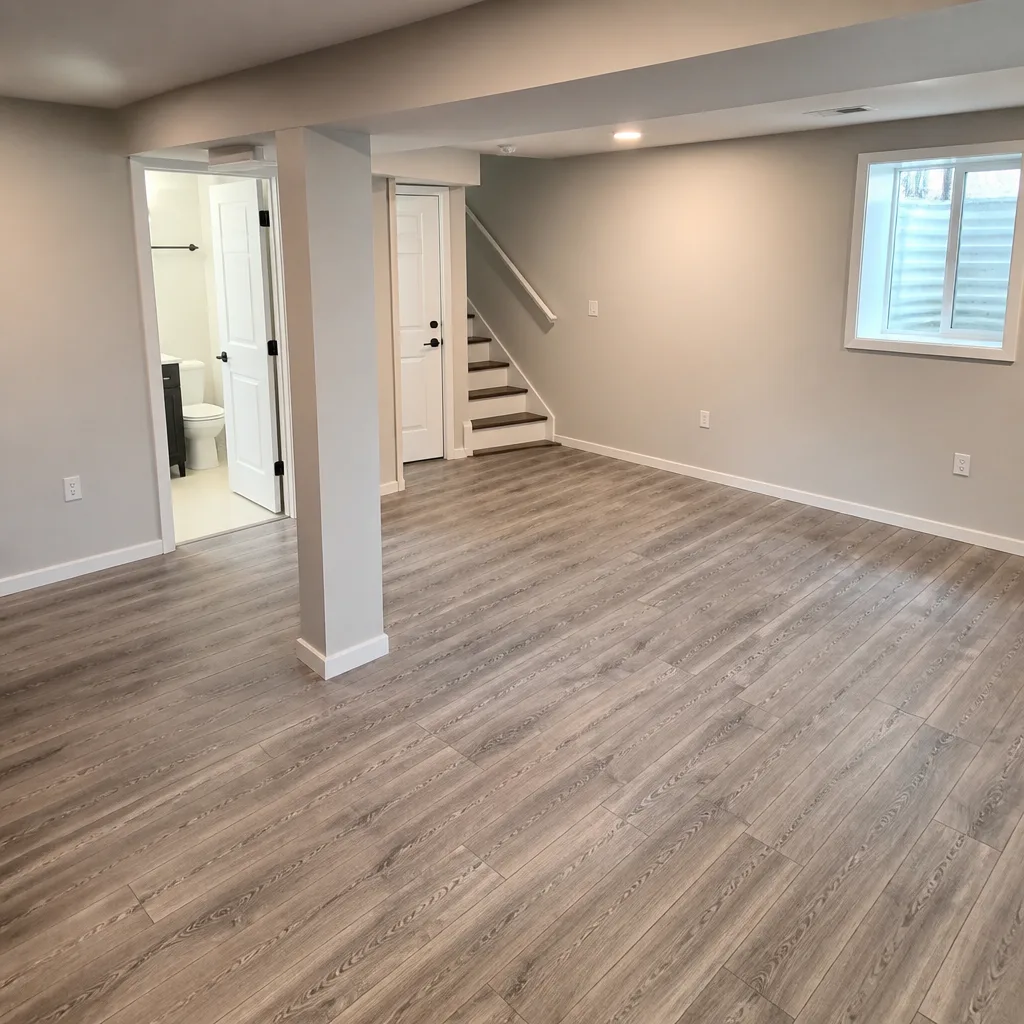

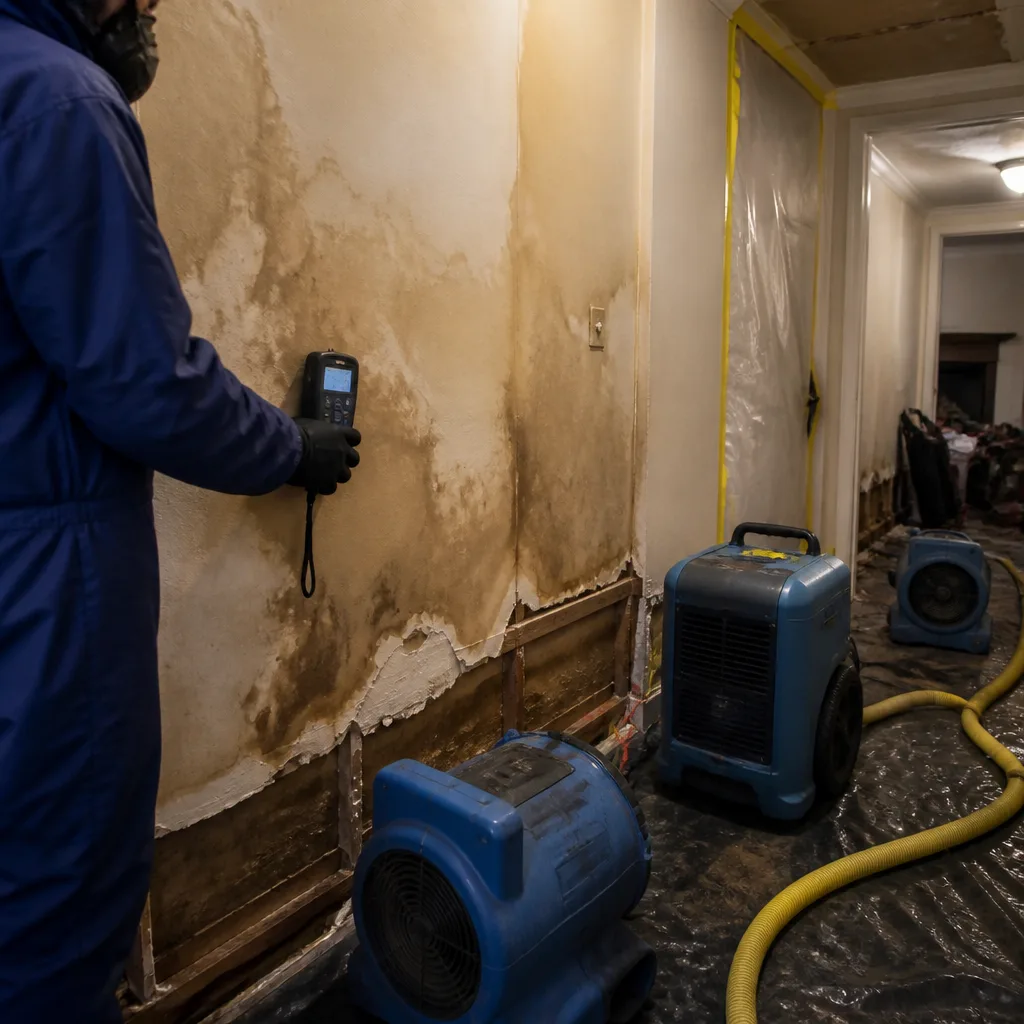 Before
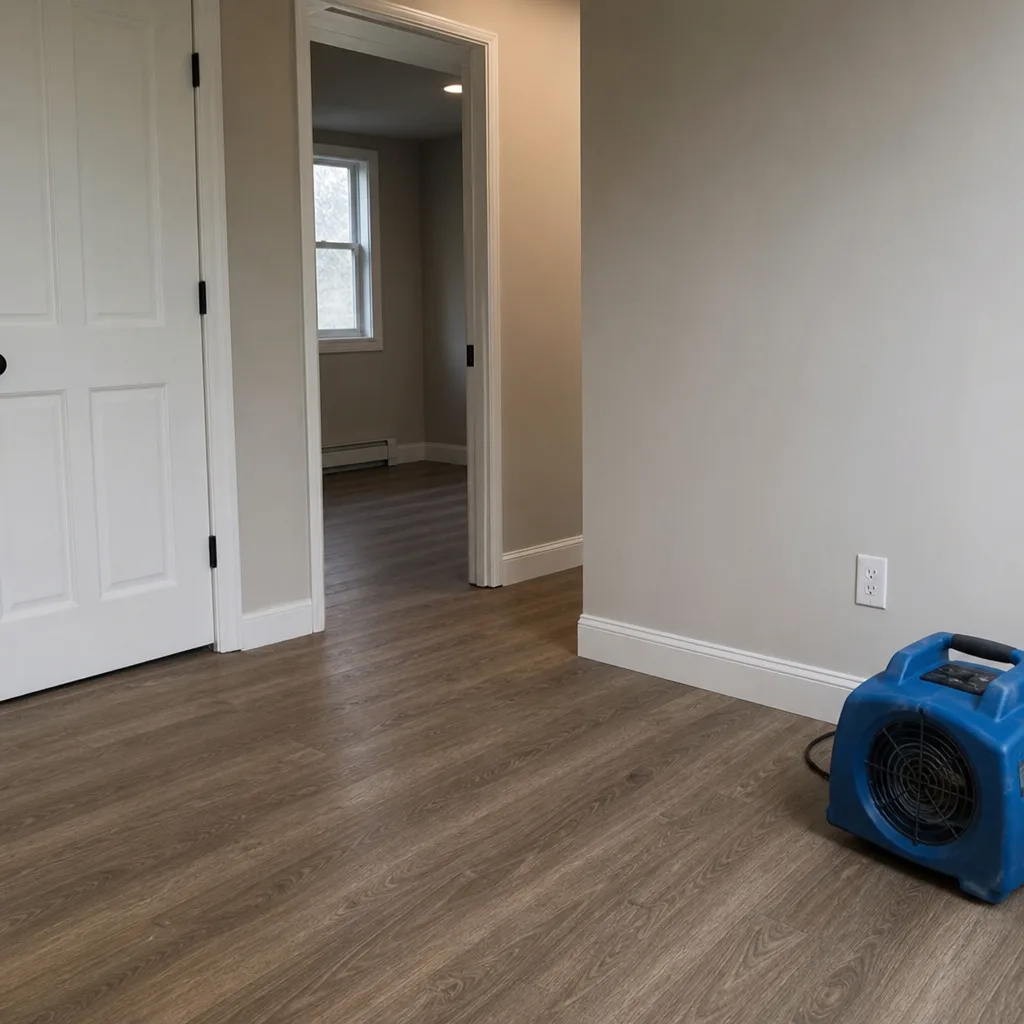 After
After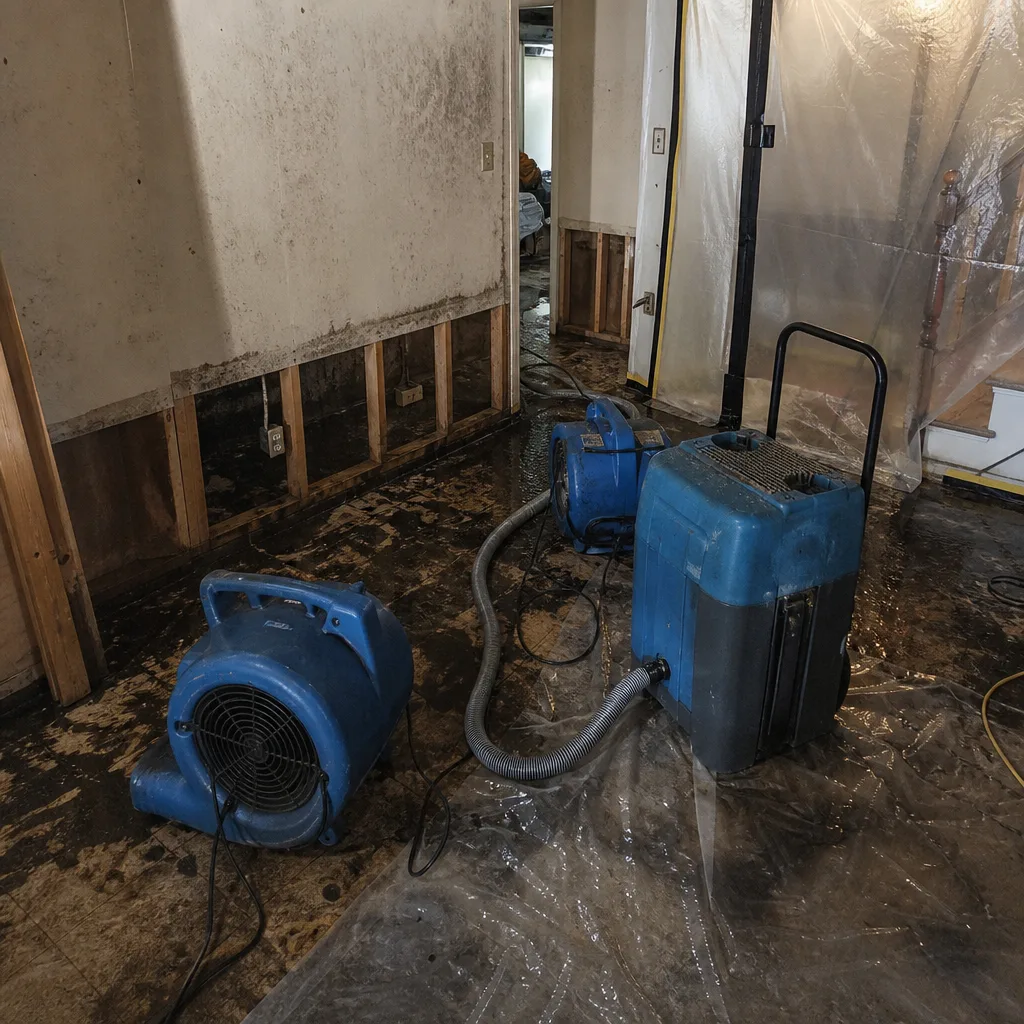 Before
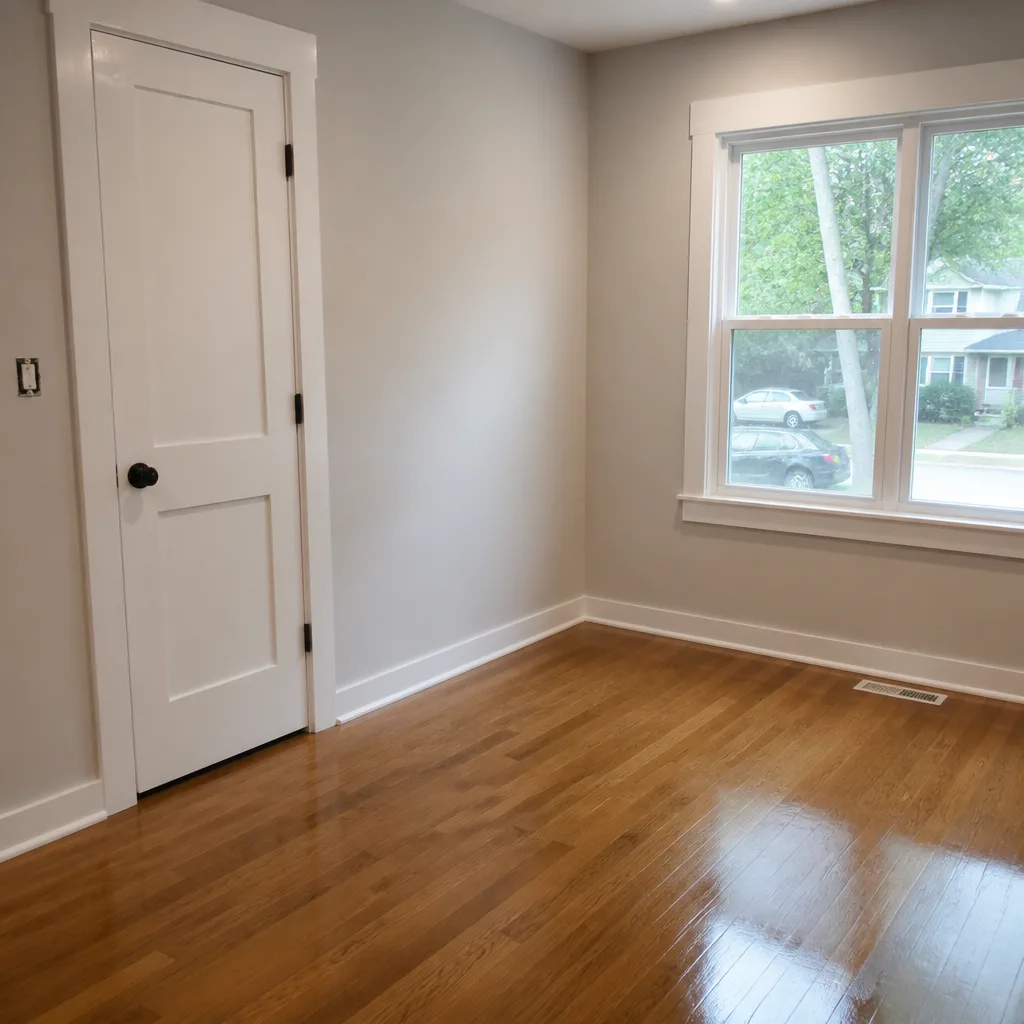 After
After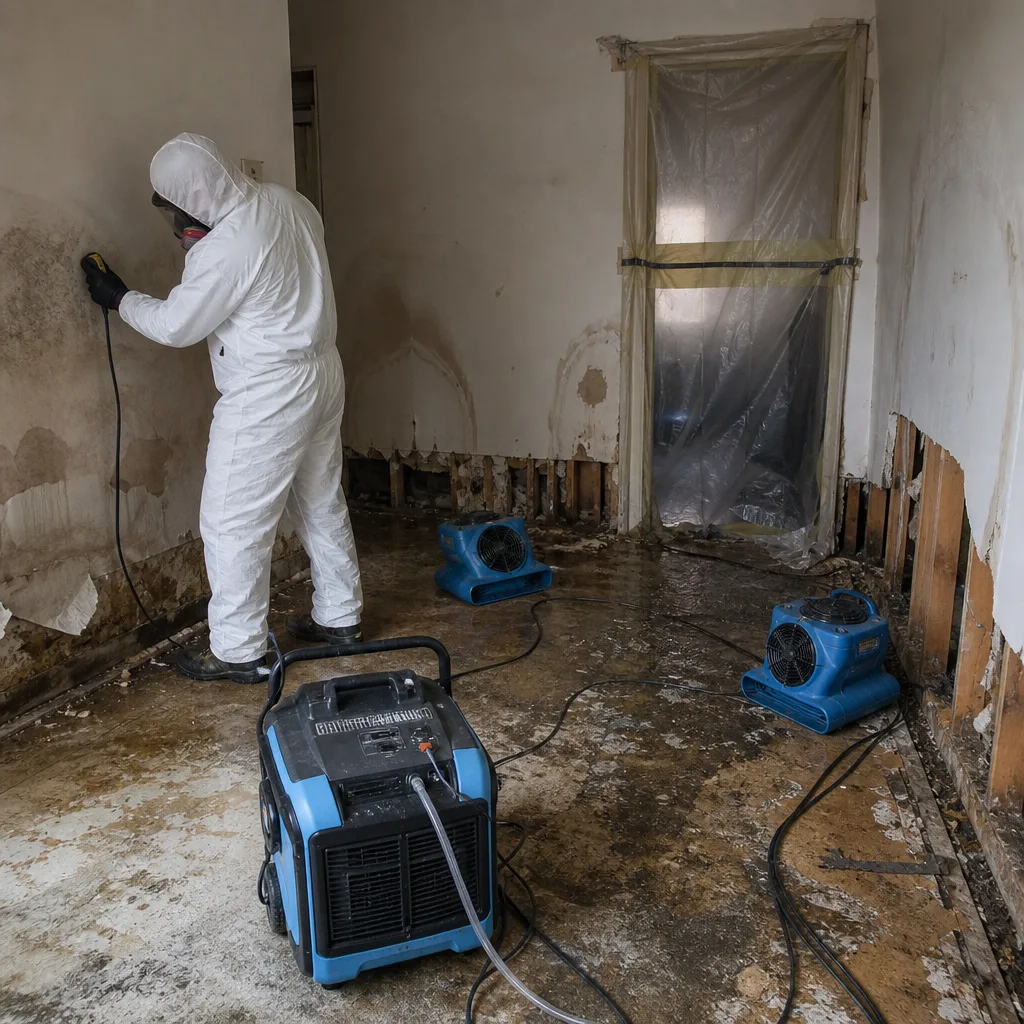 Before
 After
AfterSeasonal Damage Restoration Care for Paramus: Year-Round Homeowner’s Guide
Most Paramus homeowners don’t think about water damage until they’re standing in it. But here’s what 42 years in this trade has taught us: the house that floods in March usually sent its first warning signal in November. A clogged gutter here, a hairline foundation crack there, a sump pump that hasn’t cycled since the Clinton administration. This guide walks through what each season does to a Paramus home, what to check, what to fix early, and what genuinely needs a professional. You’ll learn the seasonal failure patterns we see most often in Bergen County, what they cost to fix when caught early, and how to avoid the ones that turn into five-figure restoration jobs.
Quick Answer
Seasonal damage restoration in Paramus means staying ahead of four distinct threat cycles: winter freeze-thaw cracking and ice dams, spring snowmelt and basement seepage, summer humidity and mold pressure, and fall gutter and drainage prep. Most seasonal damage is preventable with twice-yearly inspections and small repairs under $300. The damage that isn’t prevented shows up as basement water, roof leaks, or hidden mold, and those need professional assessment within 48 hours.
Table of Contents
- Winter in Paramus: Freeze-Thaw Cycles and Ice Dams
- Spring Thaw: When Paramus Basements Take On Water
- Summer Humidity: Mold Pressure in Bergen County Homes
- Fall Preparation: Gutters, Grading, and Sump Pump Testing
- The Seasonal Inspection Checklist Every Paramus Home Needs
- What Seasonal Damage Costs to Fix in Paramus
- Will Insurance Cover Seasonal Water Damage?
- Common Mistakes to Avoid
- When to Call a Professional
- Frequently Asked Questions
- The Bottom Line
Winter in Paramus: Freeze-Thaw Cycles and Ice Dams
Paramus sits in a climate band where the ground freezes and thaws repeatedly between December and March. That cycle is harder on a foundation than a solid freeze, because each thaw lets water into hairline cracks, and each refreeze expands it by roughly nine percent. A crack that started at the width of a dime in January can be a quarter-inch channel by March. In neighborhoods like Spring Valley and the streets off Midland Avenue, we see this pattern in homes built during the 1950s and 60s boom, when foundation waterproofing was tar-based and now well past its service life.
Ice dams are the second winter threat. They form when attic heat melts snow on the upper roof, the meltwater runs down to the cold eave, and refreezes there. The dam blocks the next melt cycle, and water backs up under the shingles. The fix isn’t chipping the ice off, which damages shingles. It’s addressing the attic heat loss and, when needed, having the dam professionally steamed off. Homes along Paramus Road with older insulation or recessed lighting are common candidates.
What to check in winter:
- Look at icicles on the gutter line. Long, thick icicles mean warm attic air is melting snow and setting up an ice dam.
- Walk the basement perimeter after a thaw. Damp spots on the floor or efflorescence (white chalky residue) on walls means water is moving through the foundation.
- Check the sump pump by pouring a bucket of water into the pit. If it doesn’t cycle, you have a problem before the worst thaw arrives.
- Inspect the attic for frost on the underside of the roof sheathing. Frost means warm, moist air is leaking up from the house.
Spring Thaw: When Paramus Basements Take On Water
The highest-volume water calls we get in Paramus come between late February and early April. The snowpack melts, the ground is still frozen a foot down, and all that water has nowhere to go except along the foundation walls. The homes most at risk are the split-levels and ranches built in the 1970s along the Route 17 corridor and near the Paramus Golf Course, where clay-heavy soil holds water against the foundation.
Spring is also when buried downspouts and drain tiles fail, because they’ve been frozen all winter and the first big melt hits them at full pressure. A downspout that dumps water three feet from the foundation is feeding the problem; one that discharges ten feet or more on a sloped grade is doing its job. The gutter system in Paramus handles a lot of water because of the tree canopy. Maple and oak leaves from fall, if not cleaned, become a soggy mat by spring, and every gutter seam starts leaking.
Spring response steps, in order:
- Find where the water is entering. Check the cove joint (where the wall meets the floor) and any wall cracks. Look above the waterline too, because water can run down the inside of a wall before it puddles.
- Stop the source. Extend downspouts, clear the gutters, and check the sump pump discharge line. If water is pooling against the house, grading or a French drain is the real fix.
- Start extraction and drying within 48 hours. Carpet, pad, and drywall that stay wet longer than that become a mold risk. Professional-grade air movers and dehumidifiers beat box fans and open windows every time.
- Document everything with photos before you tear anything out. Your insurance carrier will ask for them.
We’ve pulled into Paramus driveways in early spring where the homeowner said the water “just showed up.” It never just shows up. There’s always a path, and finding that path is what separates a permanent fix from a basement that floods every March.
Summer Humidity: Mold Pressure in Bergen County Homes
Paramus summers are humid. July and August regularly sit above 70 percent relative humidity, and a basement that stays between 60 and 80 percent all summer is a mold incubator. Mold needs three things: organic food (drywall paper, wood, carpet), moisture, and time. A musty smell in August is mold already active, even if you can’t see it yet. By the time black spots appear on baseboards or the back of a closet, the colony has usually been growing for weeks.
The homes we see with recurring summer mold issues tend to share a few features: a dirt crawlspace, a basement bathroom without a vent fan, or a finished basement where the drywall sits directly on the concrete floor. Wicking is the quiet culprit there. Concrete is porous, moisture moves up through it, and drywall absorbs it like a sponge. In Paramus specifically, the water table is high enough in low-lying areas near the Saddle River watershed that even a bone-dry June can still produce a damp basement by August.
Summer mold prevention:
- Keep basement relative humidity below 60 percent. A standalone dehumidifier drained to a floor drain or sump pit works for most homes.
- Fix any plumbing sweating or condensate issues. AC condensate lines that drip onto framing are a common food source for mold.
- Leave closet doors slightly open in basement spaces so air moves. Stagnant air is mold’s best friend.
- If you see mold covering an area larger than ten square feet, call a professional. That’s the threshold where containment and HEPA air scrubbing matter, and cleaning it wrong sends spores through the rest of the house.
Fall Preparation: Gutters, Grading, and Sump Pump Testing
The single highest-leverage weekend a Paramus homeowner can spend is in October. Fall prep done right prevents most of the winter and spring damage we’ve described, and it costs a fraction of what a restoration bill runs. The four jobs that matter most: clean the gutters, check the grading, service the sump pump, and seal any exterior cracks.
Gutters in Paramus fill fast because of the mature tree canopy. Two cleanings a year, once after the leaves drop and once in early summer, is a realistic schedule. If you have gutter guards, inspect them rather than trust them. We’ve seen guards hold water against the fascia and rot the roof edge because debris piled on top and never dried out.
- Clean gutters and downspouts. Make sure downspouts discharge at least six feet from the foundation, preferably ten.
- Walk the exterior foundation. Caulk or seal any crack wider than a hairline. For anything structural, get it assessed before winter freeze-thaw widens it.
- Test the sump pump, then test the backup. Paramus loses power in nor’easters, and a battery or water-powered backup pump is the difference between a dry basement and a flooded one.
- Check the grading. Soil should slope away from the house at least six inches over the first ten feet. After years of mulch and settling, most homes have lost that slope.
- Clean the dryer vent and bathroom exhaust fans. Blocked exhaust means moisture stays in the house all winter.
Fall is also the right time to schedule a professional inspection of any previous water damage repairs. A patch that held through summer can fail in the first hard freeze. Catching it in October beats discovering it with water coming through the wall in January.
The Seasonal Inspection Checklist Every Paramus Home Needs
This checklist is designed for the homeowner who wants to prevent damage rather than respond to it. Run through it twice a year: once in October and once in April. Each item takes under ten minutes, and every one of them has prevented a real restoration job in Paramus at some point.
| Season | Check | What You’re Looking For | Action if Found |
|---|---|---|---|
| Fall (October) | Gutters and downspouts | Debris, sagging, water spilling over the edge | Clean, resecure, extend discharge away from foundation |
| Fall (October) | Foundation exterior | Cracks, gaps at pipe penetrations, loose mortar | Seal hairline cracks; call for anything structural |
| Fall (October) | Sump pump and backup | Cycles when tested, backup battery charged | Replace or service if any hesitation |
| Fall (October) | Attic insulation | Even coverage, no gaps at edges, no frost | Add insulation where thin; seal bypasses |
| Spring (April) | Basement walls and floor | Efflorescence, damp spots, musty smell | Dry and dehumidify; find the water path |
| Spring (April) | Roof and flashing | Lifted shingles, cracked boots at vents | Repair before spring rains arrive |
| Spring (April) | Exterior grading | Soil settled below grade, water pooling | Regrade or add French drain |
| Spring (April) | Window wells | Debris, peeling sealant, cracked covers | Clean, reseal, install covers if absent |
What Seasonal Damage Costs to Fix in Paramus
Costs in Bergen County run higher than the national average because labor rates are higher here, but the range is predictable. What follows are the numbers we see on typical Paramus jobs, at the time this guide was written. These are starting ranges for a standard home; your exact cost depends on square footage, materials, and how far the damage has spread.
| Job | Typical Range (Paramus, 2026) | Factors That Move the Price |
|---|---|---|
| Gutter cleaning | $150-$350 | House size, number of stories, leaf load |
| Sump pump replacement | $450-$1,100 | Pump type, pit condition, backup battery |
| Basement water extraction and drying | $1,800-$4,500 | Water volume, affected square footage, drying time |
| Mold remediation (small, contained area) | $1,200-$3,500 | Location, containment needs, air scrubber rental |
| Foundation crack repair | $400-$1,200 per crack | Depth, accessibility, injection method |
| Ice dam removal | $350-$900 per visit | Roof height, dam length, equipment needed |
| Gutter replacement (whole house) | $1,500-$4,000 | Material, length, downspout count |
Two things worth noting here. First, the cascade effect is real: a $200 gutter problem ignored in October becomes a $3,000 basement extraction in March. The time to fix is always at the first sign. Second, any restoration contractor in Paramus should be able to give you a written scope and price before work starts. If they won’t, that’s a red flag, not a negotiation tactic.
Will Insurance Cover Seasonal Water Damage?
The answer depends almost entirely on how the water got in. Sudden and accidental events, like a burst pipe from a freeze, are typically covered by standard homeowners insurance. Gradual seepage through a foundation wall is not. That’s the line insurers draw, and it matters in Paramus because most of our seasonal basement water is seepage, not pipe bursts.
What does this mean in practice? A pipe that freezes in a Paramus attic, bursts, and floods the second floor is a covered claim. A basement wall that has wept water every spring for five years is not, and when the damage finally becomes a problem, the carrier can deny the claim on the grounds that it was a maintenance issue, not a sudden event. This is why the fall checklist matters as much as the spring response: preventing the seepage is your best insurance move.
When you do file a claim, documentation is the deciding factor. Photo everything before you move a single item. Keep a written log of when the water appeared, what you did, and what the damage looked like. If you hire a restoration contractor, pick one with direct insurance billing experience who will talk to your adjuster directly. Homeowners in Paramus who end up playing messenger between a contractor and an insurance carrier lose weeks in the process and almost always pay more out of pocket.
Common Mistakes to Avoid
- Waiting out a wet basement. “It’ll dry on its own” is how a flooded Paramus basement becomes a mold remediation job by May. Drywall and carpet are sponges. If you can see water, start extraction that day, not this weekend.
- Putting box fans on a flood. Box fans and dehumidifier cubes from the hardware store are not professional drying equipment. They don’t move enough air, they don’t pull moisture from wall cavities, and they give a false sense that drying is happening. Moisture left in framing is where hidden mold comes from.
- Ignoring the downspout extensions. Many homes in Paramus have downspouts that were never extended or have worked loose over the years. A downspout dumping water at the foundation is actively feeding a seepage problem. This is a $10 fix for a $3,000 problem.
- Skipping the sump pump test. Sump pumps fail in two modes: suddenly (burned motor) or gradually (failing float switch that works intermittently). The gradual failures are the dangerous ones because the pump seems fine until a heavy storm hits. Test yours every spring and fall.
- Painting over efflorescence. The white chalky residue on basement walls is water moving through the foundation, and paint doesn’t stop it. It just hides the symptom while the problem continues. Same with using drylok or other sealers on an actively wet wall: the water pressure will push it off eventually.
- Assuming mold can’t grow in winter. Paramus homes with high indoor humidity and warm interior walls can grow mold in January just as easily as in July. If you run a humidifier in winter, monitor the relative humidity and keep it under 55 percent.
- Hiring a contractor based on the lowest bid. Restoration is a trade where the low bid rarely reflects the actual work needed. Contractors who cut corners on drying time, skip the moisture log, or use homeowner-grade equipment are pricing themselves low for a reason. A written scope and a guarantee in writing are worth more than a cheap number.
When to Call a Professional
Some jobs are genuinely DIY. Clearing a gutter is DIY. Replacing a downspout extension is DIY. Sealing a hairline crack in a dry wall is DIY. The line is where you find water actively entering the house, water that has been sitting more than 48 hours, visible mold larger than a ten-square-foot patch, or any electrical equipment that got wet. Those are not the jobs to learn on, because the cost of getting them wrong compounds fast. If water is moving through your foundation in Paramus, the path needs to be found and fixed, not just dried up. Floodline Restoration Co. offers free estimates in Paramus, call (640) 333-9625 and a live person will answer.
Frequently Asked Questions
In Paramus, a certified water damage crew can typically be on-site within 60 to 90 minutes of your call, depending on where the crew is coming from. Time matters because extraction and drying started the same day dramatically reduces the extent of the damage and the chance of mold. Floodline Restoration Co. answers the phone with a live dispatcher 24/7 and crews reach most Paramus addresses within that window. Call (640) 333-9625 and you’ll talk to a person, not a recording.
If the water source was clean, such as a supply line or a burst pipe, and you got it extracted within a couple of hours, professional drying may still matter. The issue is what you can’t see: water wicks up drywall, under baseboards, and into subfloor. Box fans dry the surface while moisture stays trapped inside wall cavities, and that’s where mold grows out of sight. A professional moisture meter tells you whether the walls are actually dry or just dry on the surface. If it was a small, contained area and you’re certain of the water volume, a homeowner humidifier can work. If you’re not certain, the moisture reading is worth the call.
For a standard Paramus basement with water covering the finished floor area, extraction and drying typically take 3 to 5 days before the space is dry enough for repairs. That assumes professional-grade Dri-Eaz or Phoenix air movers and dehumidifiers running continuously, with daily moisture readings. Reconstruction adds time after that, and depends on what was removed. A good contractor gives you a drying log with the daily readings so you and your carrier can see the progress.
Mold is covered by insurance only when it results from a covered peril, meaning the cause of the water was sudden and accidental. If a covered pipe burst caused the water, the resulting mold remediation is typically covered. If the mold grew from a long-term humidity or seepage problem, the carrier usually denies it as a maintenance issue. In either case, documentation matters. Your adjuster will want evidence of the water event, the timeframe, and the professional assessment if remediation is required.
A certified restoration company (IICRC-certified) uses commercial-grade drying equipment, measures moisture in materials with specialized meters, sets a drying goal, and documents daily readings until the dry standard is met. A handyman with a wet-dry vac and a fan is doing surface extraction and hoping for the best. The difference shows up months later in the form of warped framing, a lingering musty smell, or a mold colony behind the baseboard. In Paramus, hiring a certified company with direct insurance billing also means the carrier gets a professional drying log, which strengthens your claim.
Ice dams are a roof and insulation problem, not an outdoor temperature problem. The fix is to keep the attic cold so snow doesn’t melt and refreeze at the eave. That means sealing air leaks from the living space, ensuring even insulation coverage, and making sure bathroom and kitchen vents exhaust outside, not into the attic. If you have chronic ice dams, have a professional assess the attic insulation and ventilation. Removing an existing dam is a job for a professional with the right steaming equipment, because chipping at it with a hammer destroys shingles.
The Bottom Line
Seasonal damage restoration in Paramus is a prevention game first and a response game second. The homes that stay dry through the year are the ones where gutters are clean in October, sump pumps cycle on demand, and downspouts push water away from the foundation. When prevention misses, speed matters: water extracted and drying started within 48 hours prevents most mold, and professional-grade equipment matters more than homeowner efforts. Insurance coverage depends on the difference between sudden events and gradual seepage, so documentation and a written scope are your strongest tools. And when the damage is beyond the DIY line, which means moving water, old water, or visible mold, a certified crew with a written guarantee is the difference between a fixed problem and a recurring one. The line the water left is where we start, and we’ve been starting there in Paramus since 2010.
Written by Curt Bowman, Owner at Floodline Restoration Co., serving Paramus since 2010.