
Last updated August 25, 2026
Free visual inspection and a written scope of work before any mitigation begins - photos, moisture readings, and drying logs go in your claim file
The scope we write is the scope we bill. Anything new gets shown to you, in writing, before we touch it.
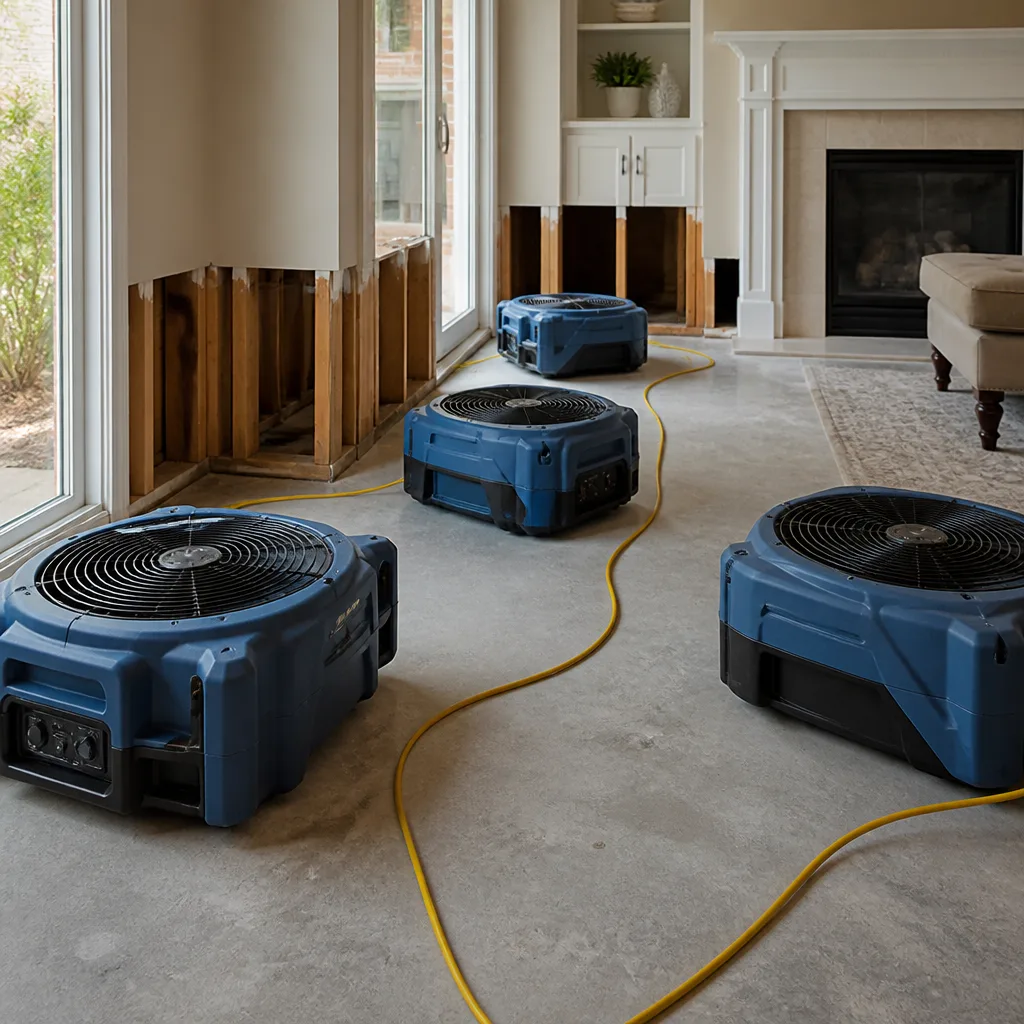
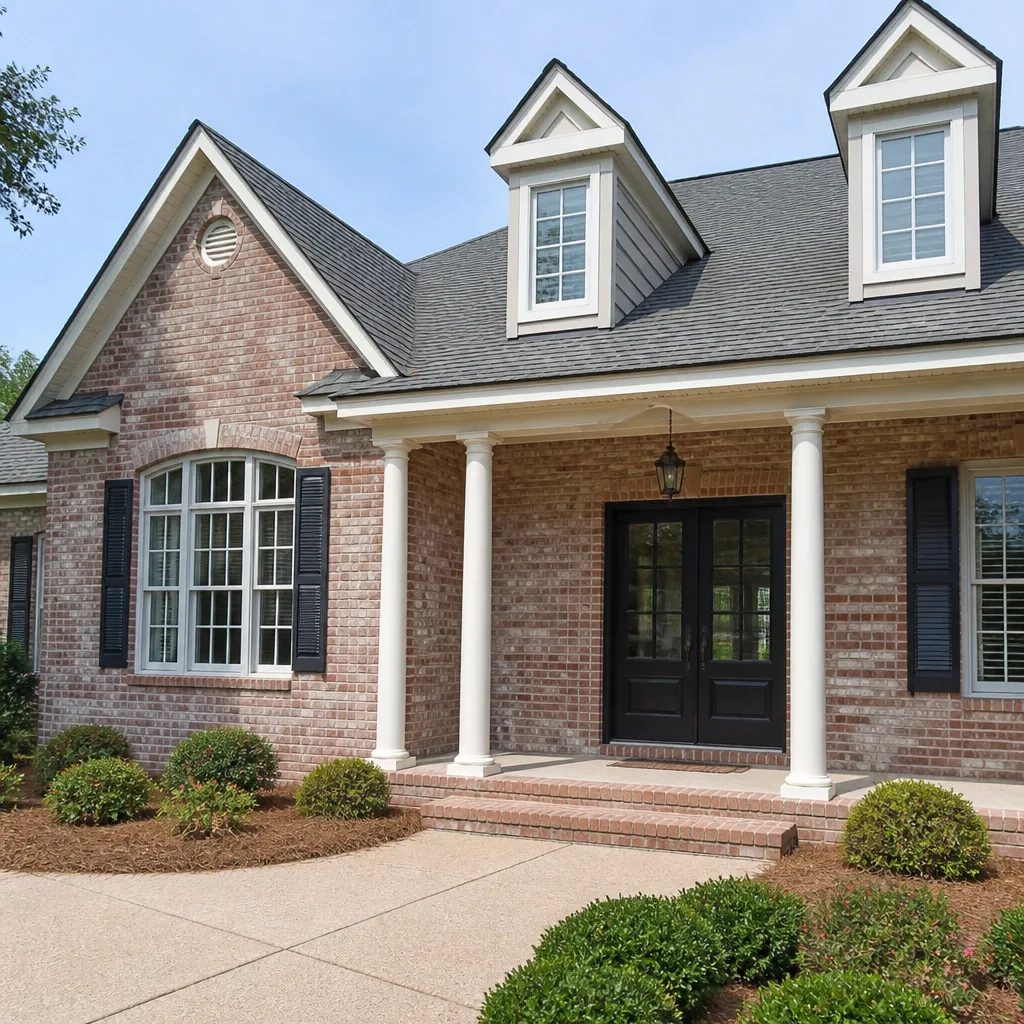
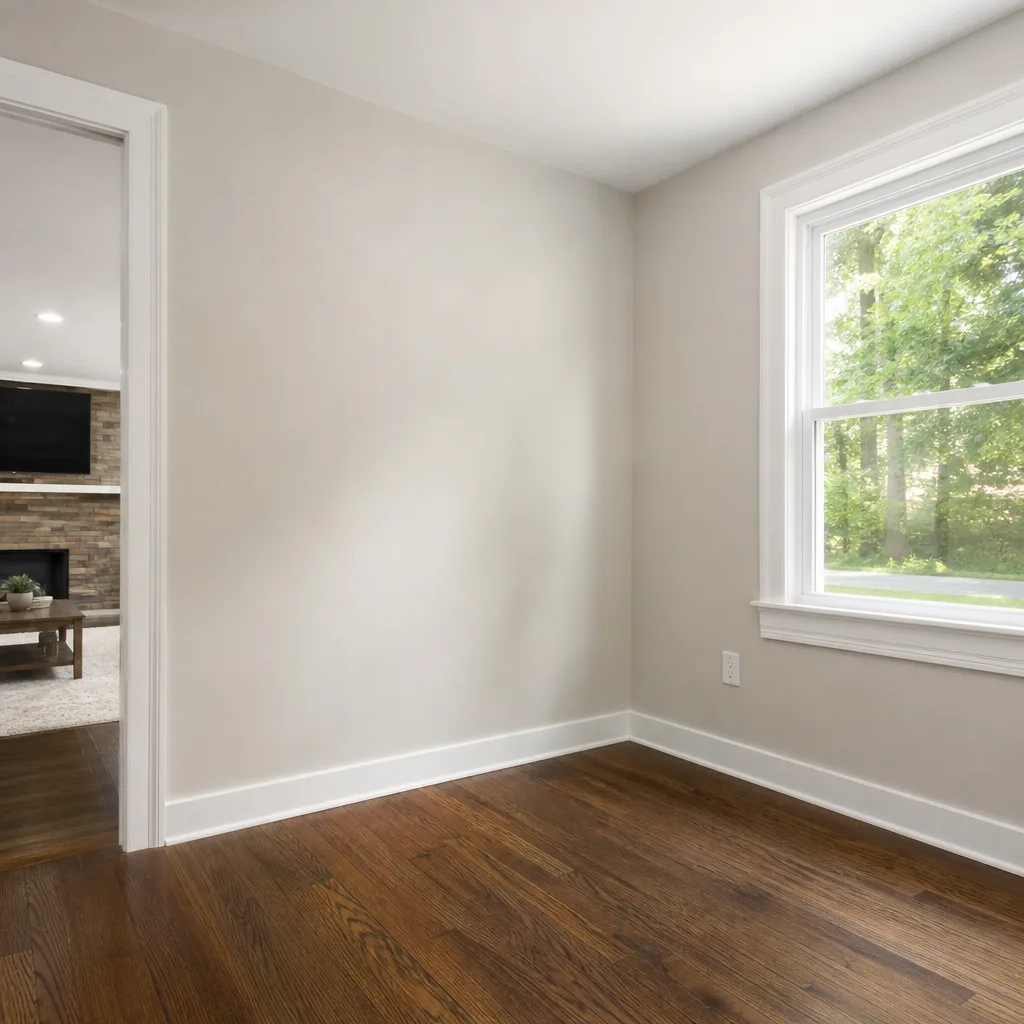

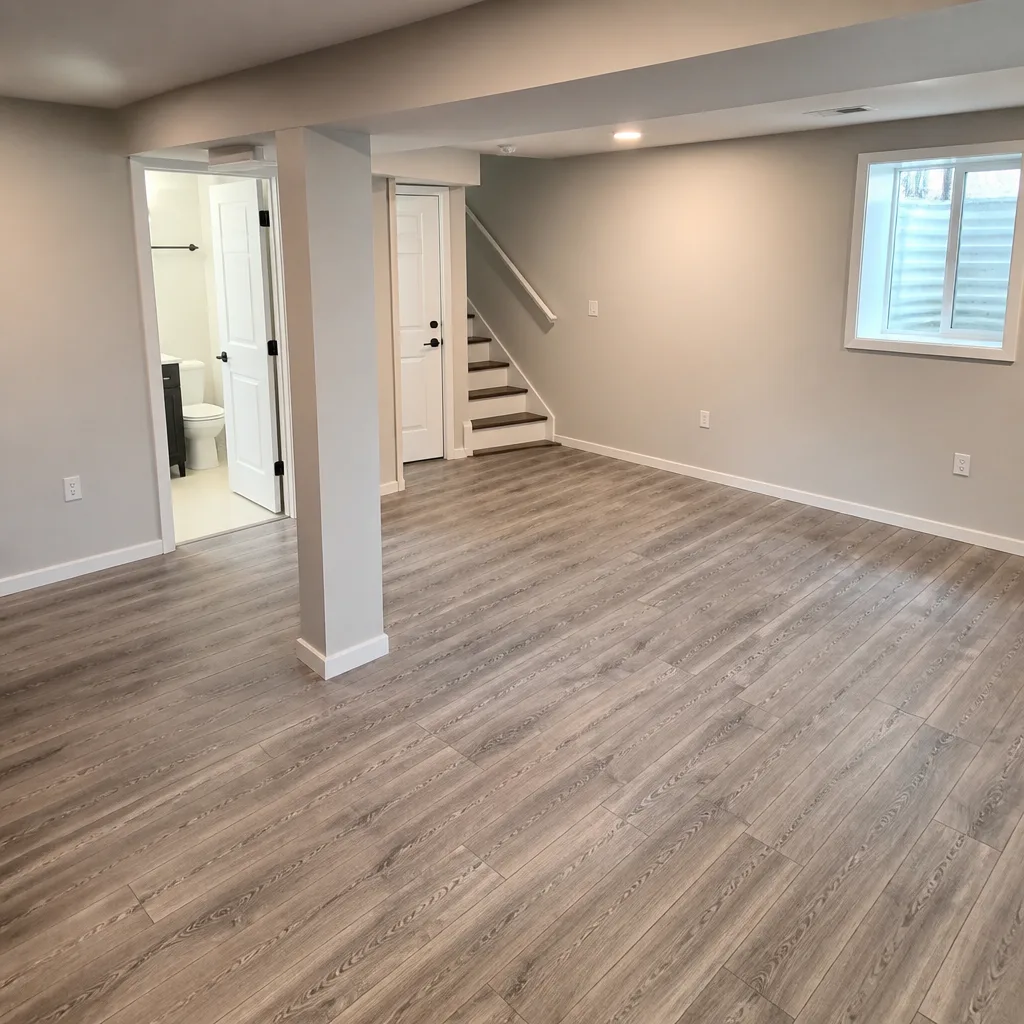

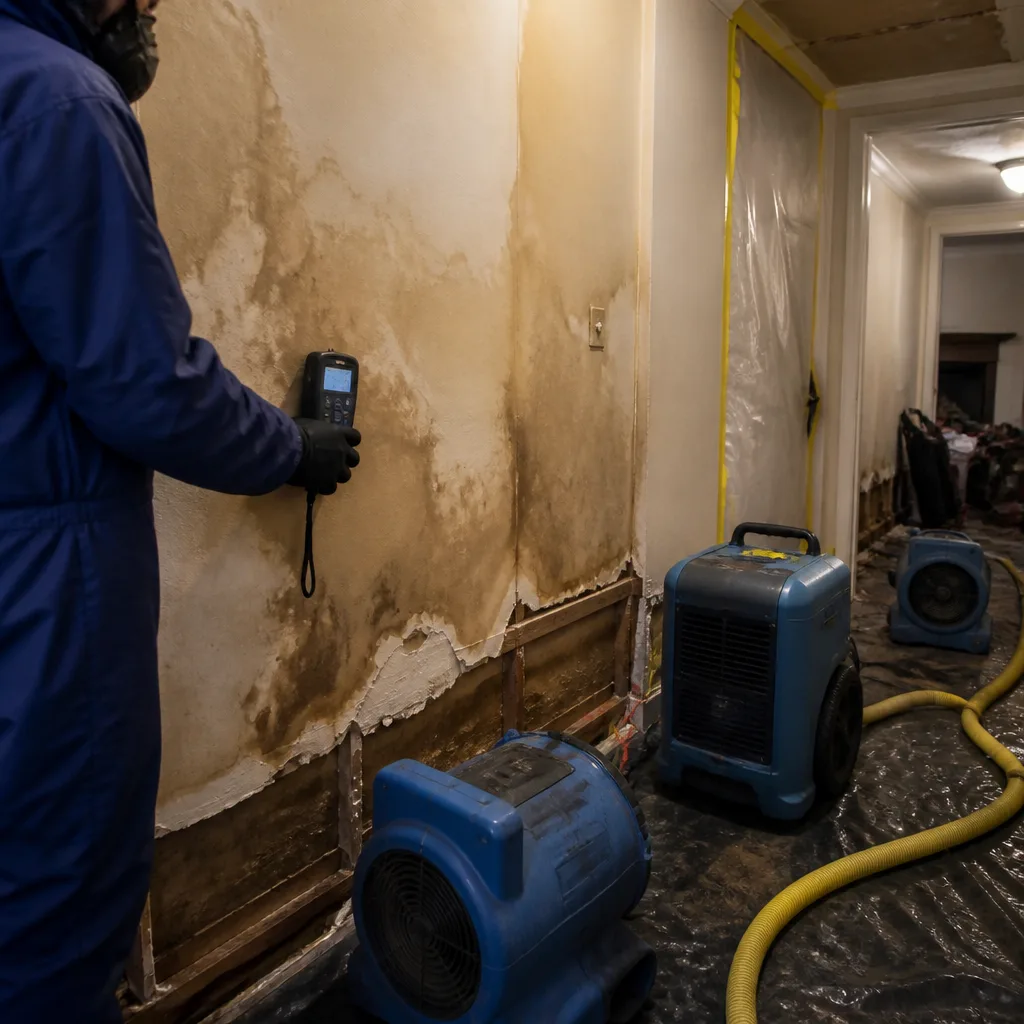 Before
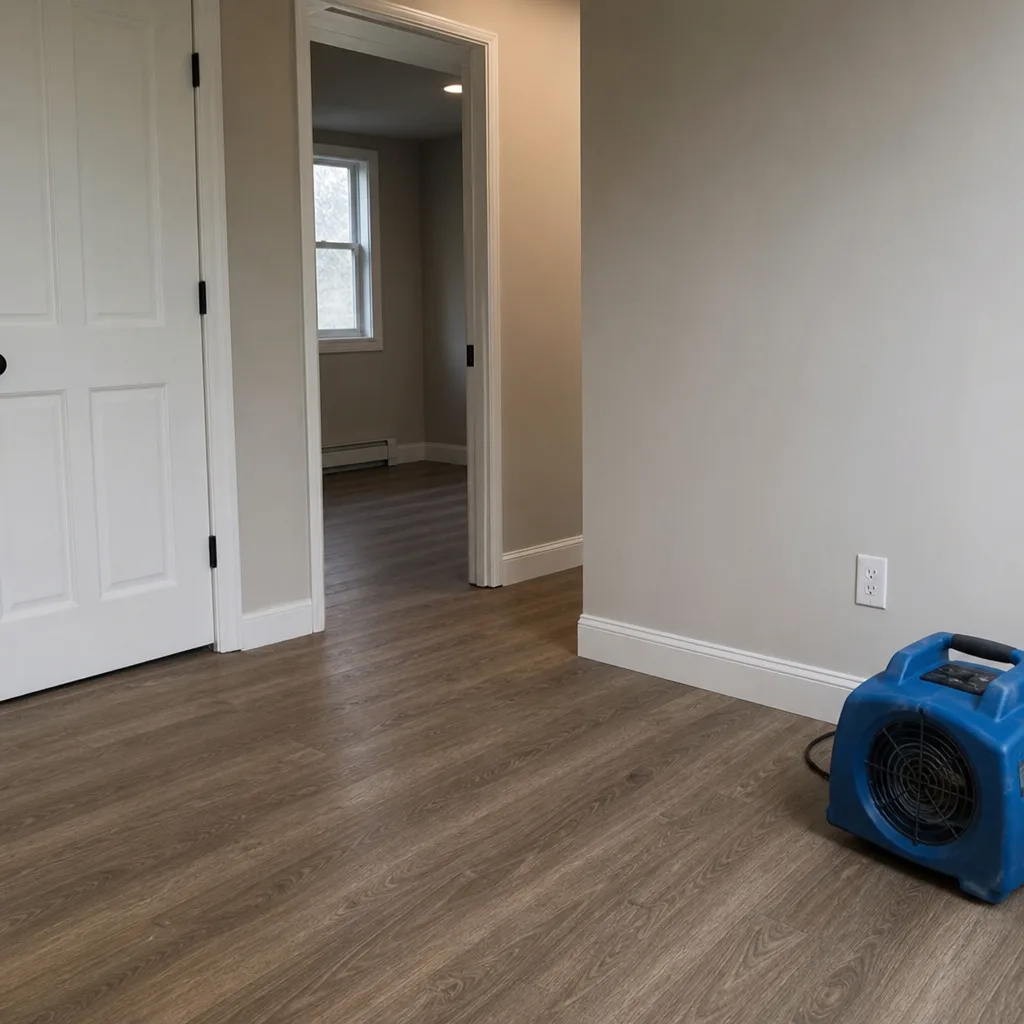 After
After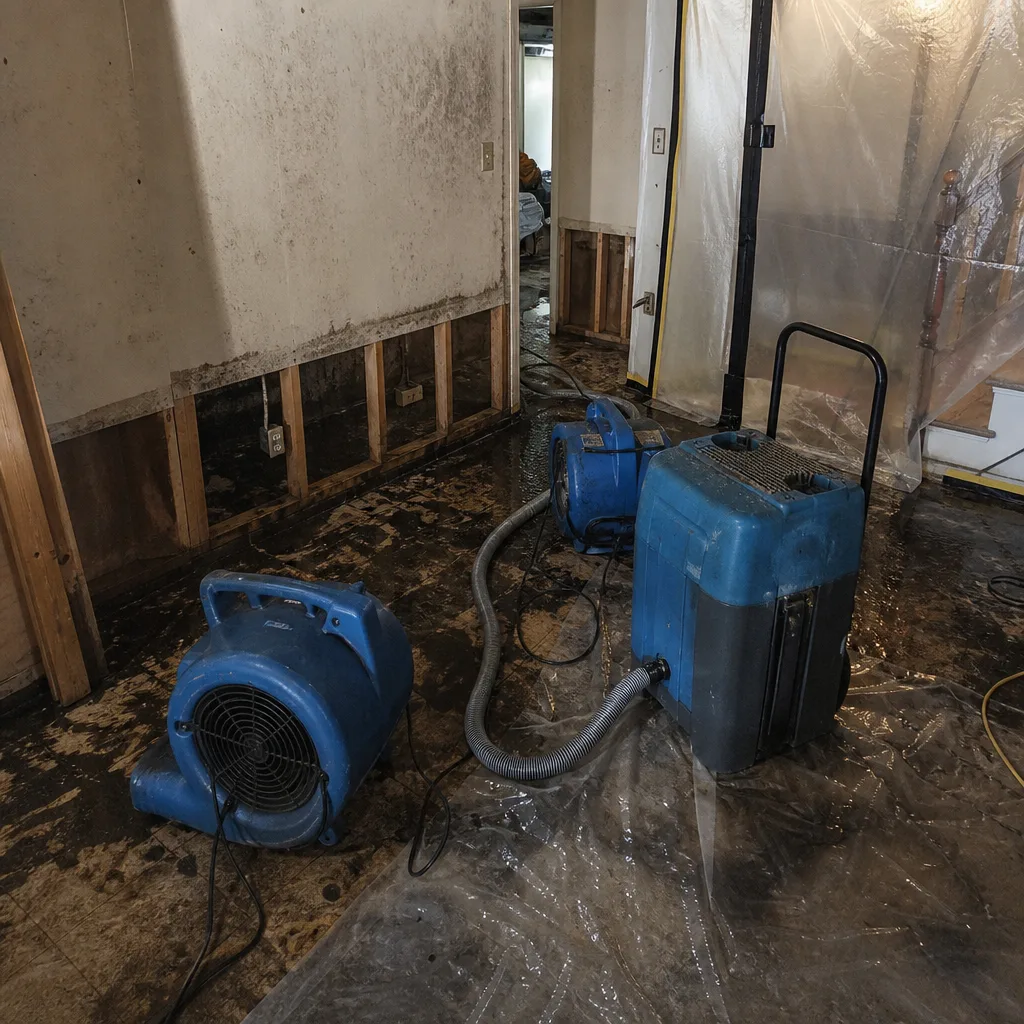 Before
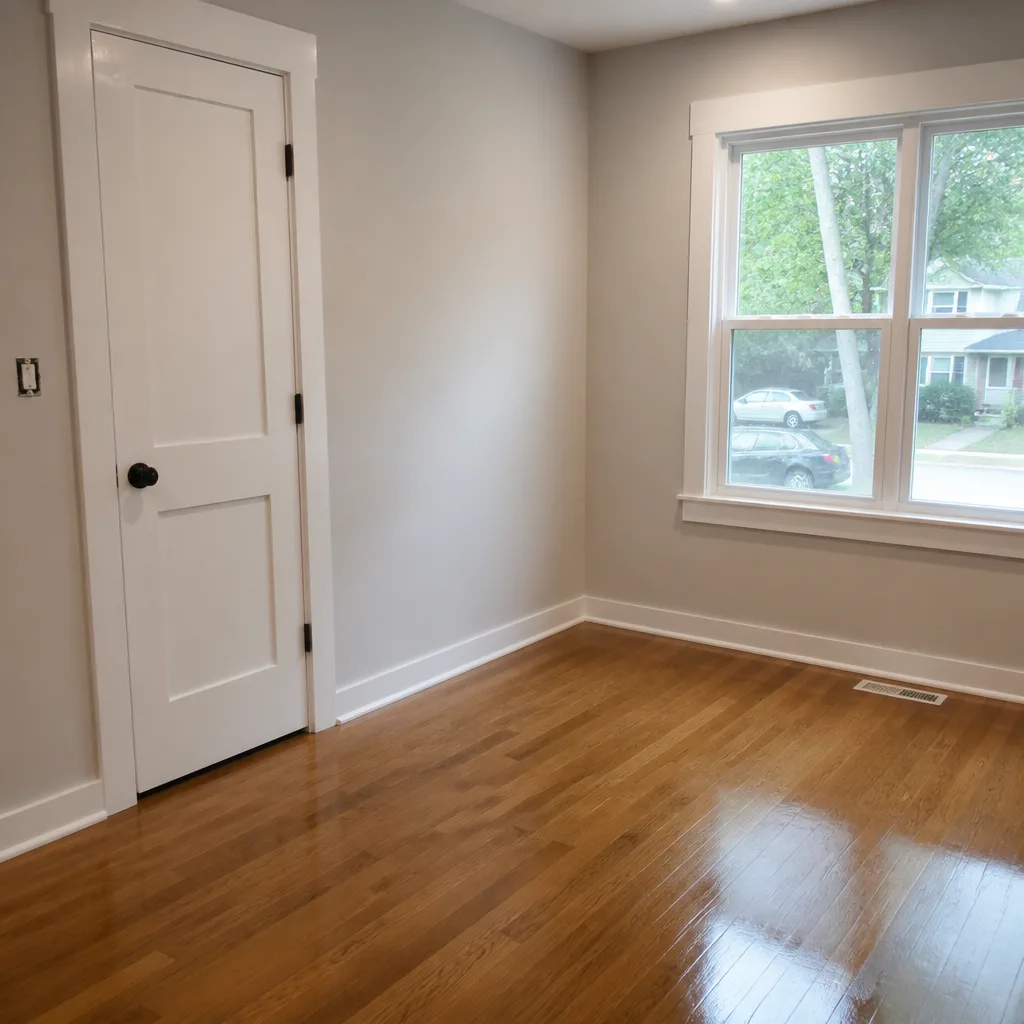 After
After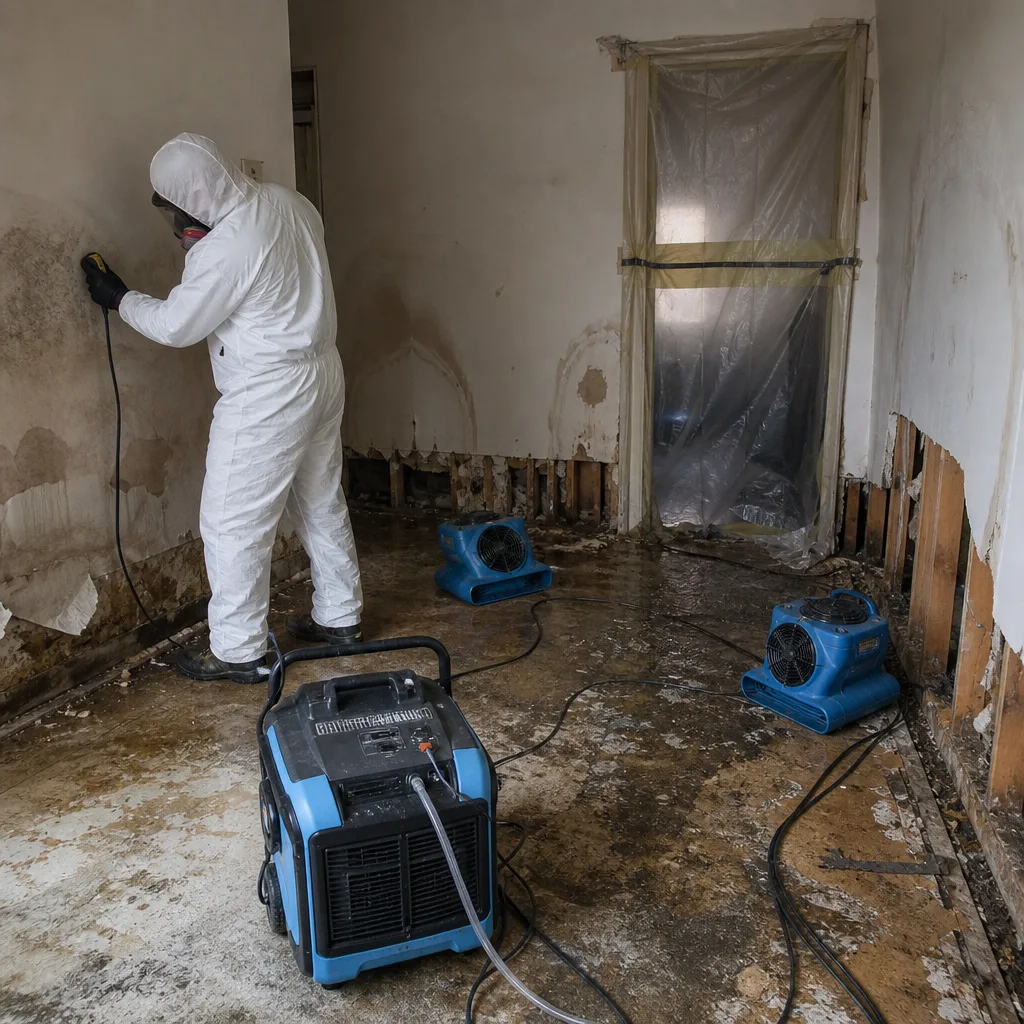 Before
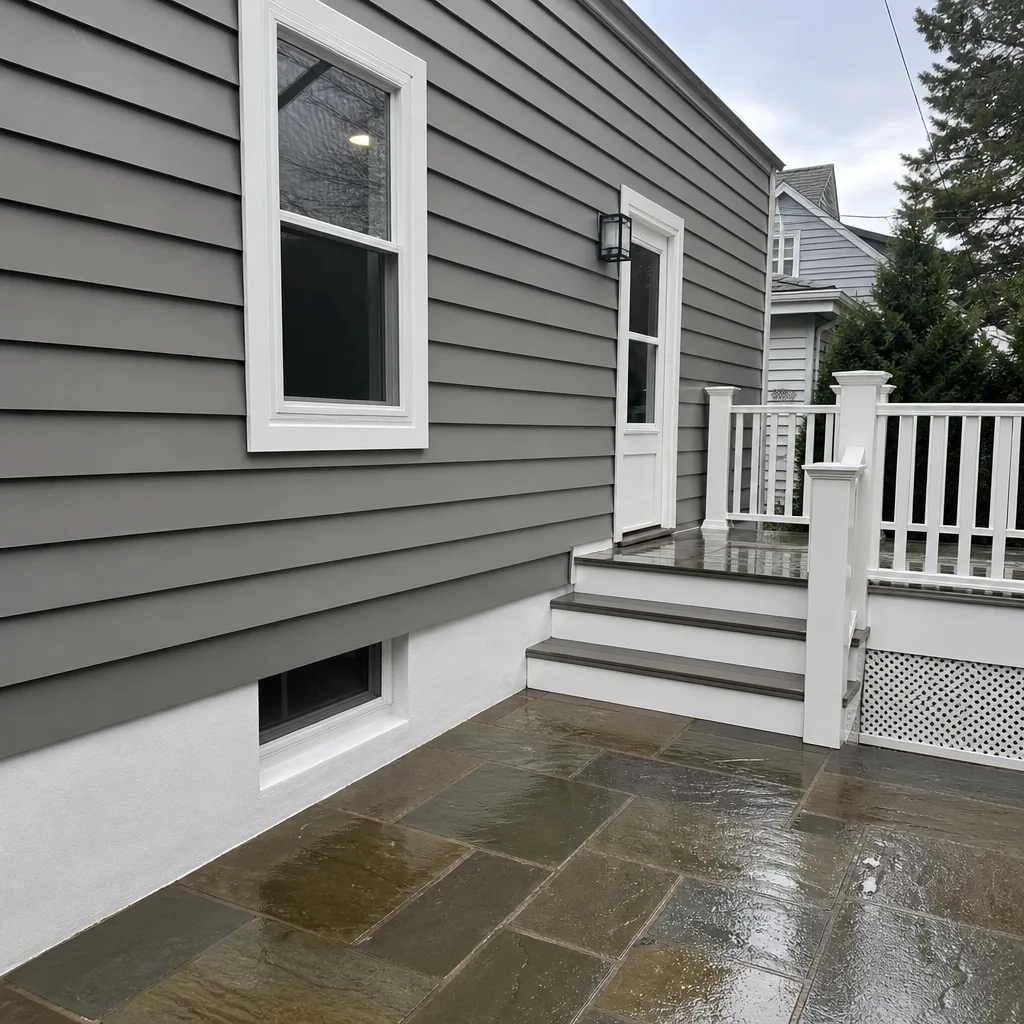 After
AfterHow to Hire a Damage Restoration Contractor in Paramus: A Step-by-Step Guide
Most Paramus homeowners will face water, fire, or storm damage at some point in the life of their house. The National Fire Protection Association reports that U.S. fire departments respond to a house fire every 88 seconds, and water damage claims outnumber fire and theft claims combined in most years. What surprises people is not that damage happens. It’s that the contractor you hire in the first hour determines whether you get a clean, dry, properly rebuilt home or a five-year headache of hidden mold and peeling paint. This guide walks you through exactly how to vet, hire, and work with a damage restoration contractor in Paramus, NJ, so you make one decision and never have to make it twice.
Quick Answer
To hire a damage restoration contractor in Paramus, confirm they are licensed and insured, check that they handle both mitigation and reconstruction with the same crew, ask how they document moisture readings for your insurance carrier, and get their guarantee in writing before work starts. A good contractor answers the phone at 2 a.m. with a live person, not a recording, and bills your insurance directly so you never play messenger.
Table of Contents
- Step 1: Confirm Licensing, Insurance, and Certifications
- Step 2: Ask Who Actually Does the Work
- Step 3: Require a Written Scope and Moisture Log
- Step 4: Understand Paramus Insurance and Permitting Basics
- Step 5: Compare Pricing the Right Way
- Step 6: Verify Their Equipment and Drying Process
- Step 7: Get the Guarantee in Writing
- Step 8: Sign and Start the Job
Step 1: Confirm Licensing, Insurance, and Certifications
Before you let anyone touch your walls or floors, ask for proof of three things: a New Jersey home improvement contractor license, general liability insurance, and restoration-specific certifications. In Paramus, any contractor doing work over $500 needs a state home improvement contractor registration. But a registration alone is not enough. You want a contractor whose technicians hold certifications from recognized restoration bodies. The IICRC (Institute of Inspection, Cleaning and Restoration Certification) and the RIA (Restoration Industry Association) are the two main standard-setters in this field. A company that trains its crews to those standards has made a real investment in doing the work correctly, not just quickly.
Ask to see the certificate of insurance and call the carrier to confirm the policy is active. Don’t feel awkward about this. Any contractor who hesitates to show proof is telling you something. In our experience in Paramus, the companies that push back on insurance questions are usually the ones that disappear when a problem surfaces three months later.
Here’s what to ask for, in writing or by email, before signing anything:
- New Jersey home improvement contractor registration number
- Certificate of liability insurance with your name added as certificate holder
- Workers’ compensation coverage (protects you if a worker is hurt on your property)
- Current IICRC or RIA certifications for the technicians who will enter your home
- Proof of background checks on all field staff
A legitimate Paramus restoration company will provide most of this in a single email within an hour. If it takes three days and two follow-up calls, keep looking.
Step 2: Ask Who Actually Does the Work
This is the question that separates the best contractors in Paramus from the rest: “Who exactly will be in my house?” Many restoration companies operate as sales organizations. They send a polished estimator to sign the contract, then hand the actual work to subcontractors they have never met. That is where jobs go wrong. The people who read the moisture levels on day one swap out for a different crew on day four, and nobody knows what the first crew saw.
You want the same crew from extraction to rebuild. One team reads the moisture map, runs the drying equipment, logs the daily readings, coordinates with your adjuster, and then rebuilds what needs rebuilding. When that continuity exists, the person swinging a hammer understands why that particular wall needed to come out. Nothing gets lost in a handoff.
Ask the contractor these questions directly:
- Do you use subcontractors, or are the technicians your direct employees?
- Will the same crew that does extraction also do the drying and rebuild?
- Who do I call if something goes wrong mid-job?
- Will I have a single point of contact from start to finish?
Full-cycle restoration is uncommon in this industry. Most companies split mitigation from reconstruction. Floodline Restoration Co. was built specifically to avoid that split. Curt Bowman founded the company in 2010 around a dispatch board, not a sales desk, so that the crew who shows up first is accountable for the finished result.
Step 3: Require a Written Scope and Moisture Log
The single most important document in any restoration job is the written scope of work. It lists exactly what will be removed, what will be dried, what will be rebuilt, and what materials will be used. It protects you from the “while we’re in there” upsell that adds thousands of dollars in unexpected scope creep. A good contractor provides this before any demolition starts, and both of you sign it.
Equally important is the moisture log. A professional restoration company in Paramus uses professional-grade equipment like Dri-Eaz dehumidifiers, Phoenix air movers, and Injectidry systems for hard-to-reach cavities, then logs daily moisture readings until the structure reaches the dry standard. That log is handed to you and to your insurance carrier. It is the proof that the job was done correctly, not just that it looked dry on the surface.
Here’s what a proper scope includes:
- Square footage of affected area, measured and documented
- List of materials to be removed (drywall, flooring, insulation, cabinets)
- Drying equipment to be deployed and where
- Daily moisture reading schedule and target dry standard
- Rebuild scope: materials, finishes, paint, trim
- Estimated timeline from start to completion
- Payment schedule tied to milestones, not lumped upfront
Without a moisture log, you are taking someone’s word that the walls are dry. Hidden moisture behind baseboards or under flooring is exactly what turns a “fixed” water leak into a mold claim a year later. In Paramus, where winters put freeze-thaw stress on pipes and spring brings heavy rain, that hidden moisture is a real risk.
Step 4: Understand Paramus Insurance and Permitting Basics
Insurance is almost always in the room during a restoration job, even when nobody says so. Your homeowners policy covers sudden and accidental water damage from burst pipes, storms, or appliance failures, but coverage depends on documentation. Your contractor should photograph everything before, during, and after, and coordinate directly with your adjuster. That takes you out of the middle.
In Paramus, restoration work that involves structural changes, electrical updates, or plumbing modifications may require permits through the borough’s building department. Repairs that match existing conditions often do not. A contractor who knows Bergen County building codes will tell you upfront which work needs a permit and which does not. If a contractor says “we don’t pull permits” without explanation, walk away. Unpermitted work becomes your problem when you try to sell the house.
Direct insurance billing matters more than most homeowners realize. When the contractor bills the carrier directly, you are not fronting tens of thousands of dollars and waiting for reimbursement. You sign a direction to pay, the contractor documents the work, and the carrier pays the contractor for covered items. You cover your deductible, and that is the end of your financial involvement. This is the cleanest way to run a claim in Paramus.
Step 5: Compare Pricing the Right Way
Three bids often look nothing alike. One contractor quotes $4,800 for “water damage cleanup.” Another quotes $12,500 with a line-item breakdown of equipment, labor, materials, and rebuild. Another quotes $8,000 but his scope quietly excludes drywall replacement. You are not comparing the same job.
The right way to compare pricing for a Paramus restoration job is by scope, not by number. Put the three scopes side by side and ask:
- Does each include the same square footage?
- Does each include the same drying equipment count and days?
- Does each include rebuild, or just mitigation?
- Does each assume the same brand of equipment?
- Does each include the same finish level for rebuild?
Here’s what typical restoration pricing looks like in the Paramus and Bergen County market, based on standard insurance pricing software used by local carriers:
| Service | Typical Paramus Price Range |
|---|---|
| Water extraction and drying (single room) | $1,200-$2,800 |
| Water extraction and drying (basement) | $2,500-$5,500 |
| Mold remediation (contained area, 100 sq ft) | $1,500-$4,000 |
| Fire damage cleanup (smoke, soot, odor) | $3,000-$8,000 |
| Sewage backup cleanup and sanitizing | $2,800-$7,000 |
| Full rebuild (drywall, flooring, paint, trim) | $8,000-$25,000+ |
These are ballpark figures for planning purposes. Every job is different, and a good contractor gives you a written quote before work starts. No surprises on the bill is part of a square deal.
Floodline Restoration Co. stands by its no-hassle upfront pricing. Current standing offers include $50 Off Any Repair Over $250, an $89 Seasonal Tune-Up, and a Senior & Veteran 5% Discount that is always available. The quote you approve is the price you pay, with direct billing to your carrier.
Step 6: Verify Their Equipment and Drying Process
The difference between a dry home and a damp one is often the equipment used and the discipline of the crew running it. Professional restoration companies use commercial-grade gear, not the rental-unit dehumidifier from a hardware store. Brands like Dri-Eaz, Phoenix, XPOWER, and B-Air are the standard in the industry. These machines move hundreds of cubic feet of air per minute and pull gallons of water from the air daily.
Ask your contractor which brands they run and how many units they will place in your home. A 400-square-foot basement with standing water needs multiple air movers and at least one large dehumidifier. If the plan is “one fan and open the windows,” you are not working with a restoration professional.
Drying is not guesswork. A proper drying plan includes:
- Initial moisture readings using penetrating and non-penetrating meters
- Equipment placement mapped to the moisture readings
- Daily readings logged and compared to the dry standard
- Equipment adjustments based on the readings
- Final verification that all affected materials are at or below the dry standard
In Paramus, where older homes often have plaster over masonry or wood framing behind finished basements, drying takes longer than people expect. A rushed “it feels dry” call is how mold starts. The log tells the truth.
Floodline Restoration Co. uses Dri-Eaz, Phoenix, XPOWER, B-Air, and Injectidry equipment on every job. The same crew that reads the moisture map on day one handles the daily readings, hands the log to you and your carrier, and rebuilds what needs rebuilding.
Step 7: Get the Guarantee in Writing
Most restoration companies will tell you they stand behind their work. Very few will put it on paper. Ask for the guarantee before you sign, not after. A written guarantee with specific terms means the contractor is willing to be held accountable. A vague verbal promise means nothing.
Here’s what a meaningful guarantee includes:
- Specific duration (30 days, 90 days, one year)
- What’s covered (workmanship, materials, dry standard)
- What happens if something fails (repair at no cost, re-dry, re-rebuild)
- No language requiring you to pay for the fix
- No loophole requiring written notice within an unrealistic window
Floodline Restoration Co. has a specific answer to this. Every job is backed by the 90-Day Done Right Promise, known internally as the Keystone Standard. It’s in writing, with no arguing and no paperwork battles. If it’s not done right, we make it right. That promise is tied to the K.E.Y.S. values code: Krafted right, Every time, Your home first, Standing behind it. Curt Bowman and the team have stood behind that standard since 2010.
Step 8: Sign and Start the Job
Once you verify licensing, insurance, certifications, scope, equipment, pricing, and the written guarantee, you are ready to sign. Before you do, confirm a few final logistics:
- Start date and daily work hours
- Who will be on site each day
- How you will receive updates (phone, text, email)
- Where equipment will be placed and for how long
- How trash and debris will be removed
- Final walkthrough date
A good Paramus restoration contractor walks you through all of this without being asked. They want you to understand the job because an informed homeowner is easier to work with and harder to surprise.
The best time to choose a restoration contractor in Paramus is before you need one. Keep this guide somewhere accessible. When a pipe bursts in February or a nor’easter pushes water into your basement in March, you will not have time to research. You will call whoever shows up first in the search results. The homeowners who have already chosen are the ones who get the crew they trust, the equipment they need, and the guarantee that means something.
Common Mistakes to Avoid
- Hiring the first contractor who answers the phone. Speed matters during water damage, but five minutes of verification now prevents five months of problems later. A live dispatcher at 2 a.m. is a good sign; an unlicensed crew with no insurance is not.
- Signing a work authorization with a blank scope. Some contractors ask for a signature first and fill in the scope later. Never sign anything that does not list exactly what will be done and for how much.
- Assuming insurance covers everything. Flood damage from rising water is typically excluded from standard homeowners policies. Sudden and accidental leaks are covered. Know which situation you are in and how your contractor will handle the carrier.
- Paying the full amount upfront. A deposit is normal. Full payment before work is complete is a red flag. Providers that bill insurance directly usually require nothing more than your deductible at the end.
- Believing “it feels dry” is the same as dry. Without moisture readings logged against a dry standard, you are trusting a guess. In Paramus basements, a guess is how you get mold next spring.
- Skipping the permit conversation. If the job includes structural or electrical work, a permit may be required in Paramus. Ask upfront so you are not surprised during a future home sale.
- Choosing the cheapest bid without comparing scope. A low number often means excluded work, cheap materials, or a crew that will be gone before the job is truly finished. Compare line items, not totals.
When to Call a Professional
Call a professional the moment you see standing water, smell smoke or sewage, spot visible mold growth, or find damp drywall that has been wet for more than 24 hours. These situations worsen by the hour. Water wicks up drywall, seeps under flooring, and reaches framing within a day. Smoke odor penetrates porous surfaces permanently if not treated quickly. Mold spreads behind walls where you cannot see it. Do not wait until Monday. Do not wait for the adjuster to call back. A certified crew can begin extraction and drying immediately, and the documentation they produce is what your insurance carrier needs. Floodline Restoration Co. offers free estimates in Paramus - call (640) 333-9625.
Frequently Asked Questions
A restoration company with live 24/7 dispatch can have a certified crew at your door within hours, often within 60 to 90 minutes in the Paramus and Bergen County area. Floodline Restoration Co. answers every call with a live person, every hour of every day, and most jobs are completed in a single visit because the same crew handles extraction, drying, and rebuild. Call (640) 333-9625 for immediate dispatch.
Most homeowners policies cover sudden and accidental water damage from burst pipes, appliance failures, and storm-related roof leaks, but they typically exclude flood damage from rising water and gradual leaks that went unrepaired. Your contractor should document everything with photos and moisture readings and bill your carrier directly so you are not out of pocket beyond your deductible.
If water sat for more than 24 hours or penetrated drywall, insulation, or flooring, you need professional drying with commercial equipment and moisture verification. A box fan and a rental dehumidifier do not reach the cavities where mold grows. The cost of proper drying is almost always less than the cost of tearing out mold-damaged framing later.
A full-cycle restoration contractor coordinates directly with your adjuster, providing photos, moisture logs, and scope documentation that support your claim. You should never be the messenger between your contractor and your carrier. Floodline Restoration Co. bills the carrier directly and keeps you informed without making you manage the paperwork.
The split between mitigation and reconstruction. Most companies do one or the other. They extract water and leave the rebuild to someone else, or they rebuild what someone else dried. Floodline Restoration Co. handles every phase with the same certified crew, so the people who read the moisture map on day one are the ones swinging the hammer at the end.
You should receive a moisture log showing daily readings until the dry standard is met, a written scope of work that was followed, and a written guarantee covering the result. Floodline Restoration Co. gives every Paramus homeowner the 90-Day Done Right Promise in writing. If it is not done right, we make it right, with no arguing. Call (640) 333-9625 to talk through your specific situation.
The Bottom Line
Hiring a damage restoration contractor in Paramus is a decision you make once, under pressure, and then live with for years. The right contractor is licensed and insured, certified to IICRC and RIA standards, runs professional-grade equipment like Dri-Eaz and Phoenix, and gives you a written scope and moisture log. The right contractor answers the phone with a live person at 2 a.m., bills your insurance directly, and puts a guarantee in writing, not a handshake. Floodline Restoration Co. has served Paramus since 2010 with the 90-Day Done Right Promise behind every job. When the water line appears on your wall, that is where we start.
Written by Curt Bowman, Owner at Floodline Restoration Co., serving Paramus since 2010.