
Last updated August 25, 2026
Free visual inspection and a written scope of work before any mitigation begins - photos, moisture readings, and drying logs go in your claim file
The scope we write is the scope we bill. Anything new gets shown to you, in writing, before we touch it.
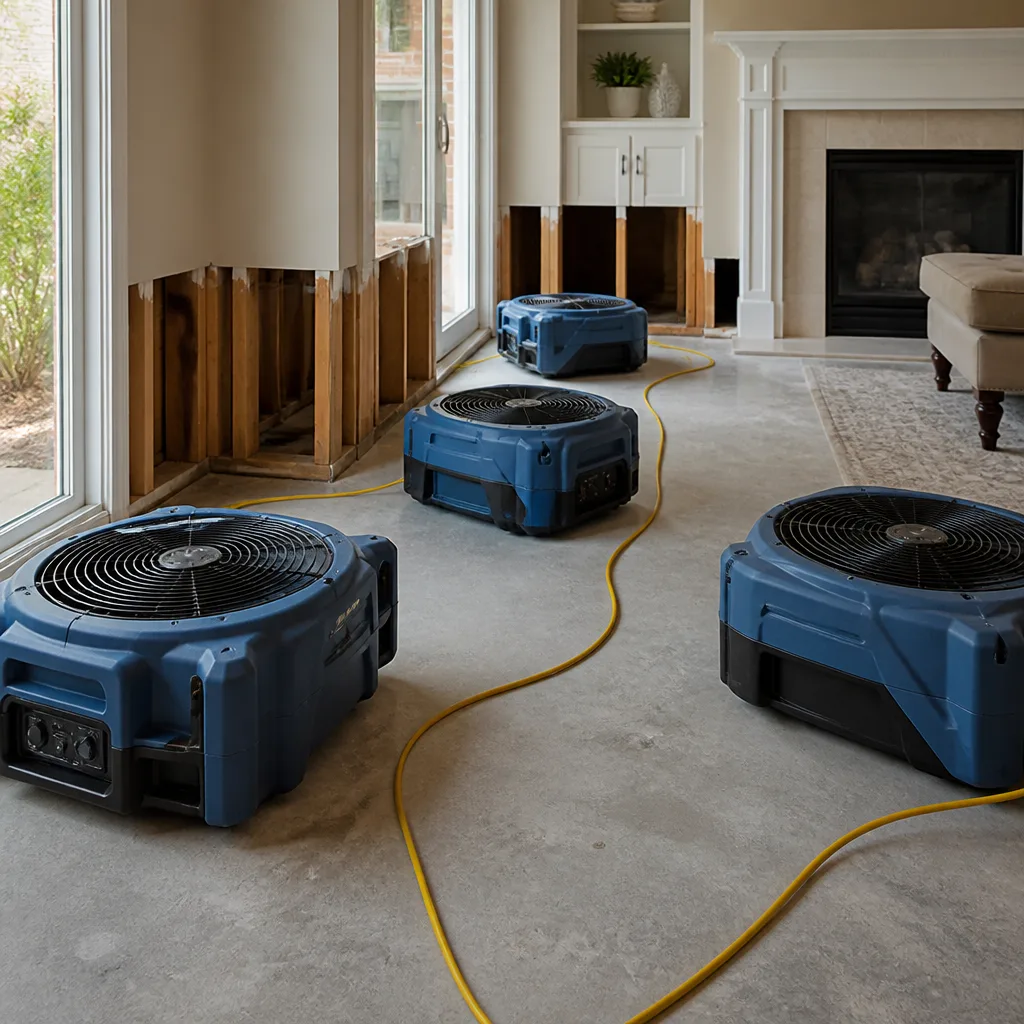

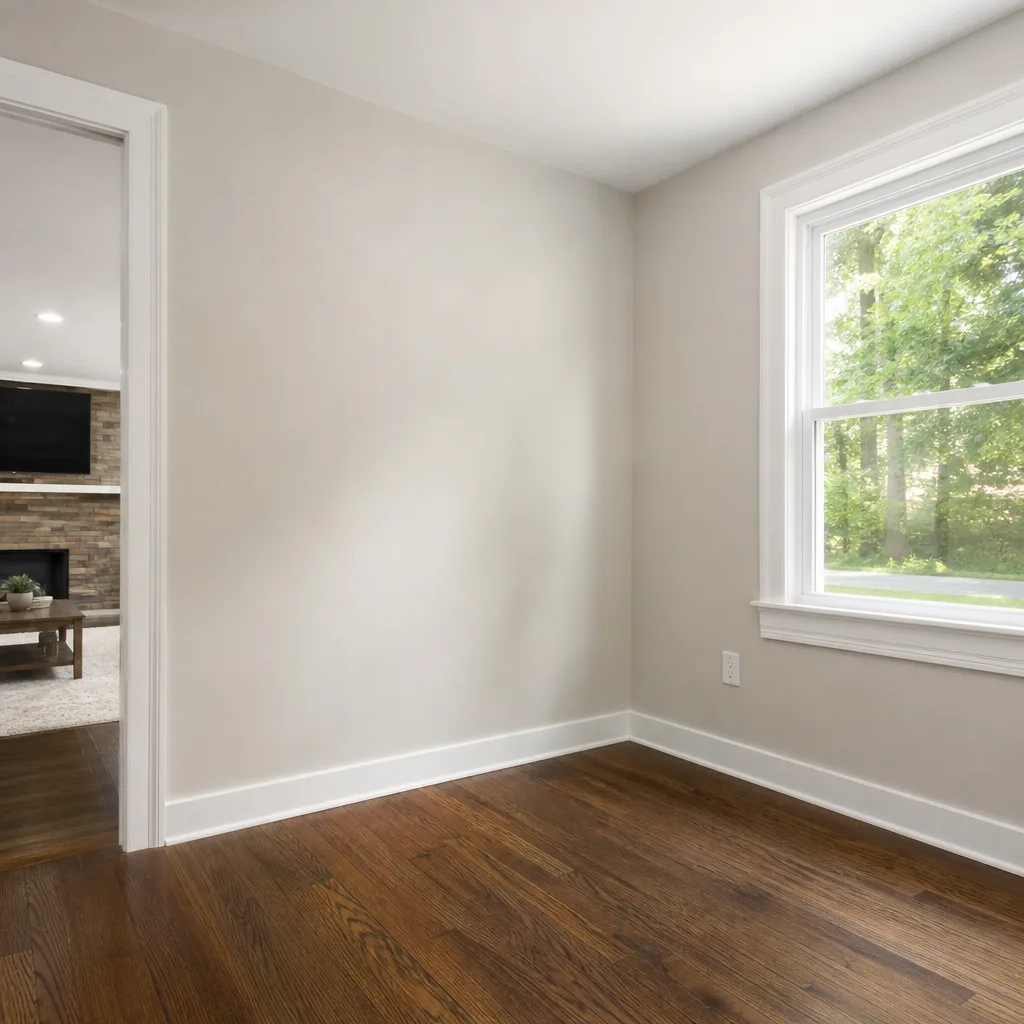

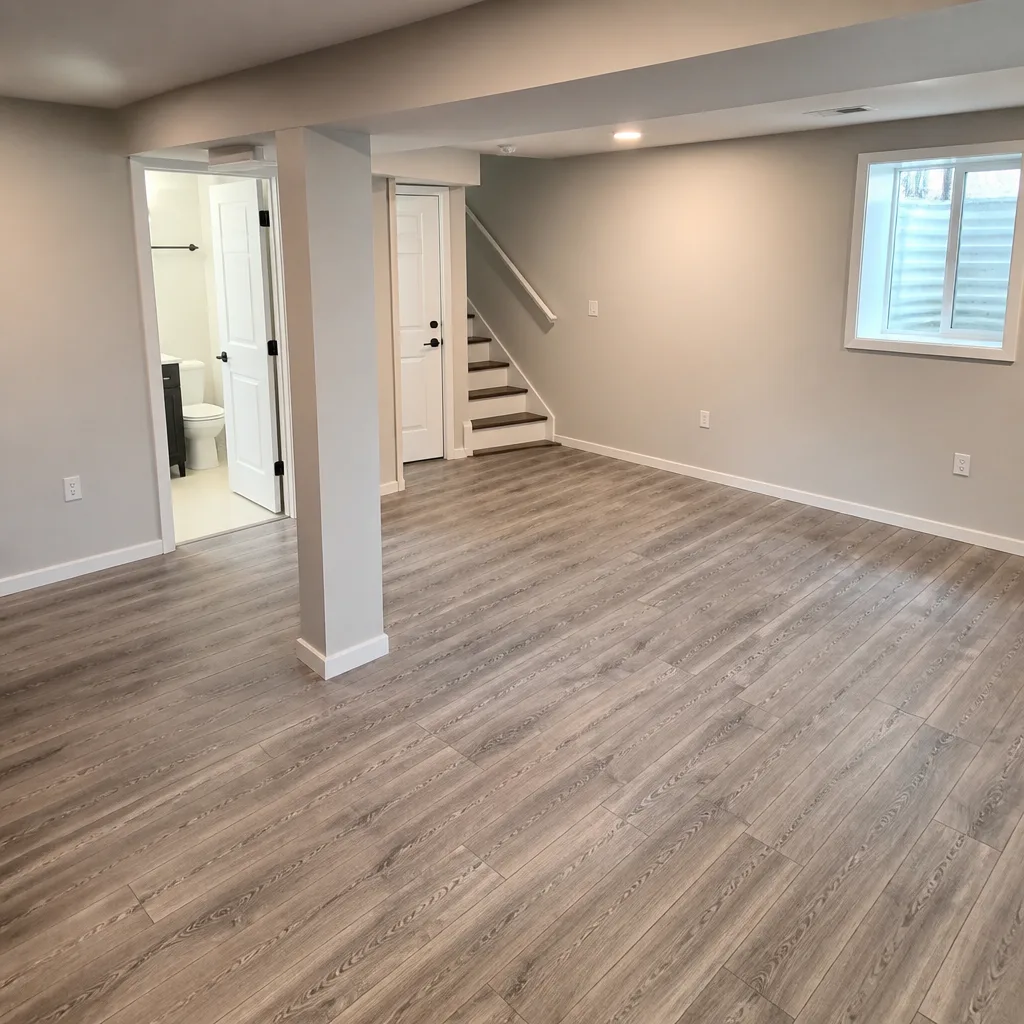

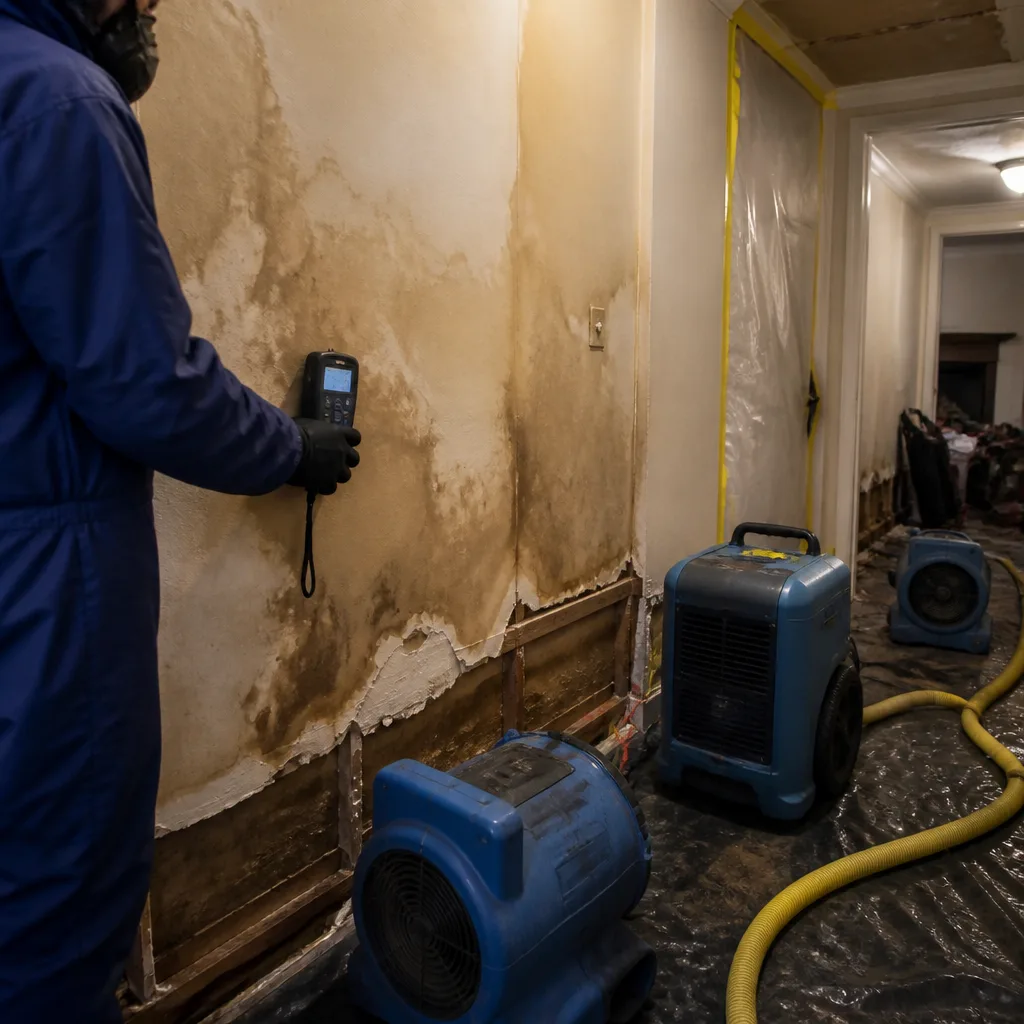 Before
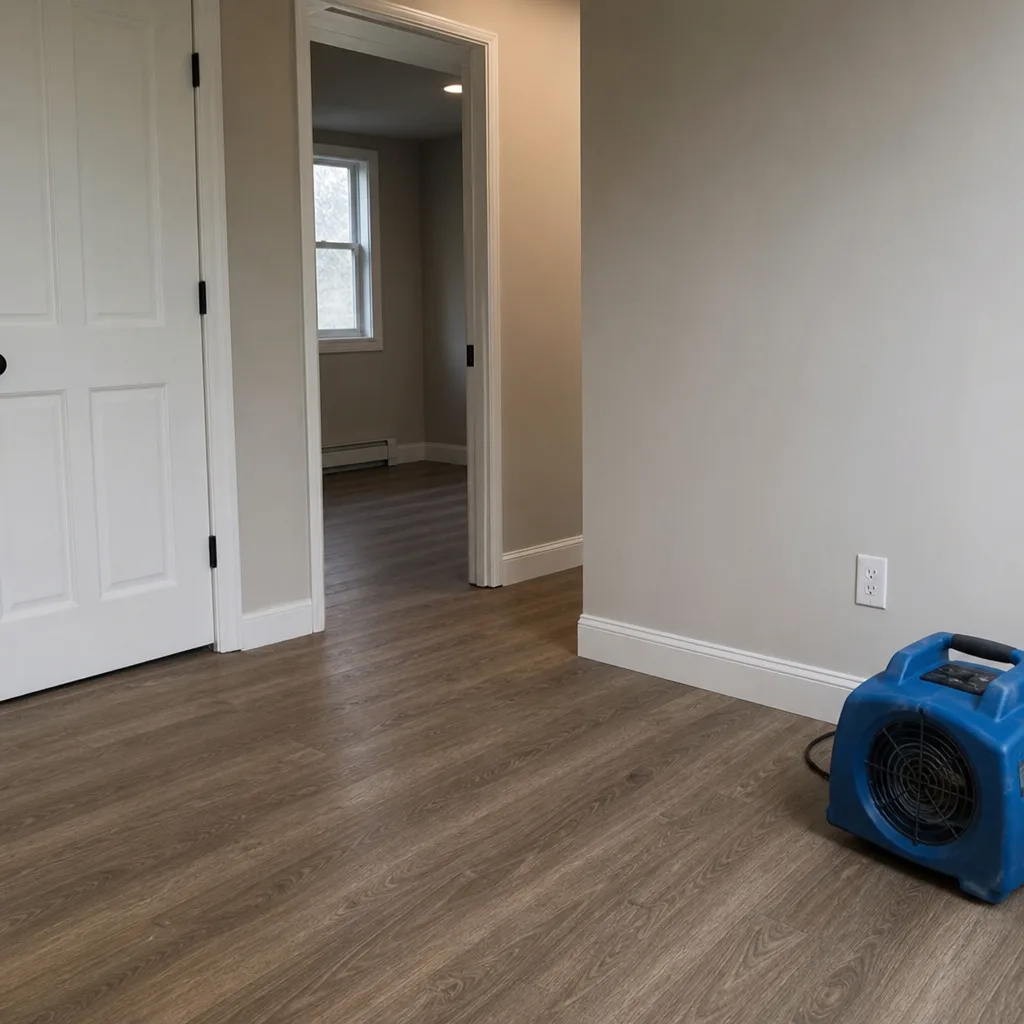 After
After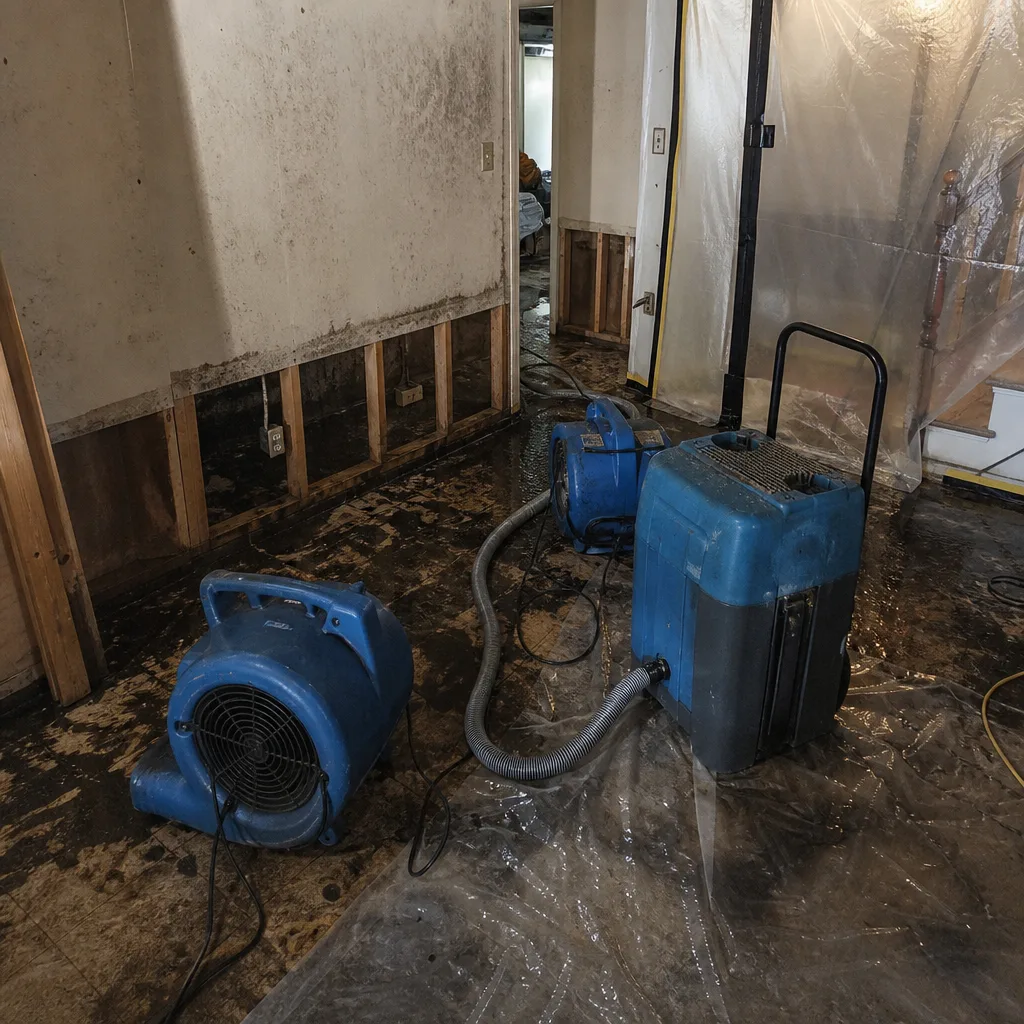 Before
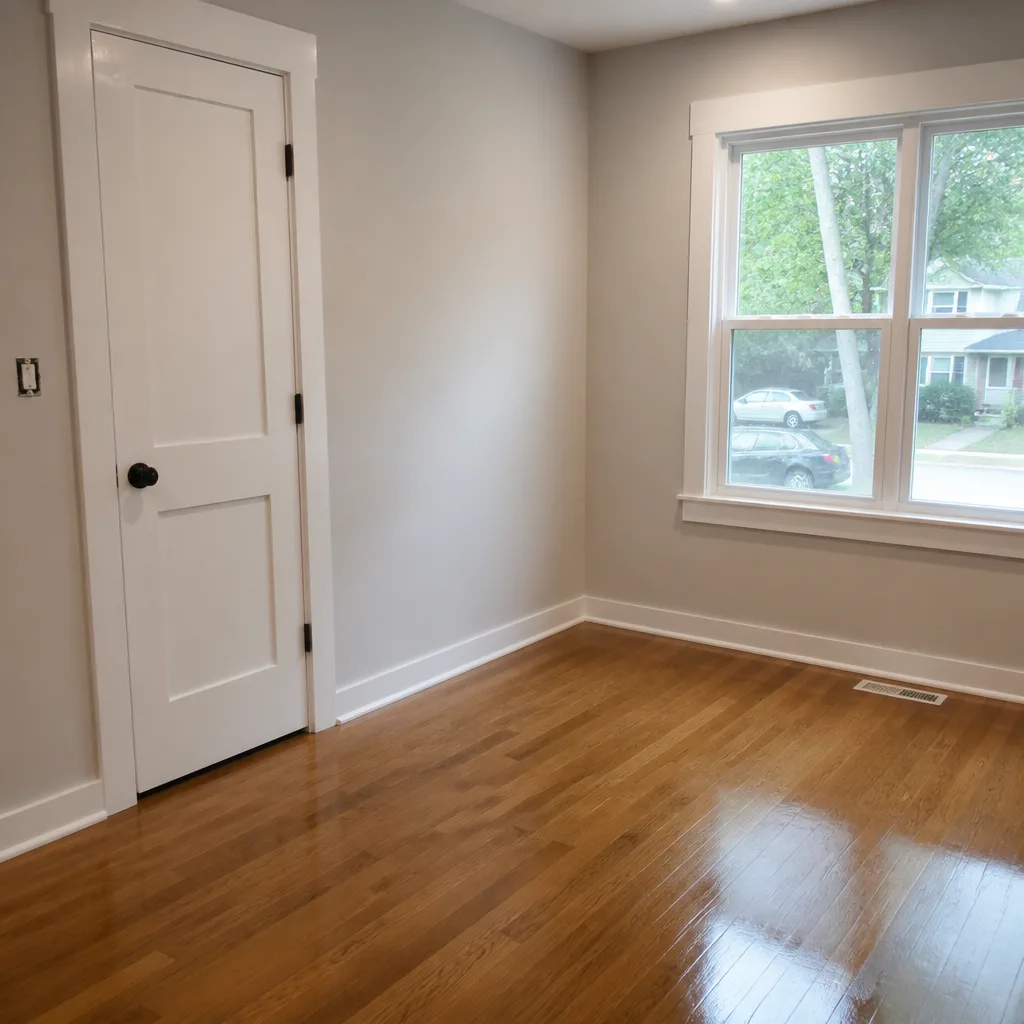 After
After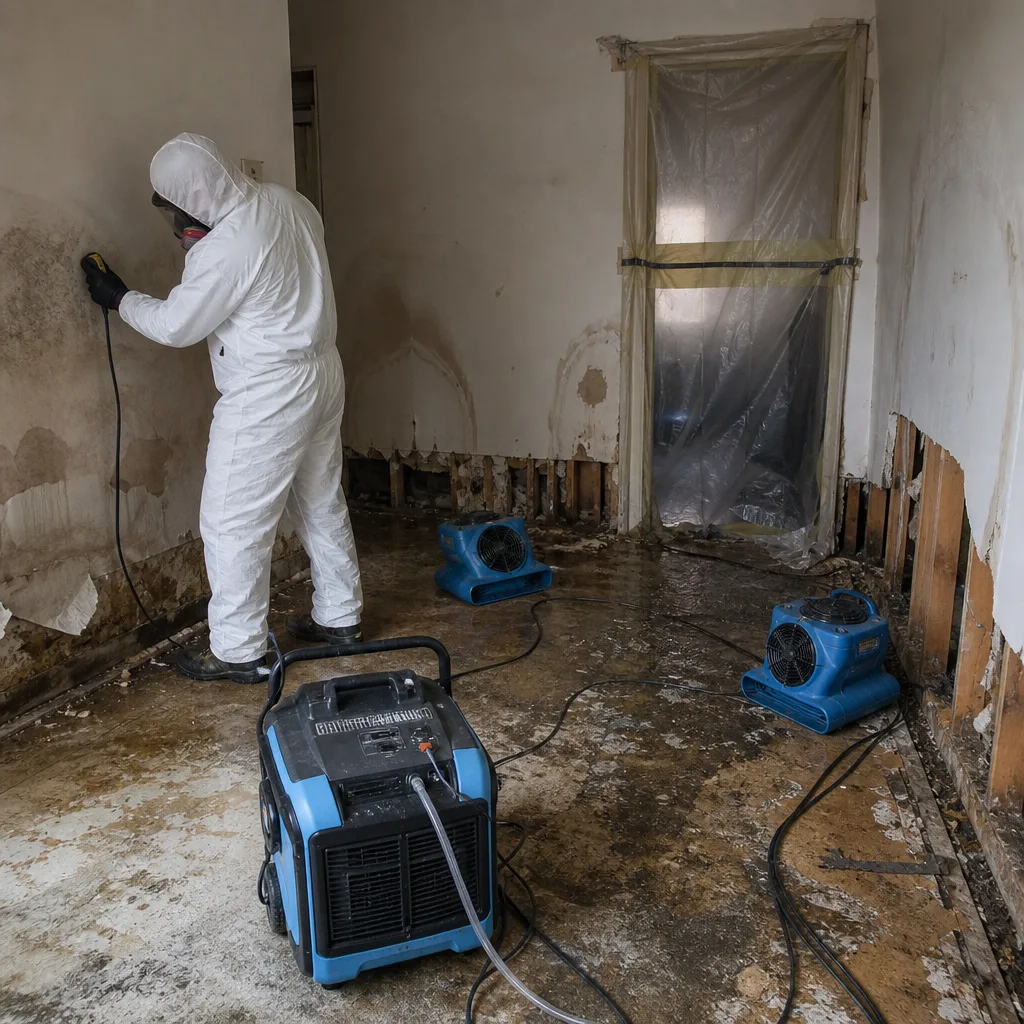 Before
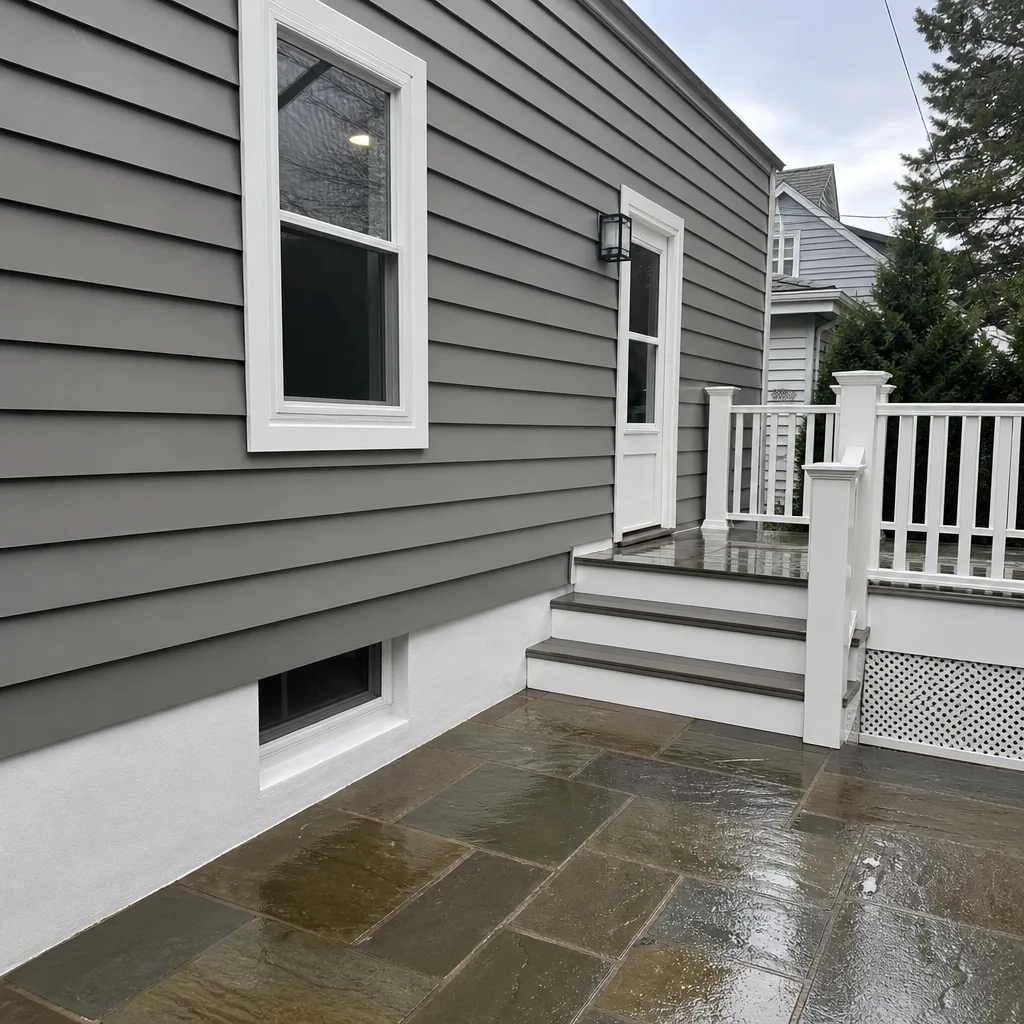 After
AfterDamage Restoration Warning Signs: A Paramus Homeowner’s Reference Guide
Most Paramus homeowners don’t discover water damage by seeing the water. They discover it through the quiet symptoms: a baseboard lifting in the den, a smell in the basement that comes and goes, a water bill that crept up $30 with no explanation. By the time those signs show, the moisture has usually been at work for weeks or months. This guide walks through what those early warnings look like, which ones you can safely watch and which ones mean you should pick up the phone today. We’ve written it from what we’ve learned working in Paramus homes since 2010, where basements, slab foundations, and Bergen County humidity create a specific set of problems worth knowing by name.
Quick Answer
Damage restoration warning signs fall into five families you can check yourself: water stains or discoloration, persistent musty smells, warping or buckling materials, sudden spikes in utility bills, and visible mold growth. In Paramus, the three most common root causes behind these signs are failed sump pumps, hot water heater ruptures, and slow plumbing leaks behind walls, which together account for most of the basement and first-floor damage we see. If you notice any two warning signs in the same room, treat it as an active problem, not a cosmetic one.
Table of Contents
- Water Stains: Reading the Marks on Walls and Ceilings
- The Musty Smell: What Your Basement Is Trying to Tell You
- Warping, Buckling, and Lifting: When Materials Are Already Compromised
- Utility Bill Spikes: The Invisible Leak Indicator
- Mold Growth: The Sign You Should Never Sand Down
- Paramus-Specific Risk Factors: Foundation, Weather, and Code
- Common Mistakes to Avoid
- When to Call a Professional
Water Stains: Reading the Marks on Walls and Ceilings
Water stains are the most straightforward warning sign in the book, but Paramus homeowners often read them incorrectly. A brown ring on a ceiling doesn’t tell you where the water entered. It tells you where the water pooled before gravity pulled it through the drywall. The actual leak might be six feet away, traveling along a joist or a pipe chase.
Here’s how to read the stain itself. Fresh water marks feel damp to the touch and look darker at the center. Older marks dry into rings, like a topographic map, with the newest leak appearing as a darker ring inside the older ones. If you see multiple rings, you’re looking at a recurring leak that has happened more than once, which means the previous fix didn’t hold.
Pay attention to the color. Brown or yellow marks usually mean clean water, which is the best-case scenario. Greenish or gray marks suggest the water passed through building materials or soil along the way. Black or very dark marks near a bathroom or kitchen ceiling carry a different warning: the leak may be pulling from a waste line, not a supply line. That changes the cleanup protocol entirely and makes professional assessment more urgent.
In Paramus slab homes and split-levels, the ceiling stain on the first floor often traces back to a second-floor bathroom supply line or a toilet wax ring that has been slowly failing. We’ve pulled apart ceilings in neighborhoods off Farview Avenue where the stain was the size of a coffee mug, but the subfloor above it had been rotting for a year. The stain is the last symptom, not the first one.
The Musty Smell: What Your Basement Is Trying to Tell You
A musty smell is not “basement smell.” That phrase lets a real problem hide behind a familiar excuse. Mustiness is the scent of microbial activity, and microbial activity means moisture has been present for a while. The human nose can detect that smell at moisture levels far below what a hand feels.
Here’s the useful distinction. Dampness smells like wet concrete after rain, clean and mineral. Mustiness smells organic, like a pile of leaves that stayed wet under a tarp. If your Paramus basement smells musty in July and the dehumidifier has been running, the water isn’t coming from the air. It’s coming from the foundation, a plumbing line, or a past flooding event that was never dried to the dry standard.
The dry standard matters more than most homeowners realize. Building materials have a measurable moisture content, and proper restoration means drying until materials hit that number. We use IICRC-standard moisture meters and daily readings, logging every number until the dry standard is met, not until the floor feels dry. A floor that feels dry but hasn’t been dried to standard will release that musty smell again within months.
One Paramus-specific pattern worth knowing: homes along the Saddle River floodplain and low-lying streets near the Garden State Plaza can take on groundwater after heavy rain without visible standing water. The water moves through the slab as vapor, then condenses at the base of walls and columns. You smell it before you see it. If the smell is strongest at the wall-floor joint, the problem is likely below grade.
Warping, Buckling, and Lifting: When Materials Are Already Compromised
Wood and laminate have no loyalty to their original shape once moisture gets inside. The first visible sign is usually a floorboard with a raised seam, or a baseboard that started gapping from the wall in one corner. By the time you see it, the material has already soaked through its underside.
Here’s a quick check that costs nothing. Walk the perimeter of your basement or first floor in bare feet or with thin socks. Feel for areas that are cooler than the surrounding floor, especially near exterior walls. Then press your thumb into suspect seams. A board that flexes downward under light pressure has already begun delaminating.
Cabinetry tells the same story differently. Kitchen and bathroom cabinet bases near plumbing will swell first at the toe kick, then at the door hinges. Doors that suddenly stick or refuse to close fully are a classic sign of swelling that you’ll notice months before any visual stain appears. In Paramus colonials, bathroom vanities on exterior walls are common spots because supply lines run along poorly insulated wall cavities.
The cost curve on warping is unforgiving. A lifted plank can often be dried and re-seated if caught within days. Once the plank has cupped, meaning the edges have curled upward like a shallow U, the material has changed shape permanently. Replacement becomes the only honest option.
Utility Bill Spikes: The Invisible Leak Indicator
Your water bill is a diagnostic tool. A Paramus homeowner who has lived in the same house for ten years knows their baseline by instinct, but the monthly statement gives you a number you can check against. An unexplained increase of $20 to $40 per month that holds for two or more billing cycles is worth investigating.
Toilets are the most common culprit, and the easiest to test. Put a few drops of food coloring in the tank and do not flush for 20 minutes. If color appears in the bowl, the flapper is letting water pass. A leaky flapper can waste hundreds of gallons a month without making a sound you’d notice.
Beyond toilets, here’s what to look for in order of likelihood: a running toilet, a dripping outdoor spigot that never fully sealed after winter, a water softener stuck in a recharge cycle, a pinhole leak in a copper supply line inside a wall cavity, and a slab leak. Slab leaks deserve special attention because they often produce no visible sign until the damage is significant. In Paramus homes built in the 1960s and 70s, original copper supply lines under the slab have reached an age where pinhole leaks become common.
If your water bill spikes and no fixture explains it, shut off all water-using appliances and check your meter. If the meter is still moving, water is leaving the system somewhere. That somewhere is usually inside a wall, under a floor, or below the slab.
Mold Growth: The Sign You Should Never Sand Down
Mold appears as spots, patchiness, or a powdery film in colors that range from black and green to white and gray. It needs three things to grow: organic material like drywall paper or wood, the right temperature range, and moisture. Remove the moisture and the growth stops. Kill the visible mold without removing the moisture and it returns.
Here’s the warning that matters most: do not sand, scrape, or scrub mold on drywall. Sanding sends spores into the air, and spores that go airborne land in every room connected by the HVAC system. A small patch behind a bathroom cabinet can become a whole-house problem in one afternoon of DIY enthusiasm.
The correct response depends on the square footage. For small patches under 10 square feet, cleaning with the proper protective gear and a containment plan can work, but only after the moisture source is identified and fixed. For anything larger, professional containment is the responsible route. We set up negative air pressure and physical barriers before any material is disturbed, which protects the rest of the house during removal.
Paramus homes have one advantage here: most are ducted with forced-air heating and cooling, which means if mold has spread through the HVAC system, a professional can trace it through return registers and plenum inspections. The flip side is that the same ductwork can spread spores quickly during an improper DIY job. This is one of those areas where the cheapest route often costs the most in the end.
Paramus-Specific Risk Factors: Foundation, Weather, and Code
Paramus sits in the Hackensack River watershed, and its soil is a mix of glacial till and clay-heavy loam that drains slowly. What that means in practical terms: after a heavy spring rain or a rapid snowmelt, the ground around foundations holds water longer than homeowners expect. Hydrostatic pressure builds against foundation walls and finds entry through the smallest cracks and cold joints.
Here are the four risk factors we see most often in Paramus homes, in order of how frequently they show up on our work orders:
- Sump pump failure during spring storms. Paramus basements rely heavily on sump pumps, and many are original to the house or installed without a battery backup. A power outage during a storm disables the pump, and the water arrives within hours.
- Hot water heater ruptures in utility closets and garage corners. Tank water heaters typically fail between years 8 and 12, and when they go, they release 40 to 75 gallons in minutes. In Paramus split-levels where the utility closet sits on the living level, that water travels fast.
- Slow fixture leaks on second floors above living spaces. The rubber gaskets and supply lines under toilets and vanities age out, and the leak drips into ceiling cavities long before it shows on the ceiling below.
- Window well flooding at below-grade windows. Homes with basement egress windows depend on window well drains staying clear. Bergen County’s heavy leaf fall blocks those drains every autumn, and the water overflows into the window frame.
On the code side, Paramus follows New Jersey’s Uniform Construction Code, which requires permits for any work that changes plumbing, electrical, or structural elements. A restoration company that pulls a permit is a good sign. One that tells you to skip it is a red flag. The permit protects the value of your house and gives the township a record of the repair.
Common Mistakes to Avoid
- Waiting to see if it dries on its own. Interior building materials rarely dry on their own fast enough to prevent damage. Drywall, insulation, and subflooring hold moisture far longer than the surface suggests. What feels dry to your hand can still be wet at 18 percent moisture content, which is well above the dry standard.
- Running a carpet fan on a soaked floor without a dehumidifier. A fan moves air, which evaporates water into the room. Without a dehumidifier pulling that water from the air, the moisture settles into walls, furniture, and ceiling cavities. You haven’t dried anything; you’ve moved the problem around.
- Painting over a water stain without fixing the source. Stain-blocking primer hides the mark but leaves the leak active behind the paint. Within a year, the stain returns, now with a fresh coat of paint holding moisture against the drywall, which accelerates mold growth.
- Trusting a handyman with structural drying. Drying requires moisture meters, humidity readings, and daily documentation to reach the dry standard. A general handyman may own a fan but not the professional-grade equipment or the training to track the process. The IICRC sets the standard for a reason.
- Assuming the insurance adjuster will catch everything. Adjusters estimate damage quickly and often miss hidden moisture behind baseboards or under vanities. If you rely solely on the adjuster’s scope, you may settle for less work than the house needs. A restoration contractor who documents everything and bills the carrier directly keeps that conversation honest.
- Skipping the water shut-off valve because you don’t know where it is. Every Paramus homeowner should know where the main shut-off valve is and be able to reach it in the dark. In a rupture, the time it takes to find the valve determines how much water enters the house. Walk to it once this month and make sure it turns.
When to Call a Professional
Call a professional when any of these four things is true: the water source is hidden or unknown, the affected area is larger than one room, the water is gray or black rather than clean, or the moisture has been present for more than 48 hours. Each of those conditions changes the scope from a cleanup to a restoration, and restoration requires professional-grade equipment and documented drying. If you’re in Paramus and any of this sounds like what you’re looking at, Floodline Restoration Co. offers free estimates and live phone dispatch around the clock. Call (640) 333-9625 and a person will answer.
Frequently Asked Questions
Feel the stain with the back of your hand. A new stain is damp and cool, an old stain is dry and brittle. Look for rings, too; multiple rings mean the leak has recurred and the previous fix failed.
Yes. A pinhole leak behind a wall can saturate insulation, rot framing, and create mold conditions in a few weeks without ever showing water on the wall surface. The size of the visible mark has almost no relationship to the size of the hidden problem.
Floodline Restoration Co. has live dispatch 24 hours a day, 7 days a week. Extraction equipment is usually running the same visit, because the goal is to stop the damage from spreading while it’s still stoppable.
Most Paramus homeowner policies cover sudden and accidental water damage, like a ruptured supply line or an appliance failure. Gradual damage from long-term slow leaks is often excluded, which is why early detection matters financially. We bill carriers directly and document every phase, so you’re not playing messenger between us and the adjuster.
Fans and open windows are not enough for anything beyond a minor spill. Professional drying means measured moisture levels, daily readings, and equipment like Dri-Eaz, Phoenix, and B-Air units sized to the space. The goal is hitting the dry standard, not making the floor feel less wet.
Stop the water source if you can find it, move valuables out of the path of moisture, and call for professional assessment. Do not wait to see if it dries, because every hour of standing water accelerates material damage and mold risk.
The Bottom Line
Damage in a Paramus home almost never arrives suddenly. It announces itself through stains, smells, warping, higher bills, and the first spots of mold. Each of those signs has a cause, and the cause can be found. Learn to read your house the way a good inspector reads it: with attention to the quiet signals and a healthy respect for what moisture does to building materials. When you spot the signs, act quickly, because the difference between a $400 repair and a $40,000 restoration is often measured in days. Floodline Restoration Co. has been serving Paramus since 2010, with the same certified crew handling extraction, drying, and rebuild. Backed in writing by the 90-Day Done Right Promise. If you see something, call (640) 333-9625 and talk to a person.
Written by Curt Bowman, Owner at Floodline Restoration Co., serving Paramus since 2010.