
Last updated August 25, 2026
Free visual inspection and a written scope of work before any mitigation begins - photos, moisture readings, and drying logs go in your claim file
The scope we write is the scope we bill. Anything new gets shown to you, in writing, before we touch it.
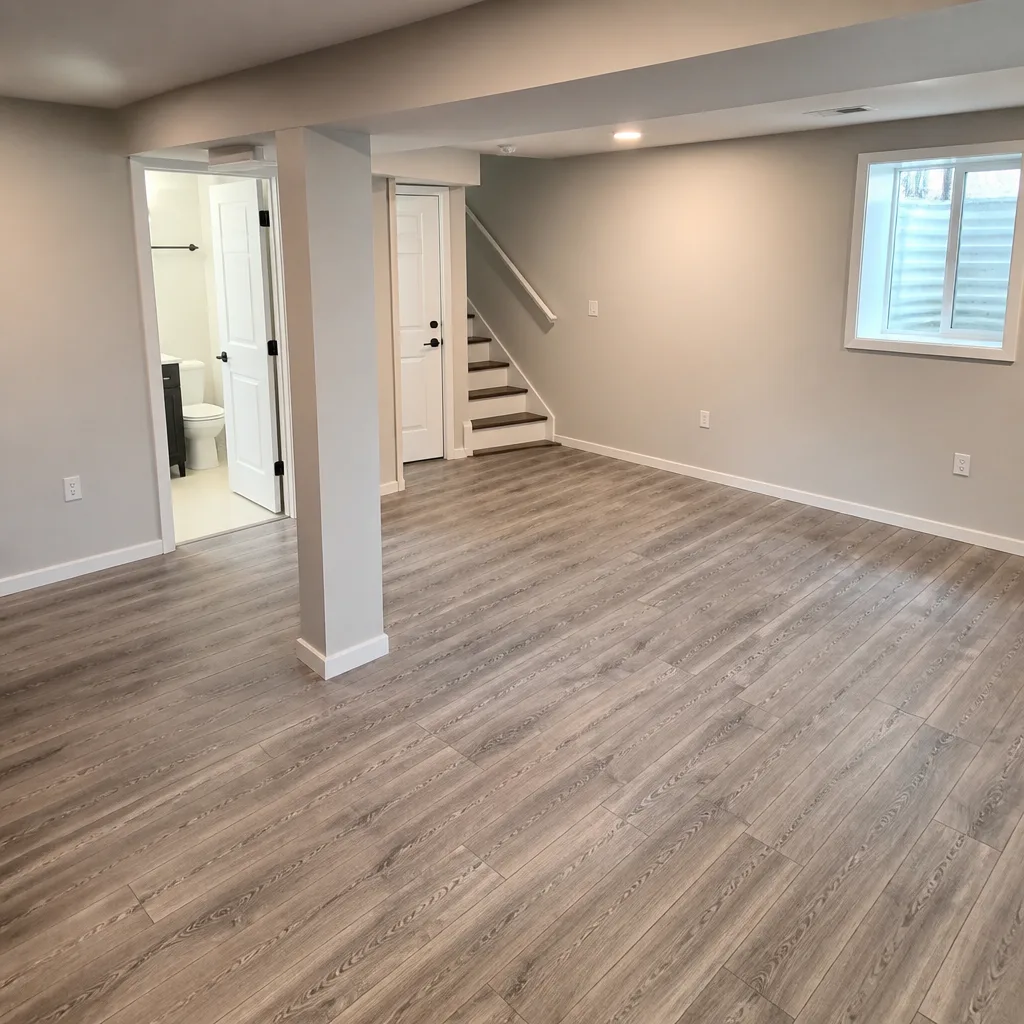
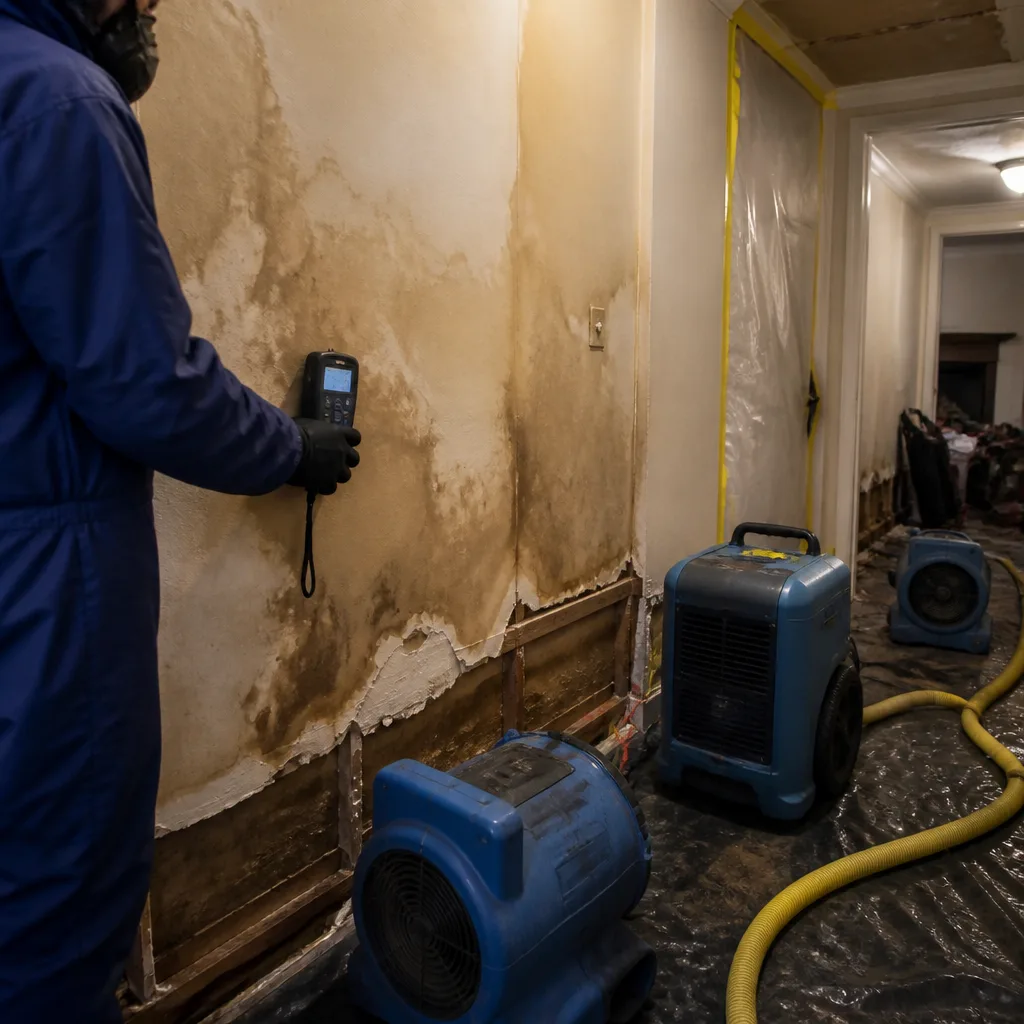 Before
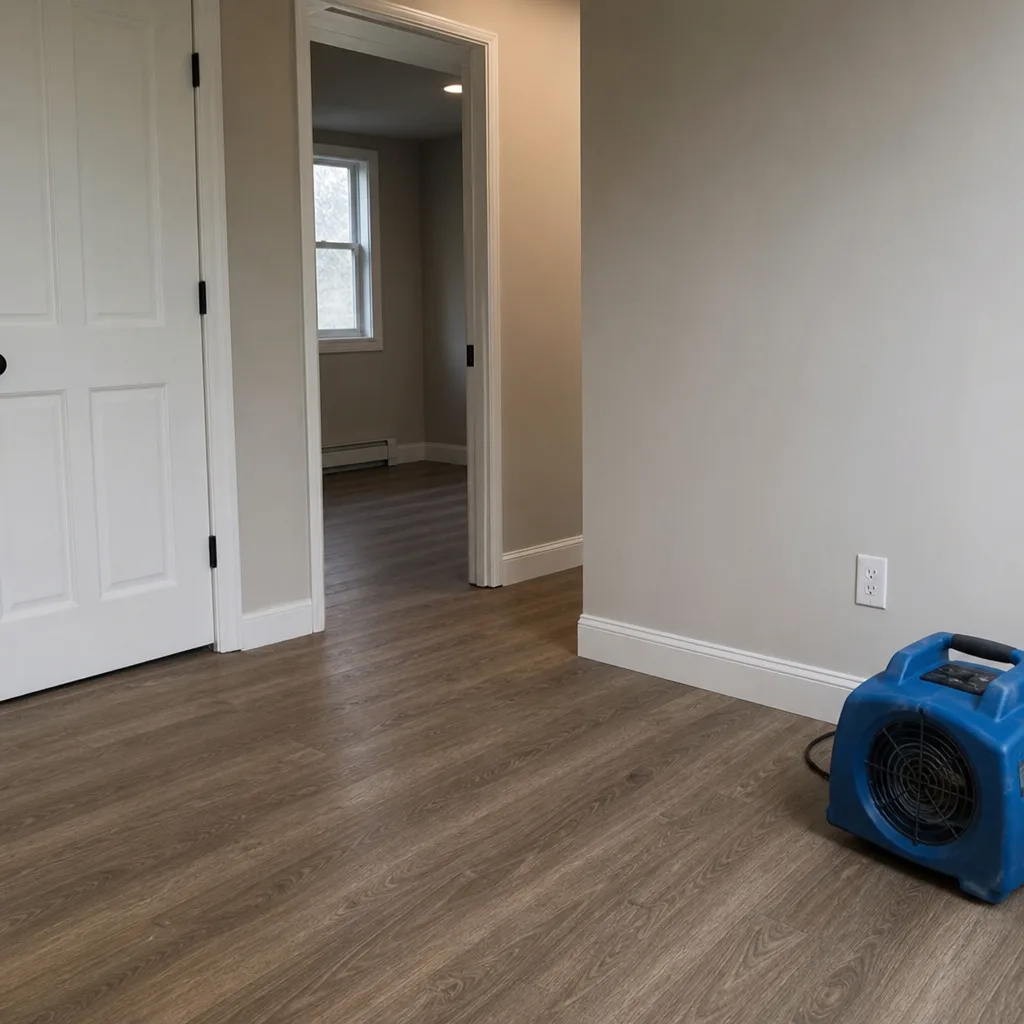 After
After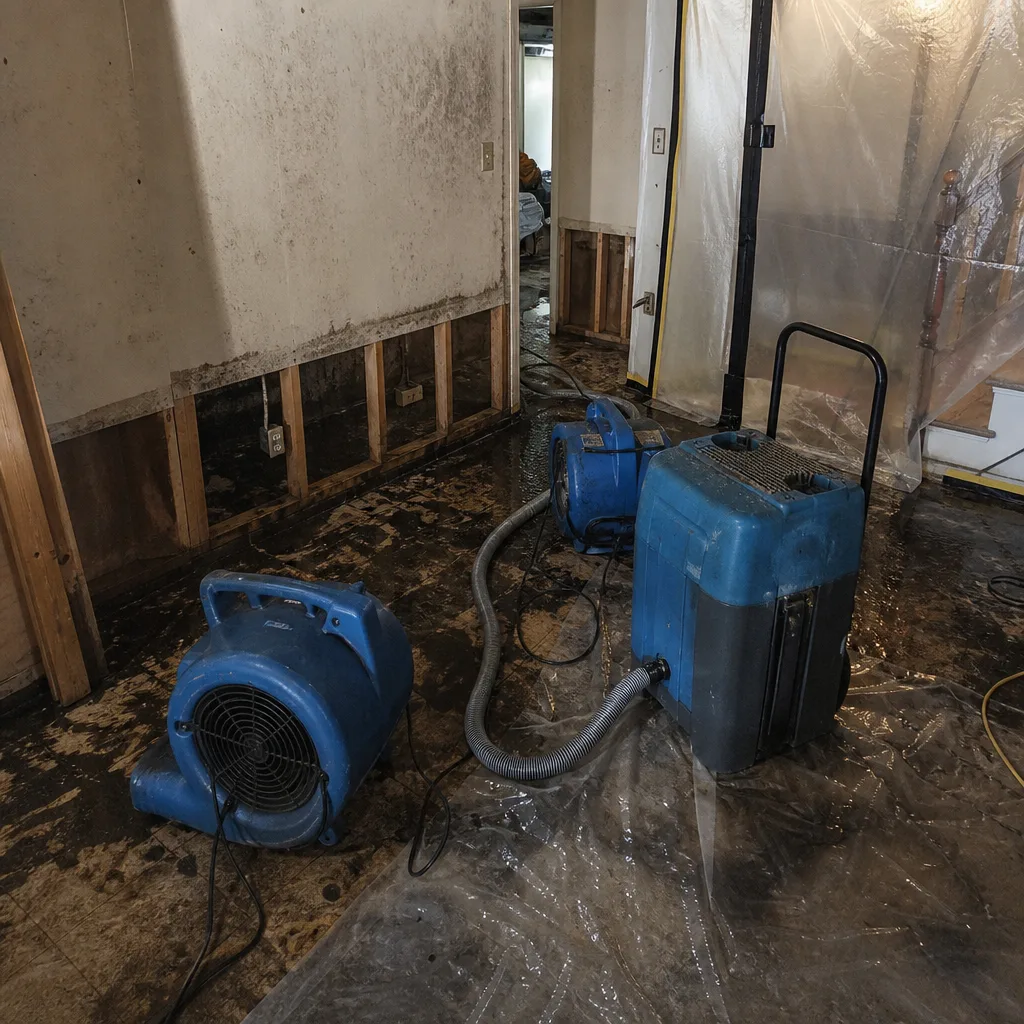 Before
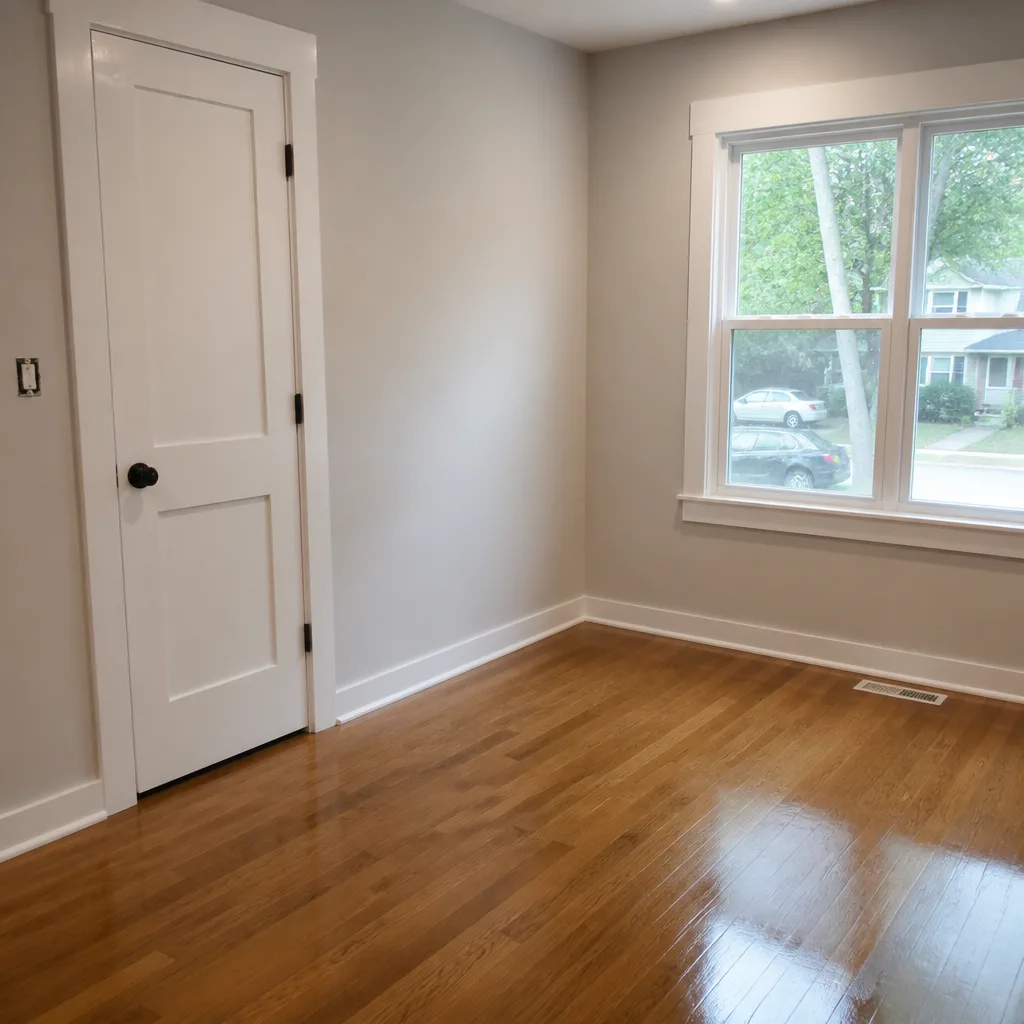 After
After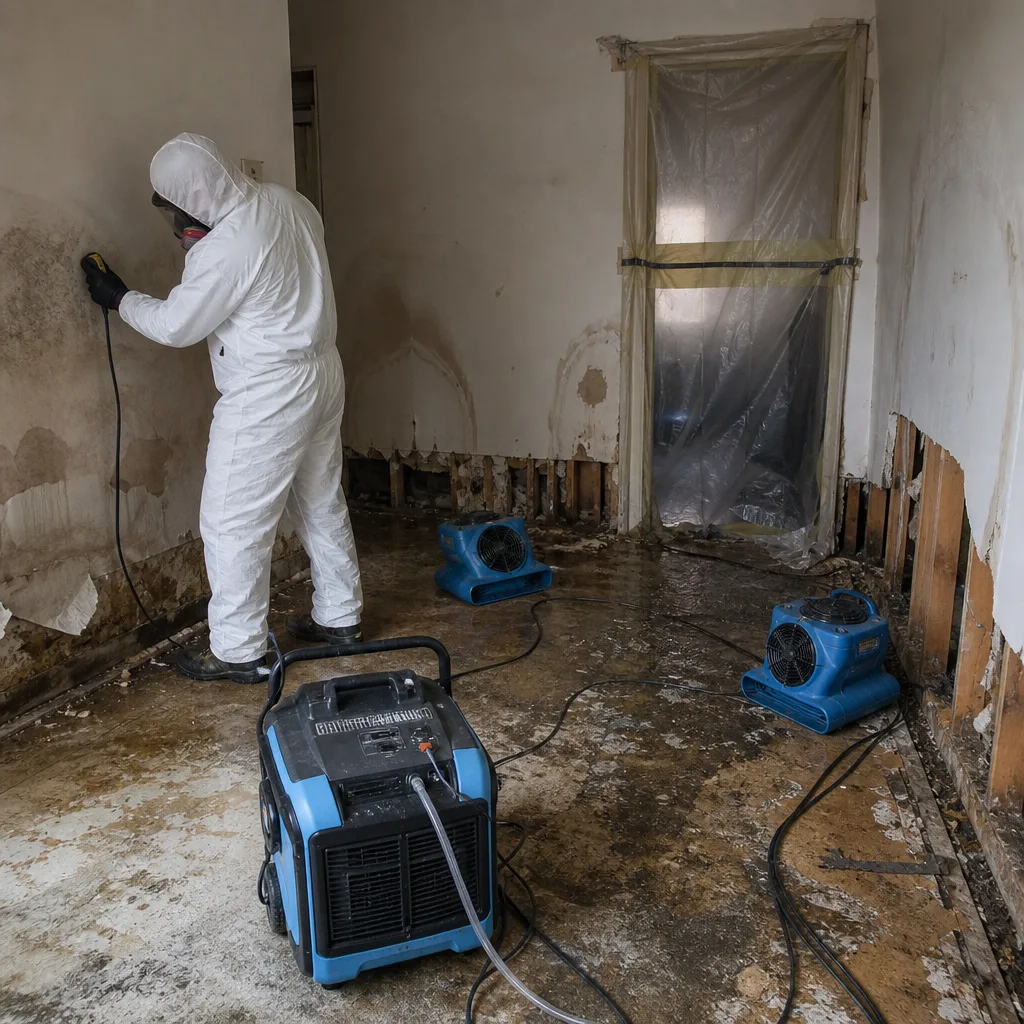 Before
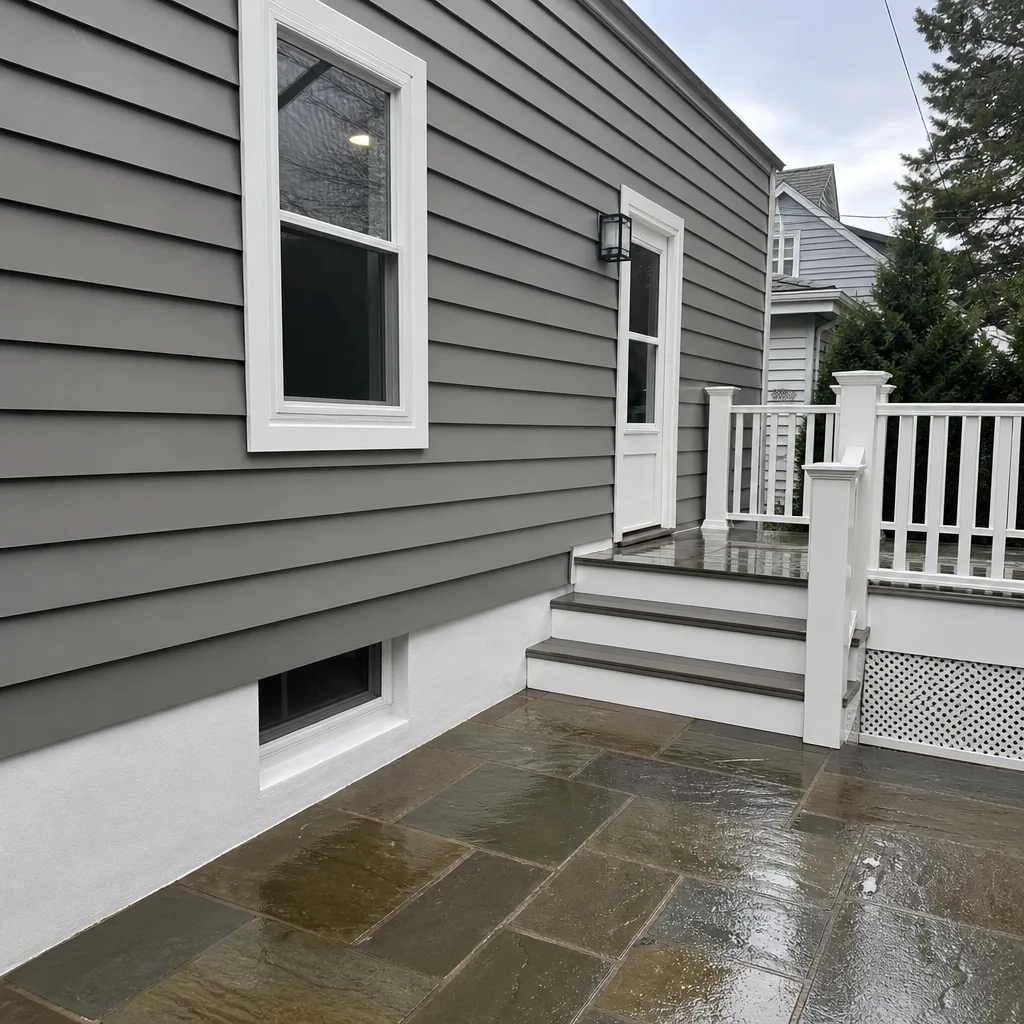 After
AfterDamage Restoration Permits, Codes & Inspections in NJ: What You Need to Know
Most homeowners in Paramus learn the hard way that a restoration project has two bills: the one from the damage and the one from the building department. New Jersey doesn’t soften its permit rules just because your basement flooded at 3 a.m. Skip the paperwork and you can find yourself ripping out finished drywall a second time so a code official can see the framing, or worse, delaying a home sale because open permits never got closed. This guide runs through what actually requires a permit, which codes govern restoration work, how inspections are scheduled, and what it all costs in Bergen County.
Quick Answer
Most structural restoration work in New Jersey, including replacing wall framing, subflooring, roofing, or electrical wiring after damage, requires a construction permit from your local municipality. Emergency mitigation like water extraction, drying, and boarding up windows generally does not require a permit because it’s considered stabilization rather than construction. In Paramus, permit applications go through the Building Department, and fees are calculated on the project’s estimated construction cost.
Table of Contents
- When a Permit Is Required in NJ
- When No Permit Is Needed
- New Jersey Codes That Govern Restoration Work
- How to Pull a Permit in Paramus: Step by Step
- The Inspection Process: What Gets Checked and When
- What Permits Cost in Bergen County
- How Insurance and Permits Interact
- Common Mistakes to Avoid
- When to Call a Professional
- Frequently Asked Questions
When a Permit Is Required in NJ
The rule in New Jersey is straightforward: if you’re altering the structure, the plumbing, the electrical system, or the way a room is used, you need a permit. Restoration work becomes permit territory the moment the crew stops removing damaged material and starts putting new material back. Here’s what typically triggers a permit:
- Any structural repair. Replacing load-bearing walls, floor joists, roof rafters, or sill plates damaged by water, fire, or impact requires a building permit. This applies even when you’re swapping one board for another, because the code official needs to see that the new lumber is correctly sized, properly fastened, and protected against the same forces that damaged it.
- Electrical work beyond fixture replacement. If wiring got wet or burned, you’re replacing wire, panels, or circuits. That requires an electrical permit and a separate electrical inspection.
- Plumbing repairs beyond a fixture swap. Replacing a section of supply line, drain pipe, or a water heater damaged in a flood or freeze needs a plumbing permit.
- HVAC replacement. A flooded furnace isn’t repaired; it’s replaced. That replacement requires a permit because the new unit must meet current efficiency and ventilation code, not the code that was in place when the old unit was installed.
- Sheetrock replacement after fire. Fire-damaged walls often hide compromised studs, wires, and insulation. Once sheetrock is being hung, the building department wants to inspect what’s behind it before it’s sealed up.
- Roof replacement after storm damage. If more than a small patch of shingles is being replaced, most NJ municipalities, including Paramus, treat it as a re-roof and require a permit.
In our experience across Paramus and the surrounding Bergen County towns, the single biggest misconception is that “restoration” is a magic word that bypasses permits. It isn’t. The building official cares about what’s being built, not why it’s being built. Whether the drywall came down because of a burst pipe or a kitchen remodel, the inspection requirements don’t change.
When No Permit Is Needed
Emergency mitigation is where restoration companies earn their keep in the first 24 to 48 hours, and that work is generally exempt from permitting. New Jersey building departments recognize that stabilization can’t wait for a clerk’s office to open. Here’s what you can typically do without pulling a permit:
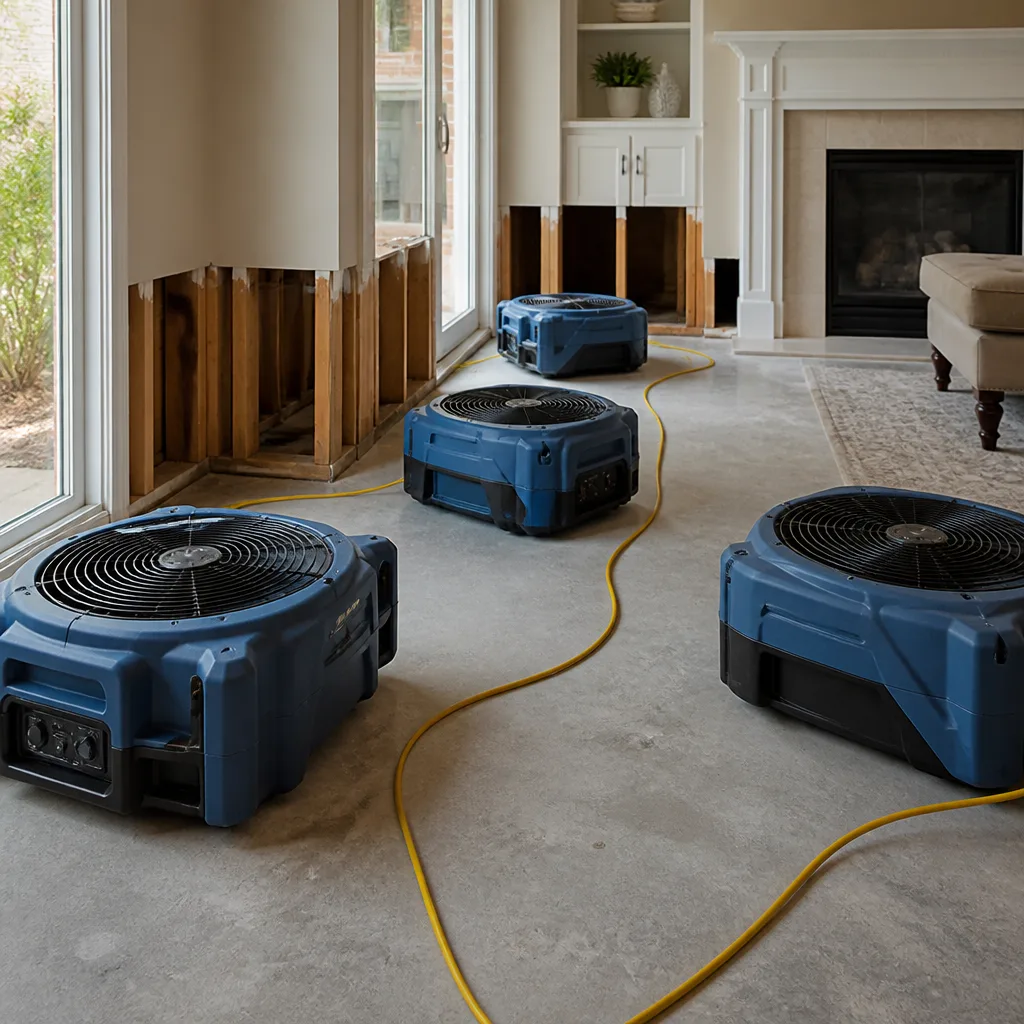
- Water extraction and drying. Running truck-mounted extraction equipment and setting up air movers and dehumidifiers is not construction. It’s emergency response. No permit needed.
- Mold remediation. Removing moldy drywall, treating surfaces with antimicrobial products, and drying the structure is considered remediation, not renovation. However, replacing the drywall you removed triggers the permit discussion.
- Tarping a damaged roof. Securing a tarp over storm damage to prevent further water intrusion is an emergency protective measure. The actual roof repair or replacement later will need a permit.
- Boarding up broken windows. Temporary plywood over broken glass stabilizes the structure and prevents entry. It’s allowed without a permit as long as it’s temporary.
- Debris removal. Tearing out wet insulation, carpet, padding, and unsalvageable furniture doesn’t require a permit. Moving that debris to the curb for pickup is also exempt.
- Content cleaning and pack-out. Removing and cleaning salvageable belongings, whether it’s furniture, clothing, or electronics, is a service, not construction.
The line between mitigation and construction is where things get tricky. In Paramus, we’ve seen homeowners pull down wet drywall to the studs, which needs no permit, then wait two weeks before deciding to hang new drywall. The building department views the first action as emergency, the second as construction. When that new drywall goes up without an inspection, any issue hidden behind it becomes a problem at resale.
New Jersey Codes That Govern Restoration Work
New Jersey uses the International Code Council family of codes, with state-specific amendments. Each of these applies to restoration projects in different ways, and a code official will check restoration work against them. Here are the ones that matter most for residential restoration:
- NJ Uniform Construction Code (UCC). Adopted as NJAC 5:23, this is the state law that makes the building codes enforceable. It names who can do construction, permits required, and inspection protocols. The UCC is what gives your local building department its authority.
- International Building Code (IBC) as NJ Building Code. This governs structural work: load-bearing walls, floor systems, roof framing. If restoration involves removing and replacing any structural member, the IBC specifies the dimensional lumber, fasteners, and load paths required.
- Residential Code (IRC) as NJ Residential Code. For single- and two-family homes, the IRC covers everything from minimum egress window sizes to drywall thickness to insulation R-values. Restoration rebuilds must meet current IRC standards, not the standards in effect when the house was originally built.
- National Electrical Code (NEC) as NJ Electrical Subcode. Any electrical work after water or fire damage must meet current NEC. This often means arc-fault circuit interrupters (AFCIs) in bedrooms and living areas, which may not have existed when the home was built. A restoration electrician can’t simply replicate the old wiring; they must upgrade to current code.
- National Standard Plumbing Code as NJ Plumbing Subcode. Replaced by the International Plumbing Code in some municipalities, this governs pipe sizing, venting, and fixture placement. A water heater replacement after flooding must meet current energy code and seismic strapping requirements.
- NJ Energy Subcode. This one catches a lot of homeowners by surprise. If restoration work includes replacing more than a certain percentage of a wall’s exterior area, or replacing windows and exterior doors, the new assemblies must meet current energy code: more insulation, better air sealing, and lower U-factor windows. A storm-damage rebuild on an exterior wall often triggers this.
- NJ Mechanical Subcode. HVAC replacements, ductwork repairs, and bathroom fan installations fall under this code. It dictates combustion air requirements for furnaces, ventilation rates, and clearances.
For homeowners in Paramus, the practical takeaway is this: the code official isn’t asking whether your house was legal when it was built in 1965. They’re asking whether the portion being rebuilt meets the code on the books today.
How to Pull a Permit in Paramus: Step by Step
Pulling a permit in Paramus follows the same process as most New Jersey municipalities. The Building Department is located in the borough complex, and while requirements shift periodically, the sequence below is what homeowners and contractors should expect:
- Determine what permit type you need. Your project dictates this. Structural repairs need a building permit. Wiring needs an electrical permit. Pipe replacement needs a plumbing permit. A project touching multiple systems may need multiple sub-permits under one construction permit.
- Complete the UCC construction permit application. The state’s form asks for the property address, block and lot, owner information, a description of the work, and the estimated cost. The cost estimate directly drives your permit fee.
- Attach plans or specifications. Simple restoration like a roof re-shingle may require only a material specification sheet. A structural repair like a beam replacement may need an engineer’s letter or stamped drawing. The Paramus building official will tell you what level of detail they want.
- Pay the permit fee. Fees are calculated on the estimated construction cost. Larger projects mean larger fees, which is why some contractors lowball the estimate on the permit application to save money. That’s a red flag, and it’s illegal.
- Post the permit. Once issued, the permit must be visibly posted at the job site, usually in a front window or on the front door. The inspector will look for it.
- Call for inspections at the right stages. The permit lists the required inspections. For most restoration work this means a rough-in inspection before walls are closed, and a final inspection once everything is complete.
One thing we remind Paramus homeowners about: the permit application is a legal document. The “estimated cost” field isn’t where you put a lowball number to reduce the fee. Municipalities routinely cross-check the estimate against the actual scope of work, and a material understatement can invalidate the permit and trigger a stop-work order.
The Inspection Process: What Gets Checked and When
Inspections are where the code actually gets enforced. A permit without an inspection is just a receipt. Here’s how the inspection flow works for typical restoration projects in New Jersey:
- Rough-in inspection. This happens after the framing, plumbing, electrical, and mechanical rough work is done but before insulation and drywall go up. The inspector is checking structural connections, nail patterns, wire gauge and routing, pipe slope and venting, and duct sizing. Everything that will be covered later gets verified now.
- Insulation inspection. If exterior walls were opened, the inspector may require a separate look at the insulation before drywall is hung. This is the Energy Subcode being enforced: R-values, vapor barriers, and air sealing details get checked.
- Final inspection. After all work is complete, the inspector returns to verify that everything matches what was permitted. They check that electrical switches and outlets function, that plumbing fixtures are properly connected, that the water heater has the right temperature-pressure relief valve, and that the work generally matches the approved scope.
- Certificate of Approval or Certificate of Occupancy. When the final inspection passes, the building department issues a Certificate of Approval for the permitted work. This is the document that closes your permit. Keep it. You’ll need it when you sell.
The timeframe matters. In Paramus, inspection requests are usually scheduled within a few days of the call, but backlog can stretch that. The state UCC requires municipalities to respond to inspection requests within three business days, and some towns have live online scheduling that makes the process faster. The biggest delay we see is not the inspection itself, it’s calling for the inspection late. Restoration crews sometimes drywall a basement on Friday and call for rough inspection on Monday morning, only to find the inspector can’t arrive until Wednesday. The work sits there, drywall screws and all, and the project stalls for days. The fix is simple: schedule inspections one phase ahead.
What Permits Cost in Bergen County
Permit fees in New Jersey are scaled to project size, and every town calculates slightly differently. Bergen County municipalities follow the state fee schedule, which depends on the project’s estimated construction cost. Here’s what Paramus homeowners should expect to budget:
| Project Type | Typical Permit Fee Range | Notes |
|---|---|---|
| Roof replacement | $150 - $350 | Flat fee for a typical single-family re-roof |
| Water heater replacement | $60 - $120 | Plumbing permit, flat fee |
| Electrical panel replacement | $75 - $200 | Electrical subcode permit |
| Basement rebuild after water damage | $400 - $1,200 | Based on estimated cost, typically 1-2% of project |
| Structural repair (beam, joists) | $200 - $800 | Varies with scope, may need engineer’s letter |
| Full gut renovation after fire | $1,500 - $4,000+ | Multiple subcodes, larger scope |
These ranges reflect what we’ve seen on permit applications across Paramus and neighboring towns like Fair Lawn, Ridgewood, and Oradell in the last five years. Exact fees vary by year and by scope. The state updates the UCC fee schedule periodically, and municipal surcharges can add a few dollars per permit. The actual permit fee is almost never the expensive line item on a restoration project. The expensive line item is the work being done. What costs real money is unpermitted work discovered at resale, or a failed inspection that forces a wall to be opened twice.
How Insurance and Permits Interact
Insurance carriers pay for restoration work based on the scope of damage and the reasonable cost to repair it. Permits are part of that cost, so they’re generally covered. Here’s what you need to know about how the two systems interact:
- Permit fees are claimable. The permit fee for restoration work is a legitimate line item on a claim. Your restoration contractor should include the estimated permit cost in their scope of work. Carriers rarely push back on this.
- Repairs must meet current code to be insurable. A carrier won’t pay for a repair that doesn’t meet code, because that repair is defective by definition. This cuts both ways: it protects you, but it means the estimate has to include code upgrades like AFCI breakers or additional insulation that the original house never had.
- Ordinance and law coverage matters. Standard homeowners policies include a small allowance, often 10% of the dwelling limit, for “ordinance or law” coverage. This pays for code upgrades required by the municipality during restoration. If your Paramus home is older and the code requires significant upgrades, that 10% can get eaten quickly. Check your policy limits before you need them.
- The certificate of approval is an insurance document. After a claim is closed and the work is done, the carrier may ask for proof the work passed inspection. Your municipality’s Certificate of Approval is that proof. Without it, the carrier may withhold depreciation payments, and a future claim can be affected.
We’ve handled hundreds of insurance restoration jobs in Bergen County, and the pattern is consistent: the carrier wants the work done right, with a permit, with an inspection, and with a paper trail. Homeowners who try to save a few hundred dollars by skipping the permit end up costing themselves more in the long run, because the carrier will pay for the permitted repair and the inspection fees, but not for the trouble of redoing unpermitted work.
Common Mistakes to Avoid
- Hanging drywall before the rough inspection. This is the single most common mistake we see in Paramus basements. The crew finishes framing and electrical rough-in, then hangs drywall so the project looks further along. The inspector can’t inspect what they can’t see, so the drywall comes down. It’s a two-day mistake on a project that could have been a half-day inspection.
- Assuming “restoration” means “no permit.” The word restoration does not appear in the New Jersey UCC as an exemption category. What matters is the scope of construction, not the cause of the damage. A water-damage rebuild that requires framing replacement is a construction project and requires a permit.
- Understating the estimated cost on the permit application. It lowers the permit fee, but it also lowers the stated scope of work. When the inspector arrives and sees a scope larger than what’s on the permit, the project stops. The permit gets amended, the fee gets recalculated, and the schedule slips.
- Never scheduling the final inspection. Open permits are a title problem. In Paramus, when a home is sold, the buyer’s attorney will run an open permit search. Any restoration work without a closed permit gets flagged, and either the sale stalls or the seller pays to close the permit. A permit that sits open for years is a liability.
- Hiring a contractor who says they’ll “handle the permit” but never pulls it. Verbal assurances mean nothing. If the permit isn’t posted at the job site, it doesn’t exist. Ask to see the permit number and the inspection schedule.
- Doing electrical or plumbing work without the proper subcode permits. A general contractor can pull a building permit, but electrical and plumbing work requires separate permits or subcode approvals from licensed trades. Unpermitted electrical work can void a fire claim and create a hazard that the homeowner discovers only when a fixture fails.
- Assuming code minimums are enough. After a water or fire event, rebuilding to code minimum is legal but often not the best choice. A basement that flooded once will likely flood again if the rebuild doesn’t address the root cause. Code says the wall can be finished; the law of common sense says you might want a moisture-resistant assembly.
When to Call a Professional
Permits and inspections are a process built for precision, not improvisation. If the restoration work involves structural framing, electrical wiring, plumbing lines, or any system covered by the building code, the right move is to bring in a contractor who knows the Paramus Building Department’s expectations and has a history of passing inspections the first time. A professional handles the permit application, schedules the inspections, stands there while the code official walks through, and closes the permit with the paper in your hand. Trying to manage that process yourself while also navigating an insurance claim and living in a damaged house is how permits get forgotten and projects stall for months.
Floodline Restoration Co. home has served Paramus and Bergen County since 2010, and we handle every phase of restoration from first extraction through final inspection. Free estimates in Paramus: call (640) 333-9625.
Frequently Asked Questions
Not for the emergency mitigation phase, which includes water extraction, drying, and removal of damaged materials. A permit is required when reconstruction begins, including replacing drywall, framing, electrical wiring, plumbing, or flooring systems. Your restoration contractor should identify the permit trigger points before work starts.
Simple permits like a roof replacement or water heater swap are typically issued in 3 to 7 business days once the application is complete. Permits requiring plan review, like structural repairs or full rebuilds, can take 2 to 4 weeks depending on the borough’s workload. Emergency work can proceed without a permit only to the extent required to stabilize the structure.
In New Jersey, either party can pull the permit, but the person whose name is on the permit is legally responsible for the work passing inspection. Most restoration companies in Paramus pull the permit as part of their scope, which transfers the inspection responsibility to the contractor. If you’re paying a professional, the permit should be in their scope, not yours.
The municipality can issue a stop-work order, and the building department can require the work to be opened up for inspection at your expense. At resale, an open permit or documented unpermitted work creates a title problem that most buyers will walk away from or demand a price concession to cure. The fix is to apply for a permit retroactively, which often requires exposing the hidden work.
Yes. Permit fees and inspection scheduling are part of the reasonable cost of restoring your home, and carriers pay them as part of the loss settlement. The permit fee line item is not something you eat out of pocket. Your contractor’s estimate should include it, and the carrier’s adjuster will see it on the scope.
Yes. We pull permits when required, schedule every inspection, stand with you while the code official walks through, and hand you the Certificate of Approval when the permit closes. We’ve been doing this in Paramus since 2010, so the Building Department knows our work and our paperwork. Call (640) 333-9625 to talk through what your project needs.
The Bottom Line
Restoration permits in New Jersey aren’t an optional paperwork layer. They’re the mechanism that ensures the rebuild is safe, insurable, and sellable. Emergency mitigation skips the permit counter. Everything after that, the framing, the wiring, the drywall, the roof, needs a permit and an inspection. In Paramus, the process is manageable if you know the trigger points, schedule inspections one phase ahead, and keep the paper trail. A restoration contractor who handles permits as part of the job removes the friction and the risk. The floodline on the wall is where the work starts. The closed permit is where it ends.
Written by Curt Bowman, Owner at Floodline Restoration Co., serving Paramus since 2010.