
Last updated August 25, 2026
Free visual inspection and a written scope of work before any mitigation begins - photos, moisture readings, and drying logs go in your claim file
The scope we write is the scope we bill. Anything new gets shown to you, in writing, before we touch it.



 Before
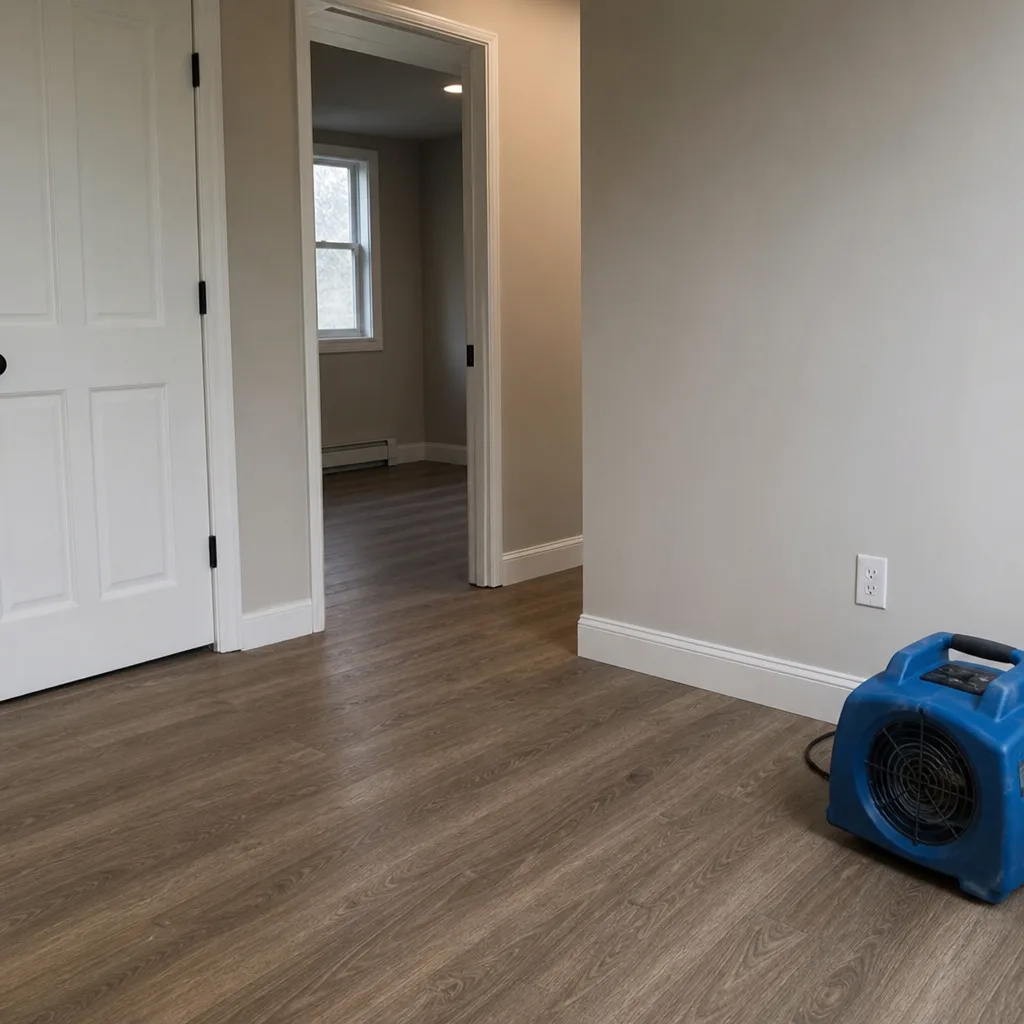 After
After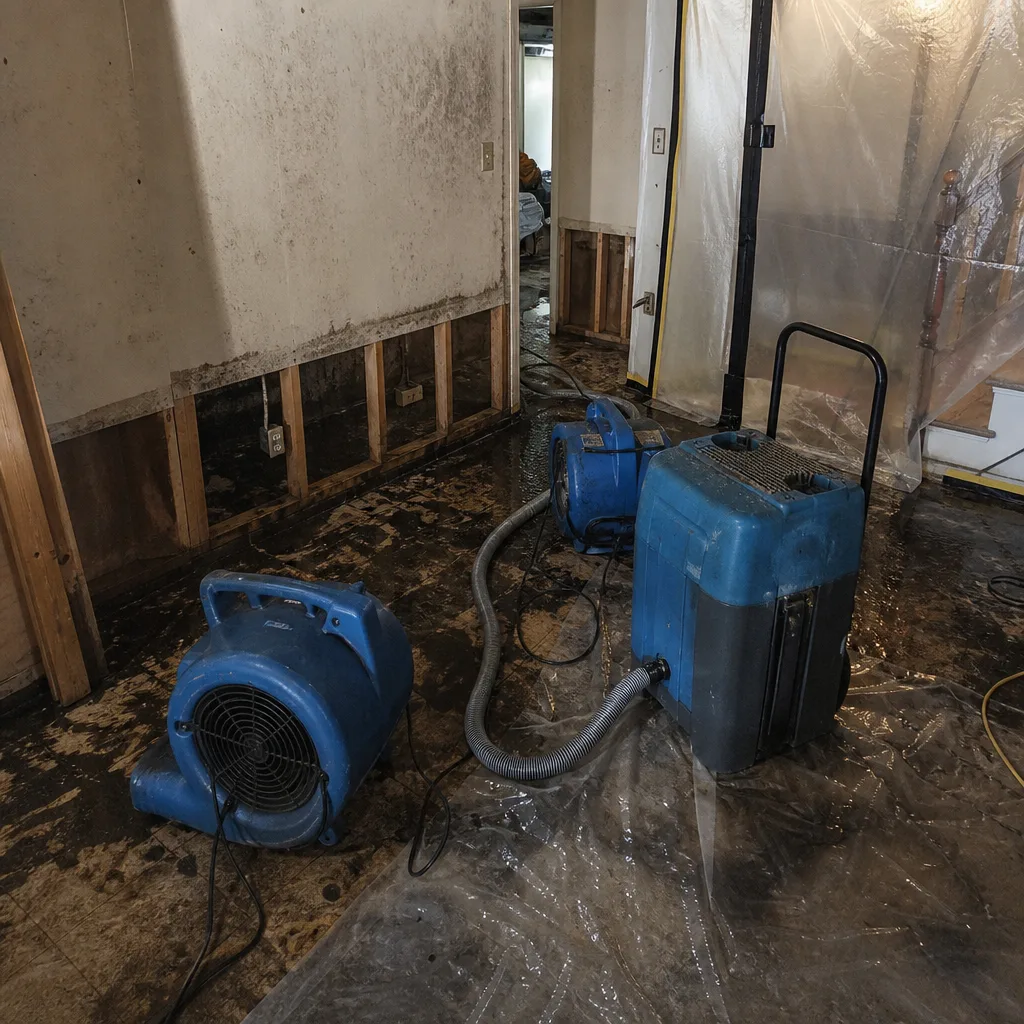 Before
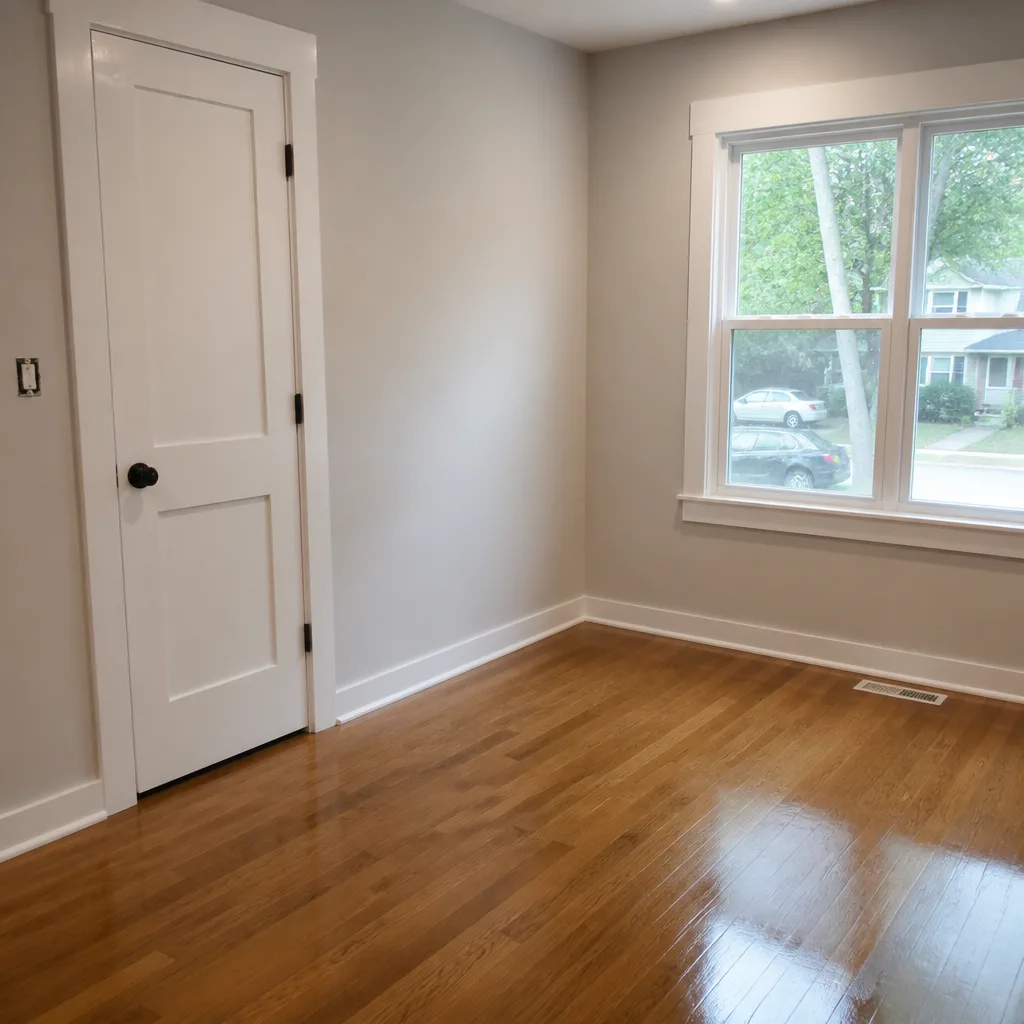 After
After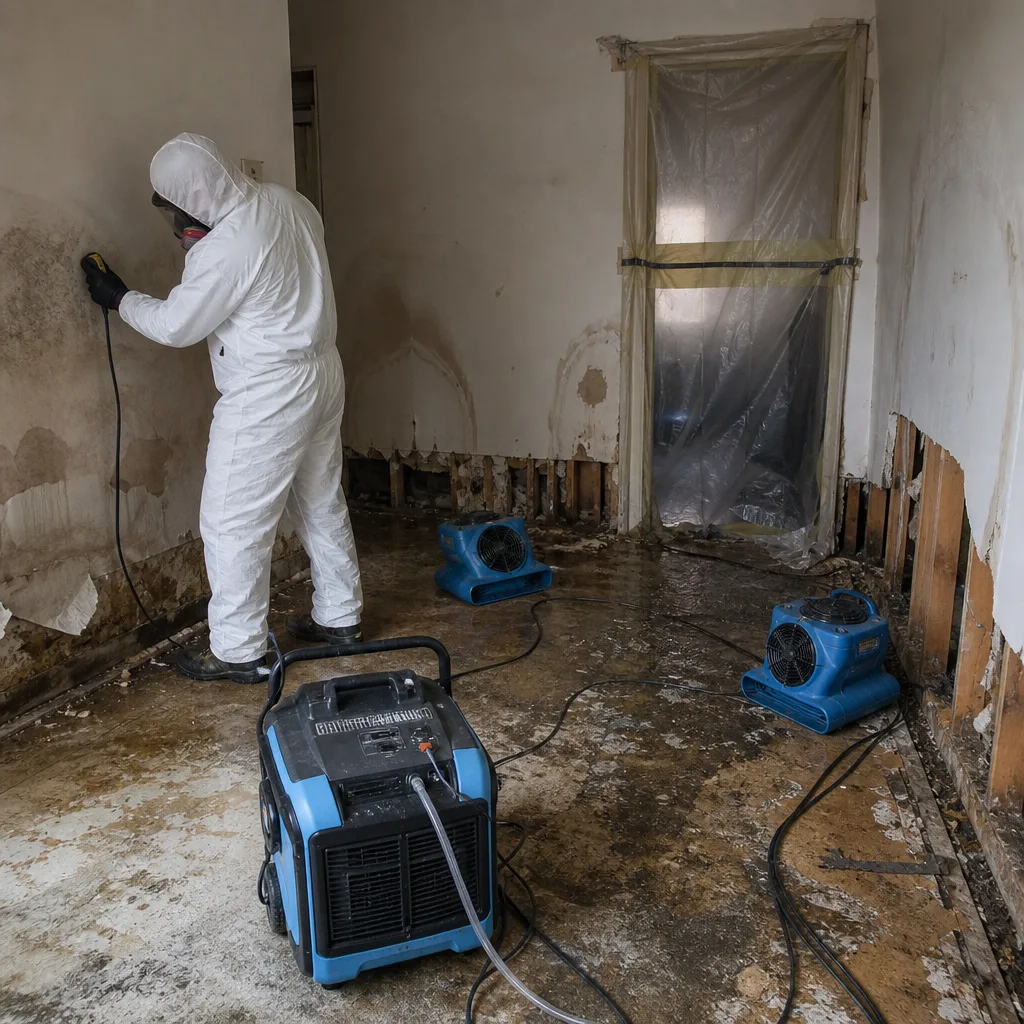 Before
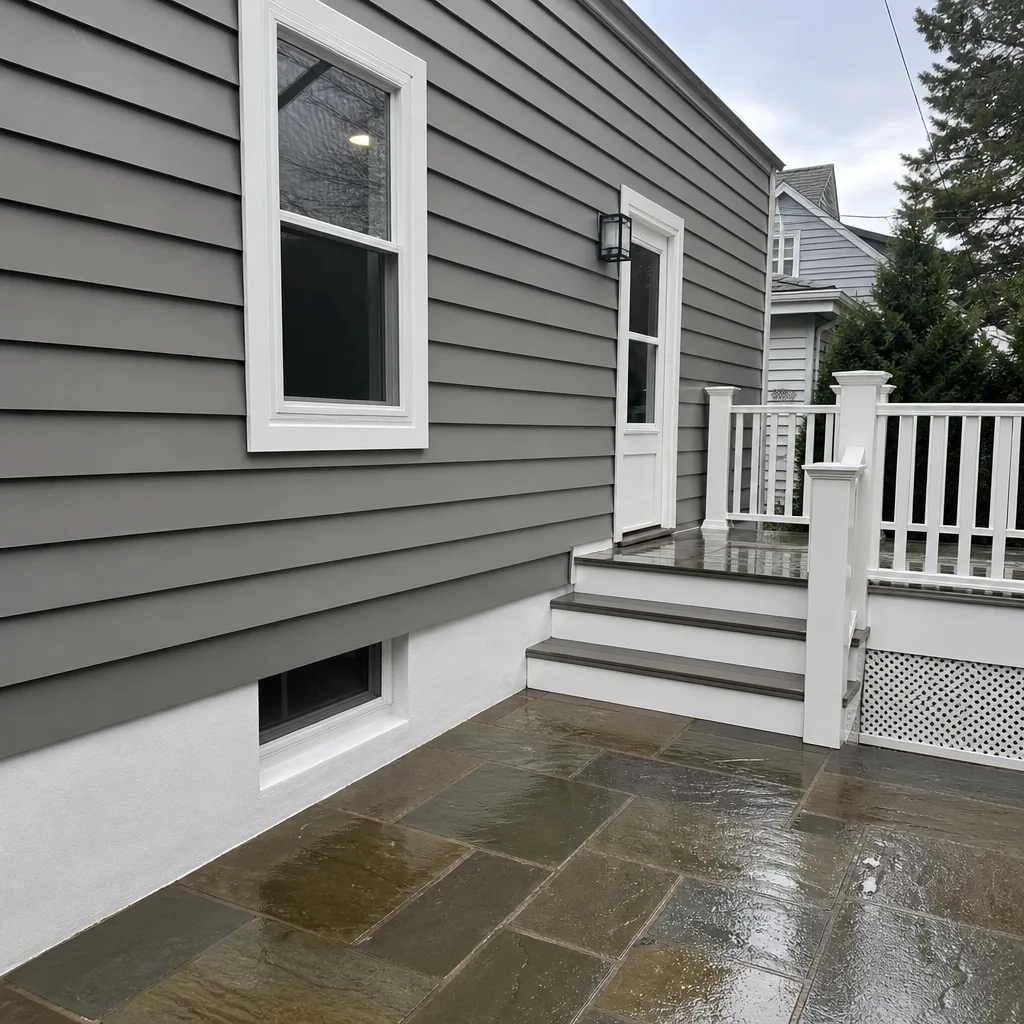 After
AfterDamage Restoration Cost Breakdown: The Paramus Homeowner’s Reference for 2026
Bergen County basements flood in patterns that repeat decade after decade. The Saddle River and Sprout Brook rise during nor’easters in March, but the more common culprit is the summer thunderstorm that drops two inches of rain in forty minutes on ground already saturated from a wet spring. When water finds its way into a Paramus split-level off Midland Avenue or a colonial near the Garden State Plaza, the first question is rarely how to fix it. The first question is what it will cost. This guide gives you the numbers, the sequence, and the logic behind every line item. We built it from what our crews have seen in Paramus homes since 2010, and we’ve priced it for the 2026 market.
Quick Answer
Water damage restoration in Paramus typically runs $2,400 to $8,500 for a standard basement job, fire and smoke restoration spans $4,000 to $35,000 depending on square footage, and mold remediation averages $1,800 to $7,000. The two biggest cost drivers are the category of water (clean, gray, or black) and how many hours the water sat before extraction began. Call (640) 333-9625 for a free estimate, and we’ll give you a written scope before any work starts.
Table of Contents
- What Water Damage Actually Costs in Paramus
- The 6 Factors That Move the Price
- What Insurance Covers (and What It Doesn’t)
- The Restoration Timeline: Day by Day
- Mold Remediation Costs in Paramus
- Fire and Smoke Damage: Pricing the Rebuild
- Sewage and Storm Damage: The High-Stakes Categories
- What You Can Do Yourself vs. What Needs a Pro
What Water Damage Actually Costs in Paramus
Let’s start with real numbers. A finished basement in Paramus that takes on two inches of clean water from a failed sump pump will typically cost between $2,400 and $5,500 to extract, dry, and restore. That includes removing the water, setting up professional drying equipment, removing baseboards and carpet pad as needed, treating for microbial growth, and monitoring moisture levels until the structure reads dry on a moisture meter.
The range exists because every job has variables. Here’s a breakdown of the most common water damage scenarios we see in Paramus:
| Scenario | Typical Cost Range | What It Includes |
|---|---|---|
| Clean water, unfinished basement, caught same day | $1,800 - $3,200 | Extraction, drying, dehumidification, antimicrobial treatment |
| Clean water, finished basement, caught same day | $3,500 - $6,800 | Above plus baseboard removal, carpet pad replacement, drywall cuts |
| Gray water (washing machine overflow, dishwasher leak) | $3,800 - $7,500 | Full extraction, contaminated material removal, sanitization, drying |
| Black water (sewage backup, storm surge) | $5,500 - $12,000+ | Full containment, disposal of affected materials, sanitization, rebuild prep |
| Whole-home water event (burst pipe while on vacation) | $15,000 - $45,000 | Multi-room extraction, drying, containment, partial rebuild |
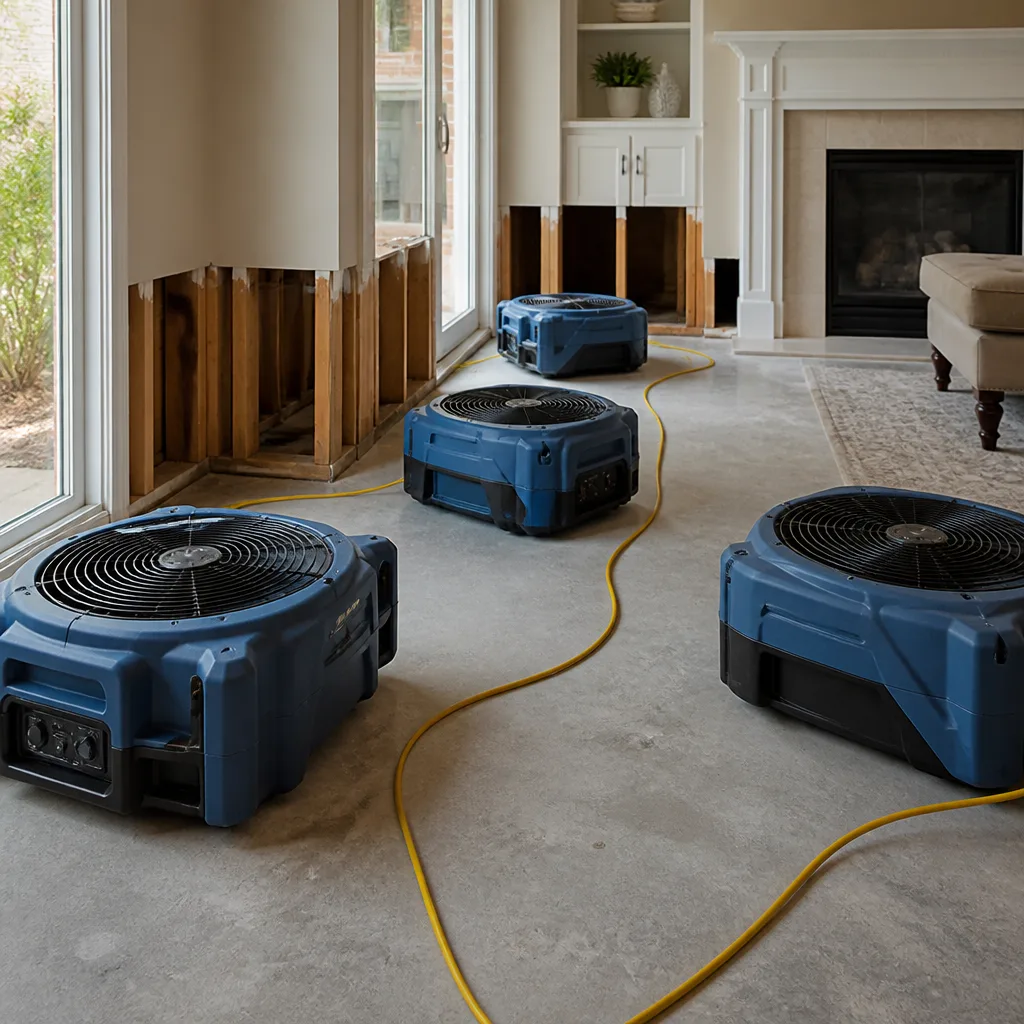
Paramus has a specific wrinkle on this: many homes built in the 1950s and 1960s have finished basements with paneling over concrete block. When water gets behind that paneling, the dry-out process takes longer because the wall cavity holds moisture. We see this constantly in neighborhoods near Paramus High School and along Forest Avenue. The fix is the same: cut the paneling to the floodline (the honest mark the water left on the wall is where we start), remove wet insulation, and dry the cavity with Injectidry or Phoenix equipment before any rebuild happens.
The 6 Factors That Move the Price
No two restoration jobs price out the same. Here are the variables that genuinely move the number, in order of impact.
1. Water category
Clean water from a supply line is the cheapest to handle. Gray water, which includes washing machine discharge and dishwasher overflow, carries contaminants and requires more aggressive sanitization. Black water, defined as sewage or water that has been sitting long enough to grow bacteria, requires full containment, disposal of porous materials, and protective protocols for the crew. The category alone can double or triple the cost.
2. Time before extraction
A basement flooded at 2 a.m. and extracted by 9 a.m. is a different job than one that sat for three days while the homeowner was away. After about 48 hours of standing water, you’re not just drying. You’re remediating mold. The timeline matters so much that we answer our phones 24/7 with a live dispatcher in Paramus. A certified crew can be on-site the same visit, and extraction starts before the damage spreads to flooring and drywall.
3. Square footage affected
Restoration is priced per square foot in most cases, but the rates change based on what’s wet. Carpet and pad run lower per square foot than hardwood, tile, or finished drywall. A 200-square-foot laundry room spill is a one-day job. A 1,500-square-foot finished basement touching every wall is a multi-week project.
4. What got wet
Drywall soaks water upward through capillary action, and the cut line usually lands 12 to 18 inches above the visible water line. Hardwood swells and cups, and in most Paramus homes with solid oak flooring from the original build, it needs to be pulled rather than dried in place. Tile over concrete is the outlier: the tile survives, but the grout and the slab beneath need targeted drying with a floor mat system.
5. Accessibility
Crawl spaces, tight mechanical rooms, and finished ceilings below a leak all slow the work. Paramus ranches and split-levels often have ductwork in slab or ceiling chases that hold water and need specialized drying. It’s not a massive premium, but it adds labor hours, and labor hours add cost.
6. Season
Winter water jobs in Paramus carry cold-weather complications: frozen ground slows exterior work, and interior drying competes with heating systems that pull moisture out of the air too fast, which can cause framing to crack. Spring and summer jobs typically price slightly lower because ambient humidity helps the equipment work more efficiently.
What Insurance Covers (and What It Doesn’t)
Most Paramus homeowners carry an HO-3 policy, the standard homeowners form. It covers sudden and accidental water damage: a burst pipe, a failed water heater, an overflowing tub. It does not cover groundwater seepage through the foundation, which is why so many homes we see have French drains and sump pumps installed after the first event.
Here’s the coverage breakdown in plain terms:
- Sudden water events (covered): Pipe bursts, appliance failures, water heater ruptures, roof leaks from storm damage, sewage backup if you carry the specific rider.
- Gradual damage (not covered): Slow leaks behind walls, weeping foundation cracks, aging pipe corrosion, anything the adjuster can reasonably say you should have noticed earlier.
- Mold (limited): Most policies cap mold remediation at $5,000 to $10,000 and only cover it if it results from a covered water loss. If mold grew because a damp basement was left untreated for years, it’s on you.
- Sewage backup (rider required): Standard HO-3 policies exclude sewer line backups unless you purchased the endorsement. The rider typically costs $50 to $100 per year and covers up to $15,000 to $25,000 in damage.
The part of the insurance process that frustrates Paramus homeowners most is the paperwork loop. The carrier sends an adjuster, the adjuster wants photos and moisture readings, the restoration company submits the paperwork, and the homeowner waits in the middle. We handle this differently. Floodline Restoration Co. bills the carrier directly, documents every phase with moisture logs and photo records, and coordinates with your adjuster so you’re not the one making phone calls between the two. You get a written scope before work starts, and the 90-Day Done Right Promise means if something isn’t right after we finish, we fix it. No arguing, no paperwork battles.
The Restoration Timeline: Day by Day
Knowing what happens each day removes the uncertainty that makes water damage feel worse than it is. Here’s the typical sequence for a standard Paramus basement flood:
- Day 1: Dispatch and extraction. You call (640) 333-9625. A live dispatcher answers and sends a certified crew. Extraction starts the same visit using professional-grade truck-mounted or portable extraction units. The crew photographs everything before touching anything, which matters for your claim.
- Day 2: Assessment and drying setup. The moisture map is drawn. Wet materials are cut or pulled to the dry line. Air movers and dehumidifiers go in. We use Dri-Eaz and Phoenix equipment because they move air and pull moisture faster than rental units, and we log the starting moisture readings.
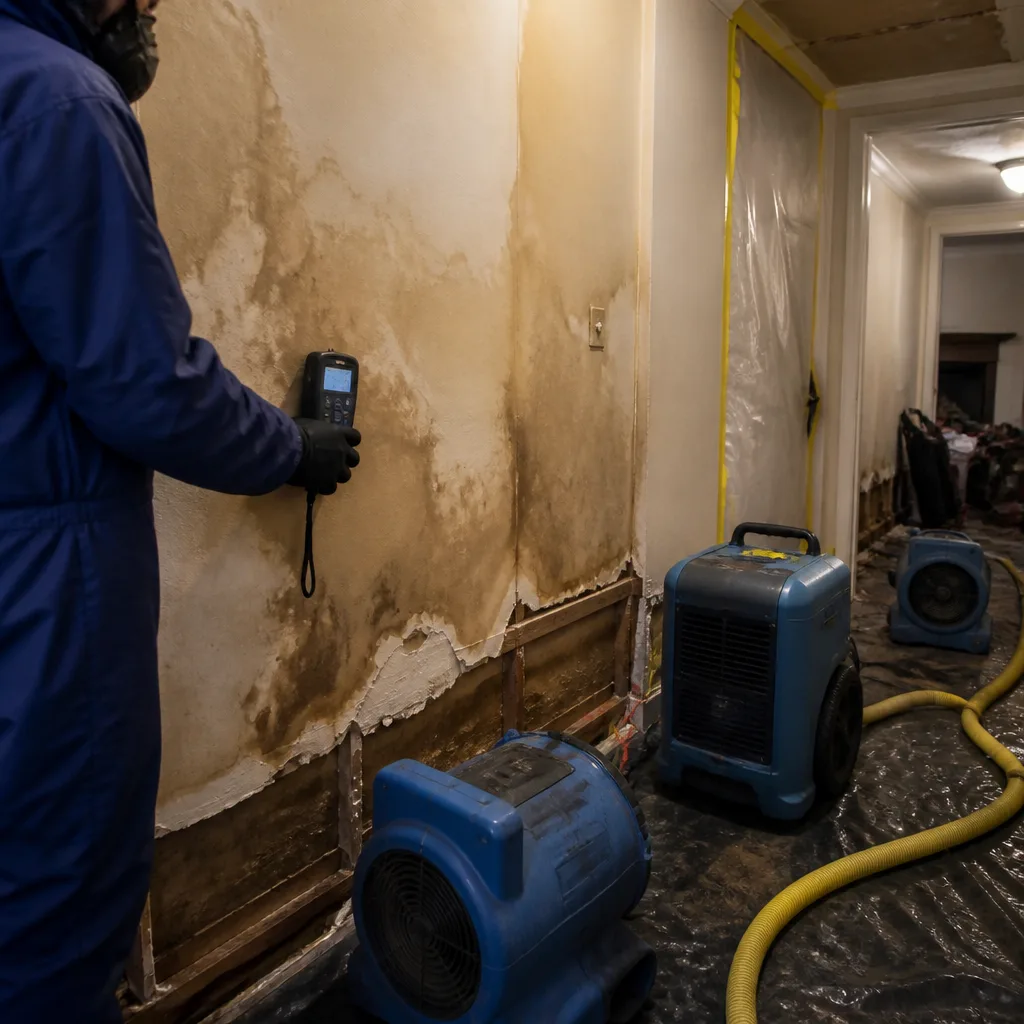
- Days 3 to 5: Daily monitoring. A technician returns each day to take moisture readings, adjust equipment placement, and document progress. This is where the log becomes the proof your carrier needs to see.
- Days 5 to 10: Dry standard met. When readings hit the dry standard for your structure’s material type, the equipment comes out. The drying phase is done.
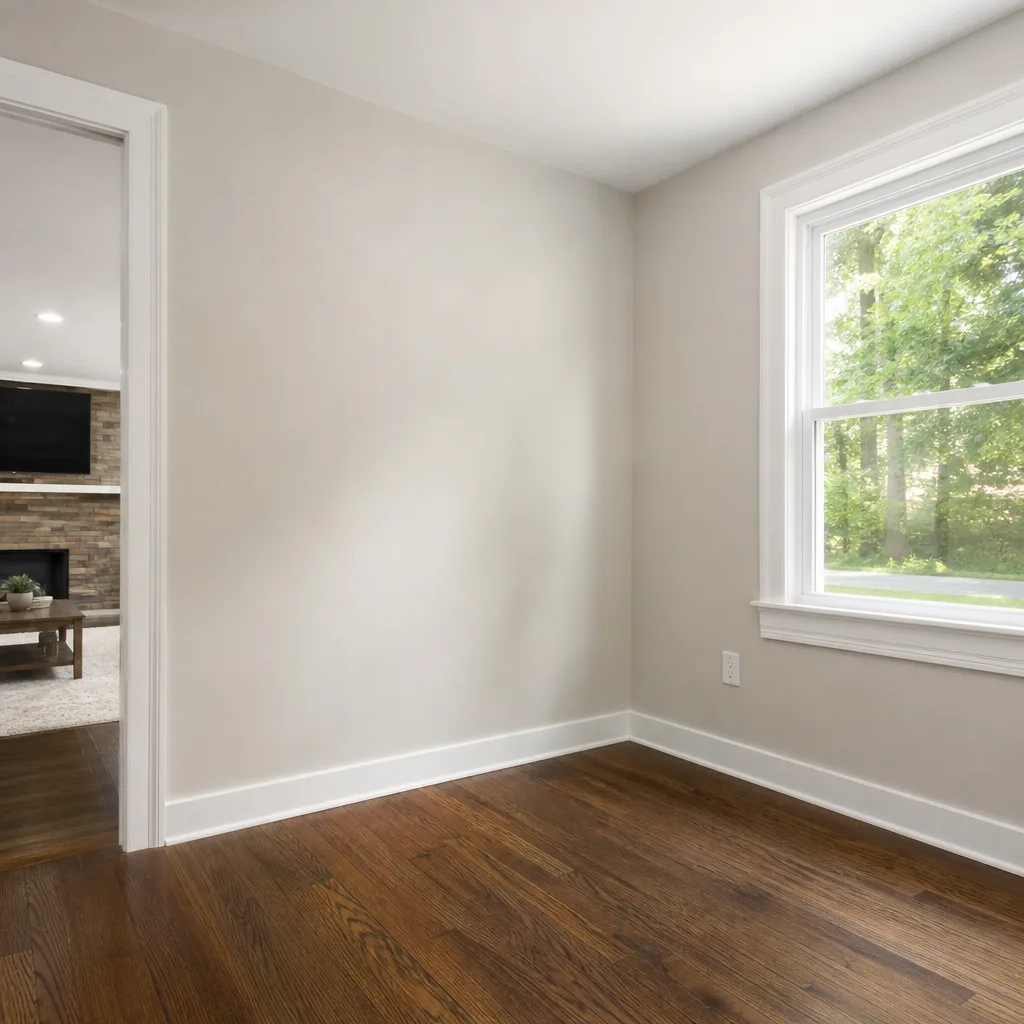
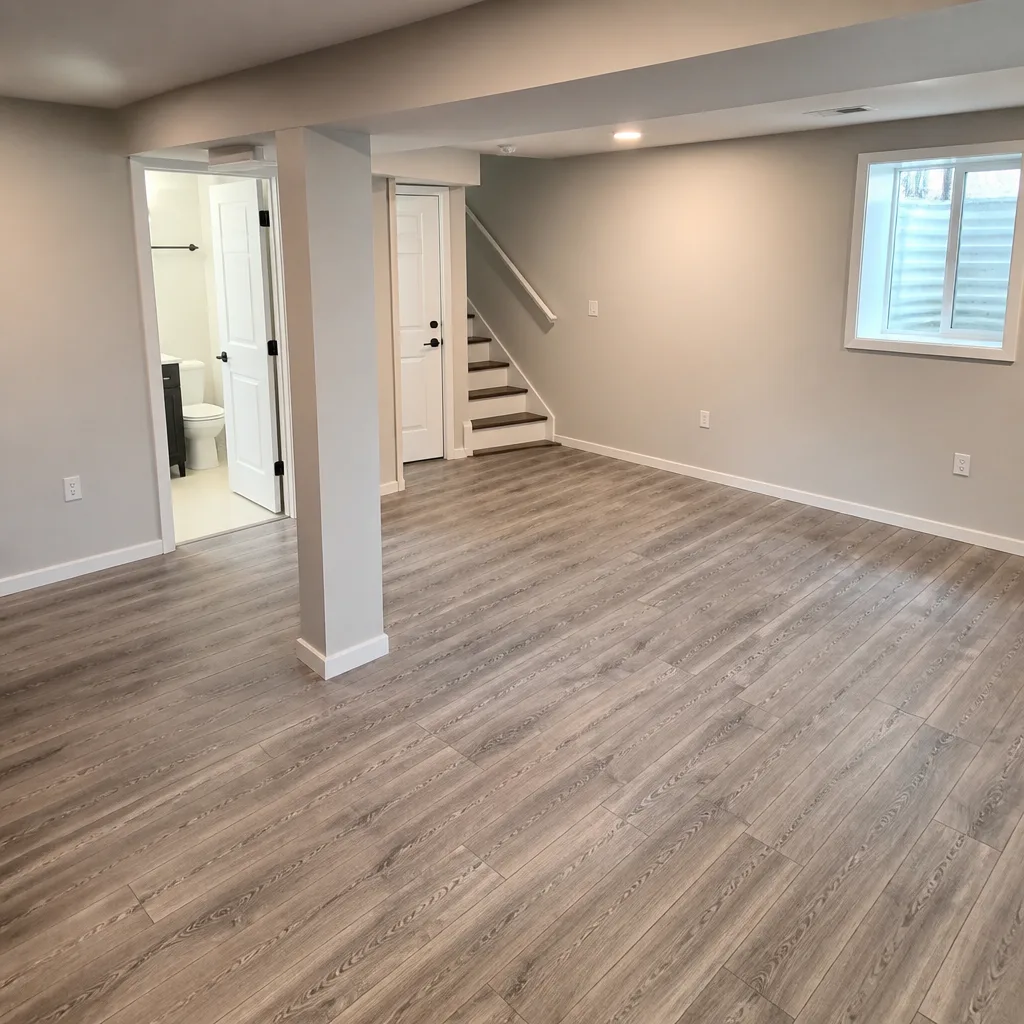
- Days 10 to 21: Rebuild. If drywall, flooring, or trim came out, the rebuild begins. The same Floodline crew that handled extraction now handles reconstruction. No handoff to a separate contractor, no email chain between two companies.
This timeline assumes a typical finished basement event. A whole-home flood from a second-floor pipe burst extends the sequence because ceilings below, wall cavities, and subfloor all need drying before rebuild can begin.
Mold Remediation Costs in Paramus
Mold grows in Paramus basements year-round because the relative humidity in northern New Jersey rarely drops low enough to keep concrete and wood naturally dry. An unfinished basement that hovers at 60% humidity for a summer will grow mold on stored boxes, wall studs, and drywall paper. It starts quietly and spreads fast.
Mold remediation prices in Paramus range from $1,800 for a small contained area (a closet, a section of drywall under a sink) to $7,000 to $15,000 for whole-basement remediation with containment chambers, HEPA air scrubbing, and demolition of affected framing. The cost depends on the species (all treated the same way, but visible coverage matters), the surface type (porous materials are removed, non-porous are cleaned), and whether the HVAC system is involved.
A word on safety: mold can cause real respiratory problems, especially for people with asthma, allergies, or compromised immune systems. If you find mold larger than about ten square feet, do not attempt to clean it yourself with bleach. Bleach does not kill mold on porous surfaces, and disturbing the colony releases spores into the air. Containment and proper removal is a trained professional’s job. Our Techs hold IICRC and RIA certifications, and we treat every mold job as a containment job first, a cleaning job second.
The Paramus-specific cost variable is the finished basement with gypsum drywall. Drywall is mold’s favorite food source, and once mold takes hold in a wall cavity behind the paper face, the only correct fix is cutting the affected section out entirely, treating the cavity, and replacing the drywall. That’s a rebuild cost on top of the remediation cost, and it’s the main reason two similar-looking mold jobs can price out $2,000 apart.
Fire and Smoke Damage: Pricing the Rebuild
Fire restoration pricing talks in different terms because the damage runs in layers. The fire itself destroys some materials. The smoke penetrates others. The water used to put the fire out damages what the smoke didn’t. Every surface in the affected area, and often the whole house, needs evaluation.
Here’s what Paramus homeowners should expect:
- Small kitchen fire (grease fire, $4,000 - $9,000): Localized structural repair, soot cleaning on surrounding surfaces, ozone or hydroxyl treatment for odor, and repainting. Cabinets may need refinishing or replacement.
- Single-room fire ($8,000 - $18,000): Full room rebuild including drywall, insulation, flooring, paint, and smoke sealing. Adjacent rooms need soot cleaning and odor treatment.
- Multi-room fire ($20,000 - $50,000+): Structural framing repair, electrical inspection and partial rewiring, full rebuild of affected rooms, HVAC duct cleaning, and whole-house odor mitigation.
- Whole-home fire ($75,000 - $200,000+): Gut-to-studs rebuild in affected areas, roof work, structural reinforcement, and extensive content cleaning or replacement. This is a months-long project billed against the policy limits.
One cost nobody sees coming: the water. Fire suppression systems and firefighter hoses dump hundreds of gallons into the home, and that water sits until the fire is out and the scene is released. Every fire job is also a water job, which means drying equipment runs before rebuild can start. Floodline handles both phases with the same crew, so you’re not waiting on a water restoration company to finish before a separate builder starts.
Sewage and Storm Damage: The High-Stakes Categories
Sewage backups and flooded crawl spaces are the two damage types where Paramus homeowners face the highest repair bills, and both have gotten more common in the last five years. Older clay sewer lines in neighborhoods like Spring Valley and Fairway Estates are failing as tree roots and ground shift take their toll. Summer storms, meanwhile, are dropping more water in shorter bursts than the storm drain system was built to handle.
Sewage cleanup carries a different price logic than clean water: everything the sewage touches gets removed. Carpet and pad, drywall, insulation, baseboards, and sometimes lower cabinets all go into containment bags and leave the property. The slab or subfloor gets sanitized with EPA-registered antimicrobials. Only then does drying start. Expect $5,500 to $12,000 for a typical finished basement sewage event, more if a bathroom or laundry room is involved.
Safety note: sewage is black water. It carries pathogens that cause serious illness, including E. coli, hepatitis A, and parasites. Do not enter a sewage-flooded basement without proper protection, and do not attempt to clean it yourself. This is not bleach-and-scrub work. Trained professionals with full PPE and containment protocols are the only safe option.
Storm damage through foundation walls is the other major category. When the water table rises faster than the sump pump can discharge, water forces through floor cracks and cove joints. The cost to remediate is similar to a clean-water basement flood, but the long-term fix is separate: exterior waterproofing, drain tile installation, or sump pump upgrades. Those are capital improvements, not restoration work, and they price out between $8,000 and $25,000 depending on the perimeter footage. We’ll give you a straight answer on which part is restoration and which part is prevention, so you never pay for both thinking they’re the same thing.
What You Can Do Yourself vs. What Needs a Pro
Some damage you can handle. Some you should not touch. Here’s the honest line for Paramus homeowners.
You can do this yourself:
- Move furniture and belongings out of a flooded area (if the water is clean and shallow).
- Mop or wet-vac small spills from a supply line leak that never touched drywall or flooring.
- Run a household dehumidifier after minor condensation events where no standing water existed.
- Photograph everything before any pro arrives. Good photos strengthen your claim.
Call a professional:
- Any water event where standing water touches drywall, insulation, or finished flooring.
- All sewage backups and any storm-driven floodwater intrusion.
- Any mold visible to the eye beyond a small patch you can scrub from a tile surface.
- Any fire that produces smoke damage, even a small kitchen fire. Smoke odor gets into walls, and painting over it does not kill it.
- Any situation where water entered a wall cavity or ceiling and you can’t see where it stopped.
The temptation to save money by renting a crew of day laborers or buying a box fan and hoping is strong, and we’ve seen the result. Wet drywall behind a wall dries slowly and grows mold inside the cavity. Six months later, the homeowner has a bigger problem and a denied insurance claim because the carrier says the mold resulted from improper mitigation. The square deal is this: get a written scope, understand what you’re paying for, and let trained people do what training is for.
Common Mistakes to Avoid
- Waiting to call. Water damage compounds hourly. What’s a $2,000 extraction on day one becomes a $12,000 mold remediation on day five. Call the moment you see water.
- Using a shop vac and calling it done. Shop vacs pull surface water. They cannot extract water from carpet pad, wall cavities, or subfloor. What looks dry on the surface is still wet underneath.
- Filing a claim without documenting first. Take photos and video before anything moves. Once the water is extracted, the visible evidence is gone, and the adjuster has nothing to confirm the scope.
- Accepting a verbal estimate. Get it in writing. A written scope with line items is your only protection against a bill that grows after the work starts. Floodline provides a written scope before any work begins.
- Painting over smoke damage. The odor returns every time the heat runs or the humidity rises. Proper smoke restoration requires cleaning, sealing, and often ozone treatment before paint.
- Hiring a company that only does drying. If the company that extracts and dries can’t rebuild, you now manage two vendors and a handoff where liability gets lost. Get the whole job under one roof.
- Assuming your insurance covers everything. Policy language matters. Know what your deductible is, know what’s excluded, and ask your restoration company whether they’ll work directly with your adjuster. We do.
When to Call a Professional
Call a professional the moment water touches anything that isn’t concrete. If you can see water on drywall, water in carpet, water on hardwood, or water beading on a ceiling, the clock is running. Call if you smell must in a basement that’s never smelled before, if a water stain on a ceiling is growing, if your water bill spiked for no reason, or if you’ve found mold behind furniture. Floodline Restoration Co. offers free estimates in Paramus with no obligation and a written scope before any work starts. Call (640) 333-9625 and a live person answers, day or night.
Frequently Asked Questions
Water damage restoration in Paramus typically costs $2,400 to $8,500 for a standard basement event, with smaller clean-water jobs starting around $1,800 and sewage backups running $5,500 and up. Exact pricing depends on water category, affected square footage, and how long the water sat before extraction began. Call (640) 333-9625 for an exact quote, and we’ll provide a written scope before work starts.
Most Paramus HO-3 policies cover sudden and accidental water damage like burst pipes and appliance failures, but they exclude groundwater seepage and gradual leaks. Sewage backup requires a separate rider. We work directly with your adjuster, document everything with moisture logs and photos, and bill the carrier directly so you’re not stuck in the middle.
A live dispatcher answers at (640) 333-9625 around the clock, and a certified crew can be dispatched to your Paramus home the same visit. Extraction starts on arrival, which cuts the total cost because less damage means less work.
If mold is on a non-porous surface like tile or glass, clean it. If it has grown into drywall, carpet, or wood, cleaning the surface does not solve the problem, and the colony will return. Porous materials with mold growth need removal and replacement, not surface treatment.
The 90-Day Done Right Promise is our written guarantee that if something we did isn’t right within 90 days of completion, we make it right at no charge. No arguing, no paperwork battles. It’s the Keystone Standard, and it’s in writing on every job we do.
Floodline bills your carrier directly for covered work. You receive a written scope before anything starts, we document the job with daily moisture readings and photos, and we coordinate with your adjuster throughout. You’re never the messenger between us and the insurance company.
The Bottom Line
Damage restoration in Paramus costs what it costs because of physics and time, not because anyone is padding a bill. Water moves upward through drywall, downward through flooring, and into cavities you cannot see, and every hour it sits costs money. The number you pay depends on the water category, the affected square footage, and the speed of response. Get a written scope. Know your policy. Document everything. And when the water line is on the wall, call someone who starts there. Floodline Restoration Co. has served Paramus since 2010 with live 24/7 dispatch, certified technicians, and the 90-Day Done Right Promise. Call (640) 333-9625 for a free estimate, and we’ll be there when we say.
Written by Curt Bowman, Owner at Floodline Restoration Co., serving Paramus since 2010.