
Last updated August 25, 2026
Free visual inspection and a written scope of work before any mitigation begins - photos, moisture readings, and drying logs go in your claim file
The scope we write is the scope we bill. Anything new gets shown to you, in writing, before we touch it.
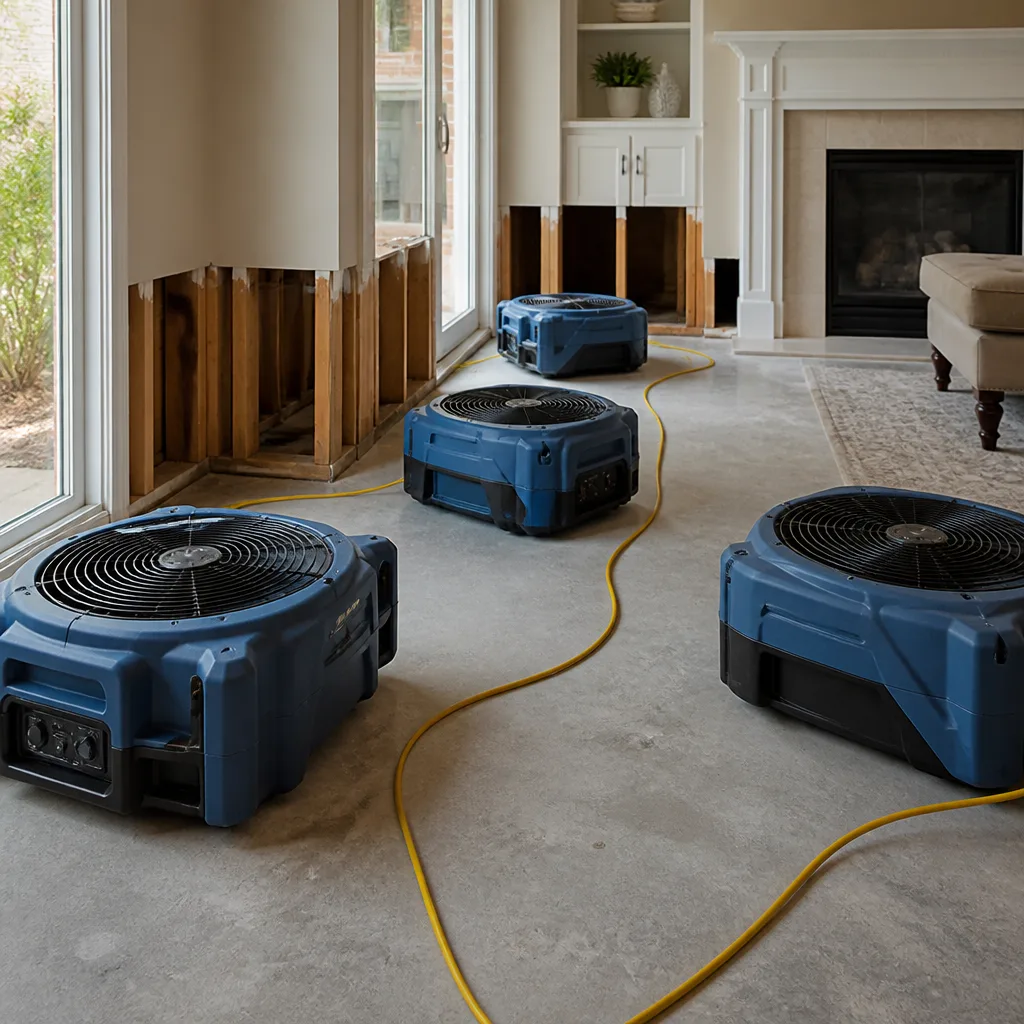
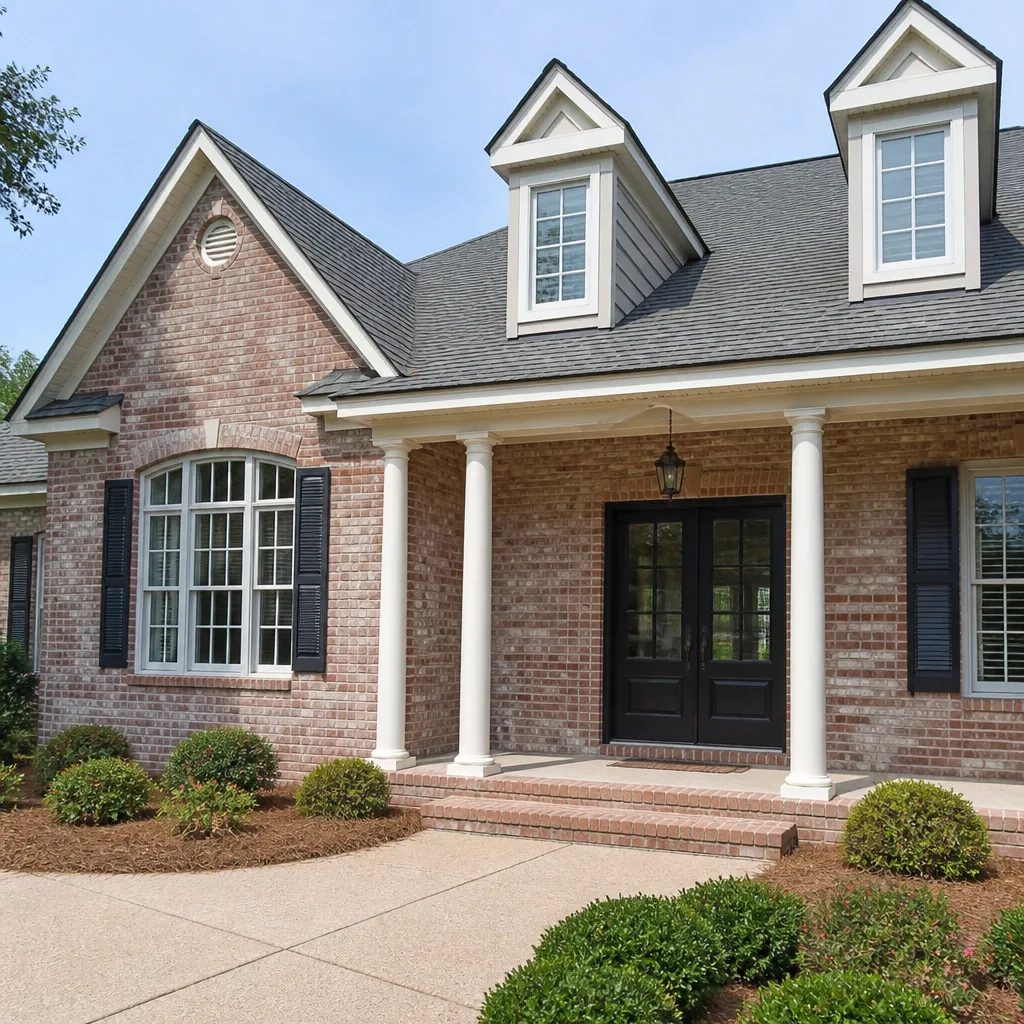
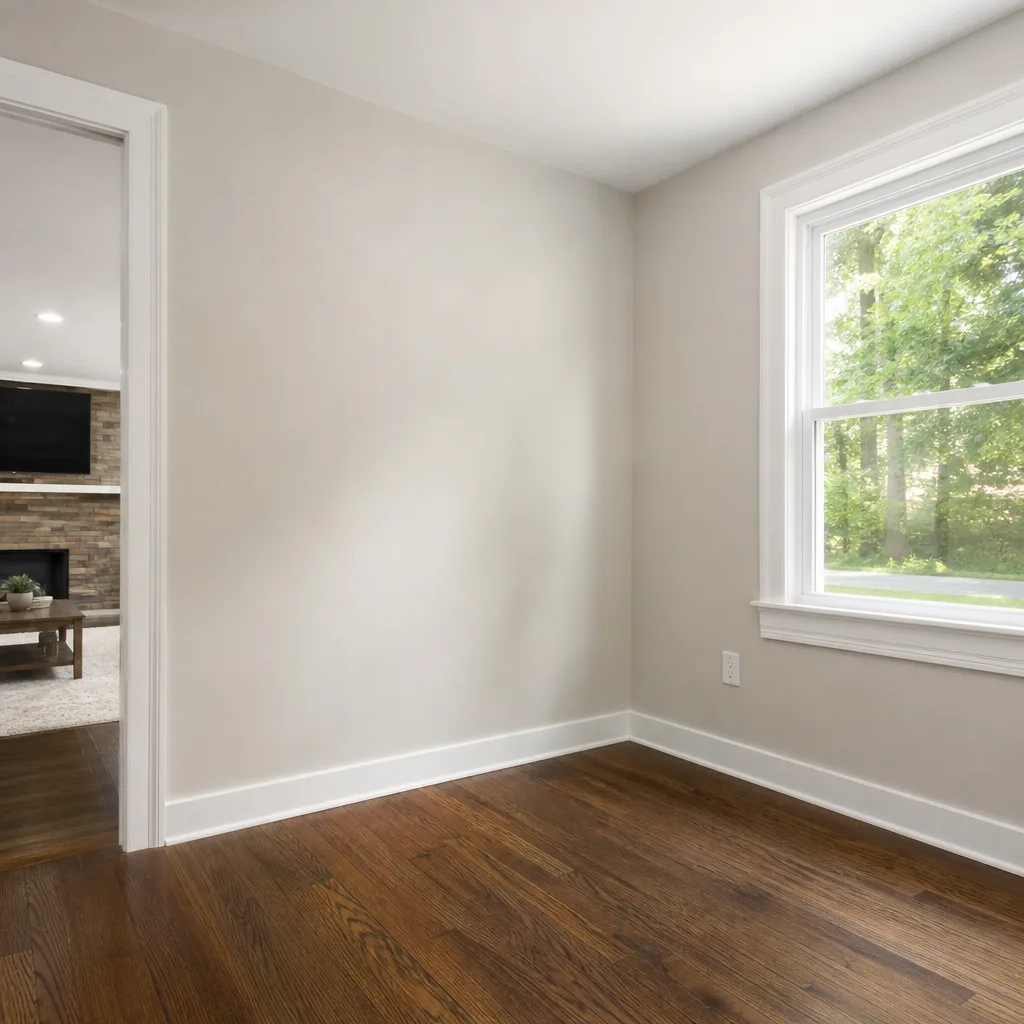
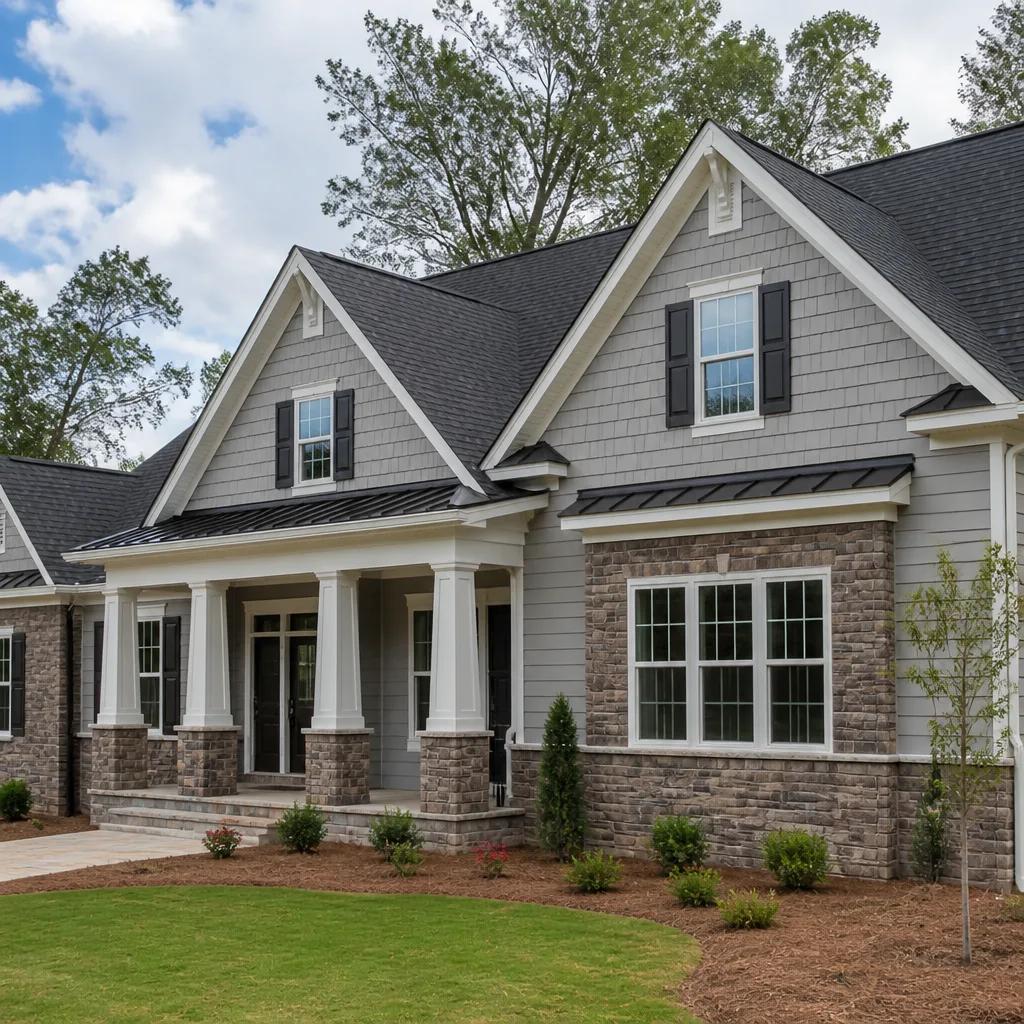
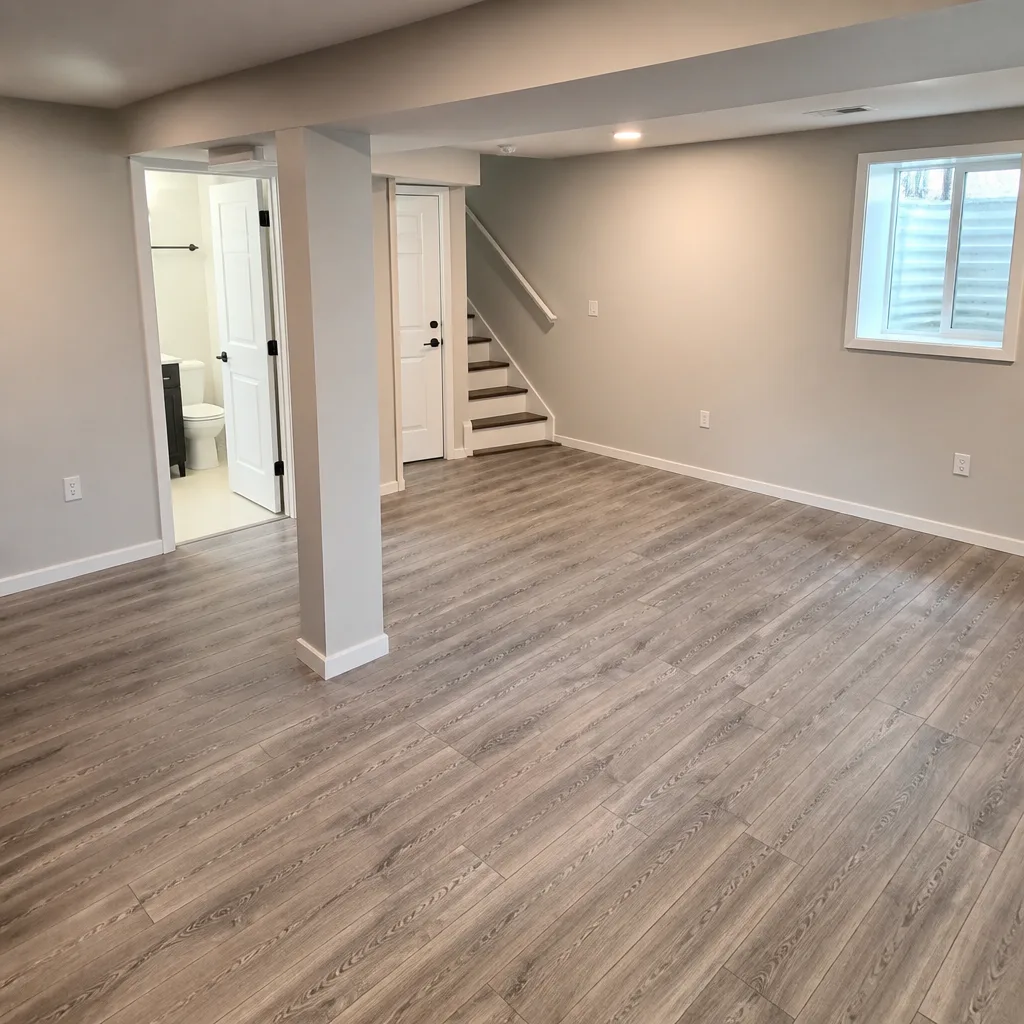
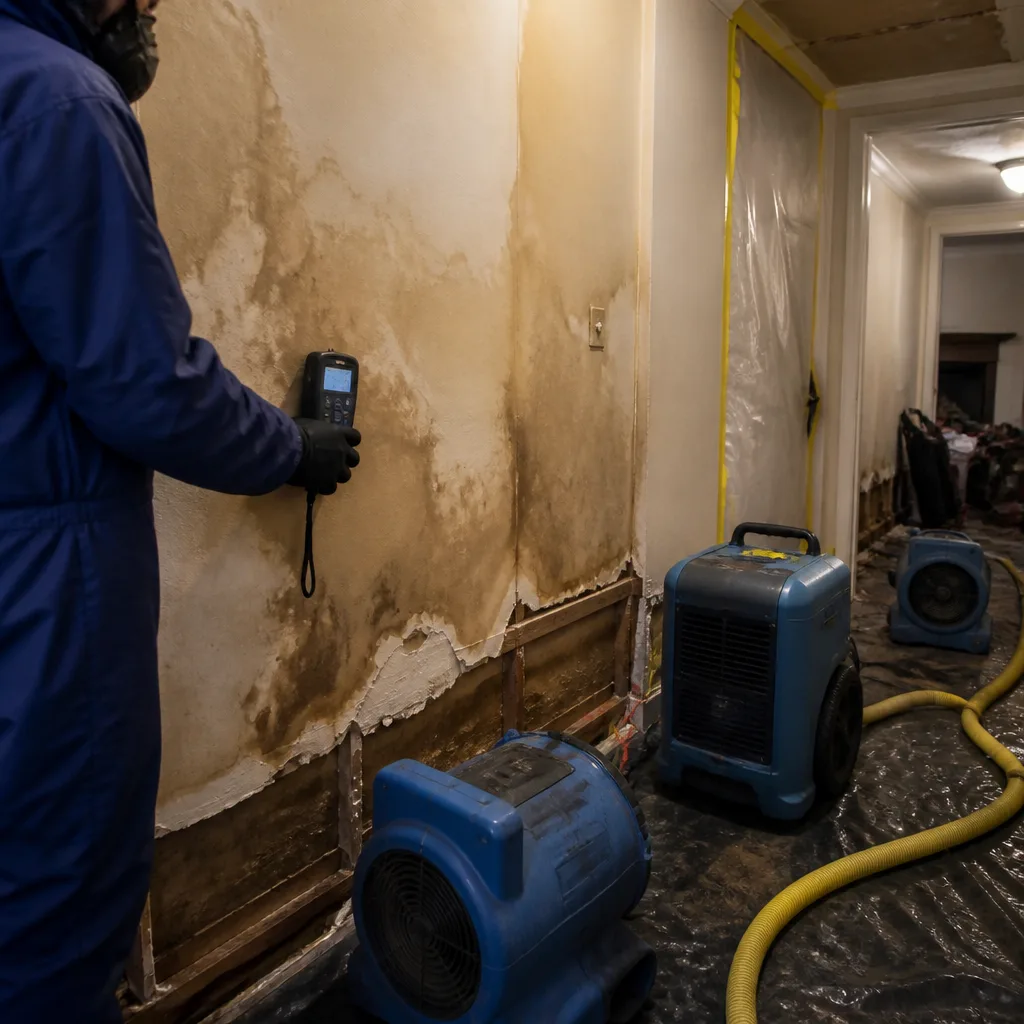 Before
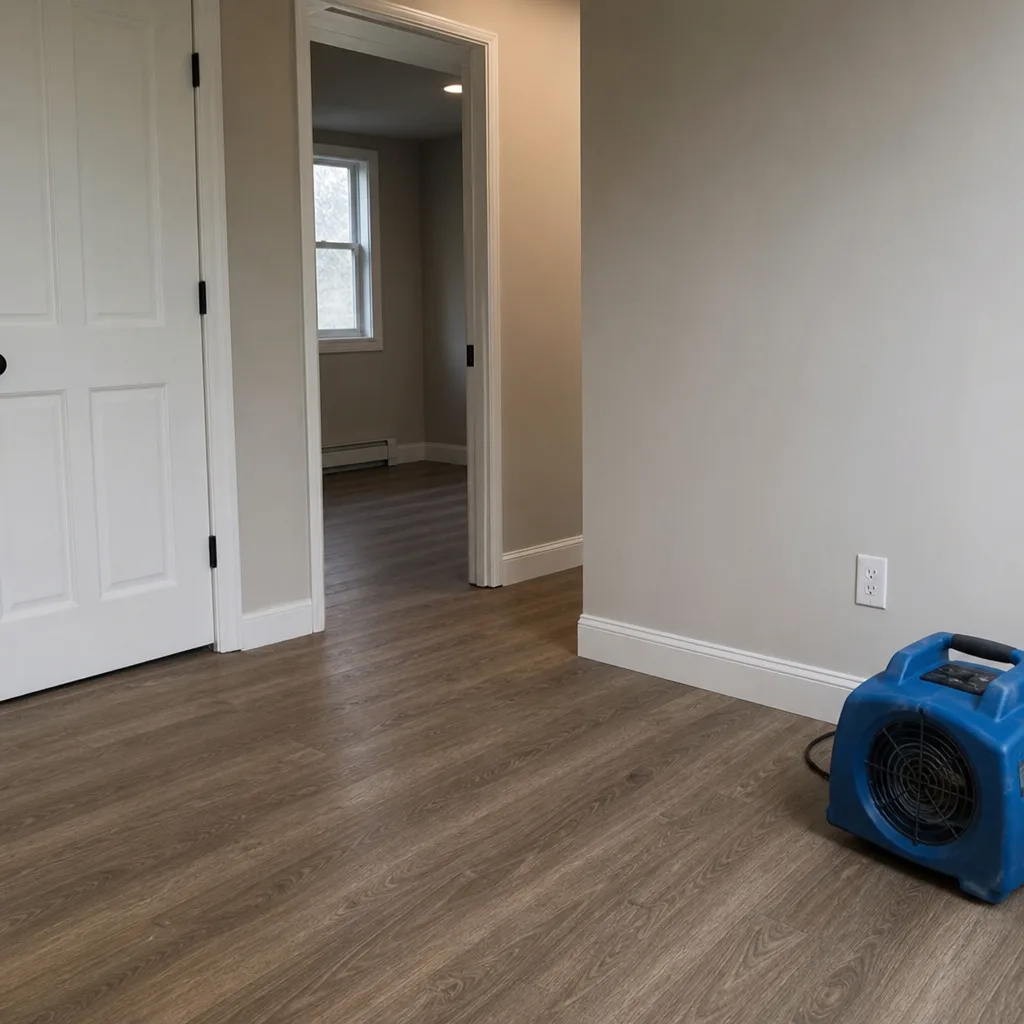 After
After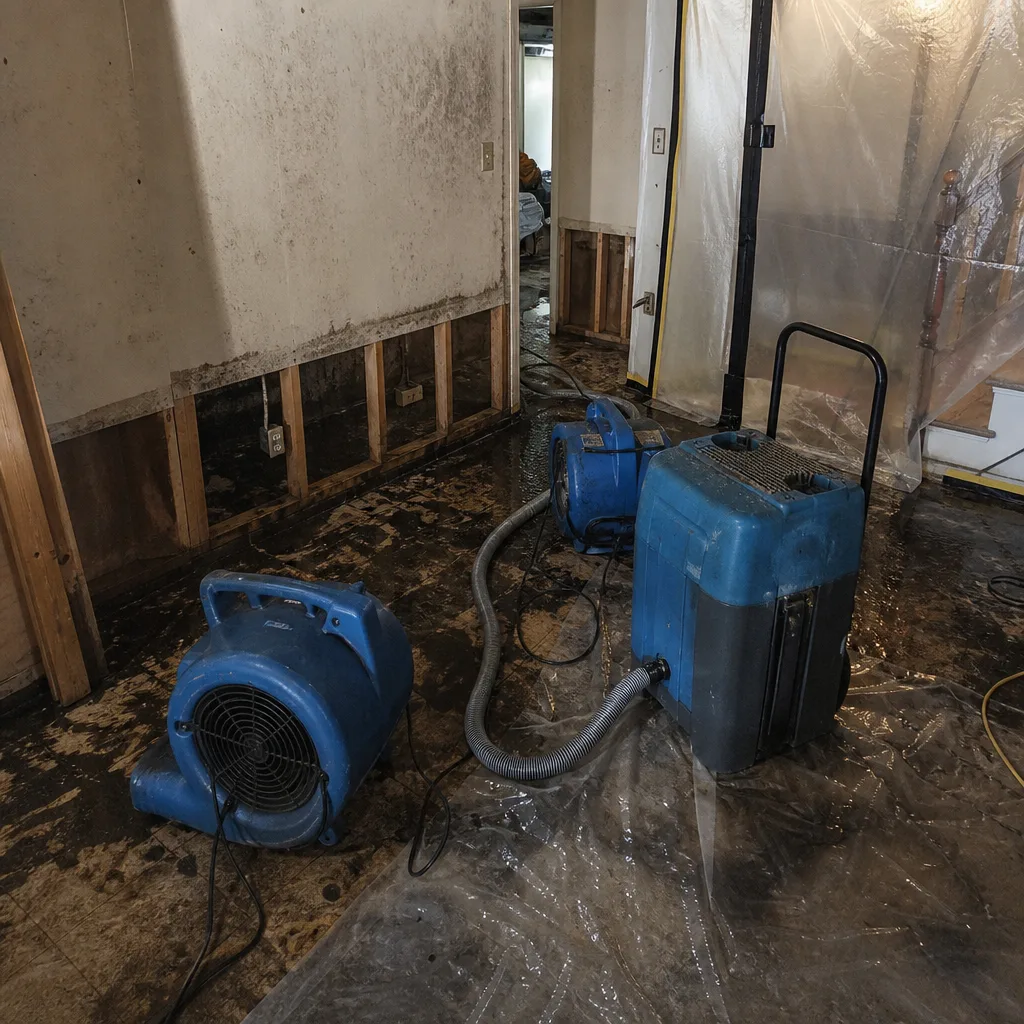 Before
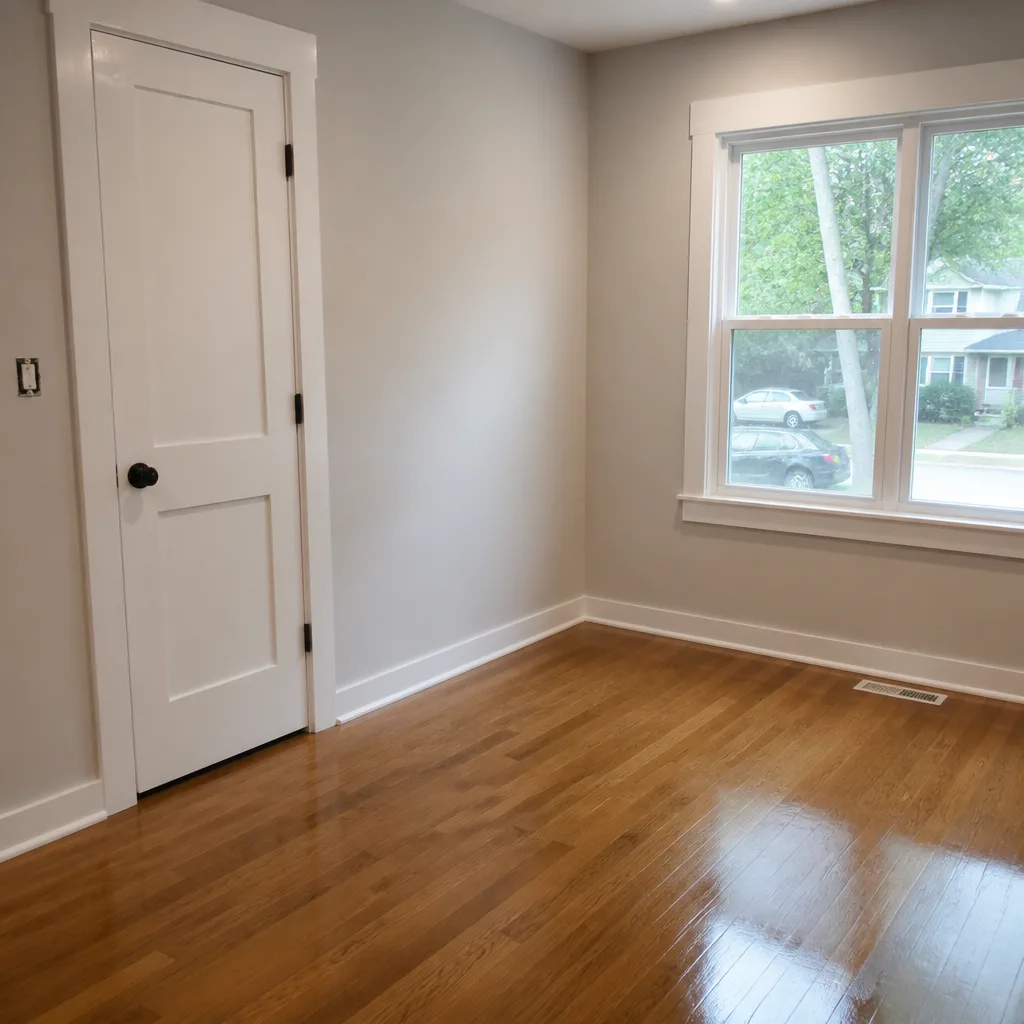 After
After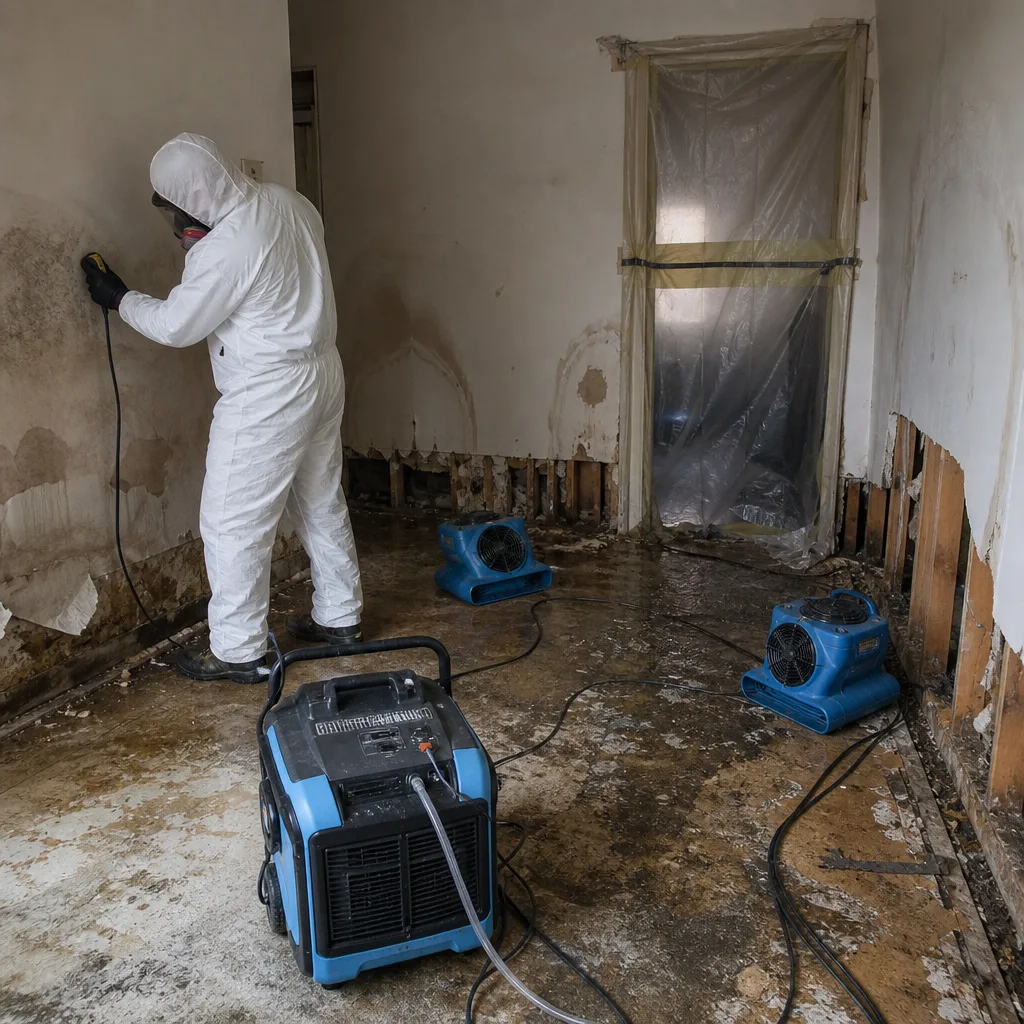 Before
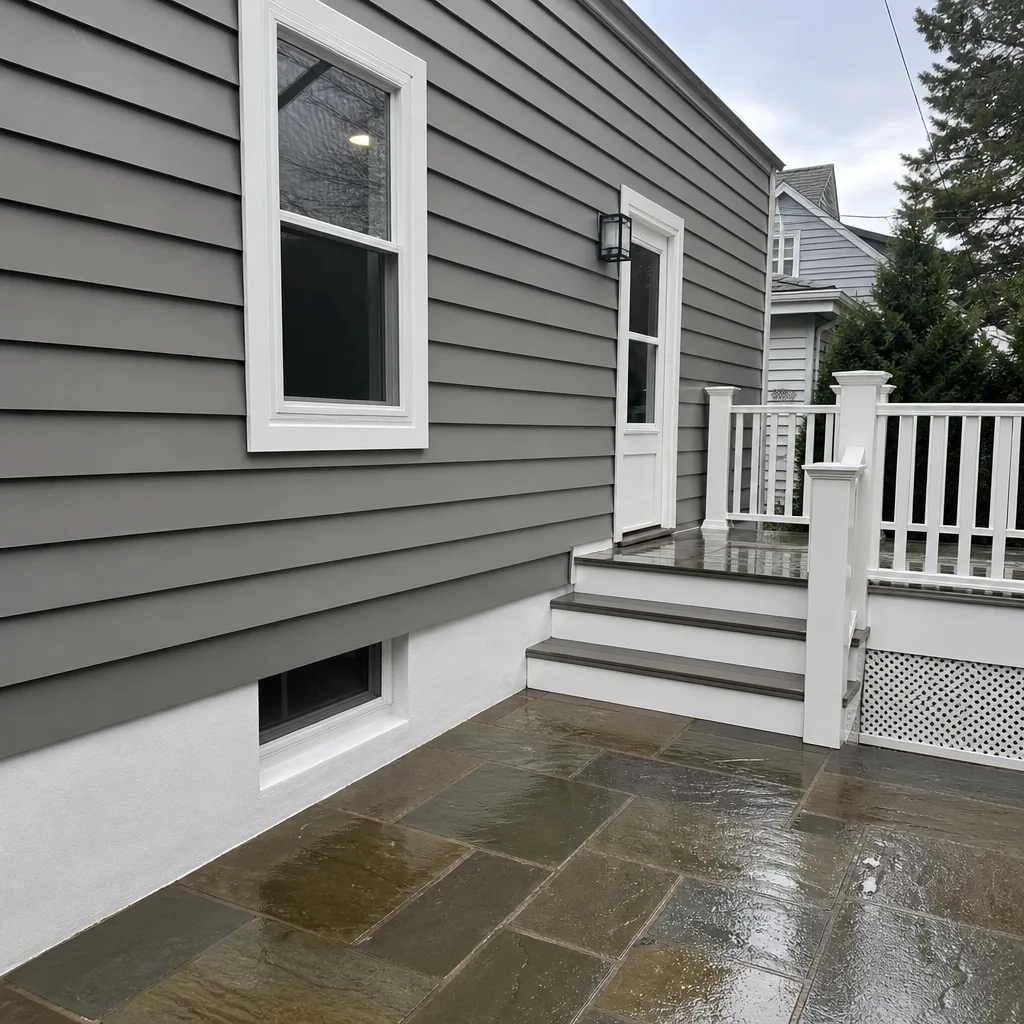 After
AfterThe Complete Guide to Damage Restoration in Paramus
Most homeowners in Paramus don’t discover a restoration company until water is already spreading across the floor. By then, the decisions come fast, the stress is high, and the wrong choice means living with hidden moisture behind drywall for years. This guide walks through the full damage restoration process as it actually happens in Paramus, from the first phone call through extraction, drying, and rebuild, so you know what a proper job looks like before you ever need one. We’ve written it from the perspective of a company that has answered Paramus phones since 2010, and we’ll tell you what matters and what doesn’t.
Quick Answer
Damage restoration in Paramus means stopping the active damage first, then drying the structure to an industry standard, then rebuilding what can’t be saved. The full process typically costs between $2,500 and $15,000 depending on the damage type and square footage, with water extraction and drying on the lower end and fire or sewage reconstruction on the higher end. A reputable Paramus restoration company handles all three phases with the same crew and gives you a written guarantee before work begins.
Table of Contents
- What Is Damage Restoration?
- Types of Damage Restoration in Paramus
- The Restoration Process, Step by Step
- How Much Does Damage Restoration Cost in Paramus?
- How Long Does Restoration Take?
- Working With Insurance on a Restoration Claim
- Common Mistakes to Avoid
- When to Call a Professional
- Frequently Asked Questions
What Is Damage Restoration?
Damage restoration is the process of returning a home to safe, livable condition after water, fire, mold, sewage, or storm damage. It’s broader than cleanup, because cleanup removes what’s visible while restoration addresses what’s hidden: the moisture inside wall cavities, the soot residue in the HVAC system, the mold spores behind baseboards. In Paramus, where many homes were built in the 1950s and 1960s with plaster walls and hardwood floors, the distinction matters. Plaster holds water differently than modern drywall, and old-growth hardwood can often be saved if drying starts quickly enough.
A full restoration company does three things under one roof. First, it mitigates: stopping the source, extracting standing water, boarding up broken windows, tarping damaged roofs. Second, it dries: placing professional-grade air movers and dehumidifiers, taking daily moisture readings, and documenting every measurement until the structure meets the dry standard. Third, it rebuilds: replacing drywall, flooring, trim, and finishes until the home looks like the event never happened. The key phrase is “under one roof.” When one crew handles all three phases, nobody blames the last contractor’s work, and the homeowner never plays messenger between a mitigation company and a remodeling company.
What most people don’t realize until they’ve been through it: the drying phase is where the real work happens, and it’s also where corners get cut by companies that don’t want to pay for daily trips back to the job. Moisture mapping on day one, daily readings after that, and a written moisture log handed to the homeowner and insurance carrier at the end. That’s what a square deal looks like.
Types of Damage Restoration in Paramus
Paramus sees a specific mix of damage types, driven by the borough’s aging housing stock, its position in the Saddle River watershed, and the seasonal freeze-thaw cycles that stress pipes every winter. Here’s what we handle most often in this area, and what makes each one different.
Water Damage Restoration
Burst pipes, failed water heaters, appliance supply line breaks, and roof leaks. In Paramus, the peak season for burst pipes runs from December through February, when overnight temperatures drop below freezing and uninsulated pipes in crawlspaces and exterior walls give out. A copper supply line crack in a Paramus split-level can release 4 to 8 gallons per minute. Within an hour, that’s 240 to 480 gallons moving downhill through the house.
Water damage restoration starts with extraction, and extraction quality sets the tone for everything after. Professional truck-mounted extractors pull water out of carpet, padding, and hardwood hundreds of times faster than a shop vac. The worst mistake we see is homeowners waiting a day or two to “see if it dries on its own.” It won’t. Behind baseboards and under flooring, wood and drywall stay wet for weeks, and that’s when mold starts.
Mold Remediation
Mold follows moisture, and in Paramus, the humidity from June through September creates the right conditions for growth if any moisture goes unaddressed. We see mold most often in attics with poor ventilation, basements with foundation seepage, and bathrooms with exhaust fans that vent into the attic instead of outside.
Real mold remediation is controlled demolition with containment. The affected area is sealed with negative air pressure so spores don’t spread through the house during removal. Affected drywall, insulation, and porous materials are cut out and bagged. Hard surfaces are cleaned with antimicrobial treatments. Then the source of the moisture is fixed, because removing mold without fixing the moisture is repainting a sinking ship. This work requires training to IICRC and RIA standards, which is not a phrase to take lightly; it means the crew has passed certification in the actual science of drying and remediation, not just watched a training video.
Fire and Smoke Damage Restoration
Fire damage in Paramus homes is usually localized: a kitchen fire, an electrical fault in an older panel, a dryer vent that was never cleaned. But the smoke damage travels everywhere. Smoke particles get pulled through the HVAC system and deposit a fine, greasy film on every surface in the house. That residue is not just cosmetic; it’s acidic and it etches finishes over time if it isn’t cleaned properly.
Restoration after fire means board-up and tarping first to secure the structure, then soot and odor removal, then structural rebuild. The odor removal is the part most companies underbid. It requires more than air freshener. In most cases it means thermal fogging or ozone treatment, plus sealing of affected framing with an odor-blocking primer before new drywall goes up. If anyone tells you a coat of paint will fix smoke odor, get a second opinion.
Sewage Cleanup
Sewage backups are the most hazardous common restoration scenario, and they’re a regular occurrence in Paramus neighborhoods with older cast-iron sewer laterals. Tree roots infiltrate the line, or a decades-old pipe collapses, and sewage backs up through a floor drain or basement toilet.
This is a Category 3 water loss, which means the water contains pathogens, bacteria, and other contaminants. Proper sewage cleanup means full personal protective equipment for the crew, removal of all porous materials that contacted the sewage, disinfection of remaining surfaces, and drying to standard before rebuild. This is not a DIY job, and it’s not a job for a general handyman. If you see a company send in a crew without respirators and Tyvek suits, send them home.
Storm and Disaster Restoration
Paramus sits in a region that gets nor’easters, the remnants of hurricanes, and the occasional derecho. Storm damage usually means wind-driven rain intrusion, roof damage, and in lower-lying sections near the Saddle River, localized flooding. When a storm hits, the immediate priority is protecting the structure from further damage: tarp the roof, board the windows, extract the water. Then the same drying and rebuild sequence applies. Storm work is surge work, which means restoration companies in Paramus get slammed all at once. The ones with real dispatch infrastructure and enough crews to scale are the ones that answer the phone when you call.
The Restoration Process, Step by Step
Every legitimate restoration job in Paramus follows the same sequence, whether it’s a small water loss in a bathroom or a full fire rebuild. Here’s the process as we run it at Floodline Restoration Co. home, and as any reputable company should run it.
- Initial contact and triage. You call a restoration company. A live person answers. You describe the damage. The dispatcher asks the right questions: What’s the source? Is the water still running? Is there standing water? Is electricity on? How many rooms are affected? What type of flooring? You get an estimated arrival time, and the crew arrives when they said they would.
- Assessment and documentation. The crew walks the property, takes moisture readings with professional meters, and photographs everything. This documentation matters for your insurance claim. A good company takes enough photos to tell the full story of the damage, not just the dramatic shots.
- Mitigation and extraction. Stop the source. Extract standing water. Remove unsalvageable materials. Set up containment if needed. For water losses, this is where the professional-grade equipment goes in: truck-mounted extractors first, then high-velocity air movers and dehumidifiers.
- Drying and daily monitoring. The drying equipment runs for 3 to 5 days on a typical water loss. The crew returns daily to take moisture readings and reposition equipment. Every reading goes in the moisture log. The goal is to reach the dry standard: the moisture content that matches the unaffected materials in the same home.
- Rebuild and finish. Once the structure is dry, the rebuild starts. Drywall, insulation, flooring, trim, paint. The same crew that did the extraction handles the rebuild, which means nobody has to explain to a new contractor what happened. The scope of work was agreed in writing before this point, so there are no surprises.
- Final walkthrough and guarantee. You walk the finished job with the project lead. The moisture log is yours to keep. The work is backed in writing. If something isn’t right within the guarantee period, the company comes back and makes it right without an argument.
The most important line in that whole sequence is step two. If a company skips the moisture readings and just sets up fans, that’s a red flag. Drying without measuring is guessing, and guessing is how you get hidden mold six months later.
How Much Does Damage Restoration Cost in Paramus?
Restoration pricing depends on the damage type, the square footage affected, and how long the damage sat before mitigation started. The following ranges reflect typical Paramus market rates as of 2026, based on jobs we’ve completed across the borough. They’re ranges, not quotes; every job is unique.
- Water extraction and drying (single room): $1,200 - $2,800
- Water damage restoration (multi-room, full mitigation and rebuild): $3,500 - $12,000
- Mold remediation (contained bathroom or closet): $1,500 - $4,000
- Mold remediation (basement or full attic): $4,000 - $15,000
- Sewage cleanup and disinfection (basement): $3,000 - $10,000
- Fire and smoke restoration (kitchen fire, full rebuild): $8,000 - $35,000
Two factors move the price more than anything else: how quickly the damage was addressed, and whether the work is done to the dry standard. A pipe burst that gets extracted within two hours might mean drying and repainting. The same pipe burst left overnight might mean cutting out drywall, replacing insulation, and refinishing hardwood. Speed is money in this trade, which is why we answer the phone with a live person at 2 a.m.
On pricing structure: we quote upfront, in writing, before work starts. No hourly open-ended billing, no add-ons discovered at the end. A written scope agreed in advance protects the homeowner from the industry’s worst habit, which is quoting a low number to get in the door and then discovering “unforeseen conditions” that triple the bill. We’ve all heard that story. We don’t run jobs that way.
How Long Does Restoration Take?
A typical water damage restoration in Paramus takes 5 to 10 days from first call to finished rebuild. The drying phase is 3 to 5 days. The rebuild is 2 to 5 days on top of that. Sewage jobs run a similar timeline with more time on the front end for disinfection. Fire jobs take longer, usually 2 to 6 weeks depending on the rebuild scope and how quickly the insurance adjuster approves the estimate.
Mold remediation runs 3 to 7 days for the remediation itself, but the rebuild after mold can extend the total timeline based on what had to be removed. Storm damage is the wildcard, because after a major storm, every restoration company in the region is stretched thin. The companies with real dispatch infrastructure and enough trained crews handle the surge better. The ones that are really one guy with a truck and a rented dehumidifier leave homeowners waiting for weeks.
What slows jobs down most often in Paramus is not the work itself; it’s the insurance approval cycle. If the adjuster visits quickly and the scope is clear, the job flows. If the estimate sits on a desk for a week, the job waits. That’s one reason we bill the carrier directly and handle adjuster communication ourselves. The homeowner shouldn’t have to chase an adjuster to get their own house repaired.
Working With Insurance on a Restoration Claim
Most restoration work in Paramus is covered under homeowners insurance, but coverage depends on the cause of the damage. Here’s the general shape of it, and keep in mind that policy language varies and nothing here overrides what your policy says.
- Sudden and accidental water damage (burst pipe, appliance failure): generally covered.
- Gradual water damage (slow leak behind a wall that went unnoticed for months): generally not covered, because insurers treat it as maintenance failure.
- Sewage backup: covered only if you have the specific sewer backup endorsement. Many Paramus homeowners don’t, so check your policy.
- Mold remediation: often covered only when it results from a covered water loss. Standalone mold from humidity is usually excluded.
- Fire and smoke: covered under standard policies.
The single biggest thing a restoration company can do to help your claim is document everything. Photos before work starts, photos during, moisture readings, drying logs, itemized scope of work. The second biggest thing is handling the adjuster communication with a level of detail that makes the claim easy to approve. A company that hands you a pile of receipts and wishes you luck is not doing their job.
We bill the insurance carrier directly on covered claims. That means the homeowner is not fronting thousands of dollars out of pocket while waiting for a reimbursement check that may take weeks. The handshake is simple: the work is done, the documentation is complete, the carrier pays according to the policy, and the homeowner pays the deductible. Everyone knows where they stand before work starts, in writing.
Common Mistakes to Avoid
- Waiting to call. Every hour that water sits, it wicks further up drywall, deeper into hardwood, and into places you can’t see. A loss that was $2,000 at hour two becomes $8,000 by the next morning.
- Using a shop vac and calling it done. A shop vac removes surface water. It does not remove the water inside carpet padding, inside wall cavities, or inside the subfloor. You cannot dry a house with a shop vac and a box fan.
- Hiring a company that doesn’t take moisture readings. If there’s no moisture meter on the job, there’s no drying standard being met. You will not know the job is actually dry, and neither will your insurance company.
- Letting a mitigation company hand the job to a different rebuild contractor. This is the mid-job handoff, and it’s where blame games start. The mitigation crew says the demo was fine. The rebuild crew says the demo was sloppy. You’re in the middle. One company for the whole job eliminates this.
- Accepting a verbal estimate. A written scope of work agreed before anything starts is the only protection you have against price creep. If a company won’t put it in writing, they’re planning to surprise you later.
- Ignoring the moisture source during mold remediation. Mold removal without fixing the leak or humidity problem is a temporary fix. The mold will return, and the guarantee on the work should address what happens if it does.
- Skipping the odor seal after a fire. Paint alone does not block smoke odor. The framing needs an odor-blocking primer, and sometimes the HVAC needs cleaning. If the estimate doesn’t include odor sealing, ask why.
When to Call a Professional
Call a professional restoration company in any of these situations: standing water covering more than a few square feet, water that has been present for more than 24 hours, any water that came from sewage or outside flooding, any fire damage beyond a stovetop flare-up, any visible mold growth larger than about 10 square feet, or any musty odor you can’t locate. These are not projects to save money on by waiting or by doing it yourself. The costs compound while you wait, and the health risks of sewage and mold are real, not theoretical. Floodline Restoration Co. offers free estimates in Paramus - call (640) 333-9625 and we’ll send a certified crew to assess the damage.
Frequently Asked Questions
At Floodline Restoration Co., a live dispatcher answers the phone at any hour, and our goal is to have a certified crew on-site the same day you call, usually within hours. In a Paramus water emergency, same-day response is standard for companies with real dispatch infrastructure; it’s the companies that route calls to voicemail at night that leave you waiting until morning. Call (640) 333-9625 and you’ll speak to a person, not a recording.
Most sudden and accidental water, fire, and storm damage is covered under a standard Paramus homeowners policy, but sewage backup and mold often require specific endorsements. The fastest way to find out is to have a restoration company assess the damage and document it properly, then work directly with your adjuster. We handle the adjuster communication and bill the carrier directly on covered claims.
If the water came from a clean source and was extracted within a few hours, a thorough drying with professional equipment may be all that’s needed. If the water sat overnight, came from sewage, or you can see mold, you need full remediation for both safety and insurance reasons. What looks dry on the surface is often still wet inside the walls, and that hidden moisture is where structural rot and mold begin.
Mold can begin growing within 24 to 48 hours in the right temperature and humidity conditions, which means the clock starts the moment the water is released, not when you discover it. In Paramus summers, that window closes faster because ambient humidity is already high. Fast extraction and drying is the only reliable way to prevent a mold problem from following a water loss.
Yes. We document the damage thoroughly, provide itemized scopes of work, and communicate directly with your adjuster to keep the claim moving. We bill the carrier directly on covered claims, so you’re not out of pocket beyond your deductible. You never play messenger between us and your insurance company.
Every job we complete is backed by the 90-Day Done Right Promise, in writing. If something isn’t done right within that window, we make it right. No paperwork battles, no arguing. The guarantee is part of the written scope before work starts, and it’s backed by our K.E.Y.S. code: Krafted right, Every time, Your home first, Standing behind it.
The Bottom Line
Damage restoration in Paramus comes down to three things: speed of response, the quality of the drying, and the integrity of the company standing behind the work. Water and fire don’t wait, mold follows moisture, and the cost of delay is measured in thousands of dollars and weeks of displacement. The right restoration company answers the phone with a person, documents every step with moisture readings and photographs, handles the insurance carrier directly, and rebuilds the damage with the same crew that did the mitigation. Before you sign anything, get the scope in writing and the guarantee in writing. If a company won’t do that, keep calling.
Written by Curt Bowman, Owner at Floodline Restoration Co., serving Paramus since 2010.