

Free visual inspection and a written scope of work before any mitigation begins - photos, moisture readings, and drying logs go in your claim file
The scope we write is the scope we bill. Anything new gets shown to you, in writing, before we touch it.
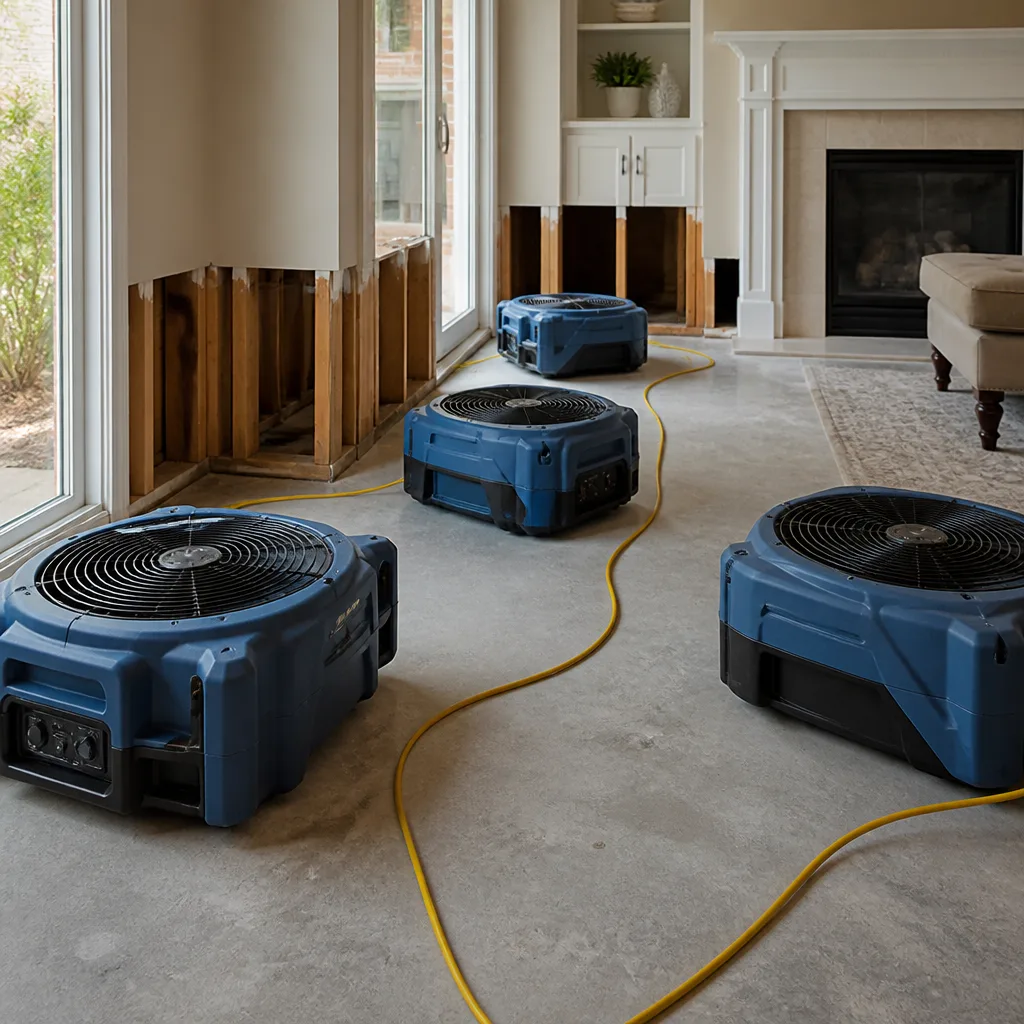
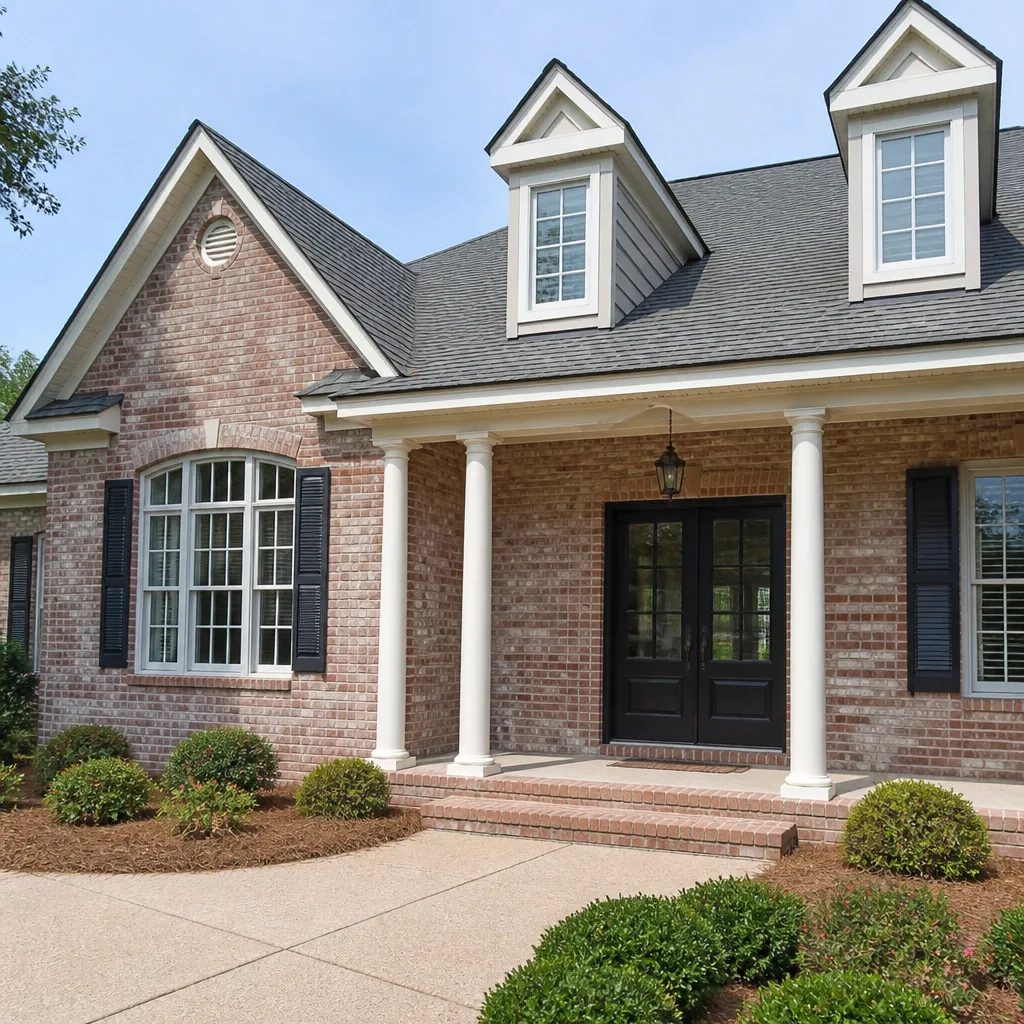
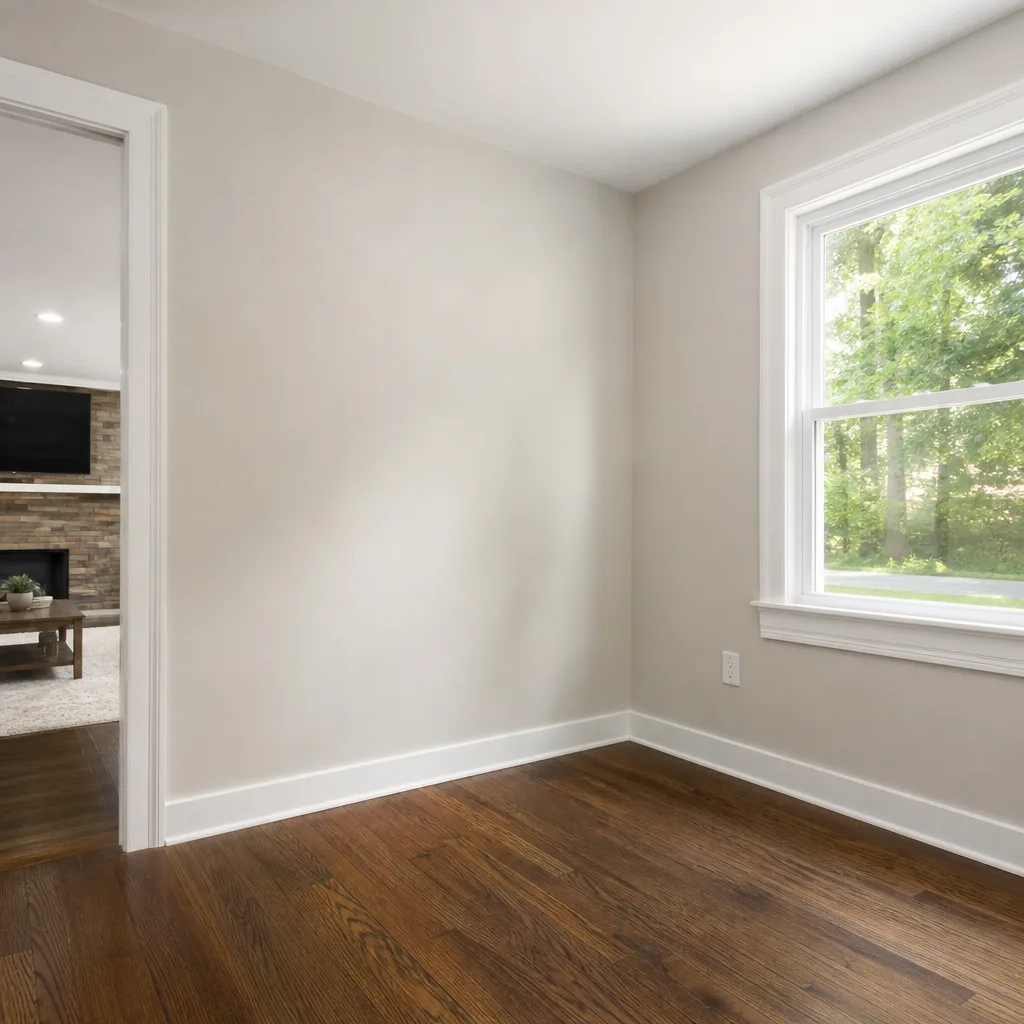

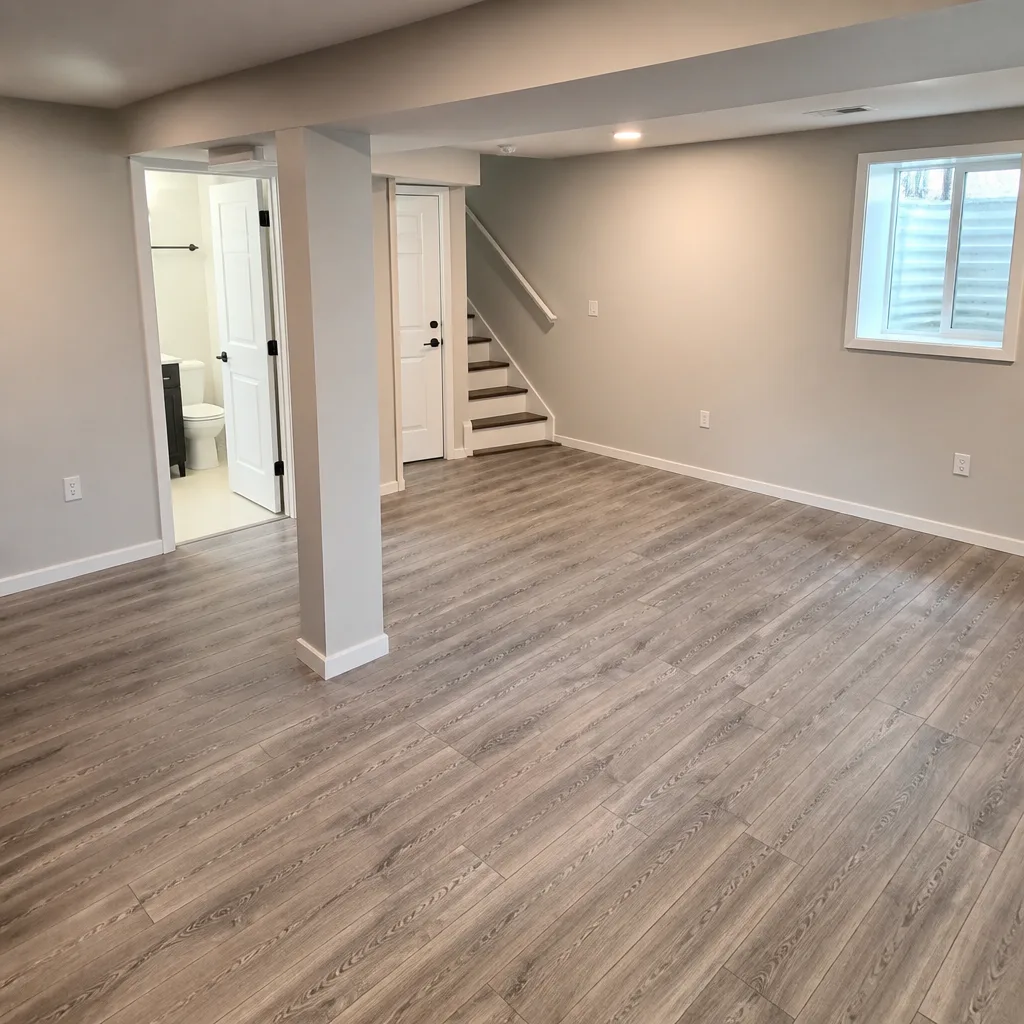
 Before
 After
After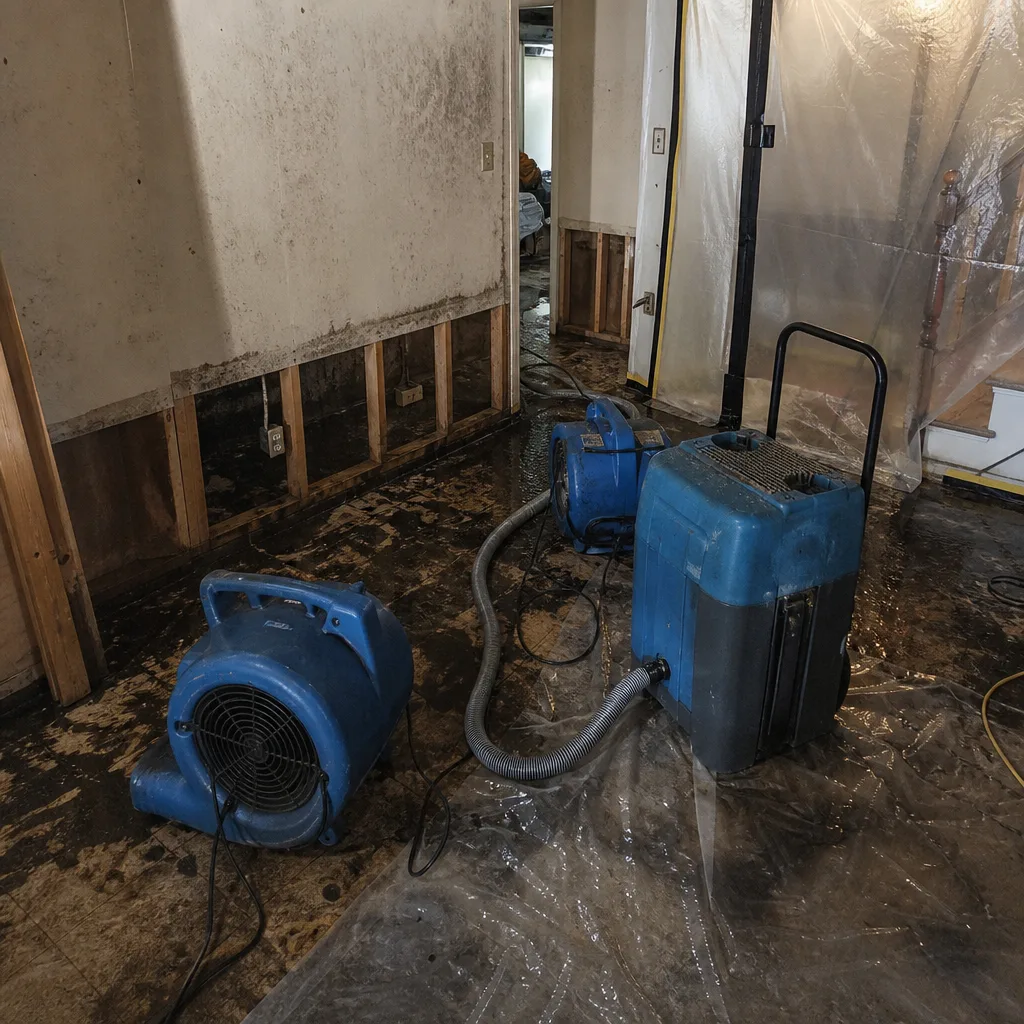 Before
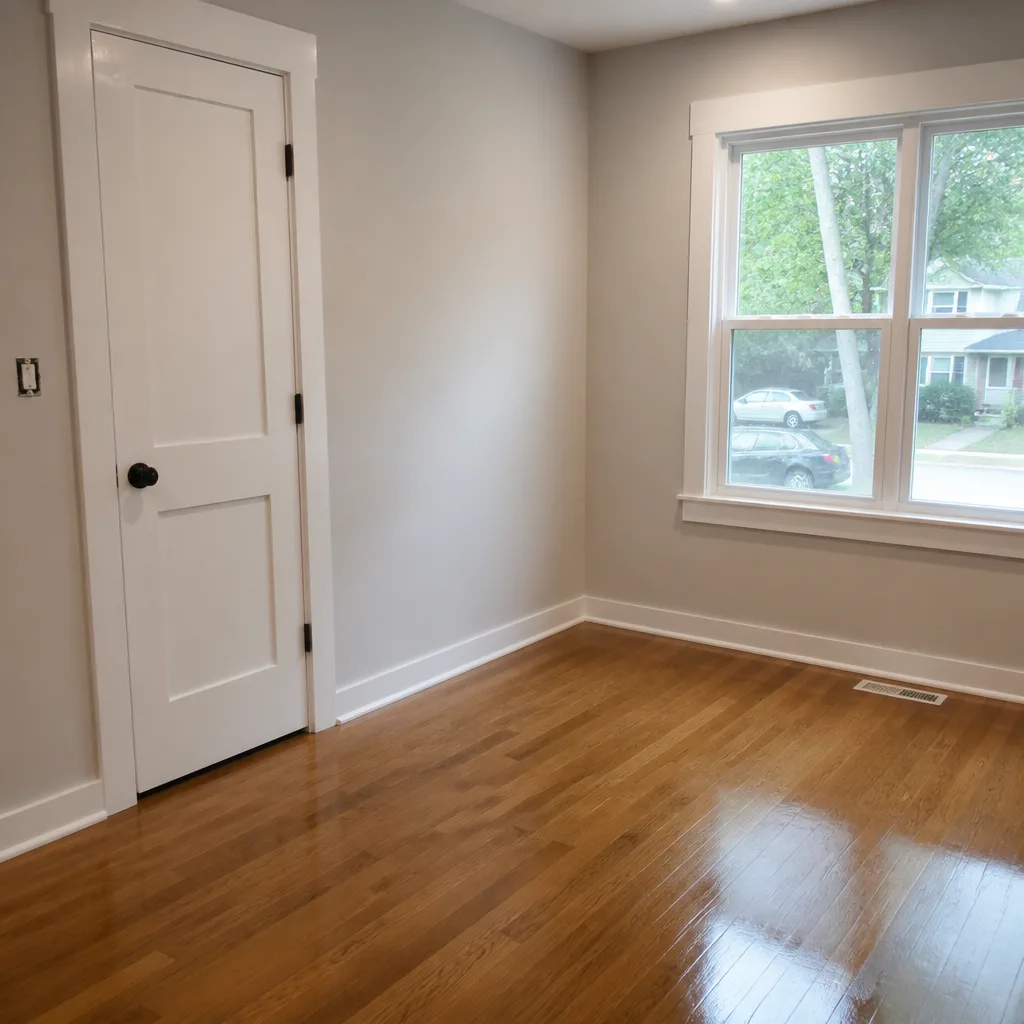 After
After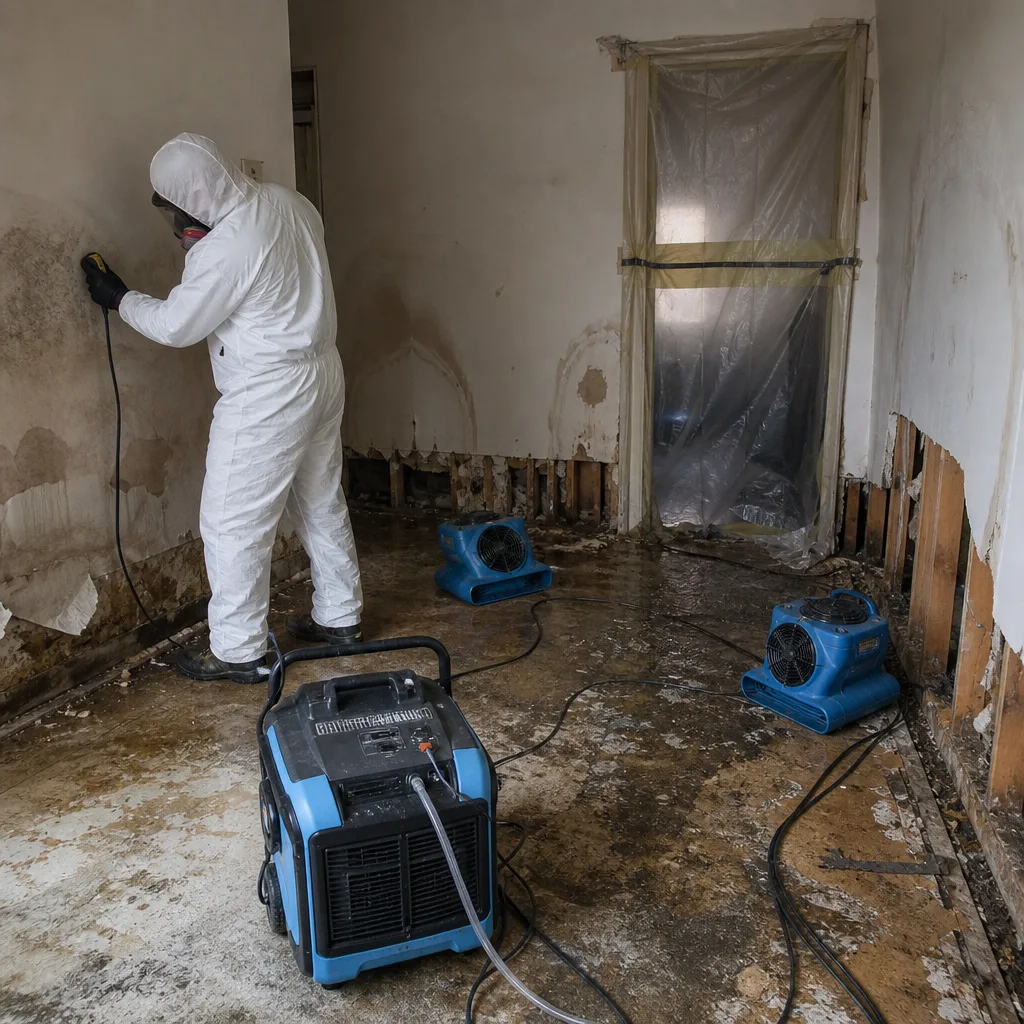 Before
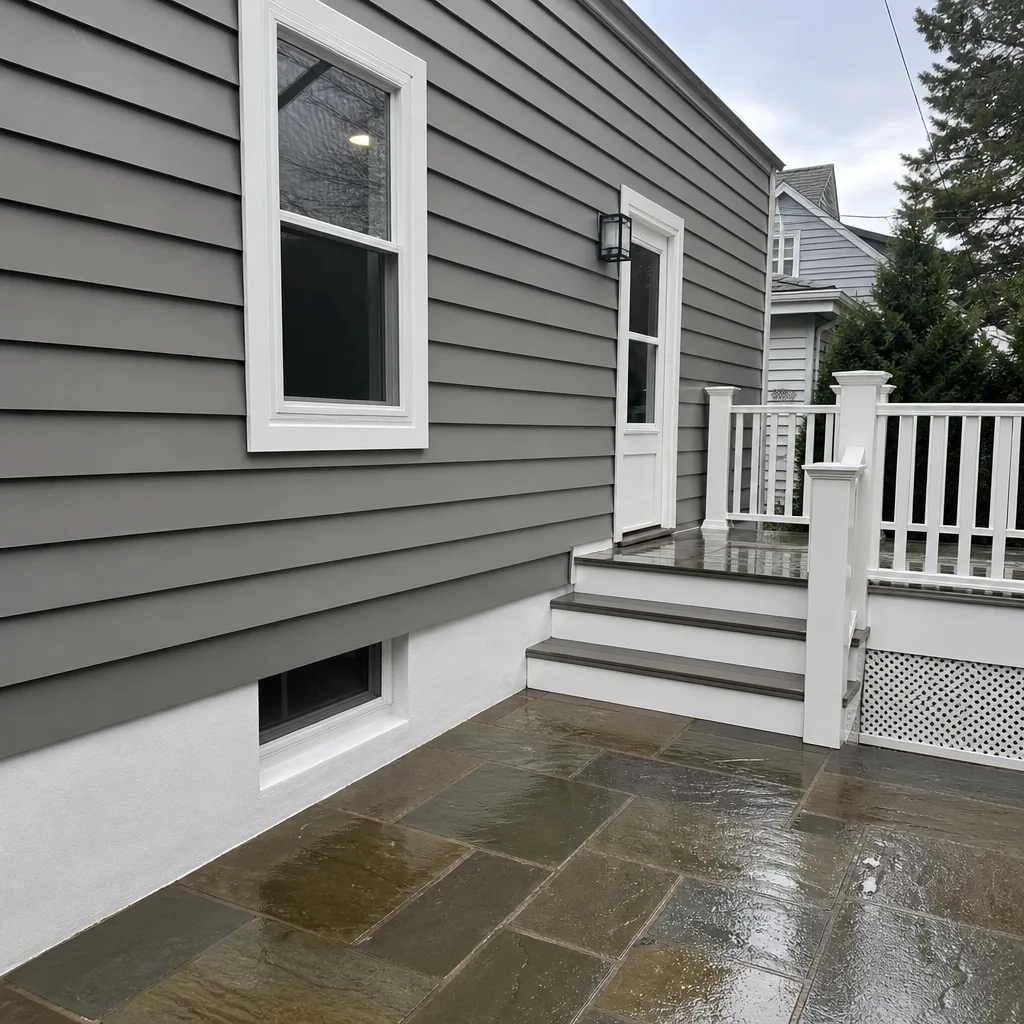 After
After24/7 Emergency Water Damage Restoration in New Milford
Water damage restoration in New Milford costs $1,800-$6,500 for a typical finished basement flood, with emergency extraction alone running $500-$1,200. Most jobs we handle in the borough start within 45 minutes of your call. If you’re standing in water right now, call (640) 333-9625 and a live person answers, day or night.
We run crews into New Milford around the clock because floodwater from the Hackensack River doesn’t wait for business hours. A finished basement that sits wet for 48 hours starts growing mold behind the drywall, and by day three you’re looking at a gut job instead of a dry-out. Our team arrives with extraction pumps, moisture meters, and air movers on the truck. The first hour is when we save your subfloor, your trim, and your HVAC equipment from a second loss.
Understanding Water Damage Restoration Severity in New Milford Properties
Not all water is equal, and New Milford’s geography guarantees we see all three categories. Category 1 is clean water from a burst supply line or an overflowing tub. Category 2 is grey water that carries detergent, sump discharge, or clean water that sat too long. Category 3 is black water from the Hackensack River backing up through floor drains, sewage, or storm surge. That river water is the one we deal with most on River Road and the flood-zone blocks west of it.
The 1940s-1970s Cape Cods and split-levels that fill New Milford were built before modern waterproofing existed. Their basements have cinder block walls that wick moisture, slab floors without vapor barriers, and cove joints where wall meets floor that invite seepage. When a nor’easter pushes the river over its banks, that water saturates the block, rises through the slab, and gets trapped behind the drywall of finished basements. Moisture mapping with thermal imaging and hygrometers tells us where the water actually is, not just where it pooled. That matters because the water you can’t see is the water that mocks your drying log for weeks.
Why New Milford Property Owners Choose Floodline Restoration Co.
- 45-minute response commitment: We dispatch from the metro area into New Milford with a live crew, not a salesperson with a clipboard. Extraction starts the same visit.
- 24/7 live answer: A person picks up at 2 a.m. on a Sunday. Not a recording. Not a callback service. A dispatcher who can send a truck to your street.
- IICRC-certified crews: Our technicians train to IICRC WRT and ASD standards, plus RIA and IFA protocols. Background-checked, uniformed, and named before they walk in your door.
- Free visual inspection: We show up, we look, we hand you a written scope with a firm number. No obligation, no pressure, no “while I’m here” add-ons.
- Direct insurance billing: We work with your carrier from the first moisture reading to the final invoice. You never play messenger.
- One team from extraction to reconstruction: The same crew that pulls the water also hangs the new drywall. No mid-job handoff, no inherited subcontractors, no finger-pointing.
Our Water Damage Restoration Process
Inspection & Assessment
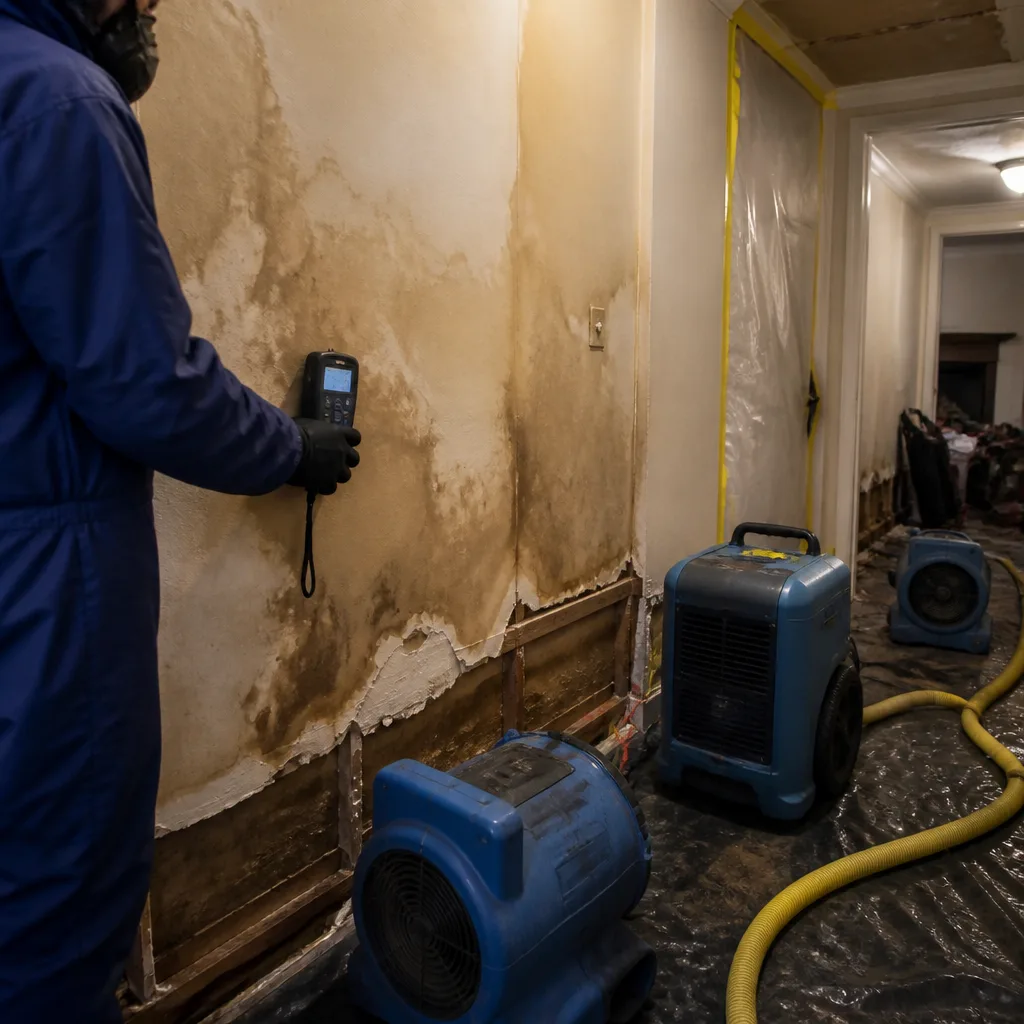
We map the affected area with thermal imaging cameras and penetrating moisture meters. In a New Milford split-level, that means checking the cove joint, the stairwell wall cavities, and the subfloor under the carpet. You get a written scope before any work begins.
Extraction & Stabilization
Truck-mounted and portable extraction units pull standing water off concrete slabs and out of carpet. We cut and remove saturated pad when Category 2 or 3 water is present, because drying a contaminated pad is a mold farm waiting. Content is moved, blocked, or packed out as needed.
Drying & Dehumidification
Dri-Eaz and Phoenix dehumidifiers run alongside XPOWER air movers placed for cross-flow drying. We target hidden wall cavities with Injectidry drying mats where drywall can be saved. Daily moisture readings are logged and shared with you and your adjuster until the dry standard is met.
Cleaning & Sanitization
When river water is involved, we apply EPA-registered antimicrobial treatments to studs, joists, and concrete surfaces. HEPA vacuums and air scrubbers clear the space before rebuild starts. We don’t cover up contamination with fresh drywall; we treat it first.
Structural Drying Verification
Once our daily readings show the structure has returned to its pre-loss moisture level, we document it. That moisture log goes to you and your carrier. It is the record that proves the job was done right, not just done fast.
Repairs & Restoration
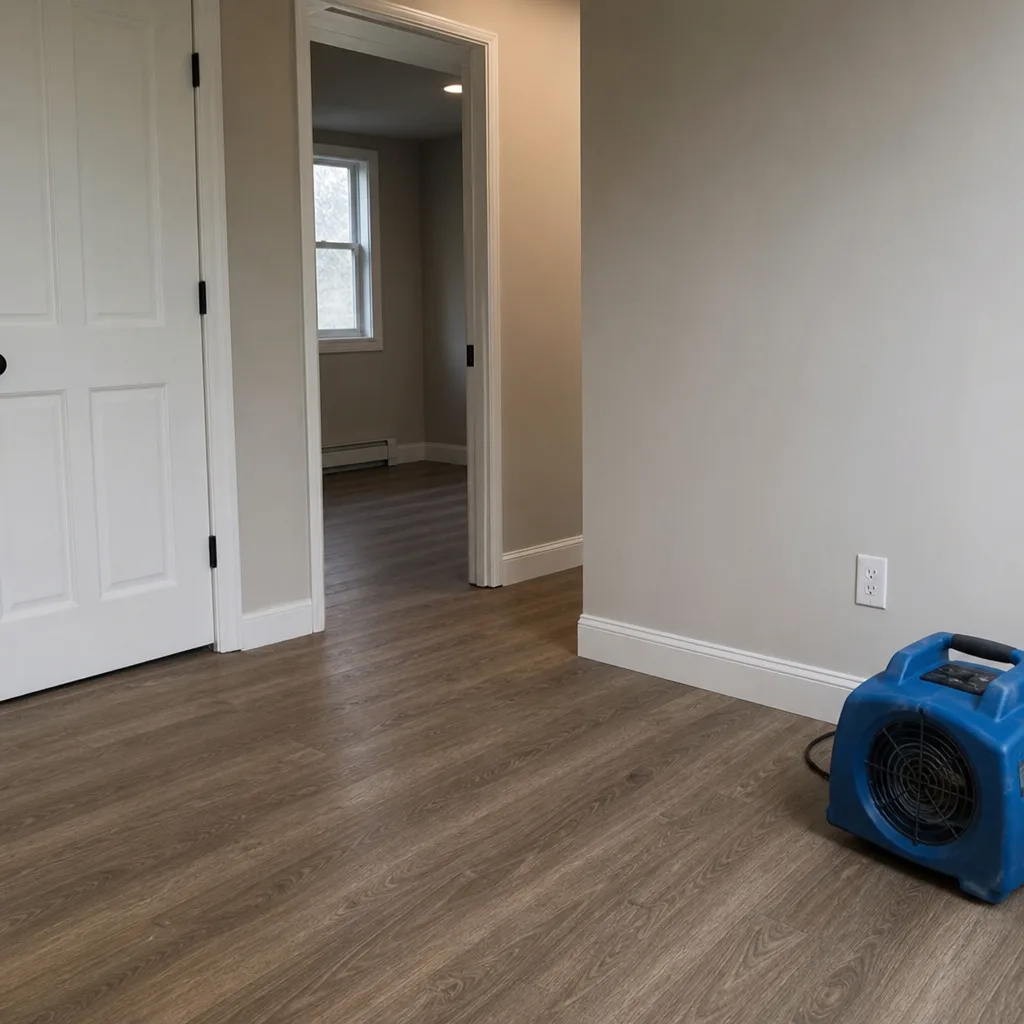
We rebuild what was removed: drywall, baseboards, flooring, paint. The same crew that extracted the water handles the finish work. Your basement comes back whole, not half-done with a “call us when the adjuster approves the rest” note.
Need Emergency Water Damage Restoration in New Milford Now?
Crews minutes away, answering live 24 hours a day. The sooner we start, the less it costs.
Working With Your Insurance Company
We bill your carrier directly and we start the documentation from the first hour, before the adjuster even gets the claim number. Every photo is timestamped. Every moisture reading is logged. The scope of work is itemized in a format your insurance company recognizes, because we write it to their standard, not ours.
When you call us for Water Damage Restoration, you get a team that has sat across from adjusters in Bergen County for years. We know what they need to see to approve the claim. Photo documentation, daily drying logs, and a line-item scope that leaves nothing to guesswork. We coordinate with your carrier directly, so you aren’t faxing pages at midnight or leaving voicemails for a claim rep.
What We Provide Your Insurer
- Thorough documentation of the loss
- Photos of all damage, room by room
- Moisture readings and drying logs
- A detailed, line-item scope of work
- Direct coordination with your carrier
Built for New Milford’s Loss Calendar
January and February in New Milford are burst-pipe months. The same 1950s Cape Cods with uninsulated pipes in exterior walls see supply lines freeze along River Road, Columbia Street, and the side streets running off Madison Avenue. When that pipe lets go, clean water pours into finished basements for hours before anyone notices the ceiling dripping.
March brings snowmelt and the first heavy rains, which push groundwater up through basement slabs and cove joints. April through August is thunderstorm season, with flash flooding at the low points around New Milford Avenue and the Hackensack River frontage. September through November is the real risk: nor’easters and tropical remnants stall over the watershed and back the river up through finished basements in the AE flood zones, exactly what happened during Irene and Sandy. December returns to freeze-thaw cycles and holiday drain clogs. We keep crews staged and ready all year because the loss calendar here never empties.
Water Damage Restoration Across New Milford’s Neighborhoods
The flood-zone blocks west of River Road are our most familiar territory. Homes here, along the Hackensack River frontage, sit inside FEMA AE zones and have been flooded repeatedly since Irene in 2011. When a nor’easter is forecast, we stage trucks in the area. Roads flood, basements back up, and our crews know the access routes, the bulkhead doors, and the sump setups on those blocks better than a GPS does.
Up on the higher ground east of River Road, around New Milford High School and David E. Owens Middle School, the losses look different. Those split-levels and ranches on quiet cul-de-sacs off Madison Avenue see burst pipes in January and appliance failures all year. Basements there flood from the inside out, usually Category 1 water from a water heater or washing machine supply line. The older stock along Columbia Street and the side streets near Brookchester have the tight alley access and narrow bulkhead entries that make low-clearance drying equipment essential. A standard air mover won’t fit through some of those crawl-space doors; our XPOWER units will.
We’ve also done repeated work around the commercial strips along River Road and New Milford Avenue, where older buildings have basement utility rooms that back up with grey water during heavy storms. Same job, different ceiling height. Our New Milford crews carry equipment sized for both.
Specialized Water Damage Restoration Services We Offer in New Milford
Emergency Water Extraction
Standing water from a Hackensack River backup sits for hours while the river recedes slowly. We get pumps running the same visit, pulling hundreds of gallons off the slab before it wicks into drywall and subfloor. Fast extraction is the difference between a three-day dry-out and a full basement gut.
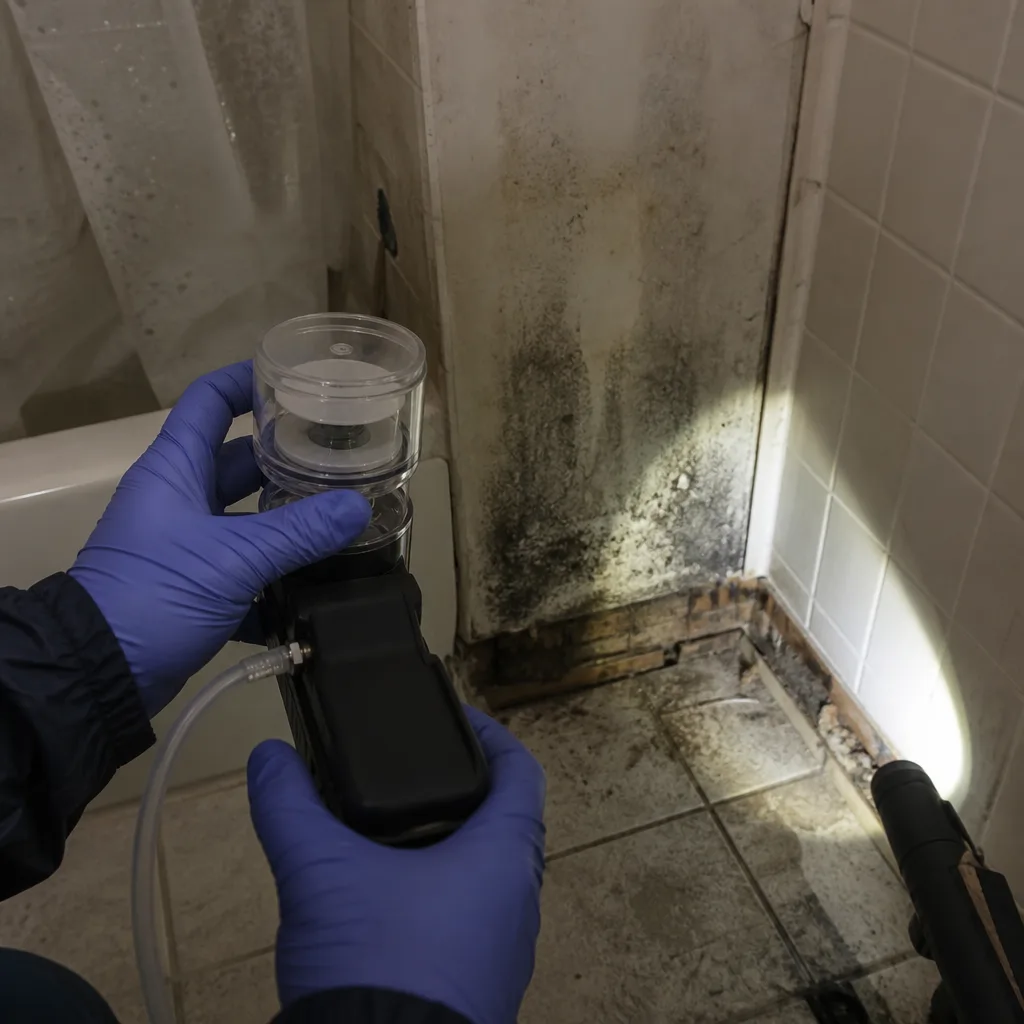
Structural Drying & Dehumidification
New Milford’s 1940s-1970s basements need more than surface drying. Water hides in cove joints, behind finished walls, and under vinyl flooring. We run moisture-mapped drying setups with daily readings until the structure hits its pre-loss moisture level. That’s the only acceptable endpoint.
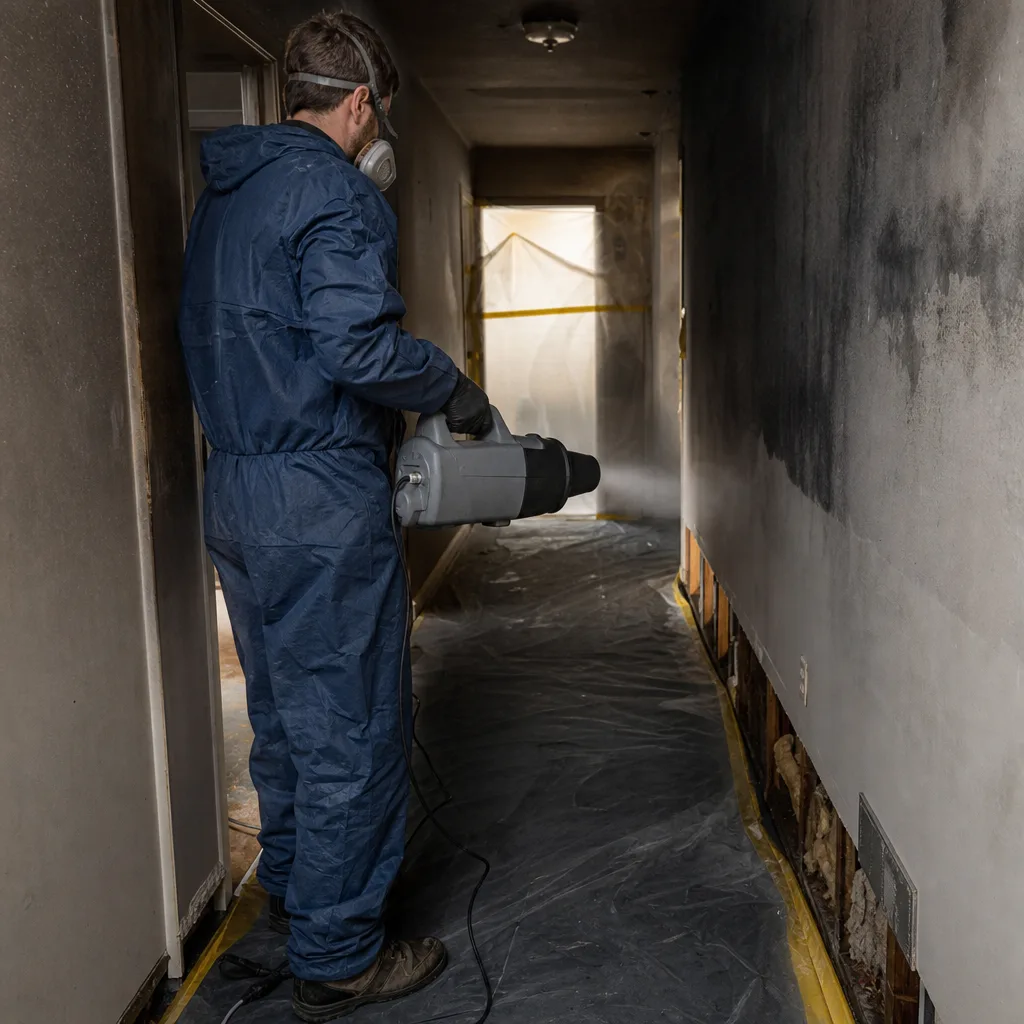
Flood Cleanup
Riverine floodwater from the Hackensack is Category 3 water, and in New Milford’s AE zones it’s the dominant loss type. We remove contaminated carpet and pad, cut wet drywall, treat studs with antimicrobial, and contain the workspace so mold never gets a foothold. This is the repeat work on River Road and the flood-zone blocks.
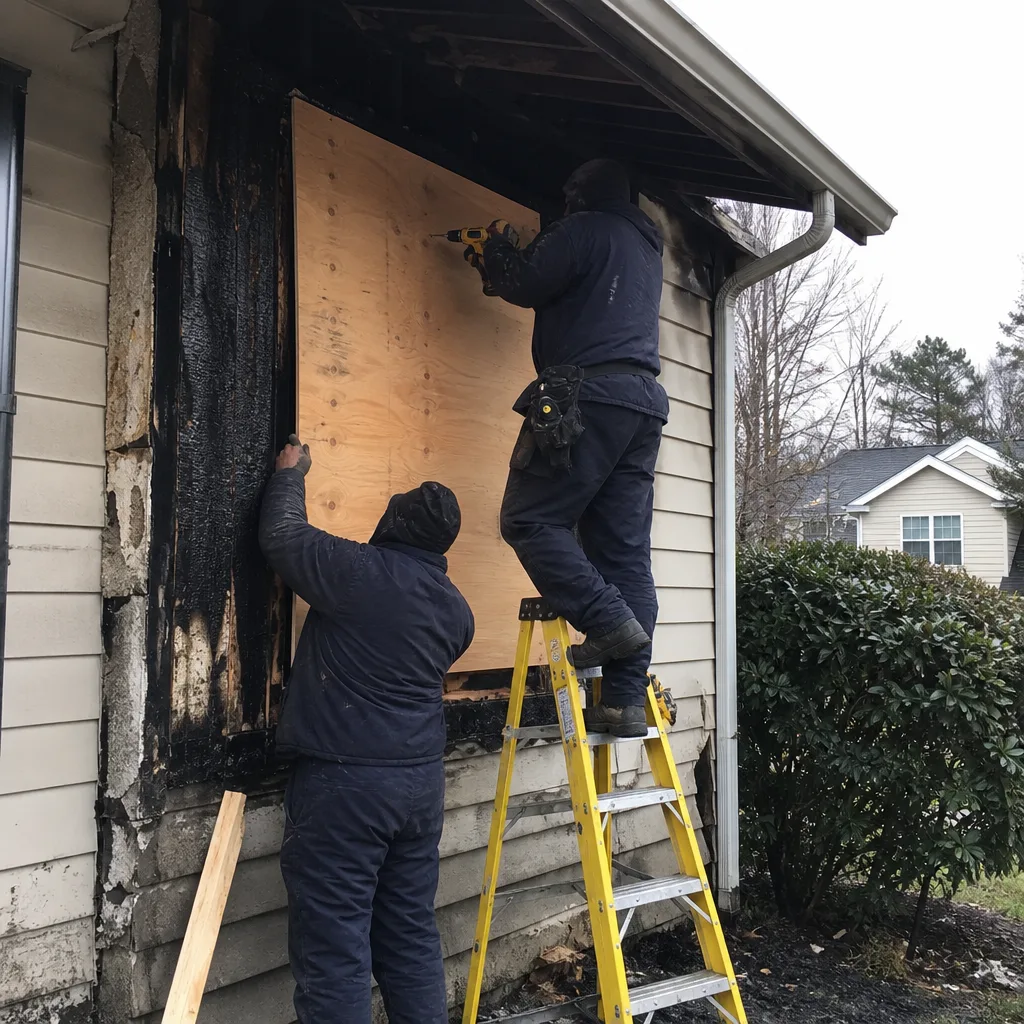
Basement Water Removal
Finished basements on the flood plain hold water in layers: standing water on the slab, absorbed water in the drywall, and trapped water in the wall cavities. We extract all three. Sump pump failed during the last storm? We address the water first, then flag the pump issue for repair or replacement.
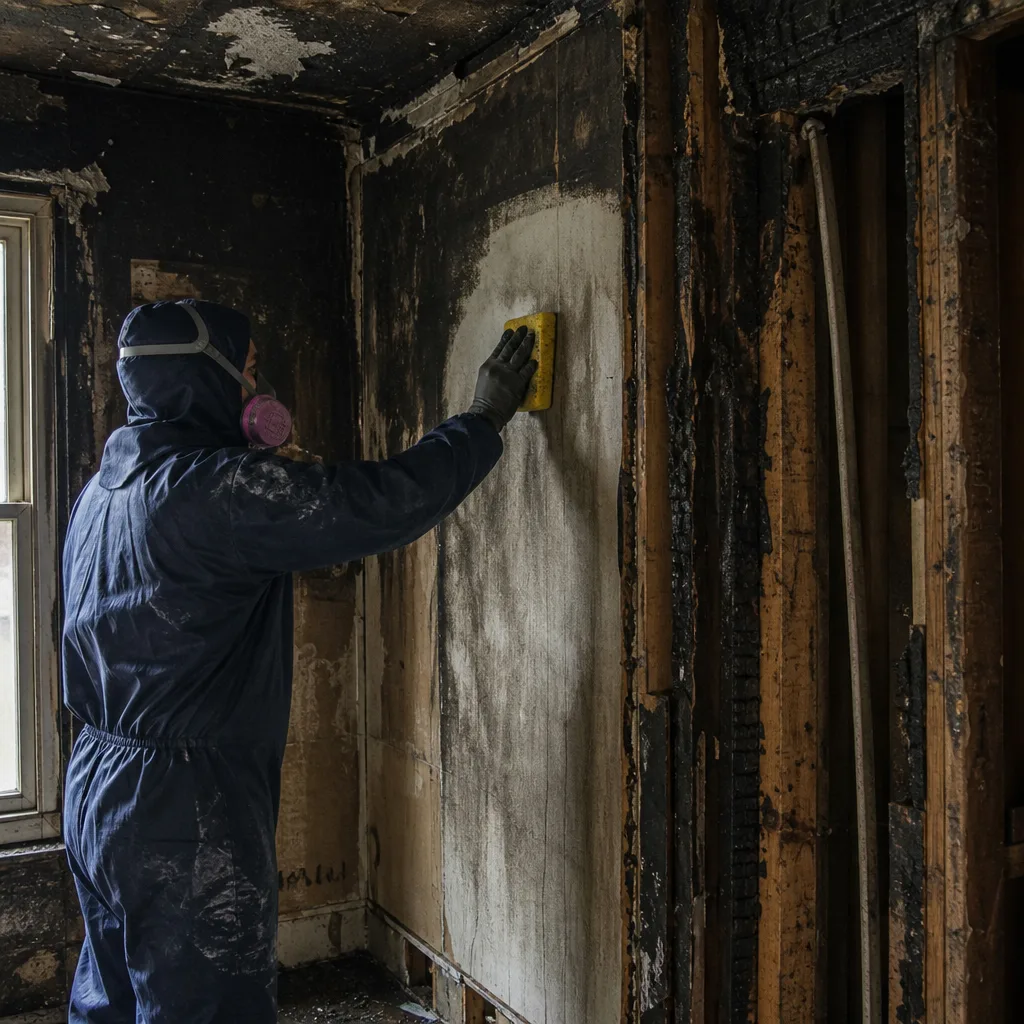
Burst Pipe Restoration
A January freeze in a New Milford Cape Cod can put hundreds of gallons of clean water through two floors before you get home. We extract, dry, and rebuild the affected rooms. When the water is clean and the response is fast, we can often save the drywall and flooring instead of replacing it.
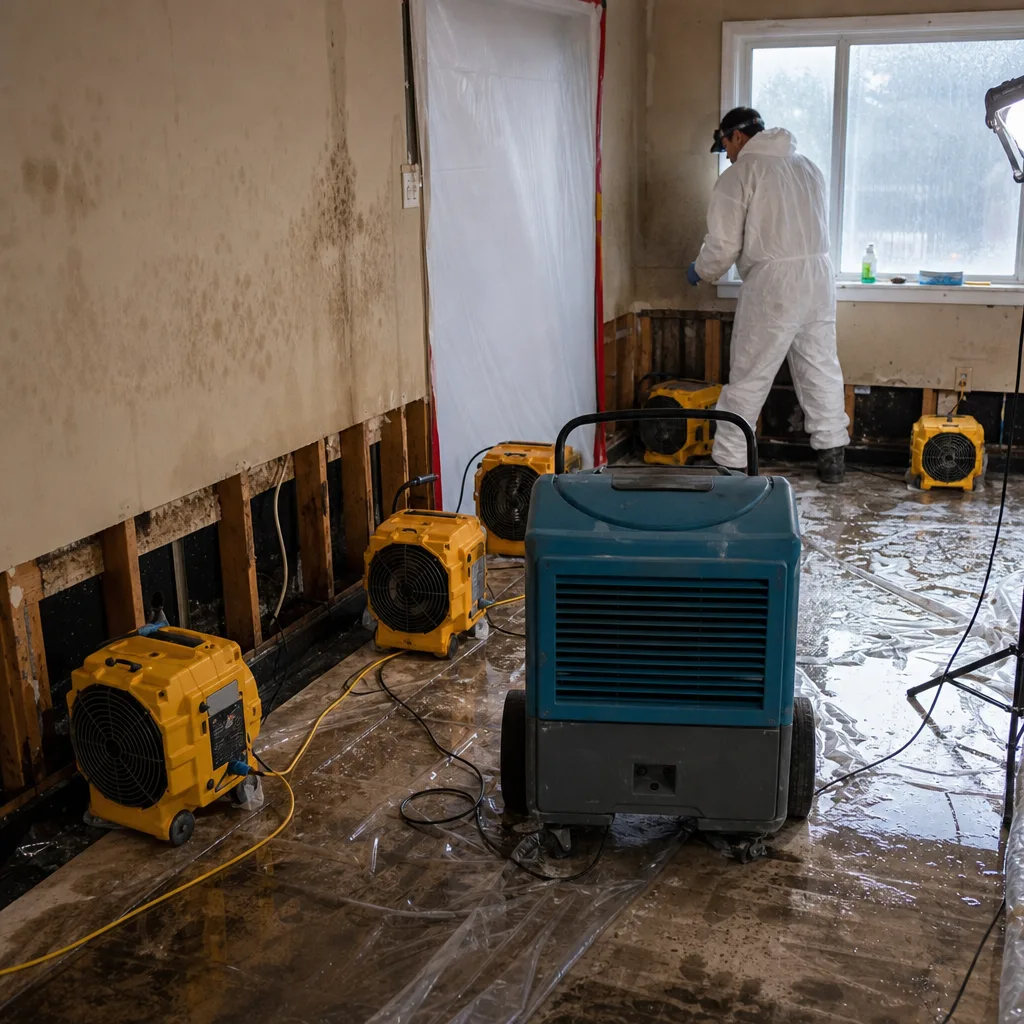
What happens when you call
- 1
A real person answersNo phone trees - you reach a local pro.
- 2
You get an upfront price rangeHonest numbers before anyone is dispatched.
- 3
A background-checked tech heads outLicensed & insured, dispatched right away.
- 4
You approve before work beginsNothing starts until you say go.
Water Damage Restoration Costs in New Milford, NJ
Here’s what New Milford homeowners can expect, based on the jobs we run in this borough:
- Emergency water extraction: $500-$1,200 for a typical basement flood, depending on square footage and water depth.
- Structural drying only (clean water, fast response): $1,500-$3,500 for a finished basement with carpet and drywall.
- Full flood cleanup with Category 3 water (Hackensack River backup): $4,000-$8,500 once you add removal, antimicrobial treatment, and drying time.
- Burst pipe restoration with rebuild: $3,000-$12,000 depending on finishes and how many rooms were affected.
- Ceiling and roof leak damage: $800-$2,500 for extraction, drying, and drywall repair.
What moves the price is the water category, how long it sat, and whether we can save or must cut drywall and flooring. Insurance covers most of these scenarios under standard homeowners policies, minus your deductible. A free visual inspection gets you a written scope with a firm number before we start. Call (640) 333-9625 and we’ll come look.
Homeowners 55 and older who call us about a flooded New Milford basement get the Senior & Veteran 5% Discount, and any repair over $250 currently carries $50 off. Ask the dispatcher about both when you call.
We Also Serve Cities Near New Milford
Our crews run the same Bergen County routes daily. We serve Water Damage Restoration in New Milford plus River Edge to the south, Bergenfield and Dumont to the east, and Oradell to the northeast. Same live dispatch, same 45-minute response, same written guarantee.
New Milford Water Damage Restoration Questions, Answered
How fast can Floodline Restoration Co. get to a flooded basement on River Road in New Milford?
We typically reach River Road within 45 minutes of your call. Those blocks are inside the Hackensack flood zone, and we keep crews staged nearby during nor’easter watches and heavy rainfall events. A live dispatcher answers 24/7 and dispatches immediately. Call (640) 333-9625.
Can you dry out a finished basement in New Milford without tearing out all the drywall?
Sometimes. We save drywall when water is clean and caught early by drilling small weep holes at the base, using Injectidry drying mats, and running dehumidifiers hard. When the water is Category 3 from the Hackensack River or has soaked the wall for over 48 hours, the drywall usually comes out. Cut it, treat the studs, replace it clean. A free inspection tells you which path applies.
Do I need a separate mold inspection after water damage in New Milford?
Not always, but we check for mold during every water damage job as standard practice. If our moisture readings show a past leak that was closed up without drying, we flag it. When active mold is present, our certified team runs containment and remediation before the rebuild. No separate company needed, and we document everything for your insurer.
My New Milford sump pump failed during the last storm. Can you fix it and dry the basement in one visit?
We extract the water and start drying the same visit. For the pump itself, we assess whether it needs repair or replacement, and our reconstruction crew handles the fix. One team, one scope, no calling a plumber and then calling us back. The Keystone Standard applies to the whole job, in writing.
How do you deal with the tight alley access behind my split-level on Columbia Street?
Our drying equipment is selected for New Milford’s tight spaces. XPOWER air movers and compact Dri-Eaz dehumidifiers fit through narrow bulkhead entries and tight stairwells that standard units can’t. We route hoses along fence lines on lots with alley access, and we sequence the work so extraction starts while equipment is still being staged. Tight access slows some companies down; it’s just another Tuesday for us.
Will my insurance cover water damage restoration in New Milford?
Most standard homeowners policies cover sudden and accidental water damage, including burst pipes and storm-related flooding, though river overflow sometimes requires a separate flood policy. We bill your insurer directly and coordinate with your adjuster from day one. Bring the claim number when you call and we handle the paperwork. Green Brook and the rest of the work is on us.
How long does it take to dry out a flooded basement in New Milford?
Three to five days for a clean-water flood caught early. Seven to ten days when the Hackensack River backed up and the water sat for hours or days before we arrived. Daily moisture readings determine when the structure is dry, not a calendar. We hand you the drying log and the carrier gets a copy.
What should I do in the first 30 minutes after finding water in my New Milford basement?
Call us at (640) 333-9625 first. Then, if you can safely reach the breaker panel, cut power to the affected area. Don’t walk through standing water, especially if it came from the river or a drain backup. Don’t try to vacuum it up with a shop vac. Move photos and documents to a dry space only if it’s safe to do so. Let our crew handle the rest.
Serving New Milford, NJ - Our Local Coverage Area
We’re based in the New Milford area and know this community well. Use the map below to see our service coverage - if you’re nearby, we can almost certainly help.
The Flood-Zone Playbook
New Milford’s residential flood plain along the Hackensack River puts hundreds of finished basements inside FEMA AE zones. Restoration crews here routinely extract Category 2 and 3 water from spaces that have been remediated before, not just once, but after Irene, Sandy, and later nor’easters. That repeats-loss history changes the playbook.
When we walk a River Road basement after a flood, we assume layered moisture until proven otherwise. A Sandy-era drywall patch that looked fine from the outside might still have trapped water behind it from 2012, plus a fresh layer from last night’s storm. We were called to a 1950s Cape on River Road after a nor’easter pushed the Hackensack over its banks. Our techs carted XPOWER air movers down a narrow side alley and through a bulkhead door, then ran moisture mapping on the finished basement. The walls showed layered moisture readings from a previous Sandy-era patch job that had never fully dried. We removed the saturated drywall, applied antimicrobial treatment behind the studs, and set up containment with Dri-Eaz dehumidifiers to hit pre-loss condition before mold could colonize the subfloor.
That’s the reality of flood restoration in New Milford: slow-receding water means more time for water to wick into hidden spaces. Skipping daily moisture readings here doesn’t just slow the job, it guarantees a repeat mold problem in a house that already has flood history. We don’t skip readings. We log every one.
Written by Curt Bowman, Owner at Floodline Restoration Co., serving New Milford and Bergen County since 2010.