
Free visual inspection and a written scope of work before any mitigation begins - photos, moisture readings, and drying logs go in your claim file
The scope we write is the scope we bill. Anything new gets shown to you, in writing, before we touch it.
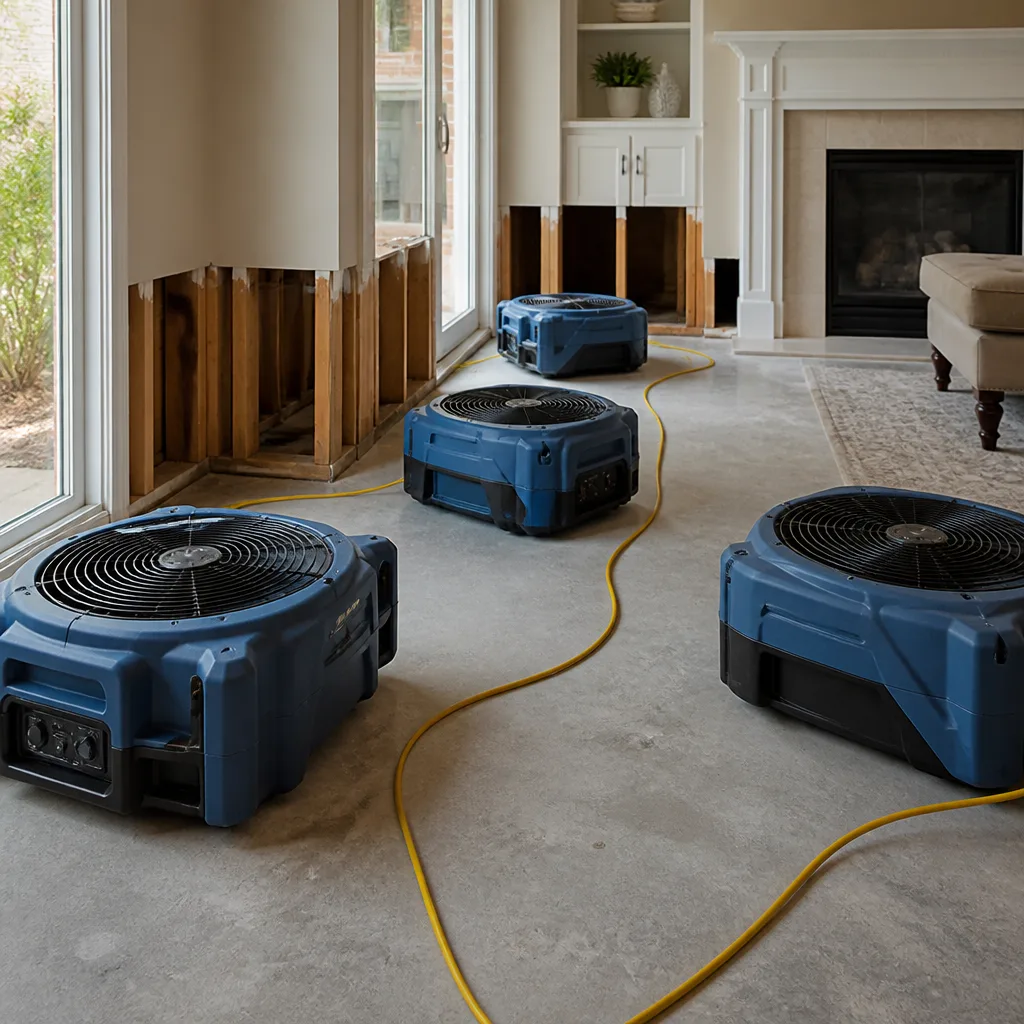
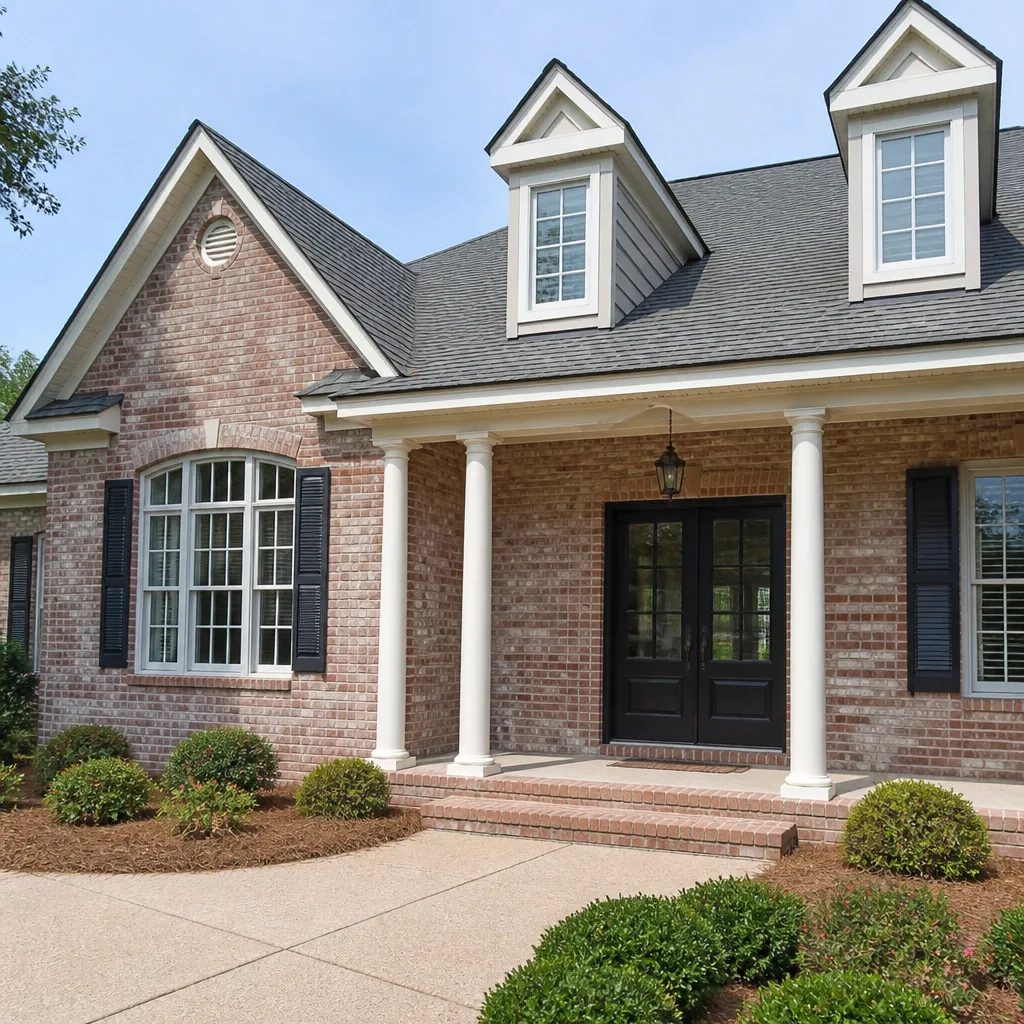
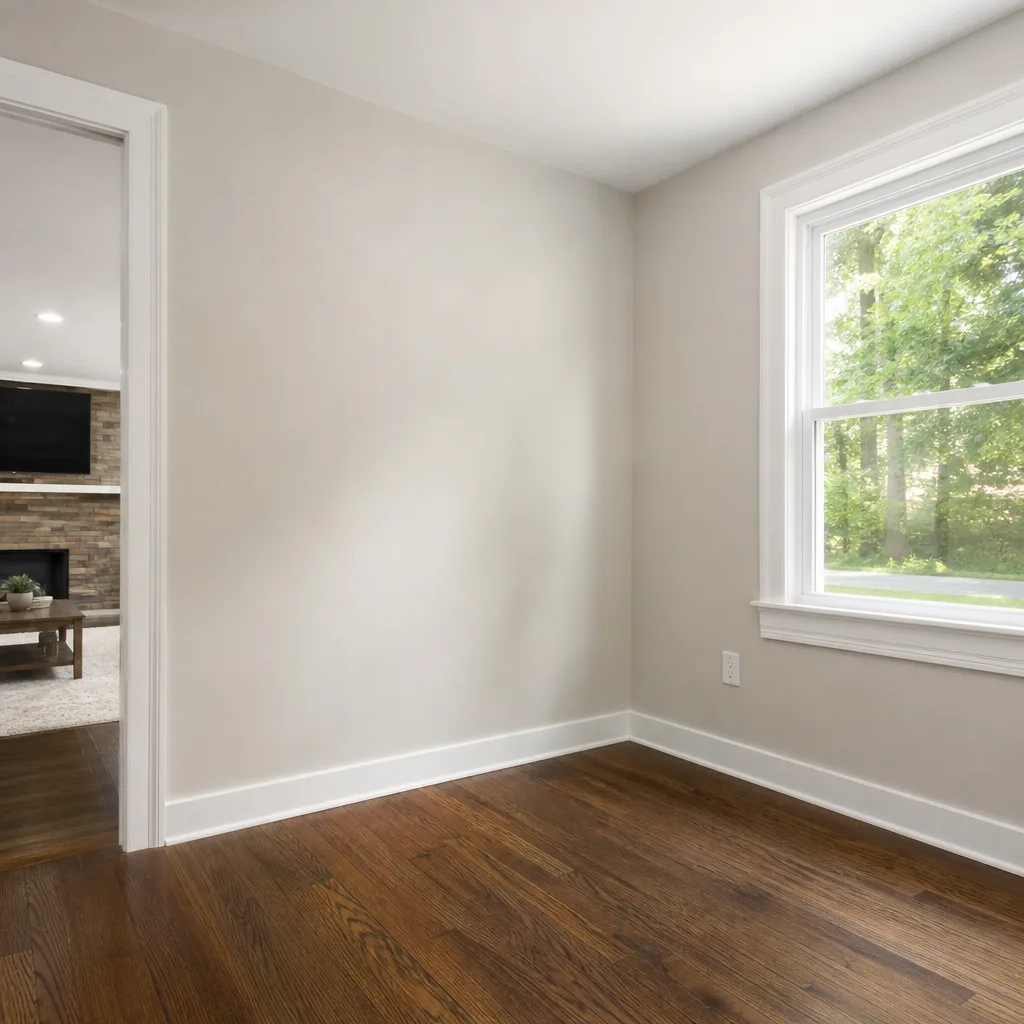
 Before
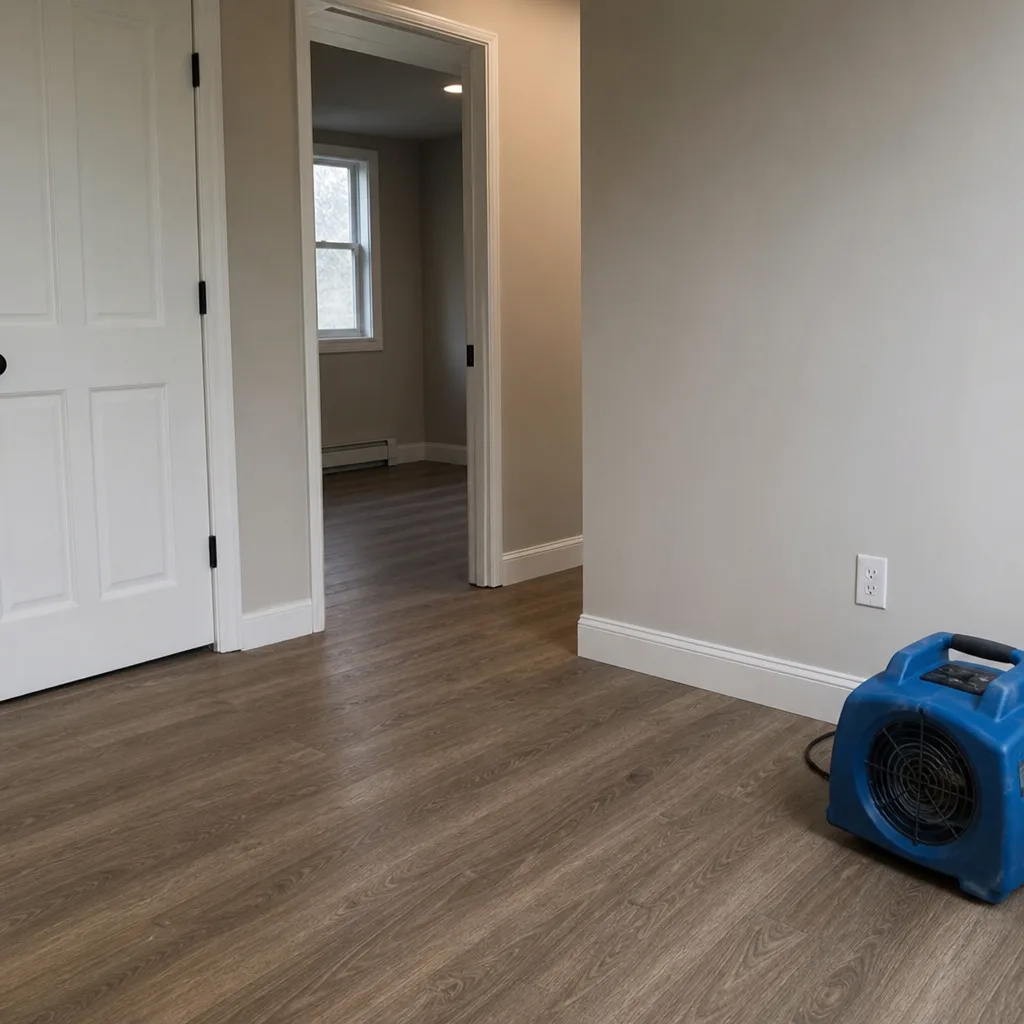 After
After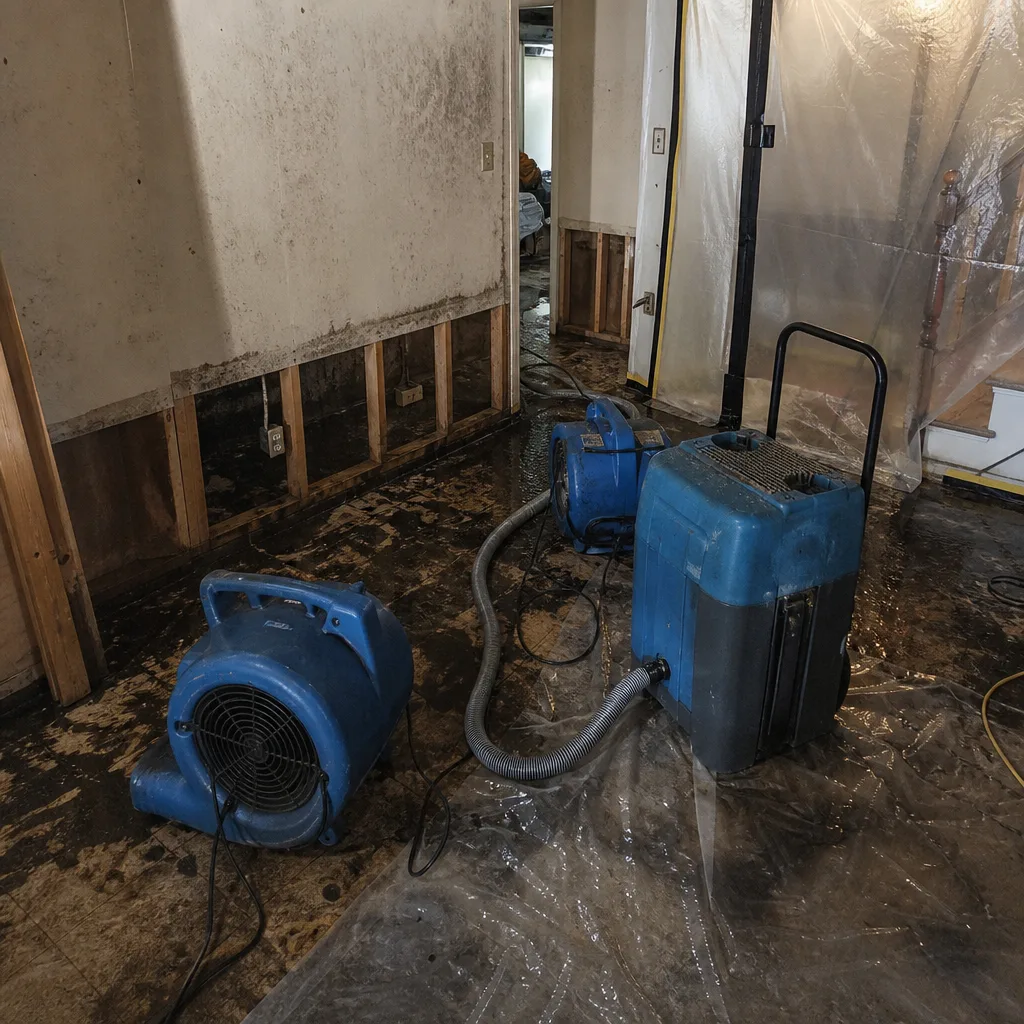 Before
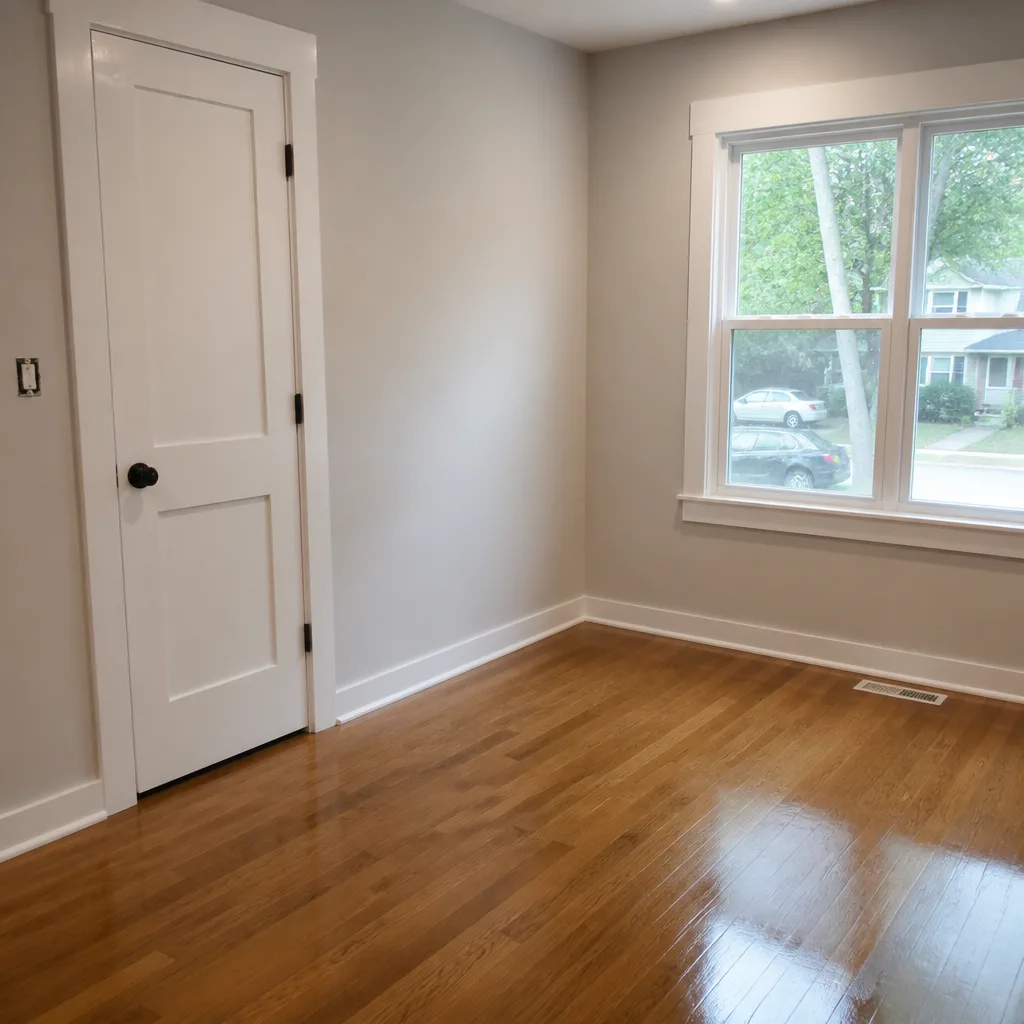 After
After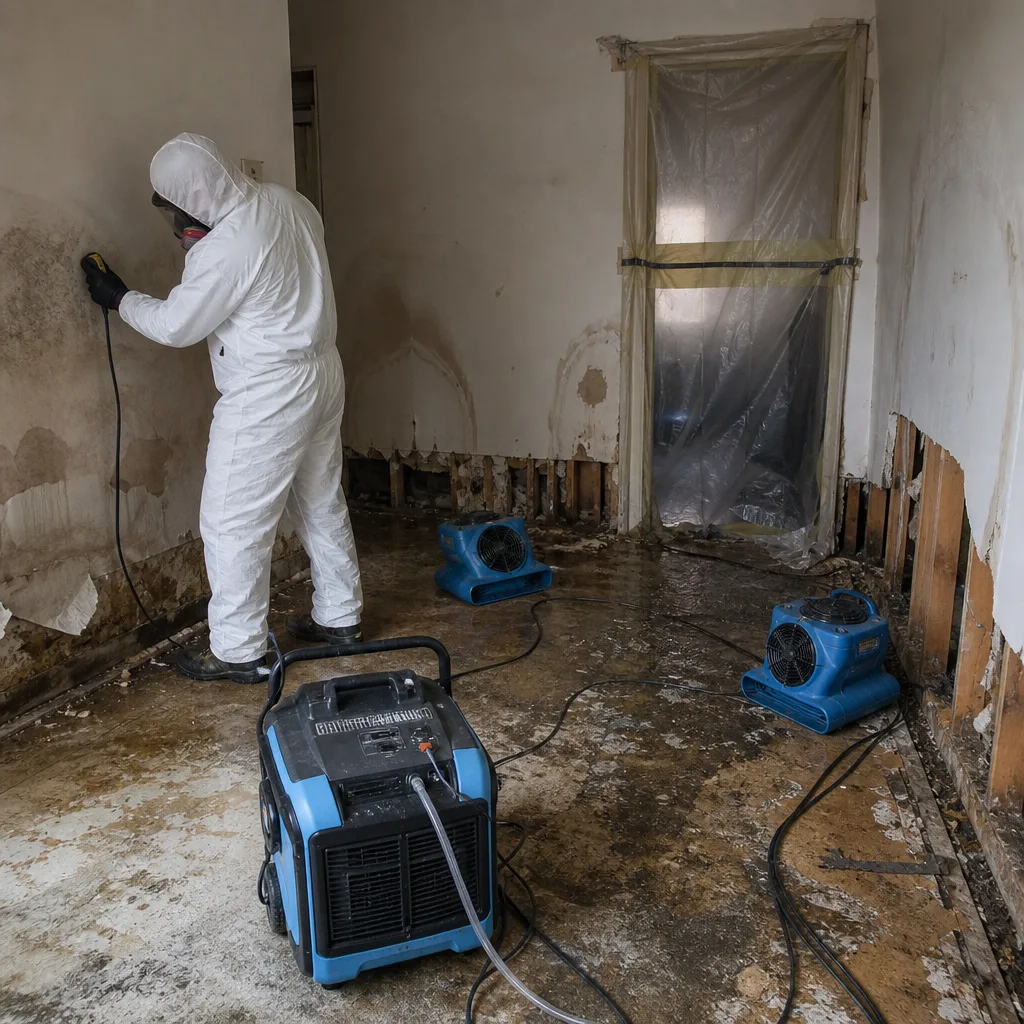 Before
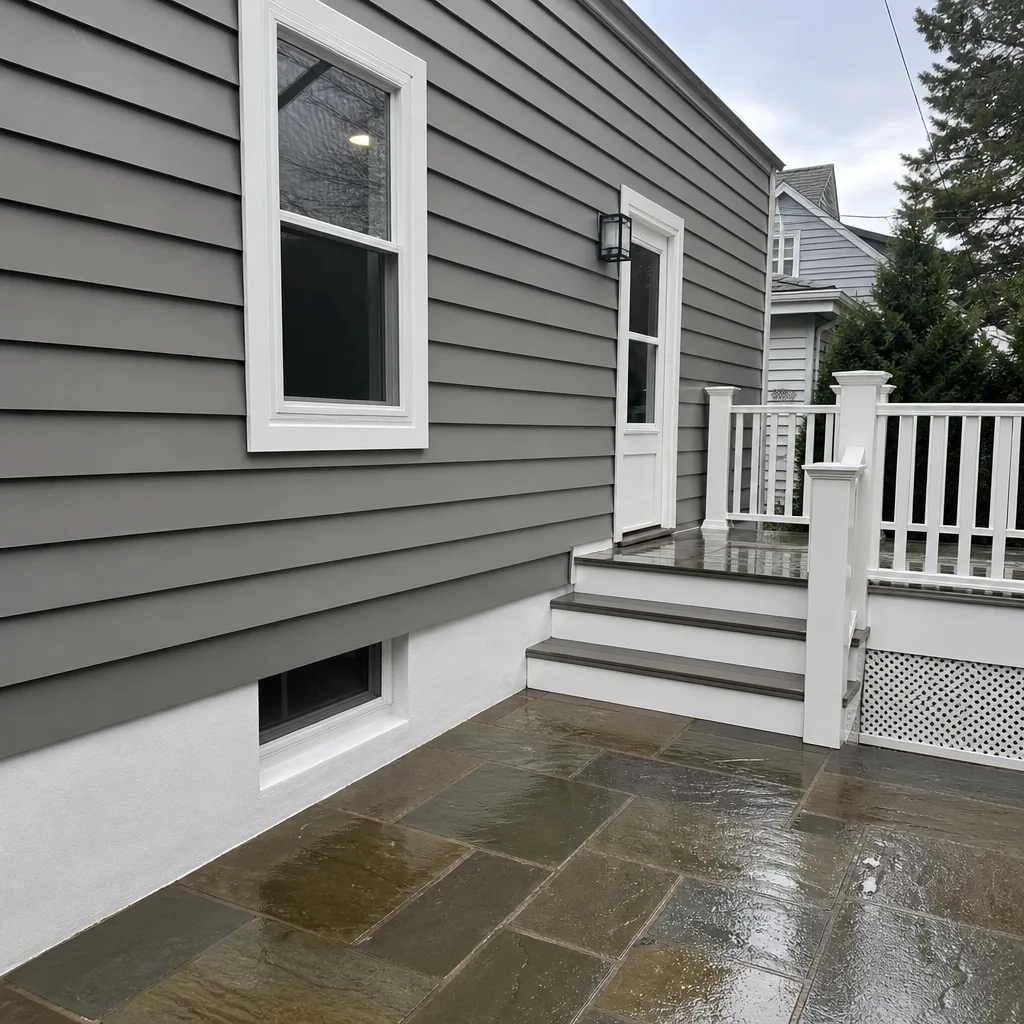 After
After24/7 Emergency Water Damage Restoration in Elmwood Park
Water damage restoration in Elmwood Park typically costs between $1,200 and $6,500 depending on the category of water, the square footage affected, and whether the Passaic River touched your basement or just a supply line burst. Our live dispatchers answer at (640) 333-9625 around the clock, every day, and we get a certified crew rolling toward Elmwood Park the moment you hang up. The first hour matters because Category 2 and Category 3 water move fast through drywall, wick up plaster, and colonize mold inside 48 to 72 hours. We offer a free visual inspection and a written scope before any extraction begins, so you know exactly what you’re dealing with and what it will cost. No recording, no call center maze, no sleeping on it while the water keeps working.
Understanding Water Damage Restoration Severity in Elmwood Park Properties
Elmwood Park’s housing stock, mostly Cape Cods, colonials, and ranches built between the 1940s and 1960s, responds to water differently than newer construction. Plaster-on-lath walls in those older homes hold moisture longer than modern gypsum board, and original drainage tile under river-adjacent basements rarely moves water fast enough during a Passaic surge. We classify water by category: Category 1 is clean supply water from a burst pipe or failed water heater. Category 2 carries contaminants from appliances or sump overflow. Category 3, what you get when the Passaic River enters your home, is grossly contaminated water that requires full containment, extraction, removal of saturated porous materials, and antimicrobial treatment. We use moisture mapping and thermal imaging to find water that isn’t visible, because in Elmwood Park’s flood-zone homes, the water you can’t see behind painted-over tide lines is the water that causes the most expensive damage. Drying to a dry standard, not just until the surface feels dry, is the difference between a one-time repair and a recurring mold problem.
Why Elmwood Park Property Owners Choose Floodline Restoration Co.
- 45-minute response commitment: We dispatch crews the moment you call and a live person confirms your address, the nature of the water, and what’s at stake.
- 24/7 live answer: A real dispatcher picks up at 2 a.m., not an automated system or a voicemail box that says we’ll call you back.
- IICRC-certified crews: Our technicians hold WRT and ASD certifications, and they carry the same moisture meters, hygrometers, and extraction equipment to every Elmwood Park job.
- Free visual inspection: We walk the loss with you, show you the readings on the meter, and explain what needs to come out and what can be dried before you commit to anything.
- Direct insurance billing: Floodline bills your carrier directly, itemizes the full scope, and handles adjuster communication so you don’t become the messenger.
- One team from extraction to reconstruction: The crew that pulls the water is the crew that hangs new drywall. No mid-job handoff to a sub you’ve never met.
Our Water Damage Restoration Process
Inspection & Assessment
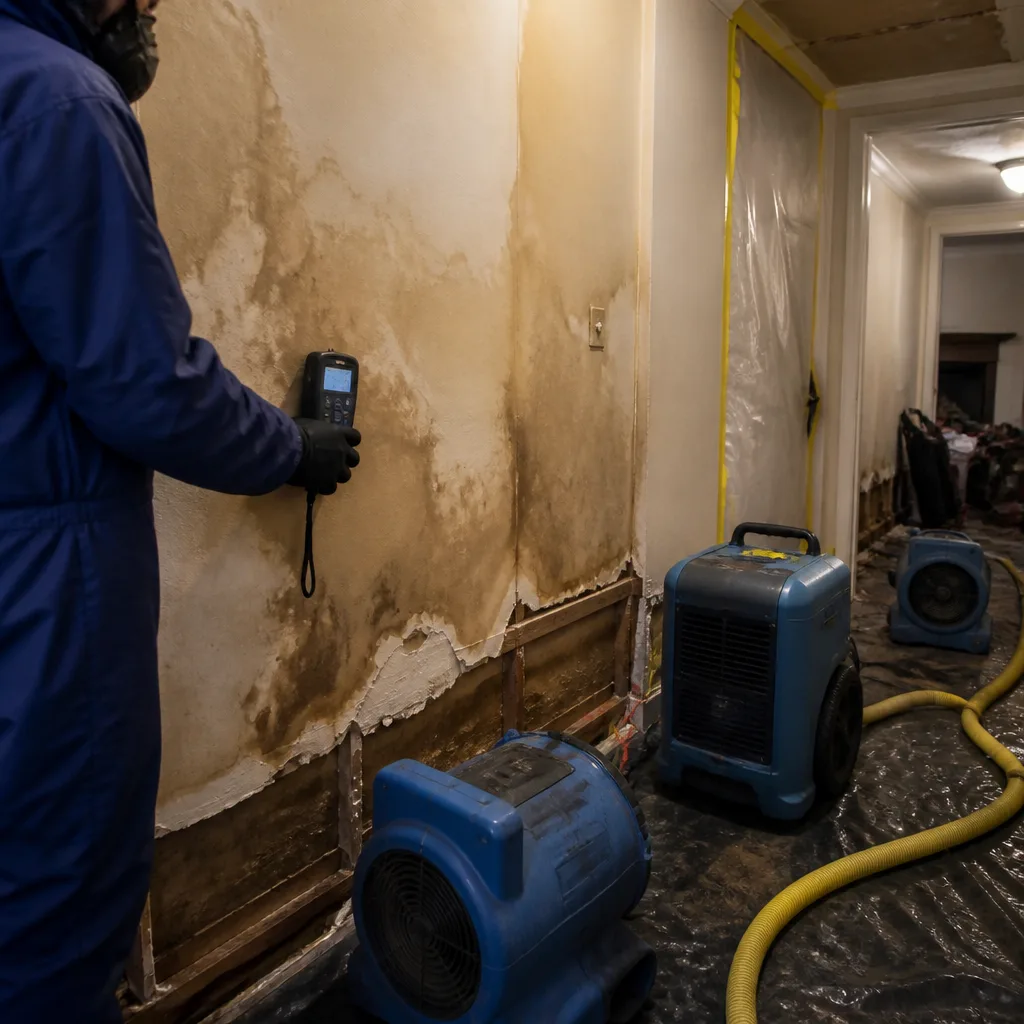
We map every affected room with moisture meters and thermal imaging. On Elmwood Park homes with prior flood repairs, we look behind patched drywall and painted-over tide lines to find water that’s been missed before.
Extraction/Stabilization
We pull standing water with truck-mounted and portable extraction units, remove carpet pad and saturated drywall, and stop the water from moving further into the structure.
Drying & Dehumidification
Dri-Eaz and Phoenix air movers and LGR dehumidifiers run continuously, with daily moisture readings logged until the dry standard is met. That log goes to you and your adjuster.
Cleaning & Sanitization
We clean and apply antimicrobial treatments to salvageable surfaces. HEPA air scrubbers run during the process to keep mold spores and contaminants from spreading through the house.
Containment & Gut-and-Assess Protocols
In flood-zone homes on streets like River Drive, we set negative-air containment before opening walls, because the mold behind one layer of old repair work can spread fast once exposed.
Repairs & Restoration
We replace what was removed: drywall, insulation, flooring, baseboards, drainage tile. The same crew that extracted the water sees the job through to the final coat of paint.
Need Emergency Water Damage Restoration in Elmwood Park Now?
Crews minutes away, answering live 24 hours a day. The sooner we start, the less it costs.
Working With Your Insurance Company
We’ve handled water damage claims in Elmwood Park long enough to know what adjusters need and what they push back on. From the first hour on site, we photograph every room before we touch anything, log moisture readings as we go, and build a line-item scope that matches the actual work, not a generic template. Our team communicates directly with your carrier and provides drying logs, photo documentation of all damage, and a detailed written estimate. If your claim involves FEMA Substantial Damage rules because repair costs exceed 50% of your home’s assessed value, we help you understand what compliance upgrades may be required and document everything in the format your adjuster and floodplain administrator will accept.
What We Provide Your Insurer
- Thorough documentation of the loss
- Photos of all damage, room by room
- Moisture readings and drying logs
- A detailed, line-item scope of work
- Direct coordination with your carrier
Built for Elmwood Park’s Loss Calendar
Elmwood Park takes water from every direction, and the calendar tells you what’s coming. January and February bring deep freezes that split supply lines in unheated basements and crawlspaces. March and April snowmelt pushes the Passaic over its banks and drives seepage into every basement at or below flood-stage elevation. Late summer brings tropical remnants, the same pattern that put river water in finished basements during Irene and Ida, which is why our Storm & Disaster Restoration in Elmwood Park stays fully staffed through hurricane season. Nor’easters in October and November dump rain on saturated ground and send water through foundation cracks that stayed dry all summer. Homes in Elmwood Park’s FEMA AE zones file more repeat flood claims than almost any other type of loss, and that repetition matters: if your home has flooded before, we don’t assume the last contractor dried it correctly. We assume the opposite and prove it with moisture mapping.
Water Damage Restoration Across Elmwood Park’s Neighborhoods
The streets closest to the Passaic River, around River Drive and the blocks that slope down toward the water, carry the heaviest flood risk and the most complicated restoration scopes. Those 1940s and 1950s ranches and Cape Cods often have finished basements that sit below flood-stage elevation, and after a river surge they need full containment and gut-out, not just extraction. West of River Drive, near the border with Saddle Brook, housing stock includes colonials with original drainage tile and aging sump systems that fail quietly during heavy rain. Along Market Street and the commercial corridor, mixed-use properties carry basement mechanicals that get wet fast when a sewer line backs up or a water heater lets go. In the residential blocks off Boulevard, where homes sit on slightly higher ground, we see more supply-line bursts and ceiling leaks from failed plumbing than river water, but the plaster walls in those older homes still hold moisture and need aggressive drying. The specific street matters less than what the meter says once we’re inside, but the flood history of this town means we always check for what’s been patched over.
On a river-adjacent street off River Drive, our crew extracted Category 3 water from a 1950s ranch with a finished basement that had flooded during a Passaic River surge. Moisture mapping showed water had wicked 4 feet up plaster-on-lath walls behind painted-over tide lines, so we performed full containment, removed saturated drywall and original drainage tile, and ran Injectidry and Dri-Eaz air movers until moisture readings returned to pre-loss condition. That’s what Fire & Smoke Damage Restoration in Elmwood Park and water restoration both require: you don’t guess, you gut and measure.
Specialized Water Damage Restoration Services We Offer in Elmwood Park
Emergency Water Extraction
Standing water in an Elmwood Park basement needs to come out fast. We run truck-mounted extraction units and submersible pumps that pull hundreds of gallons per hour, then follow with wet-vac work to get what the big units leave behind. The faster the water’s out, the less wicking into plaster and framing.
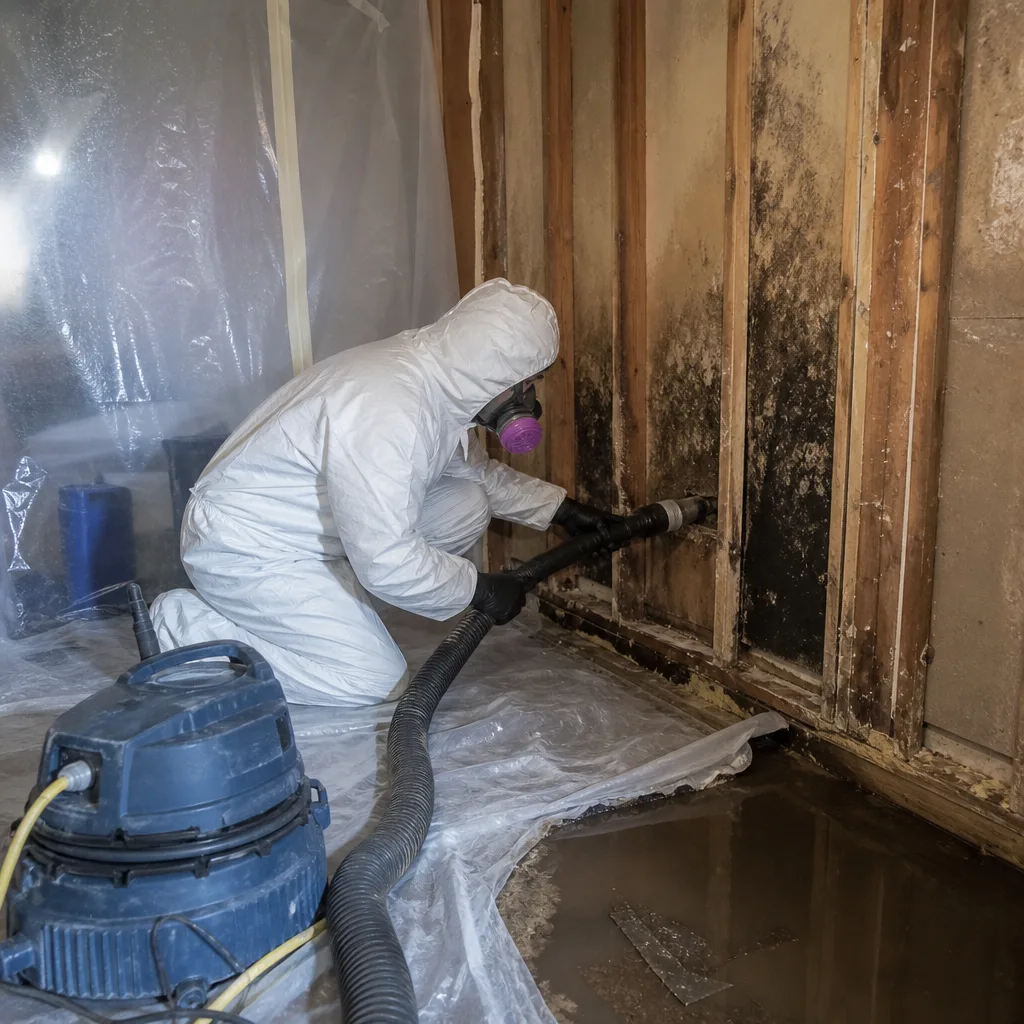
Structural Drying & Dehumidification
Drying a post-WWII Elmwood Park colonial with plaster walls and original framing takes aggressive equipment and daily monitoring. We place Dri-Eaz air movers and Phoenix LGR dehumidifiers strategically, drill weep holes where needed to release trapped moisture from wall cavities, and log every reading until the structure hits the dry standard. That log is what your insurer needs, and it’s what we hand over without being asked.
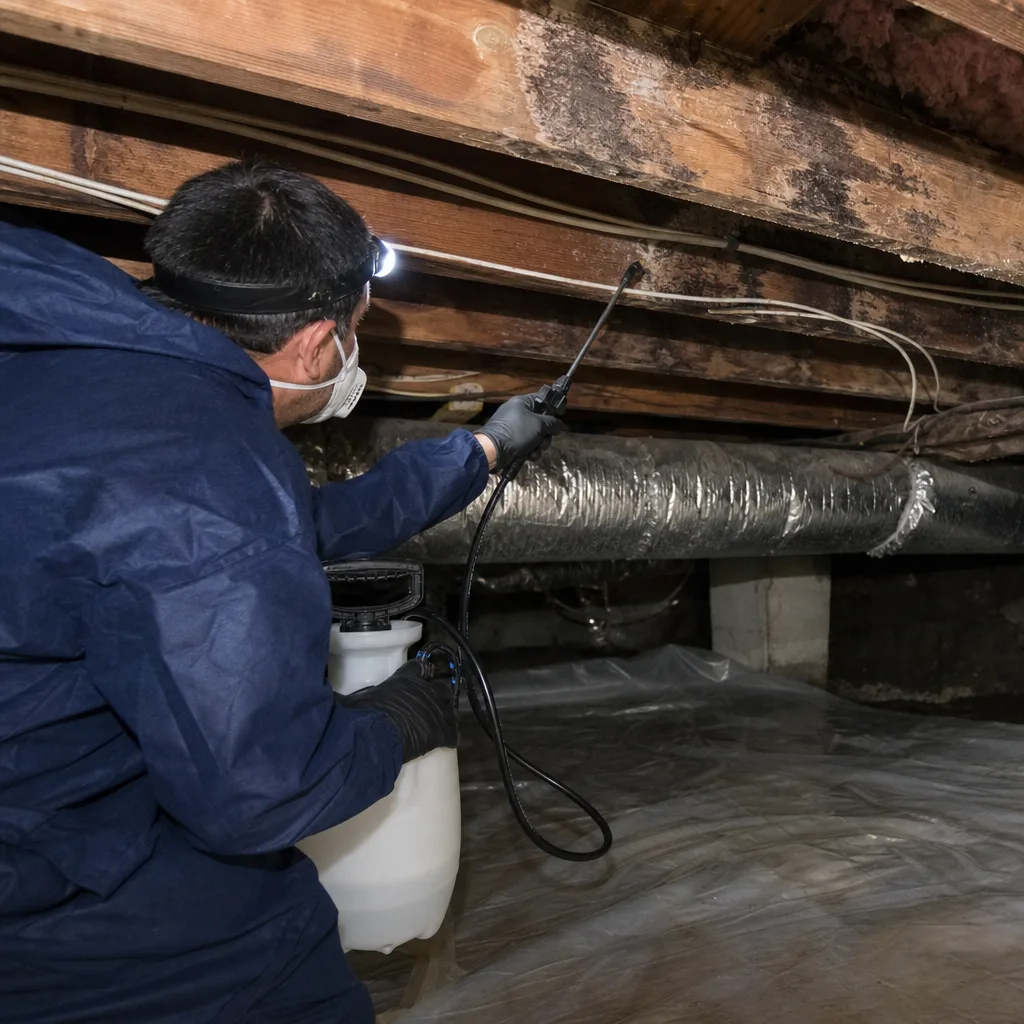
Flood Cleanup
Passaic River floods bring Category 3 water, sediment, and whatever the river carried with it, often requiring Sewage Cleanup in Elmwood Park as part of the full restoration. Flood cleanup in Elmwood Park means full personal protective equipment, containment barriers, removal of contaminated drywall, carpet, pad, and insulation, and antimicrobial treatment on every surface the water touched. It’s a health response, not just a cleanup response.
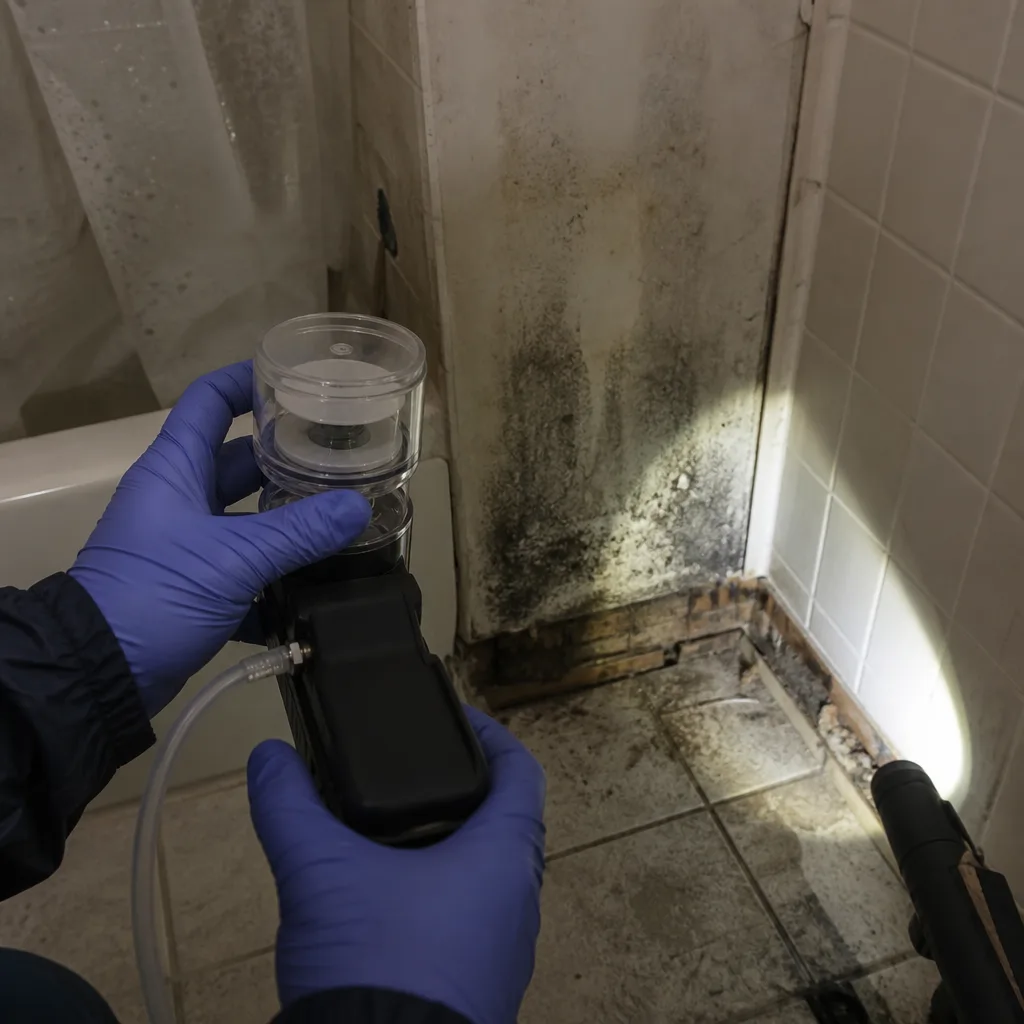
Burst Pipe Restoration
A frozen supply line in an Elmwood Park kitchen or a failed water heater in a utility closet creates Category 1 water damage that spreads fast through ceilings and walls. We locate the source, stop the leak, extract the water, and dry the affected areas. The damage is usually isolated, but ignoring it isn’t cheap: a slow leak inside a wall becomes mold inside a month.
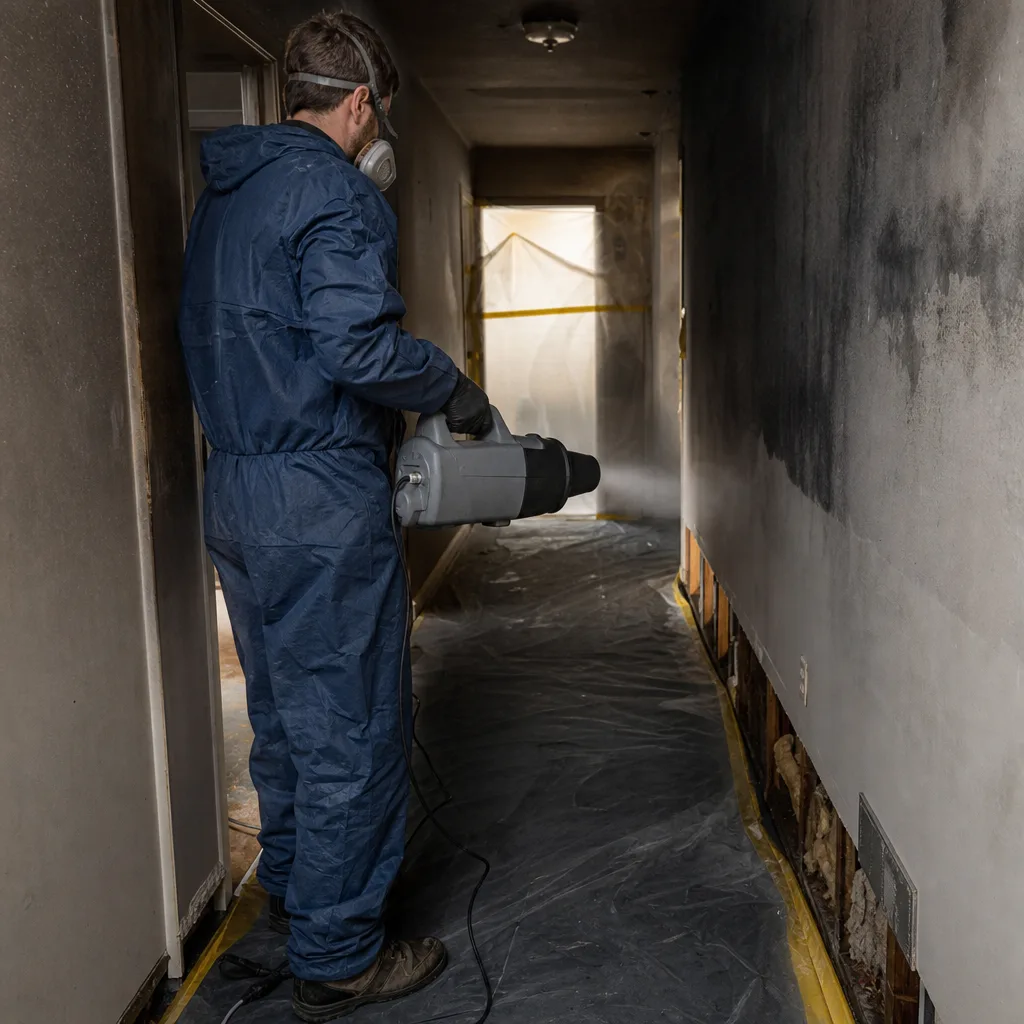
Basement Water Removal
Finished basements on river-adjacent streets in Elmwood Park are the single most common loss we handle. We remove standing water, strip wet carpet and pad, cut out saturated drywall, and run drying equipment until the slab and framing read dry. If your sump system failed, we’ll tell you exactly what happened and what it will take to keep it from happening again.
What happens when you call
- 1
A real person answersNo phone trees - you reach a local pro.
- 2
You get an upfront price rangeHonest numbers before anyone is dispatched.
- 3
A background-checked tech heads outLicensed & insured, dispatched right away.
- 4
You approve before work beginsNothing starts until you say go.
Water Damage Restoration Costs in Elmwood Park, NJ
What you’ll pay depends on category of water, square footage, and how long the water sat before we arrived. A typical emergency water extraction in Elmwood Park runs $800 to $2,500. Structural drying for a basement that took river water runs $2,500 to $5,500 depending on how much drywall and insulation comes out. A full basement flood with Category 3 water, full containment, and interior reconstruction can run $12,000 to $35,000, and that number climbs fast if FEMA Substantial Damage compliance triggers floodplain upgrades. We provide a free visual inspection and a written line-item scope before any work begins. Insurance covers most sudden and accidental water damage, and we bill your carrier directly, so the first number you see isn’t the last number you pay.
We Also Serve Cities Near Elmwood Park
Floodline runs crews into Elmwood Park daily, and we serve the surrounding communities with the same 24/7 live dispatch: Saddle Brook, Fair Lawn, Garfield, and Maywood. If you’re in one of those towns and water’s rising, call the same number and we’ll route the closest available crew.
Elmwood Park Water Damage Restoration Questions, Answered
How does Elmwood Park’s location along the Passaic River affect water damage restoration timelines?
The Passaic River drains slowly through the Meadowlands, which means floodwater can pool inside Elmwood Park basements for 48 to 72 hours or longer before receding fully. That extended dwell time accelerates mold colonization behind walls and under subfloors, so restoration timelines here run longer than in towns without riverine flooding. We plan for full containment and gut-and-assess work from the first visit, not just extraction, because the water has already been in contact with porous materials for days by the time we can get inside.
What are FEMA Substantial Damage rules and how do they apply to my Elmwood Park home?
FEMA’s Substantial Damage rule means if repair costs from a flood exceed 50% of your home’s assessed value, your property must be brought into full compliance with current floodplain regulations, including elevation requirements in some cases. For Elmwood Park homes in AE zones that have flooded multiple times, a job that starts as simple water extraction can become a full compliance upgrade once the repair estimate crosses that threshold. We document every line item in the format your floodplain administrator expects, and we’ll help you understand whether your claim triggers the rule before you commit to any scope.
Why do Elmwood Park homes often need full gut-and-assess rather than just surface drying after a flood?
Because many river-adjacent homes in Elmwood Park have flooded more than once, and each prior repair left something behind: painted-over water lines, improperly encapsulated mold, patched drywall over still-wet framing. Layers of old remediation hide active water intrusion and mold growth that surface drying won’t reach. We open the walls, map the moisture, and remove everything that’s compromised, then dry the structure to a measurable standard. It’s more invasive than spot treatment, but it’s the only way to keep the house from rotting from the inside out.
Is water from a Passaic River flood considered Category 3 water, and what does that mean for what can be dried vs. removed?
Yes. River water is Category 3, grossly contaminated, carrying sewage, chemicals, and organic matter. Category 3 water means porous materials like drywall, carpet pad, and insulation cannot be salvaged and must be removed. Non-porous surfaces like concrete and some hard flooring can be cleaned and disinfected. Any attempt to dry Category 3 water without removing contaminated materials is a legitimate health hazard and creates a mold problem that will surface within weeks.
How quickly should I call for water damage restoration after a nor’easter or tropical storm in Elmwood Park?
Call immediately. The first hour after you notice water is the window when extraction can prevent most secondary damage. Mold colonization begins within 48 to 72 hours, and in Elmwood Park’s river-adjacent basements, where floodwater may have sat for days before you could access the property, you’re already racing the clock. Call (640) 333-9625 the moment you see water, and a live dispatcher will start the process. Don’t wait for the water to recede on its own.
How fast can you actually get to my Elmwood Park home?
Our commitment is 45 minutes from the time you call to a crew rolling toward your address, and in Elmwood Park most jobs see a technician on site within the hour. We answer live 24 hours a day, so a 2 a.m. call gets the same dispatch as a noon call. The faster we get water moving out, the less wall and flooring you lose.
Will my insurance cover water damage restoration in Elmwood Park?
Most standard homeowners policies cover sudden and accidental water damage like burst pipes or water heater failures. Flood damage from the Passaic River requires a separate flood insurance policy, usually through FEMA’s National Flood Insurance Program. We bill your carrier directly, provide the photo documentation and drying logs they require, and communicate with your adjuster so you don’t have to mediate the claim. If you’re not sure what your policy covers, we’ll help you read it.
What should I do in the first 30 minutes before you arrive?
If the water is from a plumbing leak and you can safely reach the shutoff, turn off the water. If it’s river water, don’t enter the space; Category 3 water carries contaminants. Move valuables and small electronics out of the wet area if it’s safe to do so. Don’t run fans or your HVAC system, which can spread moisture and mold spores through the house. Take photos of the damage for your insurer, then call us at (640) 333-9625 and stay out of the water.
Serving Elmwood Park, NJ - Our Local Coverage Area
We’re based in the Elmwood Park area and know this community well. Use the map below to see our service coverage - if you’re nearby, we can almost certainly help.
Elmwood Park’s Water Damage Restoration Team
Floodline Restoration Co. is led by Curt Bowman, and our Water Damage Restoration crews work the full cycle from first extraction to finished rebuild. We don’t hand your house off to a sub after the water’s out, and we don’t leave you to negotiate with your carrier alone. The 90-Day Done Right Promise stands behind every Elmwood Park job: if it’s not done right, we make it right, in writing, no arguing. That’s the Keystone Standard, and it’s been the way we work since 2010. Call (640) 333-9625 for a free visual inspection and a square deal.
Written by Curt Bowman, Owner at Floodline Restoration Co., coordinating emergency response for Water Damage Restoration in Elmwood Park.