
Free visual inspection and a written scope of work before any mitigation begins - photos, moisture readings, and drying logs go in your claim file
The scope we write is the scope we bill. Anything new gets shown to you, in writing, before we touch it.
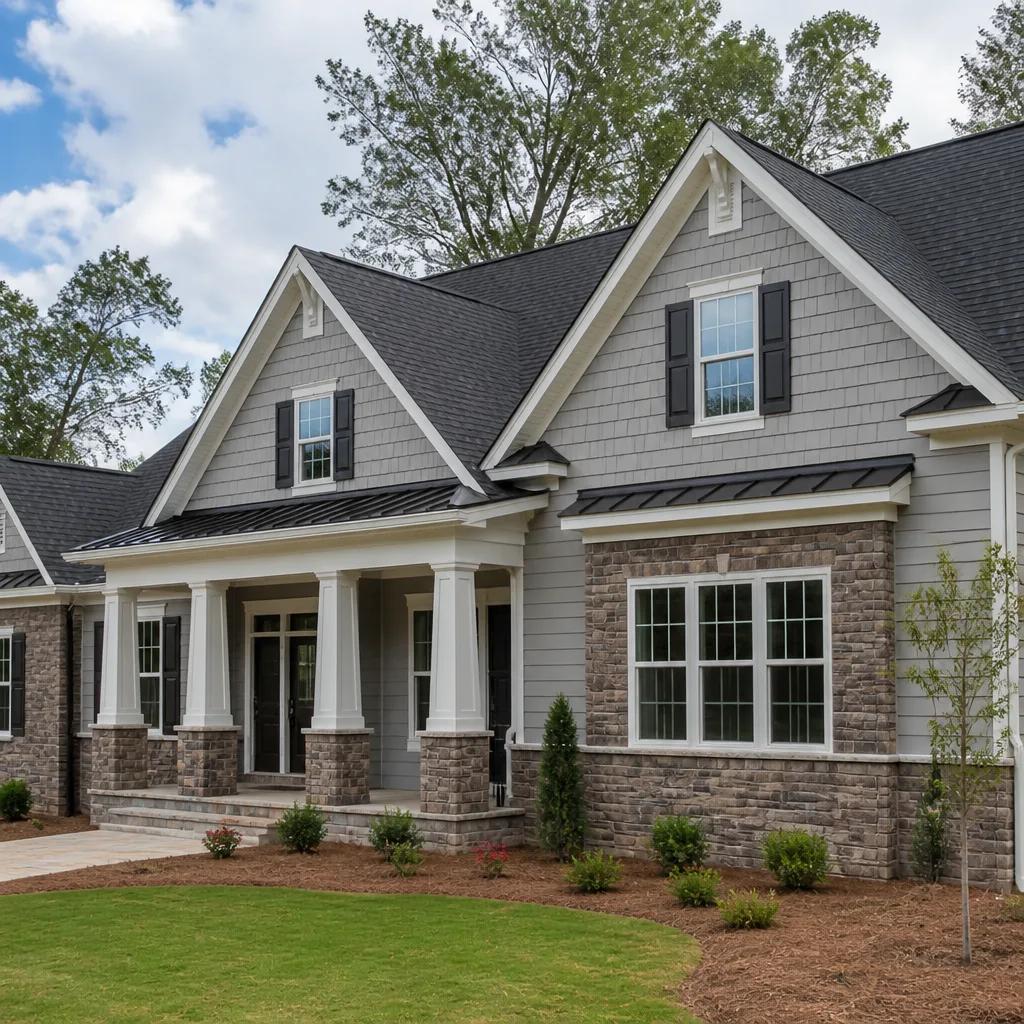
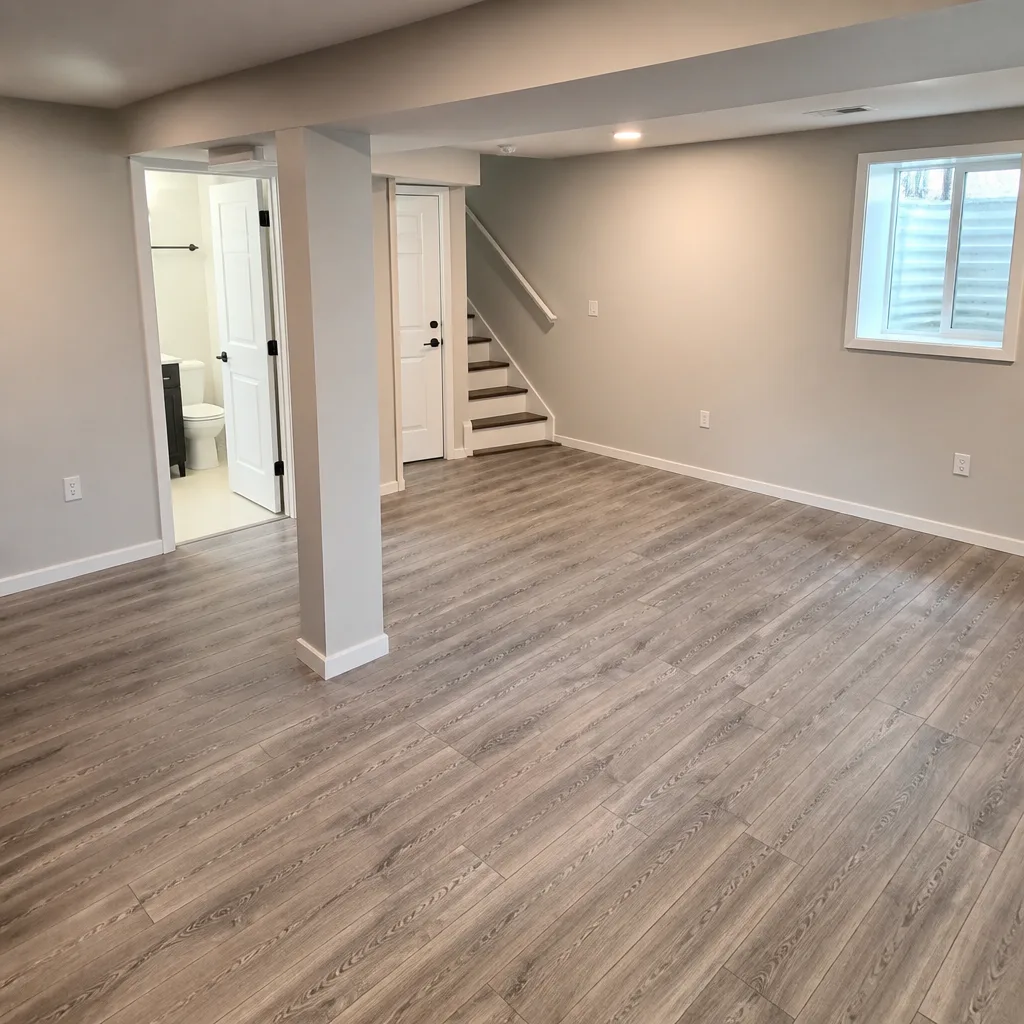
 Before
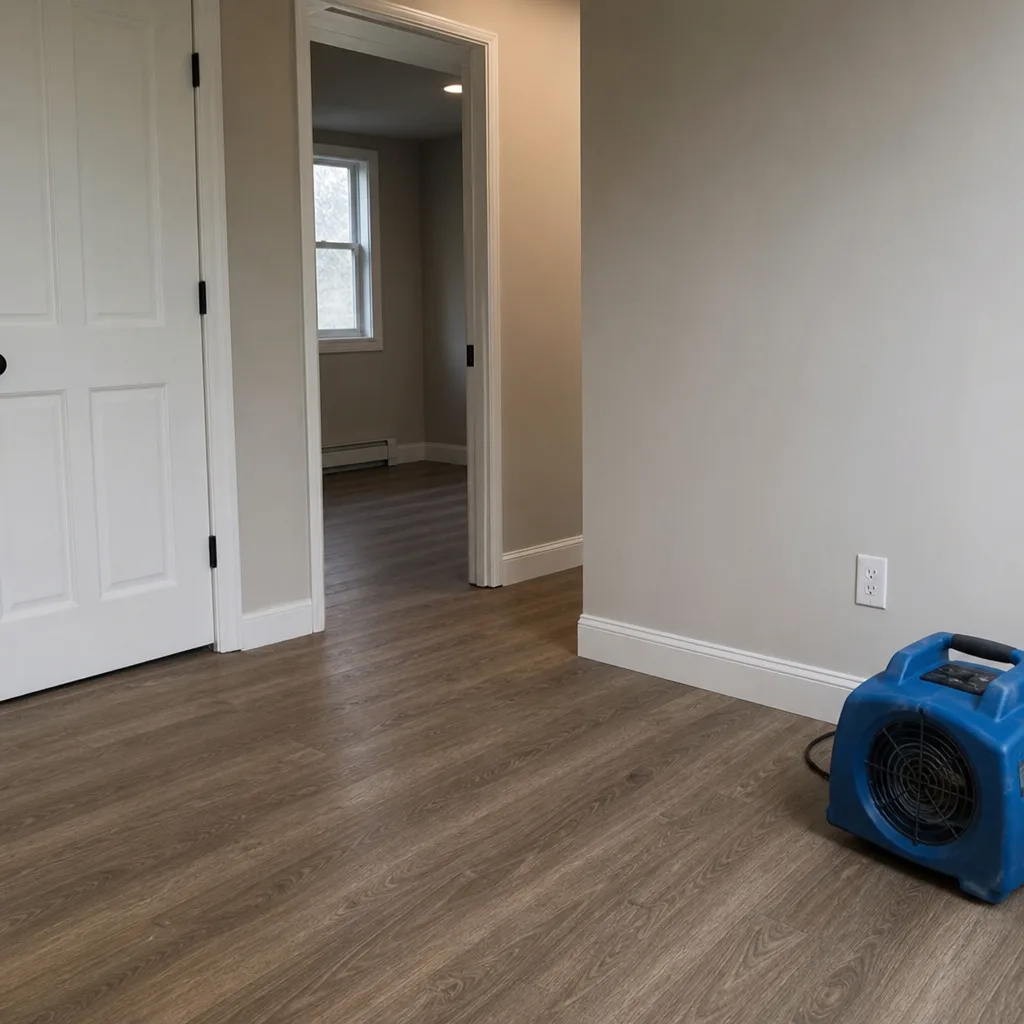 After
After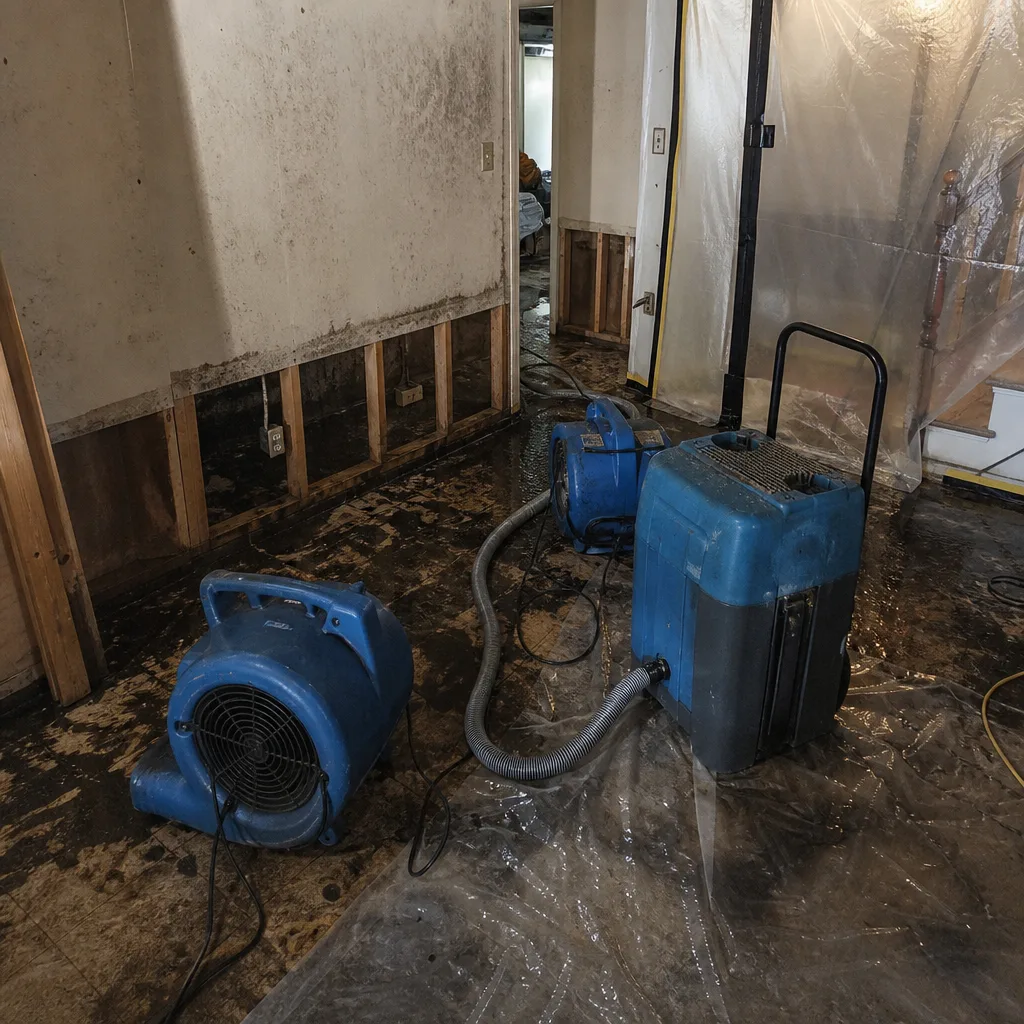 Before
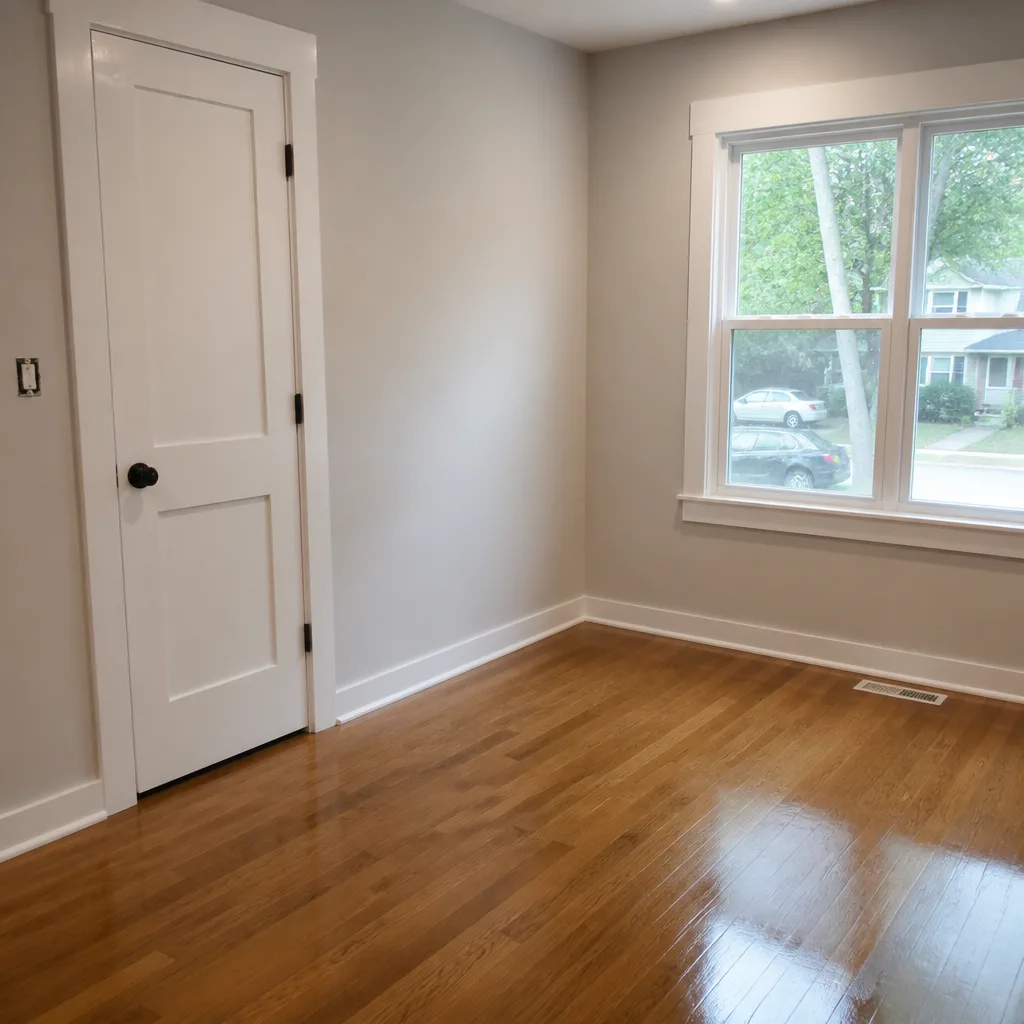 After
After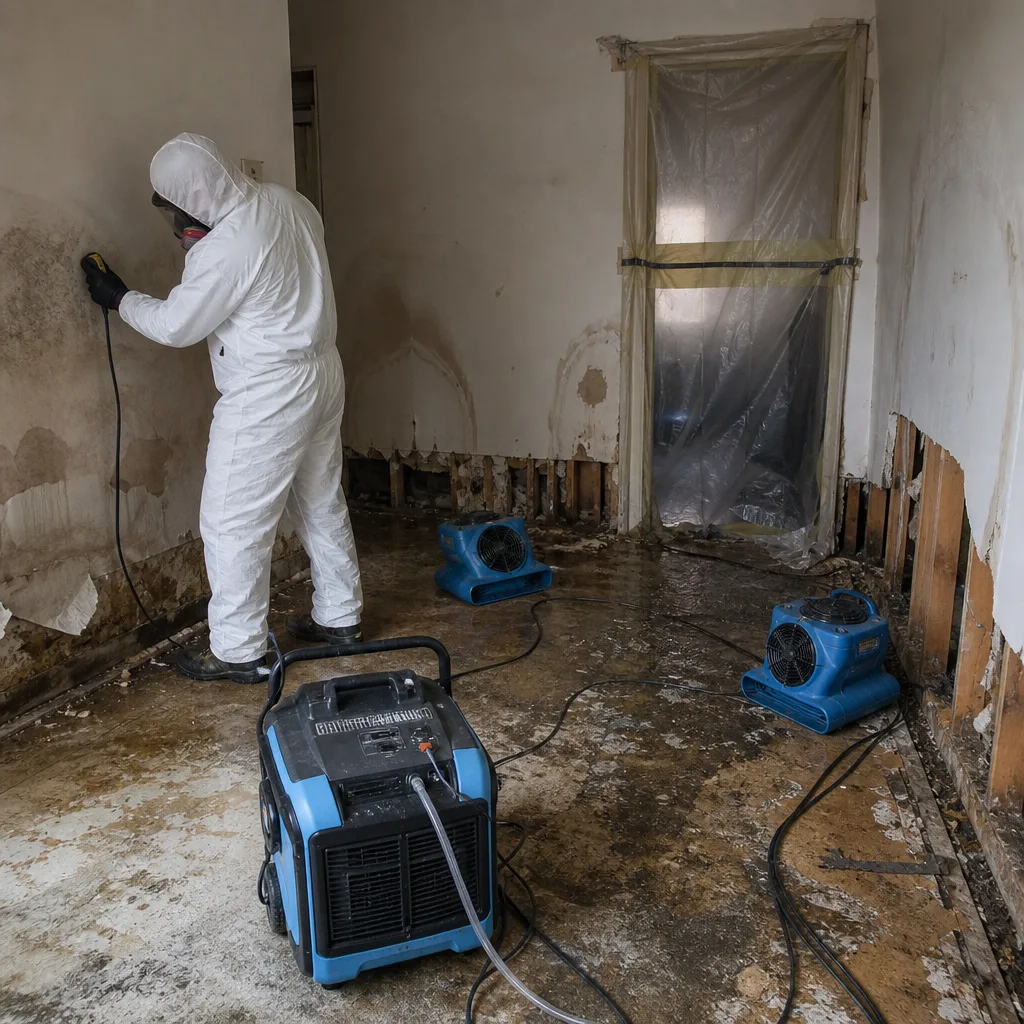 Before
 After
After24/7 Emergency Storm & Disaster Restoration in Paramus
Storm and disaster restoration in Paramus starts the moment water, wind, or debris breaches your home. Most Paramus storm losses involve basement flooding from the Saddle River corridor, wind-driven roof damage on 1950s split-levels, or fallen trees across Route 17-adjacent properties. Our crews answer live at (640) 333-9625 and dispatch into Paramus within 45 minutes. The first hour determines whether you’re facing extraction and drying or full tear-out and reconstruction. Every Floodline Restoration Co. response begins with a free visual assessment, a written scope of work, and a moisture map in your hands before equipment rolls in. We’re IICRC-certified, fully insured, and standing behind every job with the 90-Day Done Right Promise, in writing.
Understanding Storm & Disaster Restoration Severity in Paramus Properties
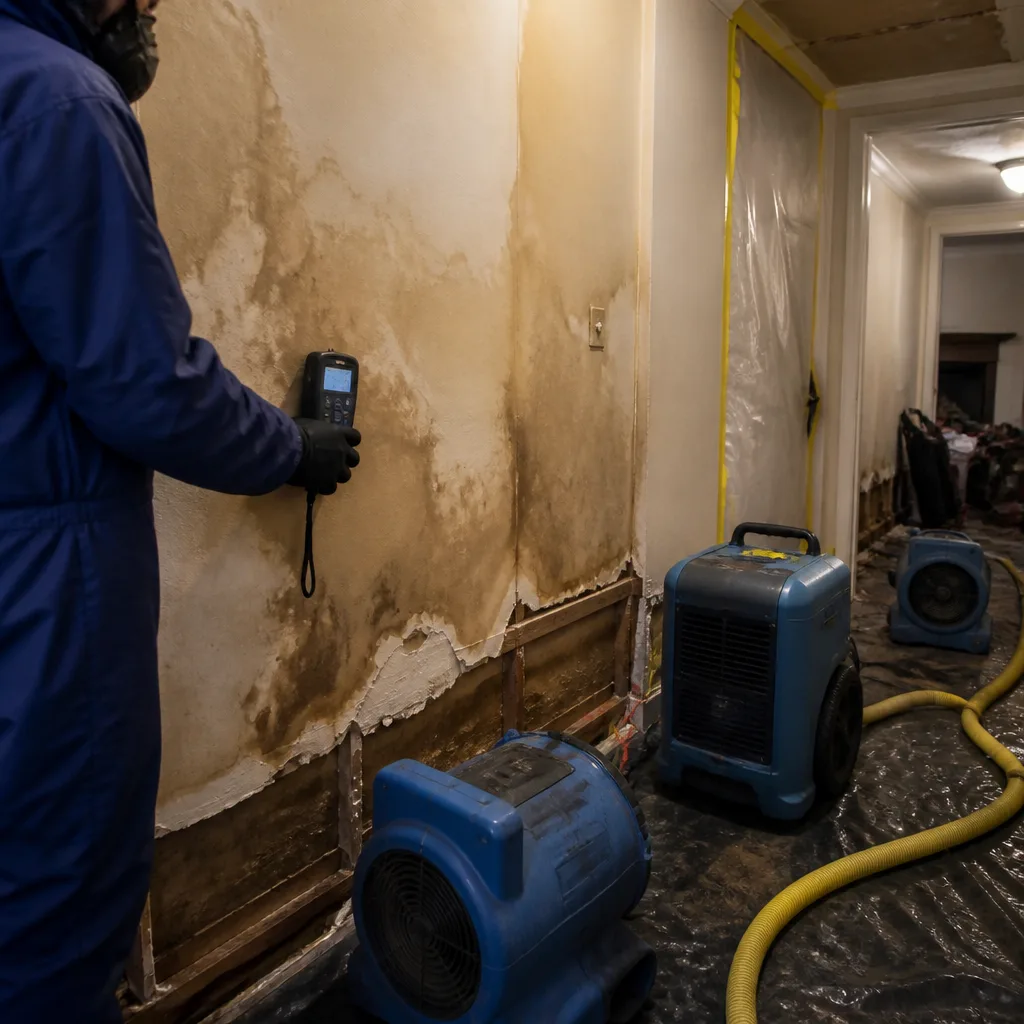
Paramus’s housing stock is almost entirely post-WWII construction: 1950s through 1970s split-levels, Cape Cods, and ranch homes with partially finished or full basements. That matters when storm water enters. In a 1960s split-level on Farview Avenue, for example, we regularly find old-growth framing behind plaster-and-lath walls that’s been saturated with Category 2 water (gray water carrying contaminants from sump overflow or Saddle River backflow). Those walls can’t simply be dried; they typically need cut-out, containment, antimicrobial treatment, and structural drying across multiple partial-height levels. Moisture mapping with thermal imaging and hygrometers reveals water that wicks up through mid-century insulation and hides in knee-wall cavities. Severity in Paramus isn’t just about how much water came in. It’s about what the water touched: original cast-iron supply lines, aging electrical runs, and materials that predate modern moisture-resistant construction. Category 3 water (sewage, river water, storm surge carrying animal waste and petroleum runoff from Route 17) changes the scope entirely. We classify first, contain second, and never rush a dry-down on a house that needs surgical demolition.
Why Paramus Property Owners Choose Floodline Restoration Co.
- 45-minute response commitment: We dispatch from local staging so a certified crew reaches most Paramus addresses in under an hour, with extraction running the same visit.
- A live person answers, 24/7: You call (640) 333-9625 at 2 a.m. during a nor’easter and a dispatcher picks up. Not a recording. A person who can route a crew to your street.
- IICRC-certified technicians: Our crews hold WRT (Water Damage Restoration), FSRT (Fire & Smoke Restoration), and AMRT (Applied Microbial Remediation) certifications, with ongoing RIA and IFA training.
- Free visual inspection: We assess the damage, photograph everything, and give you a written scope before any work begins. No pressure, no hidden line items.
- Direct insurance billing: We document from hour one, communicate directly with your adjuster, and bill the carrier, so you’re not the messenger.
- One team, start to finish: The same Floodline Restoration Co. crew that extracts and dries also handles the rebuild. No mid-job handoff to a subcontractor you’ve never met.
Our Storm & Disaster Restoration Process
1. Inspection & Assessment
We walk the entire property, including crawl spaces and partial-height basement levels common in Paramus split-levels. Thermal imaging and moisture meters locate saturation behind walls and under flooring before we touch anything.
2. Extraction & Stabilization
Standing water comes out with truck-mounted extractors and submersible pumps. We board up broken windows, tarp compromised roofs, and shut down electrical hazards. The property is secured before we leave that night.
3. Drying & Dehumidification
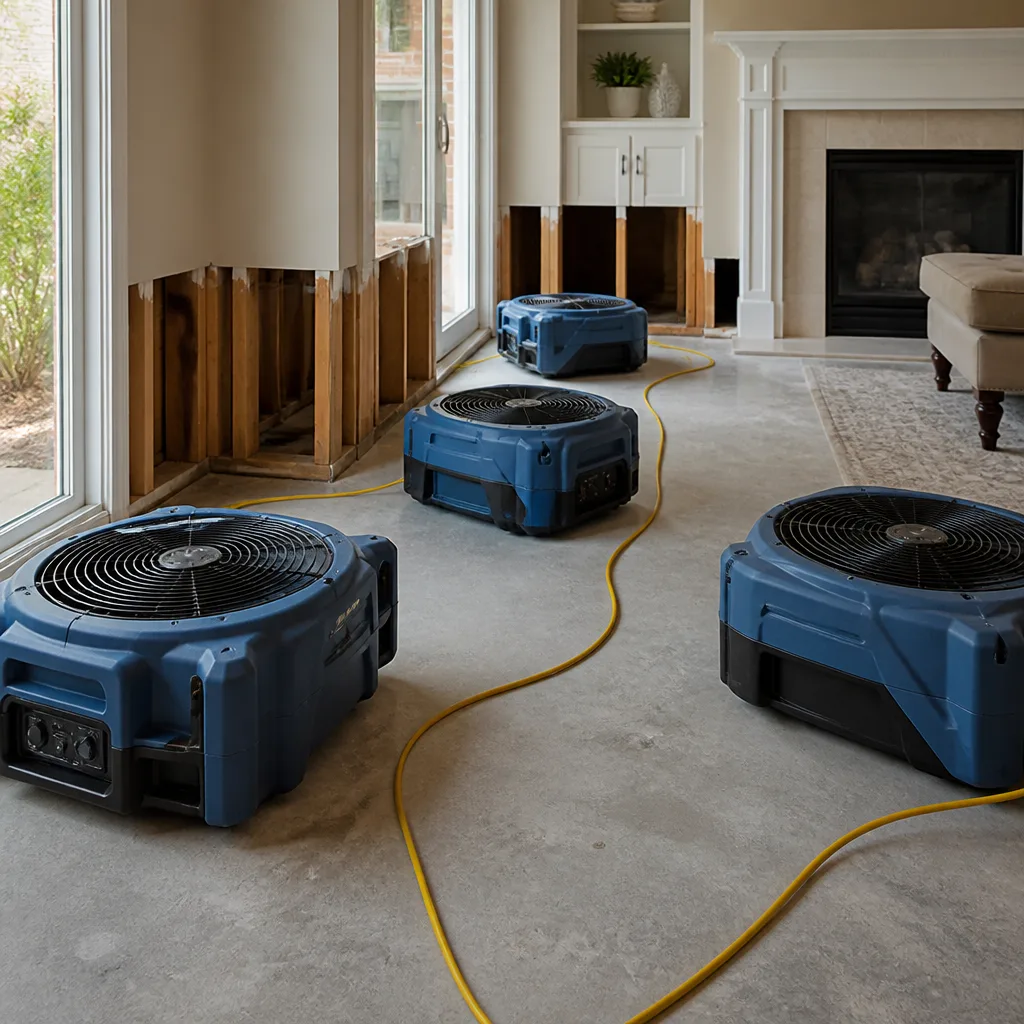
Professional-grade Dri-Eaz dehumidifiers and XPOWER air movers run continuously, positioned based on a moisture map drawn on day one. In Paramus’s older basements with cast-iron supply lines, we often run longer dry-down cycles to account for masonry wicking and mid-century insulation retention.
4. Cleaning & Sanitization
HEPA air scrubbers filter the air while surfaces are cleaned. On Category 2 and 3 losses, we apply antimicrobial treatments and remove contaminated materials, the same protocol we’d use on a Saddle River backflow event.
5. Specialty Storm Treatment
Wind-damaged roofing, saturated plaster-and-lath, compromised window flashing, and structural framing get targeted attention. We treat the loss the way Paramus’s climate dictates: heavy snow loads, nor’easter-driven rain, and freeze-thaw cycles all get accounted for.
6. Repairs & Restoration
The same certified crew rebuilds what was removed: drywall, flooring, insulation, trim, and full reconstruction where needed. We leave a drying log, a moisture map, and our 90-Day Done Right Promise in writing.
Need Emergency Storm & Disaster Restoration in Paramus Now?
Crews minutes away, answering live 24 hours a day. The sooner we start, the less it costs.
Working With Your Insurance Company
Most Paramus storm losses involve an adjuster, and the documentation gap between “damage occurred” and “carrier approved” is where homeowners get stuck. We close that gap. Our crews photograph every room, log moisture readings daily, and produce line-item scopes written to industry standards so your adjuster sees exactly what we see. When a nor’easter pushes Saddle River water into a ranch on Linwood Avenue, the carrier gets the same documentation we keep on file: photos, moisture logs, a written scope, and a narrative that explains the loss in language adjusters recognize. You don’t chase paperwork. We handle direct communication with your carrier, bill them directly, and give you a copy of everything. Curt Bowman built Floodline Restoration Co. in 2010 around a dispatch board, not a sales desk, and the insurance documentation process reflects that: methodical, dated, and complete.
What We Provide Your Insurer
- Thorough documentation of the loss
- Photos of all damage, room by room
- Moisture readings and drying logs
- A detailed, line-item scope of work
- Direct coordination with your carrier
Built for Paramus’s Loss Calendar
Paramus doesn’t have one storm season. It has a rolling calendar of risk. January and February bring deep freezes that crack aging cast-iron supply lines in ranch basements, and the freeze-thaw cycle stresses mid-century foundations. March and April are nor’easter months, when heavy wet snow and driving rain push the Saddle River over its banks into residential streets near Farview and Spring Valley Road. Hurricane Irene in 2011 and Superstorm Sandy in 2012 both inundated Paramus neighborhoods along the river corridor, and anyone who lived through those events knows the water doesn’t stay in the street. Summer brings sudden thunderstorms that overload aging sump systems, and the commercial corridors along Route 17 and Route 4 see roof and flash-flood damage across large retail footprints. Fall wind events knock trees onto homes throughout the residential grid between Midland and Winters avenues. Our crews pre-stage for this calendar. We know what Paramus looks like in every month of the year. That local knowledge, combined with direct insurance billing and the 90-Day Done Right Promise, is why homeowners call us before the water stops rising.
Storm & Disaster Restoration Across Paramus’s Neighborhoods
Paramus isn’t one building type or one flood pattern. It’s a patchwork of corridors, each with its own loss profile. The residential streets near the Saddle River lowlands, including the Farview Avenue corridor and the neighborhoods feeding into Van Saun Park, see repeated basement inundation when the river tops its banks. Those homes, mostly 1950s split-levels and Cape Cods, need full containment and structural drying across multiple levels, not just a pump-out. Along Route 17 and the Route 4 interchange, storm damage hits a different way: commercial roof failures, facade water intrusion, and large impervious-surface runoff that backs up drainage systems. The retail properties around Garden State Plaza present multi-thousand-square-foot drying challenges, and Sunday Blue Law closures make material sourcing a logistical puzzle we solve by pre-stocking. Between Winters Avenue and Midland Avenue, ranch homes on slab or shallow crawl spaces see different moisture patterns, with water seeping up through flooring rather than down through foundation walls. The older neighborhoods near Oradell border, including streets feeding toward New Bridge Road, often have original cast-iron supply lines that crack under freeze stress. Our Storm & Disaster Restoration team reads the neighborhood before it reads the moisture map.
Specialized Storm & Disaster Restoration Services We Offer in Paramus
Storm Damage Cleanup
Downed trees, wind-blown debris, and flooded basements in Paramus require a cleanup approach that accounts for what’s actually on the ground: broken glass from mid-century single-pane windows, splintered roof decking, and soaked insulation that predates modern materials. We clear, contain, and document everything. Then we dry and restore. One team, no handoffs.
Flood Damage Restoration
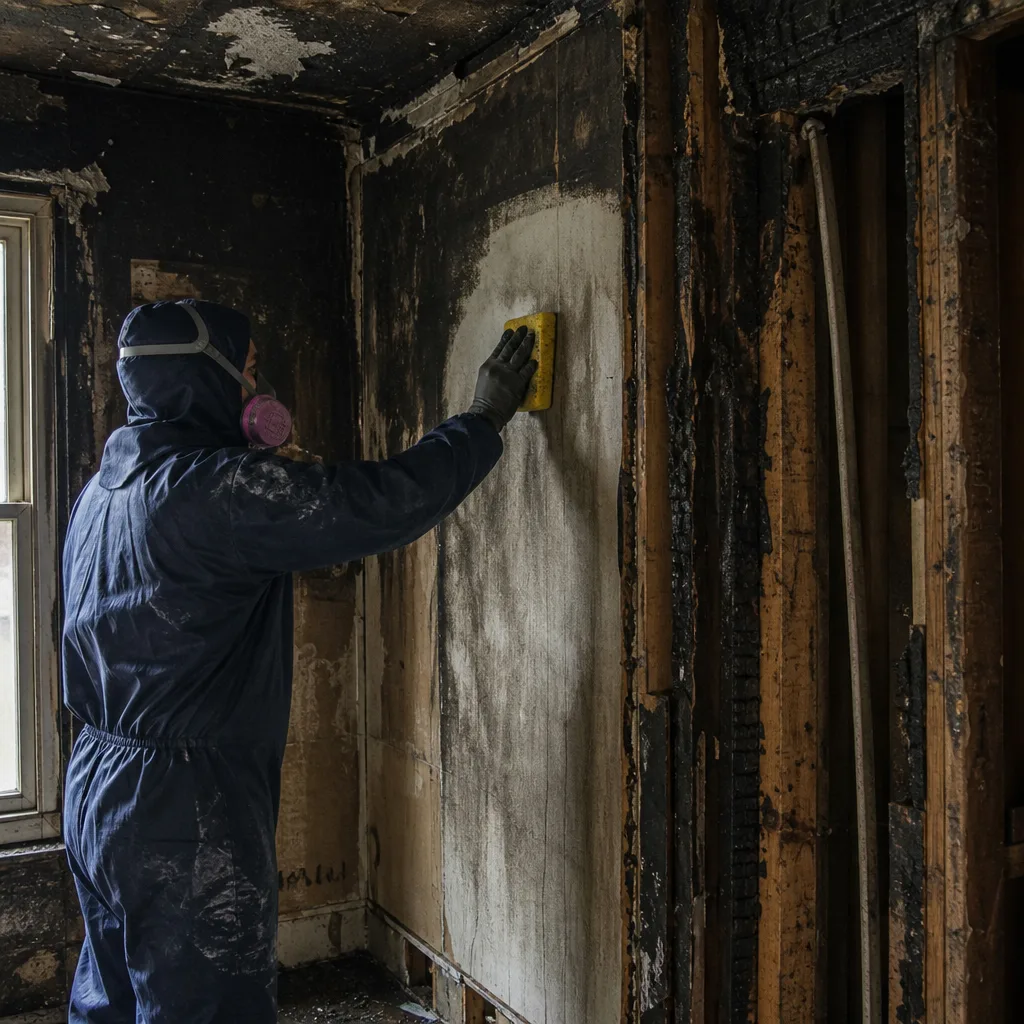
Saddle River overflow and sump failure in Paramus split-levels demand more than extraction. Water from the river is Category 3, carrying contaminants that require full containment, antimicrobial treatment, and often cut-out of saturated plaster-and-lath walls. We restore these homes to pre-loss condition with drying logs that show the framing hit the dry standard, not just “feels dry.”
Emergency Board-Up
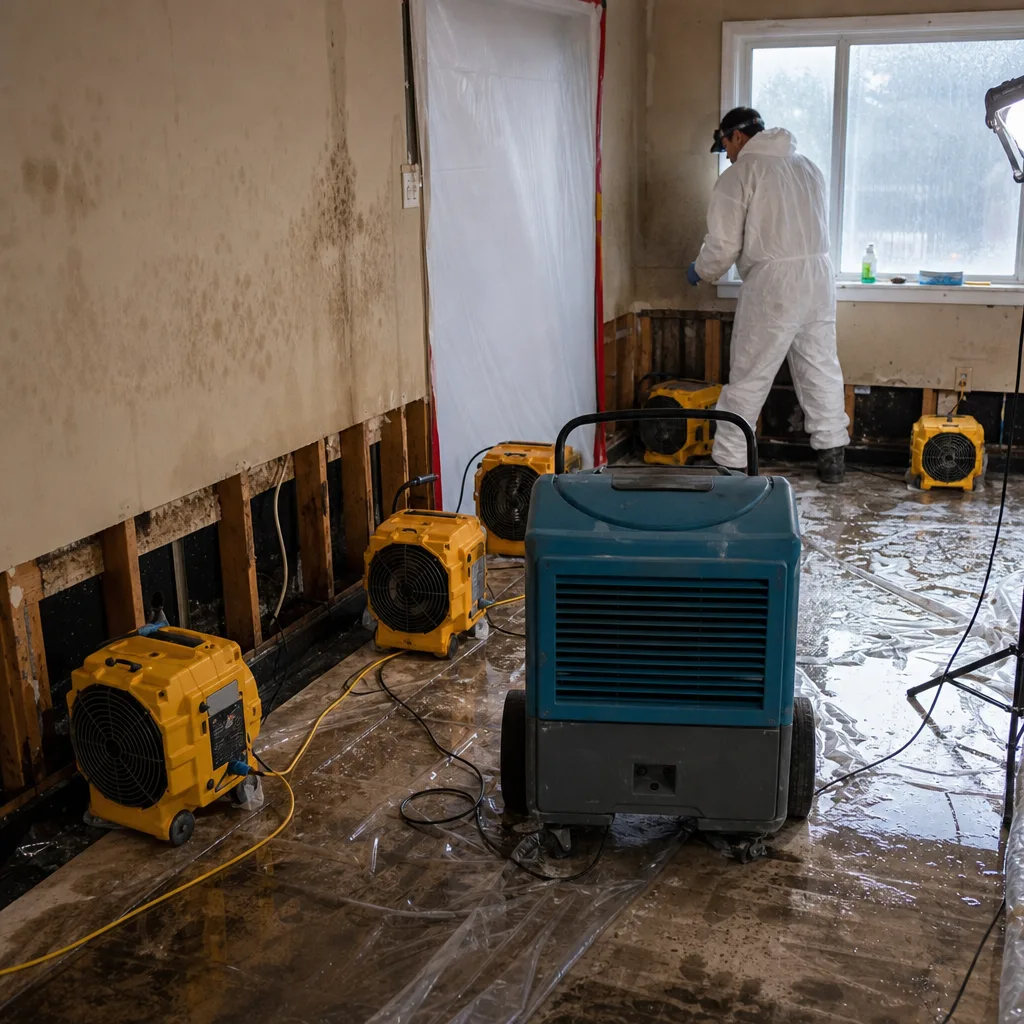
Wind-driven rain through a broken window in a 1960s Cape Cod on Farview Avenue needs immediate securing. We board up with plywood, tarp the roof, and lock the perimeter. Bergen County’s Sunday Blue Laws mean you can’t run to a Route 17 hardware store at midnight on a weekend, so our trucks carry pre-stocked board-up materials on every storm response.
Roof Tarping
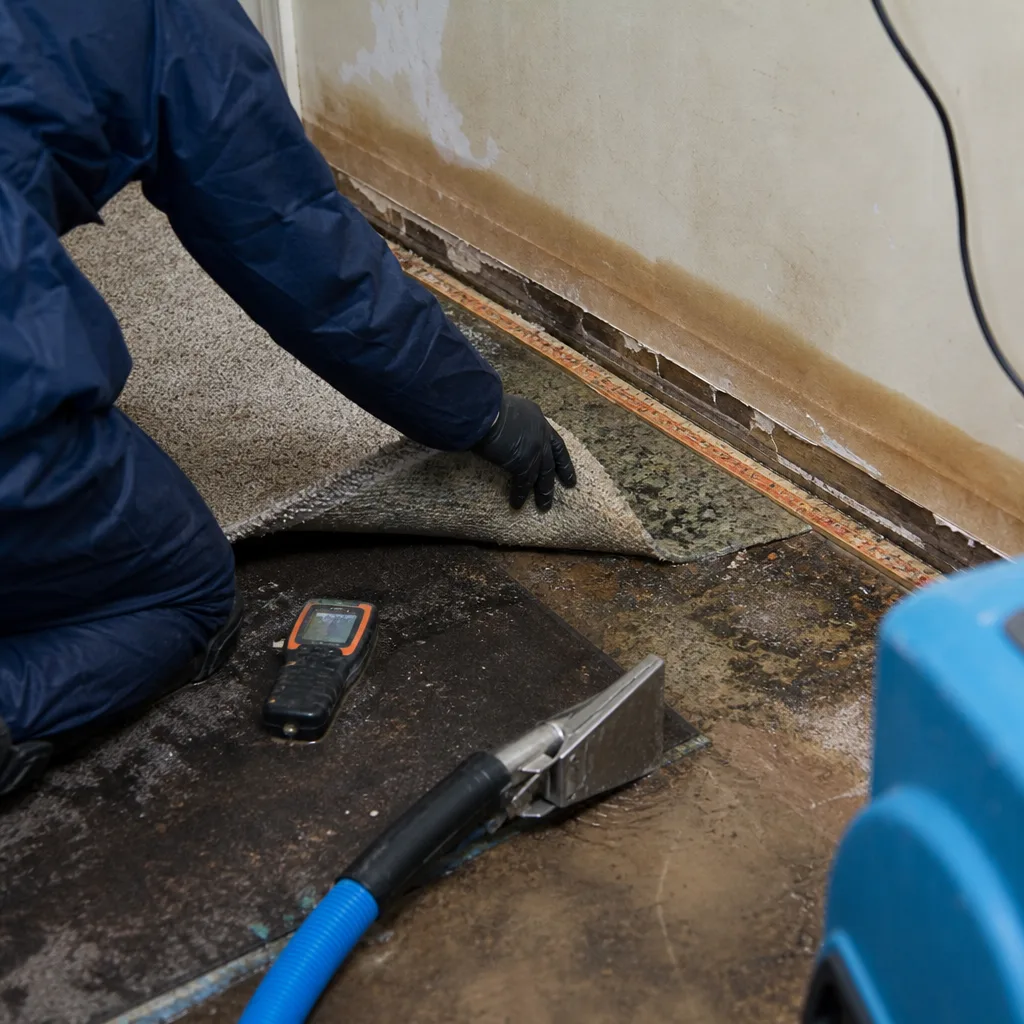
A nor’easter can peel back shingles and expose Paramus rooftops to days of wind-driven rain. We tarp roofs the same day, using reinforced poly and mechanical fastening that holds through the next storm. Tarping stops the secondary water damage that turns a roof repair into a full interior restoration.
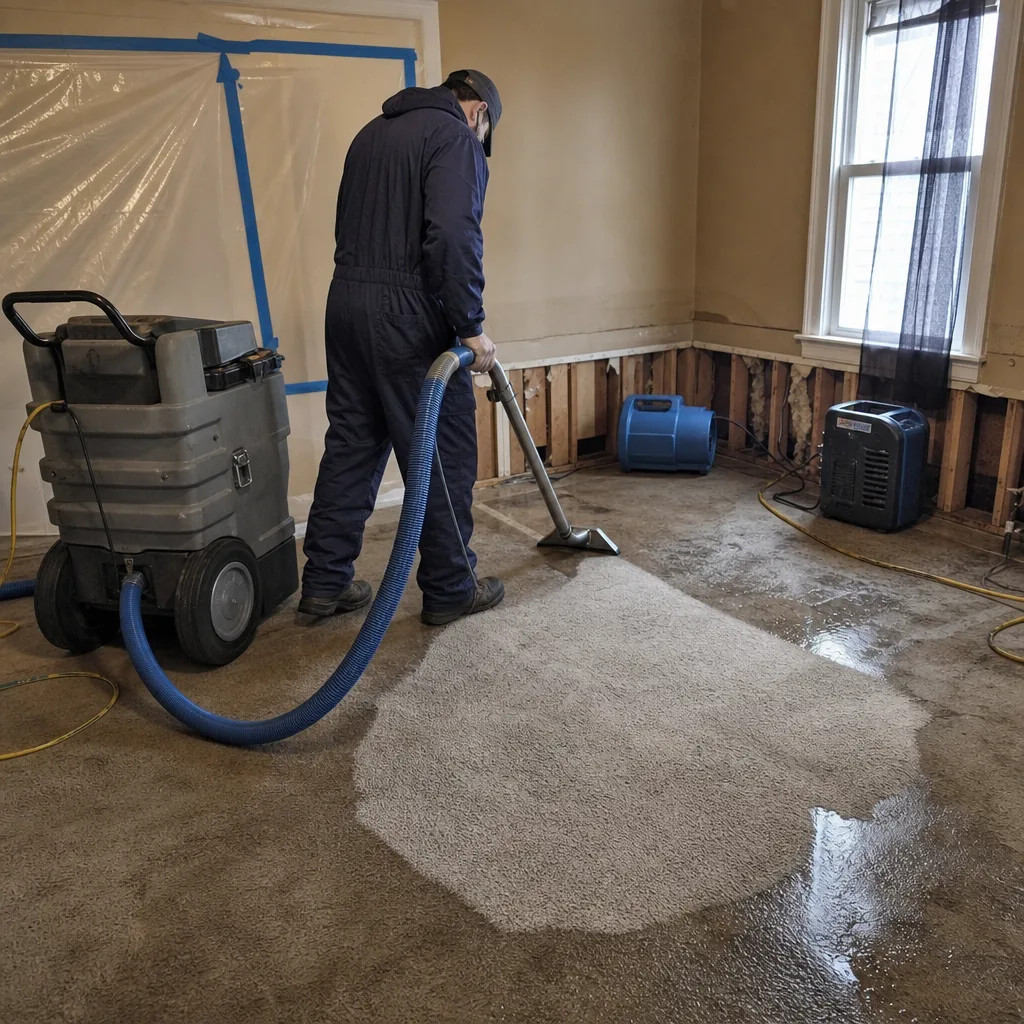
Debris Removal
Fallen limbs, roof debris, and storm-blown material along Paramus residential streets get cleared and hauled. We coordinate with local disposal for proper material handling, and we photograph everything for the carrier before anything leaves the property.
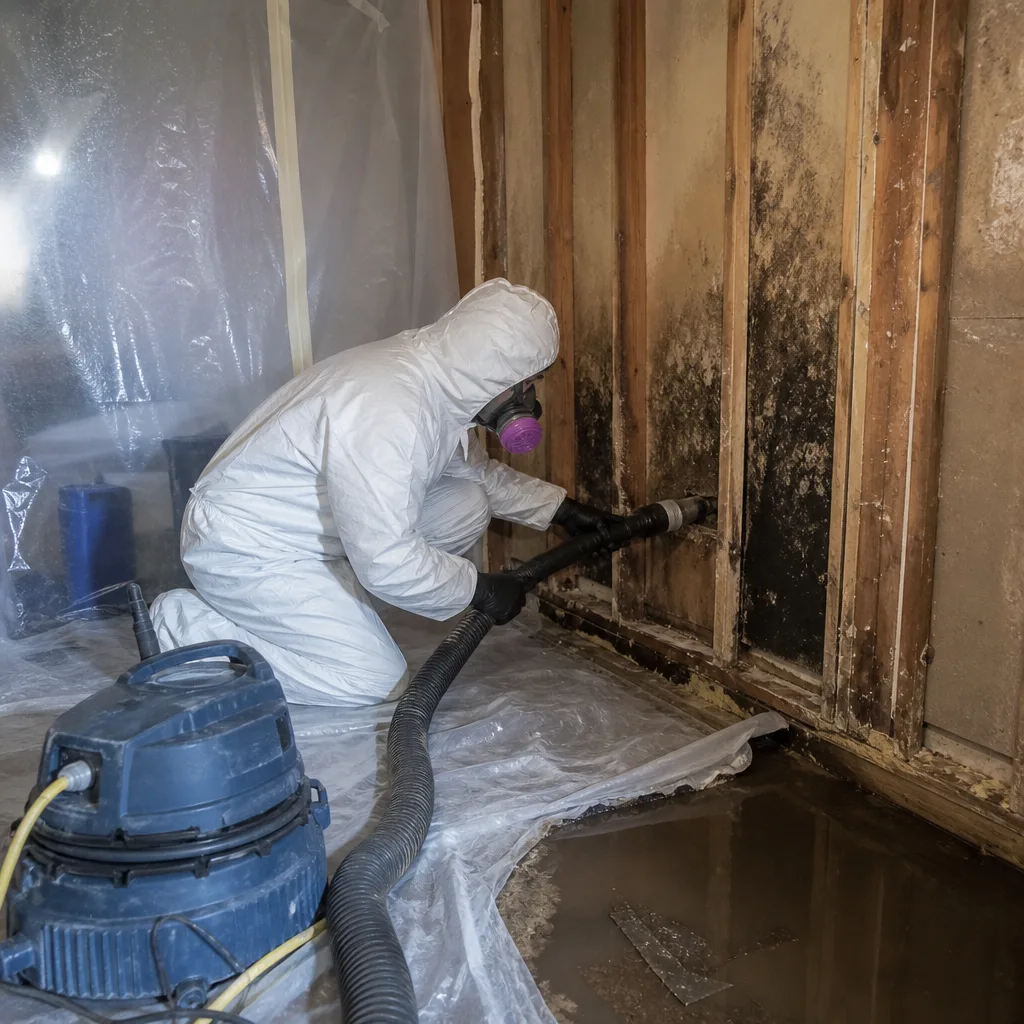
What happens when you call
- 1
A real person answersNo phone trees - you reach a local pro.
- 2
You get an upfront price rangeHonest numbers before anyone is dispatched.
- 3
A background-checked tech heads outLicensed & insured, dispatched right away.
- 4
You approve before work beginsNothing starts until you say go.
Storm & Disaster Restoration Costs in Paramus, NJ
Storm and disaster restoration in Paramus runs on a wide range because the scope depends on what the water touched and how long it sat. A basic storm damage cleanup on a ranch home with minor basement seepage runs $1,200 to $3,500. Full flood damage restoration in a split-level with plaster-and-lath cut-out, containment, and structural drying typically runs $4,000 to $12,000, depending on the number of levels affected and whether Category 3 water requires antimicrobial treatment. Emergency board-up and roof tarping in Paramus runs $400 to $1,800, and that cost is almost always recoverable through your carrier when tied to a covered loss. Commercial losses along Route 17 or Route 4 run higher, often $10,000 to $50,000 or more, driven by square footage and the need for industrial drying on slab foundations. The fastest path to a firm number is a free visual inspection. We write the scope, price it line-by-line, and hand it to you before you commit to anything. Call (640) 333-9625. There’s no charge for the assessment, and you’ll know what the job costs before equipment rolls in.
We Also Serve Cities Near Paramus
Floodline Restoration Co. crews regularly dispatch to Paramus and the surrounding Bergen County communities. We serve Oradell and River Edge along the Hackensack River tributaries, New Milford to the south, and Fair Lawn to the west. If you’re in one of these towns and facing storm damage, the same live answer, same 45-minute response commitment, and same written 90-Day Done Right Promise apply.
Serving Paramus, NJ - Our Local Coverage Area
We’re based in the Paramus area and know this community well. Use the map below to see our service coverage - if you’re nearby, we can almost certainly help.
Paramus Storm & Disaster Restoration Questions, Answered
Does Paramus’s Sunday Blue Law really slow down emergency Storm & Disaster Restoration?
Yes, historically it has. Bergen County’s Blue Laws closed hardware and building supply stores along the Route 17 strip on Sundays, so crews responding to a weekend flood or nor’easter in Paramus couldn’t restock plywood, lumber, or specialized materials locally. Our crews pre-stock trucks before a Sunday storm response, so we’re not sitting outside a closed store waiting for Monday. That’s the local difference between a crew that knows Paramus and one that doesn’t.
How do you handle floodwater from the Saddle River in a Paramus ranch home vs. a Route 17 retailer?
In a ranch home near the Saddle River lowlands, river water is Category 3, meaning it carries sewage, petroleum runoff, and biological contaminants. We contain the area, remove saturated materials, treat with antimicrobials, and run structural drying until moisture logs show the framing is back to pre-loss condition. In a Route 17 retail property, the footprint is slab-on-grade, the square footage is larger, and the drying strategy uses industrial desiccants in sequence rather than portable units. Both get the same documentation standard and the same 90-Day Done Right Promise.
What does moisture mapping reveal in a 1950s Paramus split-level after a nor’easter?
Moisture mapping in a split-level reveals water that traveled beyond the visible damage. Water wicks up through plaster-and-lath walls, seeps into knee-wall cavities, and travels under the subfloor across multiple partial-height levels. Thermal imaging and hygrometer readings show exactly where the water is, so we only cut out what’s actually wet and dry what’s salvageable. Without that map, you get hidden moisture that shows up as mold six months later.
Can you dry out a Paramus basement that has old cast-iron supply lines and a failed sump?
We can. The cast-iron supply lines are a freeze risk, not a drying obstacle, but the failed sump means the water kept coming in until the source was addressed. We shut off the water, replace or repair the sump, extract, and run drying with Dri-Eaz dehumidifiers and XPOWER air movers positioned on the moisture map. Older cast-iron often means we inspect for secondary cracks from the same freeze that caused the first failure.
What makes Storm & Disaster Restoration on Paramus’s mid-century split-levels different from newer Bergen County towns?
Split-levels have partial-height basements, multiple floor levels, and original materials like plaster-and-lath, mid-century insulation, and cast-iron piping that newer towns don’t have. That means water travels differently, hides differently, and dries differently. A crew that treats a Paramus split-level like a newer colonial on a slab will miss moisture in knee walls and behind old plaster. We map the whole structure, not just the puddle.
How fast can someone actually get to my Paramus house?
We commit to 45 minutes for most Paramus addresses. Our crews stage locally, and the live dispatcher at (640) 333-9625 routes the nearest certified team. Call any hour, any day. A person answers. The truck rolls. Extraction starts the same visit.
Will insurance cover storm damage restoration in Paramus?
Most homeowners’ policies cover storm-related water damage, wind damage, and roof damage, provided the loss was sudden and accidental. Flood damage from the Saddle River typically requires separate flood insurance, which many Paramus homeowners carry if they’re in the flood corridor. We document everything from the first hour, write the scope to industry standards, and coordinate directly with your adjuster so the claim moves. If you’re not sure what’s covered, the free inspection gives you a written scope you can take to your carrier.
What should I do in the first 30 minutes after storm damage in Paramus?
Shut off the water at the main if a pipe is leaking. Shut off electrical power to affected areas if water has reached outlets. Move valuables and documents to a dry level. Then call (640) 333-9625. Don’t wait for the water to stop rising. The first 30 minutes determine whether you’re facing extraction or full tear-out, and the sooner we start, the less it costs.
Floodline Restoration Co. handles Storm & Disaster Restoration, water damage, mold remediation, fire and smoke restoration, sewage cleanup, biohazard work, and full reconstruction across Paramus and Bergen County. We’re not a franchise operation. We’re a local crew that answers the phone with a person, shows up when we say, and hands you a written guarantee before we leave. The line the water left is where we start. We’ll be there when we say. Call (640) 333-9625 for a free estimate and a live answer, any hour of the day or night.
Written by Curt Bowman, Owner at Floodline Restoration Co.