

Free visual inspection and a written scope of work before any mitigation begins - photos, moisture readings, and drying logs go in your claim file
The scope we write is the scope we bill. Anything new gets shown to you, in writing, before we touch it.
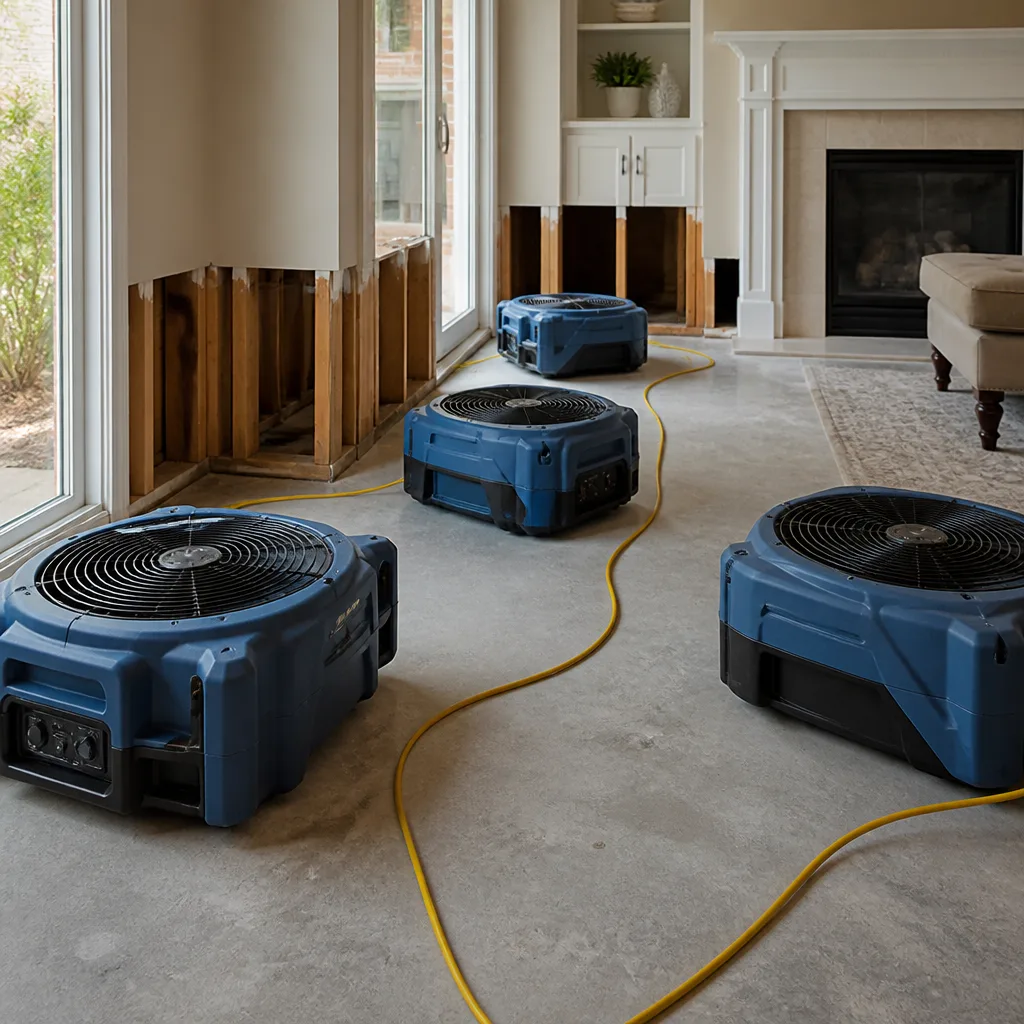



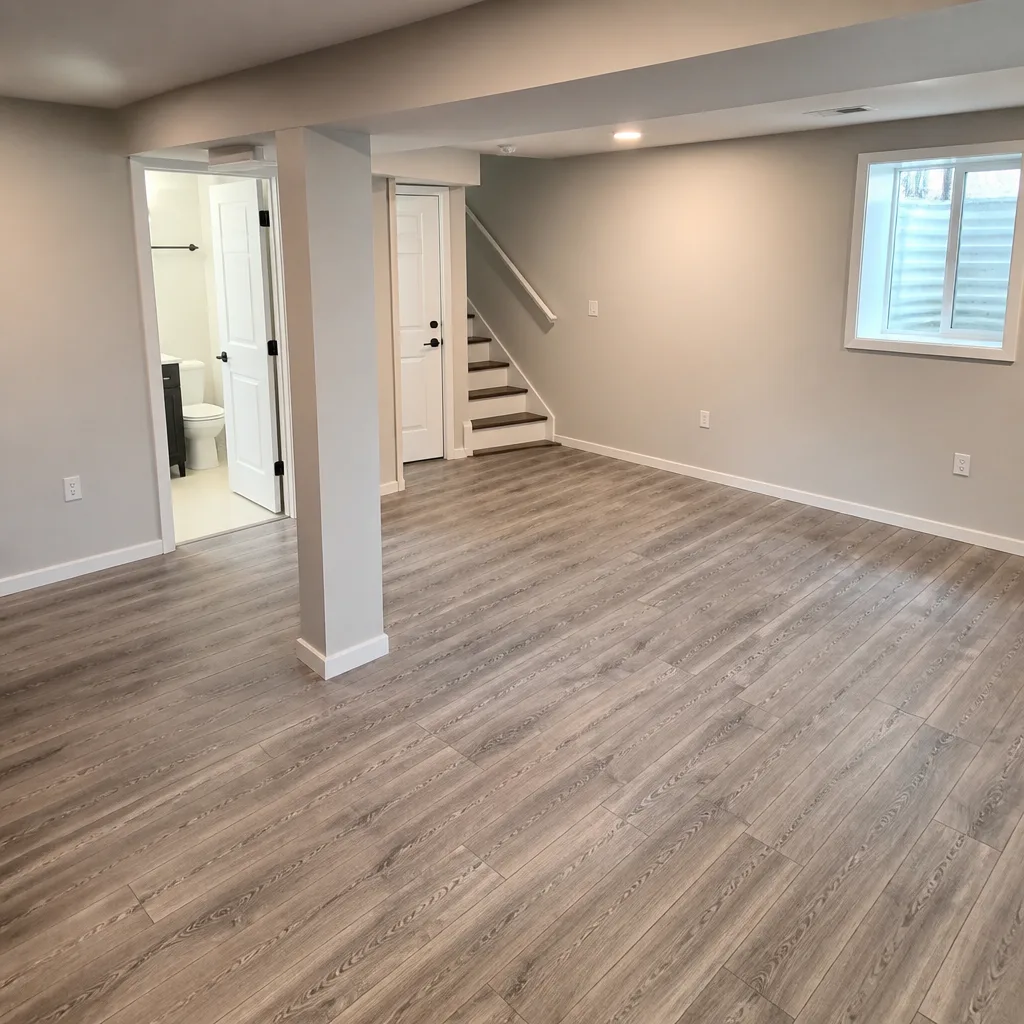

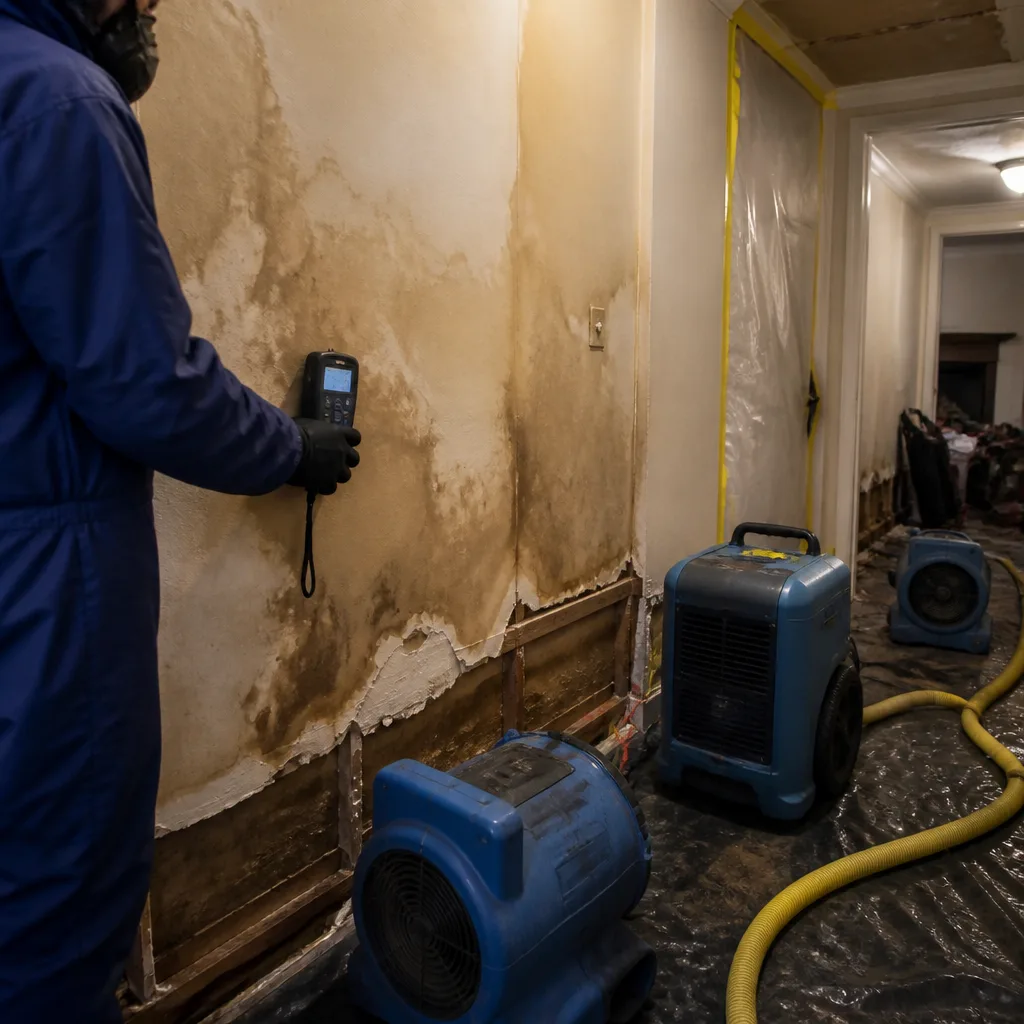 Before
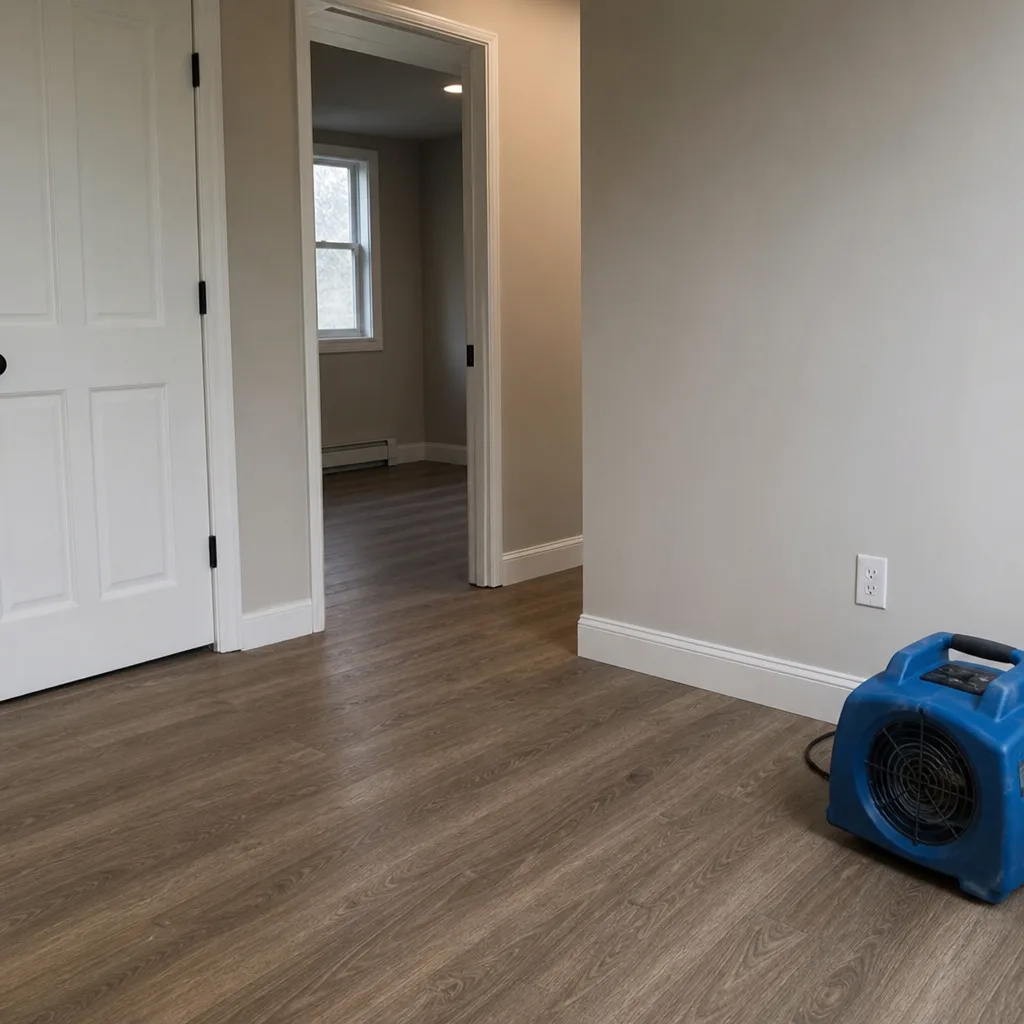 After
After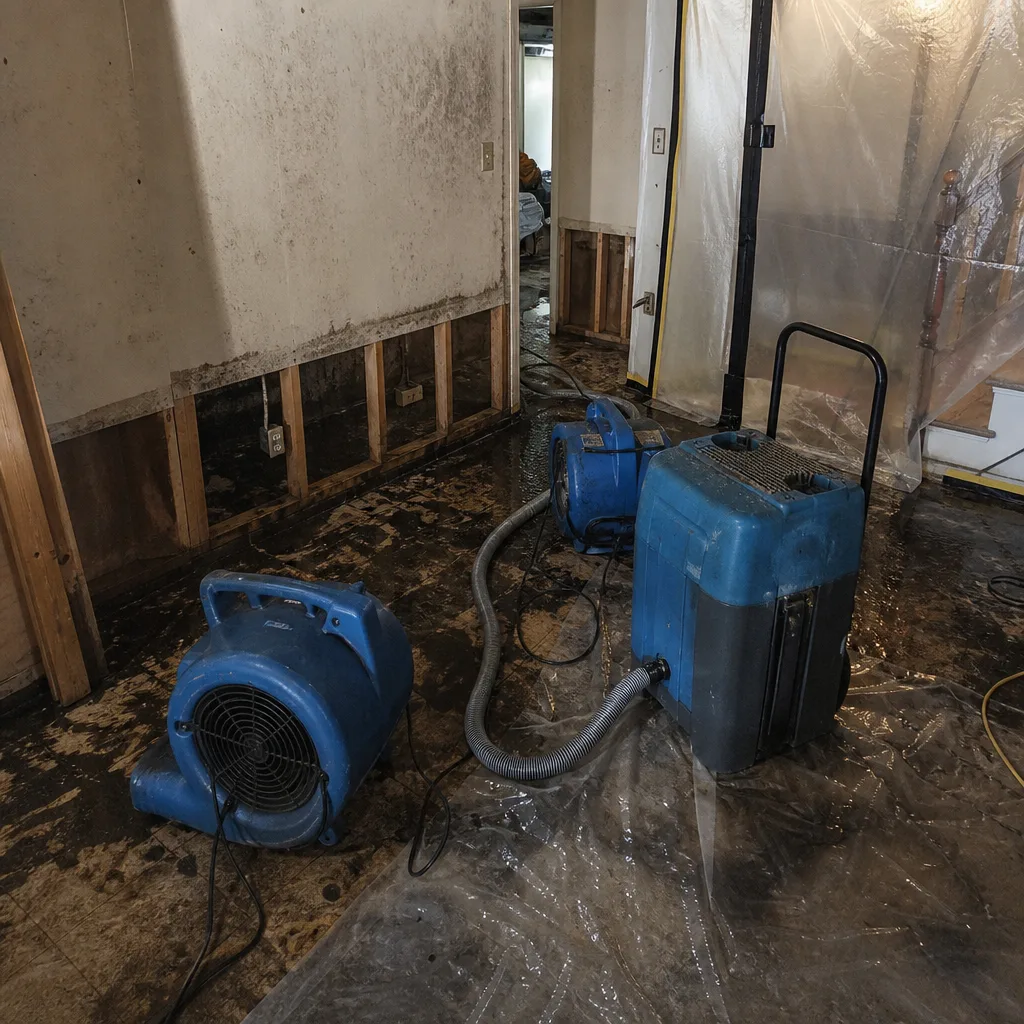 Before
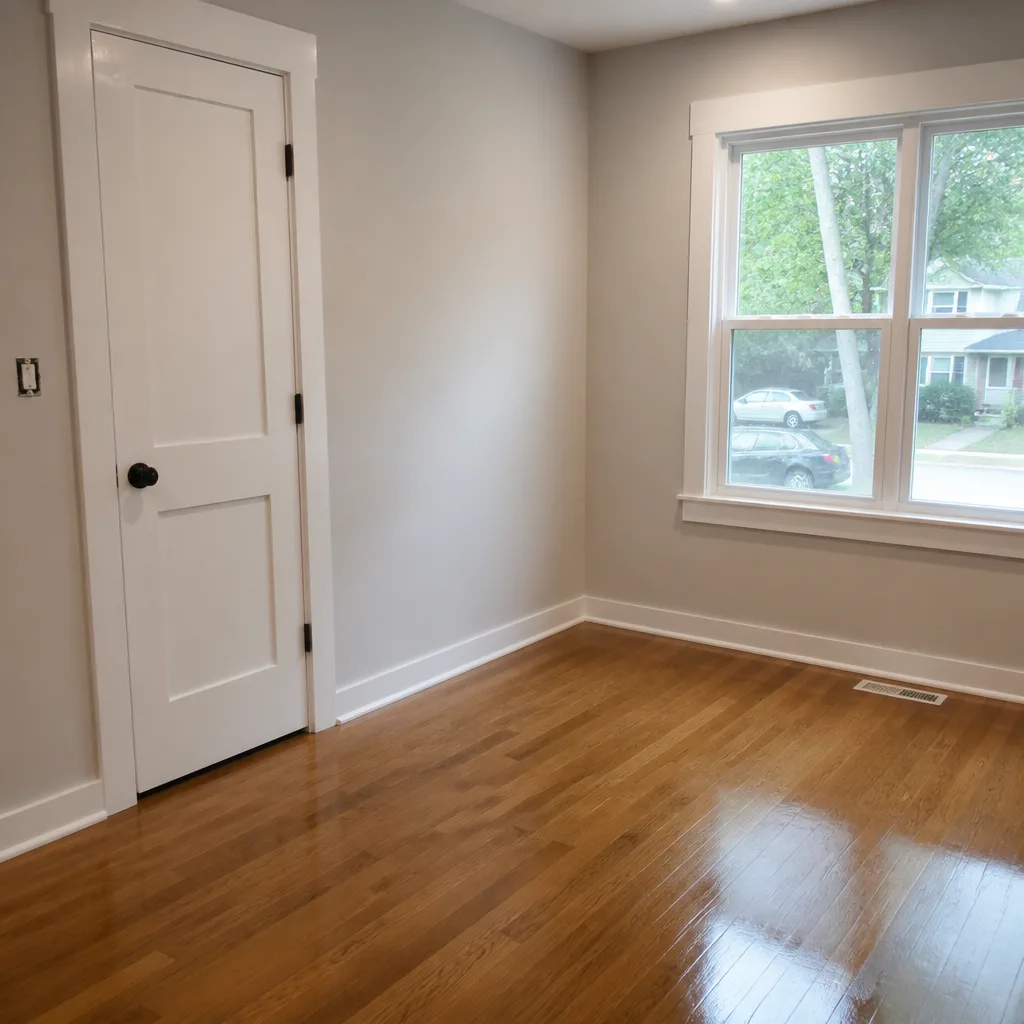 After
After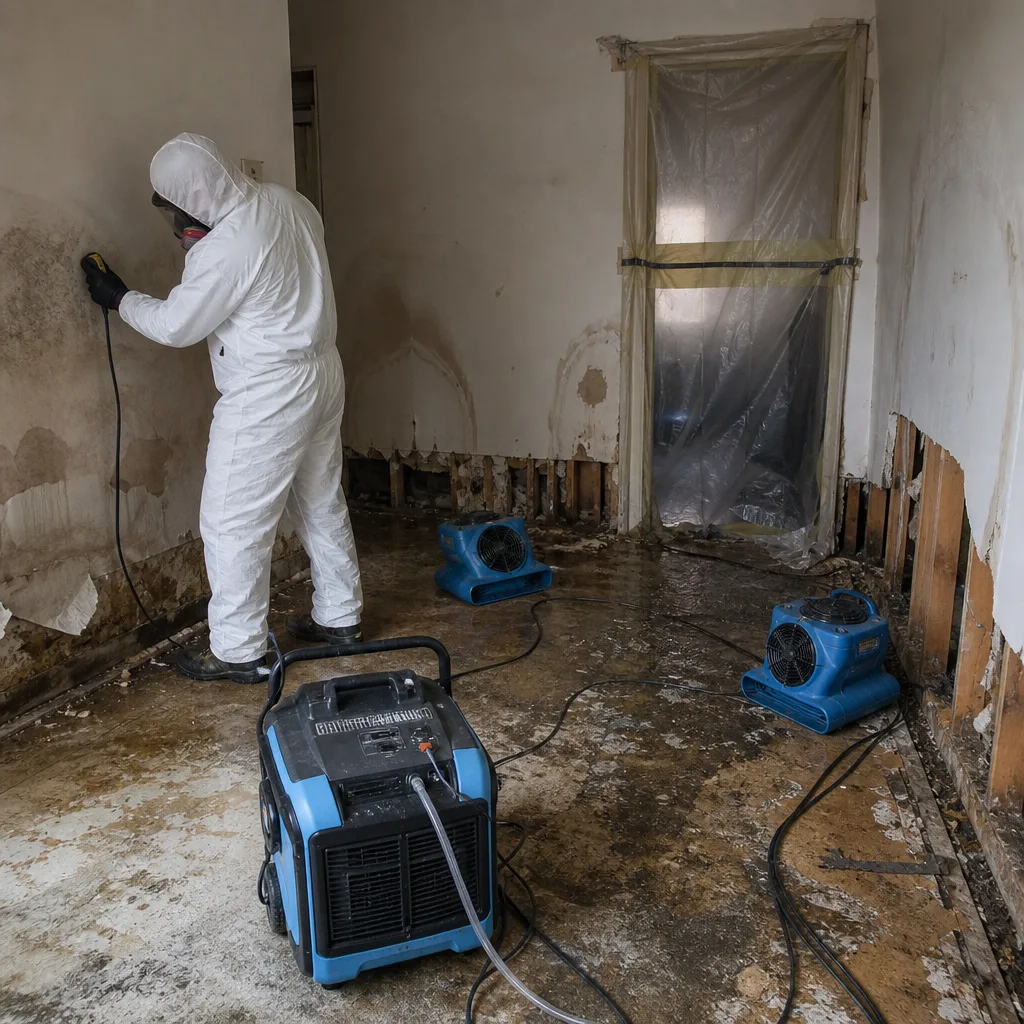 Before
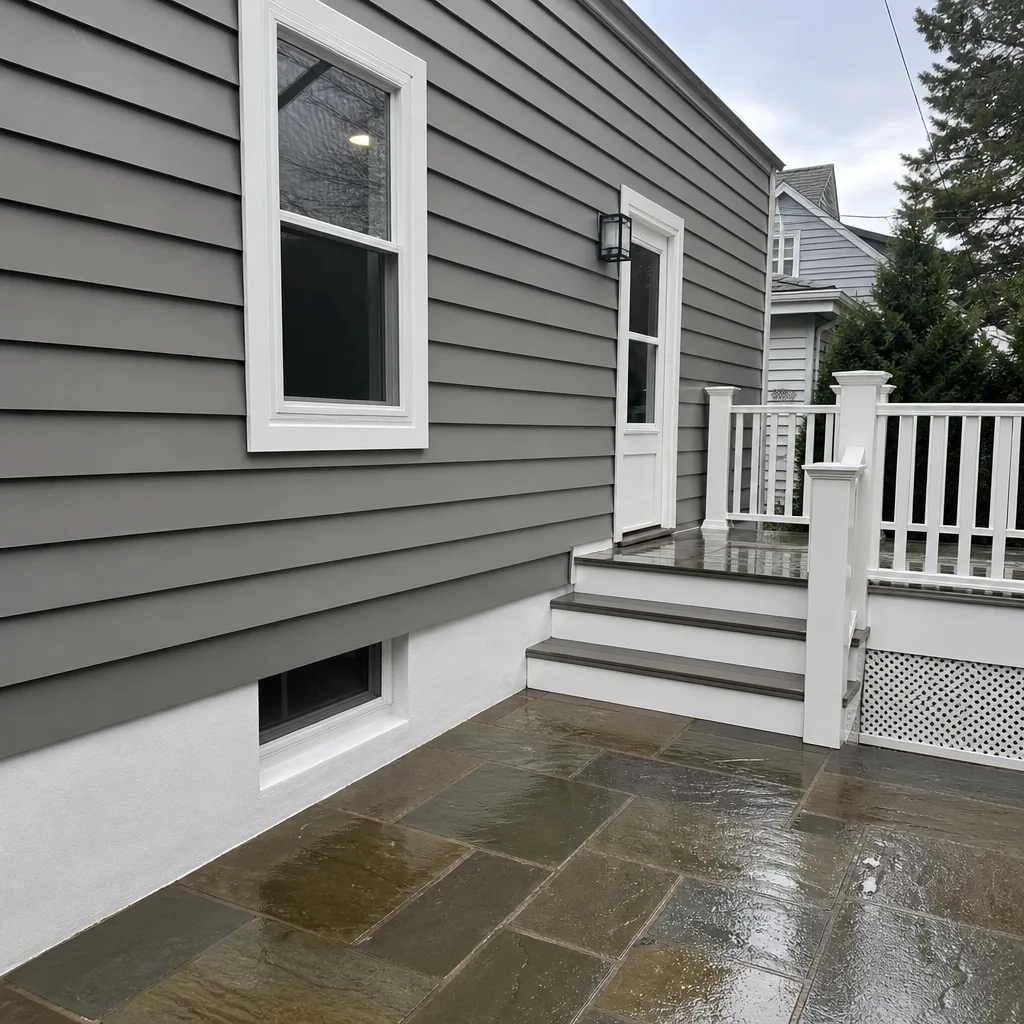 After
After24/7 Emergency Storm & Disaster Restoration in New Milford
Storm damage in New Milford moves fast, and so do we. Floodline Restoration Co. answers the phone with a live dispatcher at any hour, every day, and our crews reach homes along River Road, Milford Avenue, and the surrounding blocks with the equipment already loaded. Call (640) 333-9625 the moment water is rising or a tree limb is through the roof. A free visual inspection gets us inside the house, reading the damage the way a doctor reads a patient before prescribing. The first hour after a nor’easter or river overflow determines whether you’re drying a basement or gutting one. We arrive the same visit with professional-grade Dri-Eaz and Injectidry equipment, and we start extraction before the water has a chance to wick into drywall and framing.
Understanding Storm & Disaster Restoration Severity in New Milford Properties
Not all floodwater is created equal, and New Milford’s geography makes that distinction matter more than in most Bergen County towns. When the Hackensack River overflows its banks along the borough’s western edge, the water entering finished basements is Category 3 water: river water carrying silt, sewage, bacteria, and chemical runoff from upstream. That classification changes everything about the restoration scope. You cannot simply dry Category 3 soaked carpet or drywall and call it done. Those materials are unsalvageable by industry standard, and attempting to save them spreads contamination deeper into the house. What we do instead is contain the affected zone, extract the standing water with truck-mounted equipment, cut out the non-salvageable materials at the floodline, then run structural drying on what remains. Our technicians use thermal imaging and penetrating moisture meters to track moisture migration through the 1940s-era lumber and 1970s sheetrock common to New Milford’s Cape Cods, ranches, and split-levels. The goal is hitting the dry standard before Class 3 mold colonization takes hold, which in a slow-draining Hackensack River basement means moving fast in the first 24 to 48 hours.
Why New Milford Property Owners Choose Floodline Restoration Co.
- 45-minute response commitment. We dispatch crews to New Milford addresses within 45 minutes of your call. Not a call center estimate. A live crew in motion.
- 24/7 live answer, no phone tree. A real person picks up at two in the morning. Not a recording, not an answering service. The dispatcher starts crews moving while you’re still on the line.
- IICRC-certified crews trained to WRT and ASD standards. Our technicians hold IICRC, RIA, and IFA certifications. They arrive uniformed, background-checked, and carrying a moisture map, not a sales pitch.
- Free visual inspection with no obligation. We walk the property, read the damage, and give you a written scope. If you decline the work, you owe nothing.
- Direct insurance billing. We document, we photograph, we talk to your adjuster. You never play messenger between Floodline Restoration Co. and the carrier.
- One team from extraction to reconstruction. The same certified crew that pulls the water and runs the drying handles the rebuild. No mid-job handoff to strangers.
Our Storm & Disaster Restoration Process
Inspection & Assessment
We start with a full walkthrough, classifying the water and documenting every affected surface. Thermal imaging and moisture meters tell us where water has traveled that the eye cannot see. You get a written scope before any work begins.
Extraction & Stabilization
Truck-mounted extraction pulls standing water quickly, then we stabilize the structure. For wind or tree damage, this is where emergency board-up and roof tarping happen to stop further water intrusion.
Drying & Dehumidification
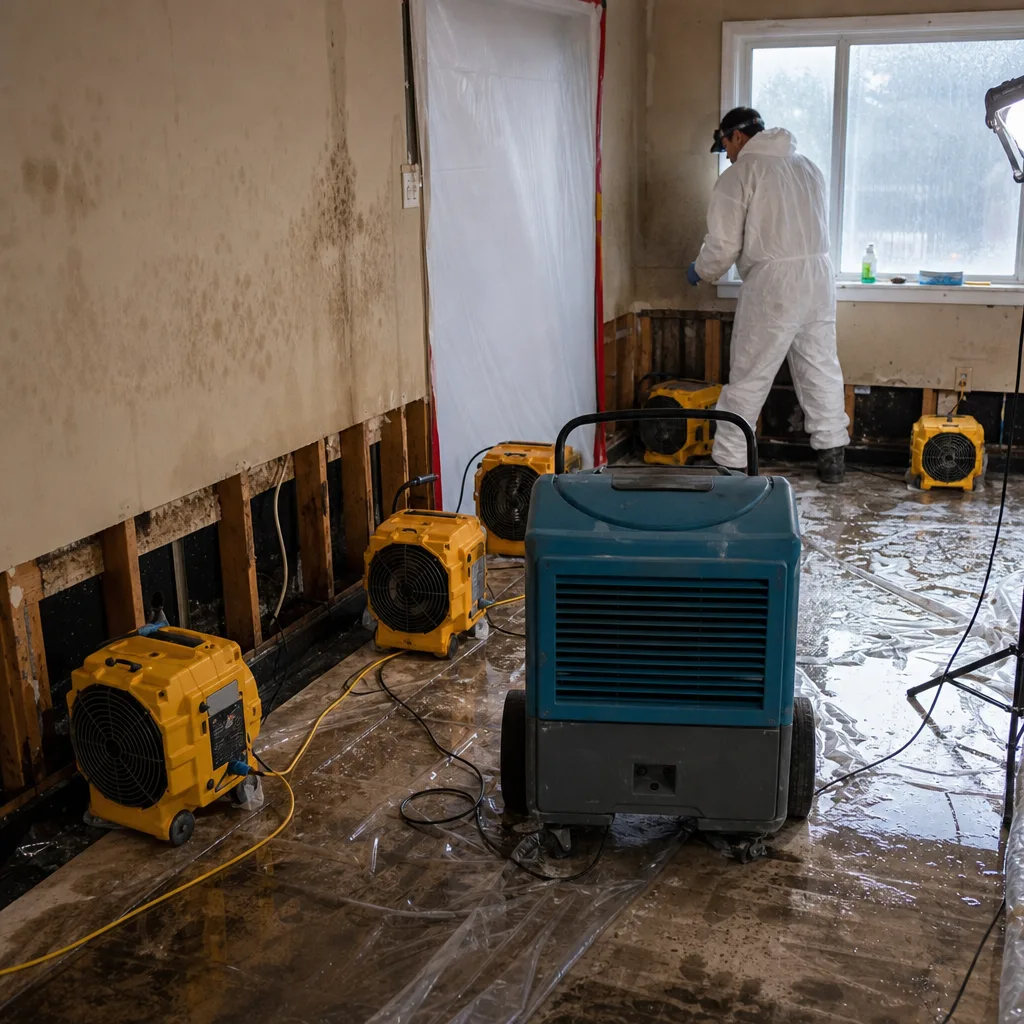
We set professional-grade air movers and dehumidifiers in a calculated pattern based on the moisture map. For tight New Milford basements, Injectidry panels pull water from wall cavities and under flooring where conventional equipment cannot reach.
Cleaning & Sanitization
Category 3 water demands antimicrobial treatment and HEPA air scrubbing to control pathogens. We clean salvageable surfaces, bag and remove unsalvageable debris, and treat framing to prevent mold bloom.
Specialty Treatment for Flood Damage
On Hackensack River flood jobs, we focus on hidden moisture behind replaced drywall and under newer flooring. Subfloor cavities, sill plates, and stud bays along River Road often need targeted drying that standard equipment missed in a previous event.
Repairs & Restoration
Once the drying log shows the dry standard is met, we reconstruct. Drywall, insulation, flooring, trim. The same Floodline Restoration Co. crew that started the job finishes it, and the 90-Day Done Right Promise goes in your hand in writing.
Need Emergency Storm & Disaster Restoration in New Milford Now?
Crews minutes away, answering live 24 hours a day. The sooner we start, the less it costs.
Working With Your Insurance Company
Flood claims in New Milford are often layered: a homeowner may be dealing with a National Flood Insurance Program policy, a private carrier, and a mortgage servicer all at once. We keep that process from becoming a second disaster. From the first hour, our technicians document the loss with photos, moisture readings, and a line-by-line scope that matches industry-standard estimating software. We speak directly with your adjuster, describe what we found, and answer their questions without you having to schedule calls or translate trade terms. If the adjuster wants a second look, we walk the property with them. By the time the claim is settled, your file already contains everything the carrier needs. That is direct billing done the old way: clearly, in writing, and without you chasing paperwork.
What We Provide Your Insurer
- Thorough documentation of the loss
- Photos of all damage, room by room
- Moisture readings and drying logs
- A detailed, line-item scope of work
- Direct coordination with your carrier
Built for New Milford’s Loss Calendar
New Milford’s storm season does not follow a single season. January and February bring deep freezes that burst supply lines in unheated 1940s-era crawlspaces and split-level utility rooms. March and April send snowmelt and spring rain into foundation cracks and window wells on streets like McKinley Avenue and Princeton Street, where the water table rises fast. Summer thunderstorms drop two inches in an hour, and the Hackensack River watershed funnels the runoff right back into the borough’s western blocks. Then comes nor’easter season, when stalled coastal storms push the river up through finished basements that had stayed dry for a decade. The pattern matters because repeat exposure creates what we call layered loss: drywall replaced after Sandy, flooring laid over subfloors that never fully dried, sump pumps upgraded but overwhelmed again. Each event builds on the last, and a single-visit inspection rarely sees all of it. Our Storm & Disaster Restoration team reads the history of the house, not just the standing water in front of them.
Storm & Disaster Restoration Across New Milford’s Neighborhoods
The flood risk is not spread evenly across New Milford. Homes along River Road and the adjacent side streets sit inside FEMA-designated AE flood zones, where the Hackensack River’s gentle gradient means water rises slowly and recedes just as slowly, extending the soaking window. Those properties are our most frequent repeat calls. On the eastern side of the borough, around Milford Avenue and Madison Avenue, the housing stock is the same post-WWII mix of Cape Cods and split-levels, but the loss pattern shifts toward wind damage, downed trees, and the occasional roof puncture. Bergenfield and Dumont border the southern edge, and while response routes there are straightforward, the tight side yards and alley-load basements common to that 1940s-to-1970s construction make equipment placement simpler for a crew that has worked these blocks for years. Oradell to the north and River Edge to the south share similar housing ages, but New Milford’s flood elevation makes the river-adjacent streets a different job entirely. When we dispatch a crew here, we know which blocks need sandbags staged early and which basements have known history from prior events.
Specialized Storm & Disaster Restoration Services We Offer in New Milford
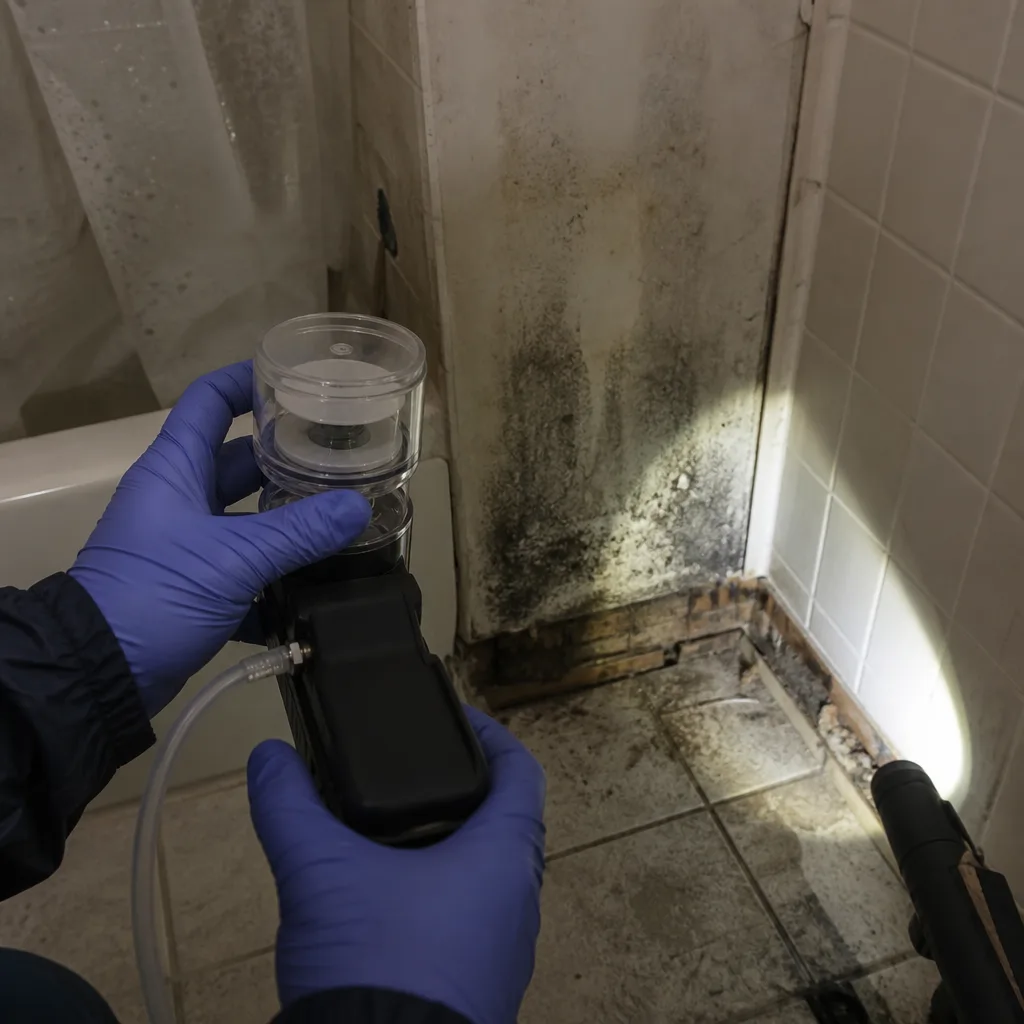
Flood Damage Restoration
Riverine flooding from the Hackensack River is the dominant storm call in New Milford, and it requires classification before drying. Category 3 water from an overflowed river carries contaminants that finished basement materials cannot survive. We cut flood-damaged drywall at the waterline, remove saturated flooring, treat structural lumber, and dry the cavity with Injectidry panels and professional-grade dehumidifiers.
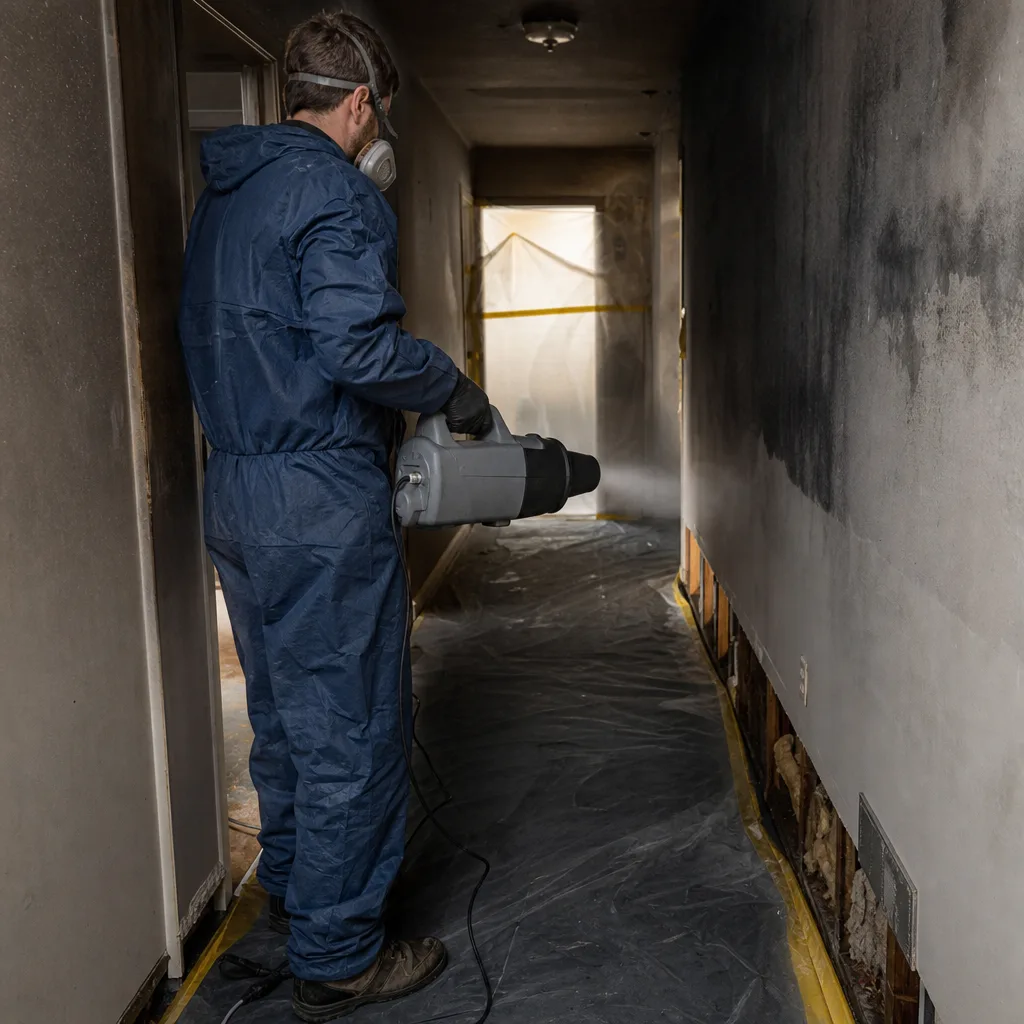
Storm Damage Cleanup
Downed limbs, wind-driven debris, and roof damage after a nor’easter leave a house exposed and a yard unsafe. We clear the immediate hazards, board broken windows, and tarp compromised roof sections the same visit. Debris removal runs through bagging, hauling, and proper disposal, with photos for your carrier at every stage.
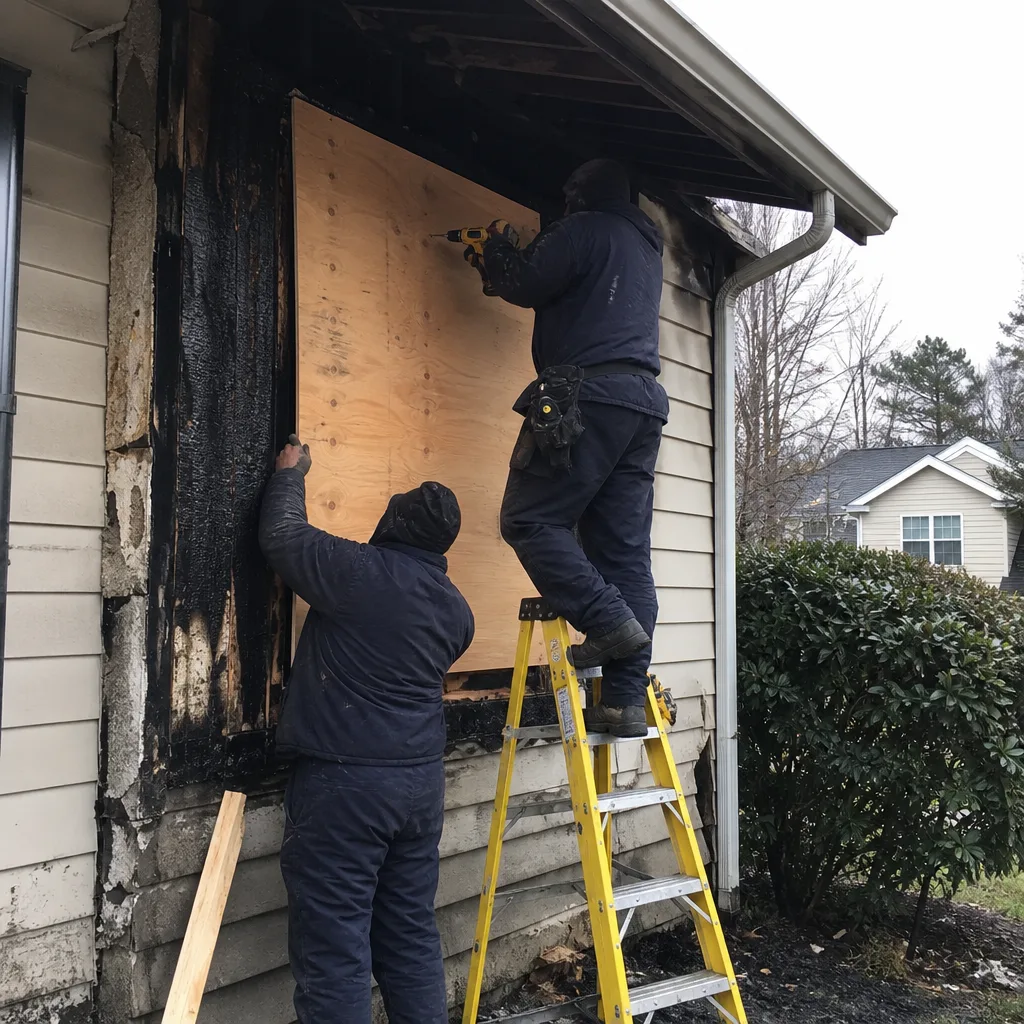
Emergency Board-Up
A tree limb through a New Milford split-level window or a wind-ripped door cannot wait until morning. We board openings with plywood cut to fit, secured, and photographed. The goal is stopping further water intrusion and preventing looting or pest entry before the restoration crew returns.
Roof Tarping
Nor’easter winds tear shingles and expose decking. We tarp the damaged section with heavy-duty material, sealed at the edges, so the next rain does not become the next flood. This holds the house until a full roof assessment and repair scope is written.
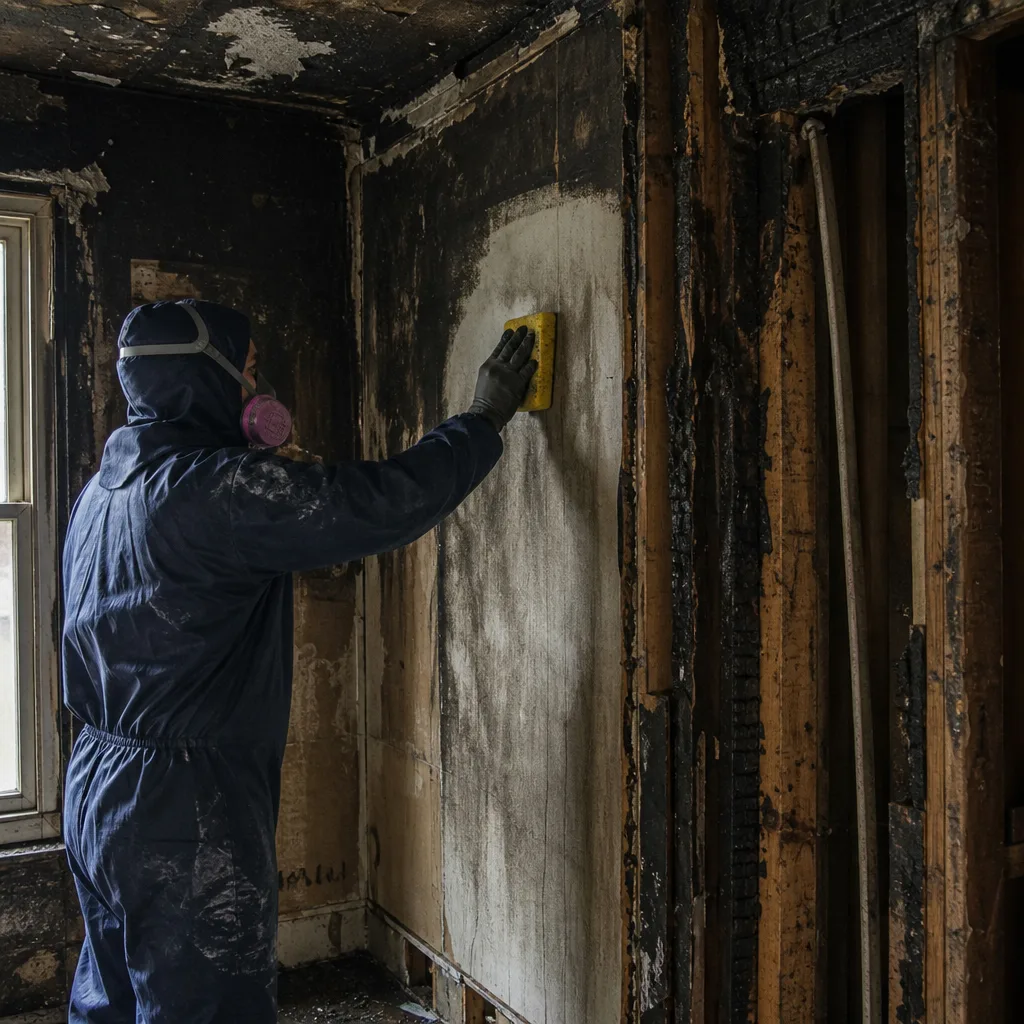
Debris Removal
Storm debris in New Milford runs from river silt and sediment deposited in finished basements to tree limbs, blown insulation, and ruined drywall. We remove it, separate salvageable items, and dispose of the rest according to local regulations. You get a clear record of what left the property and where it went.
What happens when you call
- 1
A real person answersNo phone trees - you reach a local pro.
- 2
You get an upfront price rangeHonest numbers before anyone is dispatched.
- 3
A background-checked tech heads outLicensed & insured, dispatched right away.
- 4
You approve before work beginsNothing starts until you say go.
Storm & Disaster Restoration Costs in New Milford, NJ
Flood damage restoration in New Milford typically runs $3,500 to $12,000 depending on the size of the finished basement and how far the water reached. Water extraction alone starts around $1,200 for a standard split-level basement. Roof tarping runs $400 to $900 for an emergency patch job. Emergency board-up costs between $350 and $800 for one or two openings. Debris removal starts at $250 and climbs with volume. The variables that move the price: the water category, how many rooms flooded, whether flooring was solid hardwood, engineered, or LVP, and whether prior damage is uncovered during drying. Insurance typically covers flood damage for policyholders with active NFIP or private flood coverage, and we bill the carrier directly. For homeowners without flood insurance, we write a clear scope before work begins so there are no surprises on the bill. Call (640) 333-9625 for a free inspection and a firm number.
We Also Serve Cities Near New Milford
Our New Milford crews regularly respond to storm calls in River Edge, Bergenfield, Oradell, and Dumont. Same 45-minute commitment, same live answer at two in the morning.
Serving New Milford, NJ - Our Local Coverage Area
We’re based in the New Milford area and know this community well. Use the map below to see our service coverage - if you’re nearby, we can almost certainly help.
New Milford Storm & Disaster Restoration Questions, Answered
How fast does mold start growing in a New Milford basement after Hackensack River floodwater recedes?
Mold colonization begins within 24 to 48 hours in a warm, wet basement, and Hackensack River floodwater is warm enough in spring and fall to accelerate that timeline. In New Milford’s finished basements, mold first takes hold behind baseboards, under carpet padding, and inside wall cavities where the water wicked but never evaporated. That is why we start extraction on the first visit and why we run air movers and dehumidifiers until the moisture meter says the dry standard is reached. Call (640) 333-9625 as soon as water enters the basement.
What does Category 3 water mean for a finished basement near River Road?
Category 3 water is grossly contaminated: river water, sewage, or storm runoff carrying bacteria, silt, and chemical residue. When the Hackensack River overflows near River Road, the water entering basements is Category 3 by definition. That means carpet, drywall, and insulation soaked by that water are non-salvageable and must be removed. Breathing the air in an enclosed Category 3 flooded basement can also pose health risks, which is why we set containment and run HEPA scrubbers during removal. Call us first, before attempting any cleanup yourself.
Why do some New Milford homes need repeat flood restoration even after sump pump upgrades?
New Milford storms do not always announce themselves as floods. A sump pump upgraded after Sandy keeps up with a moderate rain, but a nor’easter that pushes the Hackensack River over its banks overwhelms even the best residential pump. Layered prior remediation is another factor: if a previous flood was dried but not fully treated, moisture trapped in subfloors and wall cavities reactivates when the next event comes. Our Storm & Disaster Restoration team in New Milford finds hidden prior damage during every river flood inspection because we look for it. The free visual inspection is how we see what the last crew missed.
Can you dry a split-level basement without gutting it if the water was only ankle-deep?
Sometimes, but only when the water is Category 1 or 2 and the materials are still salvageable. Ankle-deep clean water on a tile floor in a split-level utility room can often be extracted and dried without removing walls. But if that same ankle-deep water is Hackensack River overflow near River Road, it is Category 3, and we are cutting drywall and pulling flooring regardless of depth. The water category, not the depth, is what dictates the scope. A free inspection gives you the answer definitively.
How do tight alley-load basements affect the drying process in New Milford?
Many of New Milford’s 1940s-to-1970s homes have narrow side yards and basement entrances at the rear, which changes how equipment moves in and out. Our crews stage extraction hoses through basement windows or narrow walkways, and we use Injectidry panels for wall cavities and flooring systems where conventional air movers cannot reach. Smaller spaces actually dry faster when the equipment is placed correctly. Our technicians map the basement before placing anything, so no square foot is missed.
How fast can someone actually get to my New Milford house?
We commit to 45 minutes from your call to a crew arriving at your New Milford address. The dispatcher who answers at (640) 333-9625 is the same one sending the crew, so there is no delay between intake and dispatch. During nor’easters and flood events, call volume runs high, but we stage crews in the area before the storm hits to keep response times tight.
Will my insurance cover storm and flood restoration in New Milford?
Standard homeowners policies cover wind damage, fallen trees, and roof damage. Flood damage is only covered if you carry a separate flood policy, either through the NFIP or a private carrier. Many New Milford homes inside FEMA AE flood zones are required by lenders to carry flood insurance, but not all do. We document everything from the first hour, and we speak directly with your adjuster. If coverage is denied, we will show you exactly why and help you understand your options.
What should I do in the first 30 minutes after storm water enters my New Milford home?
Call (640) 333-9625. Then kill the electricity to the affected area if you can do so without stepping in water. Do not enter the flooded space, especially if the water came from the Hackensack River, because it is contaminated and may also be conducting electricity. Move valuables only if you can do so safely. Do not attempt to vacuum the water or run fans. Let the certified crew handle extraction, classification, and drying from the first hour.
Written by Curt Bowman, Owner at Floodline Restoration Co., serving New Milford and Bergen County. Founded in 2010, built around a dispatch board, not a sales desk.