

Free visual inspection and a written scope of work before any mitigation begins - photos, moisture readings, and drying logs go in your claim file
The scope we write is the scope we bill. Anything new gets shown to you, in writing, before we touch it.
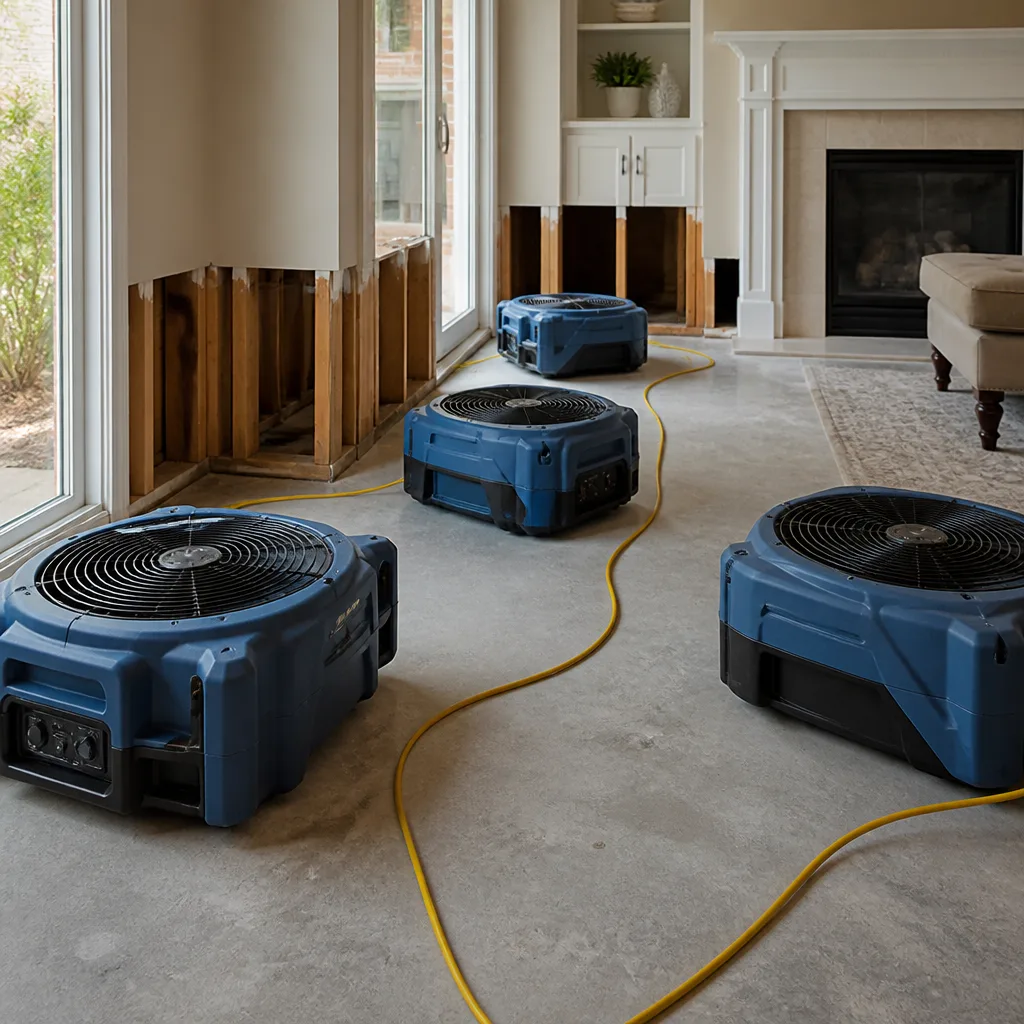



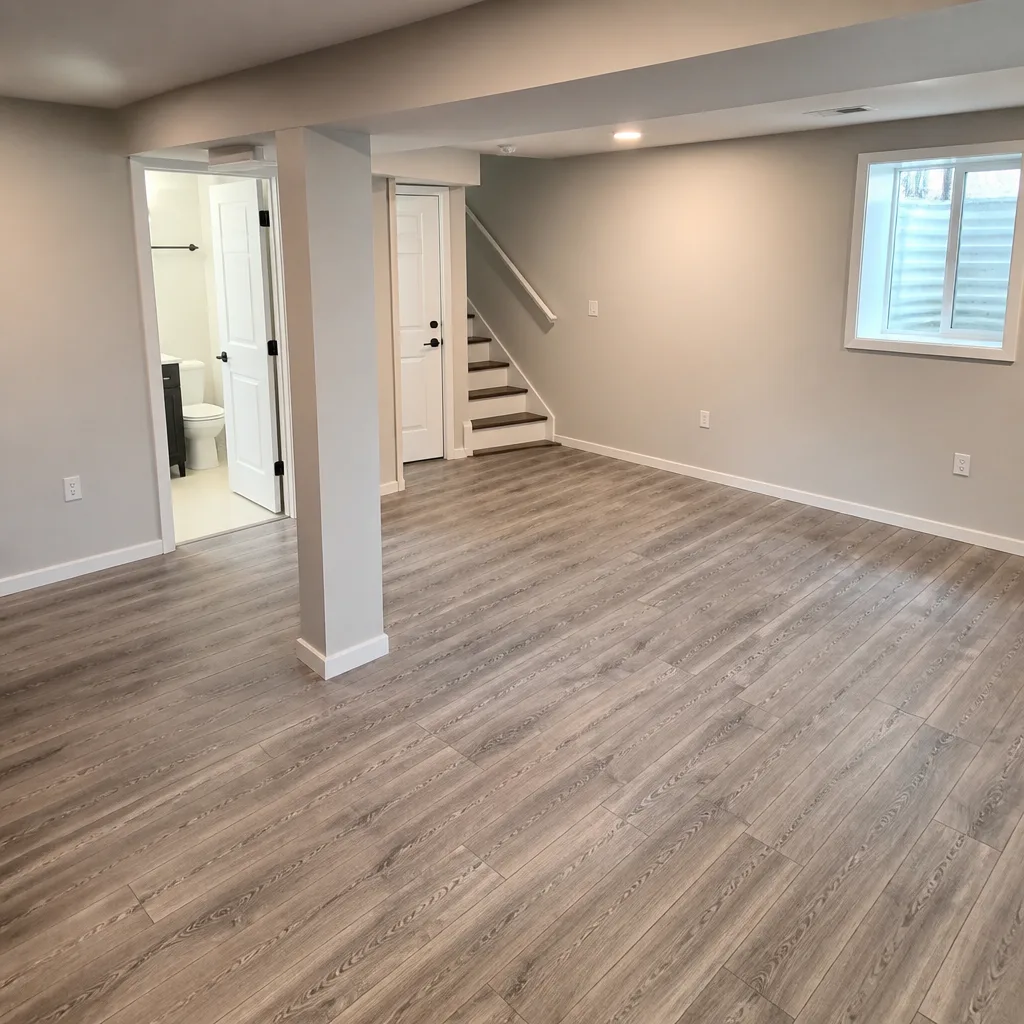
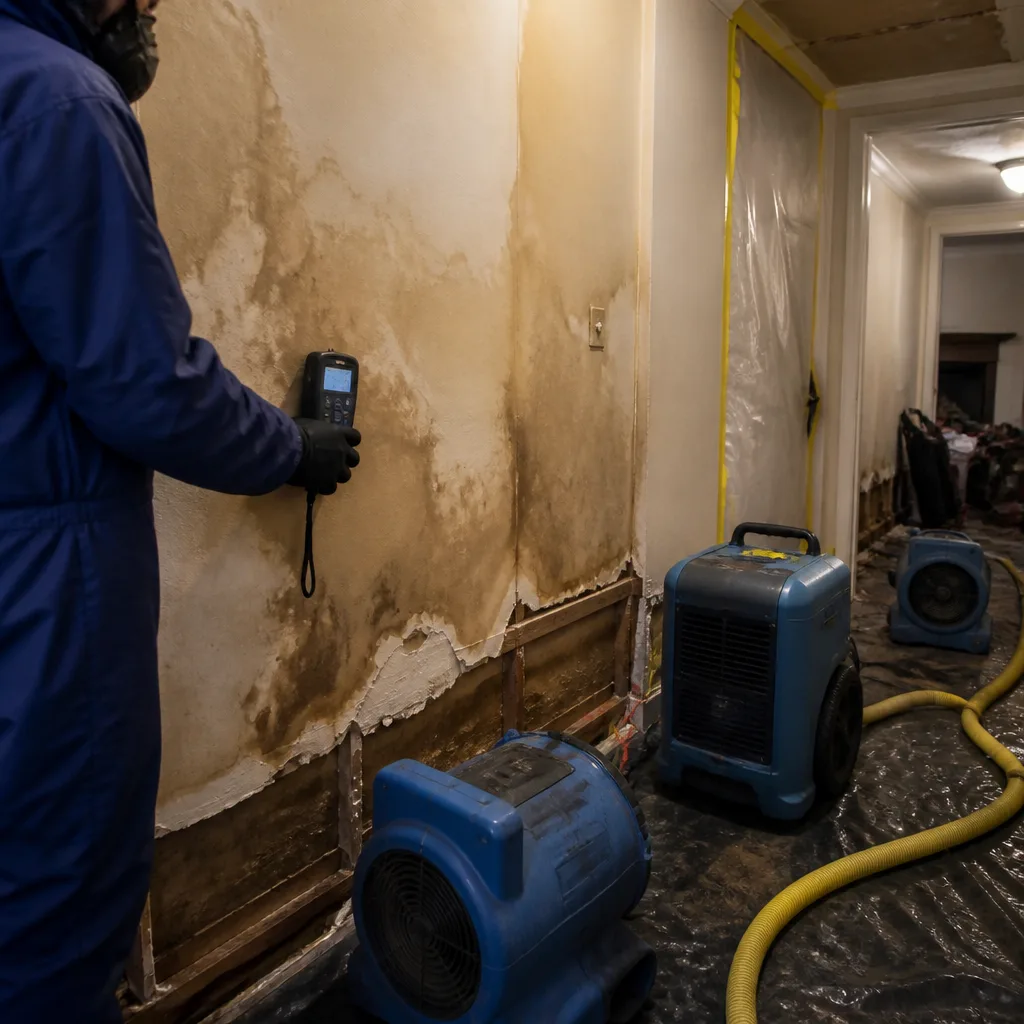 Before
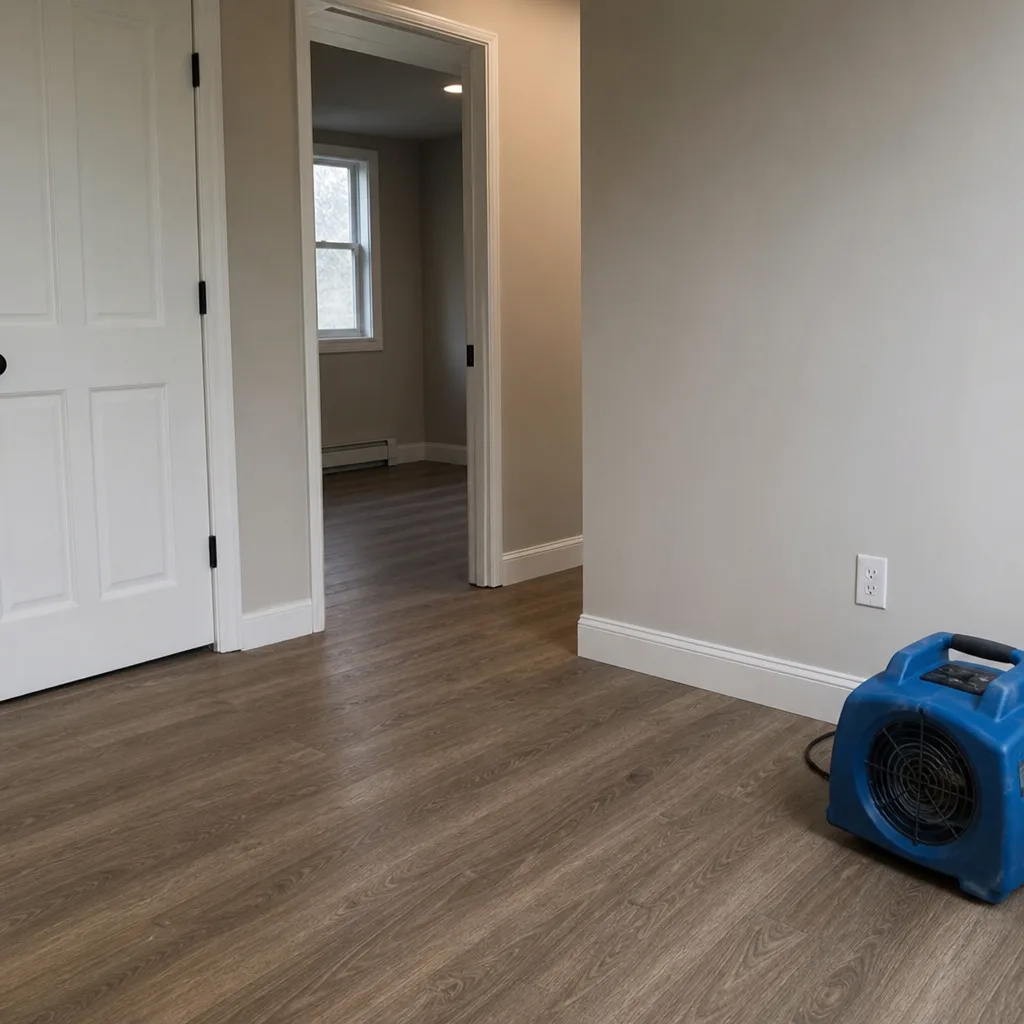 After
After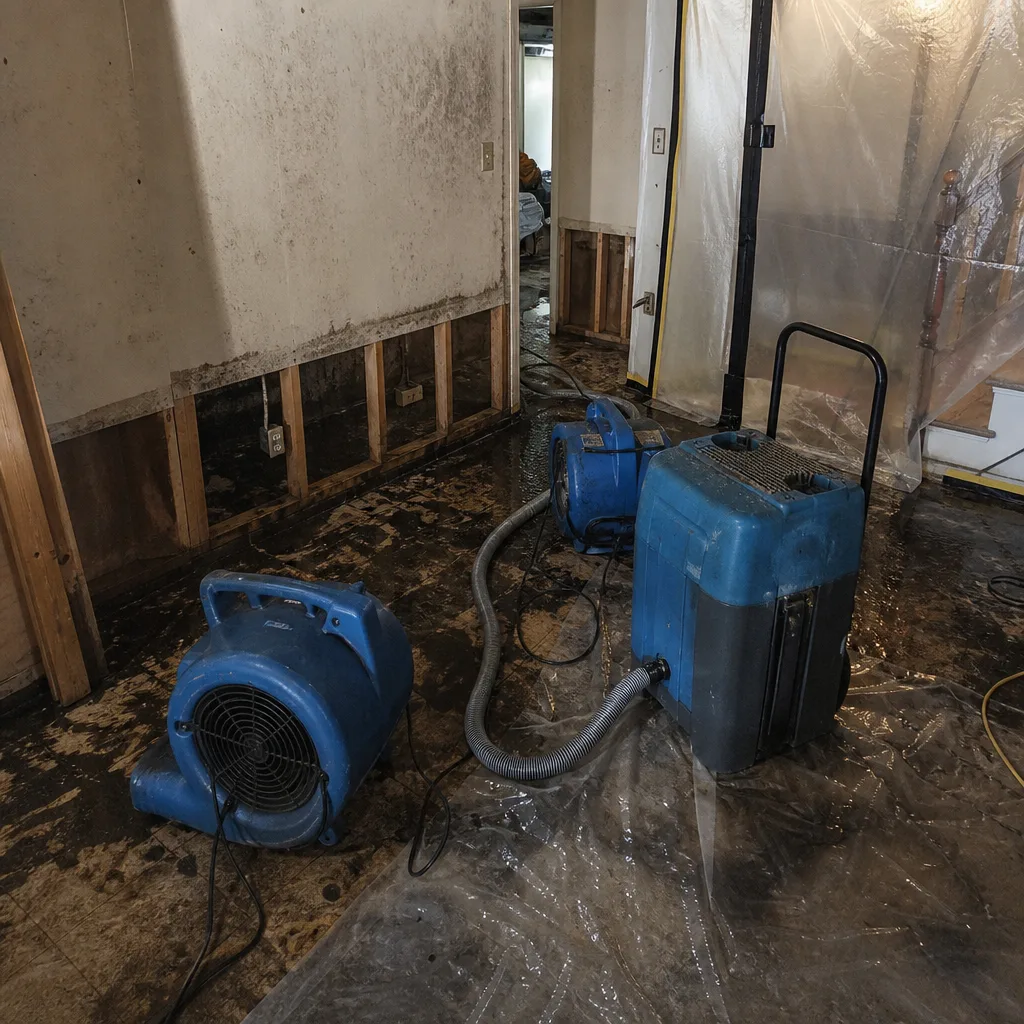 Before
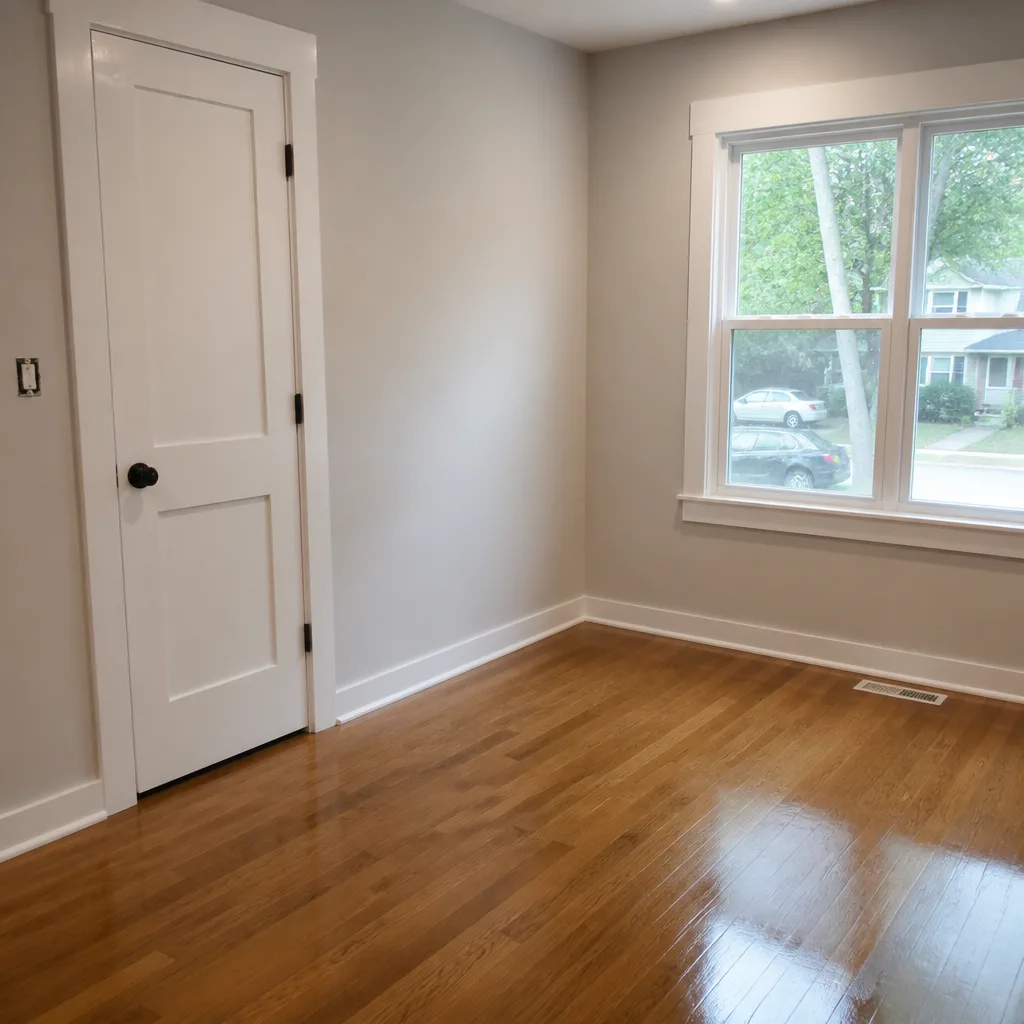 After
After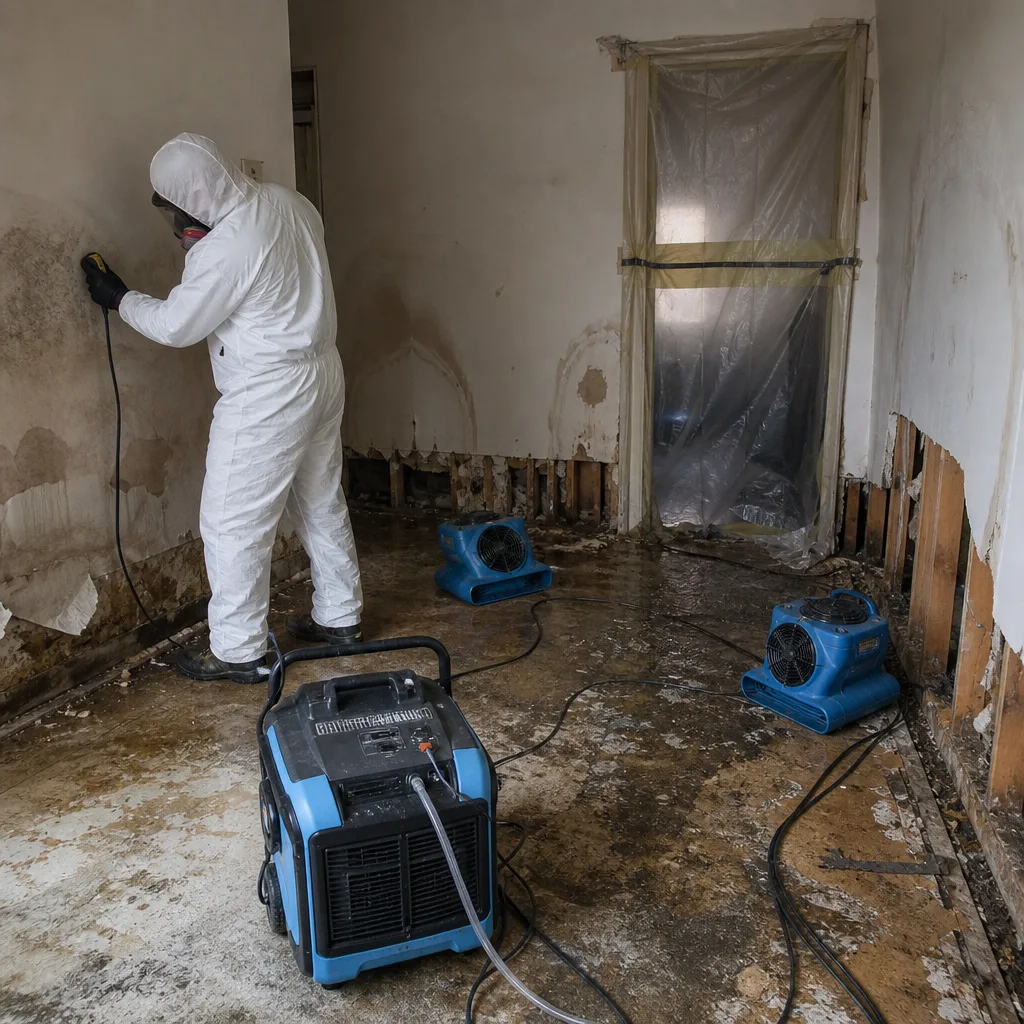 Before
 After
After24/7 Emergency Sewage Cleanup in New Milford
Sewage backup in a New Milford home is an emergency that needs an answer now, not a callback. Floodline Restoration Co. answers the phone with a live dispatcher at any hour, and crews reach River Road, Madison Avenue, and the surrounding blocks within about 45 minutes. A sewage spill spreads bacteria through the air and into porous materials fast, so the first extraction pass matters. Call (640) 333-9625 and we’ll have a background-checked, uniformed technician on site to start Category 3 black water removal before the damage reaches your walls and slab.
Understanding Sewage Cleanup Severity in New Milford Properties
Not every sewage loss is the same, and New Milford’s housing stock makes the distinction matter. Water from a clean supply line is Category 1. Water with detergents or mild waste is Category 2. Black water, Category 3, carries sewage, bacteria, river organisms, and whatever else came up through the floor drain or toilet. Most of the finished basements we see in New Milford were built between 1940 and 1975, with drywall, carpet, and wood paneling installed directly against concrete foundation walls. That means Category 3 water doesn’t just sit on top of the slab. It wicks into gypsum, saturates the bottom plates of framed walls, and forces bacteria into materials that standard cleaning cannot reach. We run moisture mapping with thermal imaging and hygrometers so containment decisions are based on actual readings, not guesswork. Once saturation crosses into the porous layer, we remove it. No shortcuts on sewage.
Why New Milford Property Owners Choose Floodline Restoration Co.
- 45-minute response commitment. Live dispatch sends a crew from our New York City coordination office straight to New Milford, day or night, storms included.
- A real person answers, 24/7. Not an answering service, not a recording. A live dispatcher picks up at 2 a.m. and starts the clock.
- IICRC-certified crews. Our technicians train and certify to IICRC and RIA standards, including water restoration (WRT) and applied microbial remediation (AMRT) protocols for sewage work.
- Free visual inspection. We walk the loss with you, moisture map the affected areas, and give you a straightforward read before any work is authorized.
- Direct insurance billing. We bill your carrier directly and communicate with your adjuster, so you’re not playing messenger during cleanup.
- One team from extraction to reconstruction. The crew that extracts the sewage is the same certified team that dries, sanitizes, and rebuilds the finished basement. No handoff to a stranger.
Our Sewage Cleanup Process
Inspection & Assessment
We trace the source, identify the water category, and use thermal imaging plus hygrometers to map how far sewage moisture has traveled through floors and walls in your New Milford home.
Extraction & Stabilization
Professional-grade truck-mounted and portable extractors remove standing black water immediately. We bag and remove contaminated carpet, pad, and drywall right then, not later.
Drying & Dehumidification
Dri-Eaz dehumidifiers and XPOWER air movers run inside sealed containment, with daily moisture readings logged until your structure hits its pre-loss dry standard. In New Milford’s post-storm humidity, this stage is non-negotiable.
Cleaning & Sanitization
Every affected surface gets antimicrobial treatment. We scrub, fog, and wipe down framing, subfloors, and any salvageable fixtures to eliminate bacteria and odor from Category 3 water.
Crawl Space Sewage Removal
When sewage finds its way into the crawl space, which happens often in older New Milford split-levels and ranches, we remove contaminated gravel or vapor barrier, sanitize the soil contact points, and reset the space for proper drying.
Repairs & Restoration
We rebuild the damaged areas with new drywall, insulation, flooring, and trim, coordinating the scope with your insurance carrier so the restoration matches what was there before the loss.
Need Emergency Sewage Cleanup in New Milford Now?
Crews minutes away, answering live 24 hours a day. The sooner we start, the less it costs.
Working With Your Insurance Company
Homeowners in New Milford have been through enough with their carriers after Irene and Sandy. Our job is to make the sewage portion of a claim straightforward. We photograph every affected room before and after removal, log moisture readings daily, and send a line-item scope to your adjuster within the first couple days. You won’t be chasing paperwork while your basement airs out. Floodline Restoration Co. has handled direct insurance billing for over a decade on exactly these losses, and our documentation package gives your carrier what it needs to process the claim without guesswork.
What We Provide Your Insurer
- Thorough documentation of the loss
- Photos of all damage, room by room
- Moisture readings and drying logs
- A detailed, line-item scope of work
- Direct coordination with your carrier
Built for New Milford’s Loss Calendar
Sewage losses in New Milford follow a seasonal rhythm that locals know well. January and February bring deep freezes that crack old cast iron sewer lines under 1940s front yards, sending backups into basement floor drains. Spring thaw saturates the ground around the Hackensack River, and combined with heavy rains, hydraulic pressure pushes groundwater through foundation seams and into sewer laterals. Summer thunderstorms stall over Bergen County and overwhelm older municipal lines in minutes. Nor’easter season, from September through April, remains the biggest threat for the flood-zone blocks west of River Road, where river backup through the sewer system is a recurring event. We schedule our crews and equipment around these months, and we know the failure patterns that repeat in New Milford’s split-levels and Capes.
Sewage Cleanup Across New Milford’s Neighborhoods
The neighborhoods hugging the Hackensack River, especially the blocks off River Road between Madison Avenue and the river bend, see the most Category 3 black water backups during nor’easters. These homes sit inside FEMA AE flood zones, and when the river rises slowly, it pushes up through floor drains and sewer laterals rather than over foundation walls. The finished basements here are the primary loss surface. Around Madison Avenue and the center of the borough, we see a different pattern: older sewer laterals that collapse under mature street trees or clog with decades of root intrusion. Farther east toward River Edge, the housing stock shifts to similar-era Capes and ranches on slightly higher ground, where sewage losses tend to come from line blockages and pump failures rather than river inundation. Each of these areas needs a different initial response, and our crews have worked all of them long enough to know the difference before we arrive.
Specialized Sewage Cleanup Services We Offer in New Milford
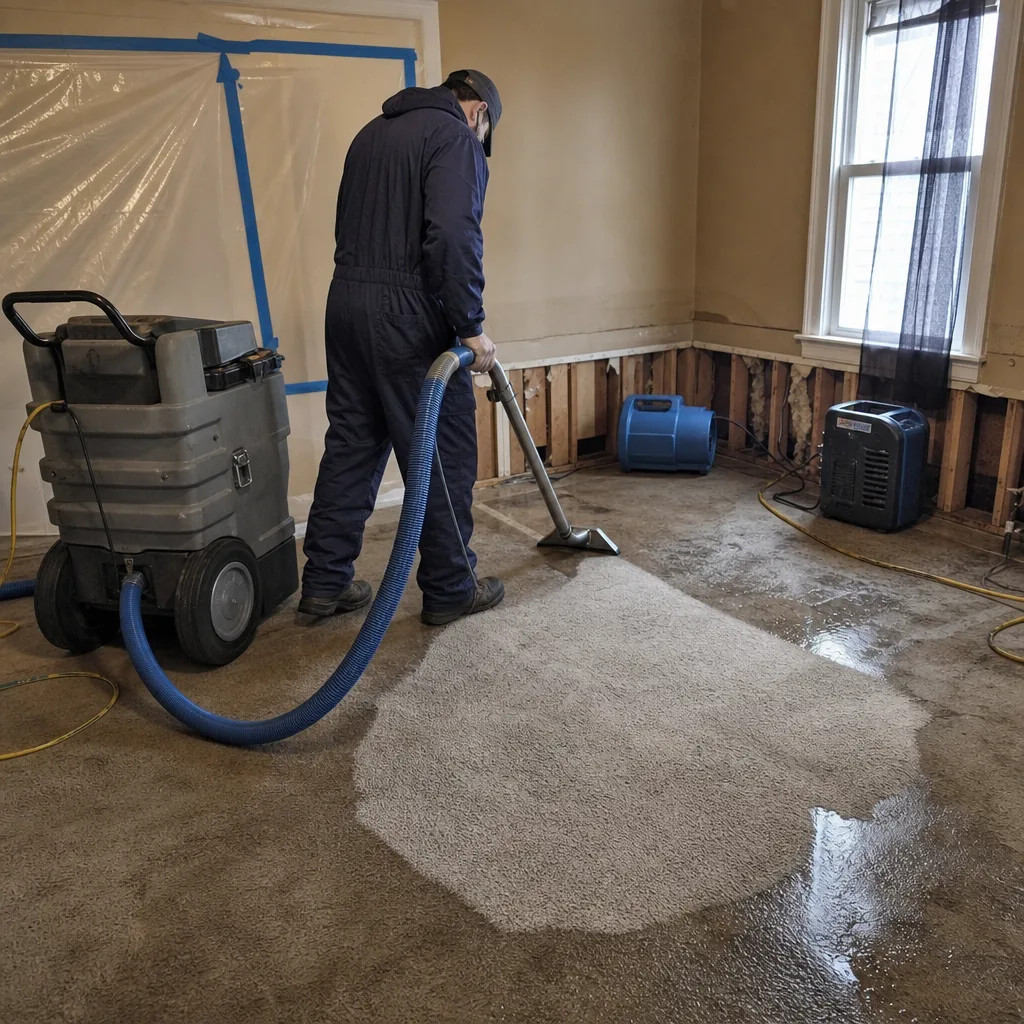
Sewage Backup Cleanup
When a sewer line backs up into a finished basement on a New Milford street, the first step is stopping the source, then extracting the black water and cutting out saturated materials. We treat the full affected area as contaminated until moisture readings and testing say otherwise.
Toilet Overflow Cleanup
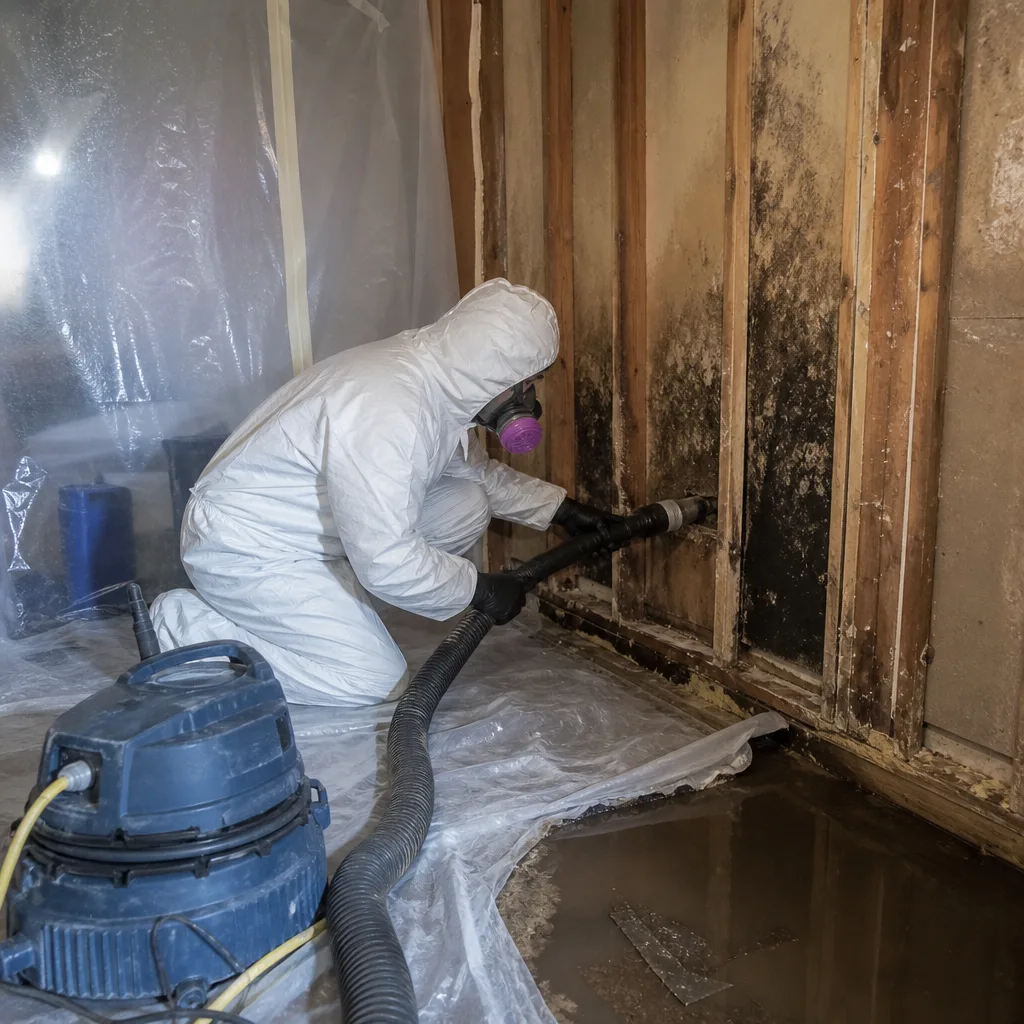
A toilet overflow that stays on tile and is cleaned quickly may be Category 2. Once it soaks into carpet or grout or sits for hours, it acts like Category 3. We sanitize, dry, and verify. No assumptions.
Septic Failure Cleanup
Some older New Milford properties still run on septic systems rather than municipal sewer. When a field floods or a tank fails, raw sewage can surface in the yard and migrate toward the foundation. We address the interior loss and coordinate the exterior scope with the right contractor.
Black Water Extraction
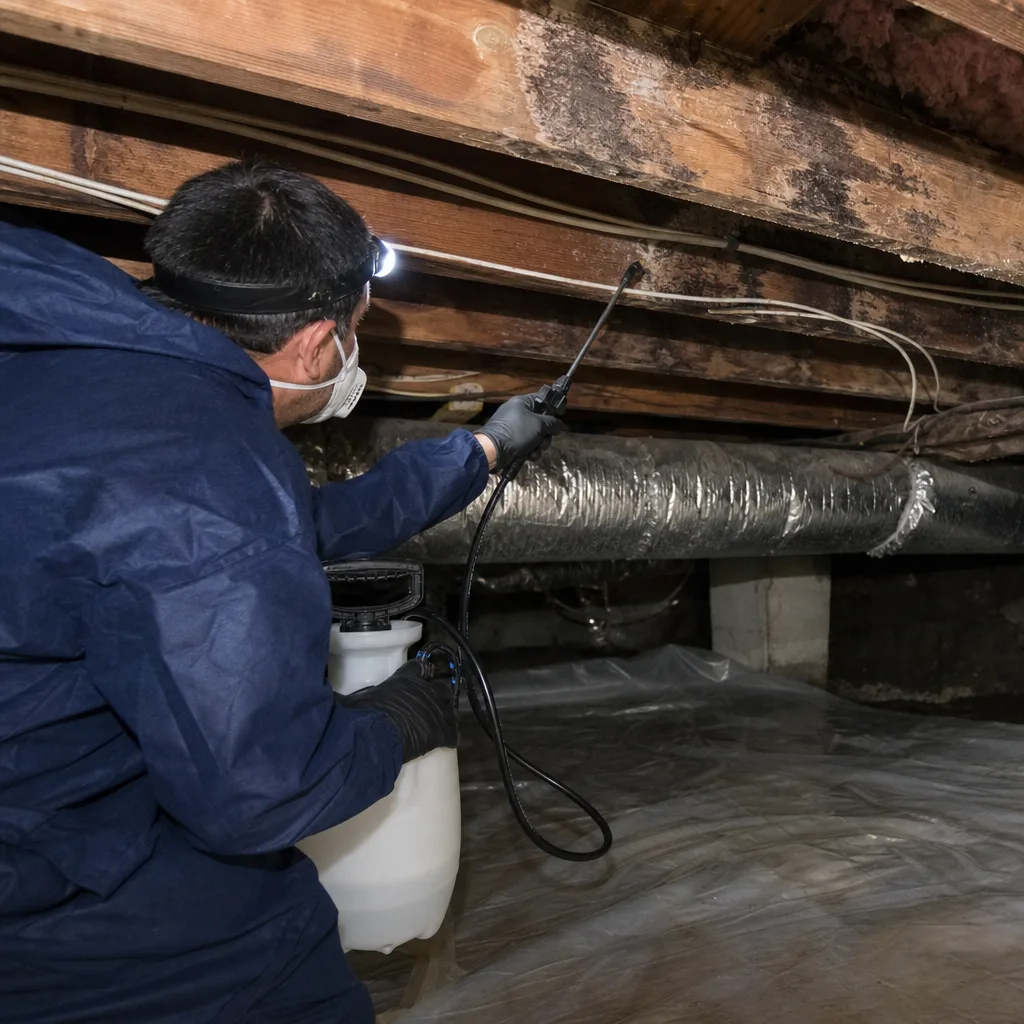
River backup through a basement floor drain is the defining New Milford sewage event. It is always treated as Category 3. Our extraction teams run professional-grade equipment and set containment before drying begins, because aerosolized black water droplets are not something you want moving into the kitchen upstairs.
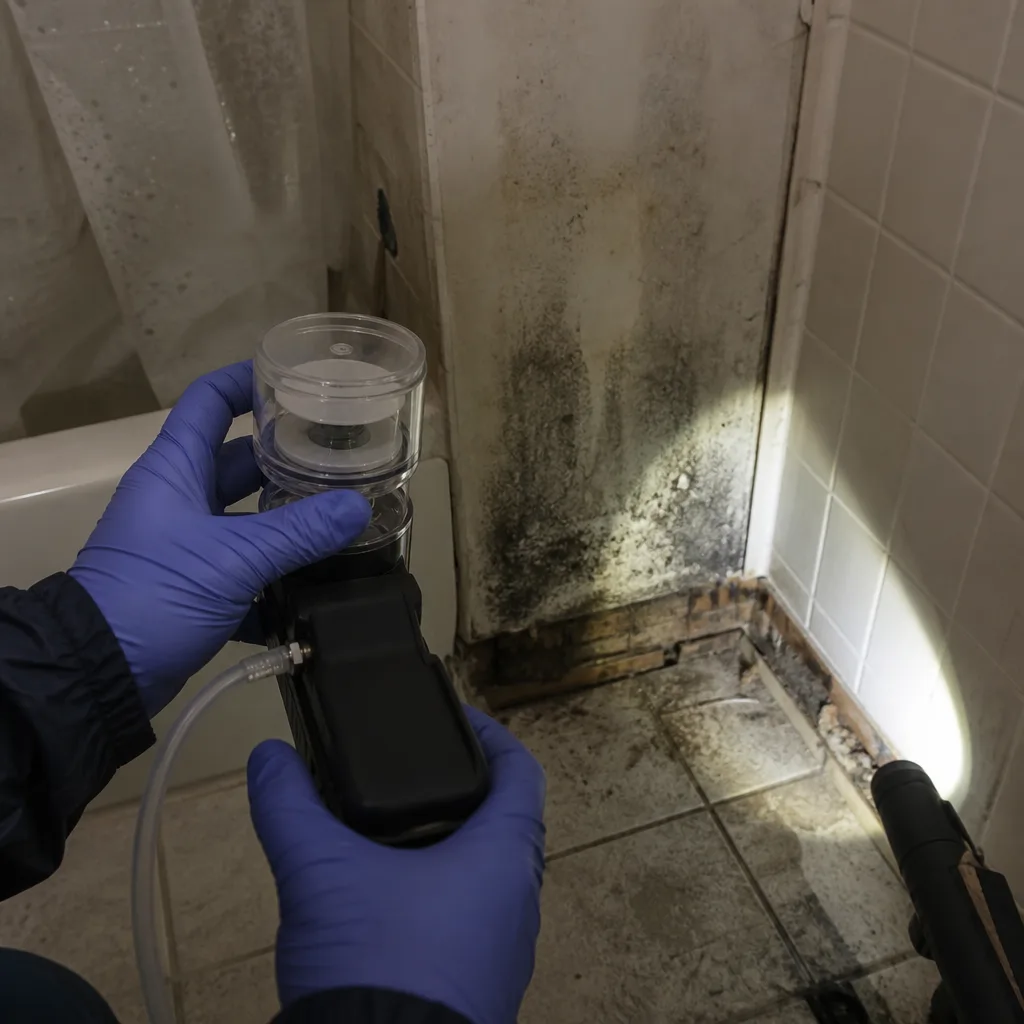
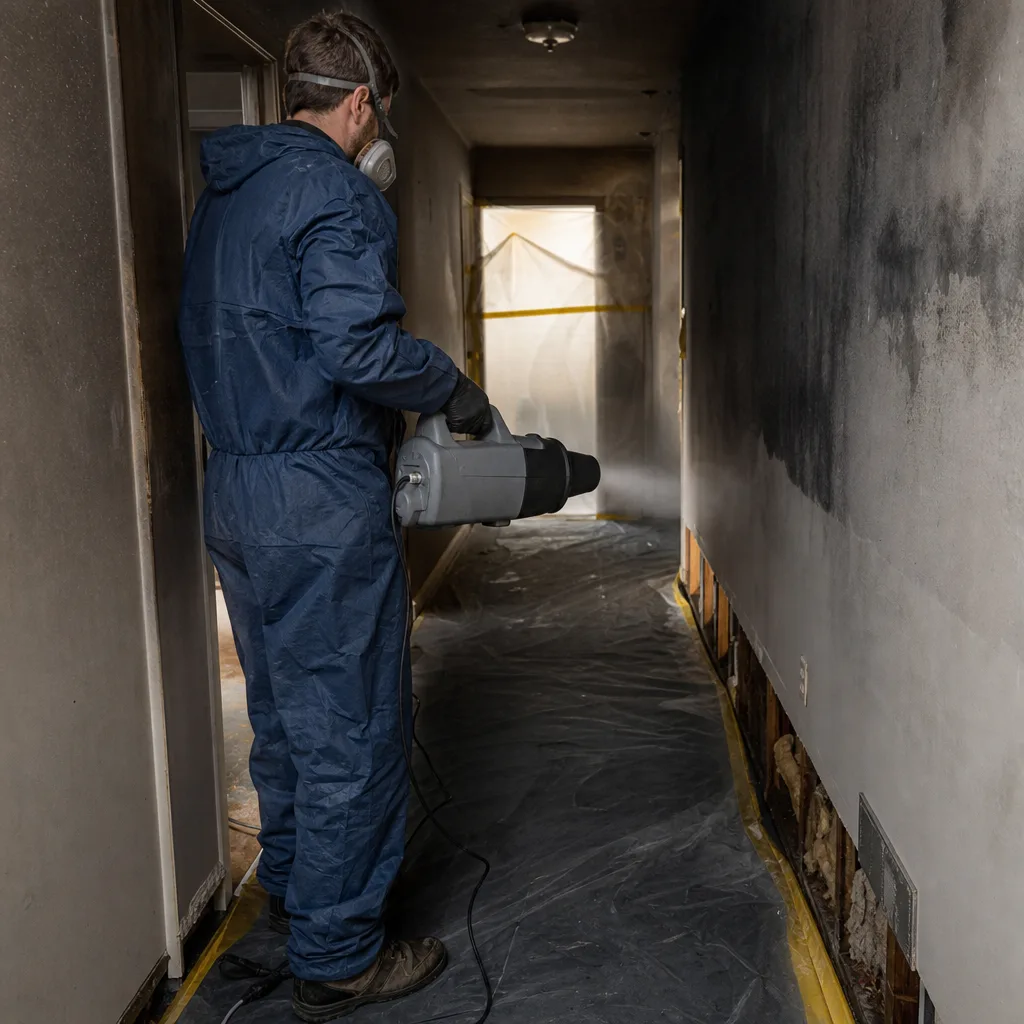
Sanitization & Disinfection
After extraction and removal, every framing member, subfloor panel, and salvageable surface gets antimicrobial application. We use the same products and protocols on every Category 3 job, and we document the application for your insurer.
What happens when you call
- 1
A real person answersNo phone trees - you reach a local pro.
- 2
You get an upfront price rangeHonest numbers before anyone is dispatched.
- 3
A background-checked tech heads outLicensed & insured, dispatched right away.
- 4
You approve before work beginsNothing starts until you say go.
Sewage Cleanup Costs in New Milford, NJ
A sewage backup cleanup in New Milford typically runs between $2,000 and $6,500 for a contained basement loss, depending on how far the water traveled and how much drywall and flooring had to come out. Toilet overflow cleanups on tile usually land at the lower end, around $1,800 to $3,500. River-backup events that saturate a finished family room and require full crawl space sewage removal can push past $8,000, especially if the subfloor needs partial replacement. What moves the price is material removal and drying time, not labor padding. Insurance policies with sewer backup endorsements typically cover the bulk of these claims, and we bill your carrier directly. Call (640) 333-9625 and we’ll schedule a free visual inspection, then give you a written scope before any work starts. A square deal, on paper.
We Also Serve Cities Near New Milford
Floodline Restoration Co. handles Sewage Cleanup for homeowners across the New Milford area, including River Edge, Bergenfield, Oradell, and Dumont. Same live dispatch, same certified crews, same 90-Day Done Right Promise.
New Milford Sewage Cleanup Questions, Answered
Does sewage backup during a Hackensack River flood count as Category 3 water or just Category 2?
Category 3. When Hackensack River water backs up through a floor drain or sewer lateral into your New Milford basement, it carries river organisms, sewage, and whatever else entered the system upstream. That is the definition of black water, and it requires full removal of saturated porous materials, antimicrobial treatment, and proper containment. Anyone treating it as a lighter category is cutting corners and leaving your family exposed.
How fast can mold start in a New Milford basement after a sewage backup in August?
Faster than most people expect. In New Milford’s humid post-storm August air, mold colonization can begin within 24 to 48 hours on wet drywall and behind paneling. If the sewage water sat for any length of time before extraction, that window shrinks. We set containment and get drying equipment running the same visit to beat the clock.
If my sump pump was replaced after Sandy, why did my basement still flood with sewage?
Because the pump was likely sized for groundwater, not river-backup volume. In slow-recession events on the Hackensack, the water rises gradually enough that a standard sump pump’s discharge capacity gets overwhelmed, and the excess comes up through the floor drain as Category 3 water. We see this repeatedly along River Road. The pump worked; the system wasn’t designed for river inundation.
Do I need to leave my River Road house during crawl space sewage removal?
Usually not, but we will recommend sealing off the affected level with containment while removal and air scrubbing are underway in the crawl space. In many 1940s Capes and split-levels, the basement stairs open directly into the kitchen, so containment is critical. We run HEPA air scrubbers continuously until the space tests clean. If the loss is extensive and odor is a concern, we will tell you plainly and help you plan around it.
Why did my inspector say the subfloor has mold even though the sewage water was only on the concrete for a day?
Because porous wood wicks moisture. Even if the standing water was only on the slab for a day, the bottom edges of the subfloor framing and the bottom plates of walls can stay saturated for weeks if not properly dried. In New Milford’s post-storm humidity, we find active mold colonies behind drywall and under subfloors that were replaced but never truly dried after a previous river-backup event. This is why we moisture map and log readings daily until the structure hits its dry standard. Not a guess. A number.
How fast can Floodline Restoration Co. reach a home in New Milford?
Our commitment is 45 minutes from the time you speak to a live dispatcher. For River Road, Madison Avenue, and the neighborhoods around the Hackensack, we are usually on site within that window, even during nor’easters.
Will my homeowner’s insurance cover a sewage backup in New Milford?
Standard policies often exclude sewer backup unless you carry a specific endorsement. Many New Milford homeowners added that endorsement after Sandy. We document the loss thoroughly and bill your carrier directly, and if you have the endorsement, the cleanup and restoration are typically covered. I can’t promise your specific policy’s terms, but our adjuster communication removes the guesswork.
What should I do right now, before the crew arrives?
Stay out of the water. Shut off power to the affected area only if you can do so safely and without stepping into the sewage. Turn off the main water supply if the source is a supply line break. Do not use a shop vac for sewage; it will spread aerosolized waste into the air. Then call (640) 333-9625. We’ll handle the rest.
Serving New Milford, NJ - Our Local Coverage Area
We’re based in the New Milford area and know this community well. Use the map below to see our service coverage - if you’re nearby, we can almost certainly help.
One Thing You Should Know About Sewage Cleanup in New Milford
New Milford’s western neighborhoods along River Road sit inside FEMA AE flood zones where the Hackensack River backs up through finished basements during nor’easters. That means a sewage cleanup here is almost never a simple toilet overflow. It is Category 3 black water mixed with river silt, and it behaves differently than a clean-water loss. It requires more aggressive material removal, longer drying verification, and a team that has worked these flood-cycle events enough times to know what a first inspection misses. Our crew was called to a split-level on River Road after a nor’easter pushed the Hackensack over its banks and into a finished basement. We started with black water extraction from the carpeted family room, then set up containment and ran XPOWER air movers with Dri-Eaz dehumidifiers while moisture mapping showed saturation migrating behind wood paneling. Because the water had backed up from the river through the floor drain, we treated it as Category 3, removed all affected drywall and insulation, and applied antimicrobial treatment before drying logs confirmed pre-loss moisture readings. That is the difference between cleaning a basement and putting it back the way it was. We do the second one, and we stand behind it with the 90-Day Done Right Promise in writing.
Senior and veteran homeowners in New Milford always receive 5% off, and if your repair scope exceeds $250, ask about the $50 discount. These offers are standing, not seasonal. Call (640) 333-9625 any hour. A live person will answer.
Written by Curt Bowman, Owner at Floodline Restoration Co., serving New Milford since 2010.