
Free visual inspection and a written scope of work before any mitigation begins - photos, moisture readings, and drying logs go in your claim file
The scope we write is the scope we bill. Anything new gets shown to you, in writing, before we touch it.
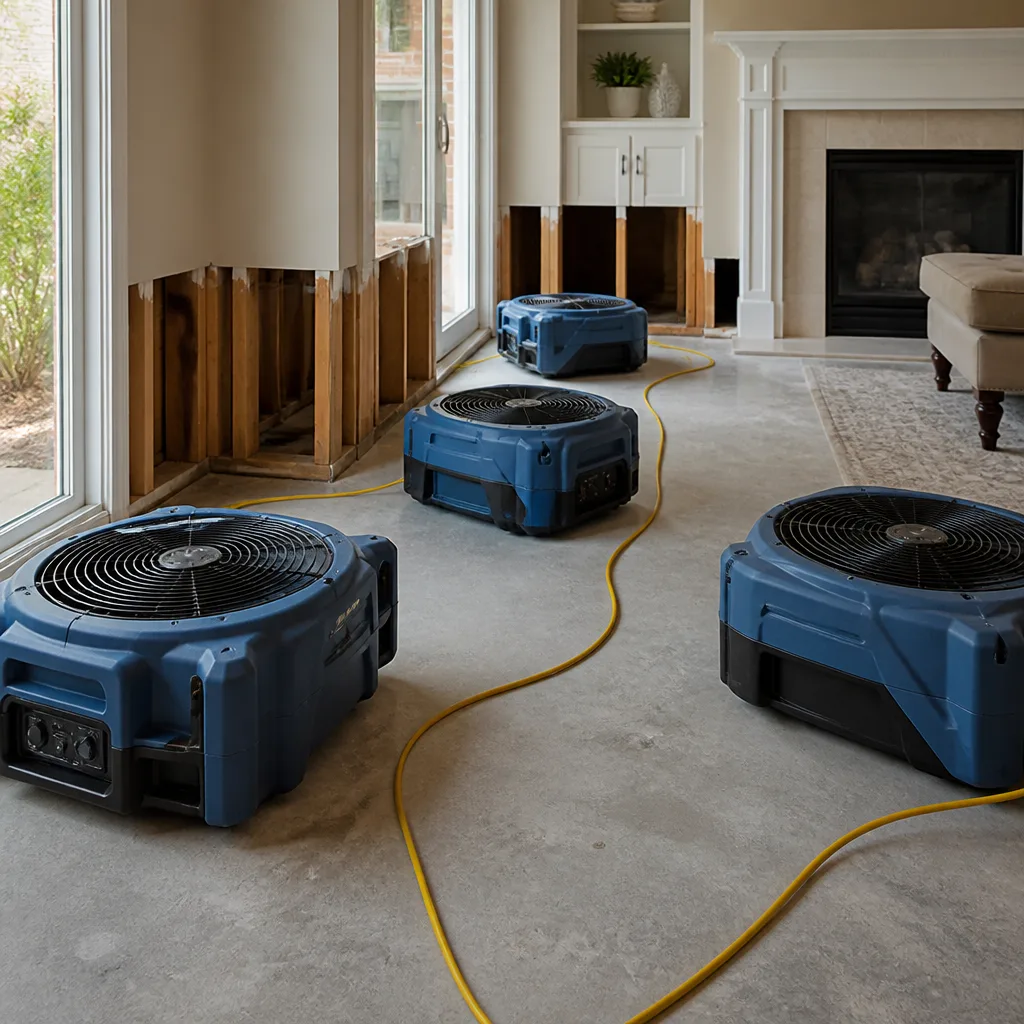
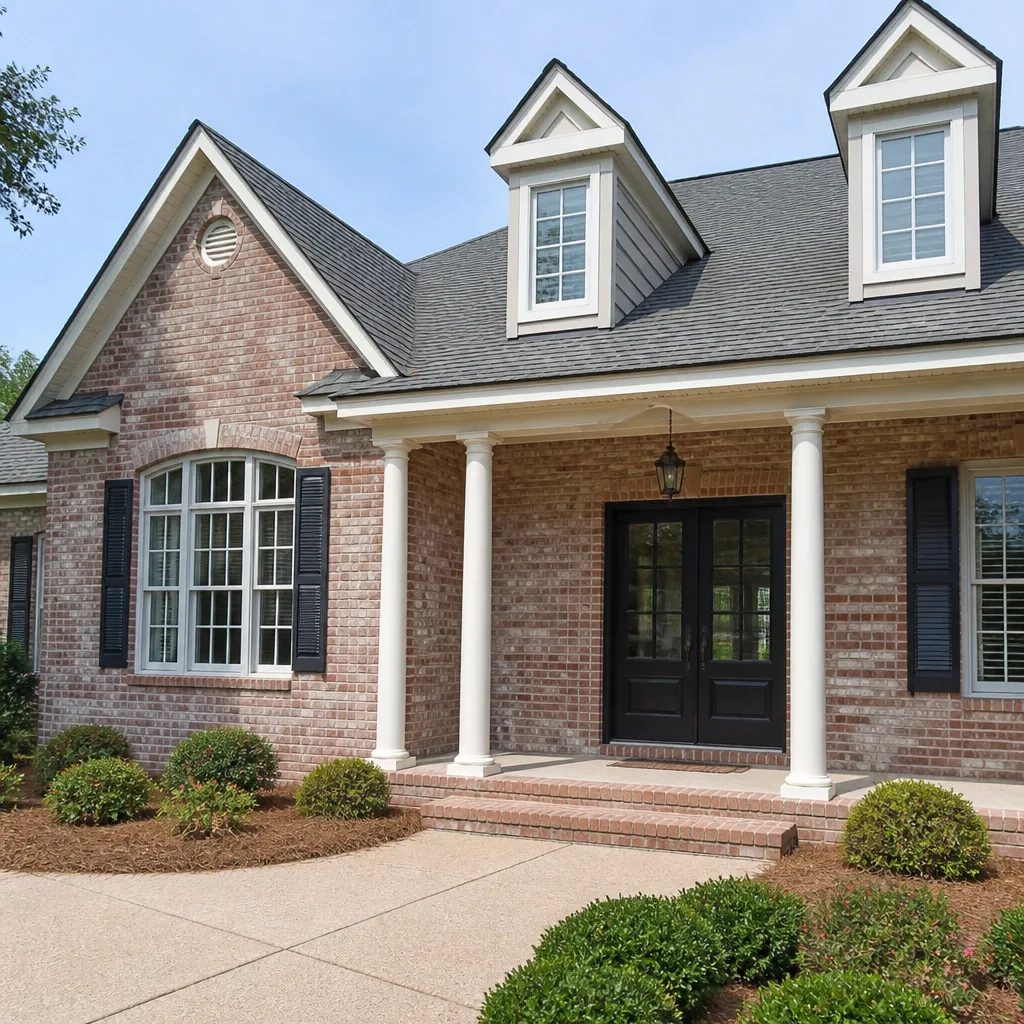
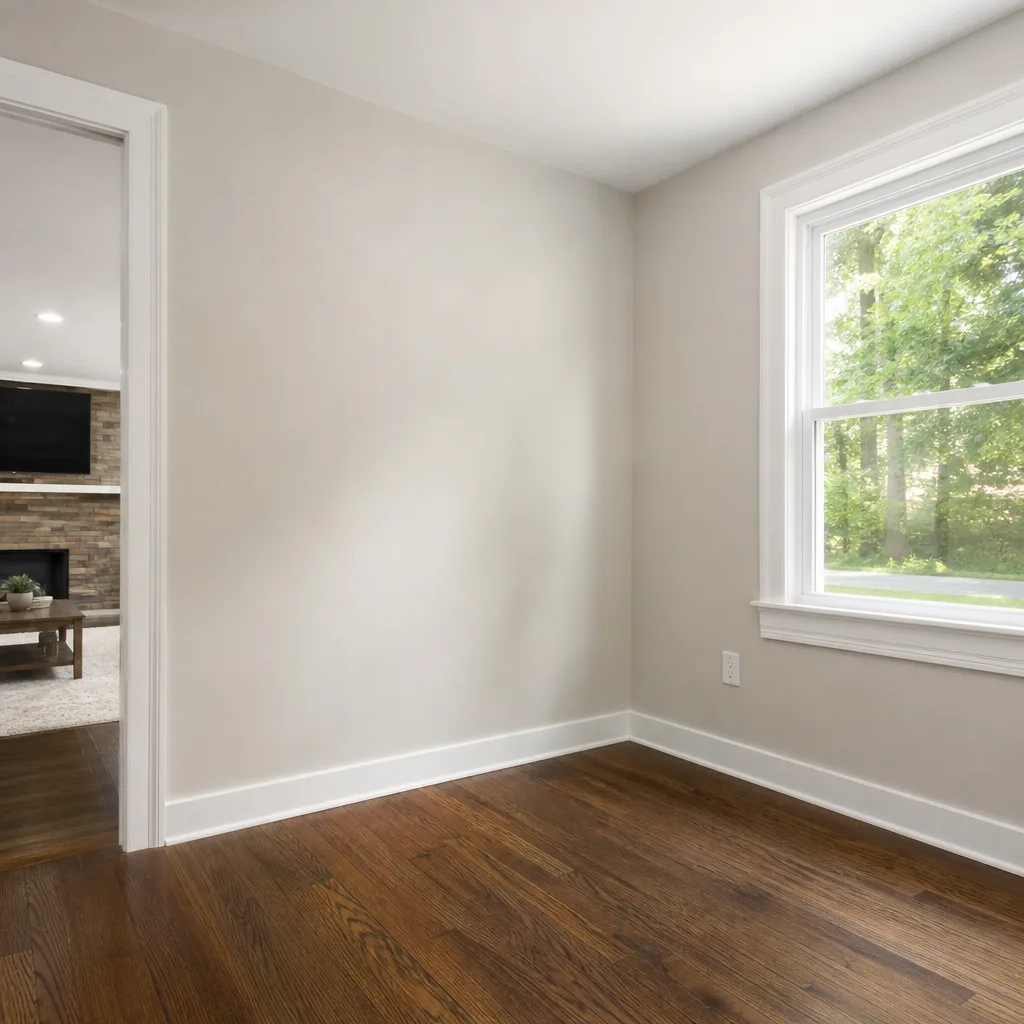
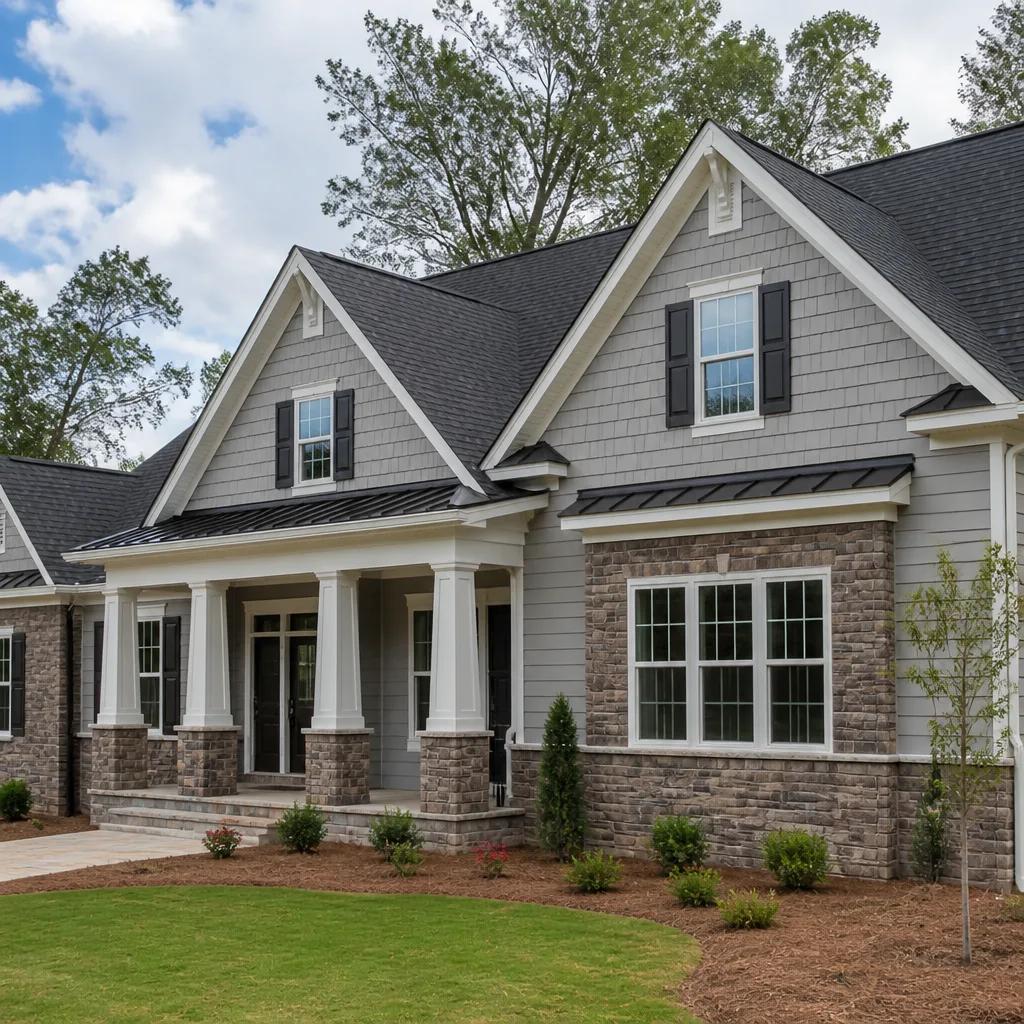
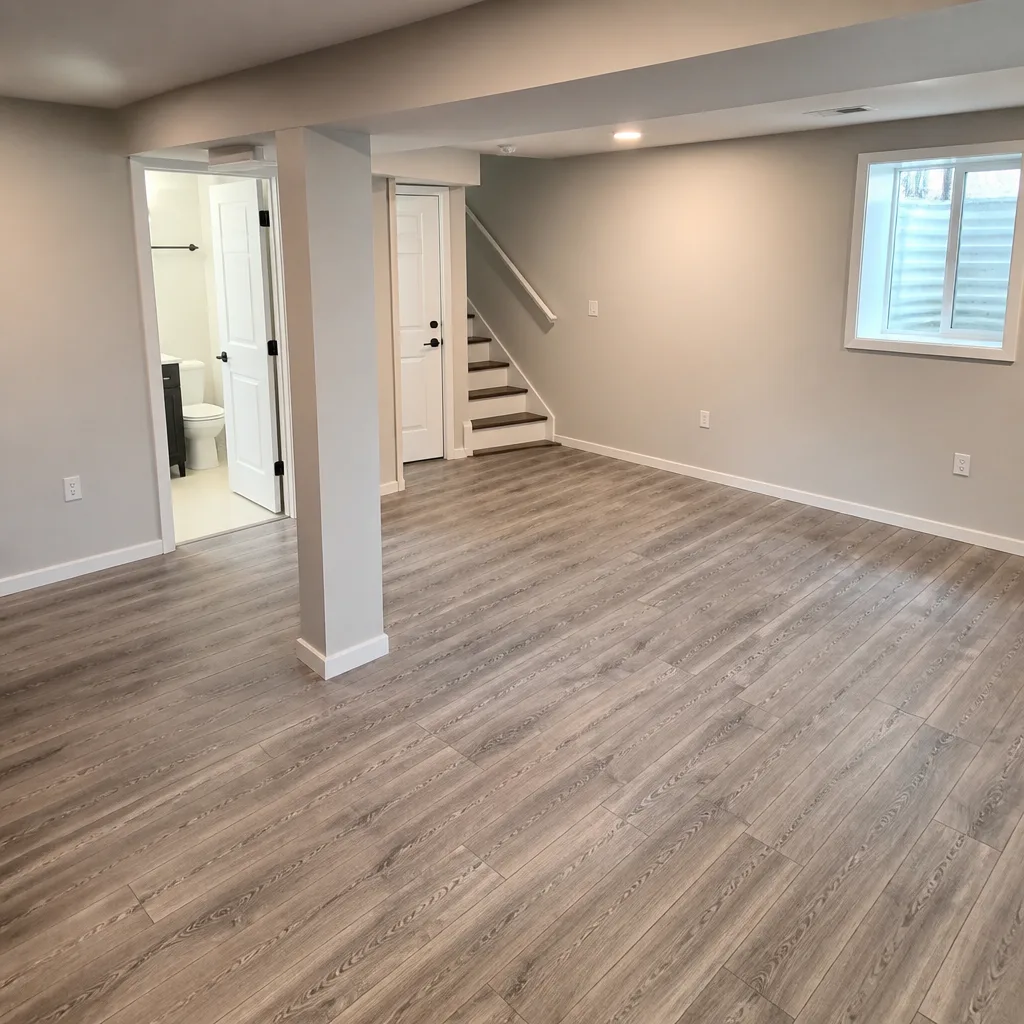
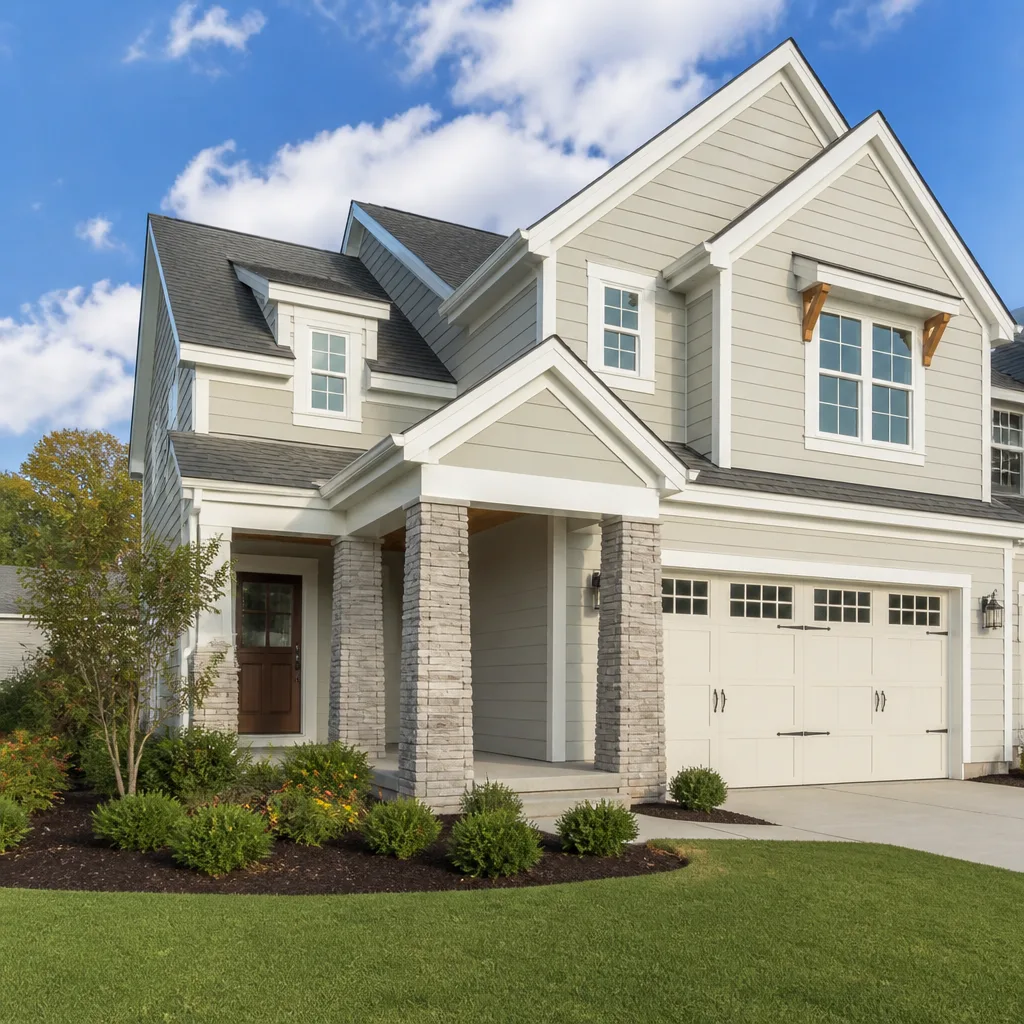
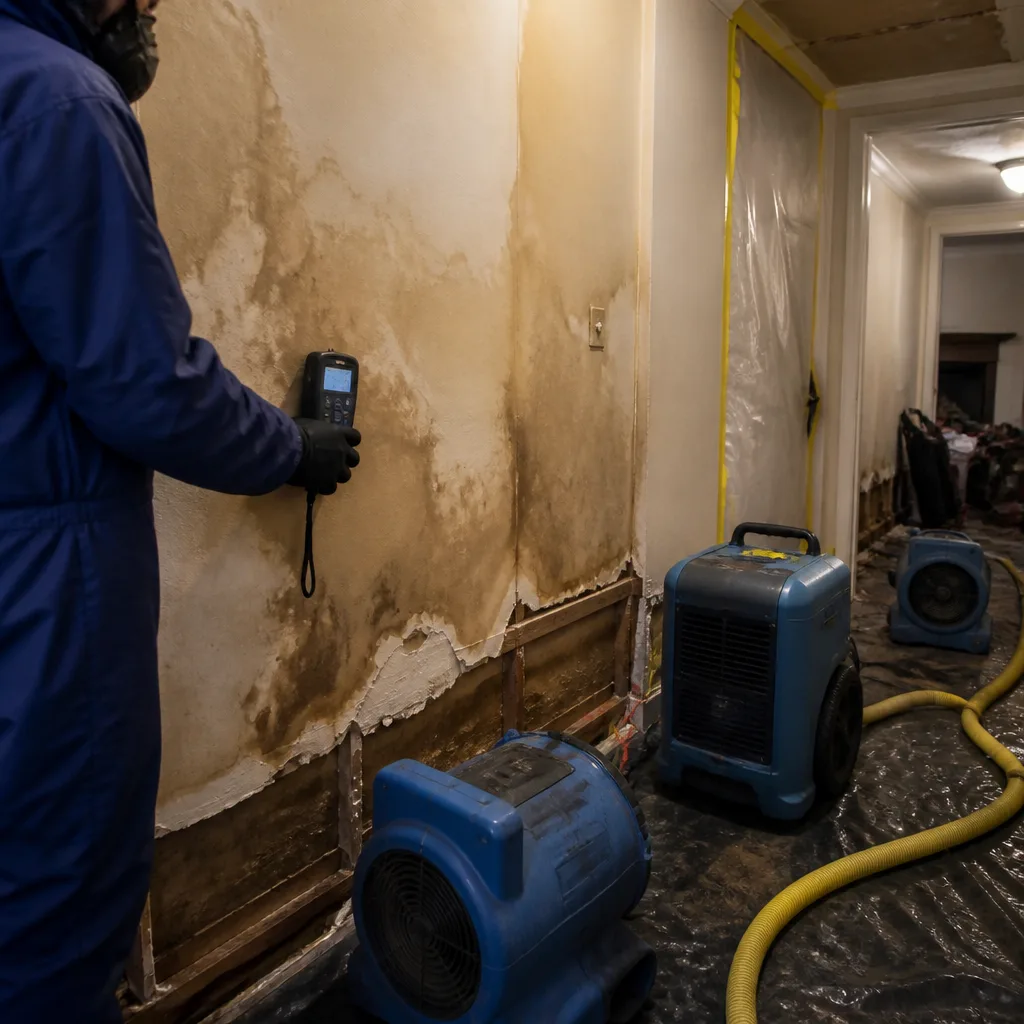 Before
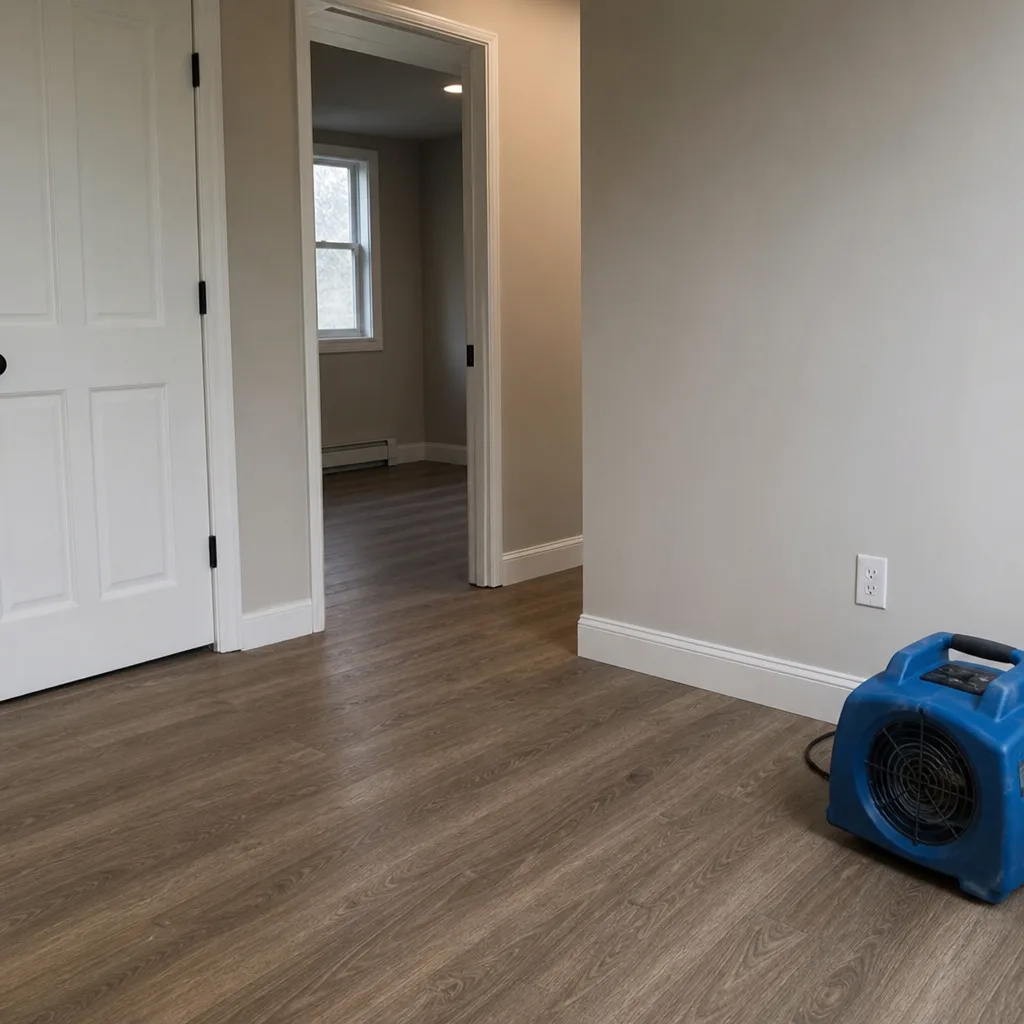 After
After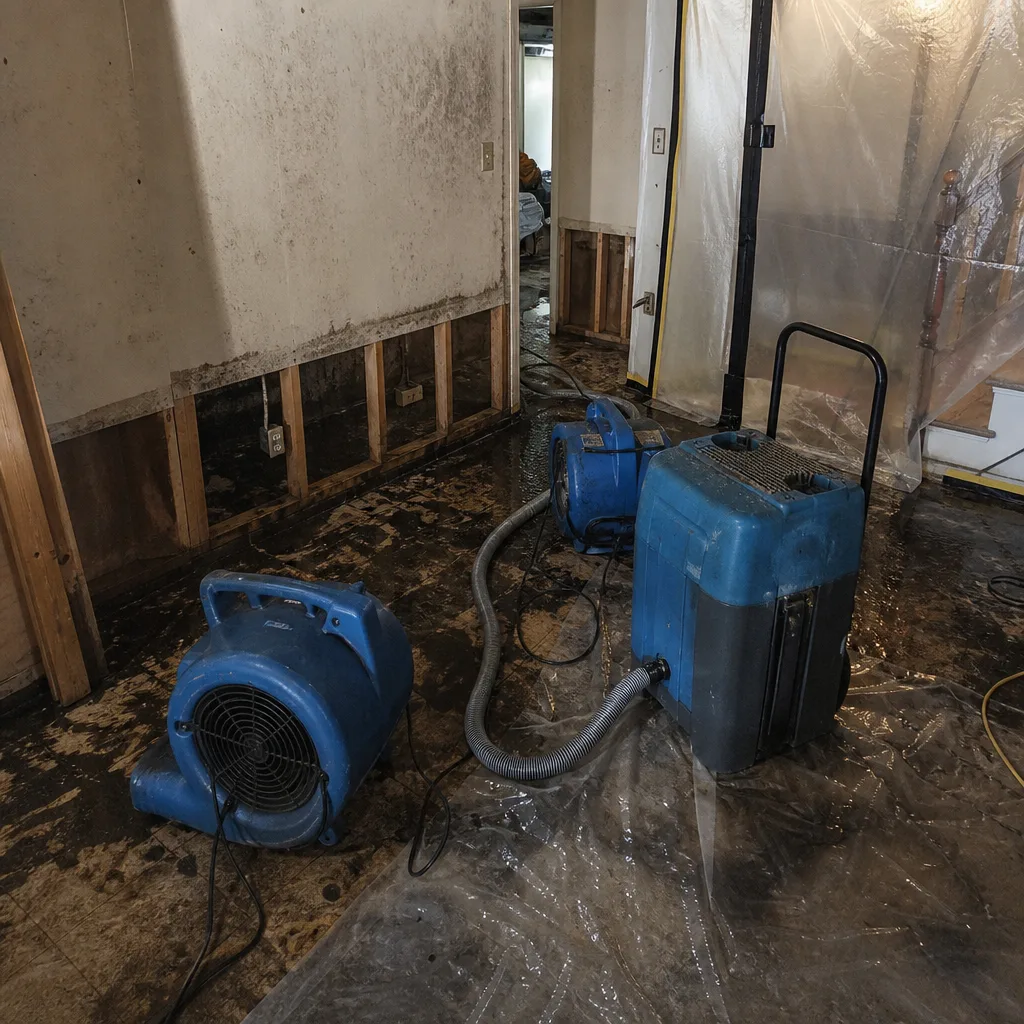 Before
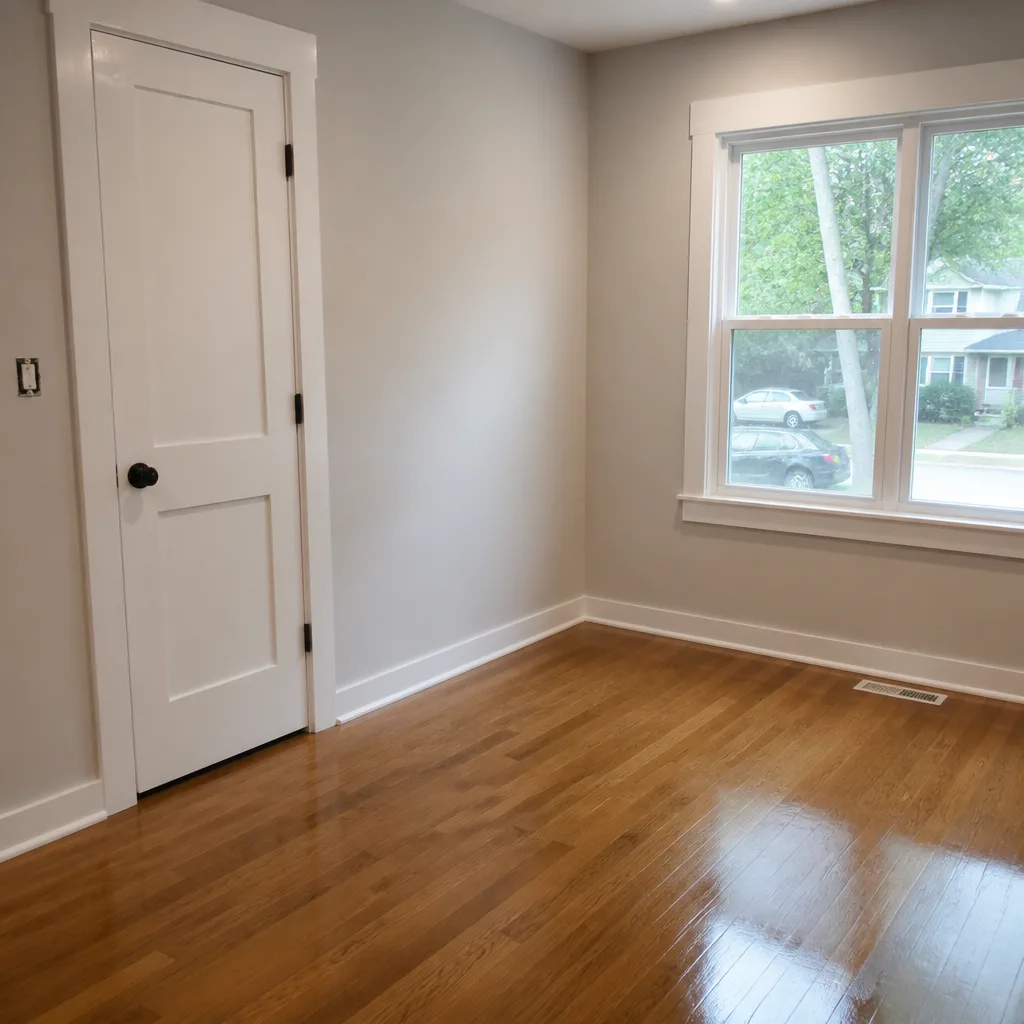 After
After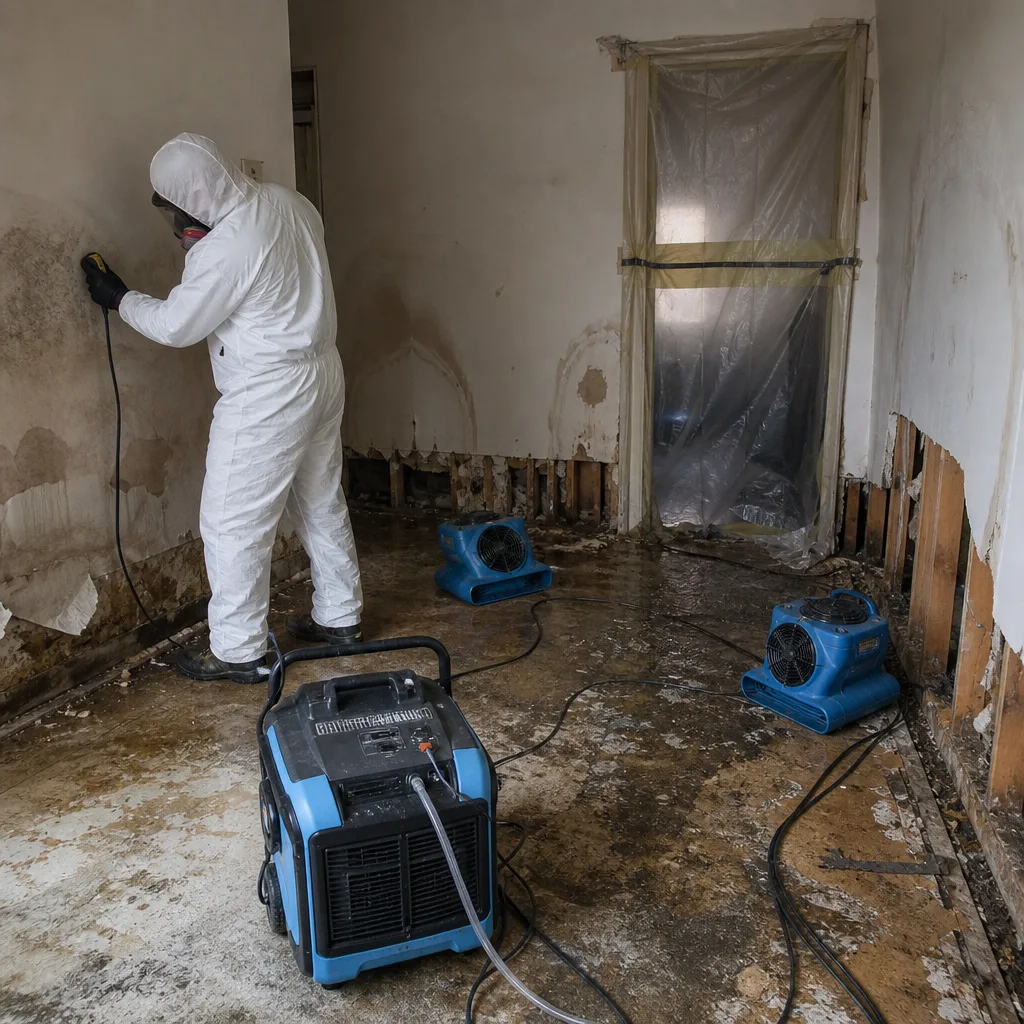 Before
 After
After24/7 Emergency Sewage Cleanup in Dumont
Sewage backup in a Dumont basement needs extraction within the first hour, not the next morning. A live dispatcher answers (640) 333-9625 at any hour, every day, and we route a certified crew to Dumont immediately. We cover the whole borough, from New York Ave near the high school down to the Tenakill Brook corridor, with free visual inspections before any work begins. The faster Category 3 water is removed and the area contained, the less drywall, flooring, and built-in shelving you lose. Don’t wait for the damage to wick up the walls while you’re leaving a voicemail.
Understanding Sewage Cleanup Severity in Dumont Properties
Not every backup is the same. The IICRC classifies water into three categories, and knowing which one you’re dealing with determines whether your basement gets dried in place or gutted to the studs. Category 1 is clean water from a supply line. Category 2 carries significant contamination, what we call gray water, from a washing machine discharge or sump overflow. Category 3 is black water: raw sewage, ground flooding from Tenakill Brook, or any toilet overflow that sat for more than a few hours. Dumont’s housing stock makes Category 3 particularly destructive because almost every home here has a finished basement. That means sewage doesn’t just sit on a concrete floor, it wicks into sheetrock, soaks into carpet padding, and seeps behind built-in shelving within hours. Add in the borough’s legacy cast-iron drain stacks and galvanized supply lines, many original to these 1940s and 1950s builds, and you have a system that fails internally long before a homeowner sees anything wet.
Why Dumont Property Owners Choose Floodline Restoration Co.
- 45-minute response commitment to Dumont: Our dispatch maps crews by current location, not by office. A tech on West Madison Ave reaches you faster than a national franchise routing from out of county.
- 24/7 live answer, always a person: The phone rings and a human picks up. Two in the morning, Christmas Day, it doesn’t matter. No recording, no callback queue.
- IICRC-certified crews: Our technicians hold WRT and ASD certifications, and we train internally to RIA and IFA standards. They know Category 3 water, asbestos abatement triggers, and structural drying equally well.
- Free visual inspection with a written scope: You see the full plan and the full price before any equipment gets unloaded. We don’t start work you haven’t approved.
- Direct insurance billing: We handle the adjuster, the paperwork, and the back-and-forth. You get a copy of everything, but you don’t have to play messenger.
- One team from extraction to rebuild: Floodline Restoration Co. doesn’t hand you off to a sub after the water’s out. The same certified crew dries, sanitizes, and rebuilds what’s damaged.
Our Sewage Cleanup Process
Inspection & Assessment
We arrive, suit up, and map the affected area with moisture meters and thermal imaging. We identify the source, classify the water, and check for legacy materials like asbestos floor tiles that change the containment plan. You get a written scope before anything else happens.
Extraction & Stabilization
We pull standing Category 3 water with truck-mounted and portable extraction units. Containment goes up immediately, with negative air pressure keeping aerosolized pathogens from moving into the rest of your home. The source gets capped or isolated.
Drying & Dehumidification
Phoenix and Dri-Eaz dehumidifiers with air movers are placed according to the moisture map, and Injectidry panels go into wall cavities and under flooring where water has already wicked. Daily readings are logged until the dry standard is met.
Cleaning & Sanitization
Every affected surface gets treated with an EPA-registered antimicrobial as part of our Sanitization Services in Dumont. Concrete foundations, studs, subflooring, and any salvageable framing are cleaned, then HEPA-vacuumed and scrubbed to remove organic residue that feeds mold.
Specialty Sewage Treatment
Crawl spaces need special handling here, particularly in Dumont’s tight split-level lots. We install vapor barriers, run air scrubbers, and treat the soil and joist bays beneath the home so pathogens aren’t reintroduced through the HVAC system.
Repairs & Restoration
We rebuild what was torn out: drywall, trim, finished basements, built-ins, flooring. The same crew that read the moisture map on day one puts your home back together through our Reconstruction & Cleanup in Dumont, and the 90-Day Done Right Promise covers it all in writing.
Need Emergency Sewage Cleanup in Dumont Now?
Crews minutes away, answering live 24 hours a day. The sooner we start, the less it costs.
Working With Your Insurance Company
Most Dumont homeowners don’t realize sewage backup is a standard-covered peril under their policy’s water damage section, subject to the deductible. That doesn’t mean the claim writes itself. From the first hour on site, we document the loss the way an adjuster needs to see it: photos room by room, moisture readings from before and after extraction, and a line-item scope with industry-standard pricing. Our team communicates directly with your carrier so you never sit on hold explaining what a Category 3 loss is to a call center. Floodline Restoration Co. has managed claims for backups from Tenakill Brook overland flooding, frozen cast-iron splits on New York Ave, and failed sump pumps on 50-foot lots where the neighbor’s basement got wet too. Direct insurance billing means the carrier pays us for covered work. You see every document we send.
What We Provide Your Insurer
- Thorough documentation of the loss
- Photos of all damage, room by room
- Moisture readings and drying logs
- A detailed, line-item scope of work
- Direct coordination with your carrier
Built for Dumont’s Loss Calendar
Dumont sees sewage backups in patterns, and we’ve learned to predict them. January and February bring deep freezes that crack the borough’s aging cast-iron drain stacks, which is how a finished basement on New York Ave floods with Category 3 water in the middle of a spring thaw. March and April saturate the ground around Tenakill Brook, and when the water table rises, sump pumps on the western side of town run nonstop until they burn out, then the floor drains back up. Summer thunderstorms dump enough rain in twenty minutes to overwhelm Dumont’s combined laterals, pushing sewage up through basement floor drains in the lowest-lying homes. And every nor’easter that tracks up the coast tests every seal, every footing drain tie-in, every 70-year-old pipe joint in this borough. The loss calendar isn’t theoretical here. It’s the rhythm of owning one of these mid-century homes.
Sewage Cleanup Across Dumont’s Neighborhoods
The blocks south of Washington Ave toward New Milford are dense with 1940s capes on the tightest lots in town. A failed sump or sewage lift here often means water against the foundation wall of the house next door, so we moisture-map both basements and run joint scopes for both insurers. Up around Grant Ave and the high school corridor, the split-levels sit slightly higher, but the crawl spaces are shallow and prone to sewage pooling under the vapor barrier. The homes along Tenakill Brook on the borough’s west side get overland flooding that mixes stormwater with sewage, and that’s a different Category 3 problem entirely, one that requires full antimicrobial treatment on every concrete surface before drying starts. And in the older section near Madison Ave, where colonials still have original galvanized supply lines and knob-and-tube wiring in the walls, we always check for asbestos floor tiles before we set containment. That’s not a precaution some national chain flags. It’s just what these homes require.
Specialized Sewage Cleanup Services We Offer in Dumont
Black Water Extraction
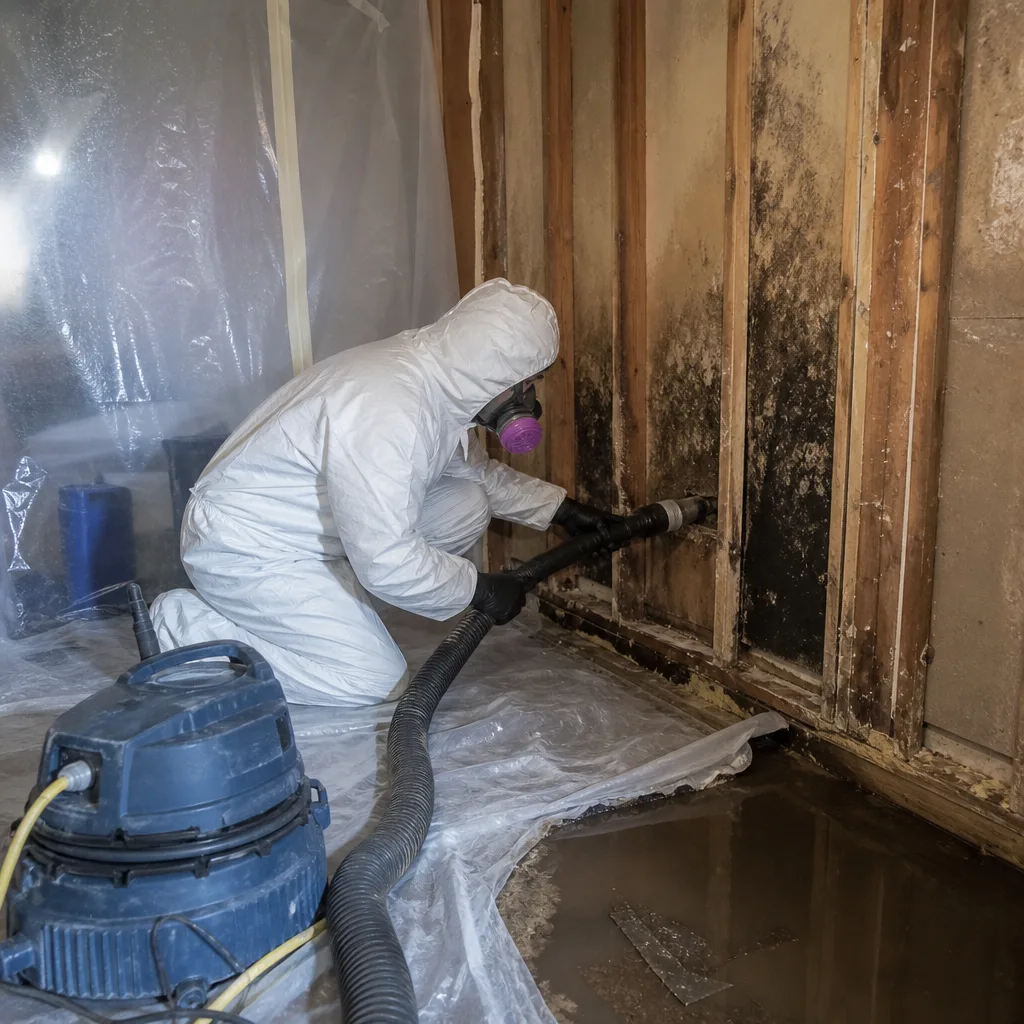
Category 3 water isn’t something you shop vac and move on from. In Dumont’s finished basements, black water gets behind baseboards, under vinyl plank flooring, and into the wall cavities within hours. We extract it with truck-mounted units, then cut and remove the wetted drywall to the flood line. The line the water left is where we start. Everything below that mark gets treated as contaminated, and everything above it gets moisture-mapped to see what wicked upward.
Sanitization & Disinfection
After sewage touches a Dumont basement, cleaning alone isn’t enough. We apply EPA-registered antimicrobials to every porous and non-porous surface in the affected area, then run HEPA air scrubbers to pull airborne pathogens out of the space. On a 1950s colonial with horsehair plaster and original oak joists, the treatment has to be precise, because you’re not replacing those materials. You’re saving them.
Crawl Space Sewage Removal
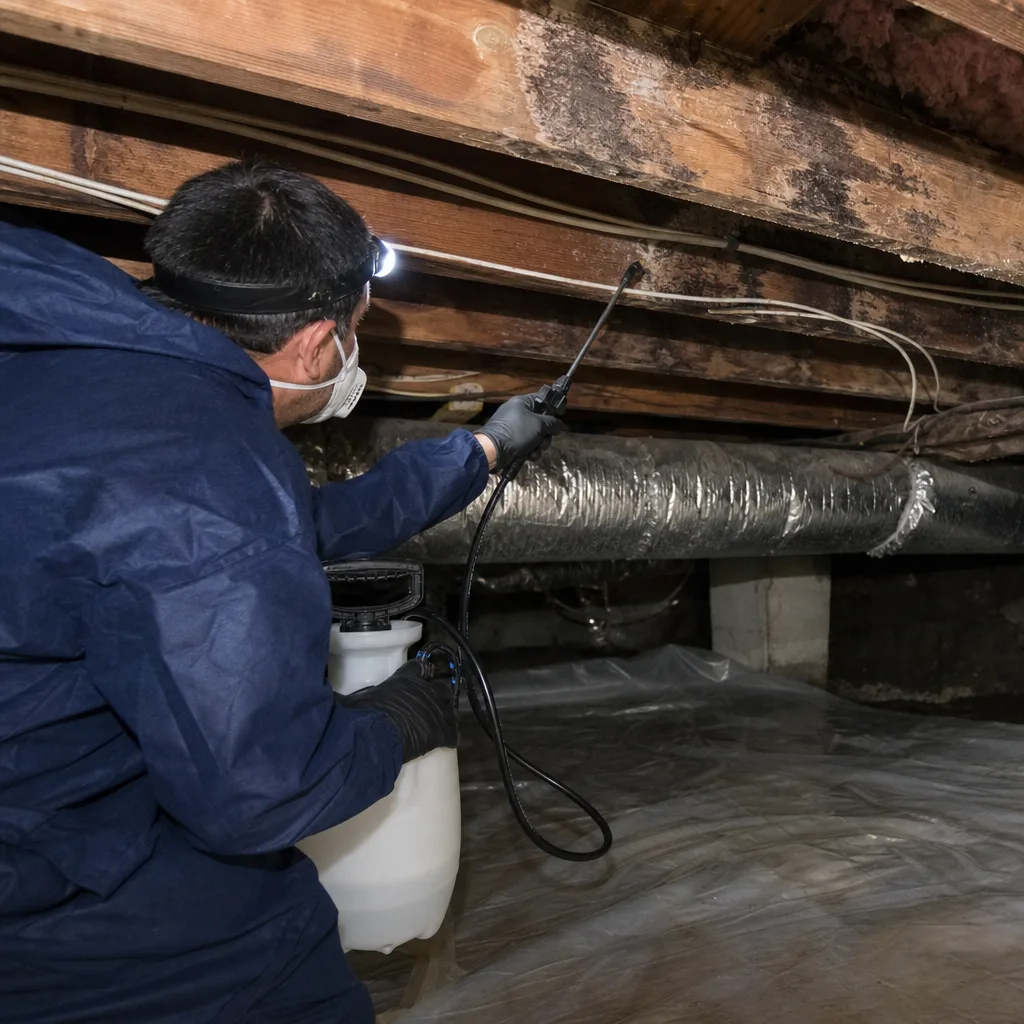
Dumont’s split-levels and capes often have shallow crawl spaces that collect sewage from a failed ejector pump or broken cast-iron lateral. We suit up, set negative air, remove the contaminated soil and debris, treat the joist bays, and install or repair the vapor barrier. Skipping this step in a tightly built mid-century home means sewage odor and mold spores migrate through the floor system into the living space above.
Sewage Backup Cleanup
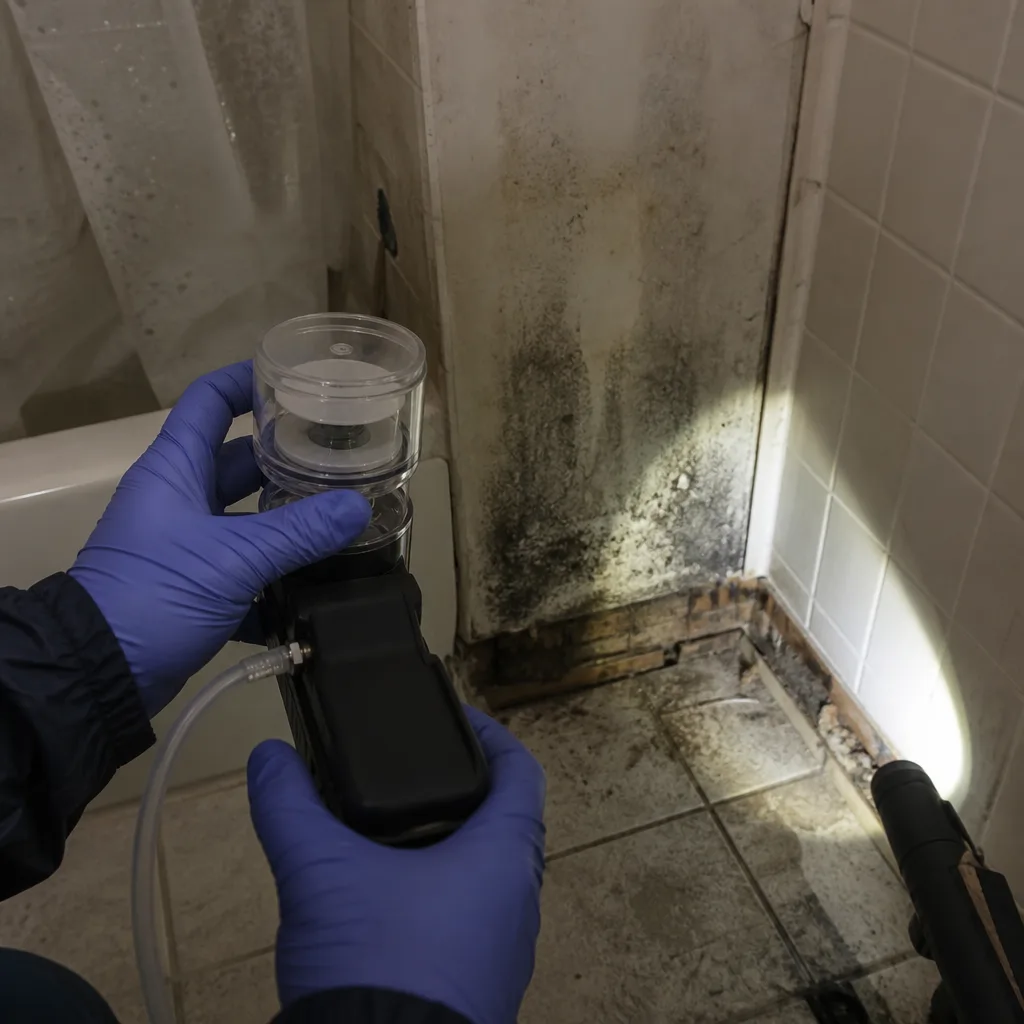
When a floor drain backs up during a heavy rain or a lateral clogs, the sewage comes up fast and spreads across the basement floor. We extract, disinfect, and dry, but we also find the cause. In Dumont, that’s often a collapsed clay lateral or a cast-iron stack that’s finally rusted through. You can’t just clean the basement and wait for it to happen again.
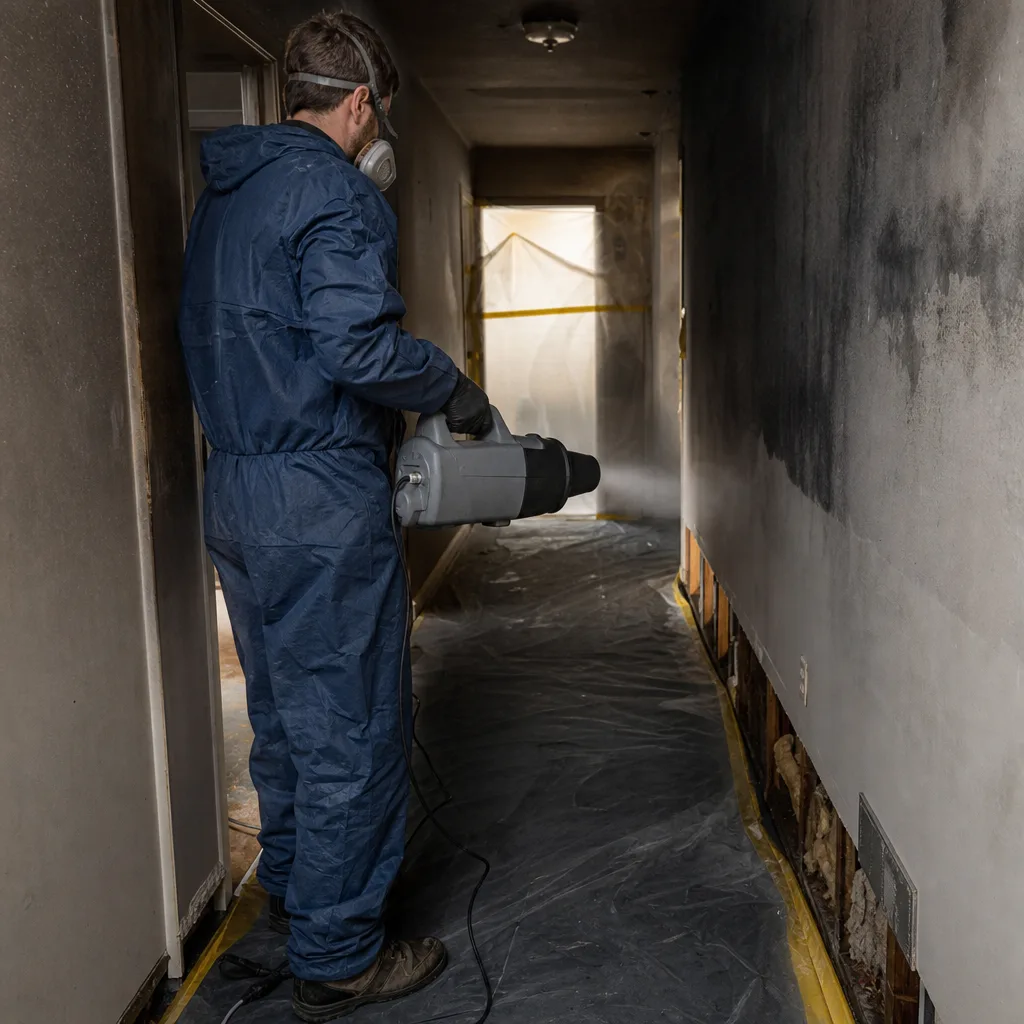
Toilet Overflow Cleanup
A toilet overflow in a finished basement bathroom is one of the most common calls we get in Dumont, and one of the most underestimated. Clean water at first turns to Category 2 within minutes, and to Category 3 if it sat overnight. The longer it sits, the higher the drywall cut, and the more likely you lose built-ins, trim, and doors. We get there fast, extract, and map the moisture so we save what’s salvageable.
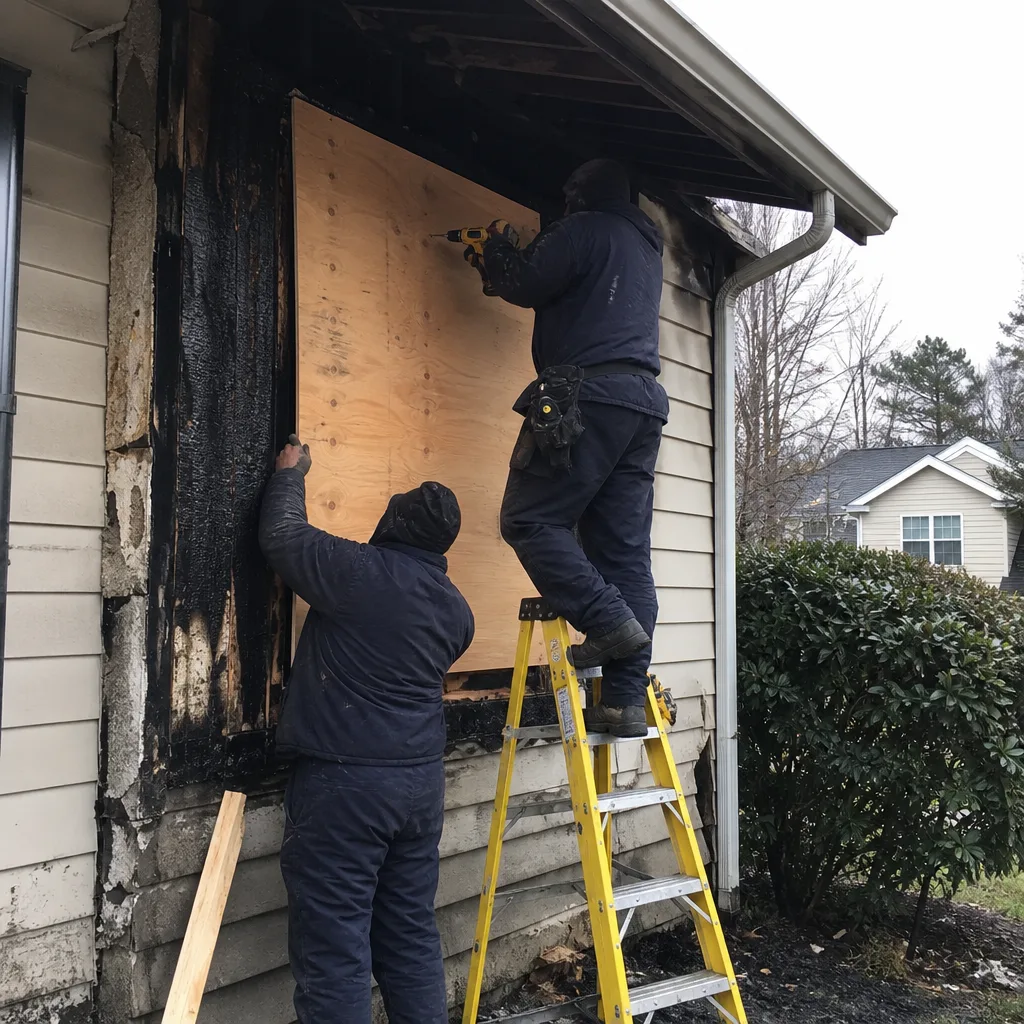
What happens when you call
- 1
A real person answersNo phone trees - you reach a local pro.
- 2
You get an upfront price rangeHonest numbers before anyone is dispatched.
- 3
A background-checked tech heads outLicensed & insured, dispatched right away.
- 4
You approve before work beginsNothing starts until you say go.
Sewage Cleanup Costs in Dumont, NJ
In Dumont, a typical sewage backup in a finished basement runs $2,800 to $6,500 for extraction, containment, sanitization, and structural drying, including the first cut of drywall. Full remediation with rebuild, which means new drywall, flooring, trim, and paint, typically lands between $8,000 and $18,000 depending on the size of the finished space and what was damaged. A crawl space sewage removal with vapor barrier replacement runs $3,500 to $7,000. What moves the price is simple: how long the water sat, whether asbestos tile is present, and how much built-in millwork got contaminated. Insurance covers most of these losses under standard water backup provisions, minus your deductible. The fastest way to a firm number is a free visual inspection and a written scope. Call (640) 333-9625 and we’ll be there the same day.
We Also Serve Cities Near Dumont
Floodline Restoration Co. covers the surrounding Bergen County area, including Dumont as well as Haworth, Bergenfield, New Milford, and Oradell. Same live dispatch, same certified crews, same written guarantee. Our Sewage Cleanup team responds throughout northern Bergen County, including Sewage Cleanup in Dumont and the surrounding boroughs.
Serving Dumont, NJ - Our Local Coverage Area
We’re based in the Dumont area and know this community well. Use the map below to see our service coverage - if you’re nearby, we can almost certainly help.
Dumont Sewage Cleanup Questions, Answered
What makes sewage cleanup in Dumont different from larger Bergen County towns like Paramus?
Dumont’s lots are smaller and its basements are finished, so sewage spreads into living space faster and often affects the house next door. In Paramus you might find a utility basement with a concrete floor where extraction is straightforward. In Dumont, you’re dealing with finished walls, built-in shelving, and shared foundation gaps between adjacent homes on 50-foot lots. That changes the scope, the drying plan, and often the number of insurers involved, which is why Dumont Commercial Restoration requires local expertise.
How do you handle a sewage backup in a Dumont basement with asbestos floor tiles, like the ones found in many 1940s-1960s capes?
We stop and assess before any demolition starts. If testing confirms asbestos, we follow containment and abatement protocols, which means the affected tile area gets sealed off, and our remediation plan accounts for safe removal or encapsulation. That’s why the inspection happens before the saw comes out. It’s also why the scope may be higher than a straightforward backup, and why the written estimate matters.
After a heavy rain, our finished basement near Tenakill Brook got water from the floor drain that backed up with sewage - is that Category 2 or 3?
That’s Category 3. When groundwater overland flooding mixes with sewage from a backed-up drain, the water is black water by definition, whether it looks muddy or not. It requires full containment, antimicrobial treatment, and removal of porous materials that absorbed it. The Tenakill Brook corridor homes see this every year, and the protocol doesn’t change based on how clear the water looks.
Can you save the finished walls and built-in shelving in my split-level after a toilet overflow?
Sometimes. If we get the water extracted and the walls opened within the first few hours, and the moisture levels haven’t saturated the drywall above the flood line, we can often save upper portions of finished walls and built-ins that weren’t directly contacted. The lower sections of drywall, baseboards, and any carpet or pad that absorbed Category 2 or 3 water get removed. Built-in shelving can often be saved if it was above the water line and the material is solid wood rather than particleboard.
How fast do you respond to a sewage pump failure in a Dumont crawl space before mold becomes a problem?
Mold begins to colonize within 24 to 48 hours on wet organic material. If you call when the pump fails, we get there within 45 minutes and have extraction running the same visit. If you wait a day or two, the joist bays and subfloor above the crawl space are already at risk. Call (640) 333-9625 and we’ll have a crew dispatched immediately.
Will my homeowner’s insurance cover a sewage backup in Dumont?
Most Bergen County homeowner policies include water backup coverage as an endorsement, typically with a limit of $5,000 to $10,000 for the initial response. The key is prompt documentation. We handle photos, moisture readings, and direct adjuster communication from day one, and we bill your carrier directly for covered work. You get a copy of every document we send.
Can we stay in the home during sewage cleanup?
If the contamination is contained to the basement and we set up proper negative air pressure and sealing, the upper floors are often livable during the drying and sanitization phase. If the sewage backed up into a main-floor bathroom or the contamination spread through the HVAC system, you’ll likely want to relocate for a few days. We’ll tell you straight, based on the actual conditions.
What certifications do your Dumont crews hold?
Floodline Restoration Co. technicians are IICRC-certified in Water Damage Restoration and Applied Structural Drying, trained to RIA and IFA standards, and background-checked before they enter your home. They carry the certifications that matter for Category 3 water, not just a generic contractor’s license.
In Dumont, a borough where homes sit on 50×100 lots and finished basements are universal, a sewage backup on one property can push water through shared foundation gaps into the neighboring home, creating simultaneous Category 3 contamination on two tax lots from a single failed pump. That’s not a hypothetical. We responded to a sewage backup on New York Ave where a cast-iron drain stack finally split during a spring thaw, filling a finished basement with Category 3 water. Our crew set containment in the stairwell and ran a Phoenix 200 Max with an Injectidry panel system to dry the joist bays, but because the neighbor’s footing drain tied into the same lateral, we had to moisture-map both basements and run a joint scope of work for both insurers. That’s a Dumont-only coordination, and it’s exactly the kind of job where the first 48 hours determine whether your mid-century home is dried in place or gutted to studs. When a toilet overflows in a finished basement on a Saturday night, or the floor drain backs up after a storm along Tenakill Brook, calling a live person at (640) 333-9625 is the difference between a three-day dry-in and a full basement tear-out.
Call (640) 333-9625 for a free estimate. We’re on the phone now, and we’ll be there when we say.
Written by Curt Bowman, Owner at Floodline Restoration Co., serving Dumont with live, 24/7 emergency response and the 90-Day Done Right Promise.