
Free visual inspection and a written scope of work before any mitigation begins - photos, moisture readings, and drying logs go in your claim file
The scope we write is the scope we bill. Anything new gets shown to you, in writing, before we touch it.
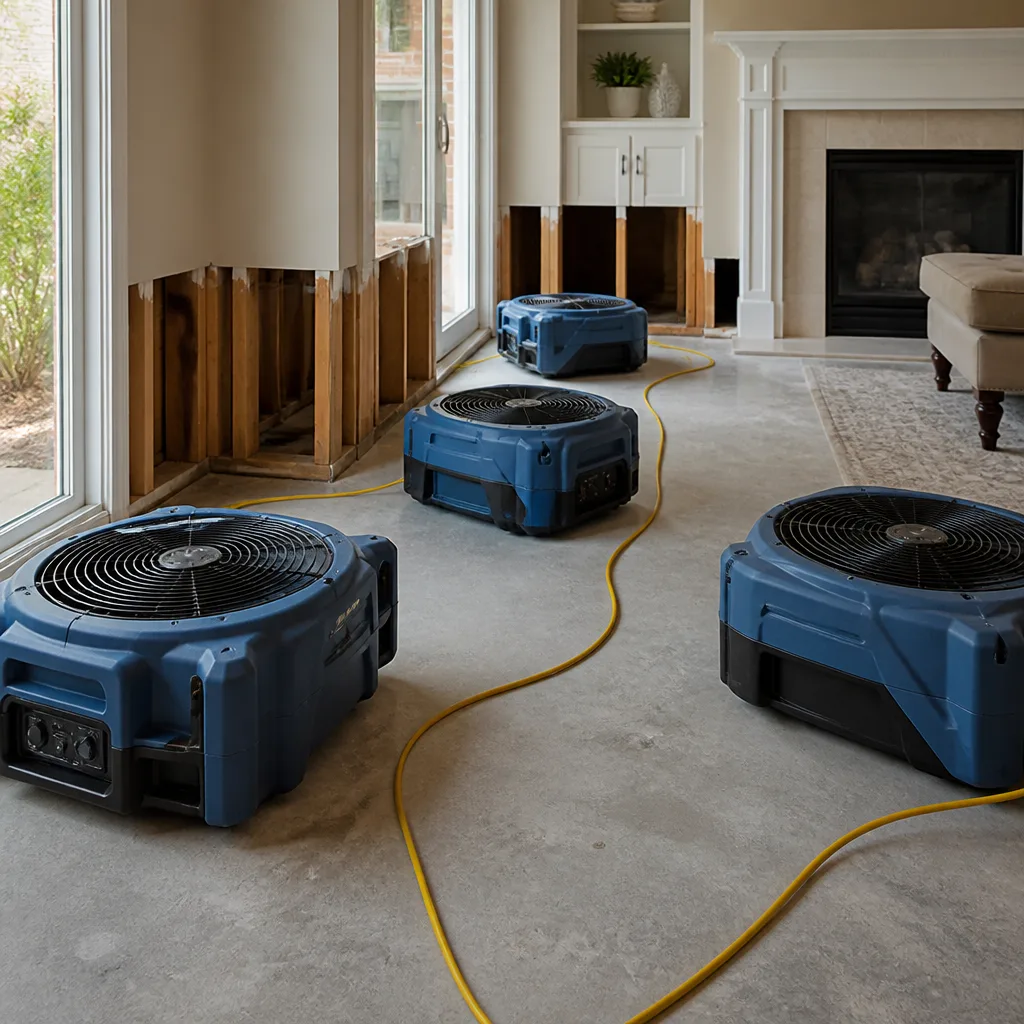
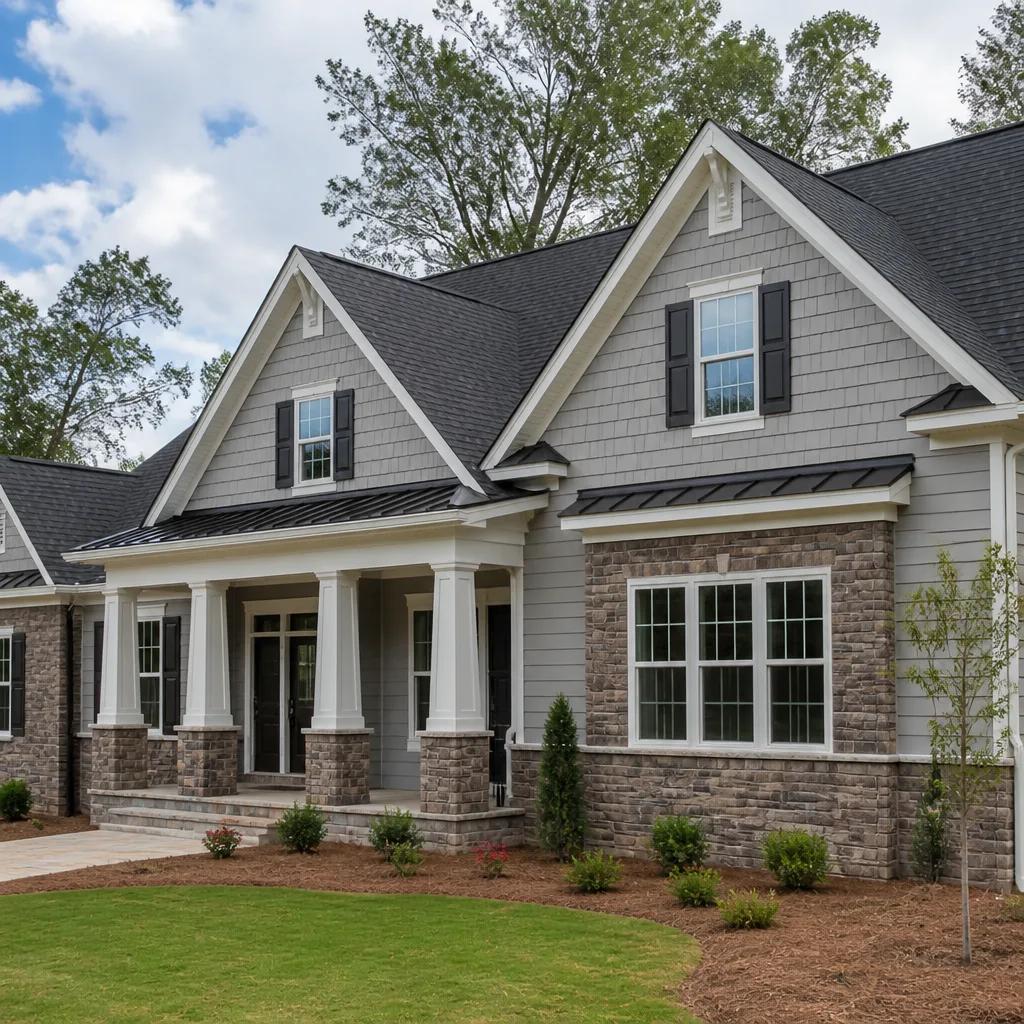
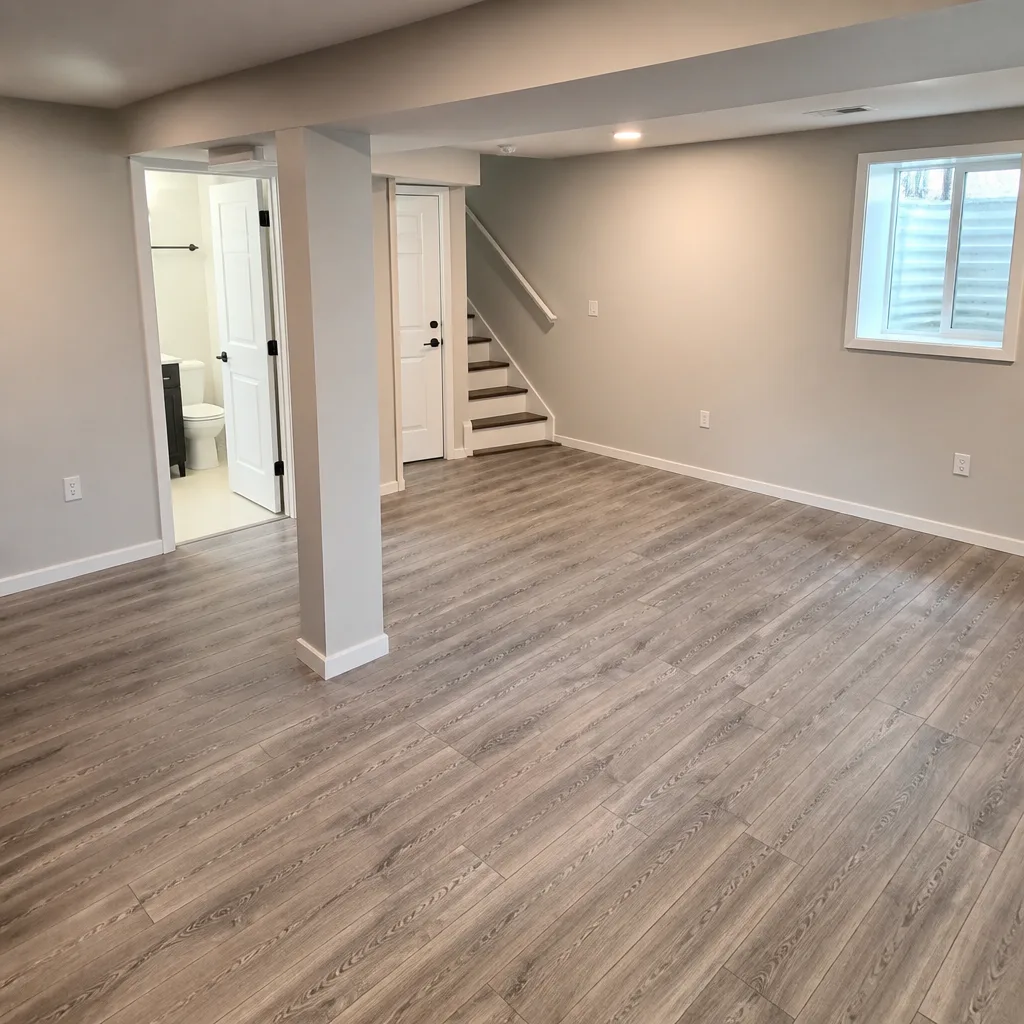
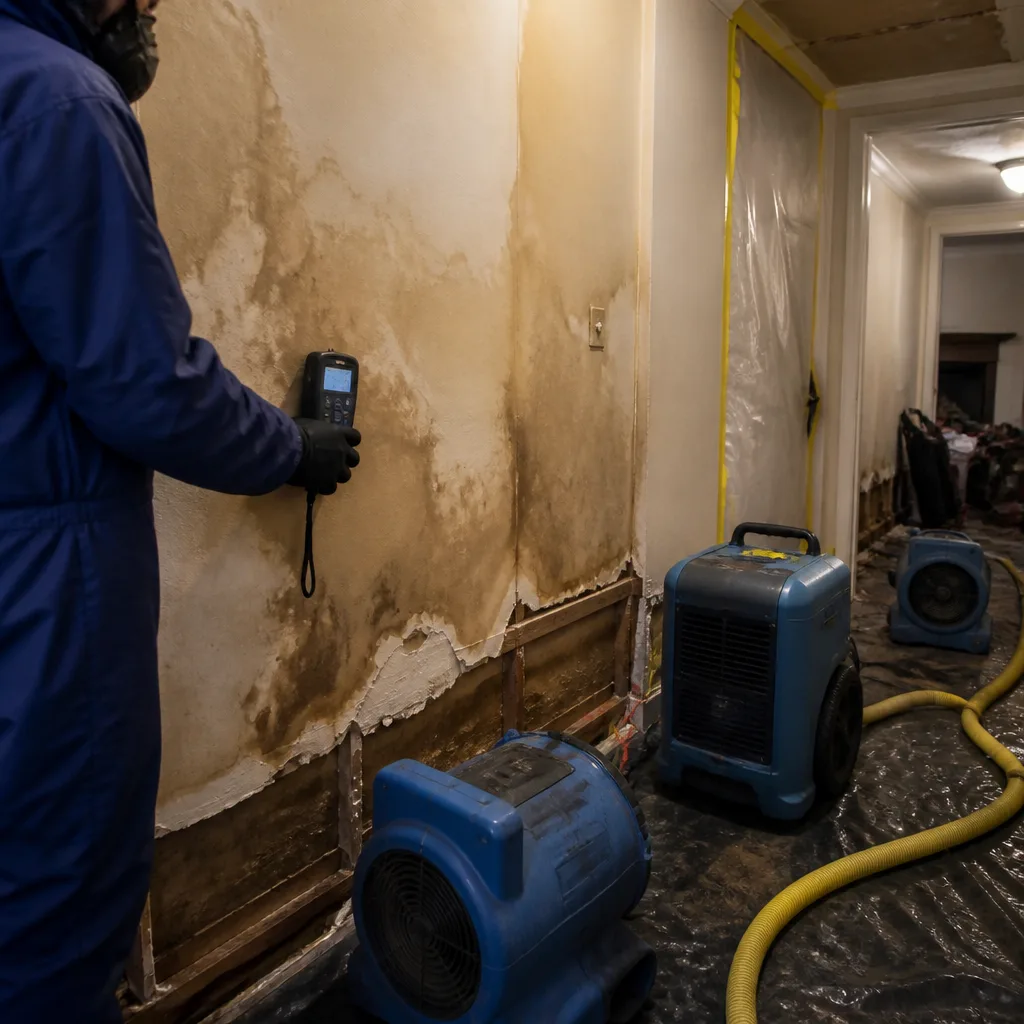 Before
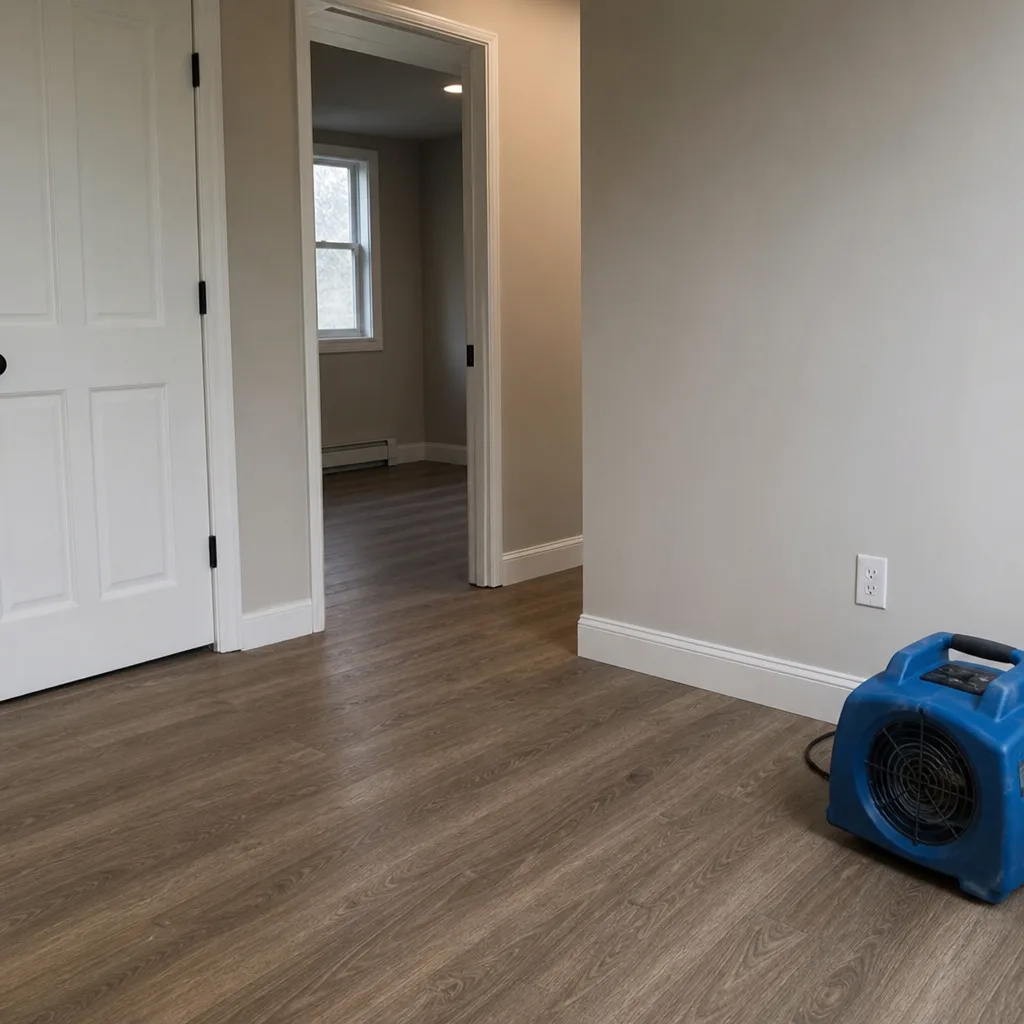 After
After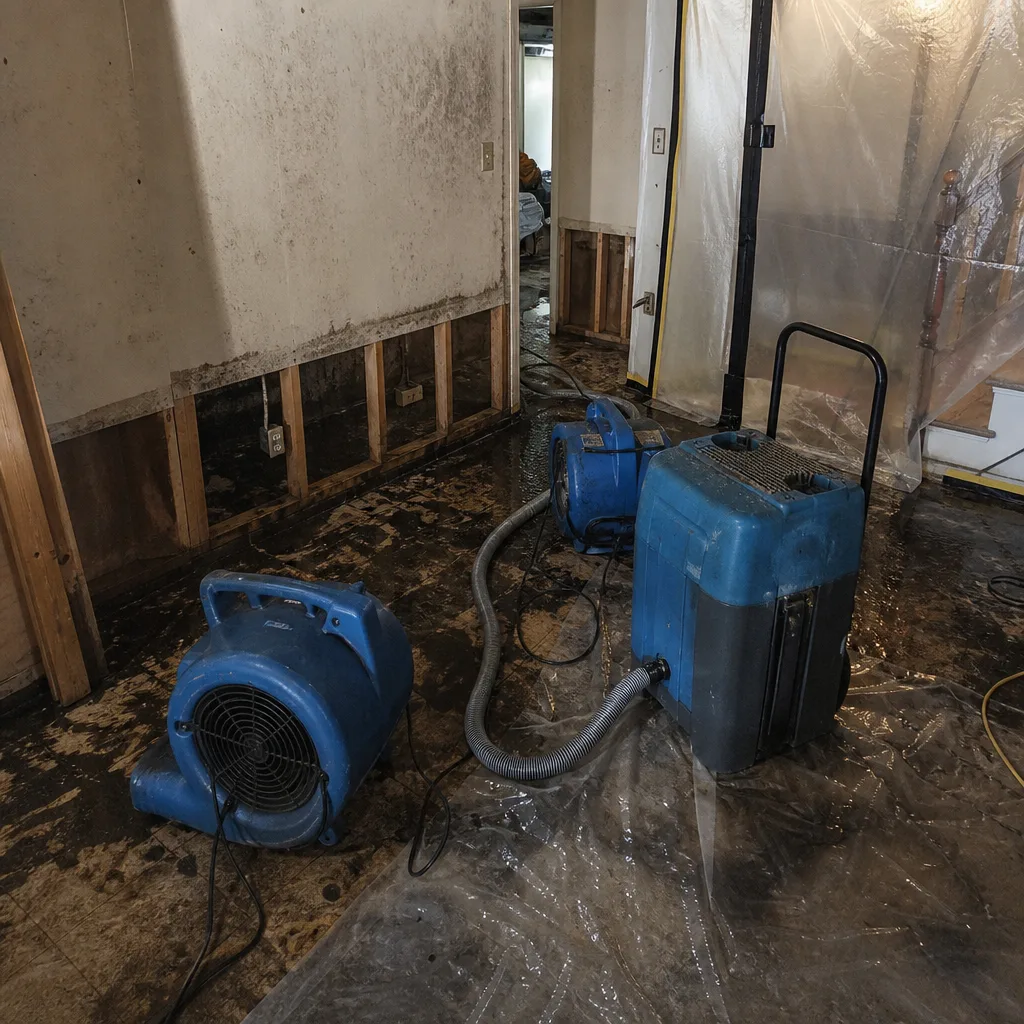 Before
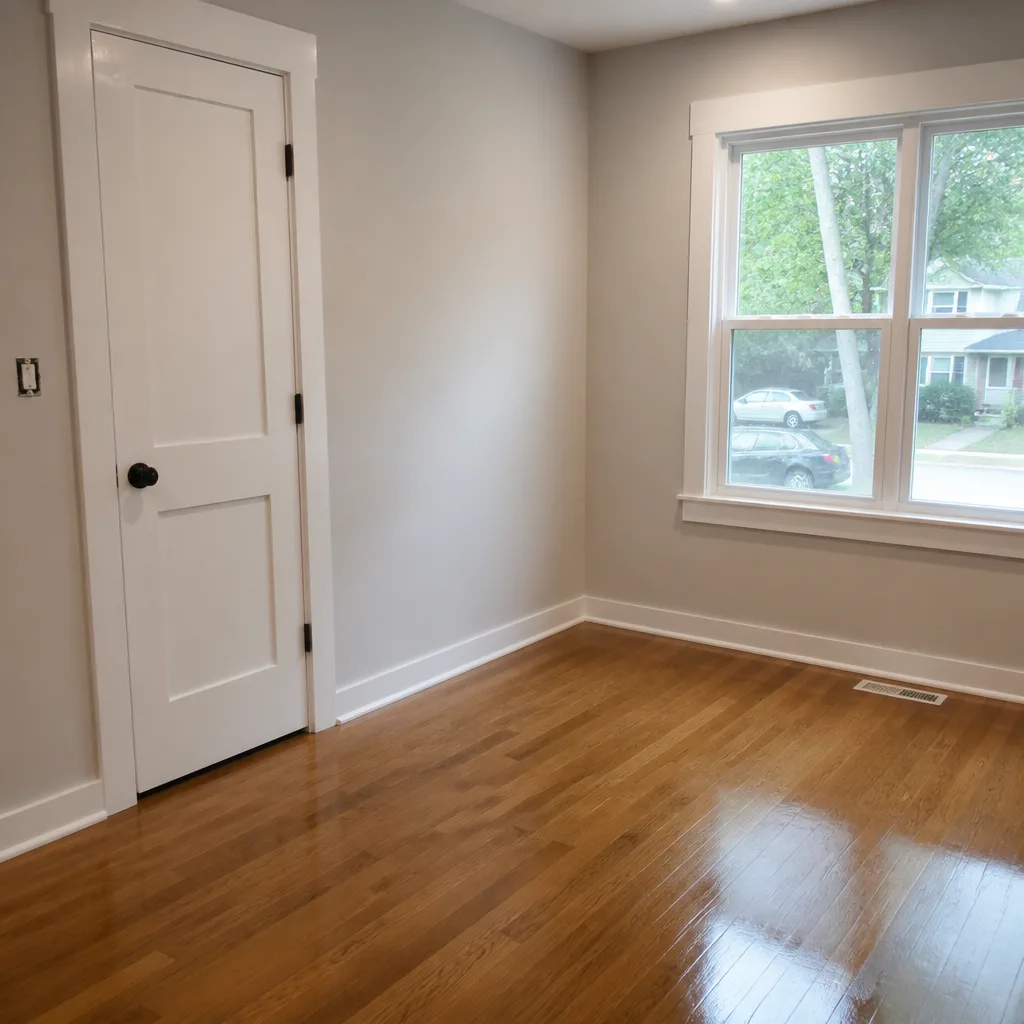 After
After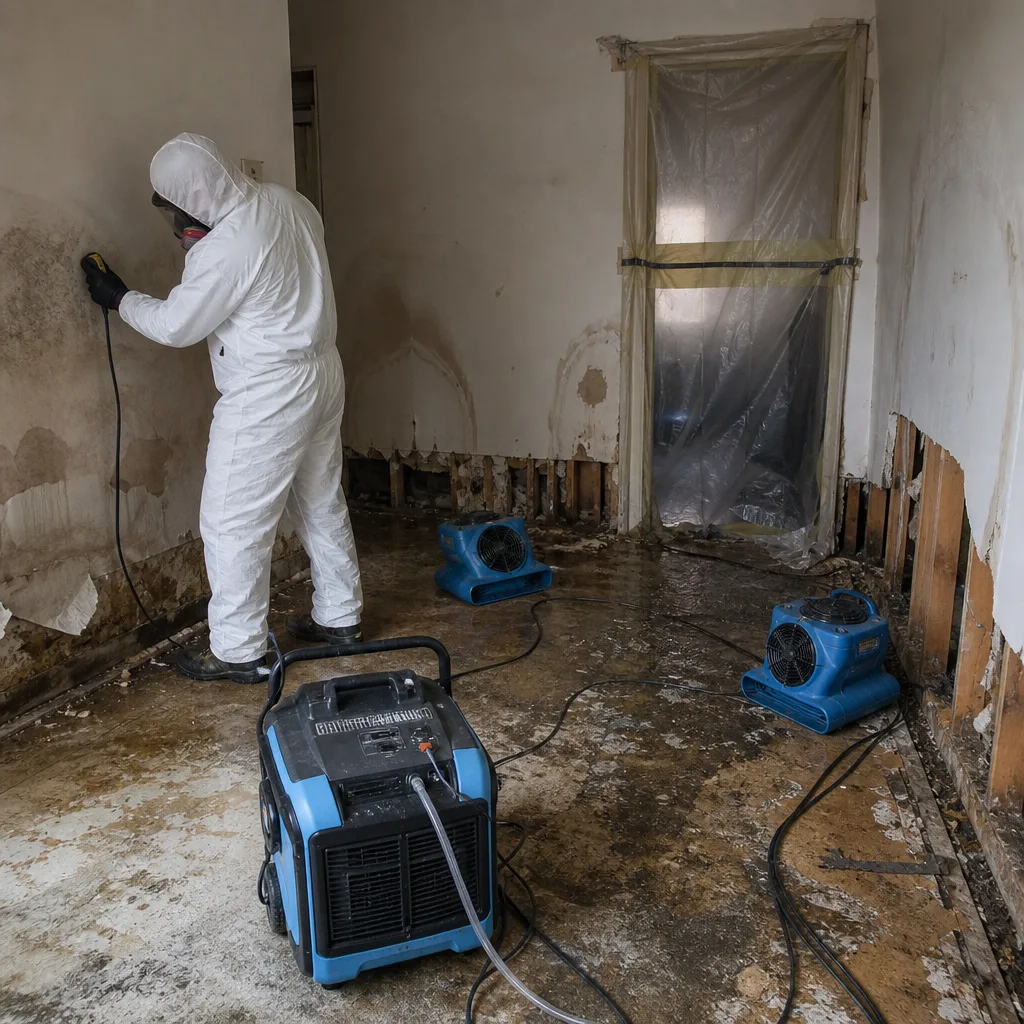 Before
 After
After24/7 Emergency Sanitization Services in River Edge
Sanitization after a flood or sewage backup in River Edge is not a surface spray job. It requires finding what the water left behind inside walls, under flooring, and in ducts before it becomes a health problem. Call (640) 333-9625 any hour, and a live dispatcher answers. Our crews reach most River Edge homes within 45 minutes, run a free visual inspection, and tell you honestly whether you need full Sanitization Services or a targeted treatment.
When floodwater from the Hackensack River recedes slowly through River Edge’s flat streets, it doesn’t just leave mud on the floor. It forces pathogens into drywall, framing, and the air you breathe. The first hour matters because mold colonization starts within 24 to 48 hours, and standing category 3 water keeps wicking upward into wall cavities long after the surface looks damp. Curt Bowman built Floodline Restoration Co. around a dispatch board, not a sales desk, so when you call at 2 a.m. you get a real person who can send a certified crew, not a recording that takes a message.
What happens when you call
- 1
A real person answersNo phone trees - you reach a local pro.
- 2
You get an upfront price rangeHonest numbers before anyone is dispatched.
- 3
A background-checked tech heads outLicensed & insured, dispatched right away.
- 4
You approve before work beginsNothing starts until you say go.
Understanding Sanitization Severity in River Edge Properties
Sanitization here is different from the kind done in higher-ground Bergen County towns. River Edge sits on the Hackensack River floodplain, and homes built in the 1940s through 1960s in the lower sections have finished basements that sit at or near the water table. When the river backs up during a nor’easter or a tropical remnant, water enters those basements as category 3, meaning it carries sewage, bacteria, and whatever the river picked up on its way through. That’s not a mop-and-bleach situation.
Severity in River Edge falls into three practical tiers. The first is surface-level contamination from clean rain intrusion where moisture mapping shows no wall saturation and drying takes under 48 hours. The second is category 3 exposure affecting lower wall cavities and flooring, requiring containment, air scrubbing, and antimicrobial application. The third, and the one we see most often in the flood zone, is layered contamination: walls that were opened and patched after Irene in 2011 or Sandy in 2012, re-wetted by a later event, and never truly dried before the drywall went back up. You can’t see it from the outside. We find it with moisture meters and thermal imaging.
Why River Edge Property Owners Choose Floodline Restoration Co.
- 45-minute response commitment: Our dispatchers route the nearest certified crew to your River Edge address the moment you call, not the next morning.
- A live person answers, 24/7/365: No automated menus. No callbacks. You speak with a dispatcher who can authorize a crew while you’re still on the line.
- IICRC-certified crews, WRT and AMRT trained: Water damage restoration and applied microbial remediation are handled by technicians certified to IICRC, RIA, and IFA standards, using Dri-Eaz and XPOWER equipment for moisture mapping and drying.
- Free visual inspection, with moisture readings: Before we write one line of scope, we check behind surfaces. A visual that looks dry often isn’t, especially in River Edge basements with a flood history.
- Direct insurance billing: We document from hour one, bill your carrier directly, and handle adjuster communication so you don’t have to manage the file.
- One crew from extraction to reconstruction: The same team that extracts category 3 water, runs containment, and foggs sanitizer is the team that hangs new drywall and checks moisture levels before close-up. No handoffs. No inherited crews.
Our Sanitization Services Process
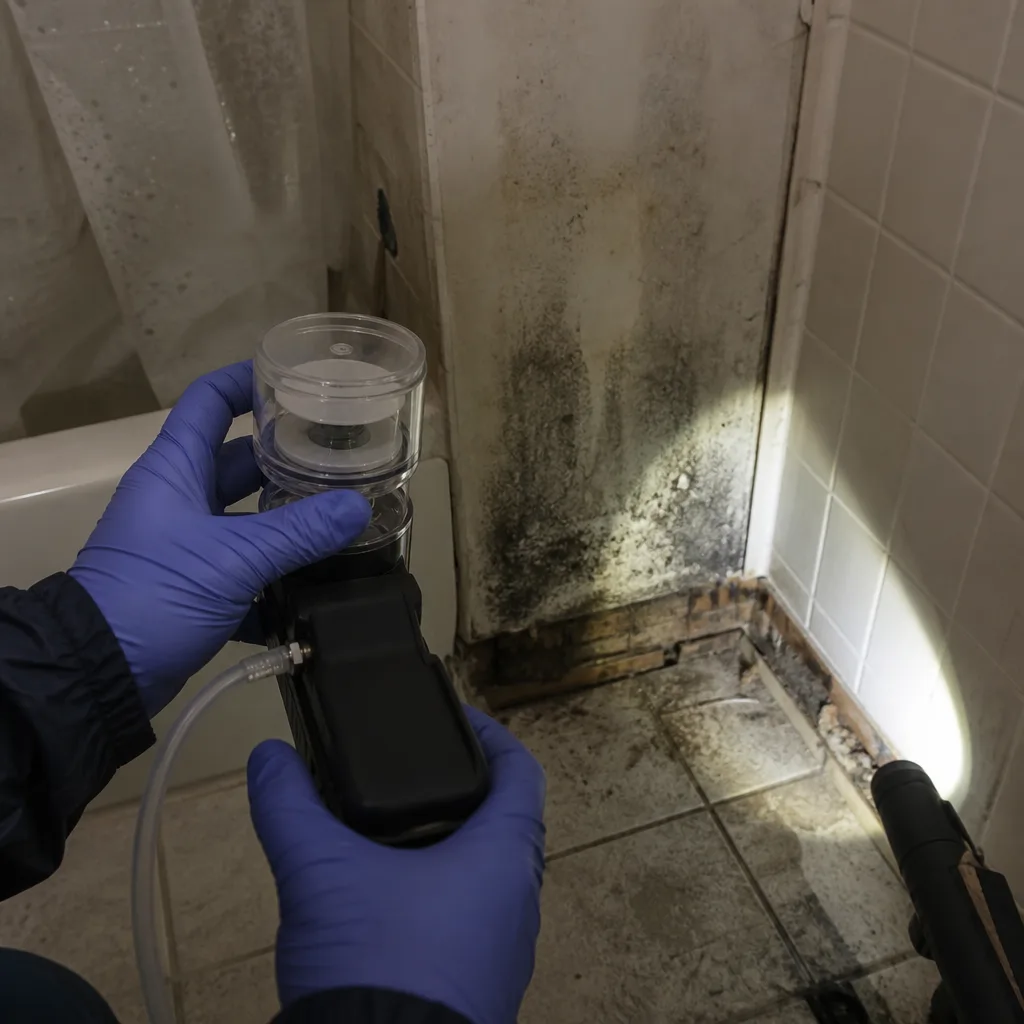
Inspection & Assessment
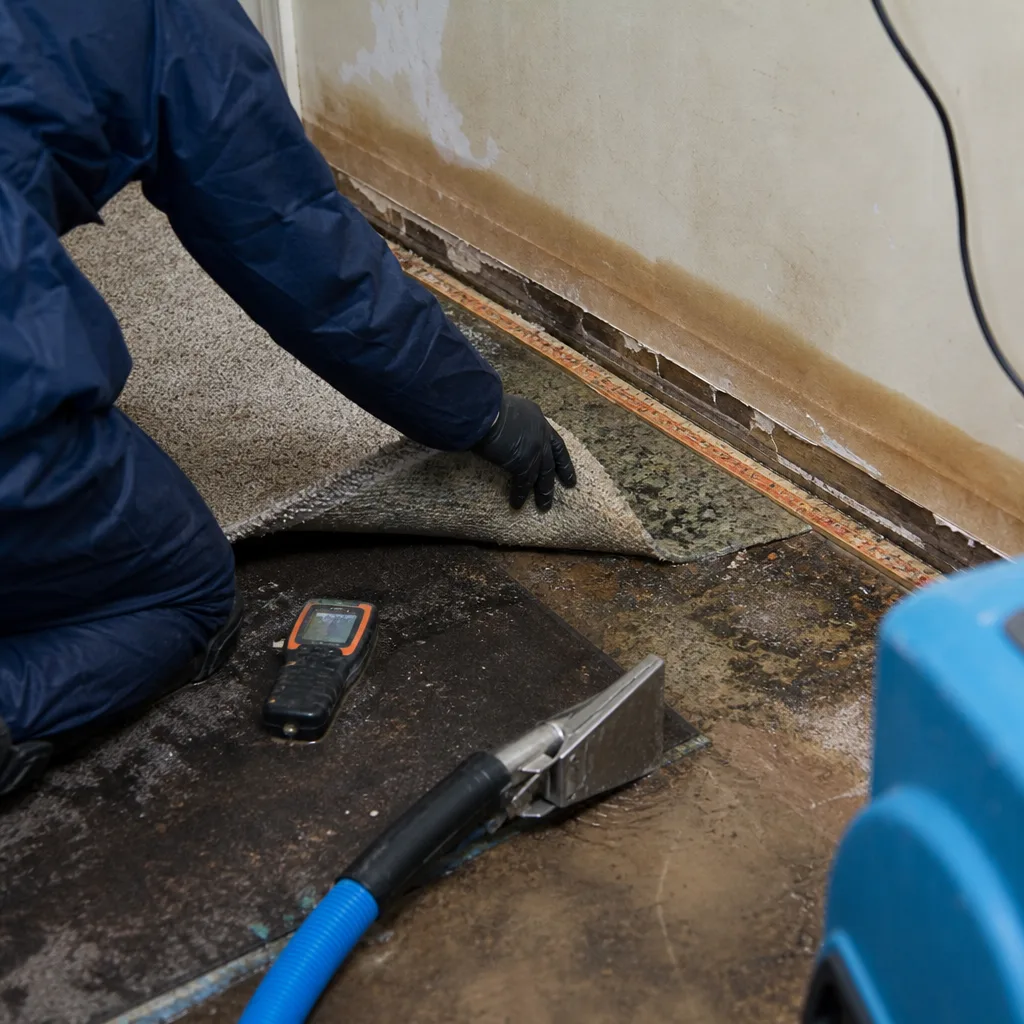
We start with thermal imaging and moisture meters across the affected area, probing behind baseboards and into wall cavities where past flood water may be hiding. A River Edge home with a history of Irene or Sandy damage gets tested more deeply than a first-time loss.
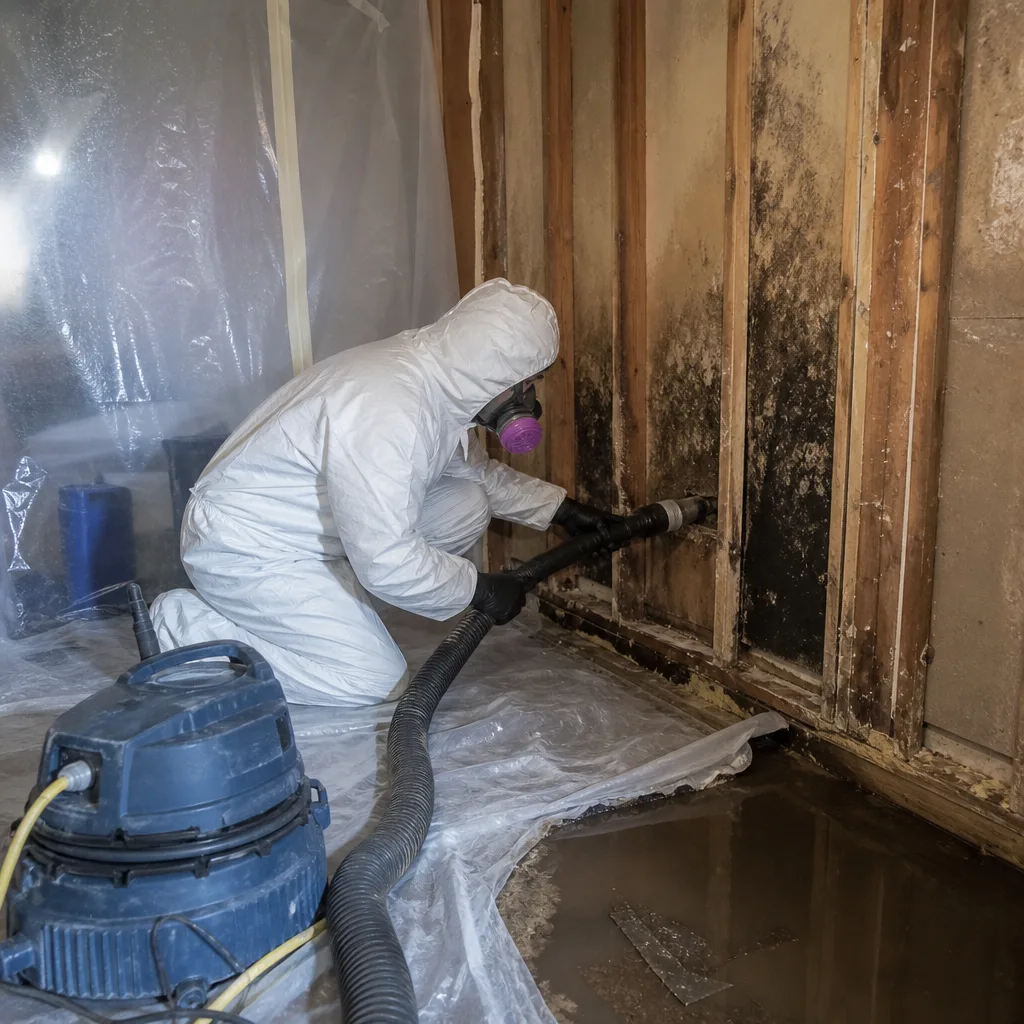
Extraction & Stabilization
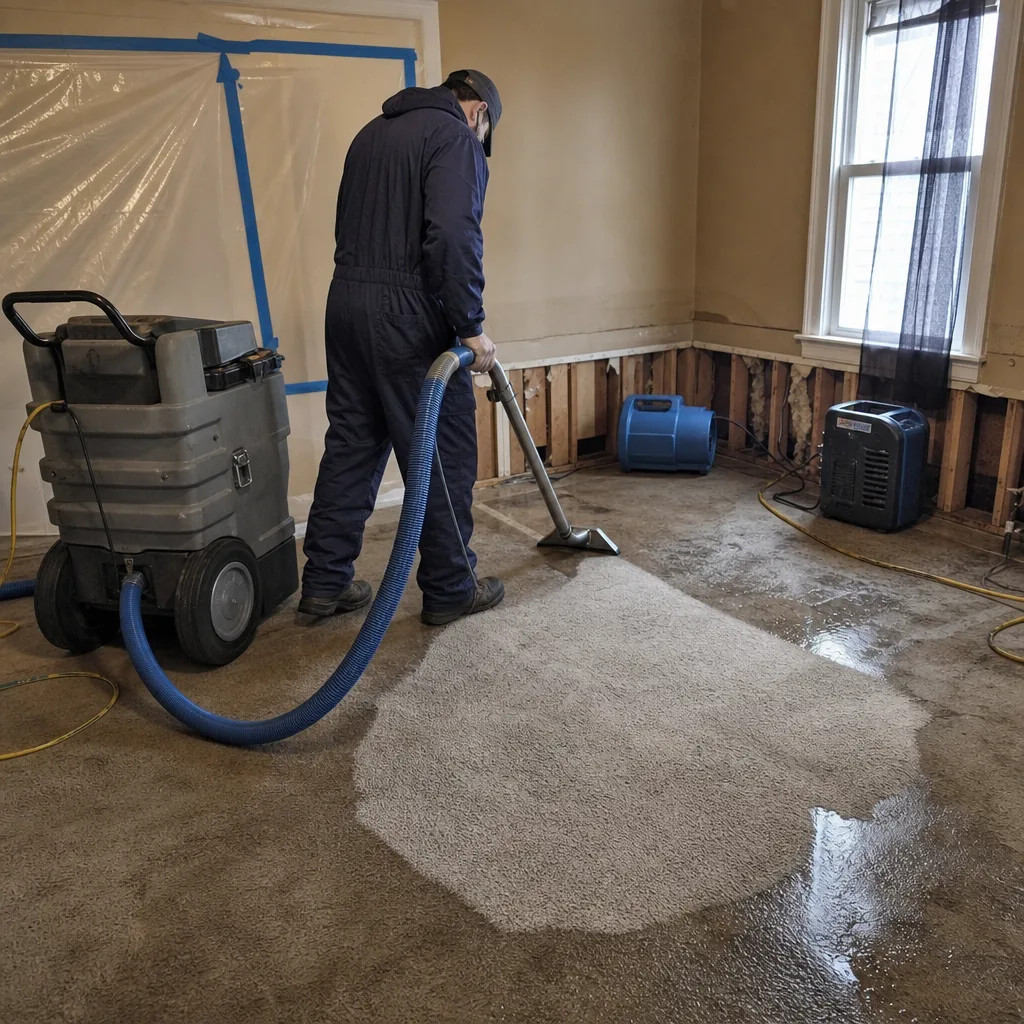
Category 3 water gets extracted with truck-mounted or portable extraction units. We cut back saturated drywall to the water line plus 12 to 24 inches, and remove contaminated carpet, pad, and underlayment that can’t be salvaged.
Drying & Dehumidification
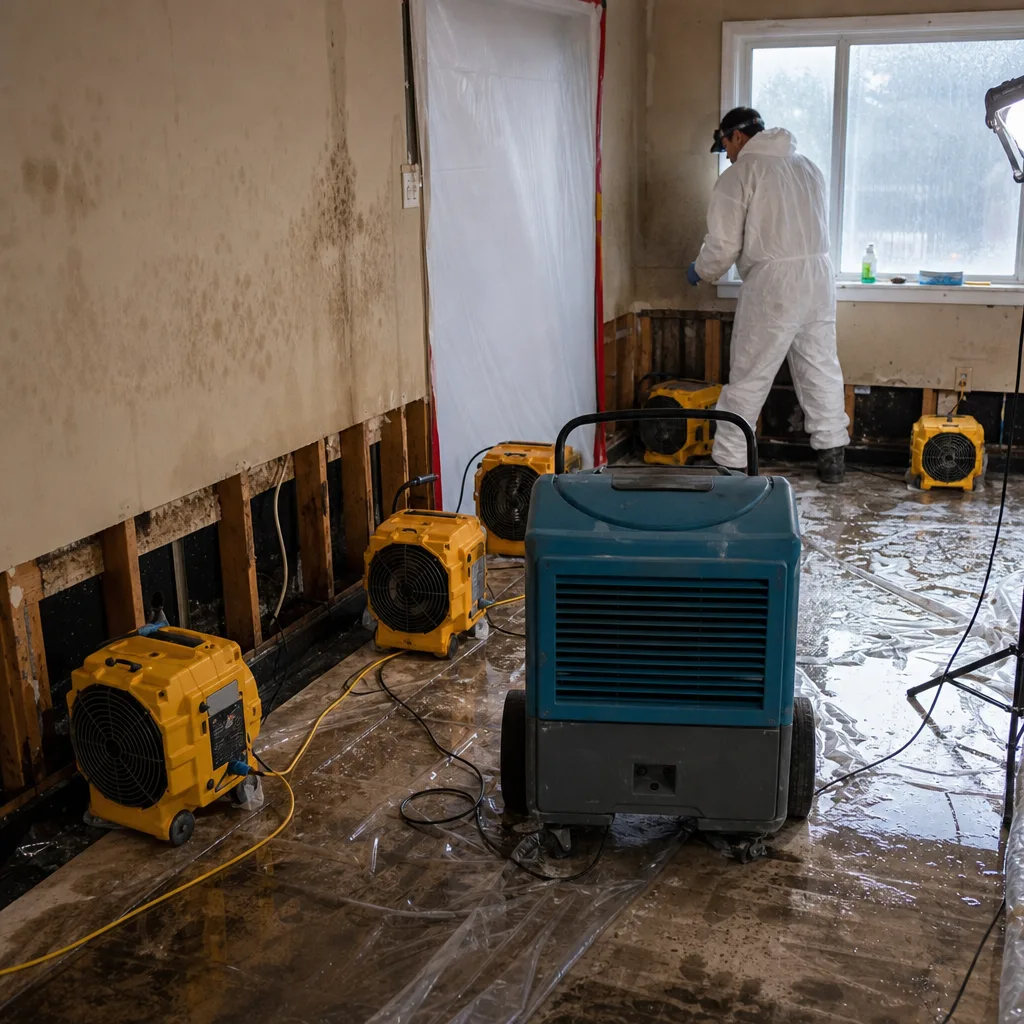
Professional-grade Dri-Eaz air movers and Phoenix dehumidifiers run until moisture readings drop below 12% wood moisture equivalent. Daily moisture logs are kept and shared with you and your insurance carrier, which is the Floodline standard.
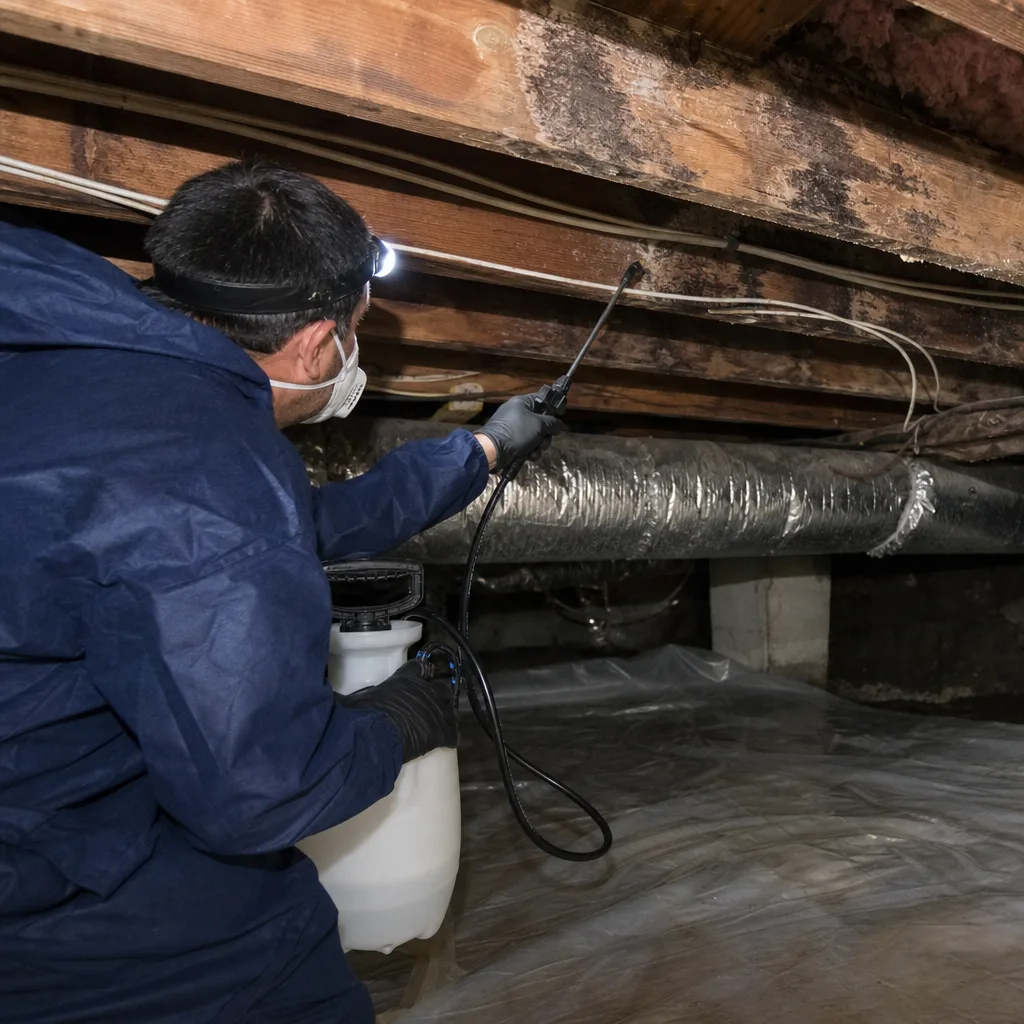
Cleaning & Sanitization
All affected surfaces get cleaned with HEPA vacuums and antimicrobial treatments. We set up containment with negative air pressure when microbial growth is present, so spores don’t migrate to uncontaminated rooms while we work.
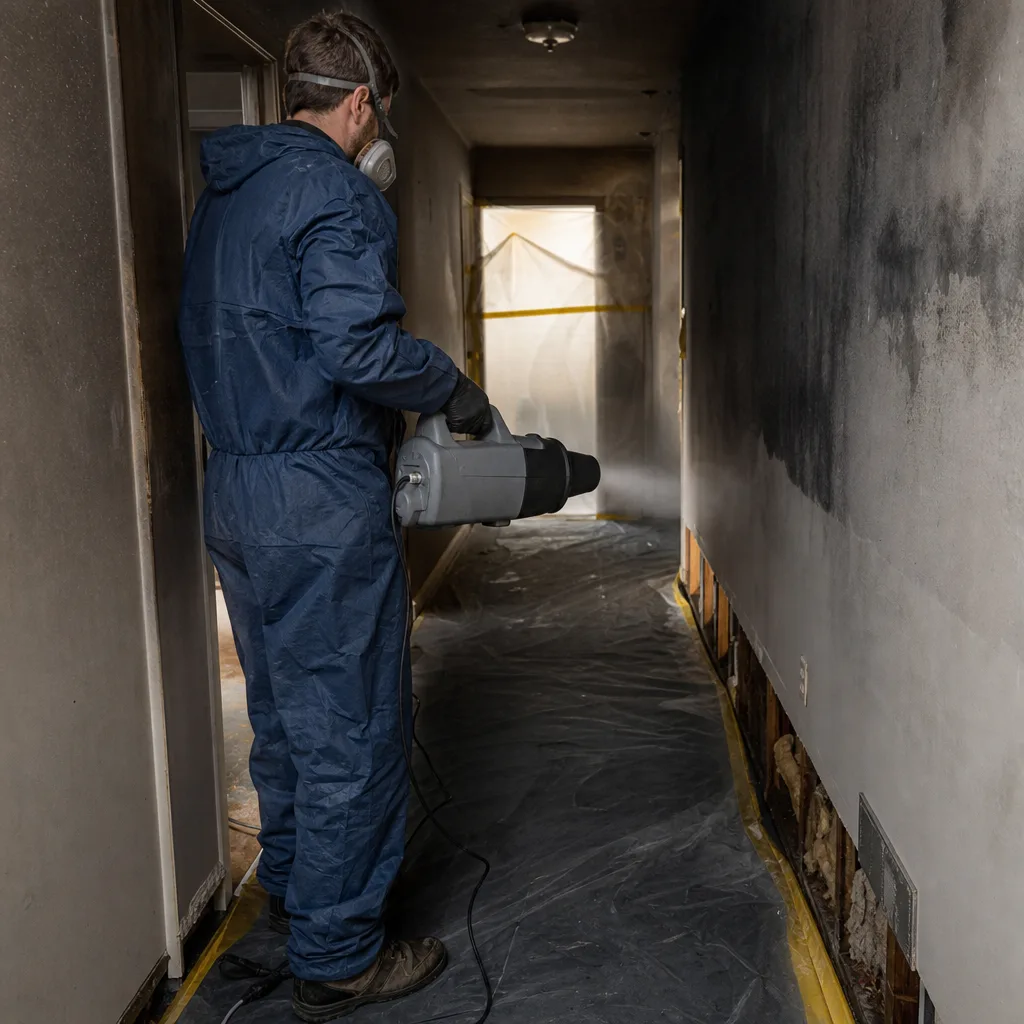
Commercial-Grade Fogging & Duct Sanitization
After surfaces are treated, we fog the entire space with an EPA-registered sanitizer that reaches cracks, joist bays, and wall cavities a spray bottle can’t. Air ducts get sanitized because flood humidity pushes contamination into duct work, and your HVAC system moves it through the house for weeks afterward.
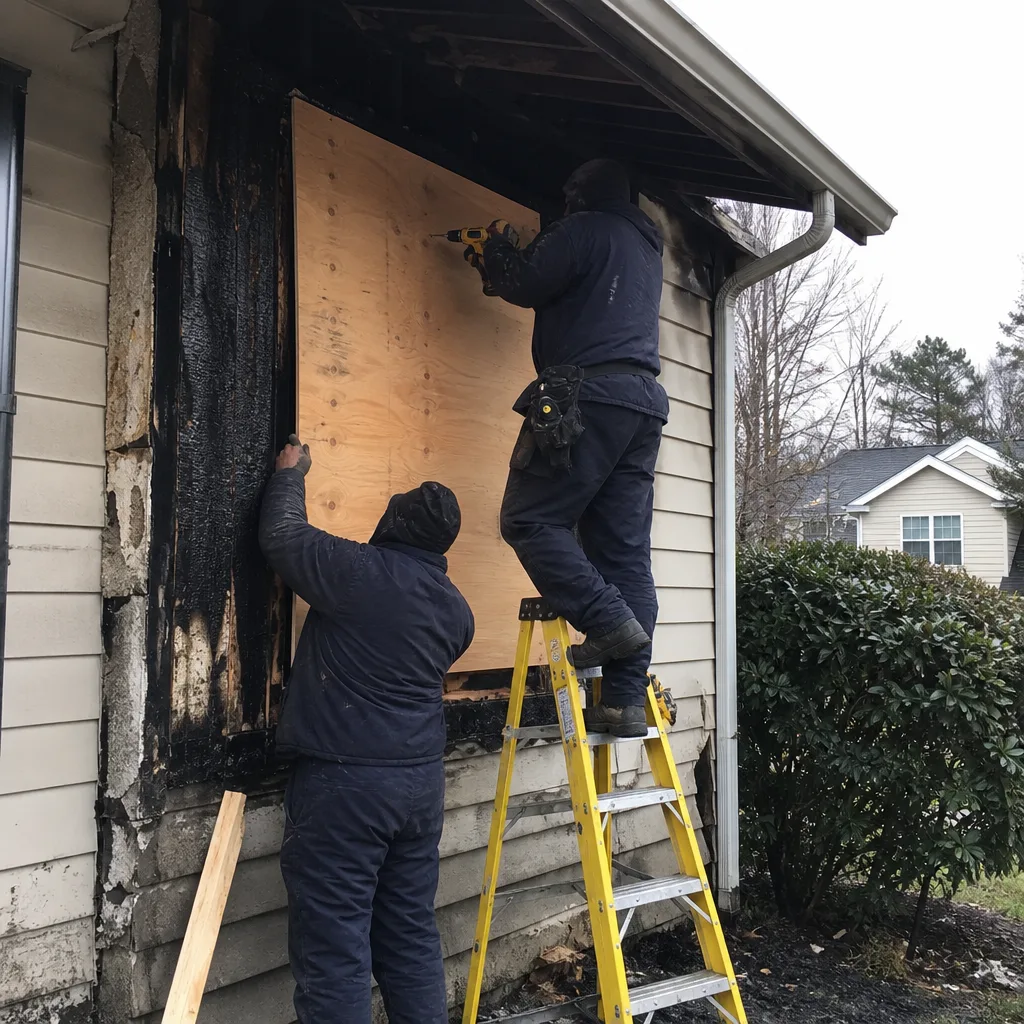
Repairs & Restoration
Once the dry standard is met and moisture logs confirm the structure is dry, we replace drywall, trim, flooring, and any structural framing that was removed. The same crew that did the extraction does the repair, so the scope doesn’t shift mid-job.
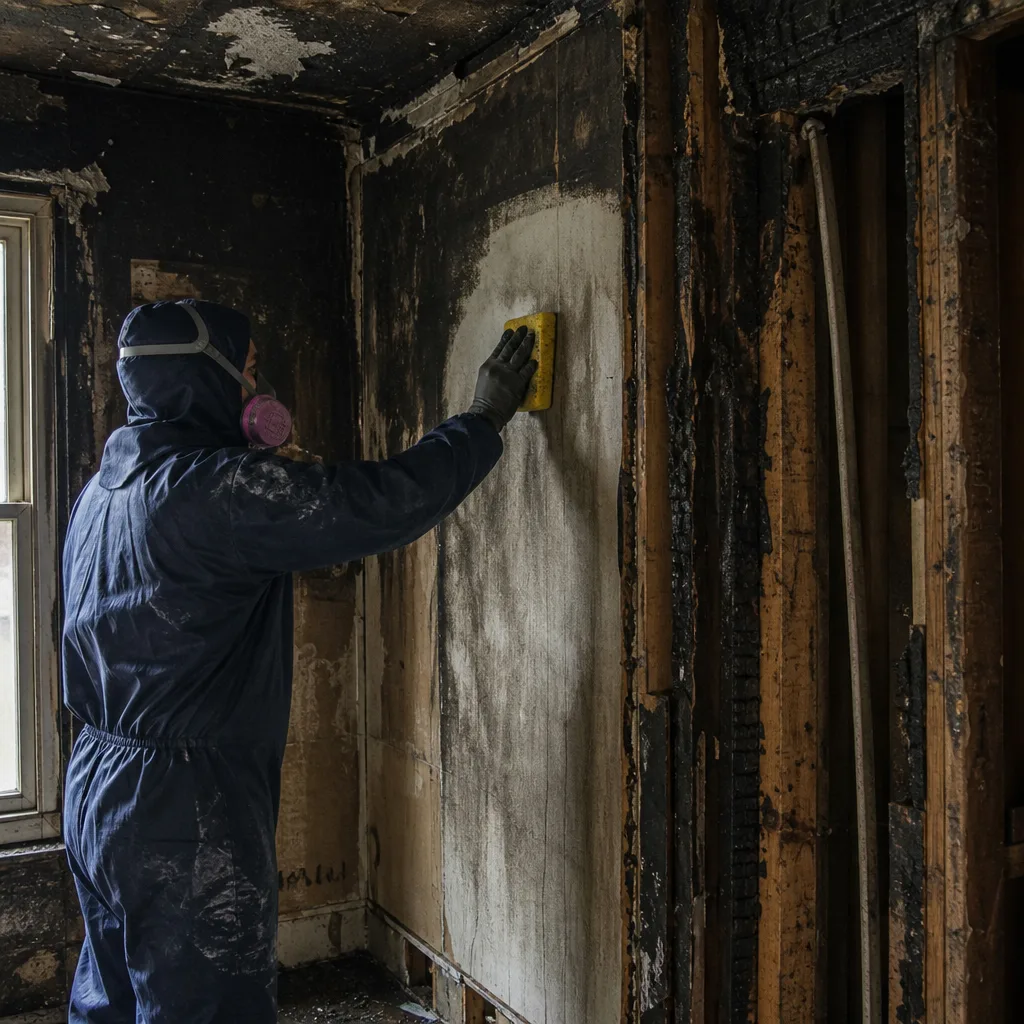
Need Emergency Sanitization Services in River Edge Now?
Crews minutes away, answering live 24 hours a day. The sooner we start, the less it costs.
Working With Your Insurance Company
Most River Edge homeowners with flood-driven sanitization claims are filing under either a flood policy or a sewer-backup endorsement, and the adjuster wants proof of two things: that the water was category 3, and that drying met the standard before reconstruction. We provide that documentation from the first hour. Photos are taken room by room, moisture readings are logged daily, and the scope of work is written line by line, which is why our files rarely bounce back for review.
We talk to your adjuster directly. You don’t have to translate technical language or chase down a missed call. Our team handles supplement requests when hidden damage is found behind walls, which in River Edge happens more often than not. Written scopes before work begins mean no surprises on your bill or your claim.
What We Provide Your Insurer
- Thorough documentation of the loss, including cause and category of water
- Photos of all damage, room by room, from first arrival through final clearance
- Moisture readings and drying logs until the dry standard is met
- A detailed, line-item scope of work with pricing for every repair
- Direct coordination with your carrier on supplements and approvals
Built for River Edge’s Loss Calendar
River Edge has two distinct sanitization seasons, and neither has much to do with spring cleaning. The first runs from late August through October, when tropical storm remnants and heavy rain events push the Hackensack River over its banks and into the finished basements of post-WWII Capes, colonials, and ranches in the AE flood zones. The second runs from December through March, when nor’easters arrive and saturated ground from snowmelt means basements take on water even without a named storm. The slow-draining topography of the Hackensack River floodplain means that water stands in homes for 48 to 72 hours, a window that accelerates mold growth faster than most homeowners realize.
The 14-month sequence of Hurricane Irene in August 2011 and Superstorm Sandy in October 2012 created something we still see on every job in the riverside sections: old remediation work that was re-wetted. A wall that was dried and patched after Sandy, then hit again in 2020 or 2023, almost always holds mold behind the fresh drywall. Our crews in River Edge do not trust a clean visual on a flood-zone home. We probe and test before we write a scope, because the alternative is re-opening the same wall in three years. Floodline Restoration Co. has been doing this since 2010, and our dispatch board, not a sales desk, is what keeps our response honest.
Sanitization Services Across River Edge’s Neighborhoods
In the Bogert Avenue corridor and the streets east of Route 4, we typically find 1950s Cape Cods with finished basements that have flooded multiple times. Our response route uses Bogert Plaza as a midpoint; crews staged there can reach both the river side and the higher blocks quickly. These homes often have layered drywall repairs from past events, and our moisture maps routinely reveal pockets the previous patch missed.
Along Hackensack Avenue and the streets running west toward the river, including the area around River Edge Road and the New Bridge Landing historic district, we see ranch homes and colonials where the water table is close enough that a hard rain puts groundwater into the slab. Dewatering there takes longer because the ground itself is saturated, and we often run dehumidifiers for an extra day or two to hit the dry standard.
The streets near Memorial Park and the middle of the borough are higher, but heat registers, ceiling tiles in finished basements, and duct runs in lower walls still take on moisture from river-driven humidity events. Air duct sanitization is a standard part of our scope in these blocks because the HVAC system pulls flood humidity through return ducts and leaves it sitting in the plenum. River Edge’s housing stock, much of it built in the 1940s through 1960s, shares a common trait: duct work rarely gets cleaned, and after a flood event the inside of a return vent can carry spores into every room.
Specialized Sanitization Services We Offer in River Edge
Deep Disinfection
After category 3 water is extracted and contaminated materials are removed, every remaining surface gets cleaned with antimicrobial and anti-bacterial treatments applied to the water line and beyond. In River Edge, we extend treatment 24 inches above the water line because slow receding water wicks moisture and pathogens upward through drywall paper and framing. This is not a fog-only job; it’s physical cleaning followed by chemical treatment.
Commercial-Grade Fogging
Our EPA-registered sanitizing fog reaches wall cavities, joist bays, sill plates, and the underside of stair stringers in finished River Edge basements. It’s the step that handles what you cannot see, especially when prior flood patches left hidden mold behind replacement drywall. Fogging alone won’t fix a saturated wall, but after drying and antimicrobial treatment it’s what clears the air and surfaces enough for occupancy.
Air Duct Sanitization
Flood humidity pushes contamination into duct work, and in older River Edge homes the return ducts in a finished basement sit inches from the floor. We sanitize duct runs with antimicrobial fogging and, where needed, brush and HEPA-vacuum the interior surfaces. The goal is to prevent your HVAC from circulating whatever came in with the flood water through the rest of the house. This is a standard part of post-flood sanitization in River Edge, not an add-on.
Virus & Bacteria Decontamination
Category 3 floodwater contains sewage cross-flow from municipal lines and river water carrying bacteria like E. coli and coliforms. After any sewage exposure in River Edge, we run full decontamination with surface cleaning, antimicrobial treatment, and clearance verification. This service also applies to post-illness cleaning in homes where a family member has been hospitalized with a serious contagious illness and wants the house reset.
Odor Neutralization
That musty river smell in a River Edge basement after a flood doesn’t leave because the water is gone. It leaves when the source of the odor, mold or bacteria inside materials, is removed. We treat odor at the source with removal and antimicrobial treatment, then finish with hydroxyl or ozone treatment where safe. Masking sprays don’t work in a flood-zone basement, and we won’t sell you one.
Post-Illness Cleanup
When a River Edge homeowner or family member has gone through a serious illness, MRSA, C. diff, or another hospital-acquired infection, we use the same containment, cleaning, and disinfection protocol we use for category 3 flood contamination. The standard is the same: remove, clean, treat, and verify.
Sanitization Services Costs in River Edge, NJ
Sanitization after a flood or sewage event in River Edge typically runs between $1,800 and $6,500 depending on how much contaminated material must be cut out and how deep the water went. A 600-square-foot finished basement with category 3 water up to the baseboards, full extraction, containment, drying, sanitizing, fogging, and removal of the bottom 24 inches of drywall and pad runs $3,000 to $5,500 before reconstruction. Light sanitization with no demolition, often needed after a clean-water heater leak that was caught early, costs $900 to $1,800, including HEPA air scrubbing and antimicrobial surface treatment.
Duct sanitization adds $400 to $800 depending on the number of supply and return runs in the home. Commercial-grade fogging is $0.30 to $0.60 per square foot of treated space. What moves the River Edge price more than anything is whether the home has a prior flood patch behind the visible damage. When hidden mold is found, the scope grows because that wall has to come out anyway, and the honest estimate accounts for it from the start. Insurance coverage depends on policy type: flood policies cover flood-driven contamination, sewer-backup endorsements cover sewage, and standard homeowner policies usually cover neither. If you’re in River Edge and unsure, call (640) 333-9625 and we’ll help you read your policy before any work is authorized. Estimates are free.
We Also Serve Cities Near River Edge
Floodline Restoration Co. provides sanitization services in River Edge and the surrounding Bergen County communities. Our crews also reach New Milford, Oradell, Paramus, and Maywood within the same 45-minute response window. Each area gets the same live dispatch, certified technicians, and written scope policy.
Serving River Edge, NJ - Our Local Coverage Area
We’re based in the River Edge area and know this community well. Use the map below to see our service coverage - if you’re nearby, we can almost certainly help.
River Edge Sanitization Services Questions, Answered
Why does sanitization after a River Edge flood require cutting into walls even if they look dry?
Because floodwater in this borough often wicks up inside wall cavities for 24 to 48 hours after the surface was last touched, and homes flooded during Irene or Sandy frequently have old patch jobs that were re-wetted and never properly dried.
Water from the Hackensack River enters finished basements as category 3, and the drywall paper and wood framing act like a sponge, pulling that contamination upward well beyond the visible water line. A dry-looking wall in River Edge can still hold 25% moisture at the base plate, which is exactly where mold starts. Cutting to 12 to 24 inches above the water line, or higher where moisture mapping warrants, is the only way to confirm what’s behind the surface. We’d rather open a wall and find nothing than leave a hidden mold pocket for you to find in a year. Call (640) 333-9625 for an inspection if your basement was ever flooded.
How do you handle category 3 floodwater contamination in a finished basement in River Edge?
We extract with professional-grade pumps, remove saturated drywall and flooring, set up containment with negative air, and treat all remaining surfaces with EPA-registered antimicrobials before drying begins.
Category 3 water carries sewage, river pathogens, and bacteria, so it requires full PPE and containment, not just a wet vac. In a River Edge finished basement, we also cut back any drywall that was wet for more than 48 hours and probe for prior flood patches before the space is cleaned. Then we dry to under 12% wood moisture equivalent with Dri-Eaz and Phoenix equipment, fog with a commercial-grade sanitizer, and document every reading along the way for your insurer. The goal is a space you can live in without thinking about what was in the water.
Can sanitization alone fix the smell in a River Edge basement that floods every few years?
No, sanitization alone cannot fix flood smell in a basement that repeatedly takes on water, because the odor source is usually mold or bacteria growing inside materials that surface sprays don’t reach.
In a recurring-flood River Edge basement, the musty smell is often coming from old drywall paper, framing, or carpet pad that was wet in a past event and never removed. Sanitizing the surface without removing the contaminated material leaves the source in place, and the smell returns in weeks. The fix is finding the source with moisture mapping and inspection, removing or drying it, then sanitizing. Every few years in River Edge means you likely have a layered contamination problem. Call us and we’ll pinpoint it before you spend money on a fogging-only service that won’t hold.
Do we need to leave our River Edge home during commercial-grade fogging for sanitization?
Yes, for commercial-grade fogging using EPA-registered sanitizers, all people and pets need to be out of the treated space for the duration of the fog and until the product has settled and ventilated, usually 2 to 4 hours.
The exact re-entry time depends on the product used, the size of the space, and how many air changes we can run through it. We tell you precisely when you can come back, and we post the treated area so nobody walks through mid-application. For a finished basement in River Edge, we often fog and have you stay upstairs, but if the HVAC shares that zone, temporary relocation for a few hours is the safer standard. Every job gets clear instructions from the crew before we start.
What type of sanitization is recommended for air ducts after a flood in River Edge?
We recommend antimicrobial fogging of duct work combined with brushing and HEPA vacuuming of accessible duct surfaces, especially return ducts that sit low in a finished River Edge basement.
After a flood, the inside of duct work carries mold spores, bacteria, and flood silt that your HVAC system pushes through every room when the heat or AC runs. Fogging alone doesn’t remove built-up debris; brushing alone doesn’t kill microbes. The combination of mechanical cleaning followed by antimicrobial fogging is what actually resets the system. In older River Edge homes where ducts haven’t been cleaned in decades, this step is more important because years of dust gives mold and bacteria a food source. We include duct sanitization in most post-flood scopes here, not as an afterthought.
Is sanitization work in River Edge covered by a standard homeowner’s policy?
Standard homeowner’s insurance in New Jersey does not cover flood-driven water or sanitization from rising river water, but sewer backups and clean-water device failures often are covered depending on your endorsements.
If you have a separate flood policy through NFIP or a private carrier, flood-driven sanitization and demolition are typically covered up to your limits. If you have a sewer backup endorsement, category 3 loss from a municipal or septic backup is covered. The fastest way to know is to call (640) 333-9625, tell us what happened, and we’ll help you read your policy specifics before any work is authorized. We bill your carrier directly and document from the first hour, so your claim has what it needs.
How quickly can your crews actually get to a River Edge home?
Our goal is 45 minutes to any River Edge address after your call, with a live dispatcher routing the nearest certified, background-checked crew from closest to the borough.
In practice, call volume after a major flood event or nor’easter can push that window wider, and we’ll tell you honestly when it does. What doesn’t change is that you speak with a real person when you call, not an answering machine. Call (640) 333-9625 and we’ll give you a real arrival time, not a promise we can’t keep.
How long does full sanitization and drying take in a River Edge basement?
Most flood-driven sanitization and drying jobs in River Edge take 3 to 7 days, with extraction and removal on day one, drying over the following 3 to 5 days, and sanitization plus fogging completed before materials close back up.
Homes with slow-draining topography near the Hackensack River sometimes need an extra day or two of drying because the ground remains saturated and moisture keeps working up through the slab. We set daily moisture readings and don’t close a wall until every measurement is under 12% wood moisture equivalent. The process is slower than a quick spray-and-run, which is exactly the point. Done right, and backed in writing, on every job.
Written by Curt Bowman, Owner at Floodline Restoration Co., serving River Edge and surrounding Bergen County communities since 2010. If you need flood-driven sanitization, odor removal, or full restoration, call (640) 333-9625 and speak with a live dispatcher. The line the water left is where we start.
Why River Edge Chooses Floodline Restoration Co.
We set the standard for sanitization services in River Edge.
Documented for Your Claim
Every job is photographed before, during and after, with moisture logs where they apply. We hand the full file to your adjuster and bill your insurance directly - you are never the one relaying it.
Licensed & Insured
Fully certified technicians who meet all local and state licensing requirements.
Upfront Pricing
No hidden fees, no surprises. You approve the price before any work begins.
Guaranteed Work
Every repair and installation is backed by our workmanship warranty and satisfaction guarantee.
How It Works in River Edge
Getting your sanitization services handled is simple and fast.
Call or Request a Free Estimate
Tell us about your sanitization services needs and we provide an upfront, transparent quote - no obligation, no hidden fees.
Licensed Technician Dispatched
A background-checked, certified technician arrives in River Edge - typically within 30-60 minutes, with parts stocked on the truck.
Problem Solved, Guaranteed
We complete the job to your full satisfaction, backed by our warranty and 100% satisfaction guarantee.
What happens when you call
- 1A real person answersNo phone trees - talk to a local sanitization services pro.
- 2You get an upfront price rangeHonest numbers before anyone is dispatched. No surprises.
- 3We come out and measureLicensed & insured, at a time that suits you - the visit and the quote are both free.
- 4You get the price in writingLine-itemed, yours to keep, and nothing starts until you say go.
What River Edge Customers Say
Trusted by homeowners across River Edge and surrounding areas.
"Kitchen fire, more smoke than flame. They boarded the broken window the same day, ran air scrubbers for the smell, and got the smoke out of the whole house including the closets upstairs. They dealt with the adjuster directly so I never once had to relay anything."
"We had a musty smell in the hall closet for months. He tested first, found the leak inside the wall, sealed the area off with plastic before opening anything, and put the whole scope in writing before asking for a signature."
"Another company told me the whole attic needed mold remediation at a terrifying price. These guys tested, showed me it was surface growth on one sheet of plywood, and charged me for a cleaning instead. That kind of honesty buys a customer for life."
Our Work in River Edge
A look at recent damage restoration projects across River Edge and surrounding areas.
Ready for Sanitization Services in River Edge?
Call now for a free estimate - or request one below. Licensed, insured, and here with fast after-hours help in River Edge.
(640) 333-9625Request a Free Estimate in River Edge
Tell us about your sanitization services needs - we'll respond within the hour.