
Free visual inspection and a written scope of work before any mitigation begins - photos, moisture readings, and drying logs go in your claim file
The scope we write is the scope we bill. Anything new gets shown to you, in writing, before we touch it.
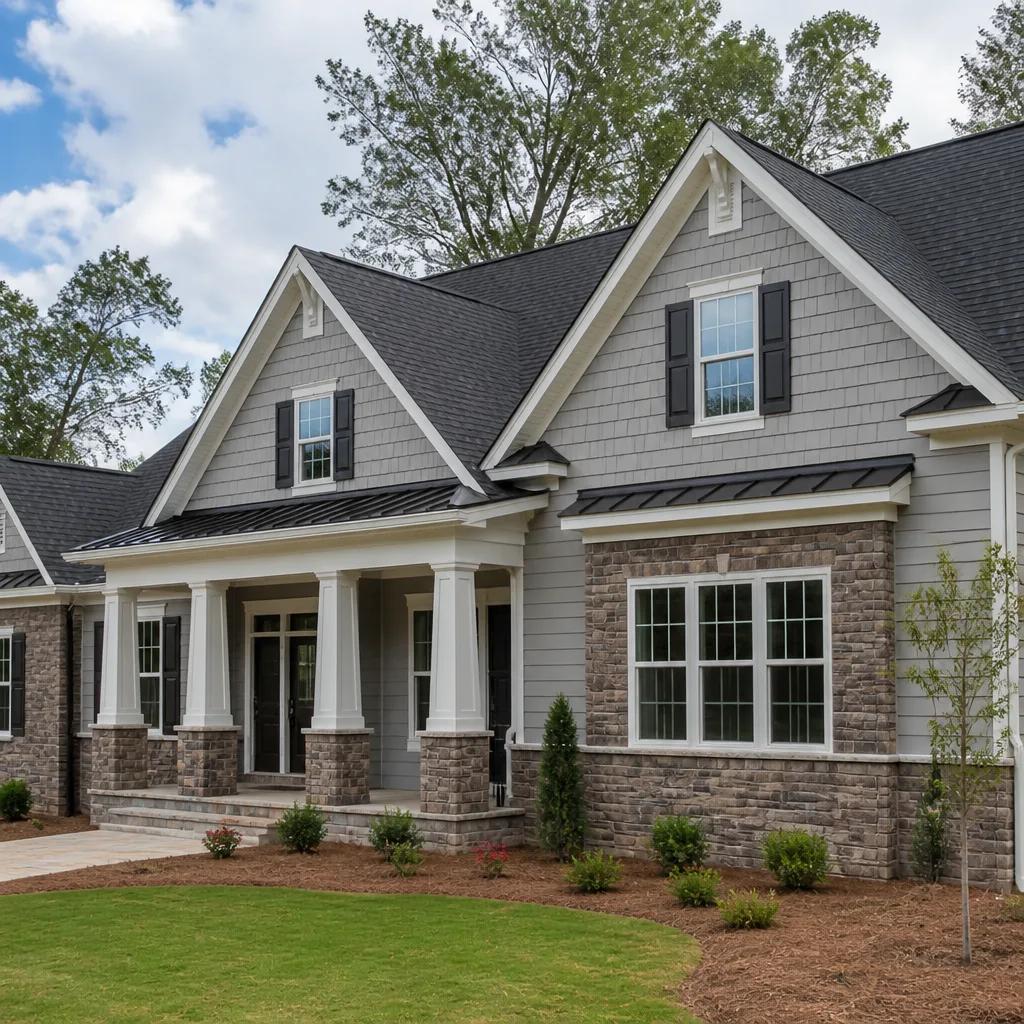
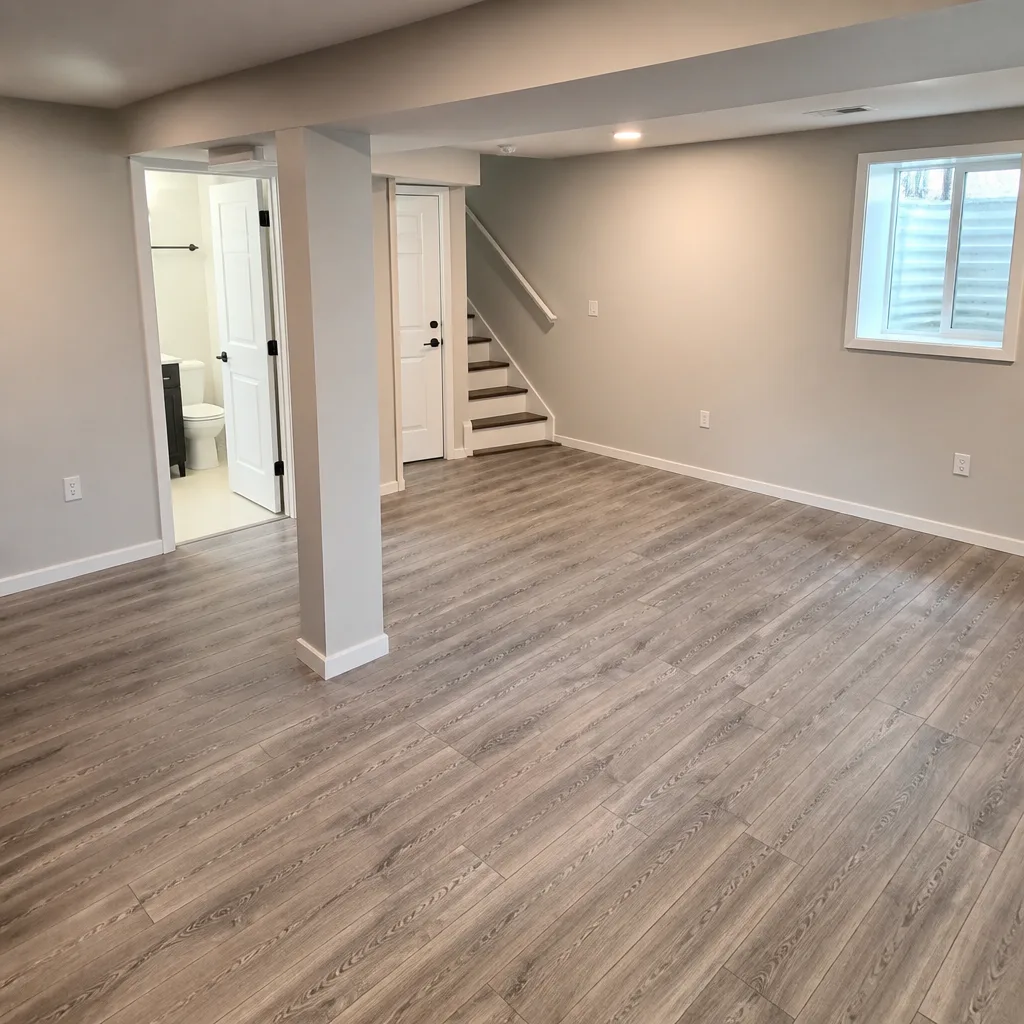
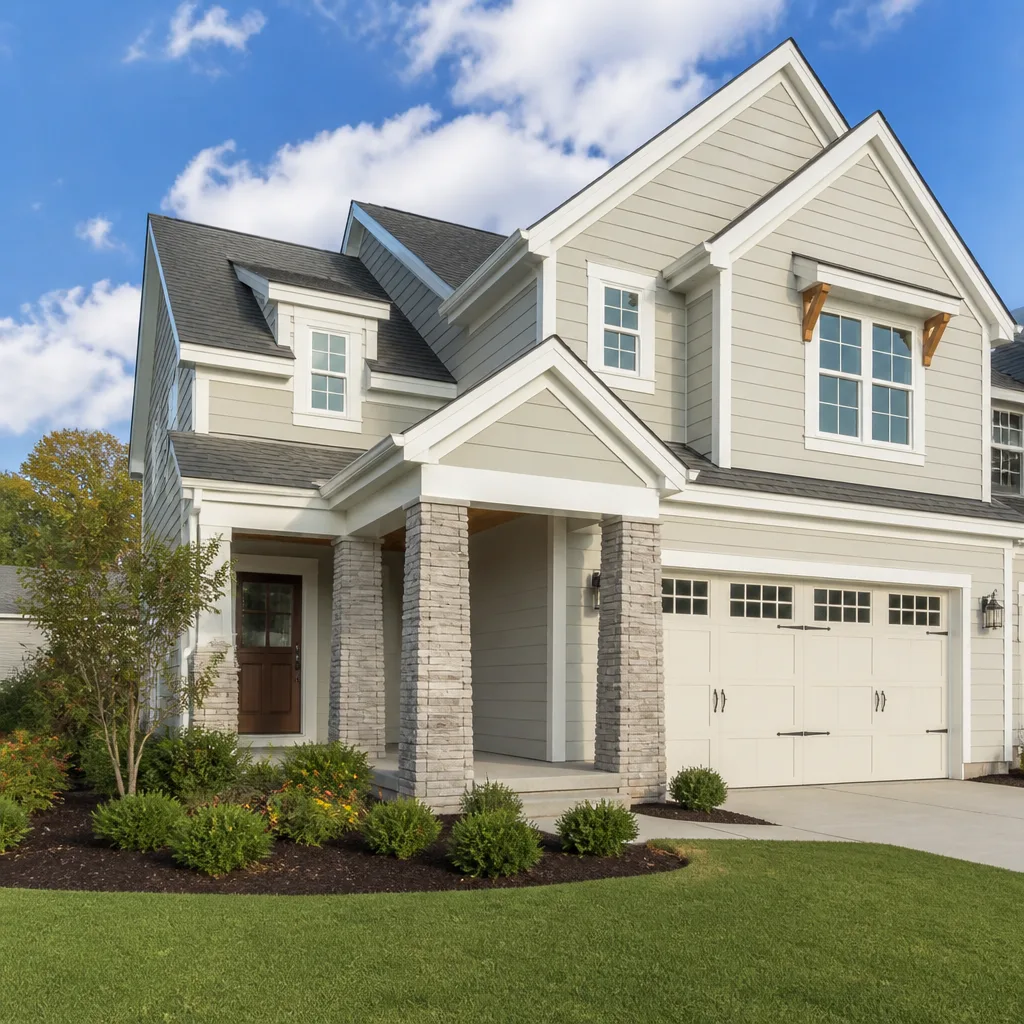
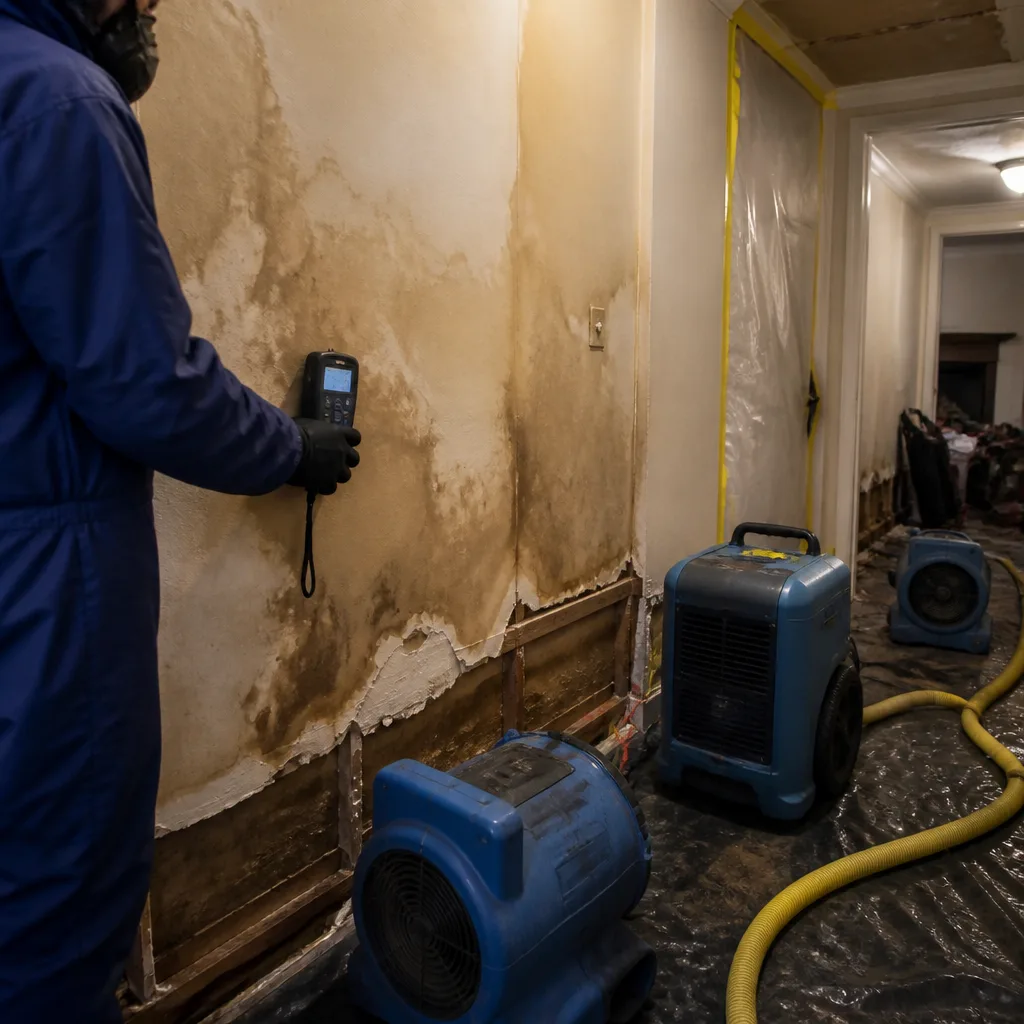 Before
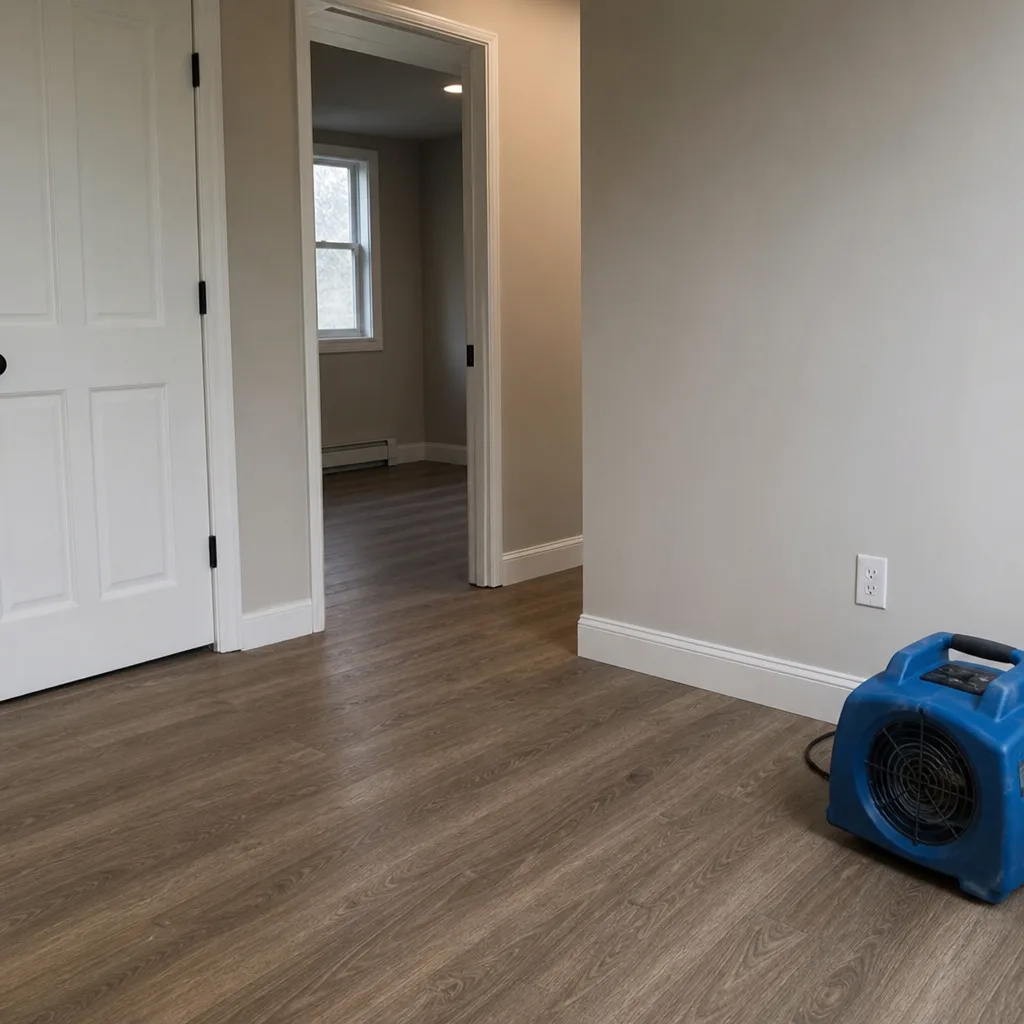 After
After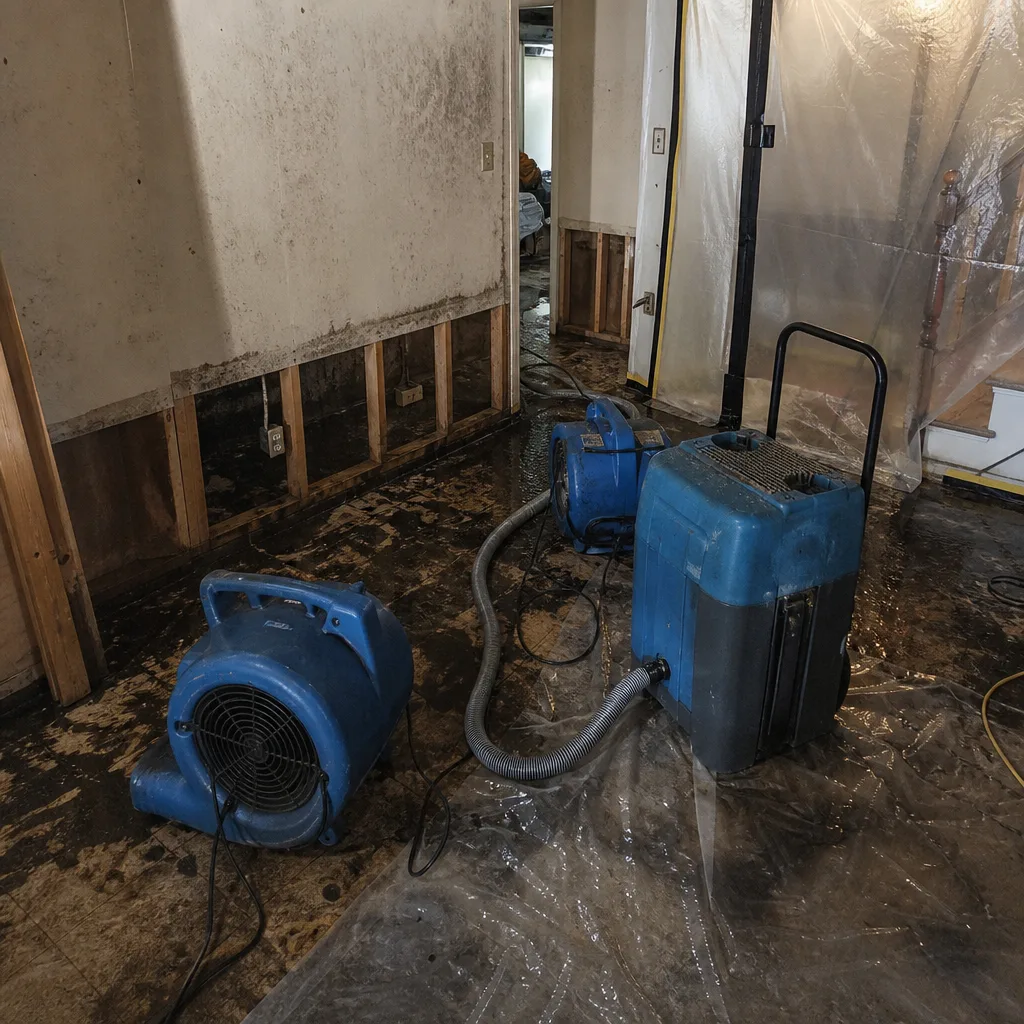 Before
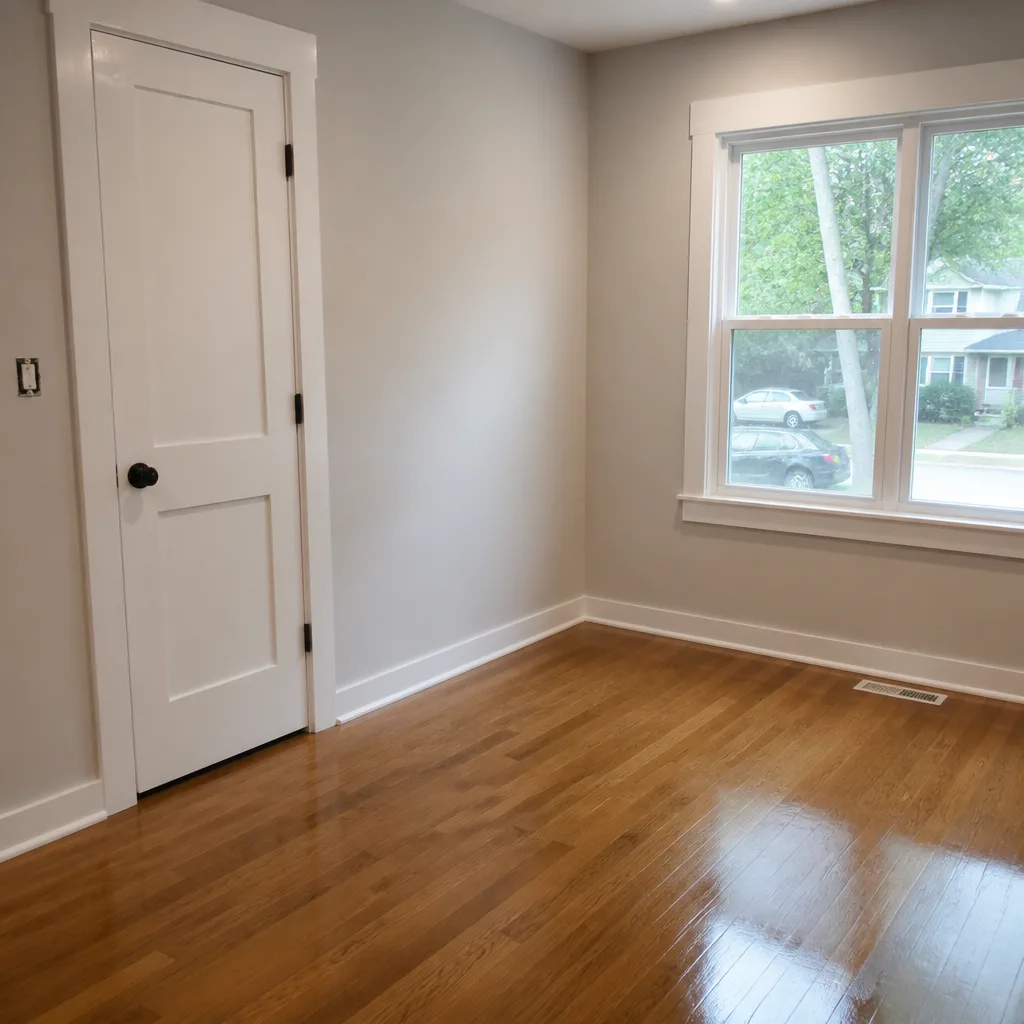 After
After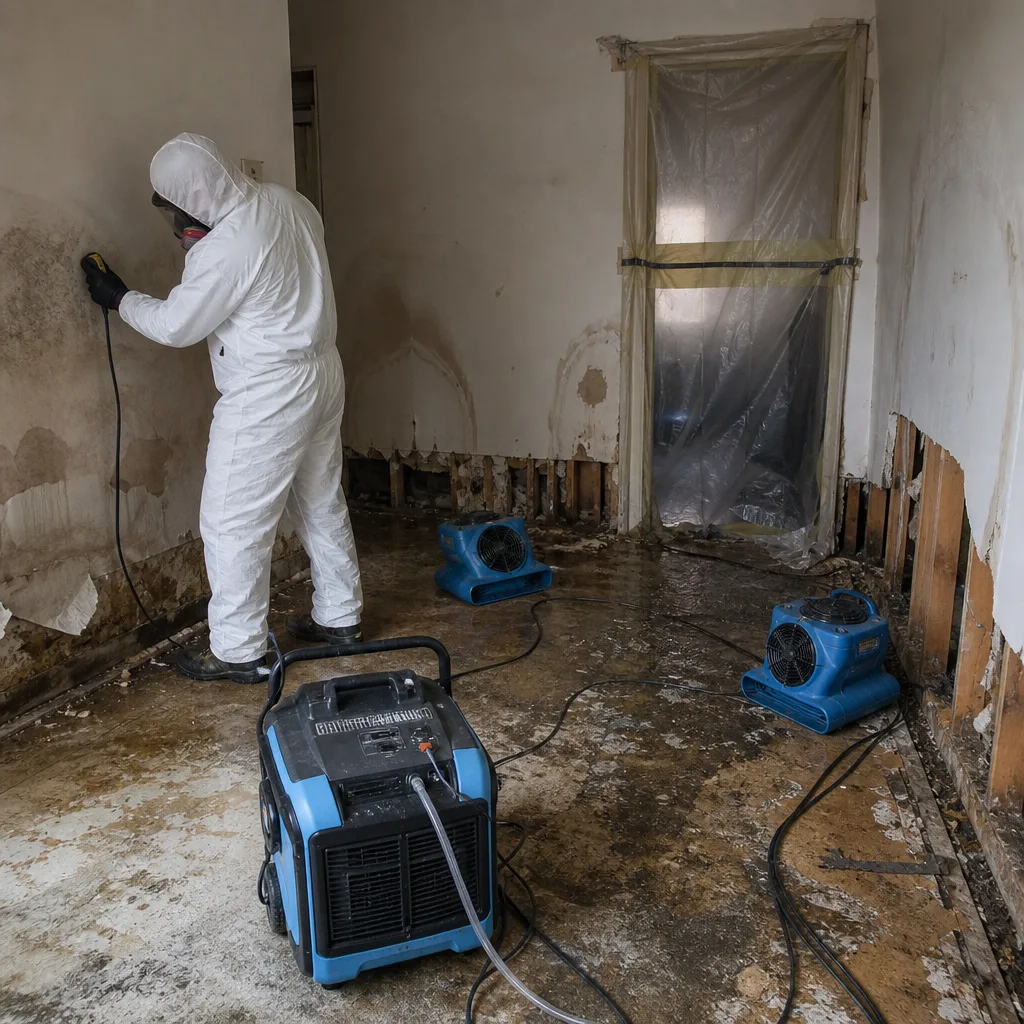 Before
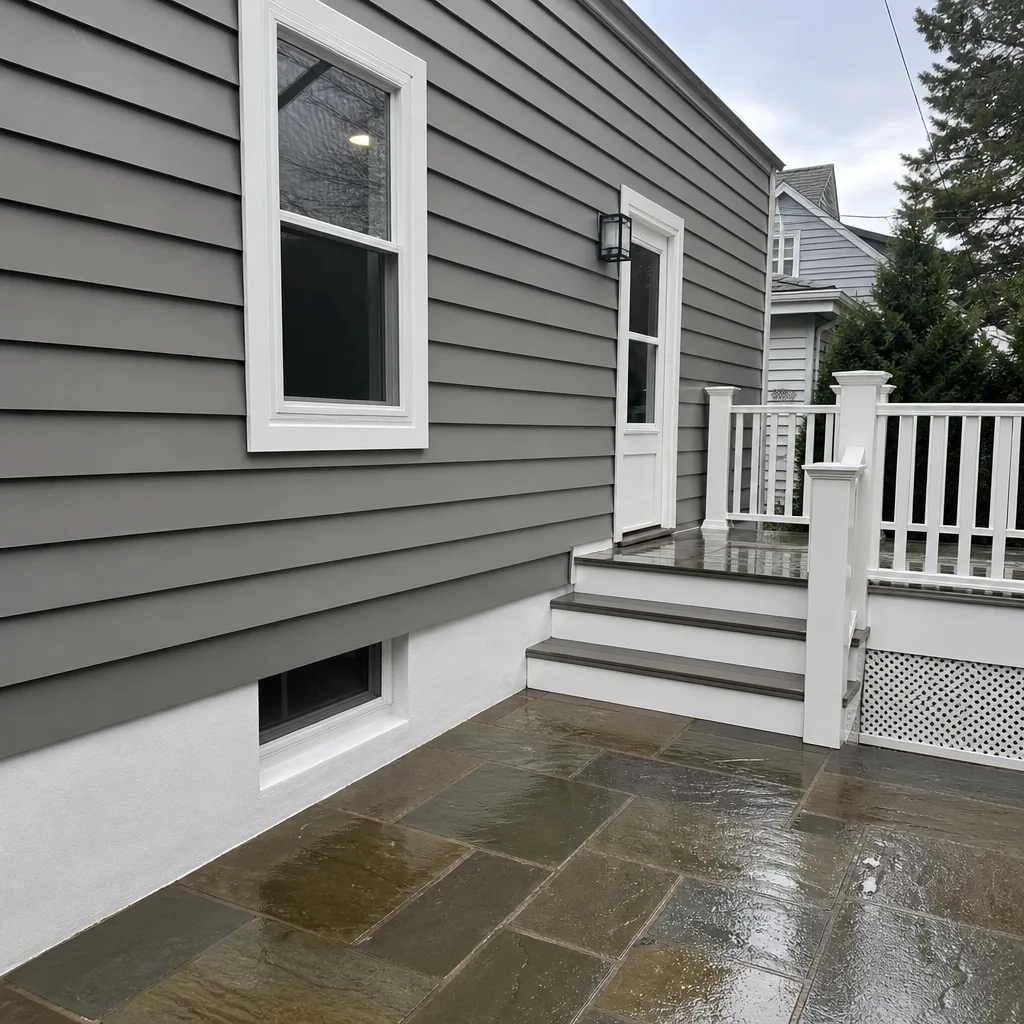 After
After24/7 Emergency Reconstruction & Cleanup in River Edge
When water gets into a 1950s Cape Cod near the Hackensack River, every hour it sits inside the walls makes the reconstruction scope bigger and the bill higher. Our crews answer live at (640) 333-9625 around the clock and can have technicians at your door in River Edge within 45 minutes, ready to start extraction, moisture mapping, and the first cuts into wet drywall. We don’t route you to an answering service. A real dispatcher picks up at two in the morning, confirms your address, and sends a certified crew your way. The first hour matters because water in a finished basement that was already re-wetted by Sandy or Irene starts feeding mold inside 24 to 48 hours, long before the surface looks bad. If you see water, smell damp drywall, or notice buckling baseboards after a storm, call. We’ll do a free visual inspection and tell you straight what needs tearing out and what can be dried in place.
Understanding Reconstruction & Cleanup Severity in River Edge Properties
River Edge homes don’t fail the way houses on higher ground do. The borough sits on the Hackensack River floodplain, and much of it falls inside FEMA Special Flood Hazard Areas, AE zones where standing water from a nor’easter or tropical remnant can linger 48 to 72 hours before receding. That’s a long soak. Category 2 water (grey water from sump overflows or washing machine discharge) and Category 3 water (river water, sewage-tainted floodwater) penetrate finished basements, wick up drywall, and saturate subflooring in ways that Category 1 clean-water pipe breaks never do. We classify every loss before we touch it. A Category 3 event inside a River Edge basement means the lower four feet of drywall usually come out, the framing gets treated and dried to standard, and the rebuild uses materials chosen for the next flood cycle rather than whatever was there before. Moisture mapping with thermal imaging and hygrometer readings tells us where water traveled behind baseboards and under vinyl plank. In these post-war ranches and colonials, water moves through wall cavities fast and hides in places visual inspection misses. That’s why we probe behind finished surfaces before writing any scope. Layered damage histories, a previous remediation that was re-wetted, are common here. We treat every riverside River Edge job as a potential re-wetting, not a one-time event.
Why River Edge Property Owners Choose Floodline Restoration Co.
- 45-minute response commitment: We dispatch from our metro office to River Edge immediately. A crew arrives with extraction equipment on the truck, not just a clipboard.
- 24/7 live answer: You’ll speak to a person, never a recording. At 2 a.m. on a Sunday, a dispatcher answers and a certified crew gets moving.
- IICRC-certified crews: Our technicians hold WRT (Water Damage Restoration Technician) and AMRT (Applied Microbial Remediation Technician) certifications. They’re trained to the standards IICRC and RIA set, and they’re background-checked and uniformed.
- Free visual inspection: Before anything gets torn out, we walk the property with you and tell you what we’re seeing. No charge, no obligation.
- Direct insurance billing: We carry the adjuster conversation. You shouldn’t have to play messenger between your contractor and your carrier. We document everything and bill your insurer directly.
- One team from extraction to reconstruction: The same Floodline crew that extracts the water and dries the structure handles the rebuild. No mid-job handoff to a subcontractor you’ve never met.
Our Reconstruction & Cleanup Process
Inspection & Assessment
We arrive, walk the entire affected area, and classify the water or damage type. Thermal imaging shows us where moisture has traveled inside wall cavities. We check for hidden mold behind previously remediated surfaces, which River Edge’s flood history makes essential.
Extraction & Stabilization
Standing water comes out first. We use truck-mounted and portable extraction units, then stabilize the structure by removing saturated drywall, insulation, and flooring that can’t be saved.
Drying & Dehumidification
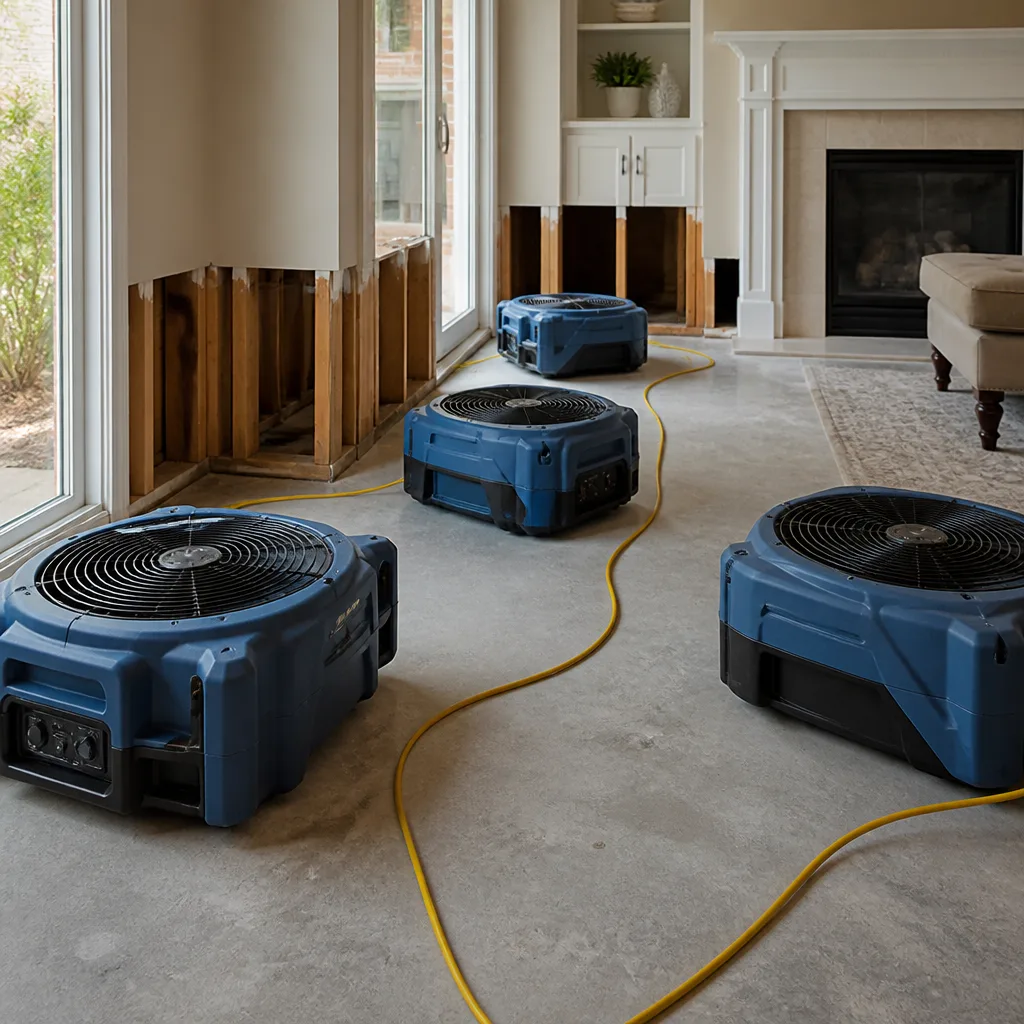
Air movers and dehumidifiers go in. We place Dri-Eaz and Phoenix units based on a moisture map, not guesswork, and we take daily readings until every affected surface hits the dry standard. You get the log.
Cleaning & Sanitization
After drying, we clean and sanitize all affected surfaces. For Category 3 water or mold conditions, this includes HEPA air scrubbing and antimicrobial treatment to established standards.
Flood-Resistant Reconstruction Planning
Before rebuilding, we discuss materials. In River Edge’s AE zones, we recommend closed-cell insulation, pressure-treated base plates, and flooring that can survive the next water event instead of repeating the tear-out cycle.
Repairs & Restoration
We rebuild what came out. Drywall, trim, flooring, paint. The same crew that handed you the drying log now brings the house back to pre-loss condition, and we back it with the 90-Day Done Right Promise in writing.
Need Emergency Reconstruction & Cleanup in River Edge Now?
Crews minutes away, answering live 24 hours a day. The sooner we start, the less it costs.
Working With Your Insurance Company
Most River Edge homeowners carry flood insurance through the NFIP or a private carrier, and most reconstruction claims after a Hackensack River overflow are covered losses. The difference between a smooth claim and a fight is documentation from the first hour. We photograph every room before we move anything. We record moisture readings, drying logs, and a line-item scope of work that matches what your policy actually covers. Our team has spent 42 years in restoration across this region. We’ve sat across the table from every major carrier’s adjusters. We speak their language, and we’re happy to be on the phone with them so you don’t have to be. You’ll get a written scope before work starts. Your adjuster gets the same scope. Everyone works from the same facts.
What We Provide Your Insurer
- Thorough documentation of the loss
- Photos of all damage, room by room
- Moisture readings and drying logs
- A detailed, line-item scope of work
- Direct coordination with your carrier
Built for River Edge’s Loss Calendar
River Edge hears about water four seasons a year. January brings deep freezes that burst supply lines in unheated crawlspaces and garage walls, and those breaks can run for hours before anyone notices. March and April deliver spring thaw and heavy rain, when the Hackensack rises and sump pumps run constantly. Basements in the lower sections near the river start weeping. Summer thunderstorms drop two inches in an hour, overwhelming drainage and pushing water through foundation cracks. Then September and October bring nor’easter season and the remnants of tropical systems, the same pattern that put this borough underwater during Irene in 2011 and Sandy in 2012. Each season has its own signature. The January pipe break is usually a fast, clean-water loss that dries well. The September nor’easter is usually Category 3 floodwater sitting for days. We plan for both, and we know which one a River Edge basement is facing before we walk in the door.
Reconstruction & Cleanup Across River Edge’s Neighborhoods
River Edge is small, barely two square miles, but the flood behavior changes street by street. The blocks nearest the Hackensack River and its back channels, around the lower stretches below Kinderkamack Road, take the worst of the AE-zone flooding. Homes along Bogert Road and the side streets running toward the river sit close enough to the water table that finished basements become recurring losses. We’ve worked ranches off Howland Avenue with basements that have flooded three times in a decade. The housing stock is uniformly post-war: Capes, colonials, and ranches built between the 1940s and 1960s. Those basements were finished as family rooms, playrooms, and utility spaces, and they were not built with flood-resistant materials. Up toward New Milford and Oradell, the elevation rises slightly and the damage pattern shifts from chronic river flooding to storm-driven roof and window leaks. Our crews run the same routes up Kinderkamack, across Midland Avenue, and along the side streets every week. We don’t need a GPS to find the low spots. We already know where water pools.
Specialized Reconstruction & Cleanup Services We Offer in River Edge
Full-Service Reconstruction
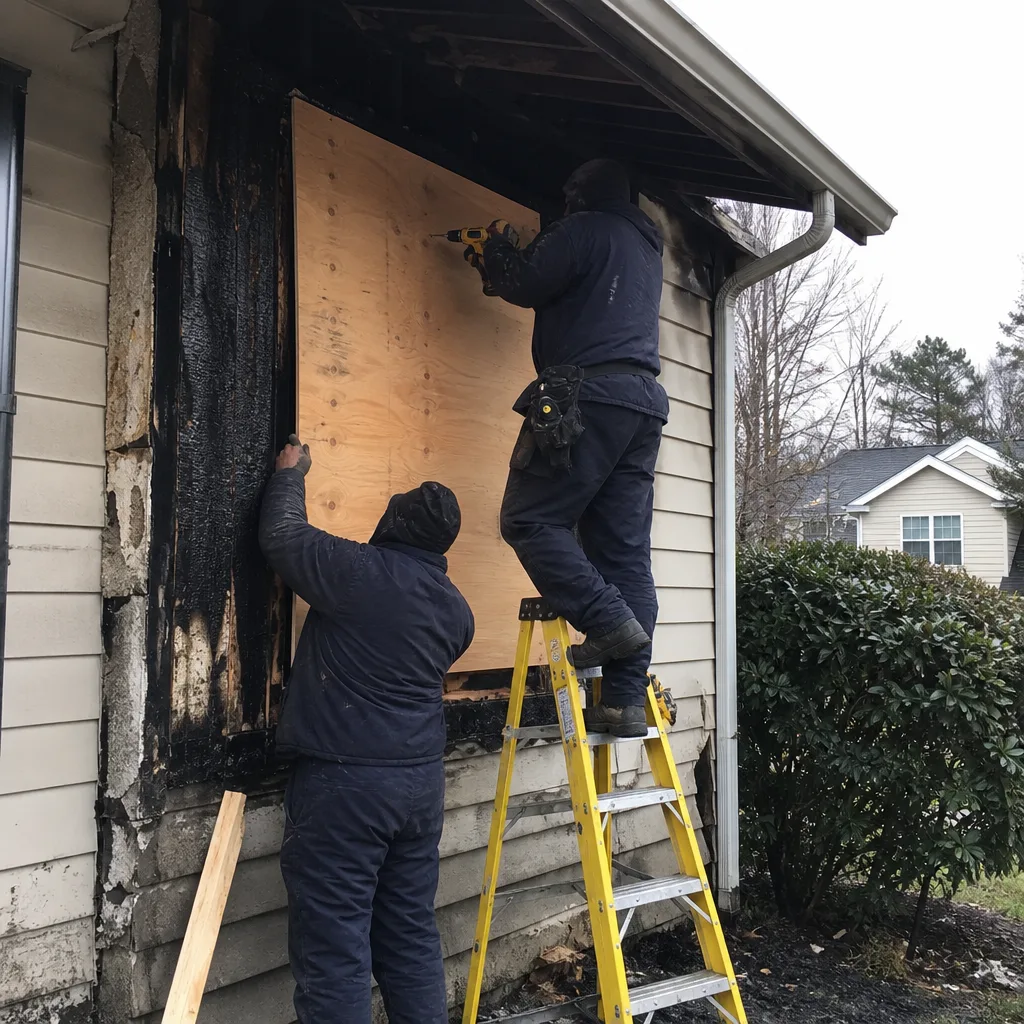
When a River Edge basement has to come down to the studs, we handle the entire rebuild. Framing repair, drywall, trim, paint, flooring, and finish work. We don’t hand you a list of subcontractors and wish you luck. The same crew that pulled the wet drywall out puts the new drywall up, and our Reconstruction & Cleanup team manages the whole scope from first cut to final coat.
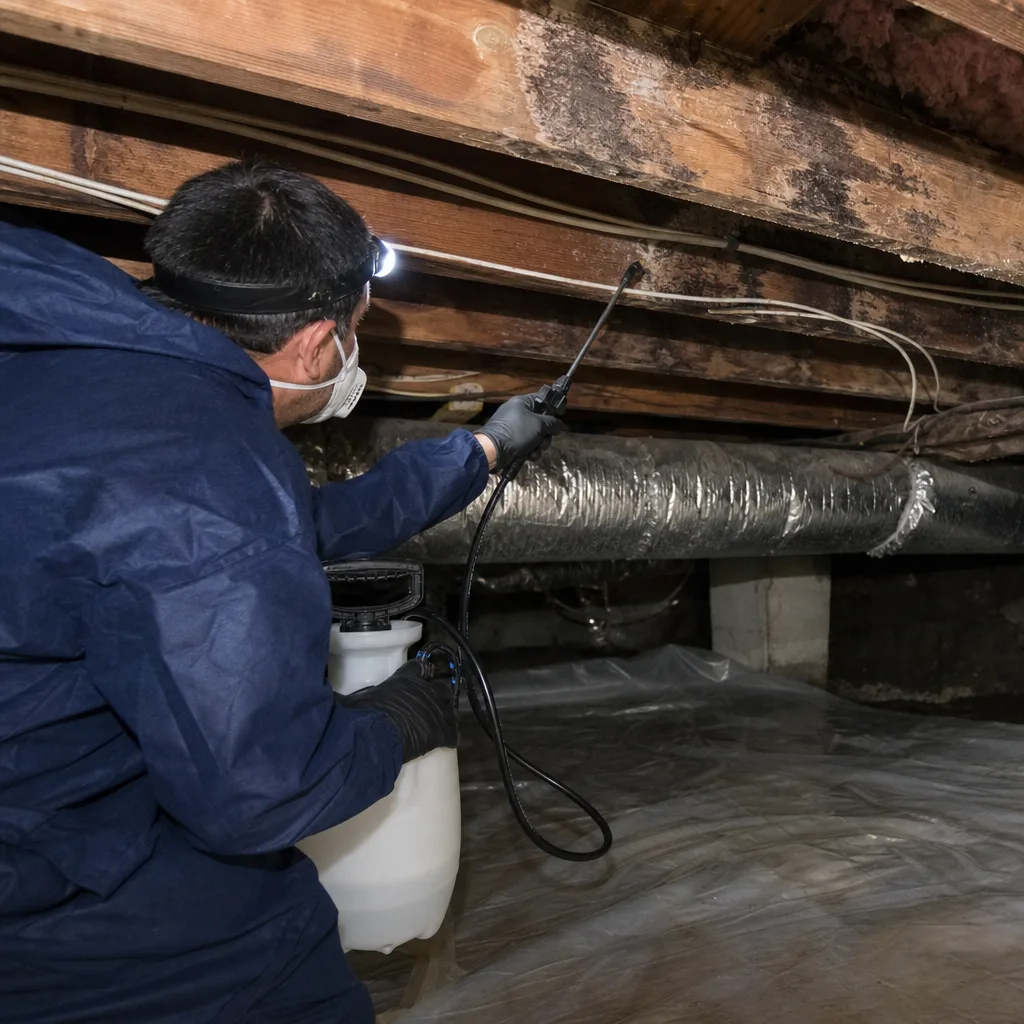
Drywall & Flooring Repair
Floodwater wicks up drywall and destroys the bottom four feet of most River Edge basements. We cut clean lines, treat the framing, and rebuild with materials suited to a flood-prone home. For flooring, we replace saturated carpet, pad, engineered wood, and vinyl plank. We’ll talk you through what holds up better the next time the river rises.
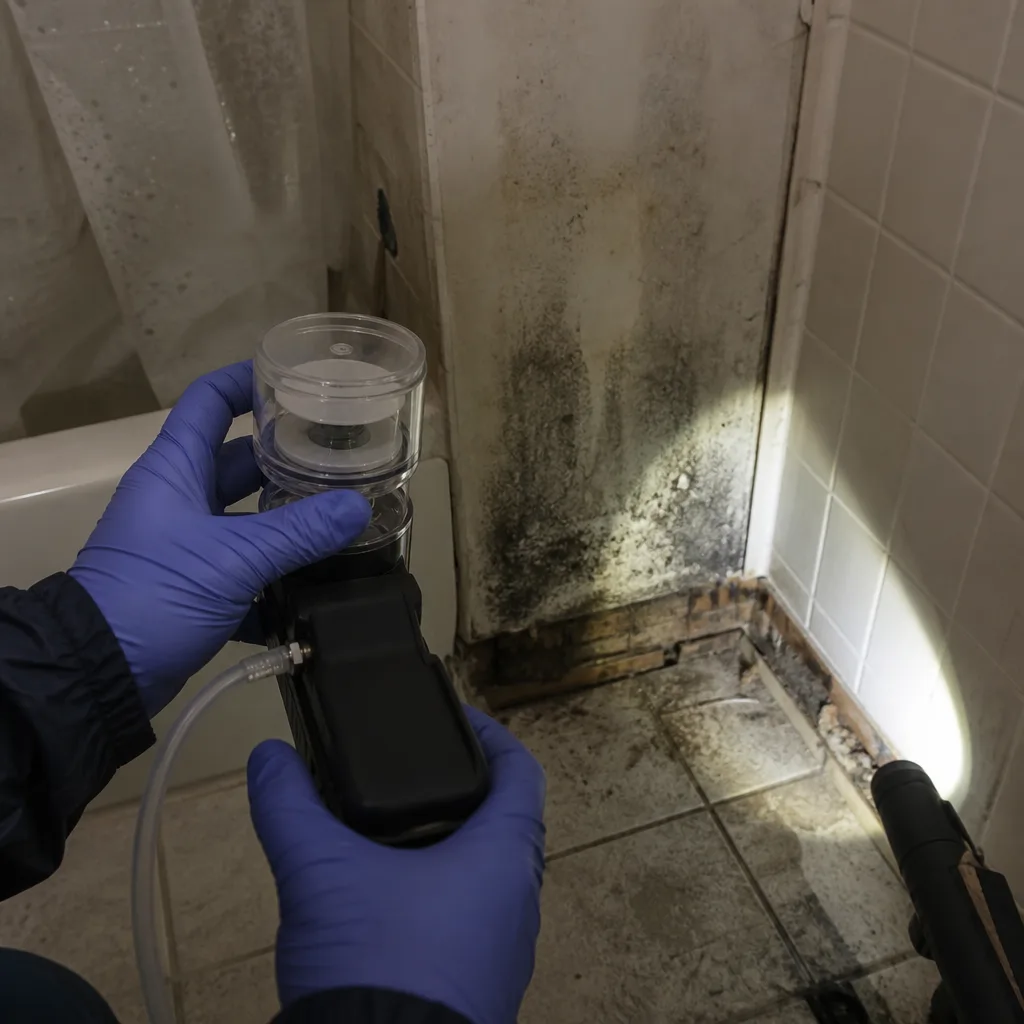
Contents Restoration & Pack-Out
Furniture, clothing, files, tools. We pack out what can be saved, inventory it, clean it, and store it until your home is ready. Items that can’t be cleaned get documented for your claim. You’ll know exactly what left the house and exactly what comes back.
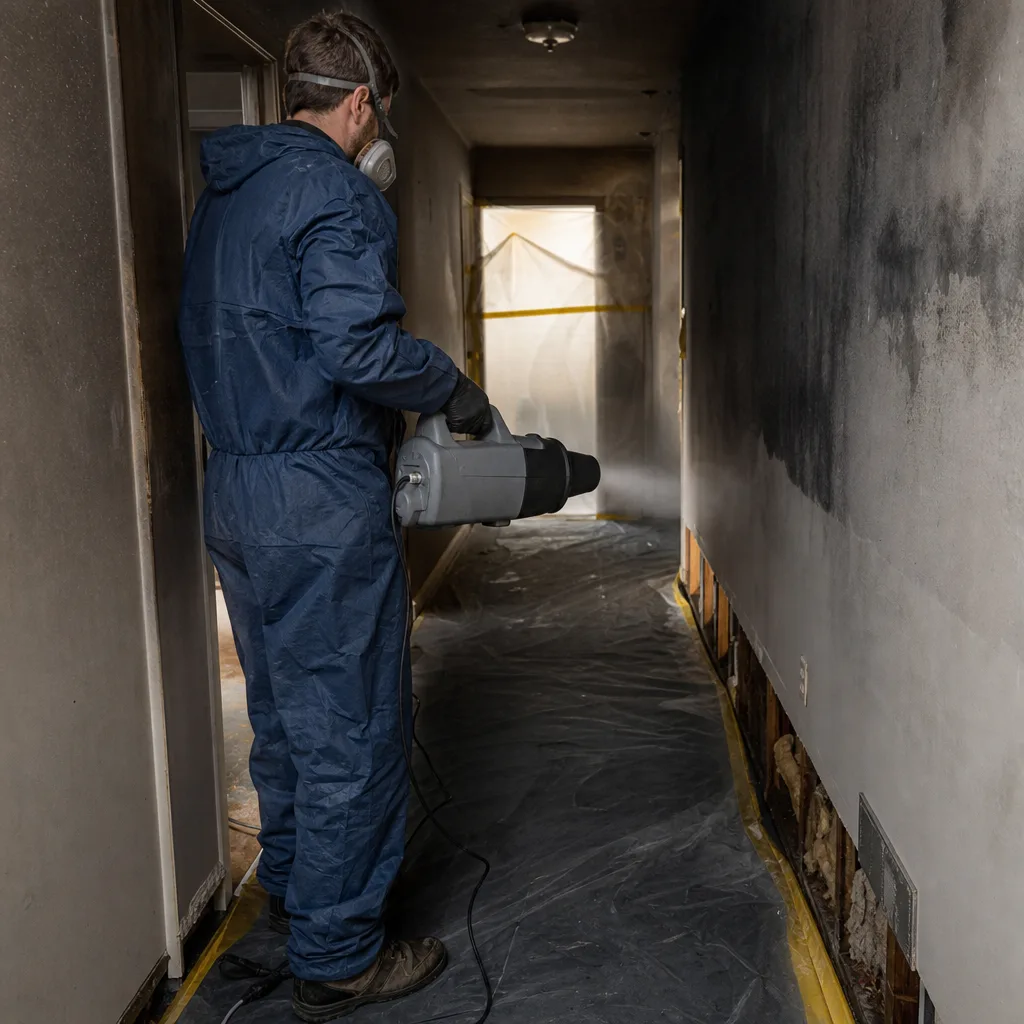
Carpet & Upholstery Cleaning
Not every loss requires a full tear-out. After a clean-water event or minor seepage, professional extraction and deep cleaning can save carpet and upholstered furniture. We assess honestly. If it can be saved, we save it. If it’s a health risk, we tell you that too.
Post-Construction Cleanup
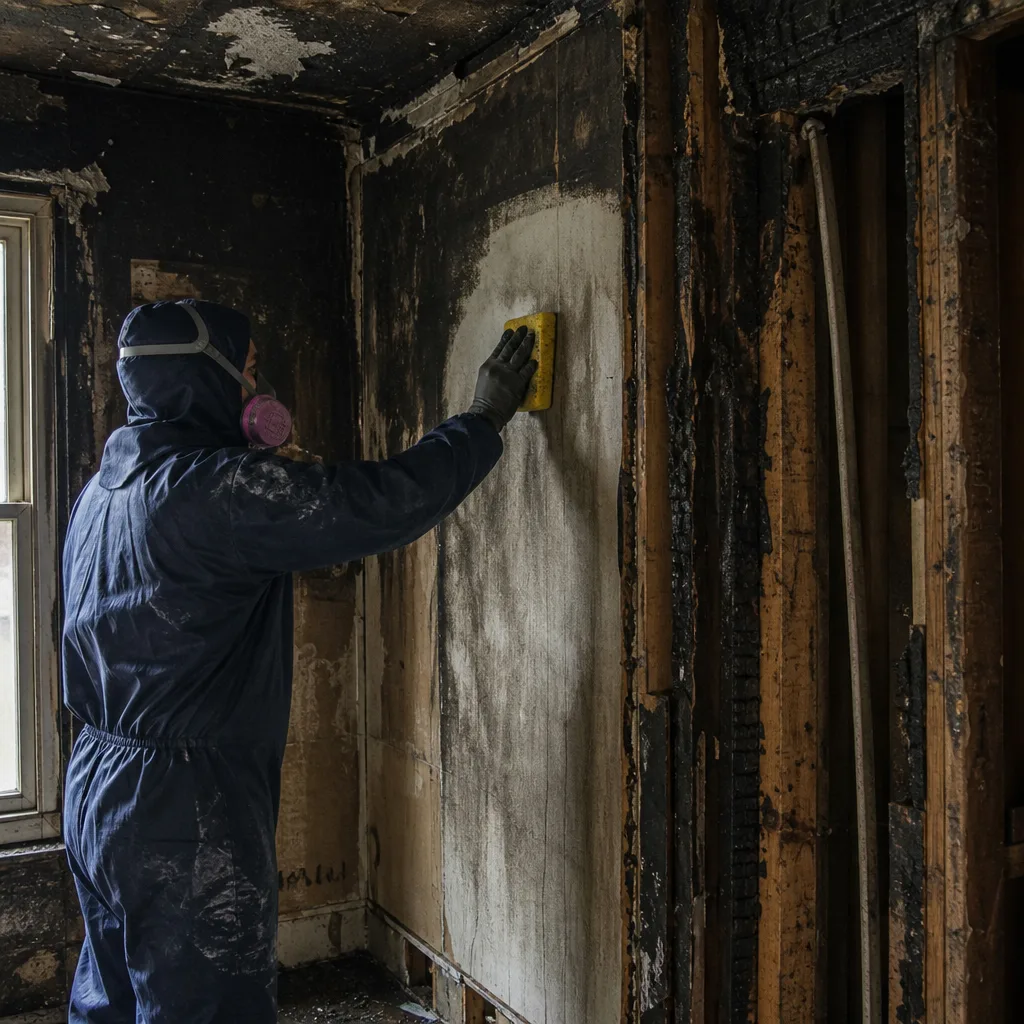
Rebuilds generate dust, debris, and residue that settle into every corner of a house. We clean the entire affected area before you move back in, including air duct cleaning when the scope calls for it. Your home should be ready to live in the day we leave.
What happens when you call
- 1
A real person answersNo phone trees - you reach a local pro.
- 2
You get an upfront price rangeHonest numbers before anyone is dispatched.
- 3
A background-checked tech heads outLicensed & insured, dispatched right away.
- 4
You approve before work beginsNothing starts until you say go.
Reconstruction & Cleanup Costs in River Edge, NJ
Reconstruction pricing in River Edge runs higher than inland Bergen County towns because the floodplain complicates the work. A simple Category 1 pipe-break dry-out and drywall patch in a River Edge basement typically runs $2,500 to $5,000. A Category 3 flood event requiring full basement tear-out, structural drying, mold remediation, and rebuild usually lands between $12,000 and $35,000 depending on square footage and how far the water traveled. Contents pack-out and cleaning add $1,500 to $6,000. Insurance coverage depends on your policy. FEMA flood insurance covers flood-related reconstruction but not every pipe break. A standard homeowner’s policy covers busted pipes and storm-driven roof leaks but not river flooding. That’s the gap that surprises people. We’ll walk you through what your specific policy covers during the free inspection, and we’ll build a scope that matches your actual coverage. You’ll know the number before we start. No surprises on the bill.
We Also Serve Cities Near River Edge
Floodline Restoration Co. runs crews throughout Bergen County. Our River Edge coverage extends to New Milford, Oradell, Paramus, and Maywood. If you’re in one of those towns and need reconstruction or cleanup after a water event, the same live dispatch line at (640) 333-9625 gets you the same 45-minute response commitment.
River Edge Reconstruction & Cleanup Questions, Answered
How does River Edge’s floodplain location change what gets torn out versus dried after a Category 2 or 3 water event?
In AE-zone homes near the Hackensack, Category 3 floodwater touching drywall means that drywall comes out. No exceptions. The water has been on the ground and in the river, and it carries contaminants that drying can’t remove. In River Edge specifically, we also check behind surfaces that look dry, because prior remediation work may have left hidden moisture that the current event re-activated. Call (640) 333-9625 for a free inspection and we’ll tell you what needs to go.
Do River Edge homes rebuilt after Irene and Sandy need different drywall or flooring than a standard repair?
They should. Standard drywall and carpet don’t survive repeated soaking. We recommend flood-resistant materials: closed-cell spray foam insulation, pressure-treated base plates, tile or sealed concrete flooring, and greenboard or cement board in lower wall sections. It costs a bit more up front and saves you a full tear-out the next time the river rises.
What local permit expectations apply to wind-rated door reinforcement in River Edge?
River Edge follows New Jersey’s adoption of the International Building Code, which requires wind-rated exterior doors when you’re replacing entry systems. If a nor’easter damaged your door or frame, the permit path runs through the borough building department, and we handle that paperwork. The important thing is doing the reinforcement correctly before the next storm, not after it.
Why do restoration scopes in River Edge often include extended containment and drying logs beyond the initial extraction?
Because the floodwater here sits longer. Standing water for 48 to 72 hours means moisture has penetrated framing, subflooring, and wall cavities. We set up containment to prevent mold spores from spreading during demolition, run air movers and dehumidifiers for as long as the moisture readings require, and document daily readings until every affected surface hits the dry standard. You get the log. Your insurer gets the log.
Can hidden mold inside River Edge walls survive a previous visual ‘clear’ inspection after flooding?
Yes. We see it on a regular basis. A wall can look clean and still hide mold behind the drywall if it was closed up before the framing fully dried. That’s why our crews probe and test behind finished surfaces before writing any scope on a riverside River Edge home. A visual check alone isn’t enough.
How fast can a crew actually get to my River Edge house?
Within 45 minutes in most cases. We dispatch from our metro office and we have crews working across Bergen County every day. The call goes to a live dispatcher, not a voicemail. Call (640) 333-9625 and a certified crew starts moving toward your address immediately.
Will my insurance cover reconstruction after a Hackensack River flood?
If you have flood insurance through the NFIP or a private carrier, yes, the flood-related reconstruction is generally covered. A standard homeowner’s policy does not cover river flooding. We’ll review your policy with you during the free inspection and document everything your specific coverage requires.
What should I do in the first 30 minutes after I find water in my River Edge basement?
Call us. Turn off the power to the affected area if you can do so safely, and don’t wade through standing water if it may be in contact with electrical outlets or appliances. Don’t try to extract it yourself. The first call you make should be to (640) 333-9625. We’ll walk you through the immediate steps and get a crew moving toward you.
Serving River Edge, NJ - Our Local Coverage Area
We’re based in the River Edge area and know this community well. Use the map below to see our service coverage - if you’re nearby, we can almost certainly help.
Ready to Start? Call River Edge’s Local Reconstruction Crew
We’ve worked this borough’s flood cycle for years. We know the low streets, the repeat-flood basements, and the houses that were rebuilt once before and need rebuilding again the right way. The line the water left is where we start. Call (640) 333-9625 now for a free visual inspection and a written scope before any work begins. We answer live, 24 hours a day, and we’ll be there when we say.
Written by Curt Bowman, Owner at Floodline Restoration Co., serving River Edge and Bergen County with reconstruction and cleanup since 2010.