
Free visual inspection and a written scope of work before any mitigation begins - photos, moisture readings, and drying logs go in your claim file
The scope we write is the scope we bill. Anything new gets shown to you, in writing, before we touch it.
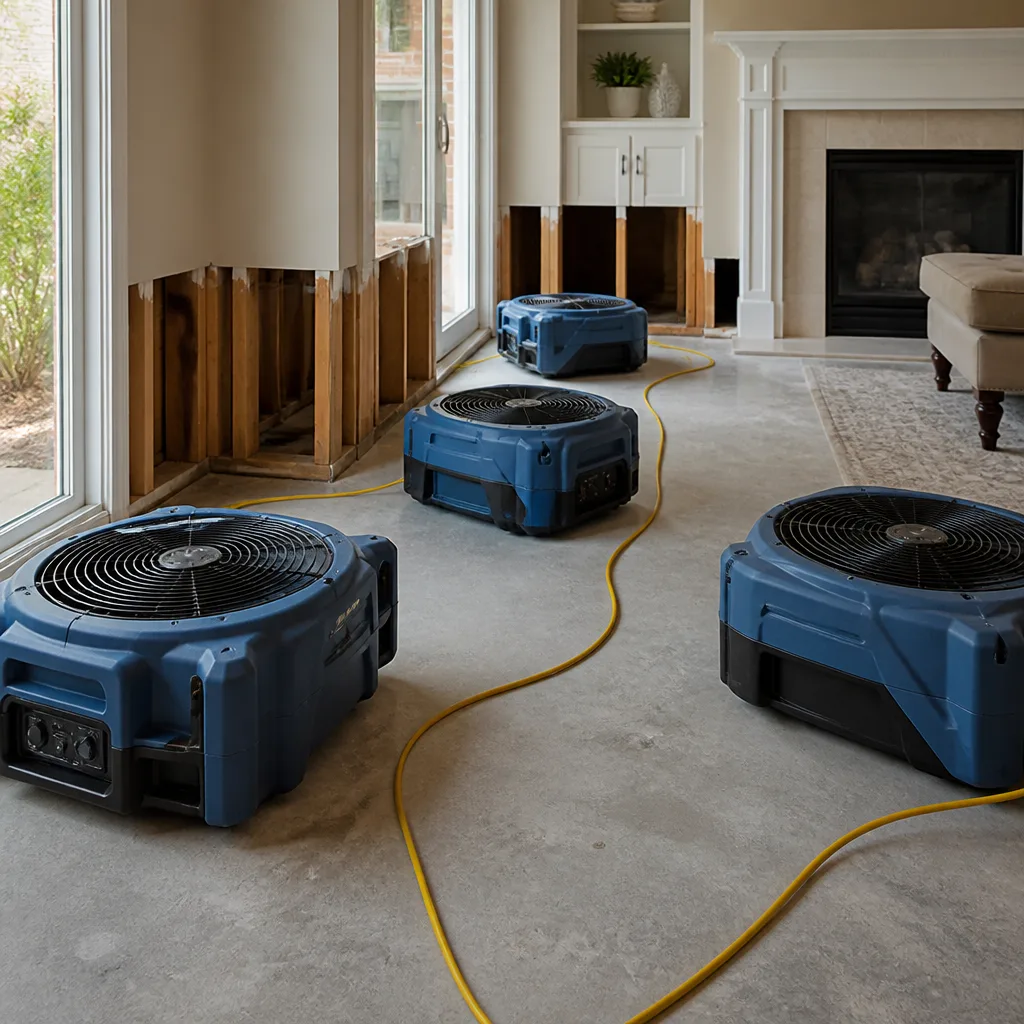
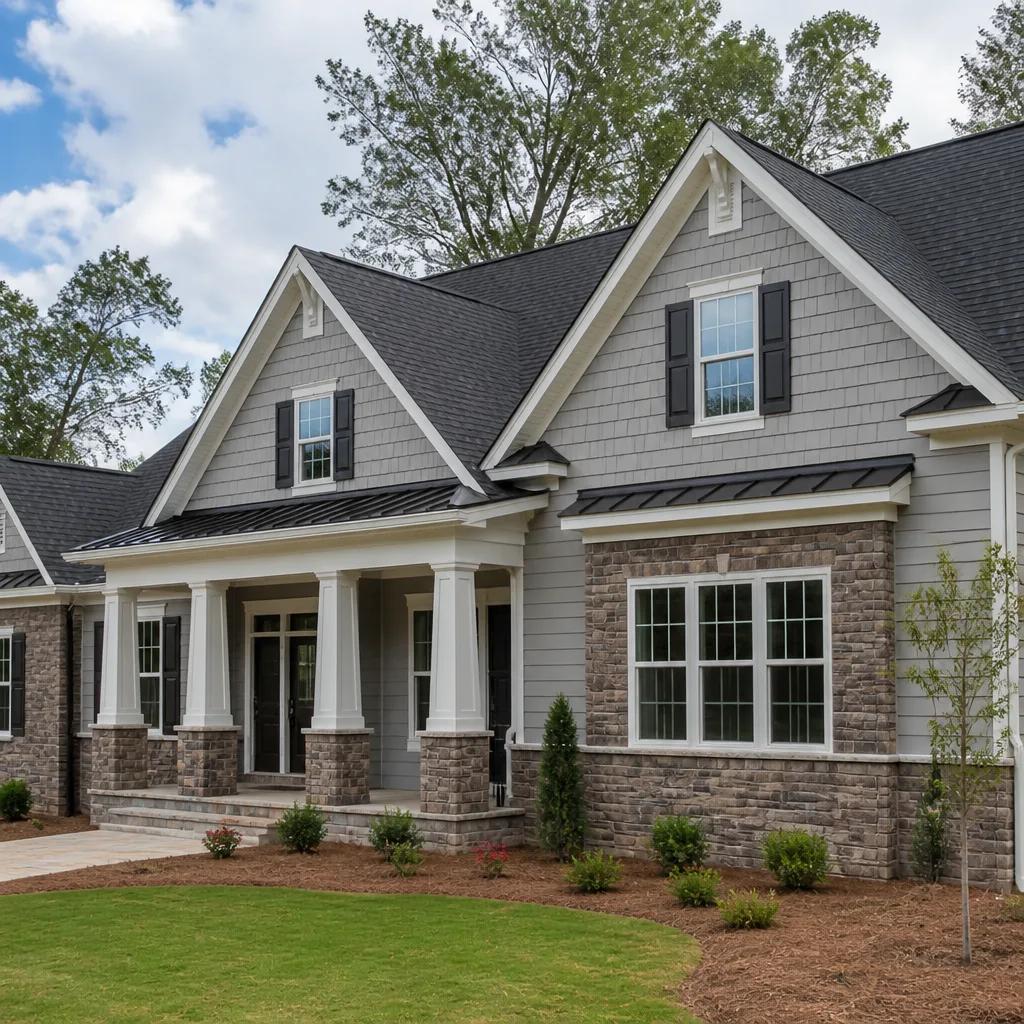
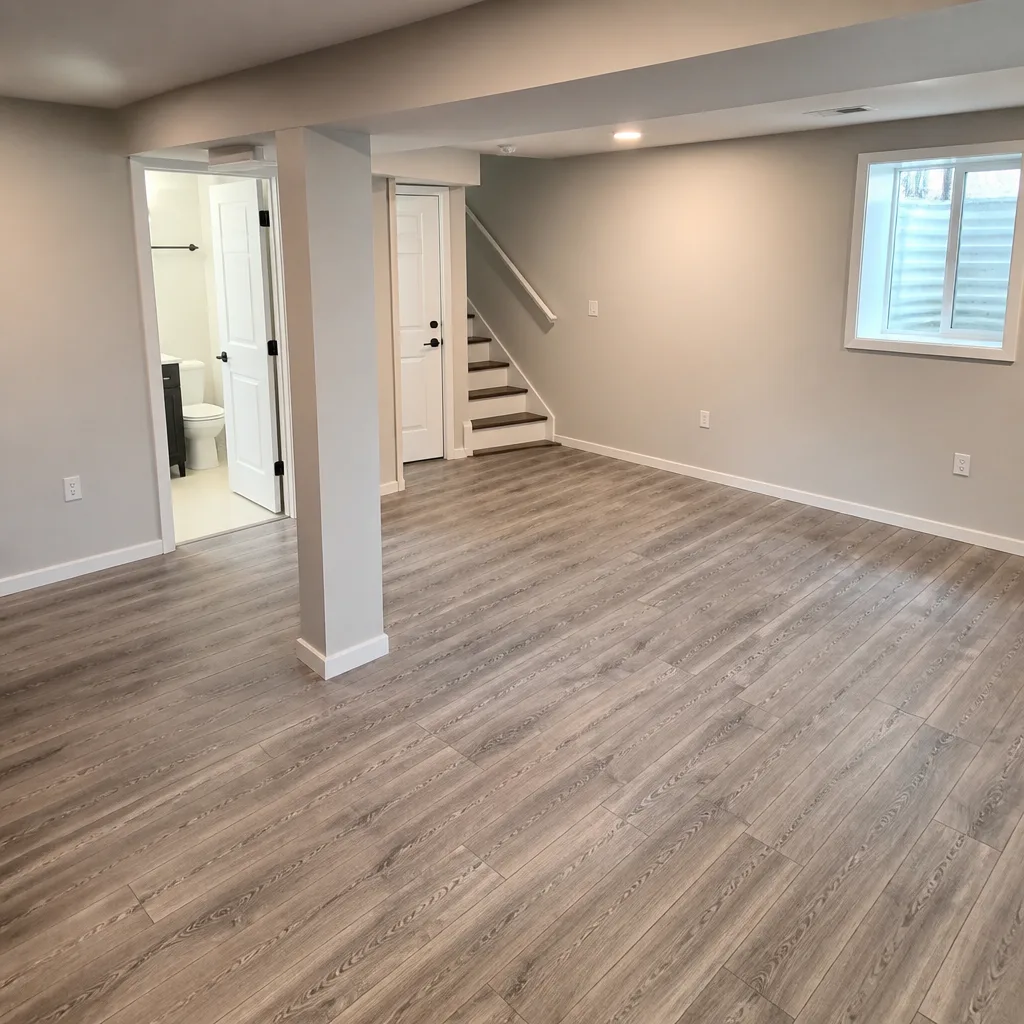
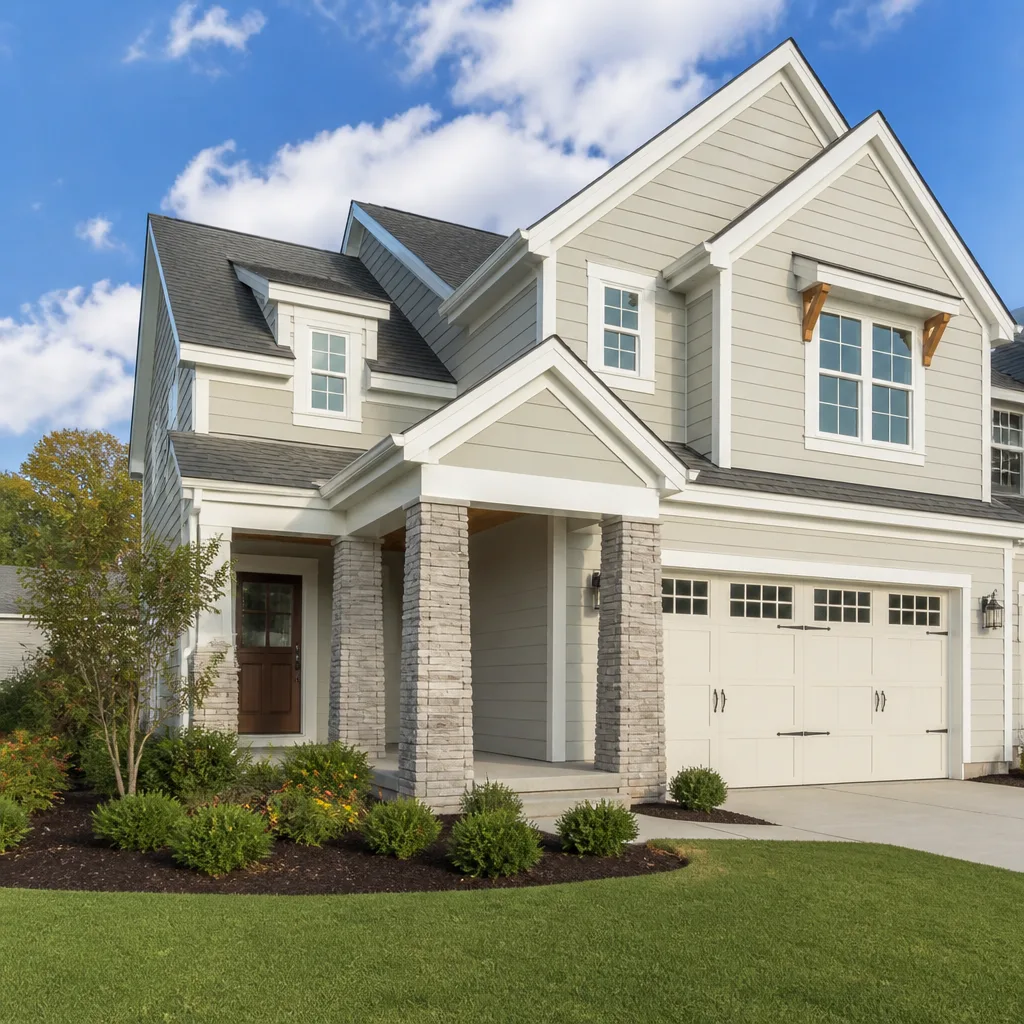
 Before
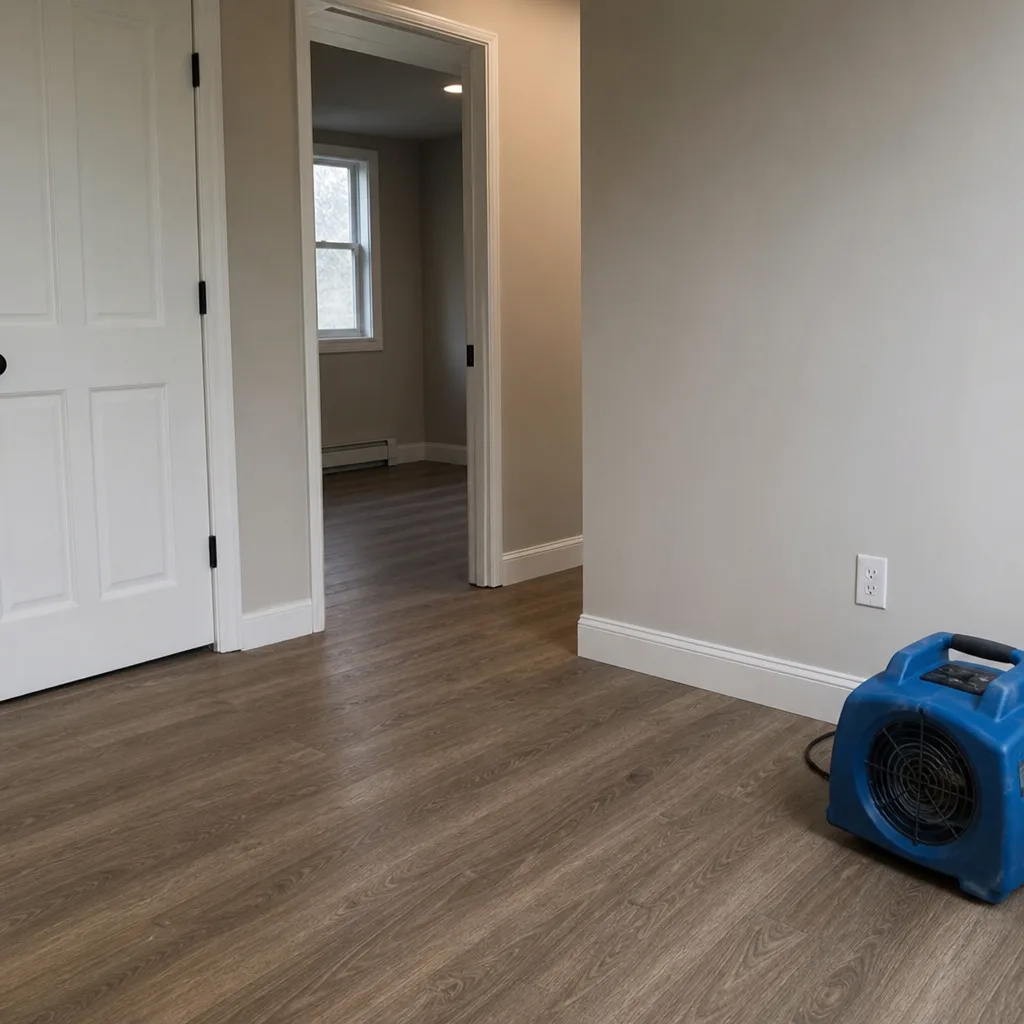 After
After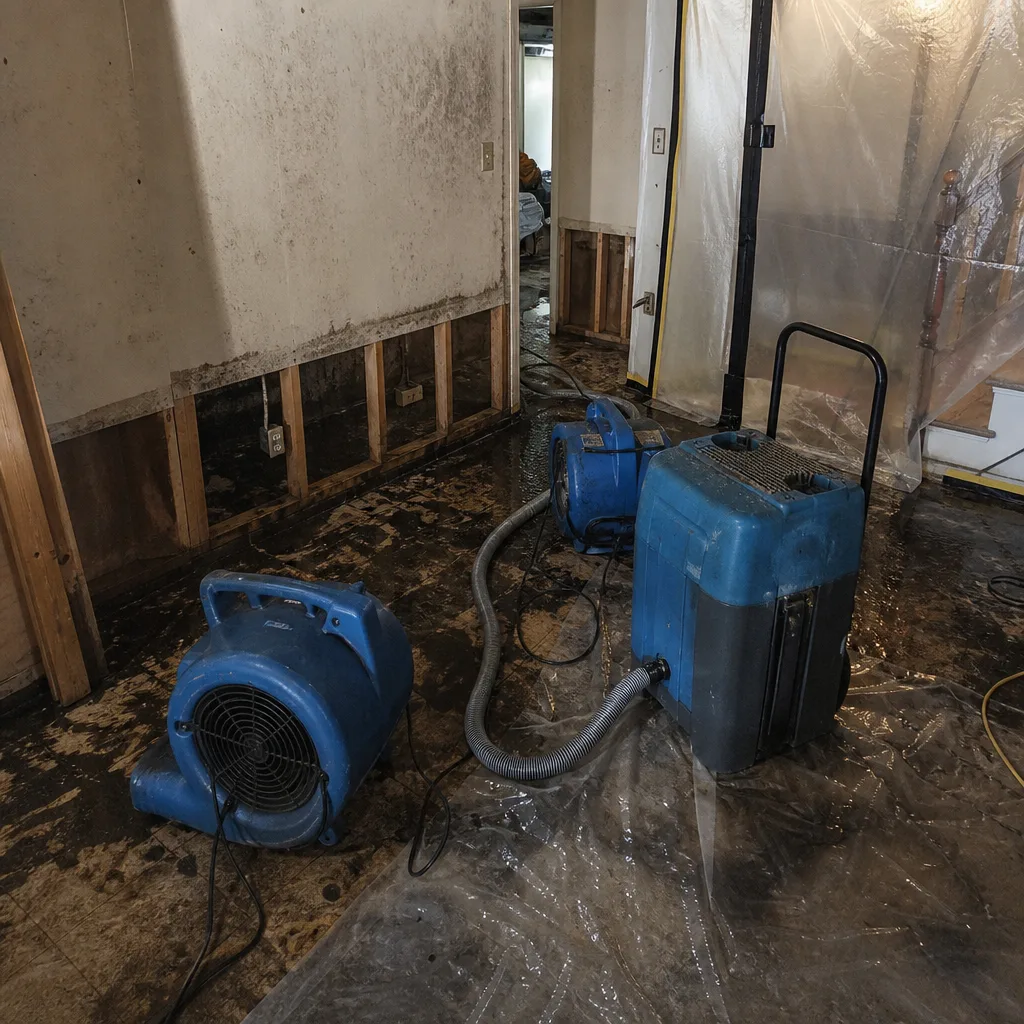 Before
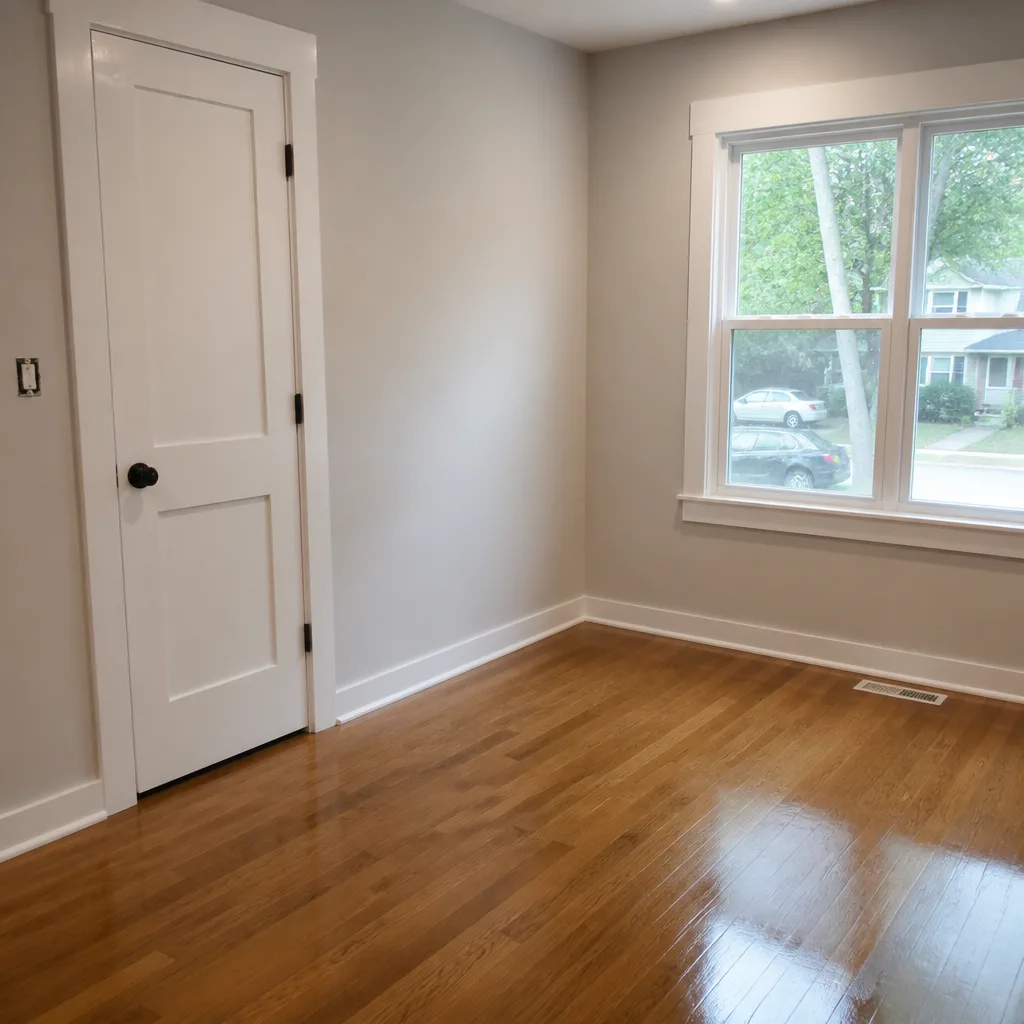 After
After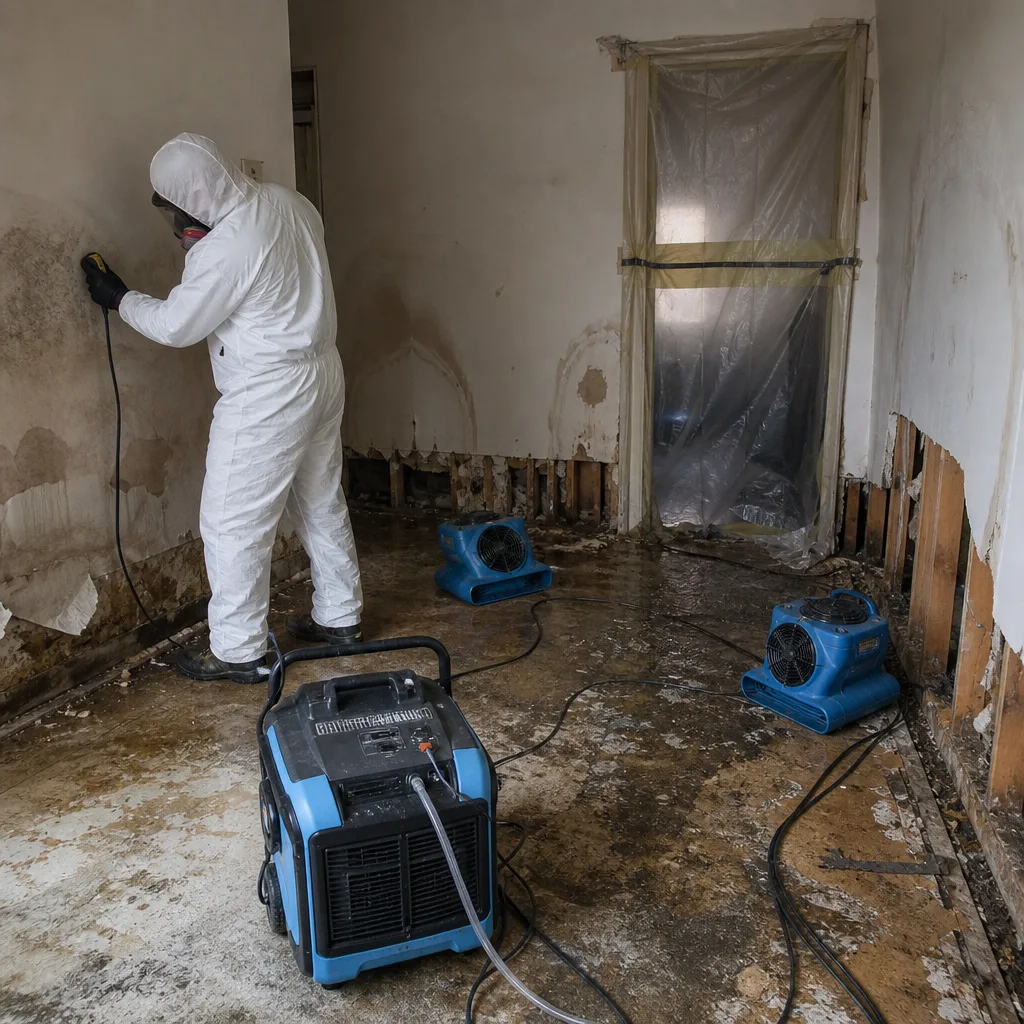 Before
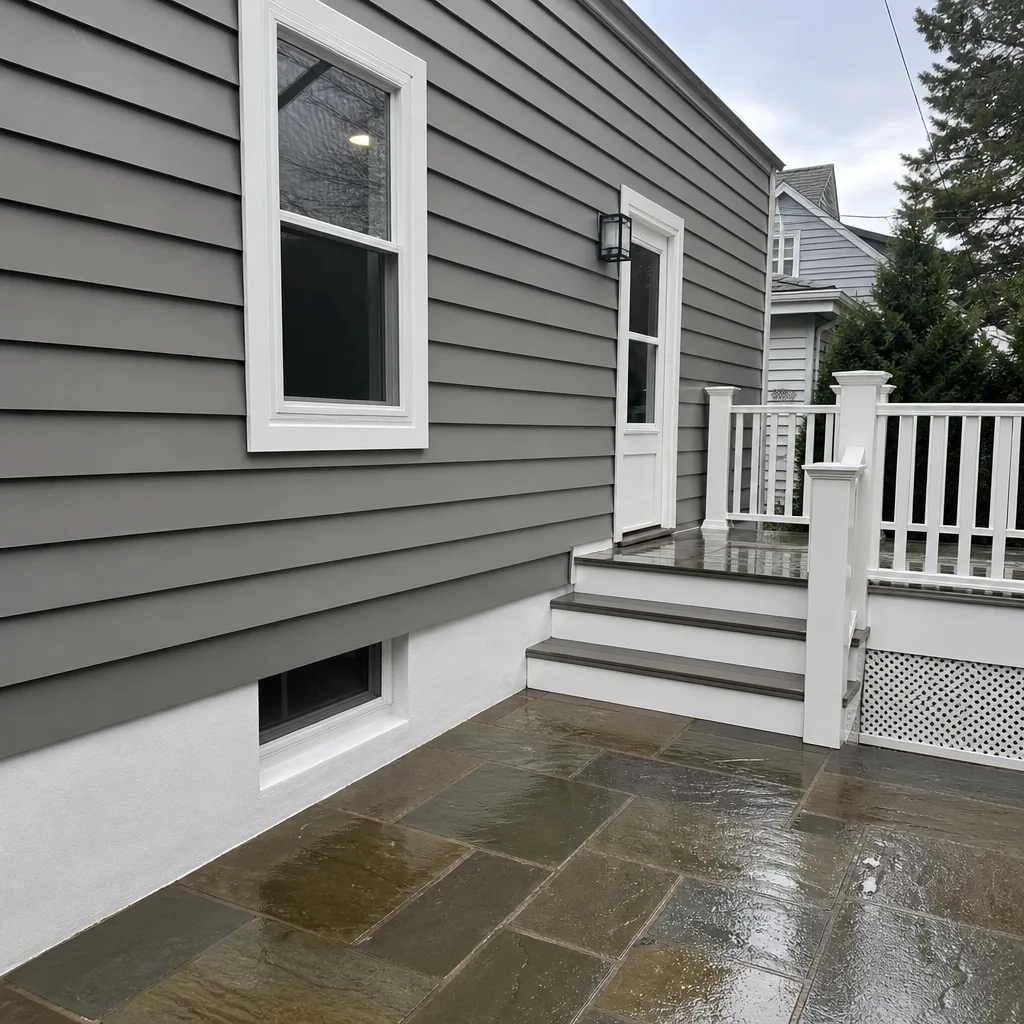 After
After24/7 Emergency Reconstruction & Cleanup in Maywood
A burst supply line or sewer backup in a 1930s Maywood colonial doesn’t wait for business hours, and neither do we. Floodline Restoration Co. answers the phone with a live dispatcher at 2 a.m., not a recording, and our crews are inside the Maywood area with extraction running the same visit. Call (640) 333-9625 for a free visual inspection, day or night. The first hour after a water or fire loss is when the damage is cheapest to contain, and in Maywood’s older balloon-frame houses, water travels fast through open wall cavities. That first call buys you a documented scope, a moisture map, and a plan, not just a promise.
Understanding Reconstruction & Cleanup Severity in Maywood Properties
Maywood’s housing stock, built primarily between the 1920s and 1950s, reacts to water and fire differently than newer construction. Those two-story colonials, Cape Cods, and small bungalows on tight lots were framed before modern fire-blocking became standard. Balloon-frame walls run uninterrupted from sill to attic, meaning a Category 2 water loss in the basement can wick upward through stud bays in a matter of hours, saturating plaster, lathe, and insulation two floors up. Add in knob-and-tube wiring, asbestos pipe insulation, and floor tiles common to that vintage, and a “simple” flood cut becomes a controlled demolition with environmental and electrical considerations.
We classify water damage by category: Category 1 is clean supply-line water; Category 2 carries contaminants from washing machines, dishwashers, or sump failures; Category 3 is sewage or outside flood water. Maywood’s position in the Saddle River watershed means lower-lying properties along the borough’s flat, developed streets routinely see Category 2 and 3 basement intrusion during nor’easters and heavy rain. We moisture-map every affected surface and log daily readings on Dri-Eaz and Phoenix equipment until the dry standard is met, not estimated. For fire losses, Maywood’s tight lot lines mean smoke migrates into neighboring wall cavities and attics through shared soffits and common walls, so soot residue types drive the cleaning chemistry, not guesswork.
Why Maywood Property Owners Choose Floodline Restoration Co.
- 45-minute response commitment: A live dispatcher confirms a crew dispatch while you’re still on the phone, and we hit Maywood streets within 45 minutes of your call.
- 24/7 live answer, always: No phone tree. No “leave a message.” A person answers at 2 a.m. the same way they answer at noon, because water and fire don’t keep office hours.
- IICRC-certified crews: Our technicians hold WRT, FSRT, and AMRT certifications from the IICRC and train to RIA and IFA standards. Background-checked and uniformed, every time.
- Free visual inspection: Before anyone touches a wall, you get a written scope of what we found, what it will take, and what it will cost. No obligation.
- Direct insurance billing: We bill your carrier directly and handle adjuster communication, so you’re not the messenger between two parties who speak different languages.
- One team, start to finish: The same Floodline Restoration Co. crew that extracts and dries also rebuilds, so no mid-job handoff to an unfamiliar subcontractor.
Our Reconstruction & Cleanup Process
Inspection & Assessment
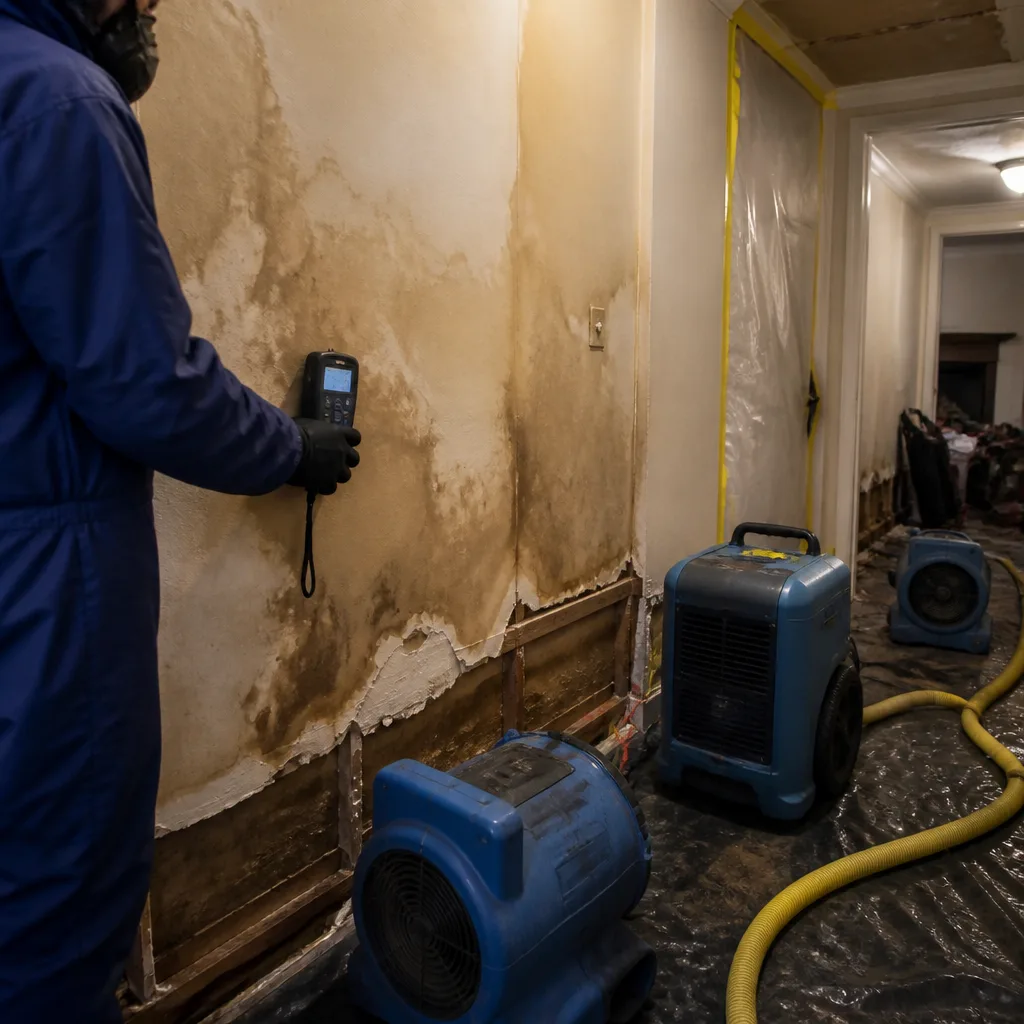
We start with thermal imaging and hygrometer readings across every affected surface, then map the moisture in wall cavities, ceilings, and under flooring. The written scope you receive includes photos and a line-item plan, not a verbal estimate you have to trust.
Extraction & Stabilization
Professional-grade extraction removes standing water immediately, then we stabilize the structure. In a Maywood basement on the older core streets, that step includes checking what the water soaked into, because original framing and legacy sheathing hold moisture longer than modern materials.
Drying & Dehumidification
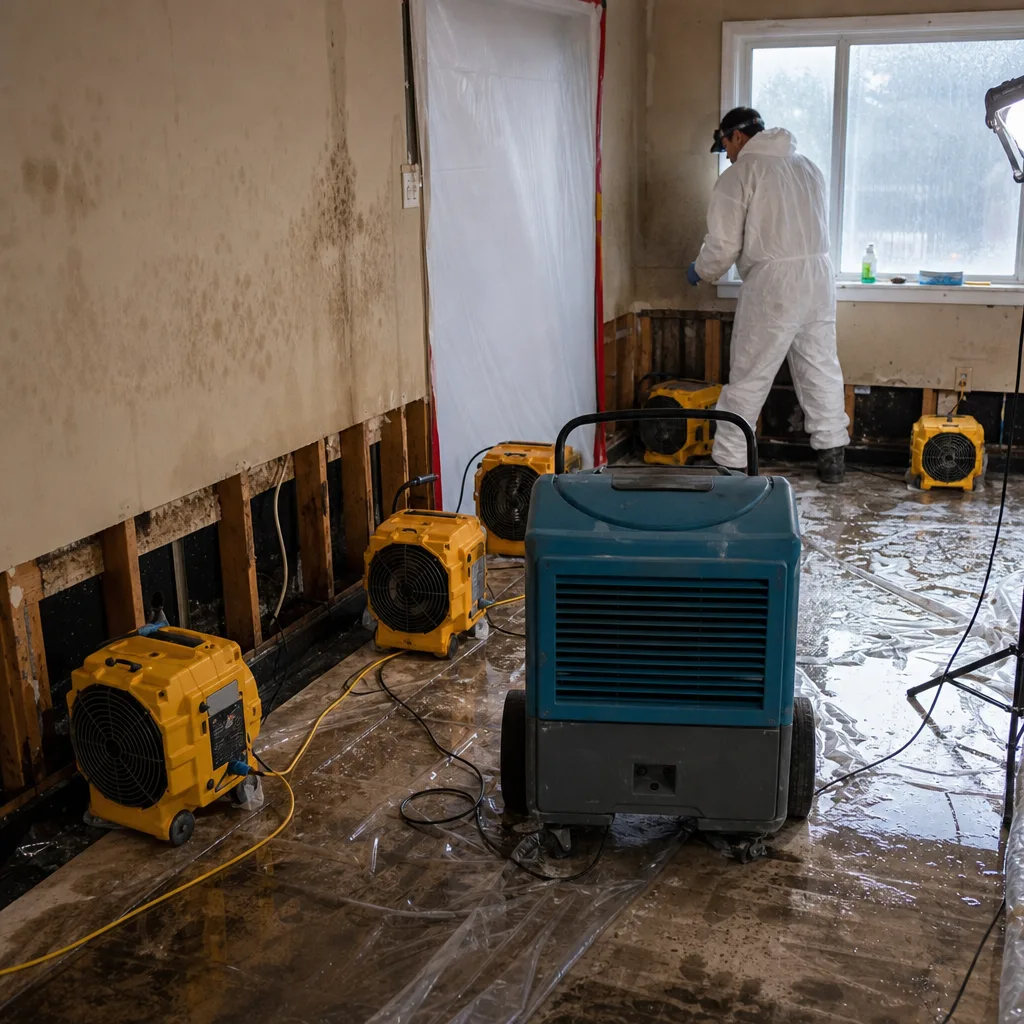
High-velocity air movers and low-grain refrigerant dehumidifiers run around the clock, but on balloon-frame cavities, we don’t rely on air movement alone. We cut access holes where moisture mapping shows trapped pockets, and we document daily readings until the dry standard is met.
Cleaning & Sanitization
HEPA air scrubbers run during the entire cleaning phase to capture airborne particulates, and we apply EPA-registered antimicrobials to affected framing and surfaces. Contents are documented, packed out if needed, and cleaned or restored off-site.
Specialty Treatment for Maywood’s Older Homes
Before anything gets rebuilt, we document pre-existing conditions: knob-and-tube wiring, asbestos-containing materials, old plumbing. This documentation protects your insurance claim and ensures the reconstruction scope is accurate, not guessed.
Repairs & Restoration
Our reconstruction team handles drywall, flooring, electrical, plumbing, and finish work. The same certified crew that read the moisture map on day one rebuilds what needs rebuilding, and hands you a moisture log and the 90-Day Done Right Promise in writing.
Need Emergency Reconstruction & Cleanup in Maywood Now?
Crews minutes away, answering live 24 hours a day. The sooner we start, the less it costs.
Working With Your Insurance Company
Insurance claims on Maywood homes stall most often when the scope of work wasn’t documented before demolition started. We fix that problem before it exists. From the first hour on site, we photograph every affected surface, log every moisture reading, and write a line-item scope that uses the same estimating language your carrier recognizes. Our team communicates directly with your adjuster, so when the adjuster asks why a 1940s plaster wall needs full removal instead of a patch, we have the moisture data to answer. When the adjuster disputes whether knob-and-tube wiring was pre-existing, we have the pre-loss condition documented. You don’t play messenger, and you don’t get caught between two parties arguing about scope.
What We Provide Your Insurer
- Thorough documentation of the loss
- Photos of all damage, room by room
- Moisture readings and drying logs
- A detailed, line-item scope of work
- Direct coordination with your carrier
Built for Maywood’s Loss Calendar
Maywood’s damage calendar tracks the seasons, and after 42 years in this business, we know what’s coming before it arrives. January brings deep freezes that burst supply lines in uninsulated crawlspaces and exterior walls, and those lines leak into original plaster and lathe for hours before anyone notices. Spring thaw and heavy March nor’easters drive groundwater into the borough’s many full basements, overwhelming sump systems and leaving standing water against 80-year-old foundation walls. Summer thunderstorms hit fast and hard, and Maywood’s flat, developed topography gives rainwater nowhere to go except into basements and window wells. Fall and early winter bring the second round of nor’easters, plus aging heating systems that fail on the first cold night. Each season produces a specific damage pattern in Maywood homes, and our crews are equipped and trained for all of them, with the same professional-grade Dri-Eaz, Phoenix, XPOWER, B-Air, and Injectidry equipment on every truck.
Reconstruction & Cleanup Across Maywood’s Neighborhoods
Response routes in Maywood follow the borough’s tight street grid, and the building stock shifts block by block. Around Spring Valley Road and the older core streets near Maywood Avenue, you’ll find the densest concentration of 1920s and 1930s colonials and bungalows, the homes where balloon framing and knob-and-tube wiring are most common. On the streets east of Maywood Avenue toward the Saddle Brook line, Cape Cods from the 1940s and 1950s dominate, many with the small full basements that flood first in heavy rain. The blocks near the former Maywood Chemical Works site and along the south end of the borough carry the added layer of FUSRAP soil history, which matters if excavation is part of the reconstruction. Near the Elmwood Park border, split-levels and ranches from the 1960s bring a different set of materials and framing, but the same water intrusion patterns on the lower levels.
Each of these neighborhoods responds differently to fire and water. A balloon-frame colonial near the older core streets will channel a basement leak upward through open stud bays in a way a 1960s ranch won’t. A Cape Cod with a tight, finished basement will trap humidity longer than an unfinished basement with a dirt floor. Our crews know these streets because we work them every week, not because we looked them up in a routing app.
Specialized Reconstruction & Cleanup Services We Offer in Maywood
Full-Service Reconstruction
When the drying is done and the rebuild begins, we handle it with the same crew that started the job. That means structural repairs, drywall, trim, painting, flooring, and finish work all happen under one roof, with one warranty: our 90-Day Done Right Promise, the Keystone Standard, in writing. No subcontractor roulette, no mid-project handoff. On Maywood’s older homes, this includes careful documentation of original materials and features, so the rebuilt sections don’t look like a patch job.
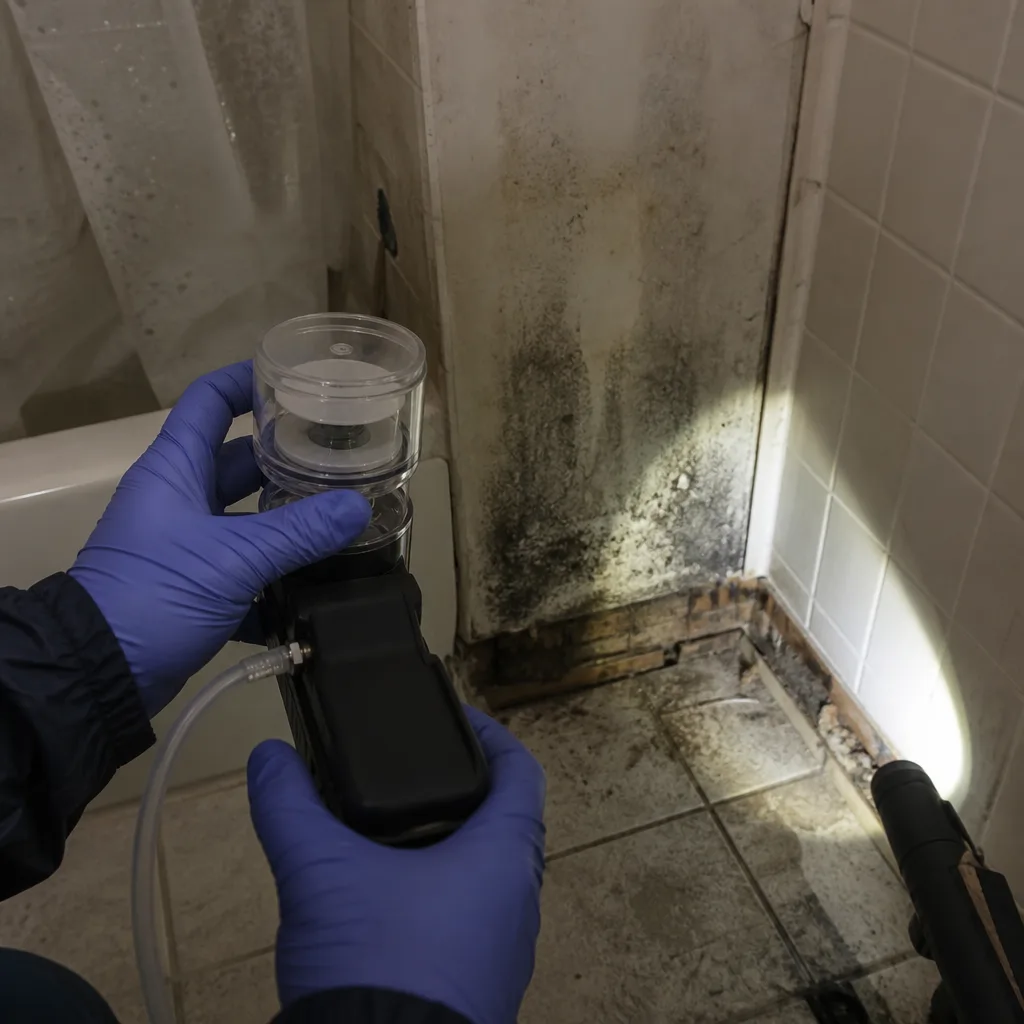
Insurance Claim Documentation
This is the service that saves Maywood homeowners real money, because a well-documented claim gets paid faster and more fully. We photograph every affected surface, log moisture readings daily, write a line-item scope in industry-standard language, and communicate directly with your adjuster. When the claim hinges on whether that wiring was pre-existing or damaged by the loss, we have the documentation. When the adjuster questions why a plaster wall needs full removal, we have the moisture map to answer.
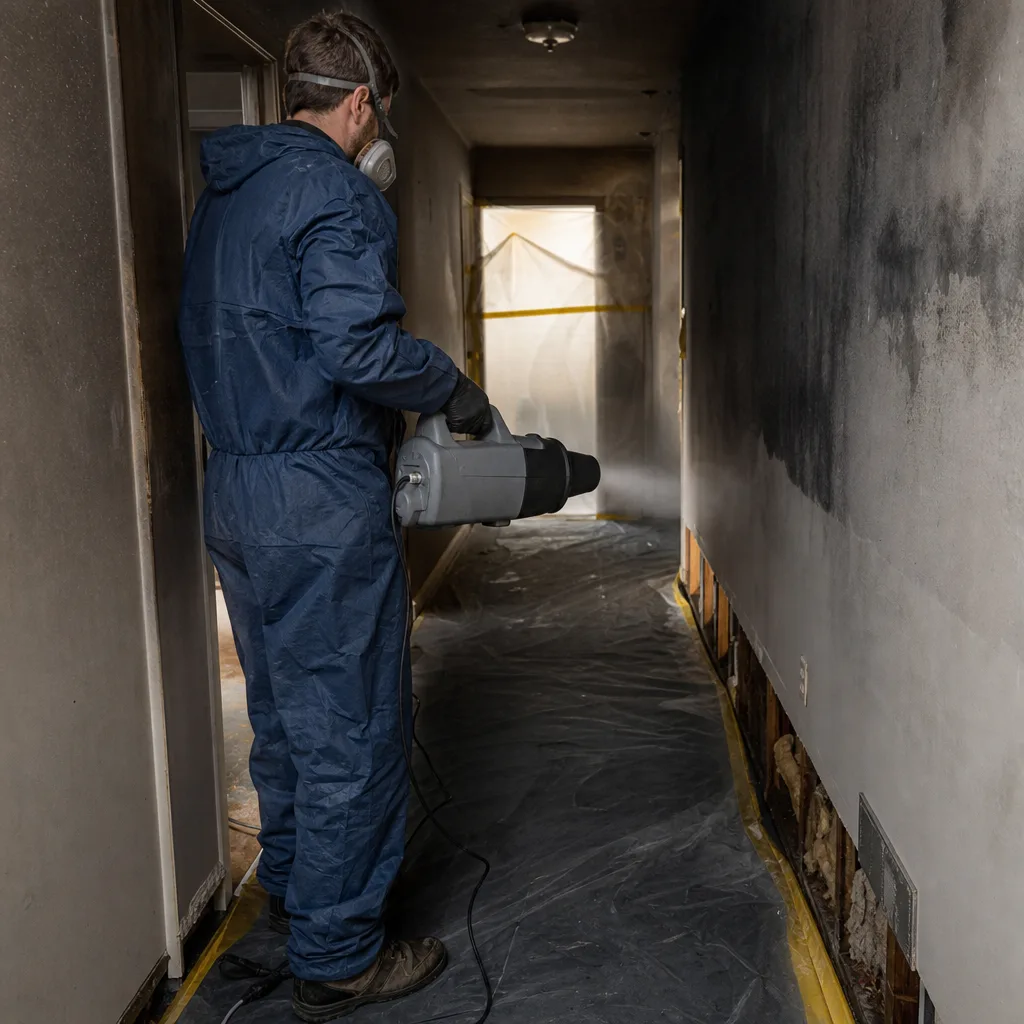
Contents Restoration & Pack-Out
Flooded basements in Maywood’s older homes are often full of decades of possessions: photo albums, tools, holiday decorations, furniture. Our contents restoration team inventories every item, packs out what needs off-site cleaning, and restores what can be saved using professional-grade equipment and methods. We clean and restore carpets, upholstery, and textiles on-site when possible, and we pack out and return everything else with a written inventory so nothing disappears into the process.
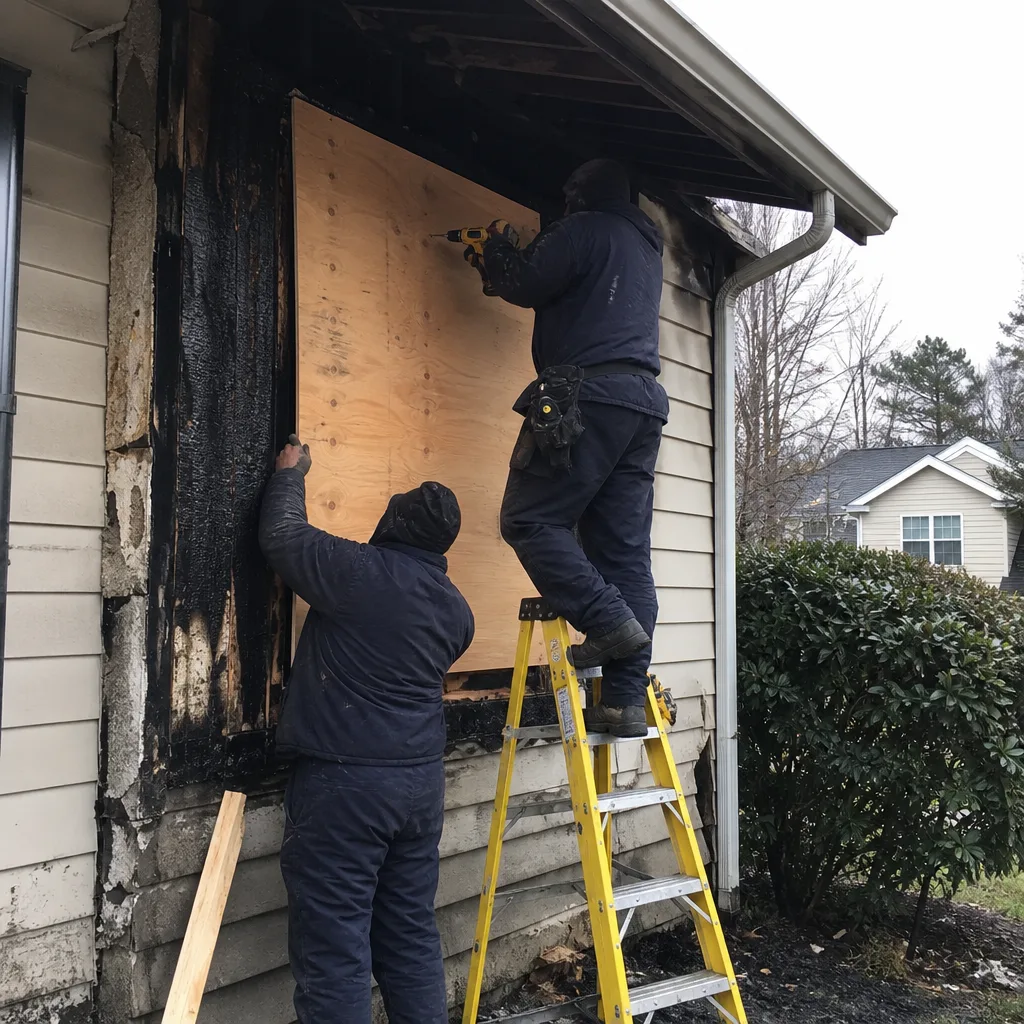
Drywall & Flooring Repair
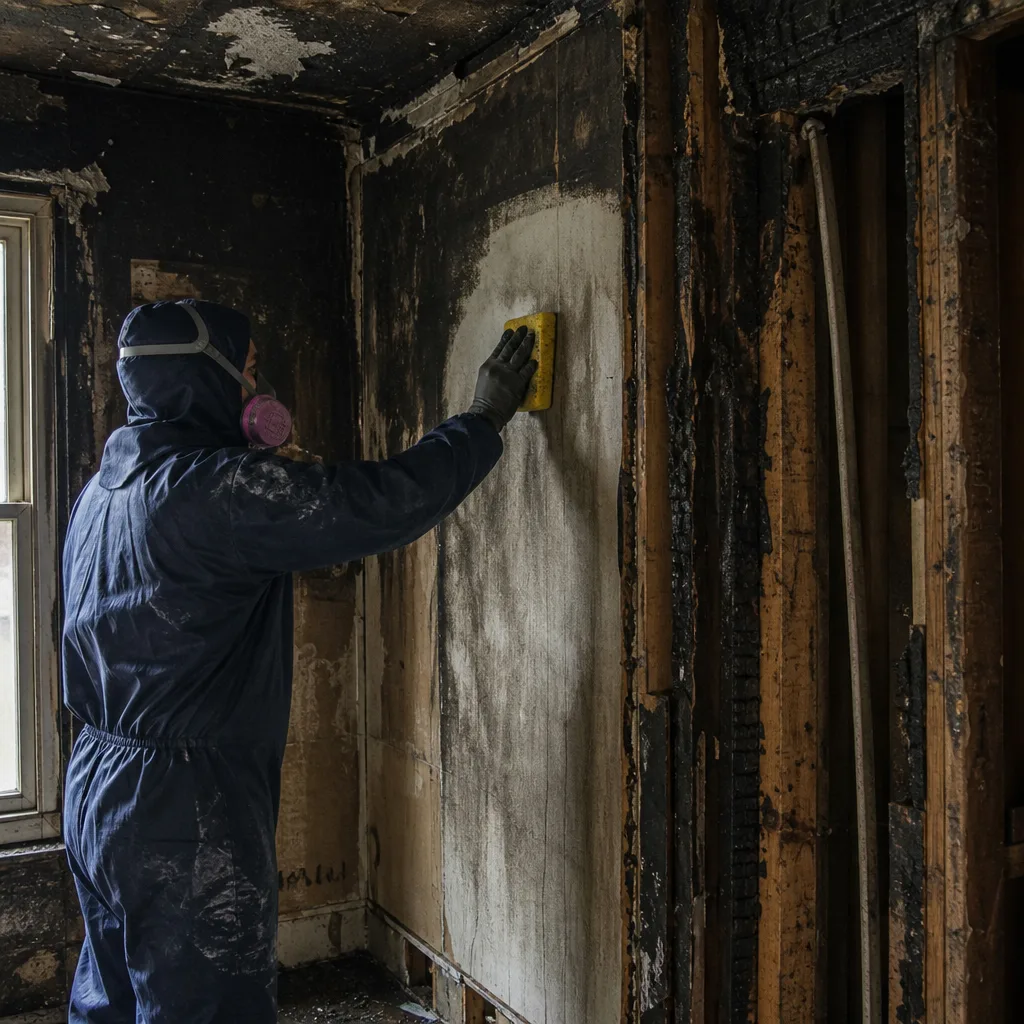
After a Category 2 or 3 water loss in Maywood, drywall and flooring are usually the first materials to go. We cut flood cuts at the correct height based on moisture mapping, not guesswork, then repair with materials matched to your home’s vintage. Hardwood floors in 1930s colonials often survive if dried properly with Injectidry floor-drying systems, and we use that equipment when the floor can be saved. When it can’t, we match the replacement to the original as closely as the market allows.
Carpet & Upholstery Cleaning
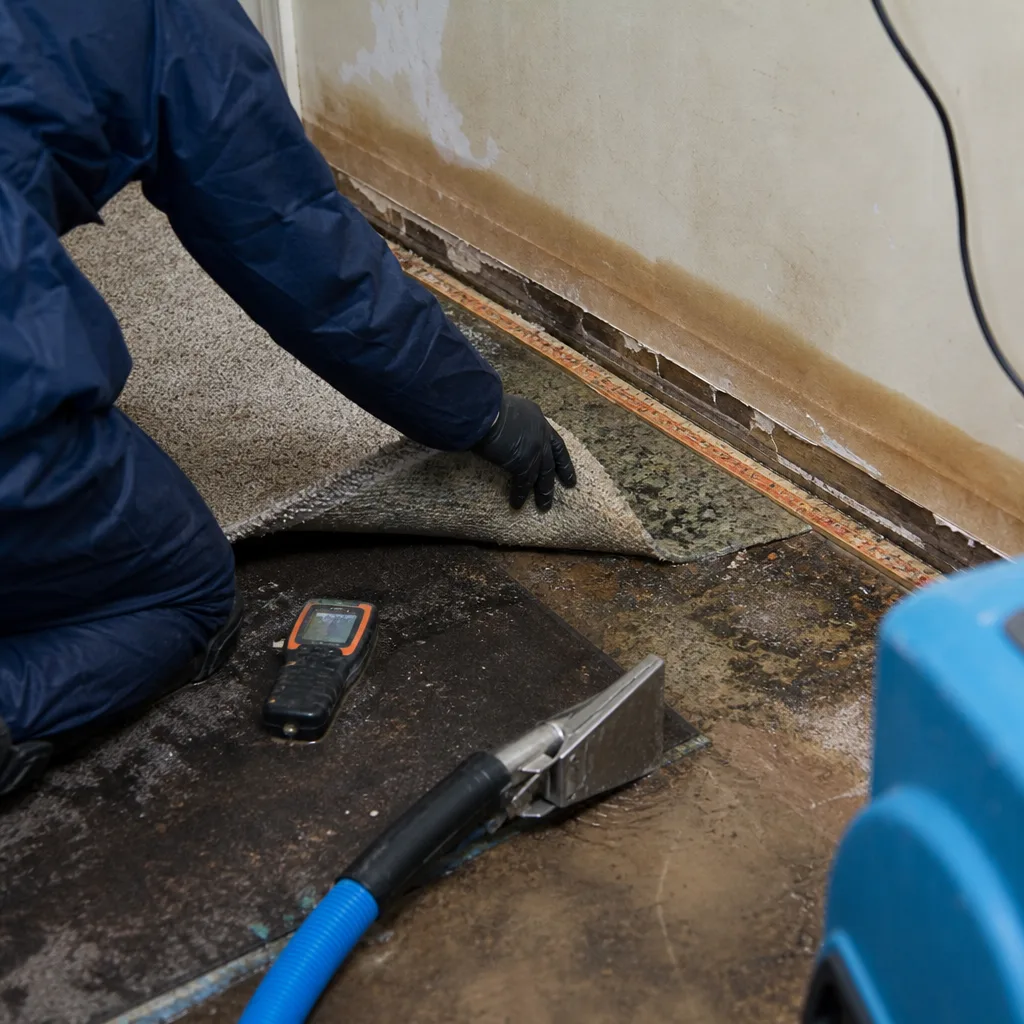
Not every water loss requires full replacement. When carpet, area rugs, or upholstered furniture in a Maywood home are affected by Category 1 water, professional-grade extraction and cleaning can often save them at a fraction of replacement cost. We use hot water extraction equipment and EPA-registered cleaning chemistry, then dry everything to standard before returning it. For homes damaged by smoke, we use specialized soot-removal methods on textiles that don’t respond to ordinary cleaning.
Post-Construction Cleanup
After a rebuild, Maywood homeowners shouldn’t be left with drywall dust in every room and construction debris in the driveway. Our post-construction cleanup includes HEPA-filtered air cleaning, surface cleaning throughout the affected area, debris removal, and a final walkthrough. The same crew that did the reconstruction does the cleanup, so there’s no question of who’s responsible for the dust in the upstairs hallway.
What happens when you call
- 1
A real person answersNo phone trees - you reach a local pro.
- 2
You get an upfront price rangeHonest numbers before anyone is dispatched.
- 3
A background-checked tech heads outLicensed & insured, dispatched right away.
- 4
You approve before work beginsNothing starts until you say go.
Reconstruction & Cleanup Costs in Maywood, NJ
Reconstruction & Cleanup costs in Maywood track the age and condition of the housing stock as much as the damage itself. A straightforward Category 1 water cleanup and dry-out with minor drywall repair typically runs $1,800 to $4,500. A Category 2 or 3 basement loss with full flood cuts, drying, and reconstruction lands between $8,000 and $25,000, depending on how much of the basement is finished and what materials need replacement. When knob-and-tube wiring or asbestos-containing materials are involved, the scope expands and costs climb accordingly. FUSRAP-related soil testing or documentation, when excavation is required, adds a modest line item but prevents far larger delays and stop-work orders. Full post-fire reconstruction on a Maywood colonial can range from $30,000 to $100,000 or more, driven by scope rather than guesswork. Our free visual inspection gives you a firm written number before anything is torn out, and our direct insurance billing means the carrier gets the same detailed scope you do. Call (640) 333-9625 and we’ll walk through your specific situation on the phone, then on site.
We Also Serve Cities Near Maywood
Floodline Restoration Co. provides Reconstruction & Cleanup throughout the surrounding Bergen County area, including Saddle Brook, River Edge, Garfield, and Elmwood Park. Our crews are familiar with the building types and damage patterns in each of these communities, and the same 24/7 live dispatch serves them all.
Serving Maywood, NJ - Our Local Coverage Area
We’re based in the Maywood area and know this community well. Use the map below to see our service coverage - if you’re nearby, we can almost certainly help.
Maywood Reconstruction & Cleanup Questions, Answered
If I need basement excavation for reconstruction in Maywood, what soil concerns should I expect?
Maywood is one of the few New Jersey suburbs where a routine basement dig-out can trigger a federal reporting conversation. The borough’s former Maywood Chemical Works left thorium-contaminated soil distributed across residential properties, and the Army Corps of Engineers’ FUSRAP cleanup was property-by-property, not every parcel fully cleared. Before any excavation, our crews check FUSRAP parcel status with the county and Corps, and if the soil near a foundation looks unusually fine or off-color, we pause, document, and follow federal protocols. This doesn’t happen in Hackensack or Lodi, and it’s a Maywood-specific consideration that can stall a rebuild if ignored. Call (640) 333-9625 before you dig, and we’ll handle the due diligence.
How fast can mold start in my Maywood basement after a Category 2 water loss?
Mold colonization can begin within 24 to 48 hours in Maywood’s humid summer conditions, even sooner in the borough’s older basements where original framing and finished walls trap moisture. That’s why our crews are dispatched within 45 minutes of your call and extraction starts the same visit. Once moisture mapping shows the affected area, we set containment, run HEPA air scrubbers, and begin structural drying with professional-grade equipment. The goal is to get every surface below the dry standard before mold has a chance to establish. If it already has, we handle mold remediation under containment with the same certified crew.
Will my insurance cover reconstruction on a 1940s Maywood home with knob-and-tube wiring?
Insurance covers the damage caused by the covered loss, and pre-existing conditions like knob-and-tube wiring are generally excluded from replacement cost unless they were damaged by the event. The critical step is documenting the wiring’s condition before demolition starts, which is why our insurance claim documentation includes pre-loss photos and a written condition of materials. When knob-and-tube wiring was damaged by a water loss or fire, that portion becomes part of the covered scope, and we document it with photos, moisture readings, and an electrical inspection. Our direct adjuster communication means we advocate for the full covered scope, not the minimum an adjuster might first propose.
What’s the right approach for drying wall cavities in Maywood’s older balloon-frame houses?
Air movers alone won’t dry open balloon-frame cavities, because the air doesn’t reach the trapped pockets between stud bays that run from sill to attic. The right approach is moisture mapping first, using thermal imaging and hygrometers to find the wet pockets, then cutting access holes at strategic points so airflow and dehumidification actually reach the trapped moisture. On a 1930s colonial near Maywood’s older core streets, our crew was called after a Category 2 water loss soaked the original balloon-frame walls. We set containment, moisture-mapped the cavities, and removed saturated plaster and knob-and-tube wiring. When we started the basement dig-out for structural drying, the soil near the foundation was unusually fine and off-color, so we paused, documented, and followed FUSRAP protocols before proceeding with reconstruction. That’s the difference between drying to standard and drying until the numbers say you’re done.
Can you do a pack-out and contents restoration while repairing my Maywood home after a flood?
Yes, and we do it as a standard part of Reconstruction & Cleanup when contents need to leave the home. Our contents restoration team inventories every item, photographs everything for your insurance file, packs out what needs off-site cleaning, and stores it in a climate-controlled facility until your home is ready. Carpets, rugs, upholstery, and hard goods each get the appropriate cleaning method, and we return everything with a written inventory so nothing goes missing. Most contents are cleaned and returned within the timeline of the structural work, so you’re not waiting weeks for your furniture after the drywall is done.
How fast can a Floodline Restoration Co. crew actually get to my Maywood address?
Our live dispatcher confirms a crew dispatch while you’re still on the phone, and our Maywood-area crews arrive within 45 minutes for emergency calls. The technician who arrives is background-checked, uniformed, and certified to IICRC standards, and they arrive with professional-grade extraction and drying equipment on the truck, ready to start work the same visit. We don’t send a salesperson first and a crew later. One call to (640) 333-9625, and the person who answers is the person who dispatches the crew.
Do I really need full reconstruction, or just a cleaning?
That depends on the category of water and how far it traveled. Category 1 clean water on a tile floor in a 1960s split-level may need extraction, drying, and cleaning only. Category 2 or 3 water in a 1930s colonial with finished basement walls usually means flood cuts, insulation removal, and structural drying before you can even think about rebuilding. The honest answer comes from moisture mapping and material testing, not from a salesman’s preference. Our free visual inspection gives you the data and the recommendation, and you decide. We don’t recommend demolition that isn’t necessary, and we don’t skip demolition that is.
What should I do in the first 30 minutes after discovering water damage in Maywood?
Call (640) 333-9625 first. Then, if it’s safe, shut off the water source and kill power to the affected area. Don’t use a wet vacuum on Category 2 or 3 water. Don’t turn on ceiling fans or run household dehumidifiers, because household equipment spreads contaminants and masks the moisture signature we need to map. Move small valuables out of the water if you can do so safely, and take photos of the standing water before it’s extracted, because those photos become part of your insurance file. The faster we start extraction, the less the damage spreads through Maywood’s older framing.
Floodline Restoration Co. serves Maywood with full-cycle Reconstruction & Cleanup, from first extraction to finished rebuild, backed by the 90-Day Done Right Promise in writing. Our crews are IICRC-certified, background-checked, and dispatched from a live 24/7 phone line, not a voicemail. We bill your insurance carrier directly, we document everything from the first hour, and we never hand your job to an unfamiliar crew. Call (640) 333-9625 for a free estimate, and we’ll be there when we say.
Written by Curt Bowman, Owner at Floodline Restoration Co., serving Maywood with Reconstruction & Cleanup since the company’s founding in 2010.